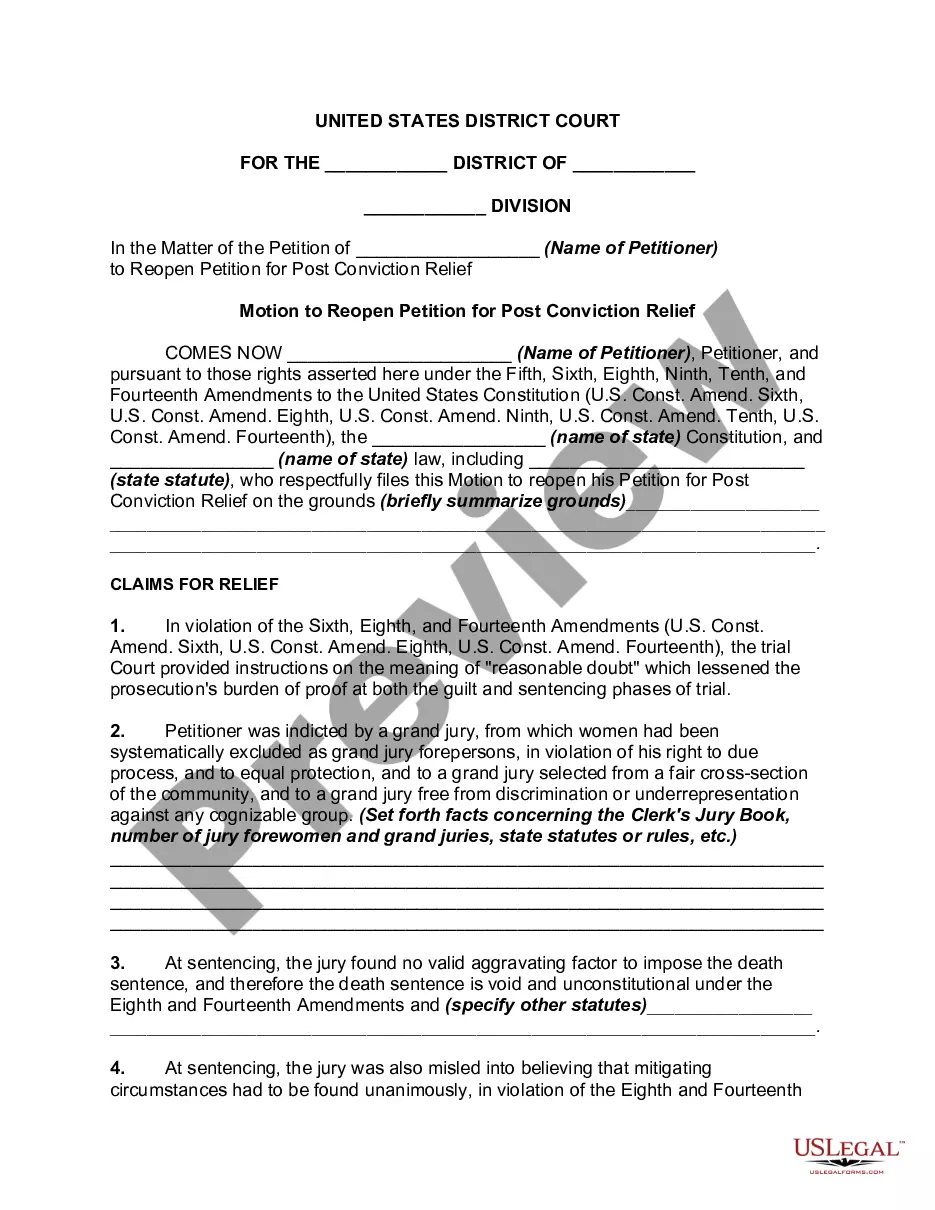
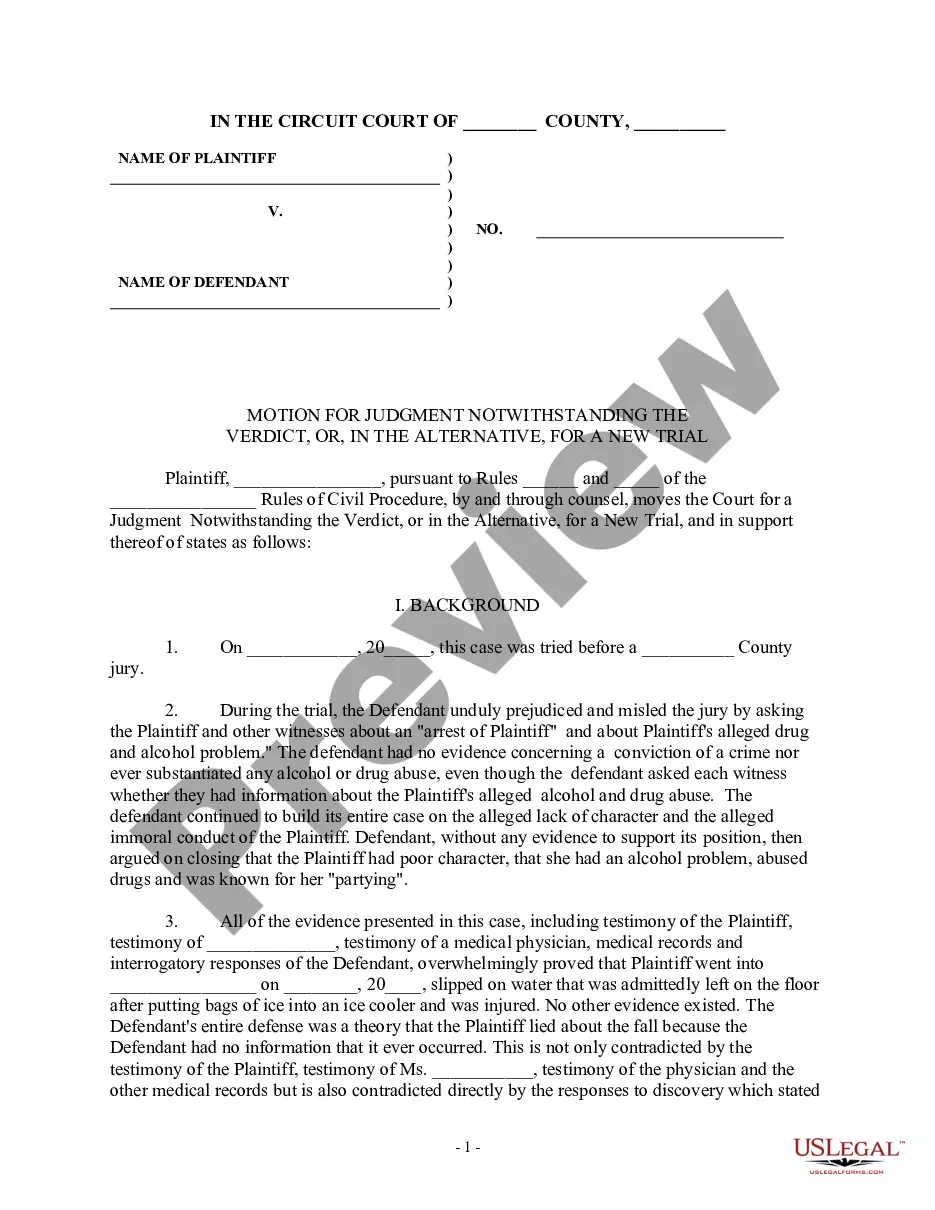
State Court Motion For Reconsideration
Description
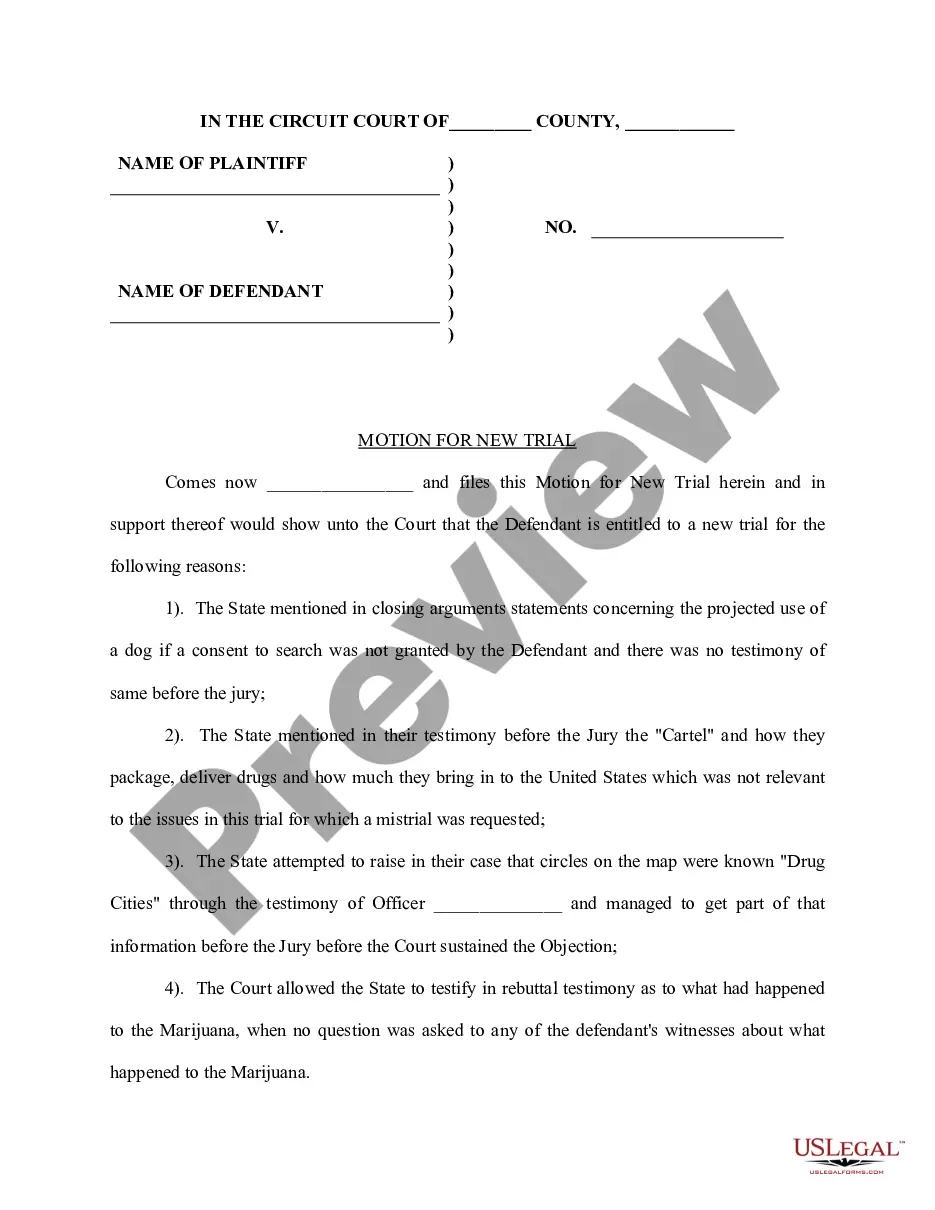
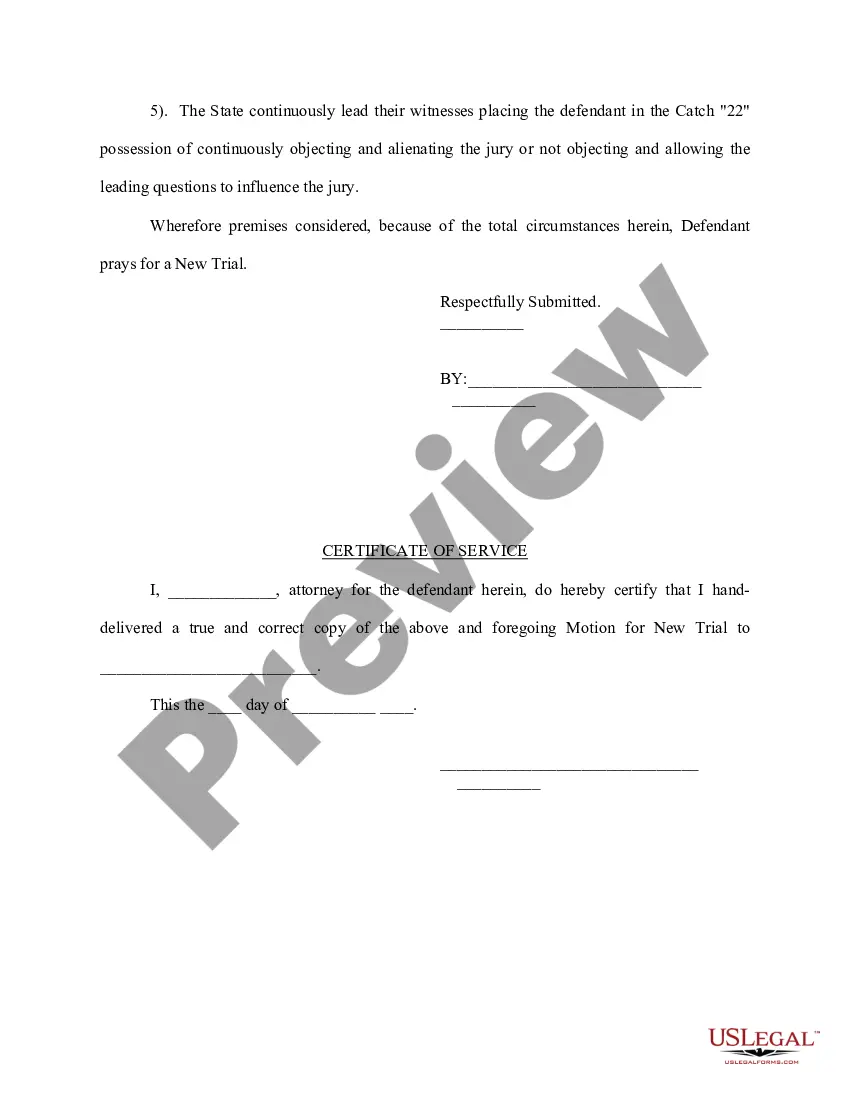
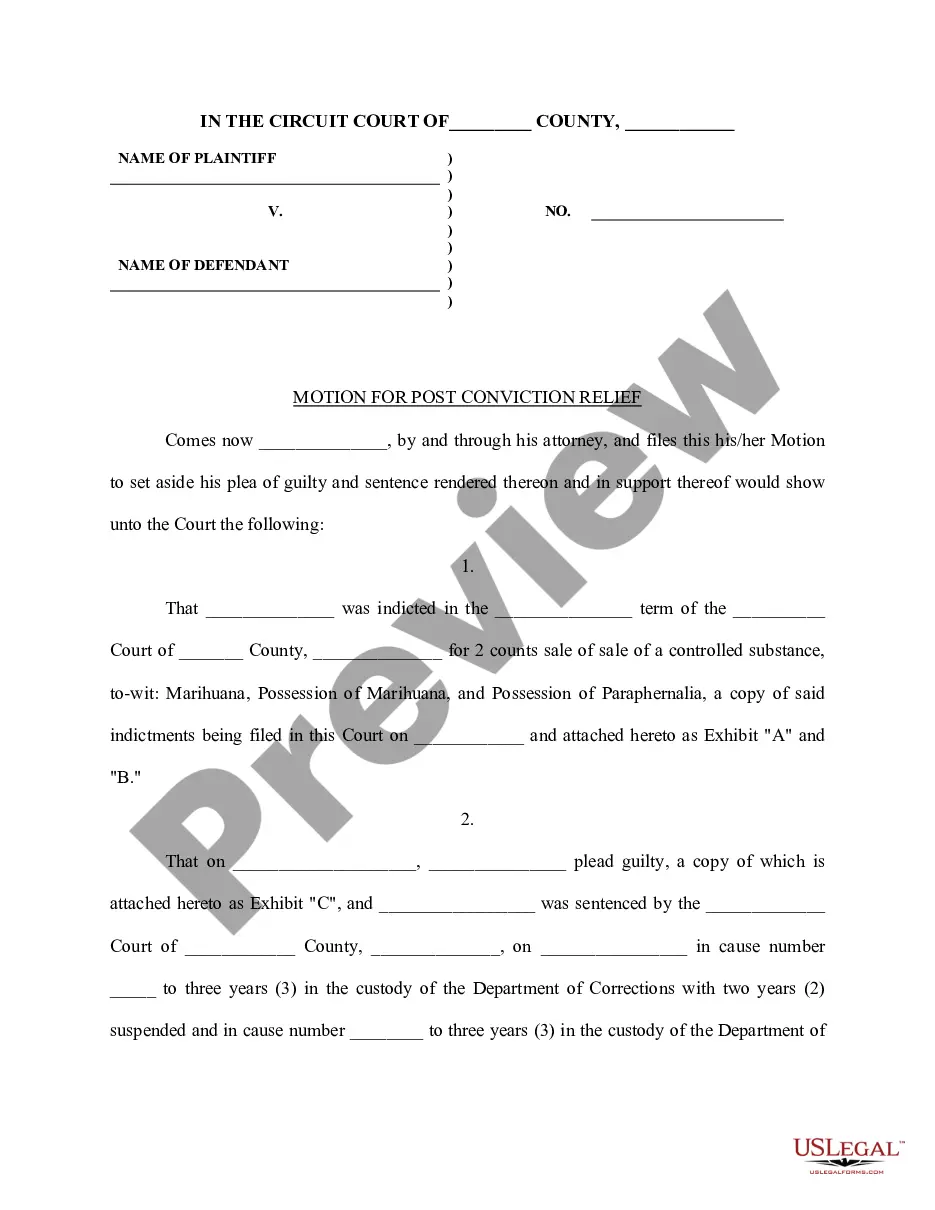
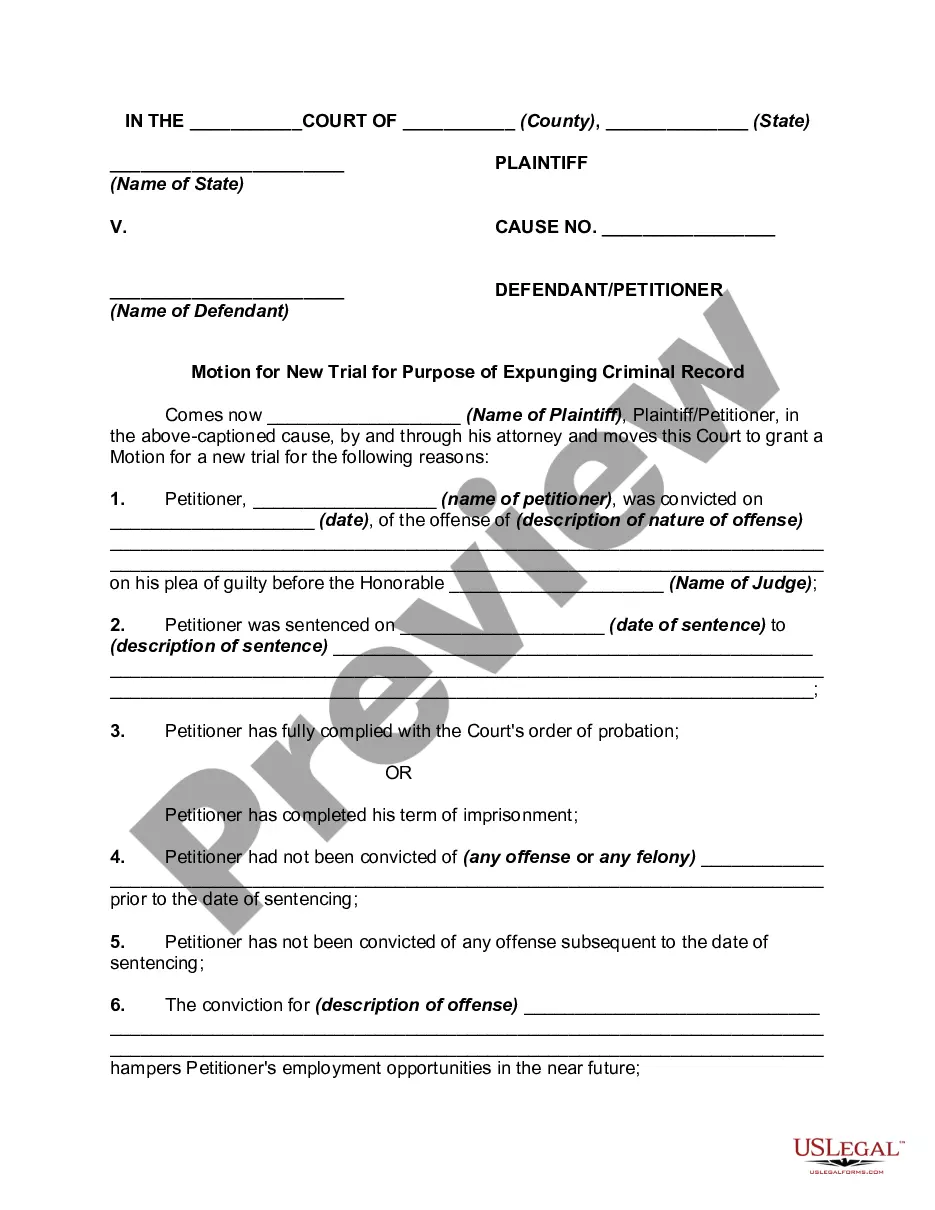
Get your form ready online
Our built-in tools help you complete, sign, share, and store your documents in one place.
Make edits, fill in missing information, and update formatting in US Legal Forms—just like you would in MS Word.
Download a copy, print it, send it by email, or mail it via USPS—whatever works best for your next step.
Sign and collect signatures with our SignNow integration. Send to multiple recipients, set reminders, and more. Go Premium to unlock E-Sign.
If this form requires notarization, complete it online through a secure video call—no need to meet a notary in person or wait for an appointment.
We protect your documents and personal data by following strict security and privacy standards.

Make edits, fill in missing information, and update formatting in US Legal Forms—just like you would in MS Word.

Download a copy, print it, send it by email, or mail it via USPS—whatever works best for your next step.

Sign and collect signatures with our SignNow integration. Send to multiple recipients, set reminders, and more. Go Premium to unlock E-Sign.

If this form requires notarization, complete it online through a secure video call—no need to meet a notary in person or wait for an appointment.

We protect your documents and personal data by following strict security and privacy standards.
Looking for another form?




How to fill out Motion For New Trial?
It’s widely acknowledged that becoming a legal expert cannot be achieved instantly, nor can one quickly learn how to efficiently assemble a State Court Motion For Reconsideration without possessing a unique skill set.
Drafting legal documents is a lengthy process that necessitates a particular education and expertise. So, why not entrust the development of the State Court Motion For Reconsideration to the experts.
With US Legal Forms, featuring one of the largest collections of legal documents, you can discover everything from court filings to templates for internal correspondence. We recognize the significance of meeting federal and local laws and regulations. Thus, all templates on our site are jurisdiction-specific and current.
You can revisit your forms from the My documents section at any time. If you’re a returning customer, you can simply Log In, and locate and download the template from the same section.
Regardless of the intention behind your documents—whether they are financial, legal, or personal—our website has you covered. Give US Legal Forms a try now!
- Find the document you need by utilizing the search function at the top of the screen.
- Review it (if preview option is available) and check the accompanying description to ascertain if the State Court Motion For Reconsideration is what you’re looking for.
- Start your search anew if you require another form.
- Create a free account and choose a subscription plan to acquire the form.
- Click Buy now. After payment is confirmed, you can obtain the State Court Motion For Reconsideration, complete it, print it, and either mail or send it to the designated individuals or organizations.
Form popularity
FAQ
Common grounds for reconsideration include factual mistakes in the court’s ruling, new legal arguments, or overlooked evidence that could affect the case outcome. It is also valid to argue discrepancies in the application of the law. When presenting these grounds, clarity and supporting documentation are crucial. Access templates through US Legal Forms to help you formulate a strong motion based on these grounds.
Good reasons to request for reconsideration include the discovery of new evidence, a clear error of law, or changes in circumstances that affect the judgment. If the initial ruling overlooks critical details, it may be suitable to seek a reconsideration. Additionally, if the law has evolved in a way that impacts your case, you should consider filing a motion. Using US Legal Forms can help pinpoint the proper grounds for your situation.
To write a motion for reconsideration, first, identify the specific issues you are contesting from the court's decision. Articulate your points logically, using precise language to explain why the court should reconsider. Include any additional information or arguments that were not considered previously. The US Legal Forms platform offers various templates to streamline this process and ensure your motion meets all legal requirements.
Writing a reconsideration request involves outlining the grounds for your appeal and presenting factual evidence that supports your case. Begin with a clear statement indicating that you seek reconsideration of a specific ruling. Supporting details like legal precedents or new evidence can strengthen your argument. Utilize US Legal Forms to access templates that guide you through this process effectively.
To write a reconsideration request, start by addressing the appropriate court. Clearly state that your document is a motion for reconsideration. Include your original case number, provide a summary of the original decision, and specify the reasons for your request. For assistance, consider using the tools available on the US Legal Forms platform, which can help you format your motion properly.
The purpose of a state court motion for reconsideration is to allow parties to ask the court to reassess its prior ruling. This motion is beneficial when new evidence emerges or if there were clear errors in the original decision. By filing this motion, you can seek justice through a fair evaluation of your case. If you're unsure about the process, consider using the US Legal Forms platform for guidance.
After you submit a state court motion for reconsideration, the court reviews your request. They may either grant or deny the motion based on the arguments you present. If granted, the court will revisit the previous decision and may issue a new ruling. It's essential to stay informed about the court's schedule and be prepared for any additional hearings.
Writing a motion for reconsideration letter involves stating your case clearly and concisely. Start by identifying the court and the case details, followed by a thorough explanation of why the reconsideration is justified. Incorporate any new evidence or legal arguments that support your request. For guidance and templates, you might find uslegalforms to be a great resource, simplifying the process of drafting your motion.
The success rate for state court motions for reconsideration can vary significantly depending on the case's specific circumstances and the arguments presented. Courts tend to uphold their earlier decisions unless new evidence or significant legal errors are identified. Typically, success rates are modest; thus, it's essential to prepare compelling reasons for your motion. Engaging with a knowledgeable attorney can enhance your chances of success.
In the context of a state court motion for reconsideration, generally, the party who is dissatisfied with the court's decision can file for reconsideration. This could include either the plaintiff or the defendant in a case. It is important to note that the motion must be filed within a specific time frame set by the court rules. If you're unsure whether you qualify, consider consulting with a legal professional to explore your options.