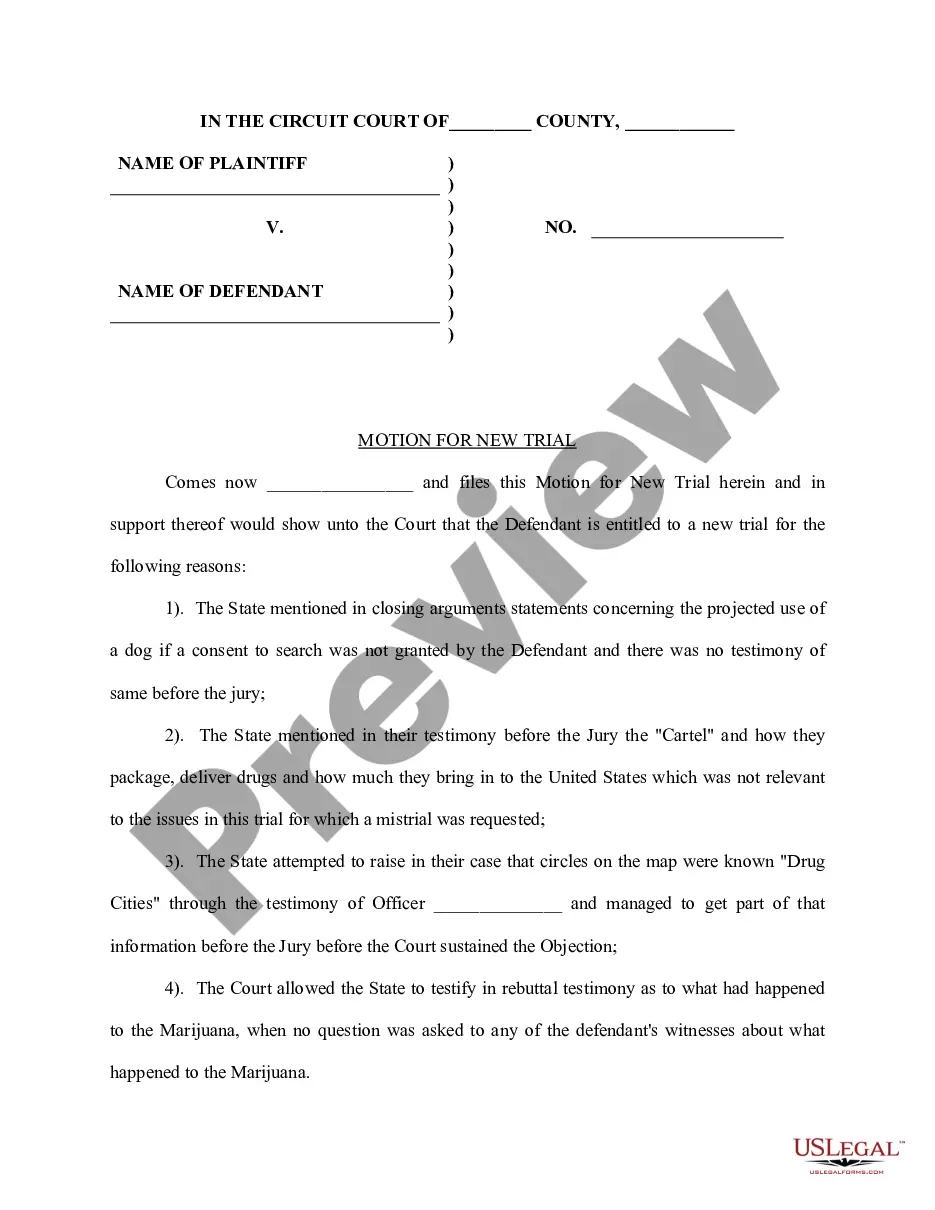
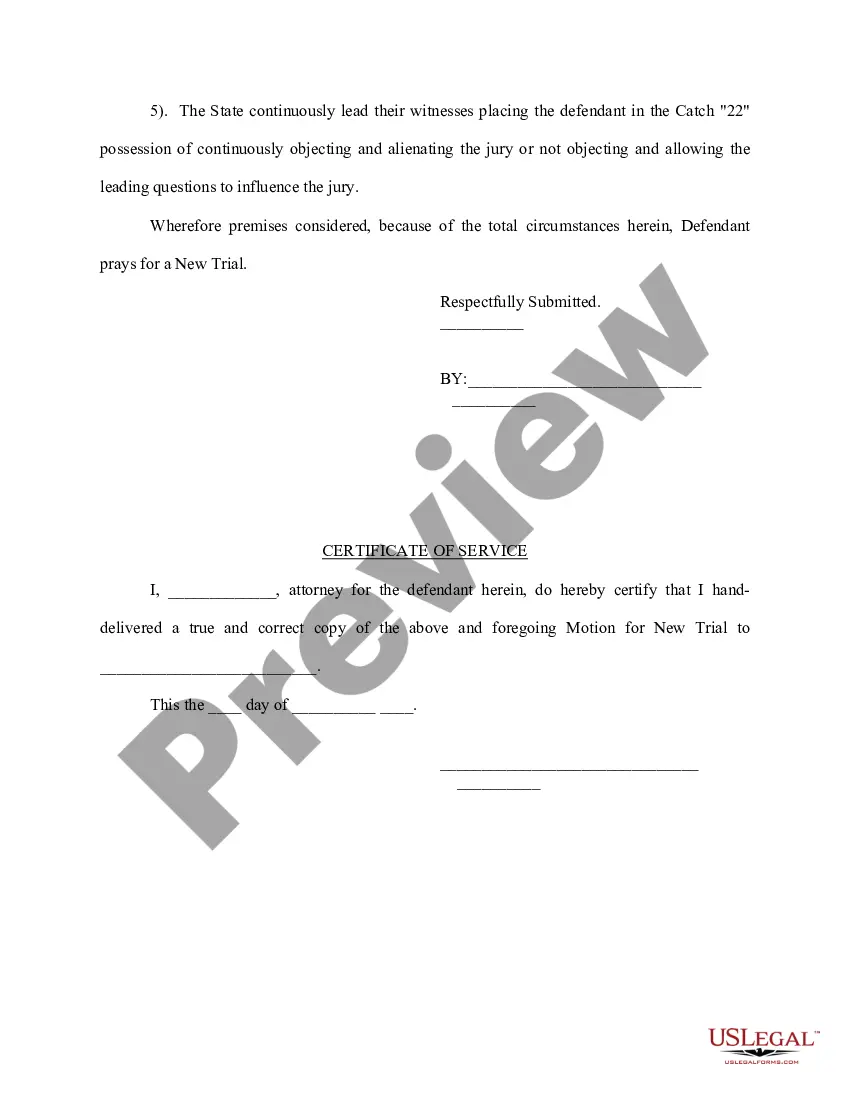
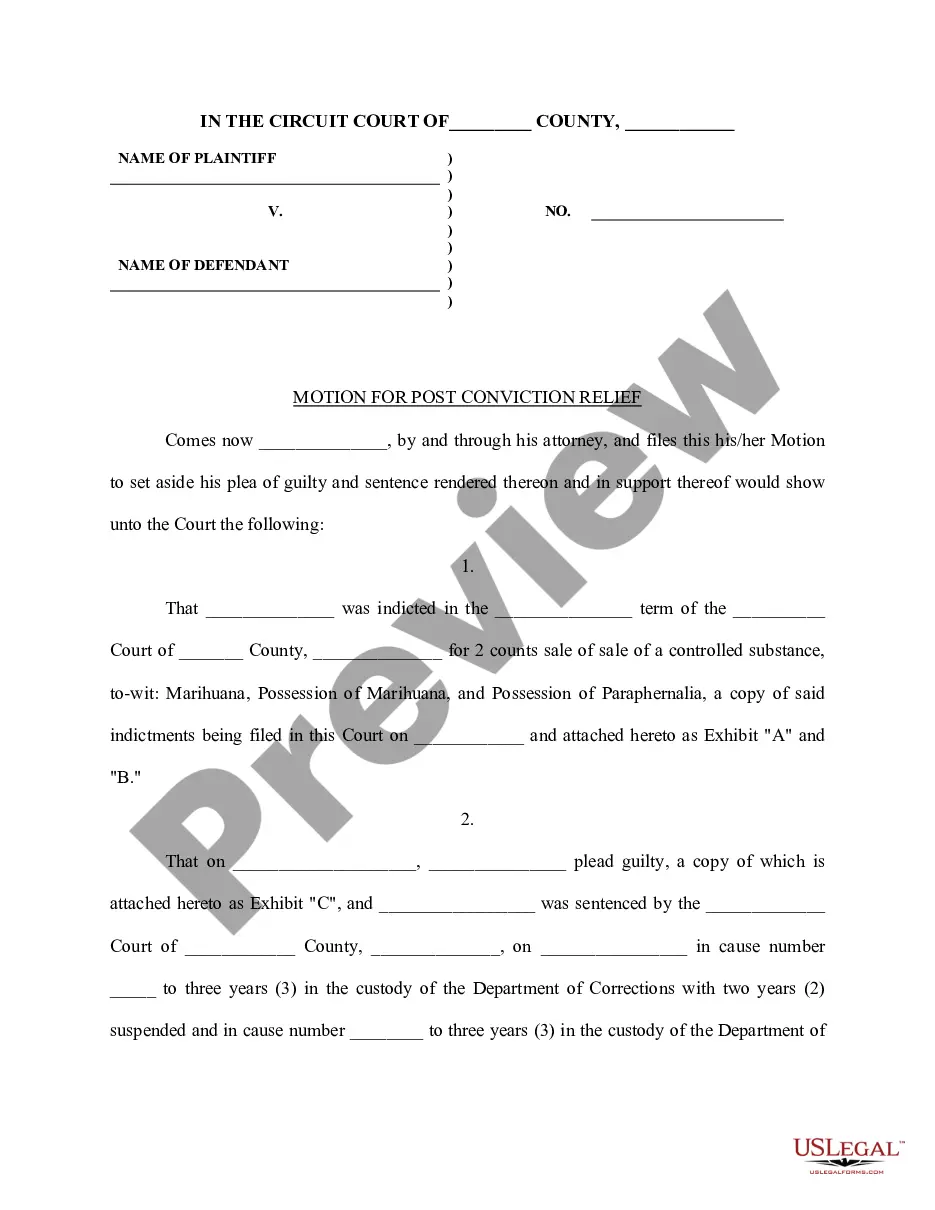
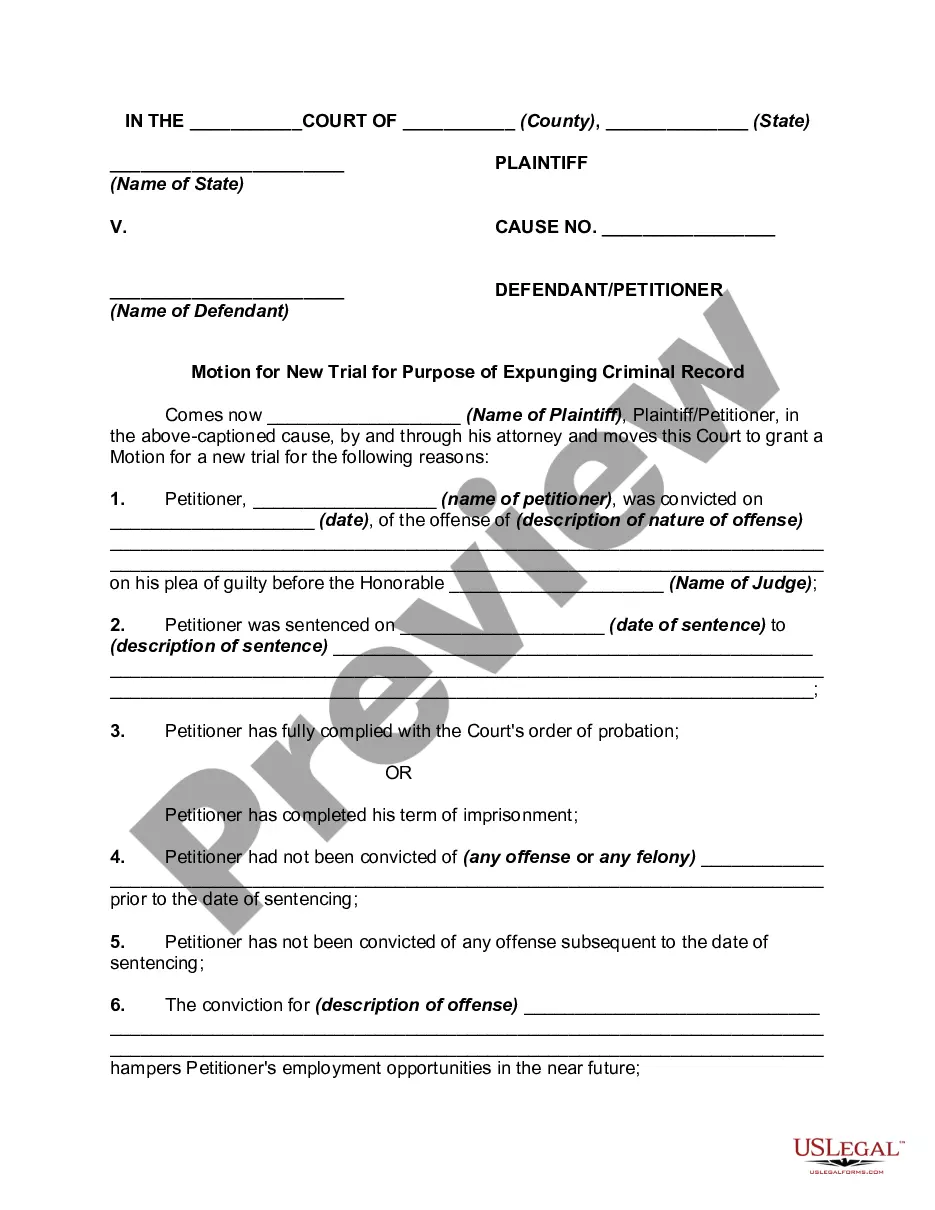
State Court Motion For Default Judgment
Description
Get your form ready online
Our built-in tools help you complete, sign, share, and store your documents in one place.
Make edits, fill in missing information, and update formatting in US Legal Forms—just like you would in MS Word.
Download a copy, print it, send it by email, or mail it via USPS—whatever works best for your next step.
Sign and collect signatures with our SignNow integration. Send to multiple recipients, set reminders, and more. Go Premium to unlock E-Sign.
If this form requires notarization, complete it online through a secure video call—no need to meet a notary in person or wait for an appointment.
We protect your documents and personal data by following strict security and privacy standards.

Make edits, fill in missing information, and update formatting in US Legal Forms—just like you would in MS Word.

Download a copy, print it, send it by email, or mail it via USPS—whatever works best for your next step.

Sign and collect signatures with our SignNow integration. Send to multiple recipients, set reminders, and more. Go Premium to unlock E-Sign.

If this form requires notarization, complete it online through a secure video call—no need to meet a notary in person or wait for an appointment.

We protect your documents and personal data by following strict security and privacy standards.
Looking for another form?




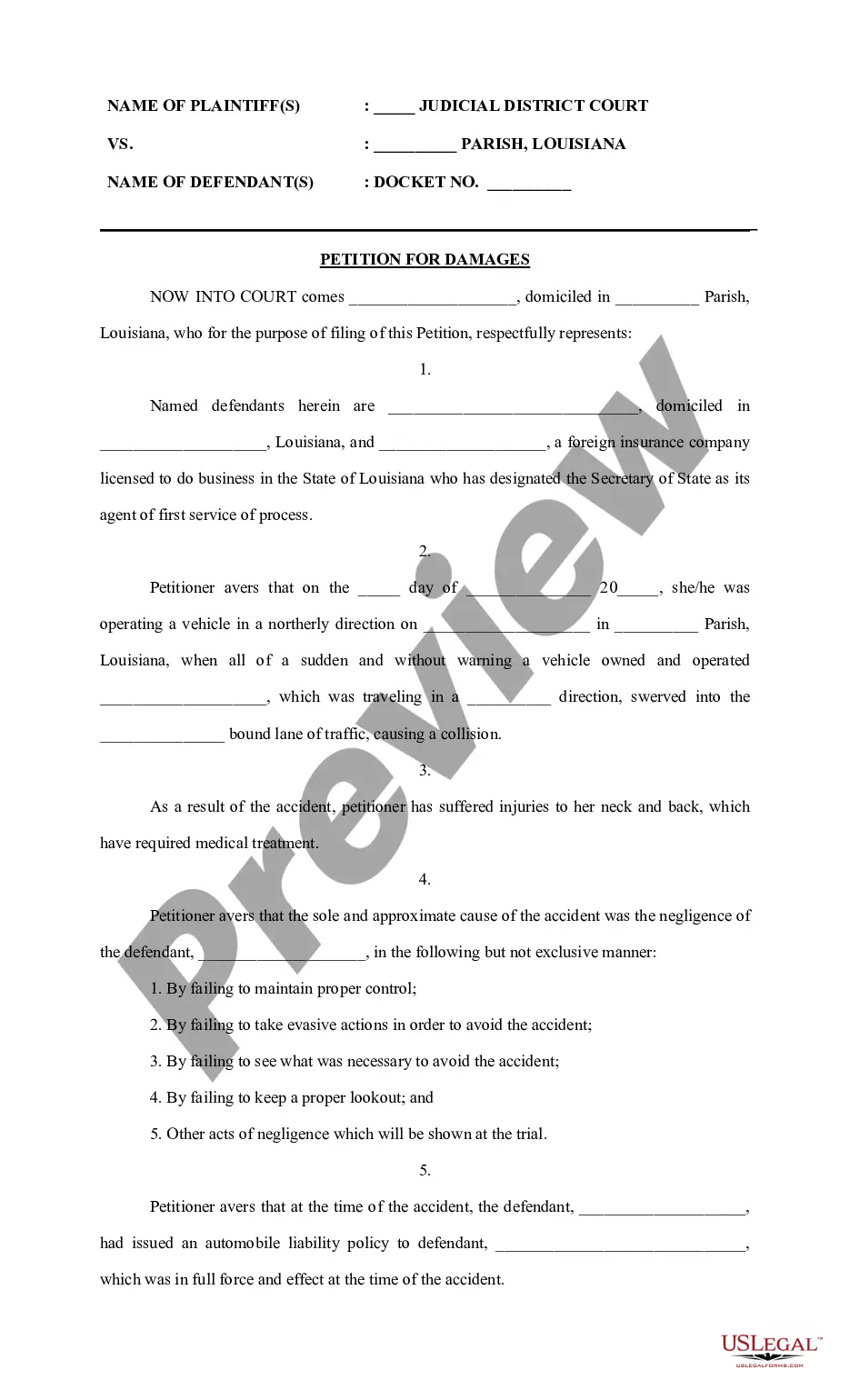
How to fill out Motion For New Trial?
Creating legal documents from the ground up can often be daunting.
Certain situations may require extensive research and significant financial investment.
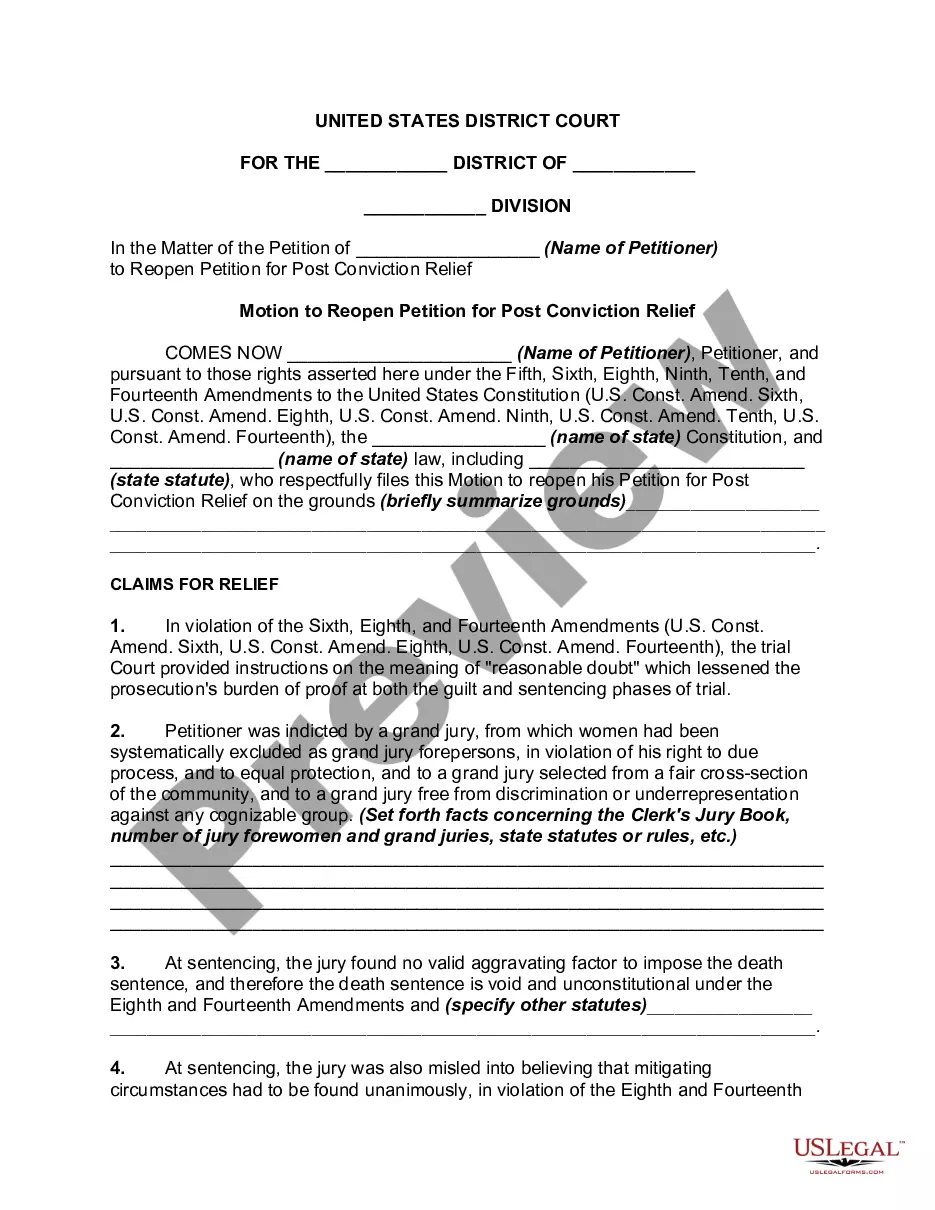
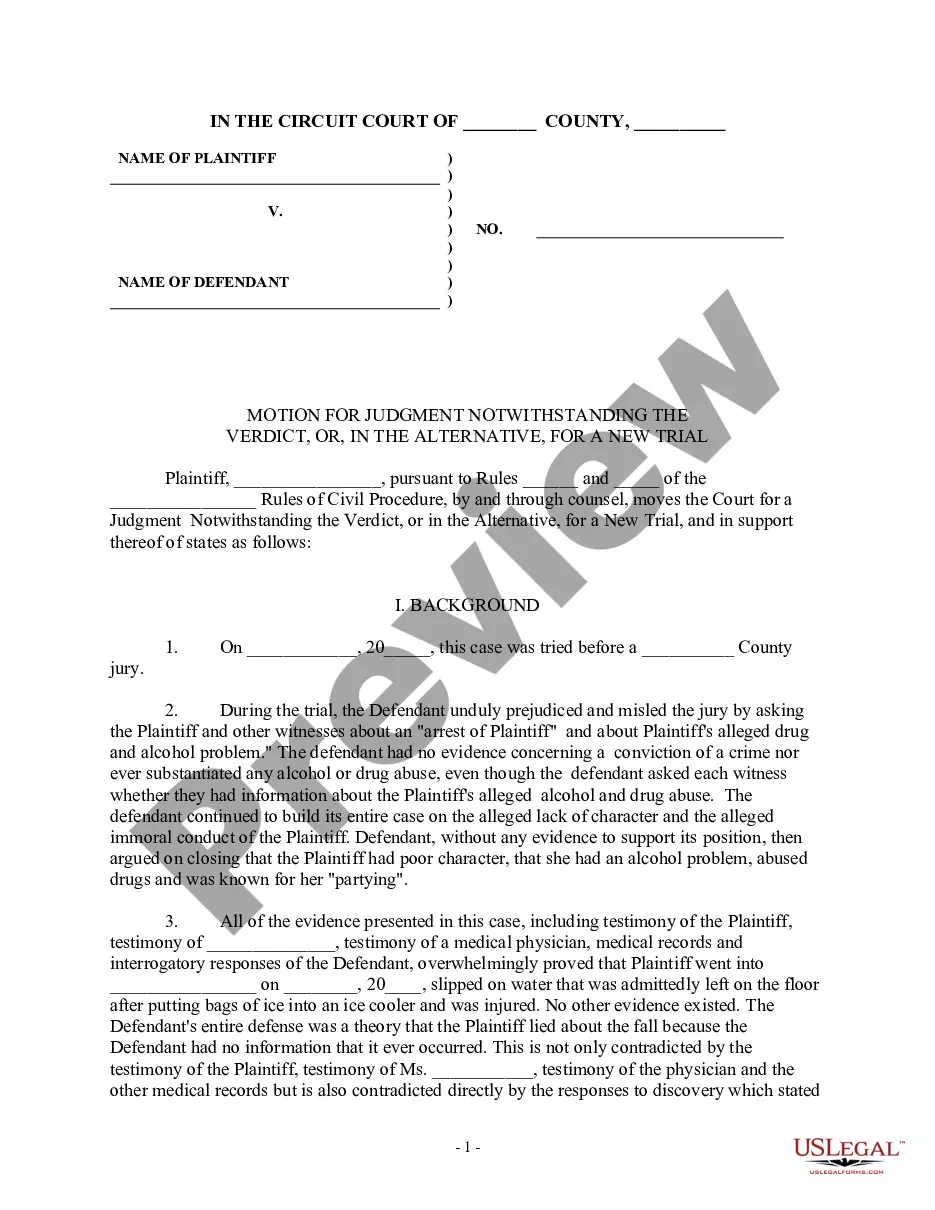
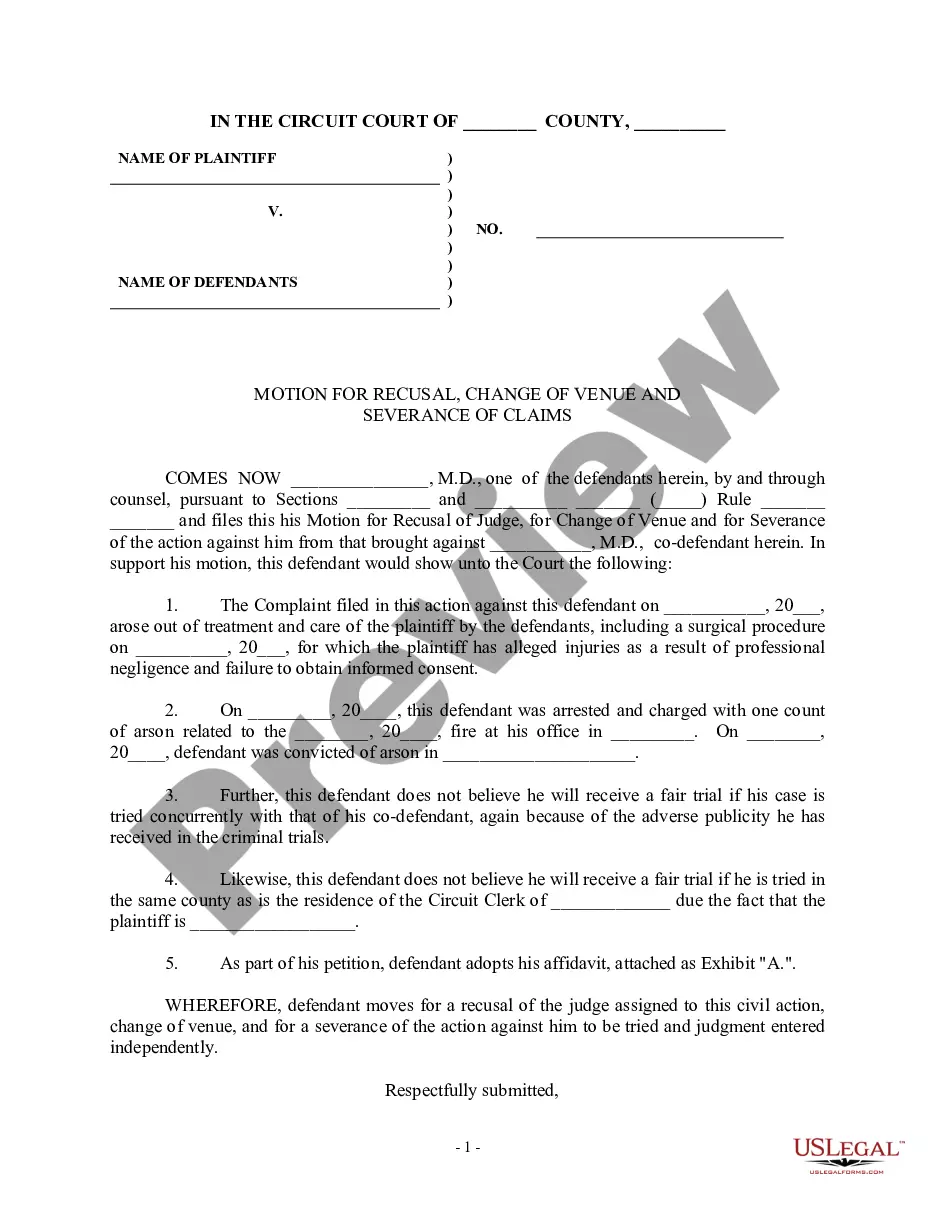
If you’re seeking a simpler and more economical method for generating State Court Motion For Default Judgment or any other paperwork without unnecessary complications, US Legal Forms is always accessible.
Our online library of over 85,000 current legal forms addresses nearly every aspect of your financial, legal, and personal matters.
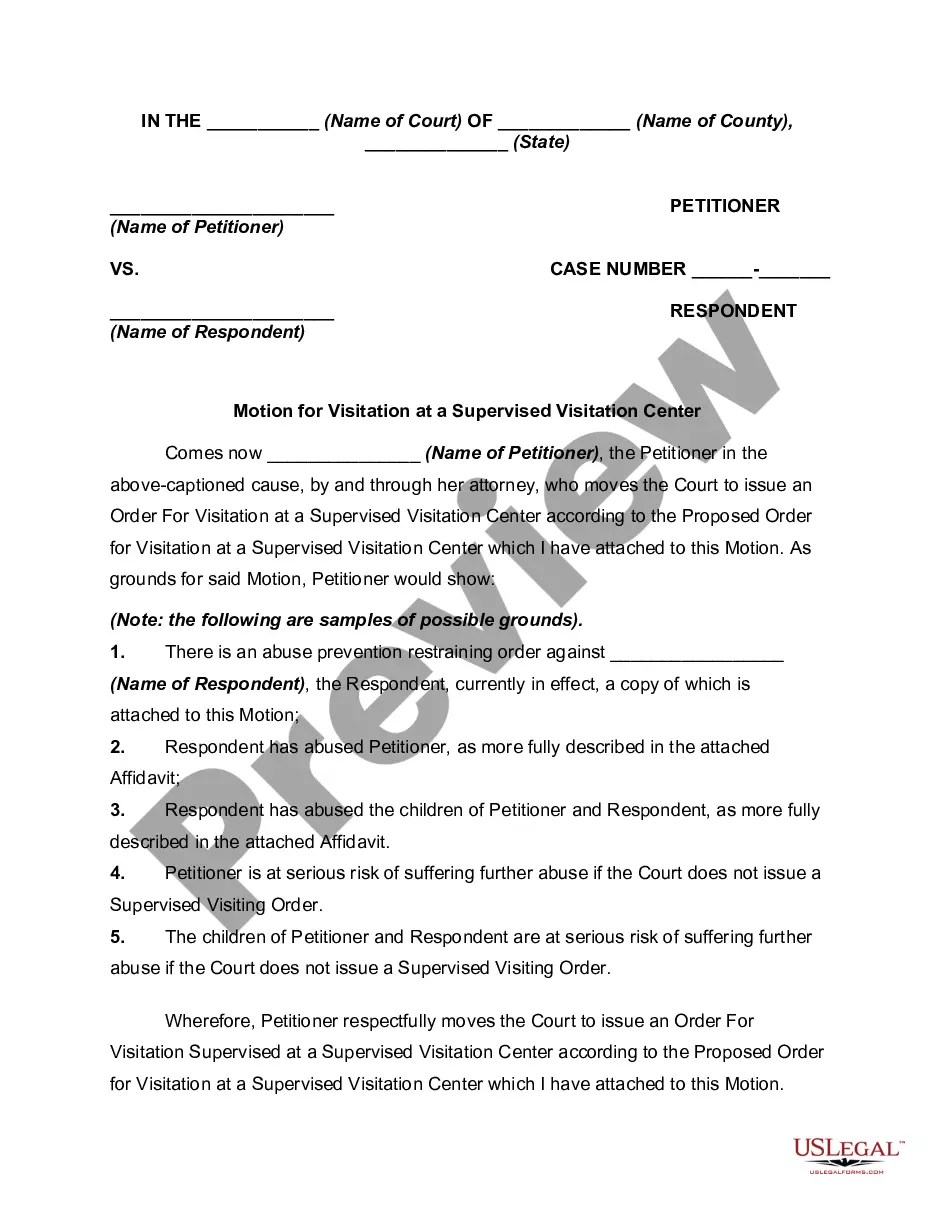
However, before proceeding to download State Court Motion For Default Judgment, keep these guidelines in mind: Check the form preview and descriptions to ensure you have located the correct document. Confirm that the template you select meets the requirements of your state and county. Choose the most appropriate subscription option to access the State Court Motion For Default Judgment. Download the form, then complete, sign, and print it out. US Legal Forms is well-regarded and has over 25 years of expertise. Join us today and make document execution an easy and efficient process!
- With just a couple of clicks, you can swiftly obtain state and county-specific forms meticulously prepared by our legal experts.
- Utilize our website whenever you need a dependable and trustworthy service to quickly find and download the State Court Motion For Default Judgment.
- If you’re familiar with our services and have previously registered with us, simply Log In to your account, select the form, and download it immediately or re-download it later in the My documents section.
- Don’t have an account? No issue. Setting it up and browsing the catalog takes minimal time.
Form popularity
FAQ
A default judgment is a court decision in favor of one party due to the other party's failure to respond to a legal complaint. This judgment is usually issued when the defendant does not provide a defense or appear in court, thus qualifying the plaintiff for relief without contest. Understanding the process behind a state court motion for default judgment is essential for anyone involved in litigation, as it can influence the legal and financial outcomes significantly.
A default judgment can have serious repercussions for the party against whom it is issued, as it may lead to financial penalties and the loss of certain rights. It can result in wage garnishments or liens against property, which can affect credit scores. Therefore, it’s vital to respond promptly to any legal actions to avoid the implications of a state court motion for default judgment.
A motion for default judgment is a formal request submitted to the court for a ruling in favor of one party due to the other party's failure to respond or fulfill an obligation. This action often implies that the court may issue a judgment without a hearing if the motion meets the legal requirements. Hence, understanding the essential components and procedures to successfully navigate a state court motion for default judgment can significantly impact the outcome of your case.
The primary purpose of a default judgment is to provide a legal resolution when one party does not engage in the judicial process. By granting a default judgment, the court expedites the final resolution, allowing the plaintiff to obtain relief without detrimentally delaying the process. This judgment serves to uphold the integrity of the judicial system by holding parties accountable for their obligations, especially in cases involving a state court motion for default judgment.
Default judgments typically arise when a defendant fails to respond to a lawsuit within the allotted time frame. Some common reasons include not receiving the summons or complaint, unintentionally missing the deadline, or choosing not to participate in the legal process. Consequently, understanding these factors is important as they underscore why timely action is crucial when facing a state court motion for default judgment.
A motion for default refers to a request made to the court by a party seeking a judgment against another party who has failed to respond to a legal complaint. This motion highlights the defaults of the other party, often due to not answering within specified deadlines. When the court grants this motion, it often allows the moving party to secure a judgment without further litigation. Understanding how to properly file a state court motion for default judgment is crucial for ensuring your rights are protected.
A motion for default judgment is a formal request made to the court asking for a judgment in favor of the non-defaulting party due to the other party's failure to respond or appear. This motion is vital as it allows the court to rule based on the information presented by the compliant party, without the involvement of the defaulting party. Preparing a thorough motion for default judgment can be streamlined with the resources available on platforms like uslegalforms.
Filling out a request for entry of default typically requires you to provide the court with your case information, the details of the opposing party, and evidence of service of process. You must be clear and concise, ensuring all required fields are properly completed. Using uslegalforms can guide you through the process, supplying templates and instructions to create a solid request for your state court motion for default judgment.
To respond to an entry of default, the party must act promptly to file a motion in court explaining their reasons for not responding earlier. This motion typically includes valid justifications and may include any defense against the underlying claim. Engaging legal services, such as those provided by uslegalforms, can help ensure that your response to the state court motion for default judgment is effectively presented.
A valid reason to set aside a default judgment includes situations where the defendant was not properly served with the court documents. If evidence shows that a party was unaware of the lawsuit or had an excusable reason for not responding, they can petition the court to overturn the judgment. Understanding the grounds for appealing a state court motion for default judgment can be vital in securing fair outcomes in legal matters.