Criminal Trial In Absentia
Description
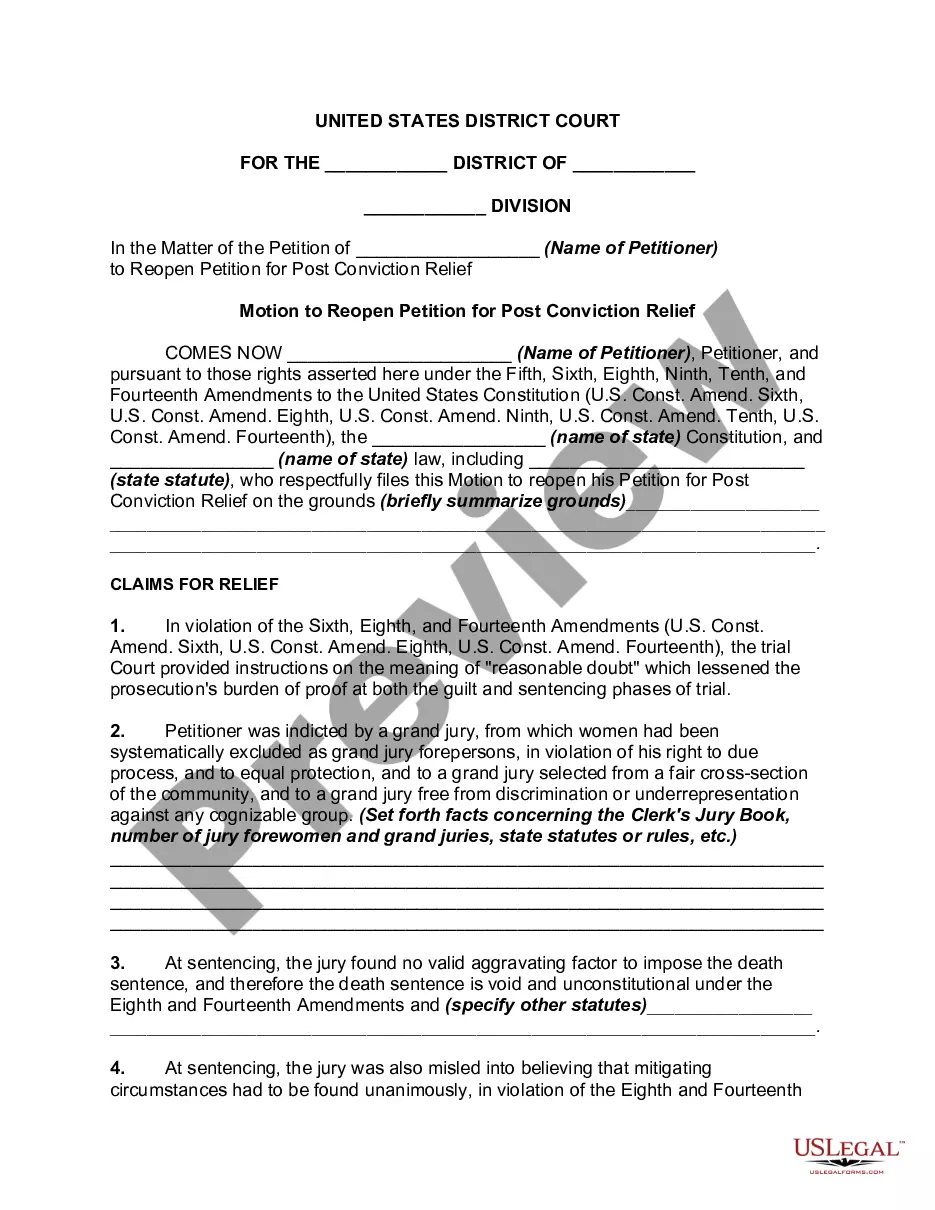
Get your form ready online
Our built-in tools help you complete, sign, share, and store your documents in one place.
Make edits, fill in missing information, and update formatting in US Legal Forms—just like you would in MS Word.
Download a copy, print it, send it by email, or mail it via USPS—whatever works best for your next step.
Sign and collect signatures with our SignNow integration. Send to multiple recipients, set reminders, and more. Go Premium to unlock E-Sign.
If this form requires notarization, complete it online through a secure video call—no need to meet a notary in person or wait for an appointment.
We protect your documents and personal data by following strict security and privacy standards.

Make edits, fill in missing information, and update formatting in US Legal Forms—just like you would in MS Word.

Download a copy, print it, send it by email, or mail it via USPS—whatever works best for your next step.

Sign and collect signatures with our SignNow integration. Send to multiple recipients, set reminders, and more. Go Premium to unlock E-Sign.

If this form requires notarization, complete it online through a secure video call—no need to meet a notary in person or wait for an appointment.

We protect your documents and personal data by following strict security and privacy standards.
Looking for another form?


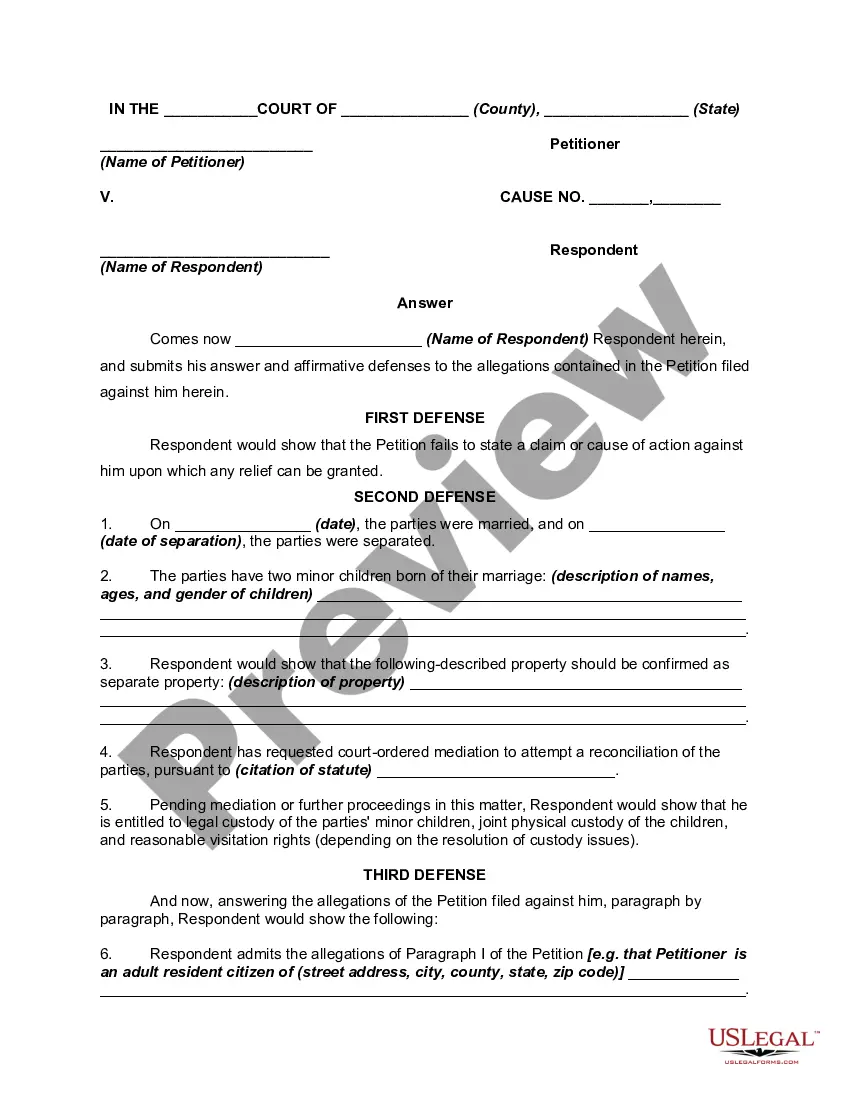


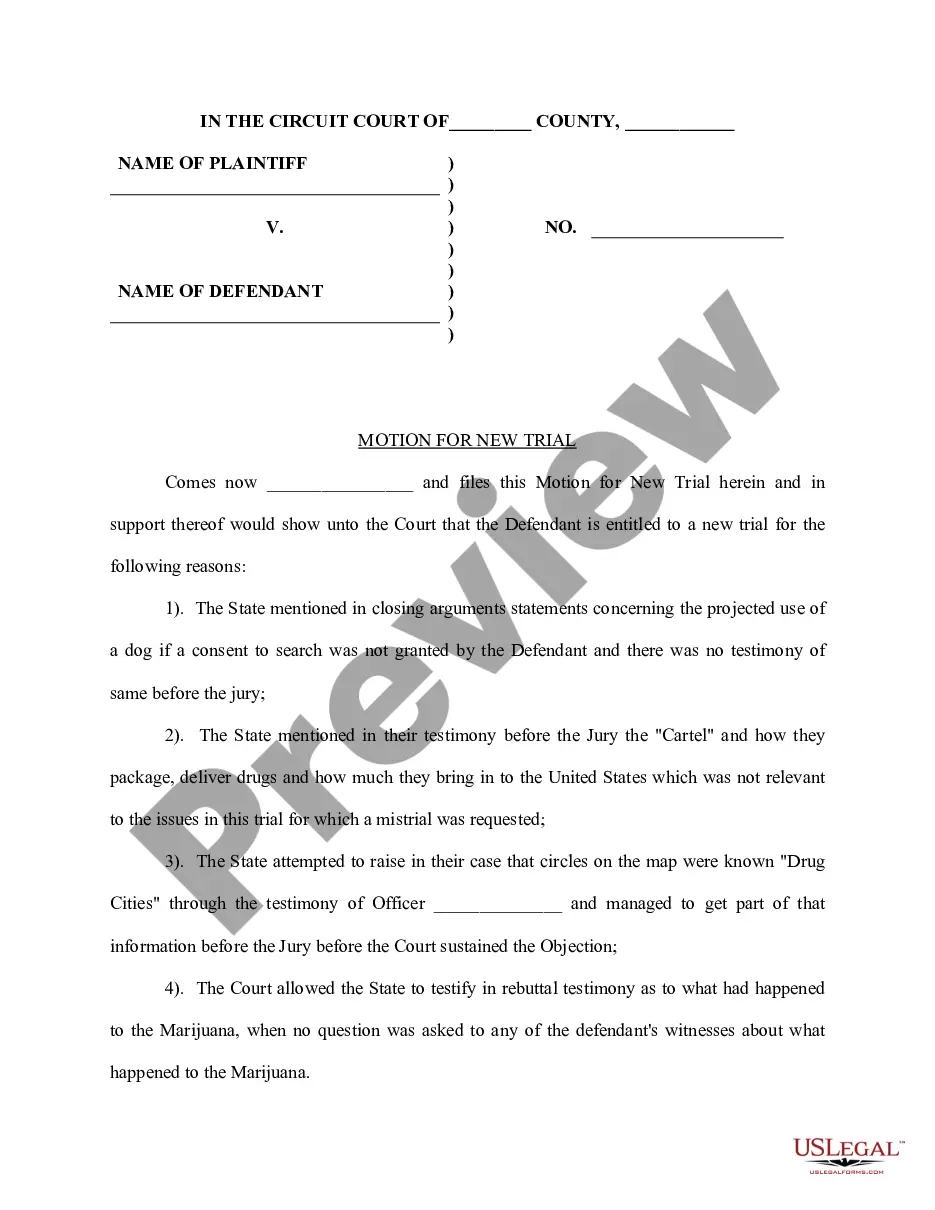
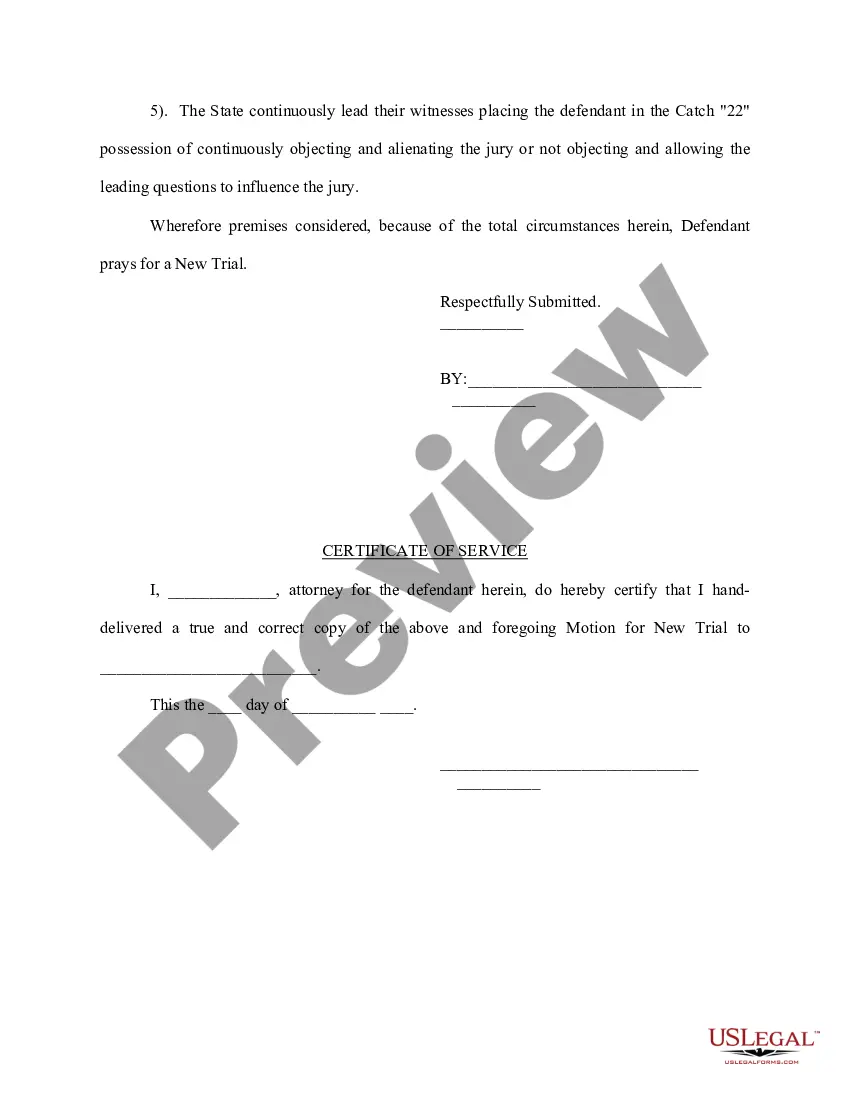
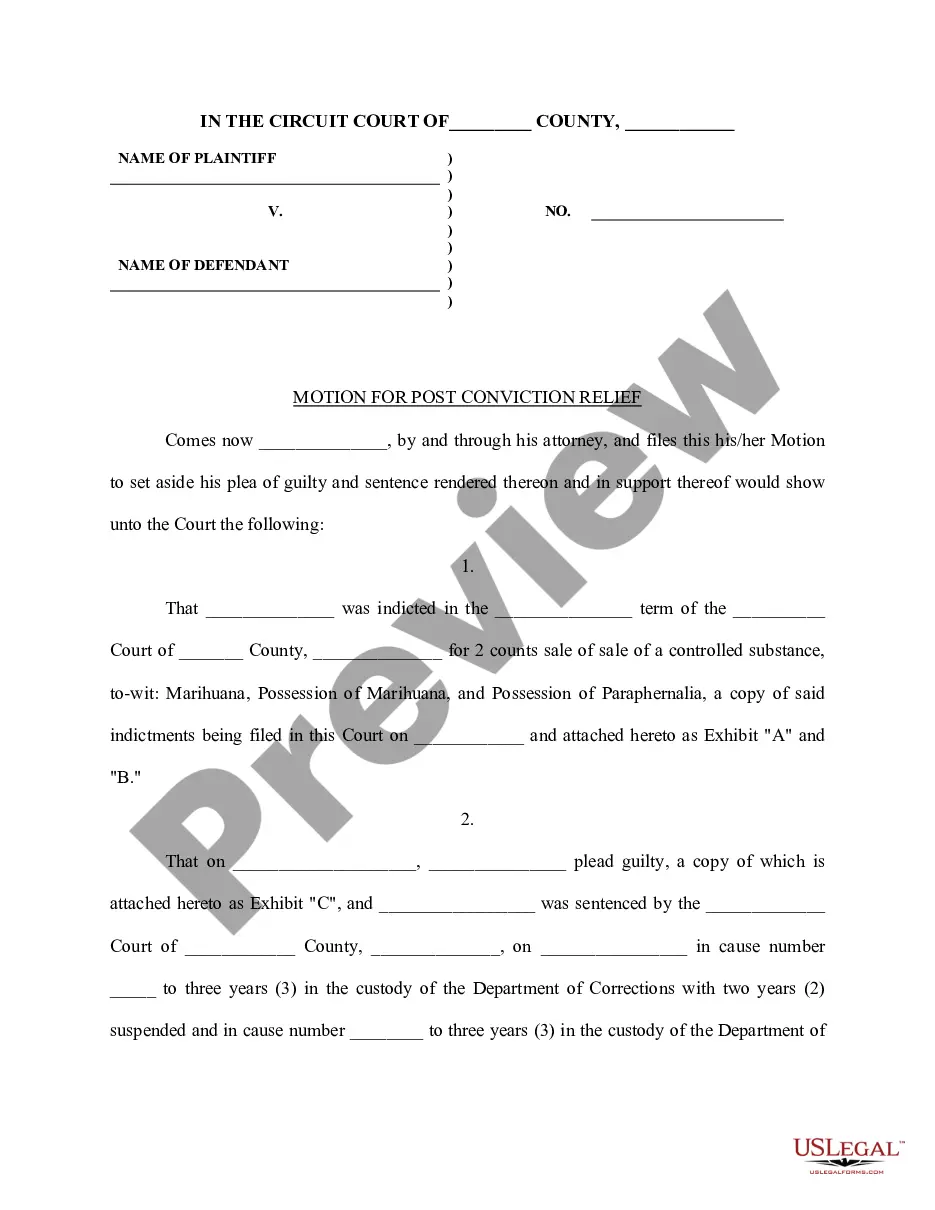
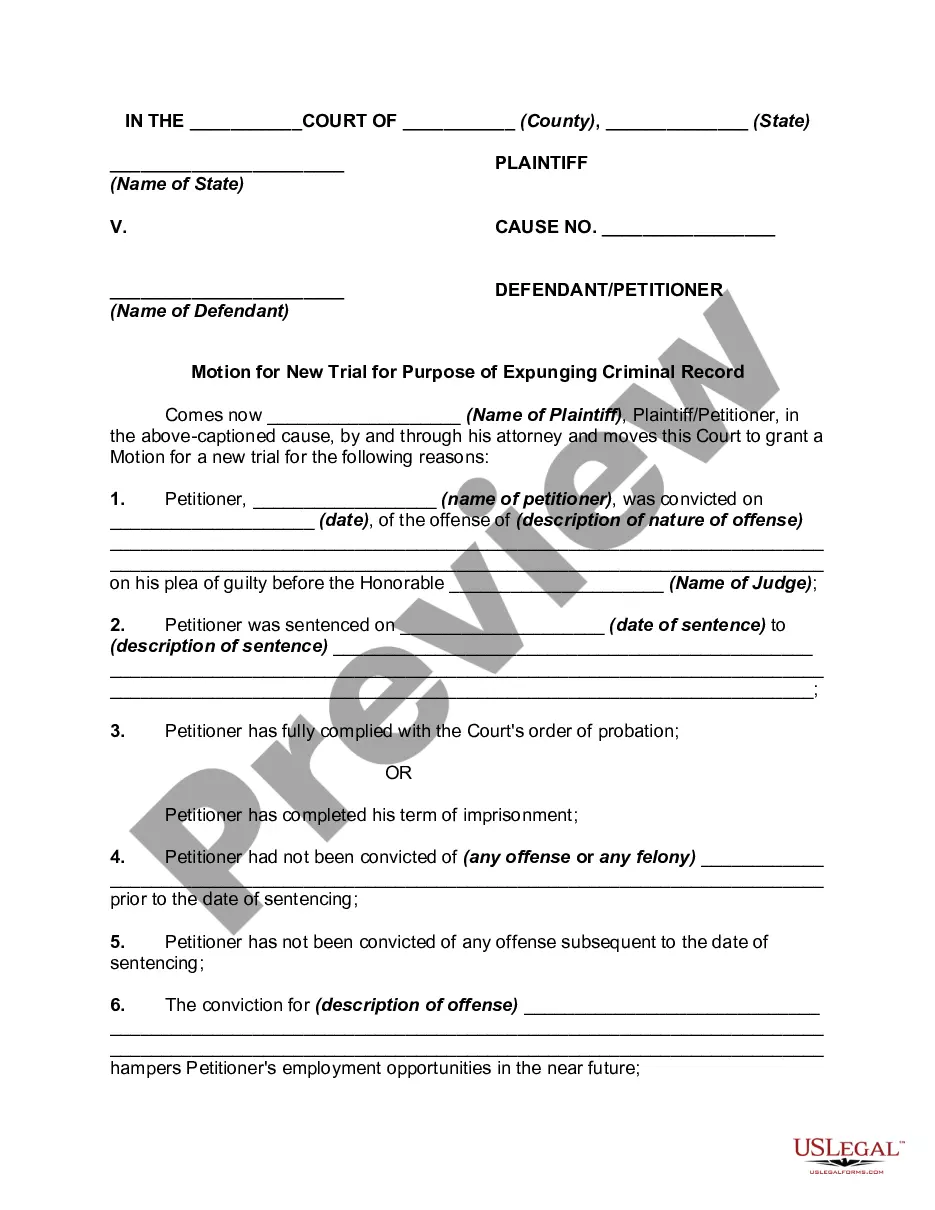
How to fill out Motion For New Trial?
Dealing with legal documents and processes can be a lengthy addition to your day.
Criminal Trial In Absentia and similar forms usually necessitate that you look for them and figure out how to fill them out properly.
For this reason, if you are handling financial, legal, or personal issues, having a thorough and user-friendly online repository of forms readily available will be very beneficial.
US Legal Forms is the leading online service of legal templates, featuring over 85,000 state-specific documents and various tools to help you complete your forms effortlessly.
Simply Log In to your account, search for Criminal Trial In Absentia and obtain it immediately from the My documents tab. You can also access previously saved forms.
- Browse the collection of relevant documents available to you with just a single click.
- US Legal Forms offers state- and county-specific forms available for download at any time.
- Protect your document management processes by utilizing a high-quality service that enables you to generate any form in minutes without extra or hidden fees.
Form popularity
FAQ
Yes, a person can be convicted in absentia if they do not attend their trial and the court proceeds without them. This legal approach allows the judicial system to maintain efficiency and uphold justice, especially in cases where the accused intentionally avoids appearing. Understanding the implications of a criminal trial in absentia is vital for anyone involved in a legal situation. For individuals facing this dilemma, resources from UsLegalForms can provide guidance on managing such trials effectively.
A defendant can be tried in absentia when they fail to appear for their scheduled court proceedings without a valid excuse. This often happens in cases where the defendant actively evades the legal process, making it necessary to proceed for the sake of justice. During a criminal trial in absentia, the court can still render a verdict, ensuring that legal matters are resolved. It is crucial for defendants to understand this possibility, as they may face serious consequences if they are not present.
A defendant in a criminal case can face either a jury trial or a bench trial. In a jury trial, a group of peers determines the outcome based on the evidence, while a bench trial involves only a judge making the decision. Both types are essential in the legal system, including situations where a criminal trial in absentia occurs, allowing courts to adjudicate cases efficiently. Knowing the differences can empower defendants in making informed choices about their legal strategies.
In the United States, a judge typically holds a criminal trial without a jury, especially in specific cases where a defendant waives the right to a jury trial. This legal process is crucial for cases involving a criminal trial in absentia, allowing the judge to make decisions based solely on the presented evidence. A judge's role is to ensure fairness and uphold legal standards during the proceedings. Therefore, understanding this process can be beneficial for those navigating the complexities of criminal law.
In most cases, defendants must be present for a criminal trial to ensure their rights are protected. However, a criminal trial in absentia allows the court to proceed without the defendant if they fail to appear after being properly notified. This process typically happens under specific circumstances, so understanding the rules is essential. If you find yourself in this situation, uslegalforms provides resources that can help you navigate the complexities of a criminal trial in absentia.
The fairness of a trial in absentia is a topic of debate among legal experts and advocates. Some argue that it protects the legal system from unnecessary delays, while others feel it undermines the defendant's right to a defense. Ultimately, fairness is determined by whether proper procedures were followed and the defendant was adequately informed. Understanding the balance between expediency and fairness is essential for all parties involved in a criminal trial in absentia.
Guilty in absentia means that a defendant has been found guilty of a crime without being present in court for the trial. This verdict occurs during a criminal trial in absentia, where evidence is presented in the defendant's absence. The conviction implies that the court determined sufficient evidence existed to support the guilty verdict. This concept is vital for defendants to understand, especially if facing a potential trial in absentia.
A defendant may be tried in absentia if they flee the jurisdiction or if they fail to appear in court after being properly notified. The law permits this to ensure that justice is served and cases do not linger indefinitely due to a defendant's absence. Courts consider these situations carefully to uphold fairness in the judicial process. It's beneficial for defendants to understand how these scenarios can affect their cases.
Issued in absentia means that a legal document, such as a judgment or a warrant, has been created without the presence of the party involved. This often happens when the court finds that the defendant has been duly notified but fails to appear. It allows the legal process to move forward despite the absence of the individual. Knowing the implications of documents issued in absentia is important for defendants and their legal representatives.
Execution in absentia refers to carrying out a court's decision or sentence when the defendant is not present. This typically follows a criminal trial in absentia where the court has made its ruling. The absence of the defendant does not impede the enforcement of the ruling. Understanding the concept of execution in absentia is crucial for anyone involved in legal proceedings.