Motion Ex Parte In Nigeria
Description

Get your form ready online
Our built-in tools help you complete, sign, share, and store your documents in one place.
Make edits, fill in missing information, and update formatting in US Legal Forms—just like you would in MS Word.
Download a copy, print it, send it by email, or mail it via USPS—whatever works best for your next step.
Sign and collect signatures with our SignNow integration. Send to multiple recipients, set reminders, and more. Go Premium to unlock E-Sign.
If this form requires notarization, complete it online through a secure video call—no need to meet a notary in person or wait for an appointment.
We protect your documents and personal data by following strict security and privacy standards.

Make edits, fill in missing information, and update formatting in US Legal Forms—just like you would in MS Word.

Download a copy, print it, send it by email, or mail it via USPS—whatever works best for your next step.

Sign and collect signatures with our SignNow integration. Send to multiple recipients, set reminders, and more. Go Premium to unlock E-Sign.

If this form requires notarization, complete it online through a secure video call—no need to meet a notary in person or wait for an appointment.

We protect your documents and personal data by following strict security and privacy standards.
Looking for another form?

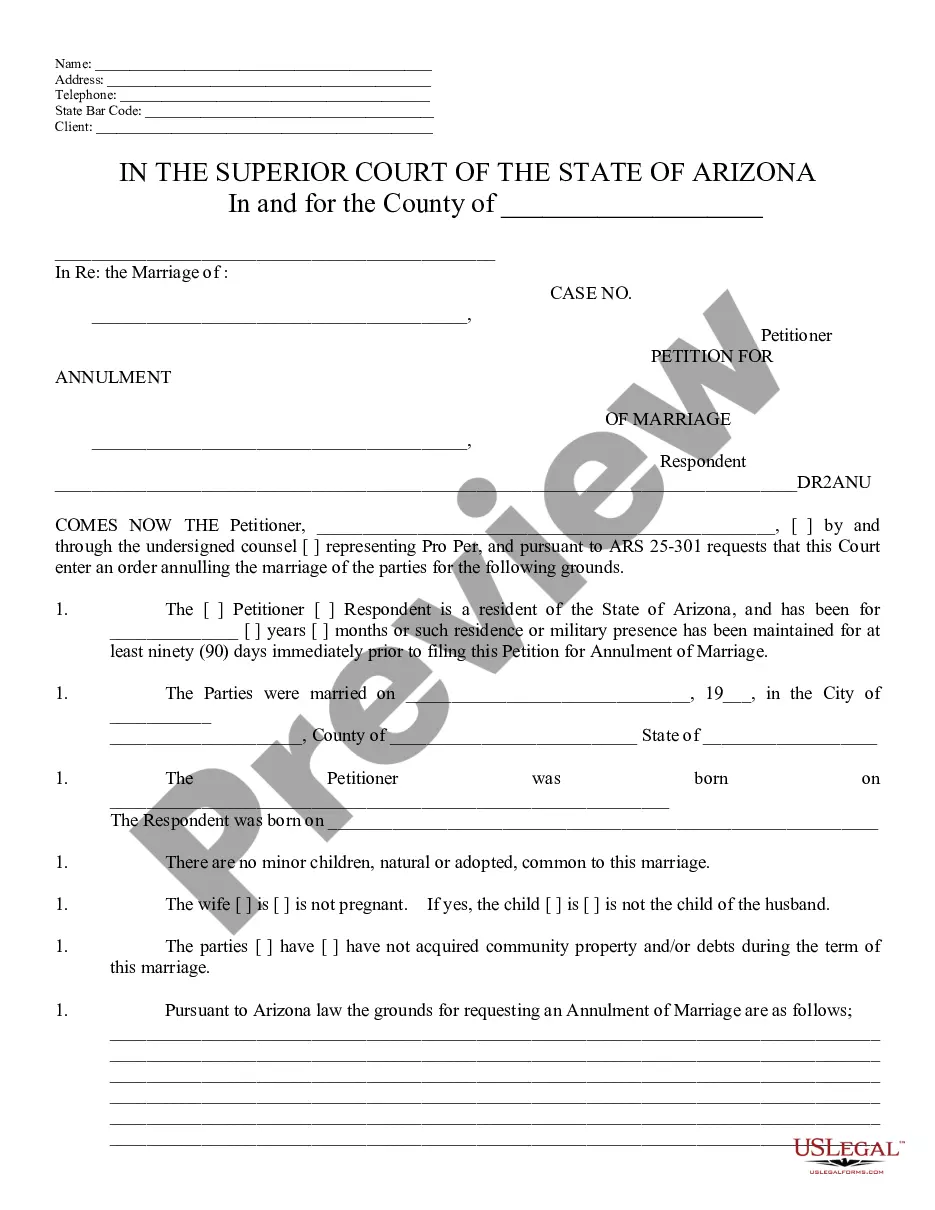







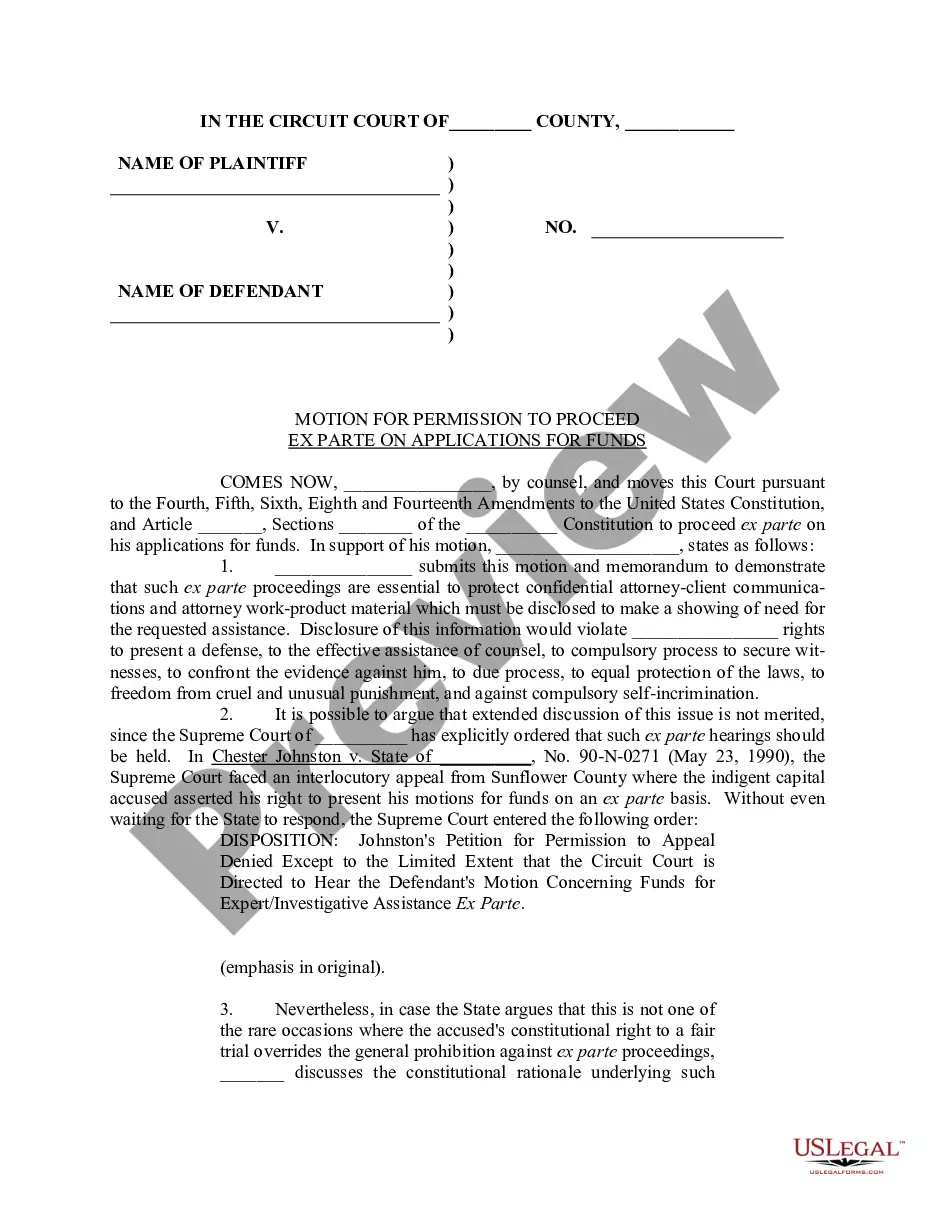
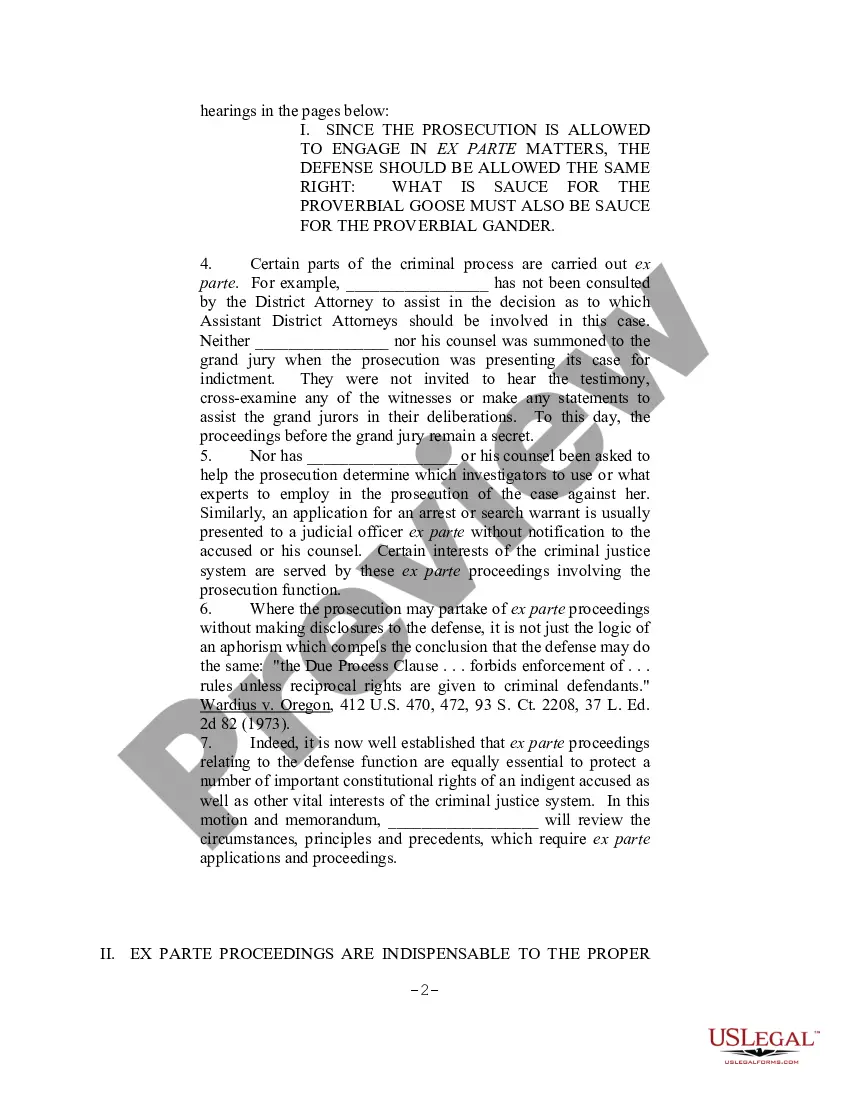
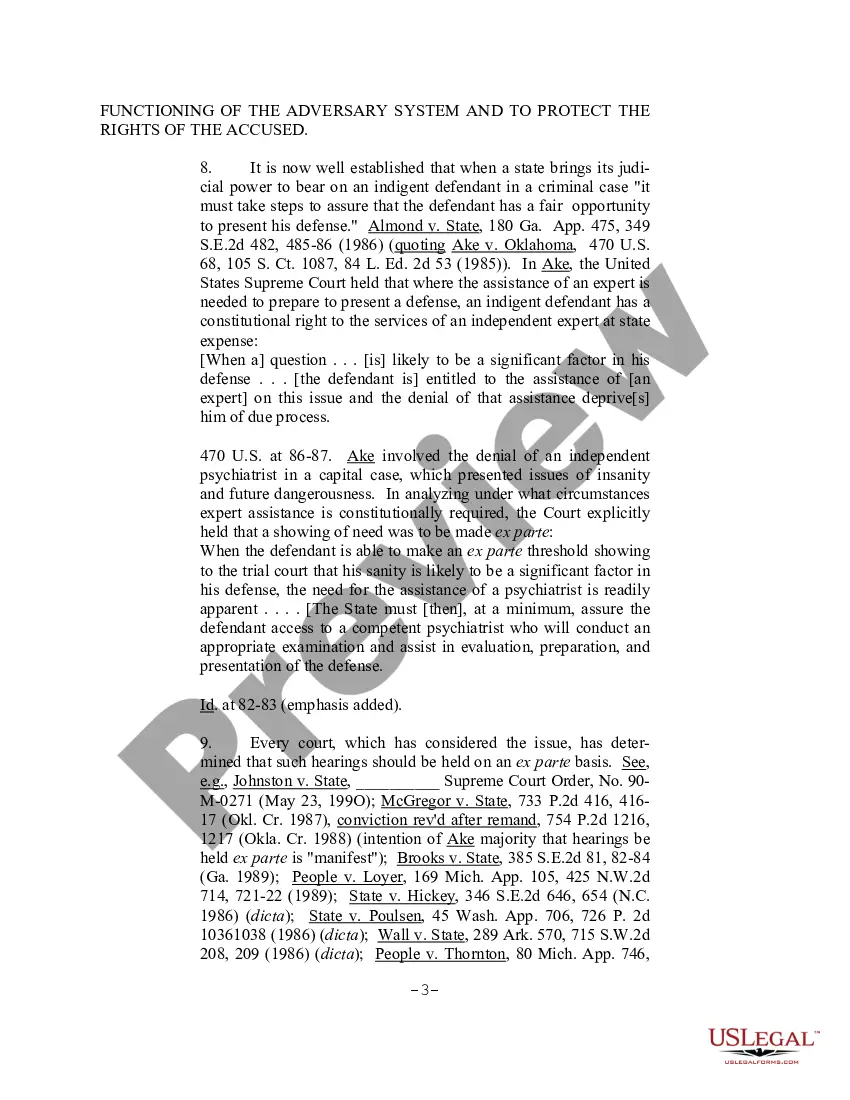
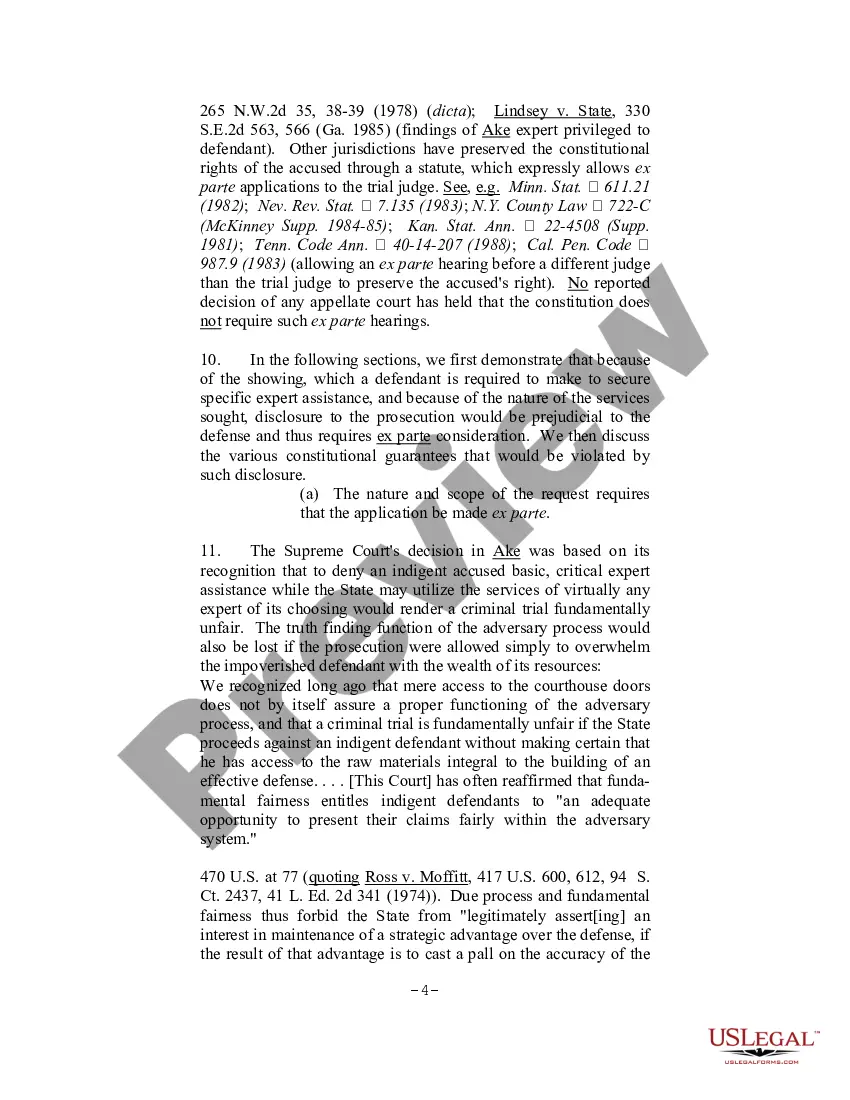
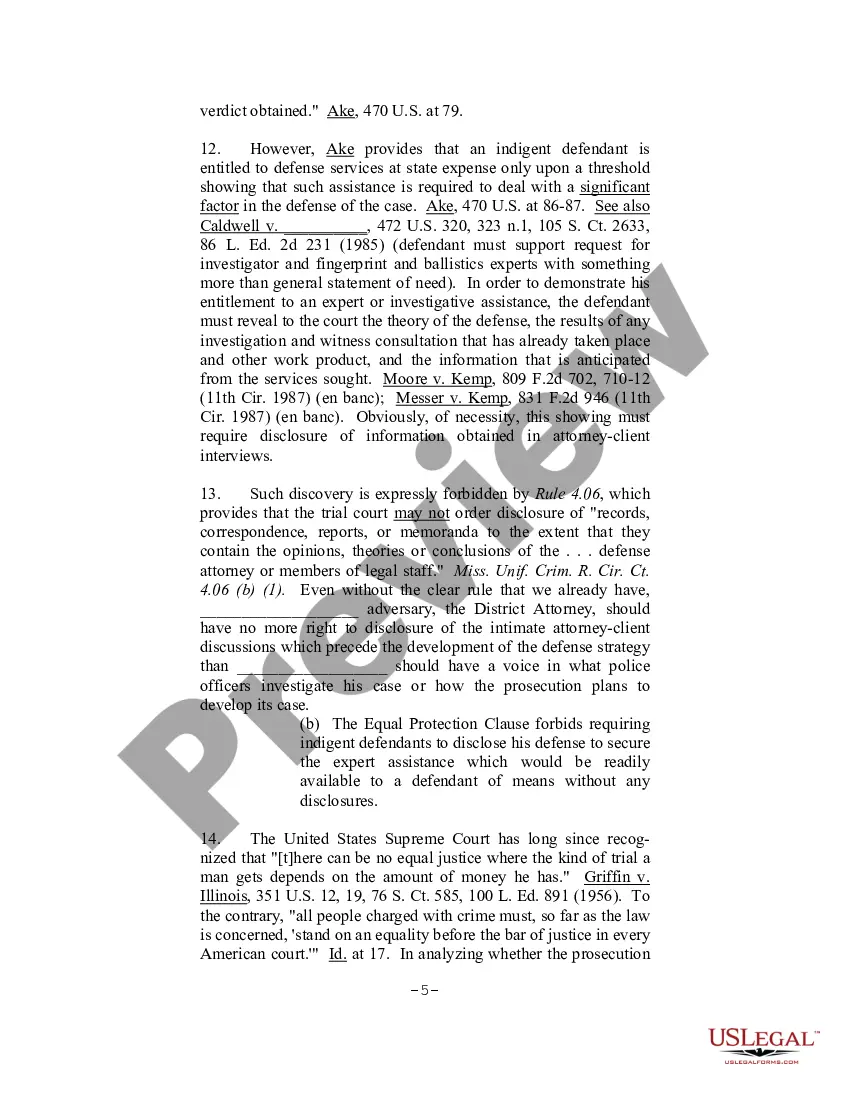
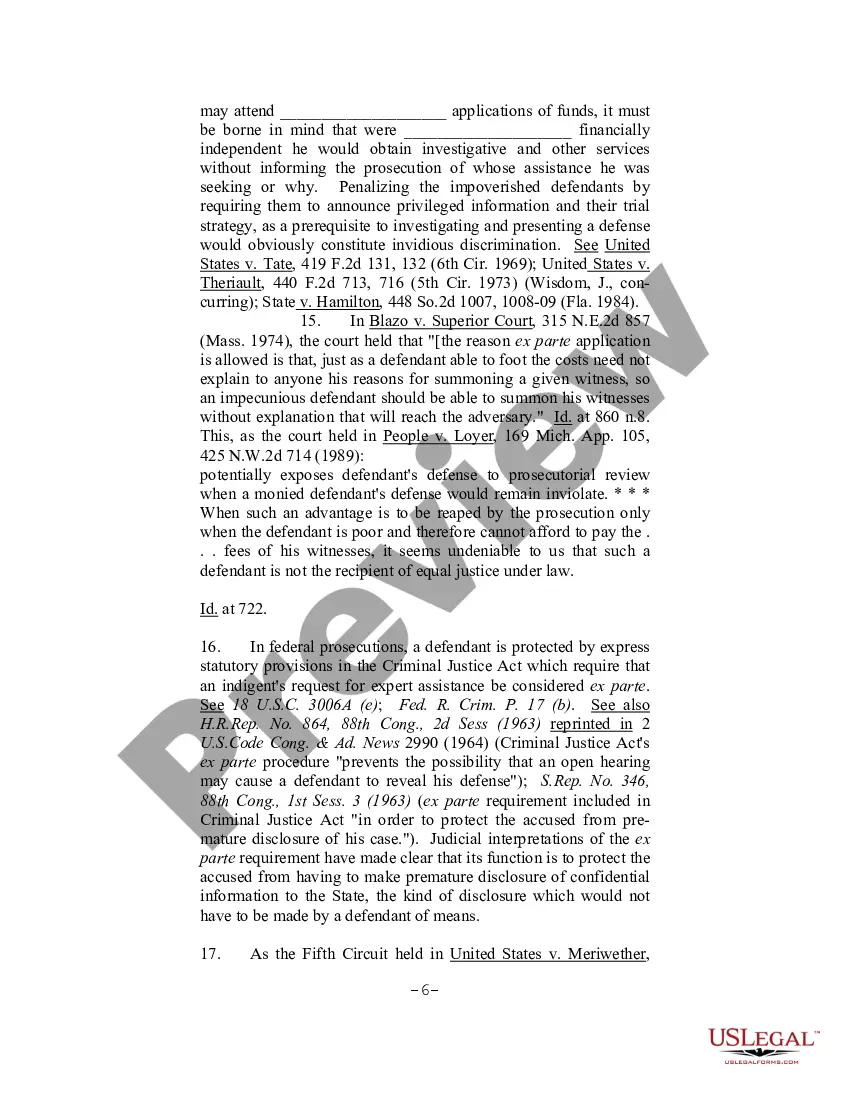
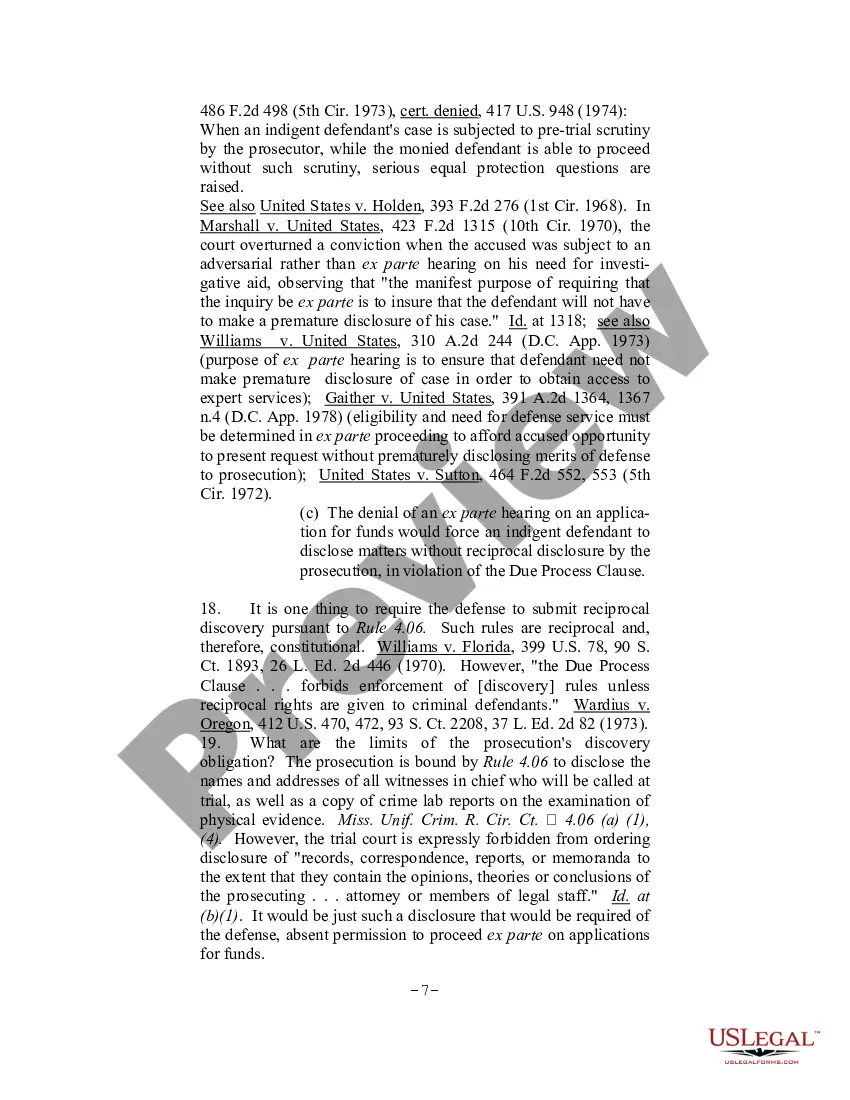
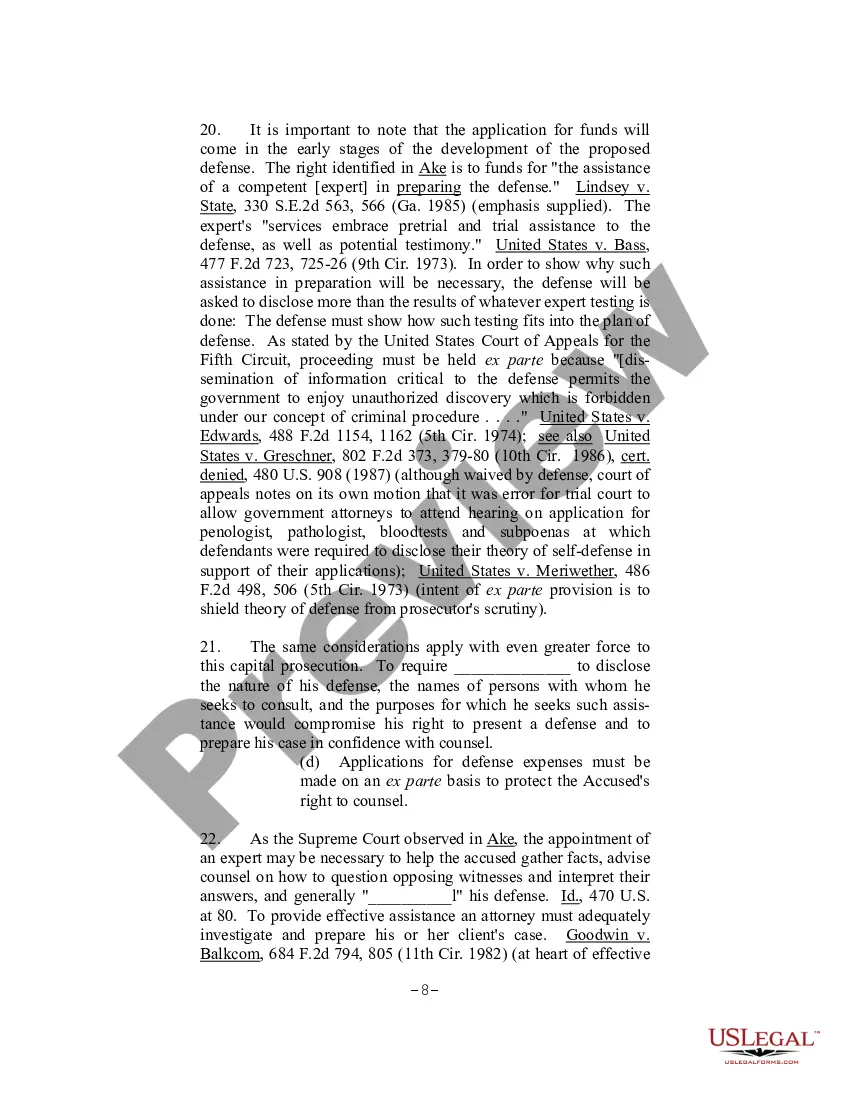
How to fill out Motion For Permission To Proceed Ex Parte On Applications For Funds?
It’s clear that you cannot transform into a legal authority instantly, nor can you comprehend how to swiftly craft Motion Ex Parte In Nigeria without possessing a specialized foundation.
Assembling legal documents is an exhaustive endeavor necessitating specific education and expertise. So why not entrust the preparation of the Motion Ex Parte In Nigeria to the professionals.
With US Legal Forms, one of the largest legal template repositories, you can obtain everything from courtroom papers to templates for internal communication.
If you require a different template, restart your search.
Establish a free account and select a subscription plan to purchase the form.
- We realize how crucial compliance and adherence to federal and state laws and regulations are.
- That’s why, on our site, all forms are location-specific and current.
- Here’s how to begin with our website and acquire the form you need in just minutes.
- Locate the form you seek using the search bar at the top of the page.
- Review it (if this option is available) and read the accompanying description to ascertain whether Motion Ex Parte In Nigeria is what you are looking for.
Form popularity
FAQ
Tips to Win an Ex Parte Hearing: Submit a comprehensive and clear ex parte application. ... Find out 2-3 foolproof reasons why the order should be in your favor (depending on the cause of action). ... If the other party is harassing you or forcing you, provide the court with the records. ... Be prepared for a full hearing.
The purpose of the motion ex parte is to give the party filing the motion the opportunity to present their arguments and provide evidence without the other party being present. In the Nigerian case of The Attorney-General of the Federation v.
Ex parte orders are supposed to be temporary and are not to last more than 14 days. Section 12 (1) of the Federal High Court (Civil Procedure Rules) 2000 states that ?no order made on motion ex parte shall last for more than 14 days?or last for another 14 days after application to vary or discharge it has been argued?.
Some examples of ex parte orders are orders that: Prevent the other party from taking a child out of the country or state. Prevent the other party from destroying property. Prevent the other party from removing assets in a divorce proceeding.
In law, ex parte (/?ks ?p??rte?, -i?/) is a Latin term meaning literally "from/out of the party/faction of" (name of party/faction, often omitted), thus signifying "on behalf of (name)". An ex parte decision is one decided by a judge without requiring all of the parties to the dispute to be present.