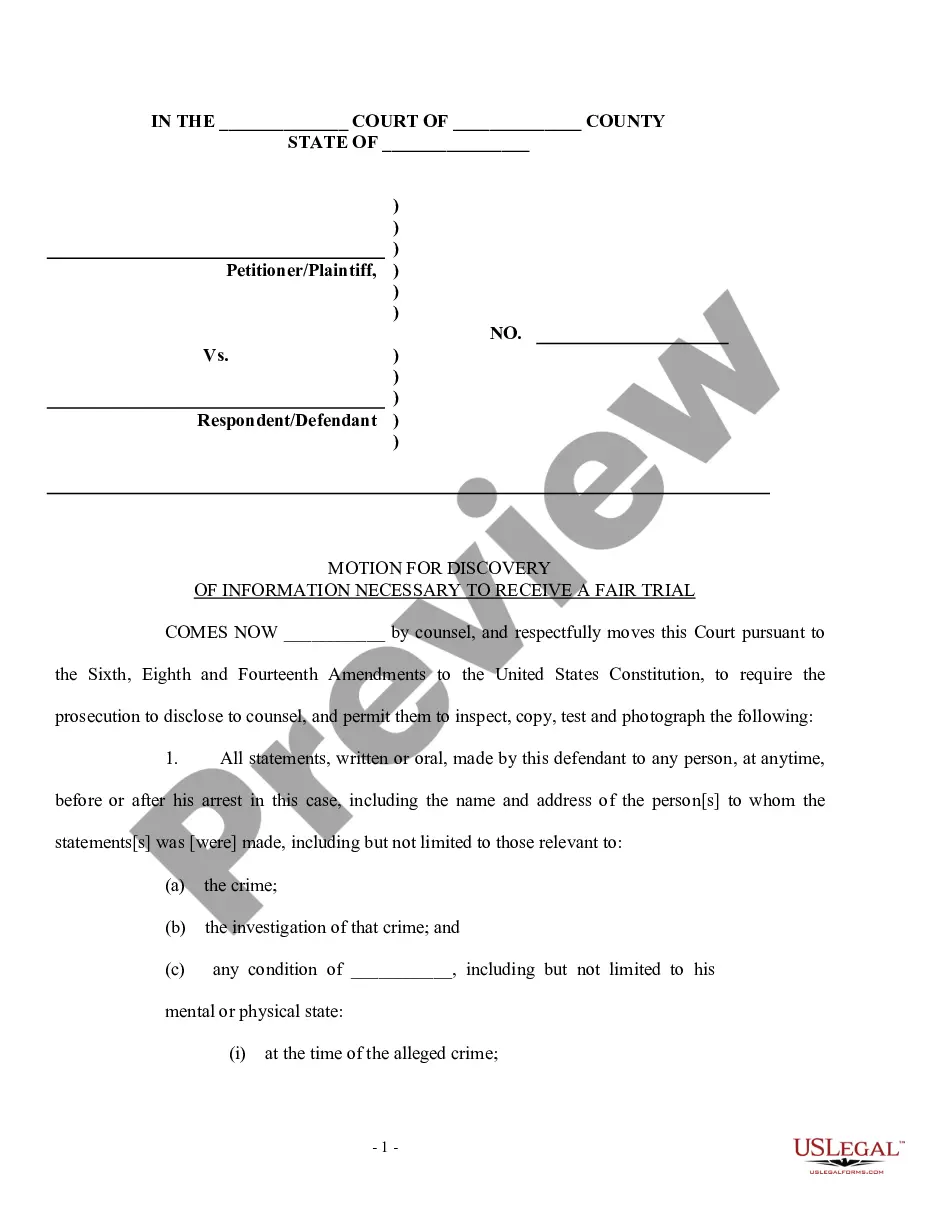
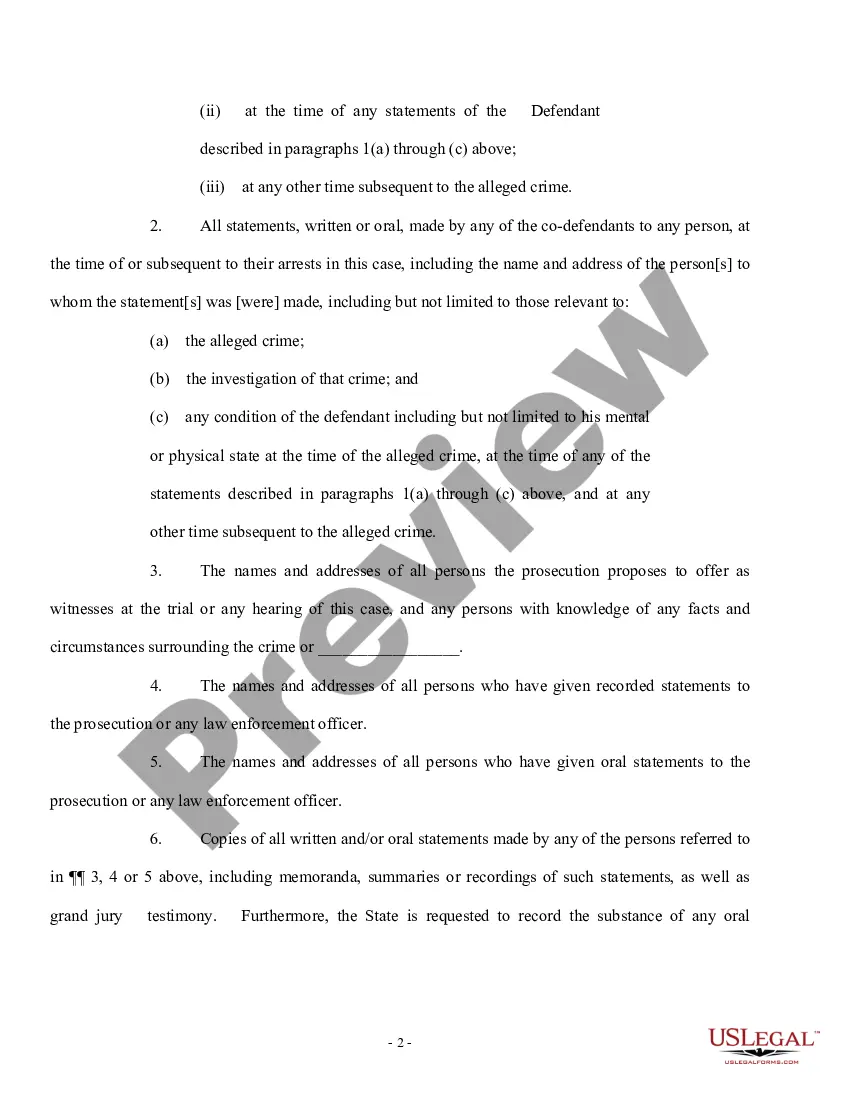
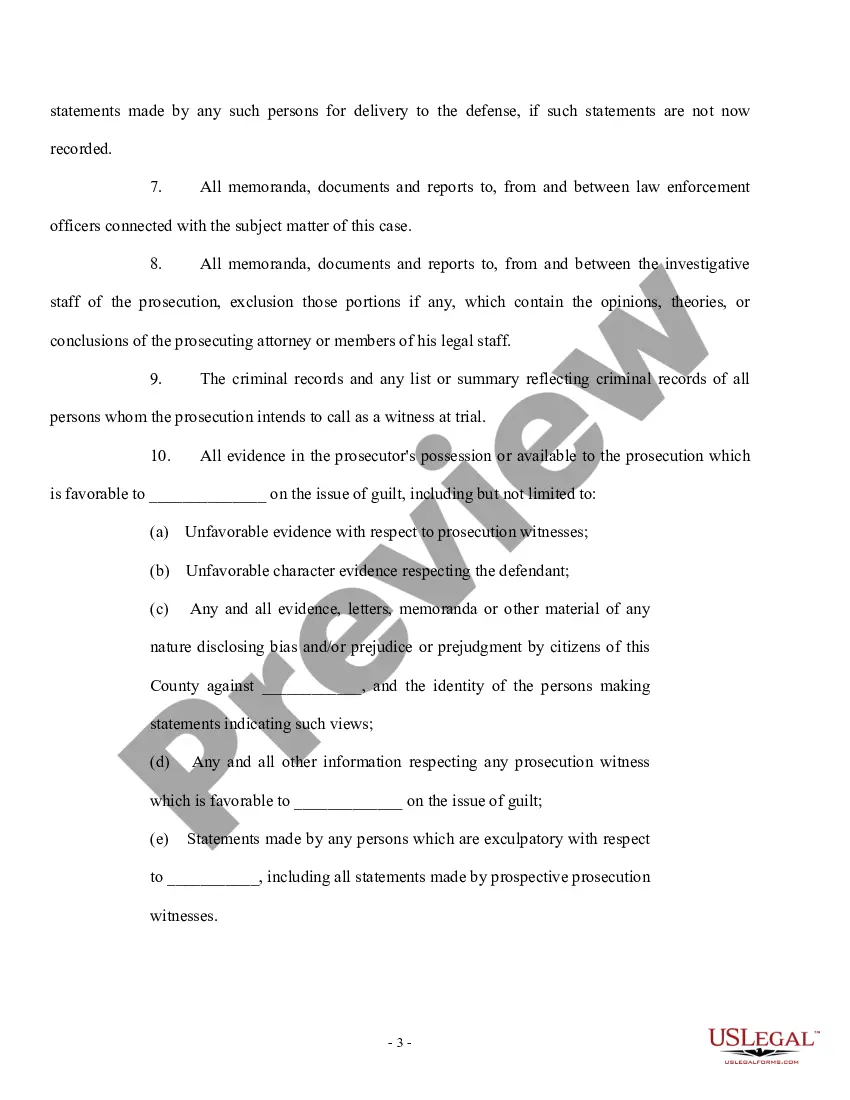
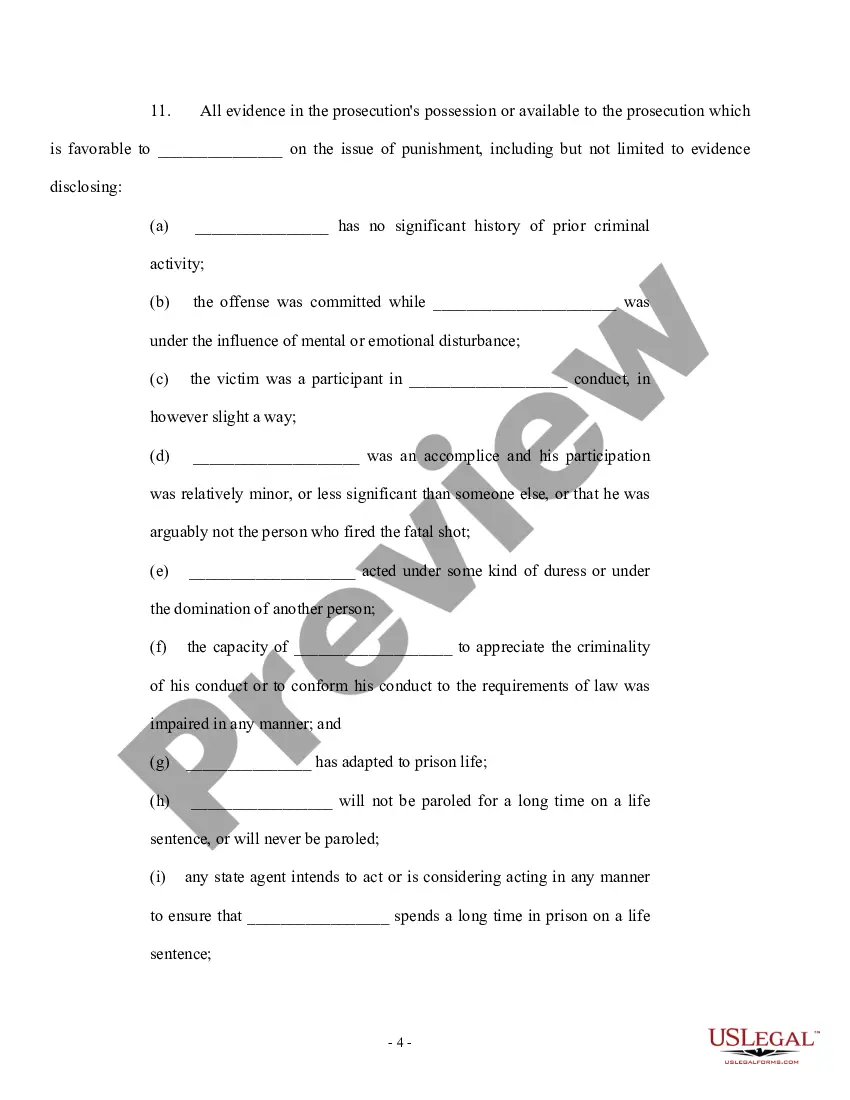
Motion Discovery Information With Third Parties
Description
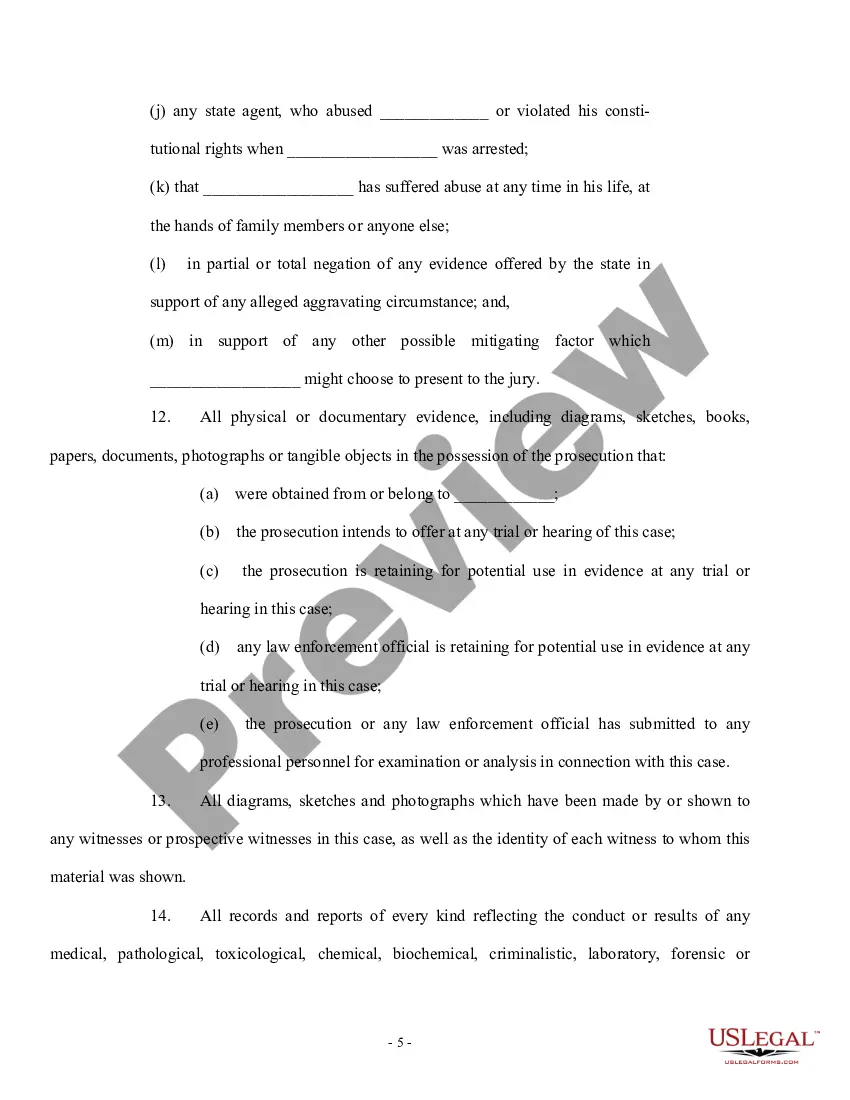
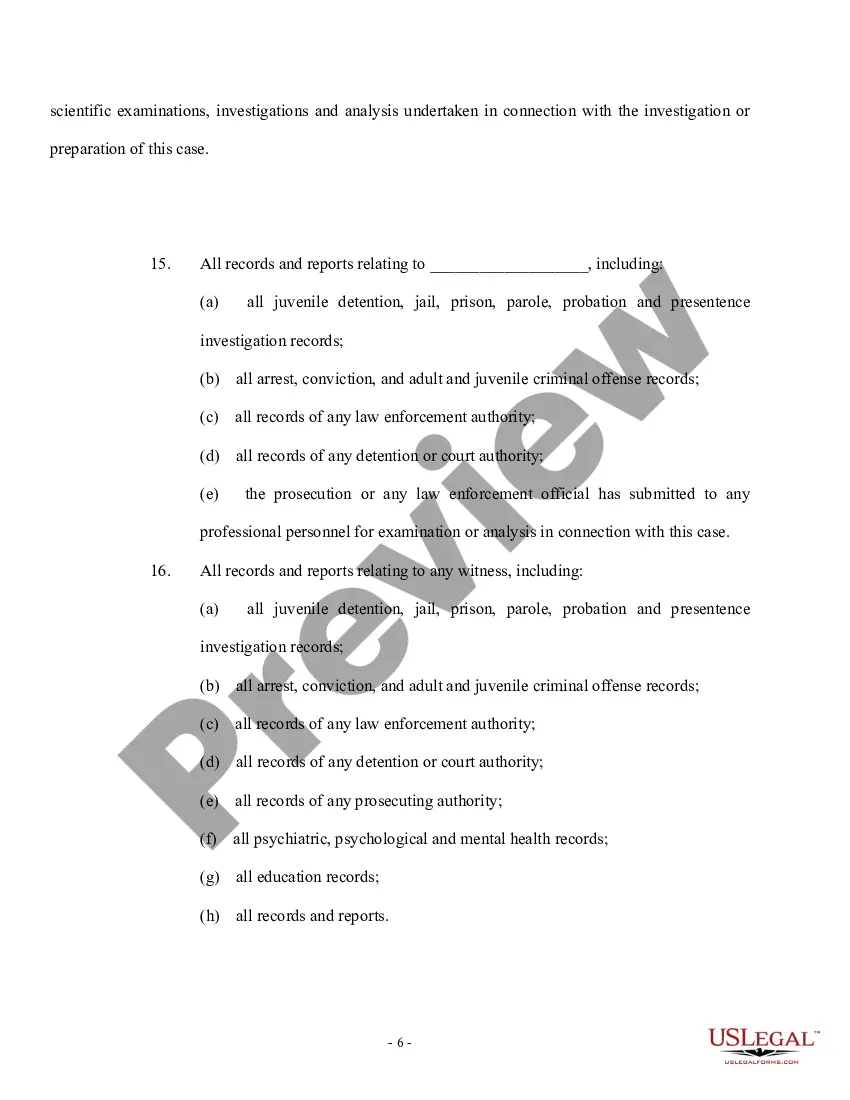
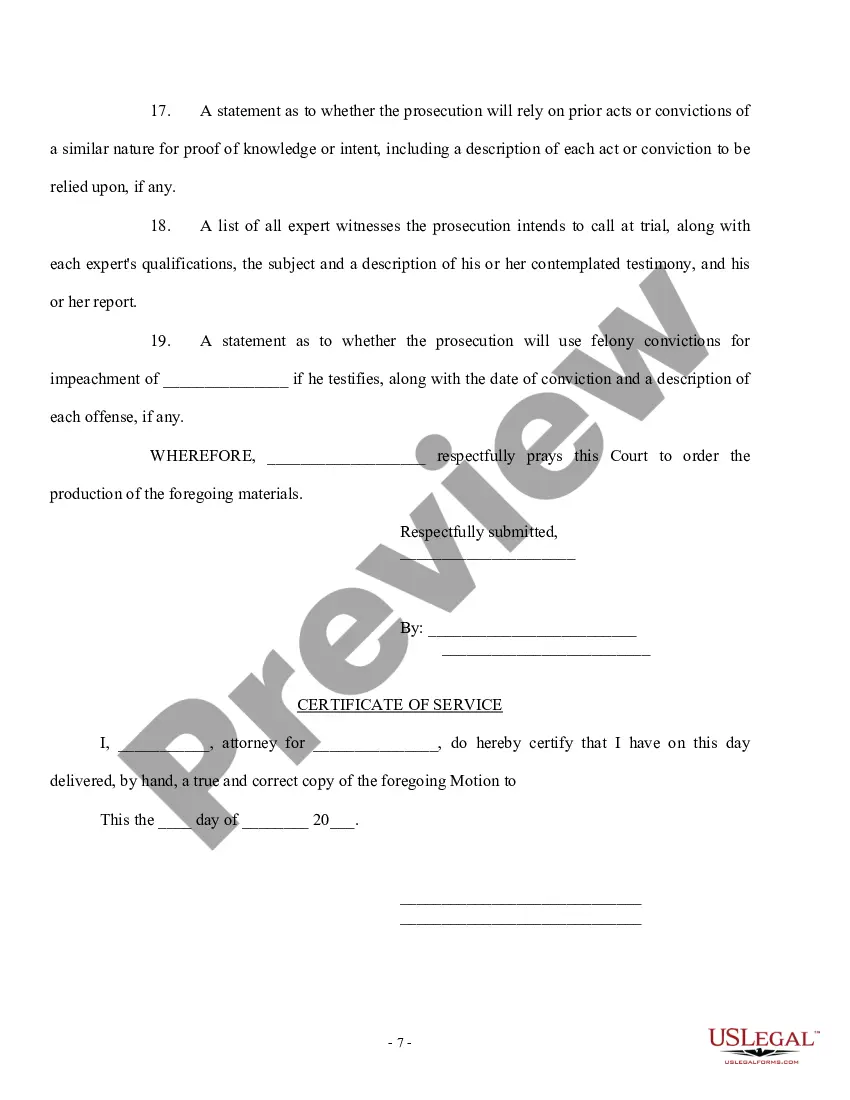
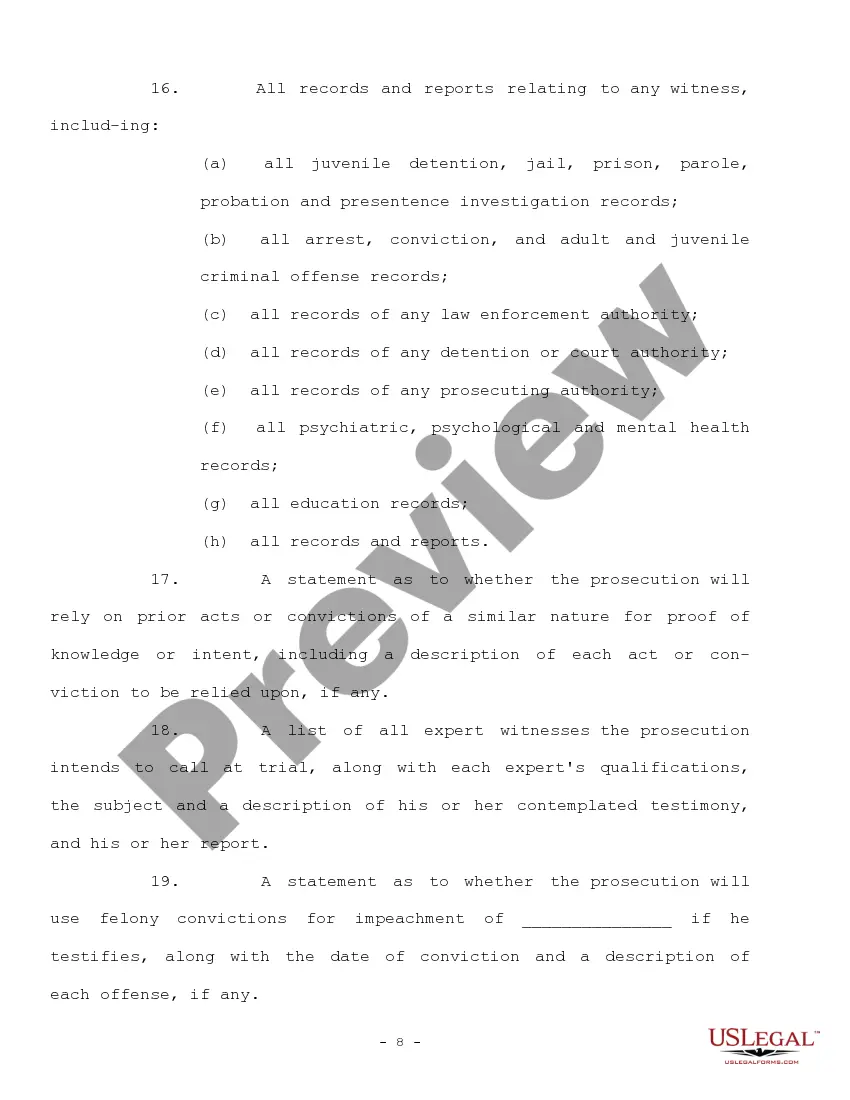
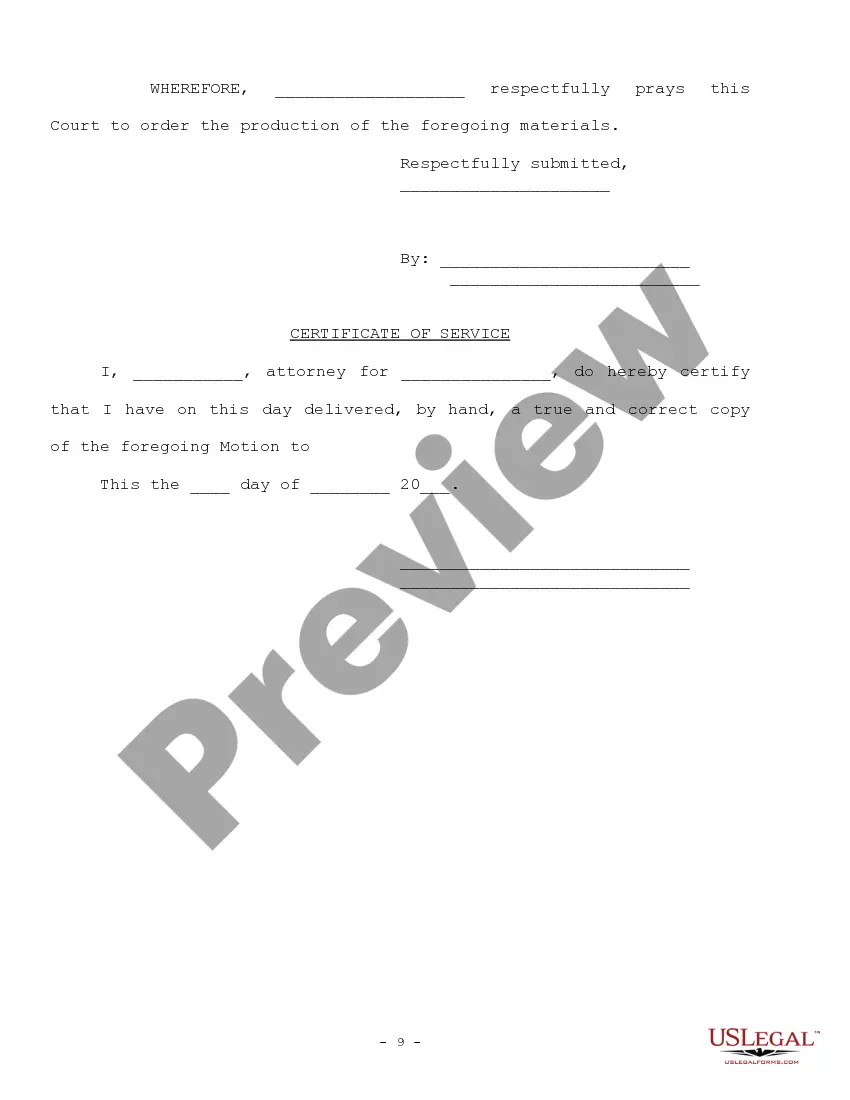
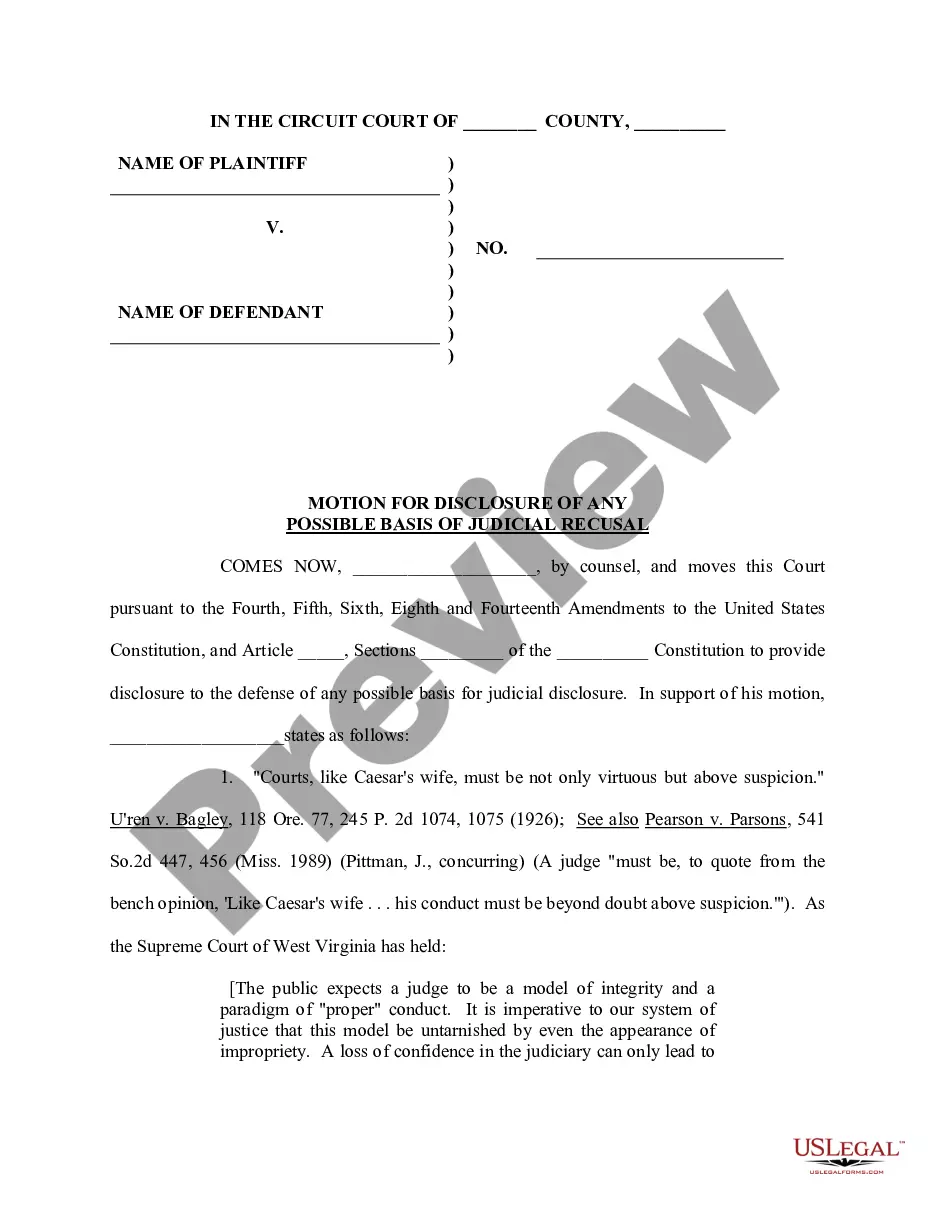
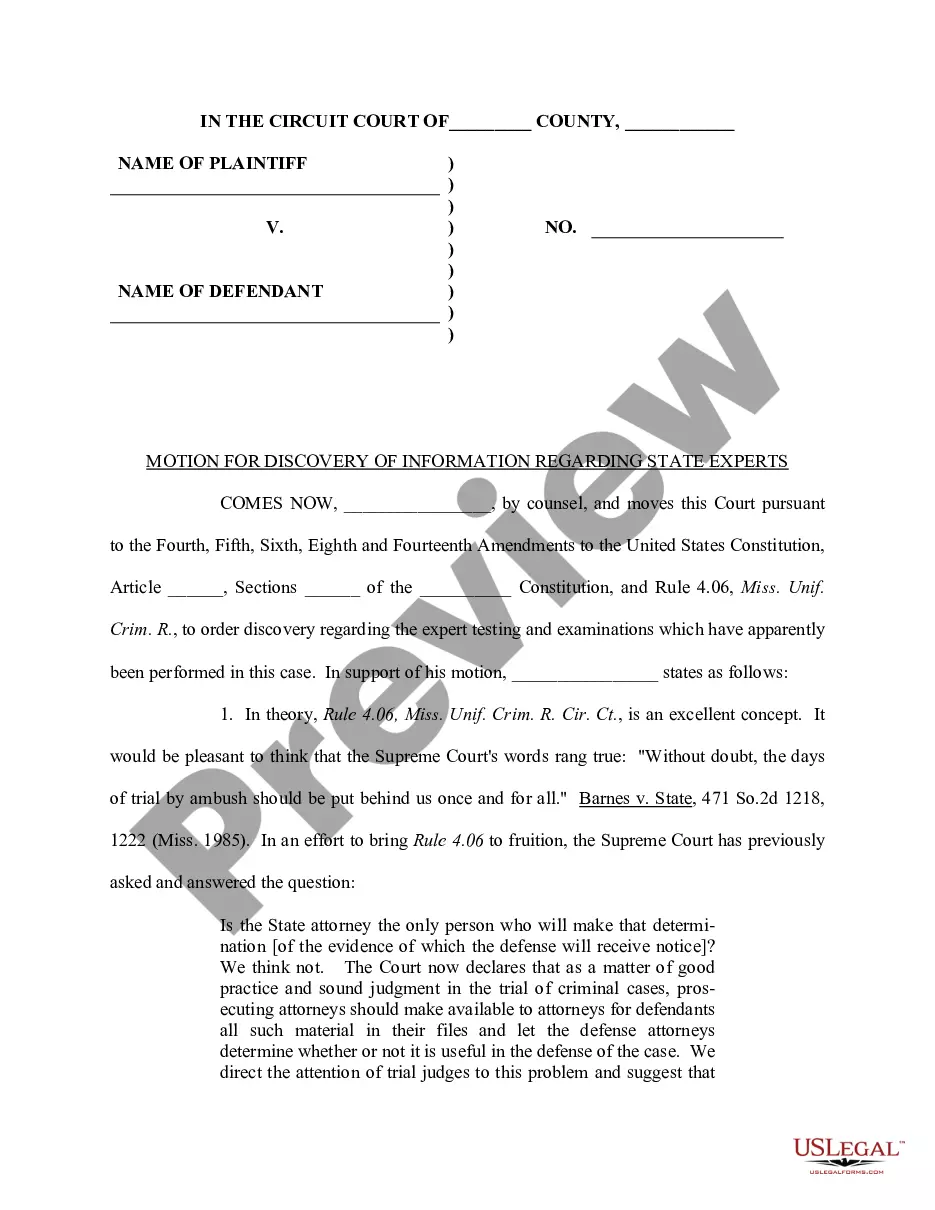
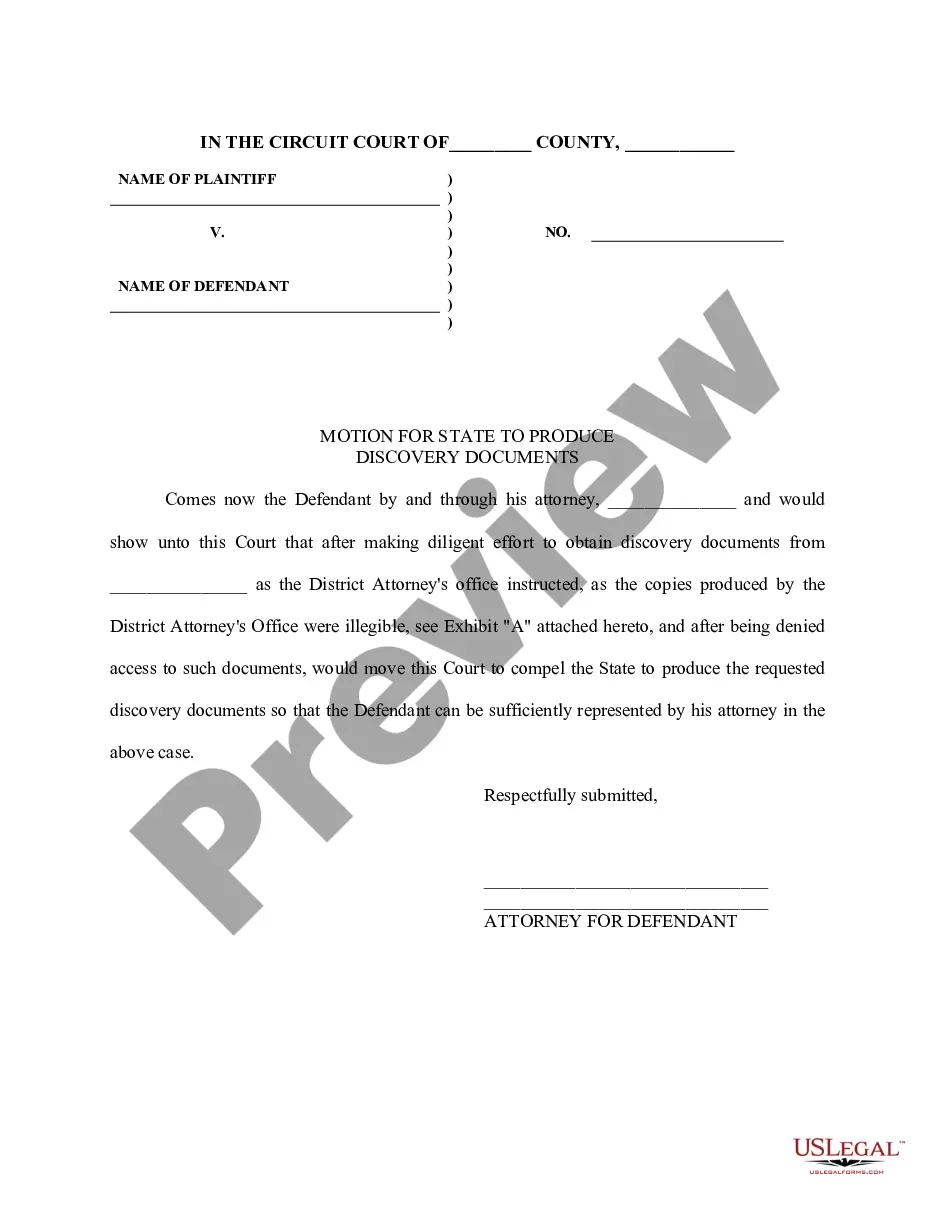
Get your form ready online
Our built-in tools help you complete, sign, share, and store your documents in one place.
Make edits, fill in missing information, and update formatting in US Legal Forms—just like you would in MS Word.
Download a copy, print it, send it by email, or mail it via USPS—whatever works best for your next step.
Sign and collect signatures with our SignNow integration. Send to multiple recipients, set reminders, and more. Go Premium to unlock E-Sign.
If this form requires notarization, complete it online through a secure video call—no need to meet a notary in person or wait for an appointment.
We protect your documents and personal data by following strict security and privacy standards.

Make edits, fill in missing information, and update formatting in US Legal Forms—just like you would in MS Word.

Download a copy, print it, send it by email, or mail it via USPS—whatever works best for your next step.

Sign and collect signatures with our SignNow integration. Send to multiple recipients, set reminders, and more. Go Premium to unlock E-Sign.

If this form requires notarization, complete it online through a secure video call—no need to meet a notary in person or wait for an appointment.

We protect your documents and personal data by following strict security and privacy standards.
Looking for another form?









How to fill out Motion For Discovery Of Information Necessary To Receive A Fair Trial?
It’s a well-known fact that you cannot become a legal specialist instantaneously, nor can you understand how to swiftly prepare Motion Discovery Information With Third Parties without a specialized education.
Assembling legal documents is a lengthy procedure that necessitates particular training and expertise. So why not entrust the generation of the Motion Discovery Information With Third Parties to the professionals.
With US Legal Forms, one of the most extensive legal document repositories, you can access anything from court forms to templates for internal corporate correspondence.
If you require any additional template, restart your search.
Create a free account and choose a subscription plan to purchase the form. Click Buy now. Once the transaction is completed, you can download the Motion Discovery Information With Third Parties, fill it out, print it, and send or mail it to the relevant individuals or organizations.
- We understand how crucial it is to comply with federal and state regulations.
- That’s why all forms on our website are location-specific and current.
- To begin using our platform and acquire the document you need in just minutes.
- Locate the needed form by utilizing the search bar at the top of the page.
- Preview it (if this choice is available) and review the accompanying description to determine if Motion Discovery Information With Third Parties is what you’re looking for.
Form popularity
FAQ
A written question directed to a party, also known as a interrogatory, is a formal query that the opposing party must answer under oath. These questions are integral to the process of motion discovery information with third parties, as they help gather pertinent facts and evidence to strengthen a case. By obtaining clear and truthful responses, parties can better prepare their arguments and achieve a more favorable outcome. For those navigating this process, US Legal Forms offers various tools and templates to facilitate effective interrogatory drafting.
Disclosure is accomplished through a methodical process called "discovery." Discovery takes three basic forms: written discovery, document production, and depositions.
Disclosure is accomplished through a methodical process called "discovery." Discovery takes three basic forms: written discovery, document production, and depositions.
One of the most common methods of discovery is to take depositions. A deposition is an out-of-court statement given under oath by any person involved in the case. It is to be used at trial or in preparation for trial. It may be in the form of a written transcript, a videotape, or both.
You use discovery to find out things like: What the other side plans to say about an issue in your case. What facts or witnesses support their side. What facts or witnesses support your side. What information or documents could be used as evidence.
Steps Of The Discovery Process. There are four key actions in the discovery process which include interrogatories, request for documents, request for admissions, and depositions.