Prior Convictions For Either Theft Or Conversion
Description

Get your form ready online
Our built-in tools help you complete, sign, share, and store your documents in one place.
Make edits, fill in missing information, and update formatting in US Legal Forms—just like you would in MS Word.
Download a copy, print it, send it by email, or mail it via USPS—whatever works best for your next step.
Sign and collect signatures with our SignNow integration. Send to multiple recipients, set reminders, and more. Go Premium to unlock E-Sign.
If this form requires notarization, complete it online through a secure video call—no need to meet a notary in person or wait for an appointment.
We protect your documents and personal data by following strict security and privacy standards.

Make edits, fill in missing information, and update formatting in US Legal Forms—just like you would in MS Word.

Download a copy, print it, send it by email, or mail it via USPS—whatever works best for your next step.

Sign and collect signatures with our SignNow integration. Send to multiple recipients, set reminders, and more. Go Premium to unlock E-Sign.

If this form requires notarization, complete it online through a secure video call—no need to meet a notary in person or wait for an appointment.

We protect your documents and personal data by following strict security and privacy standards.
Looking for another form?








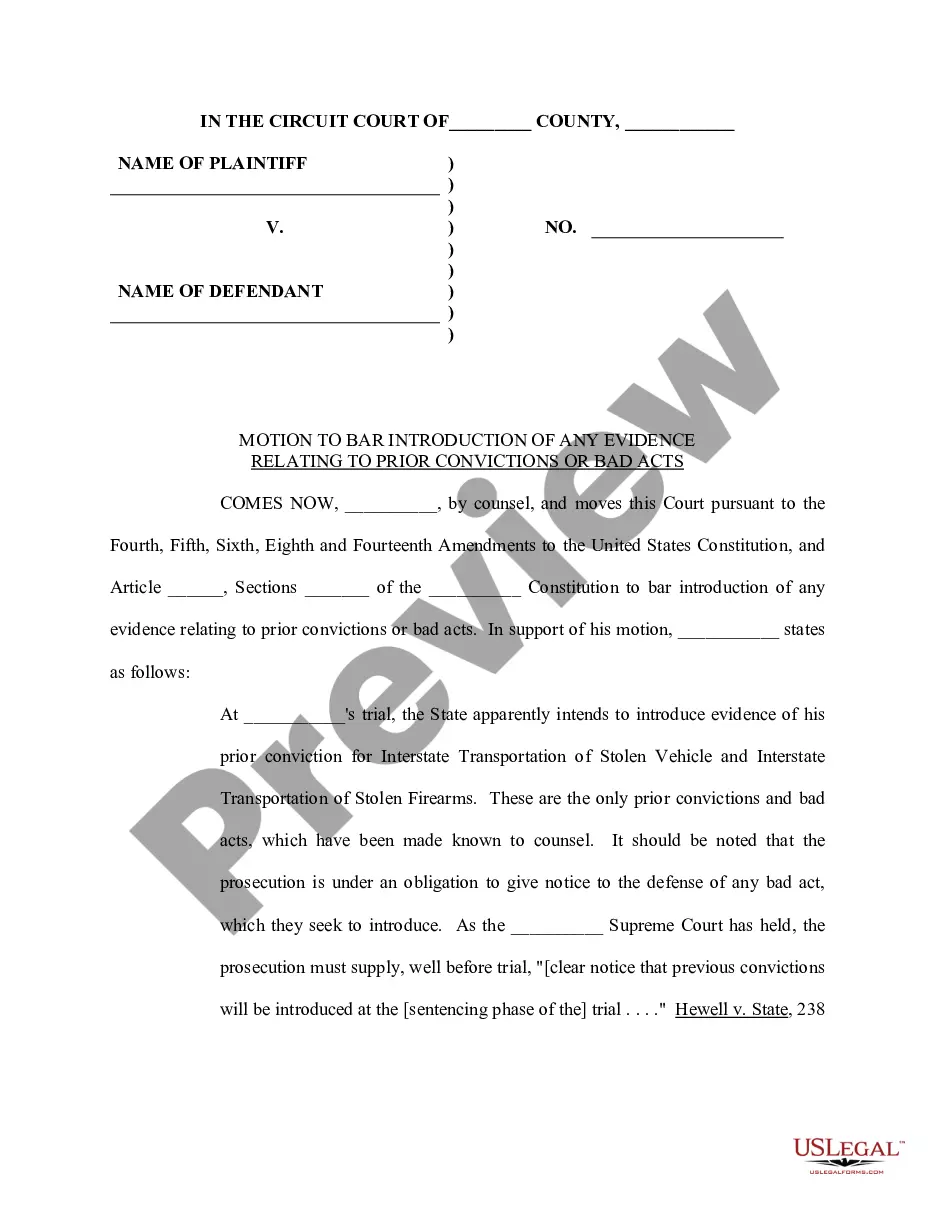
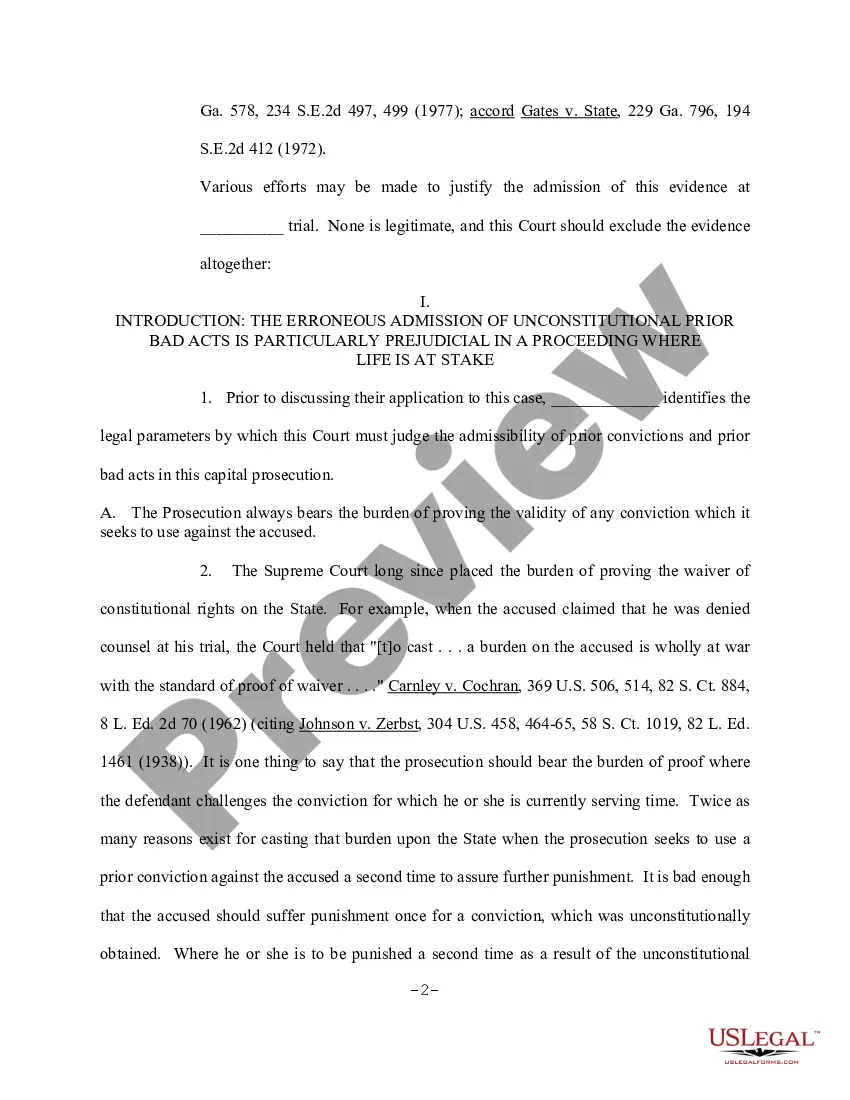
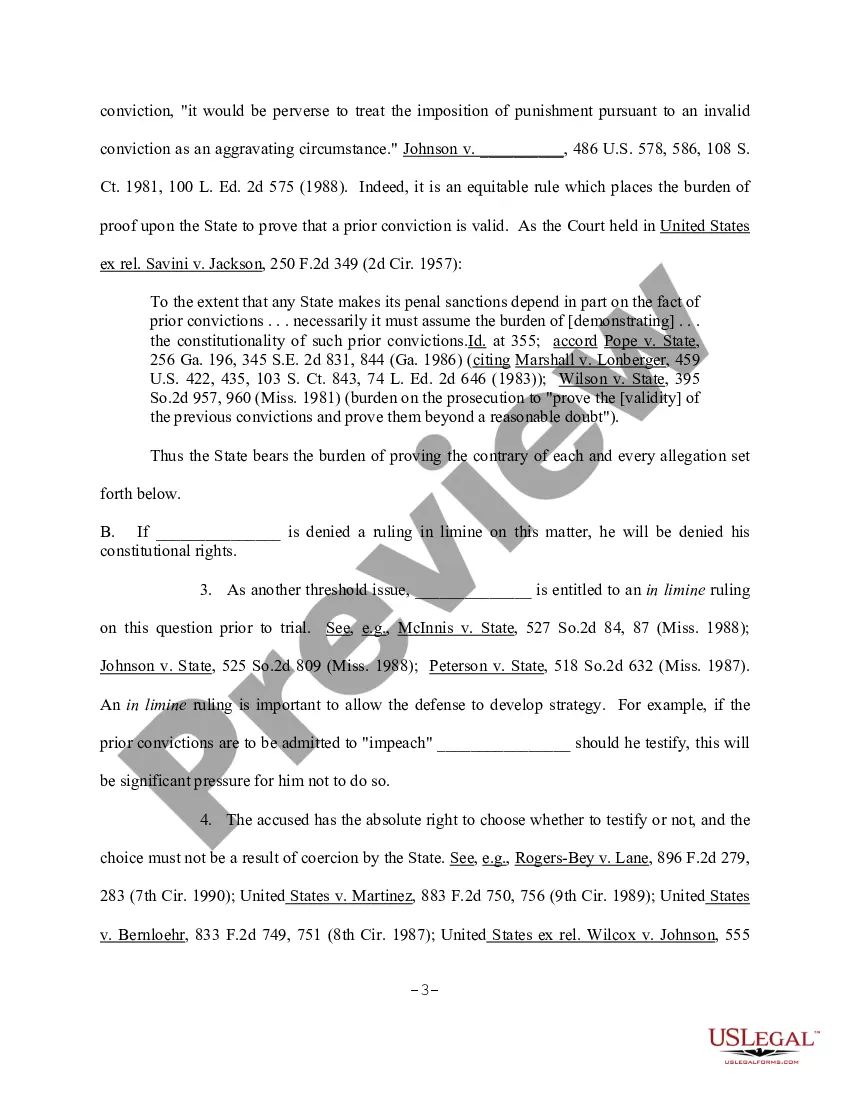
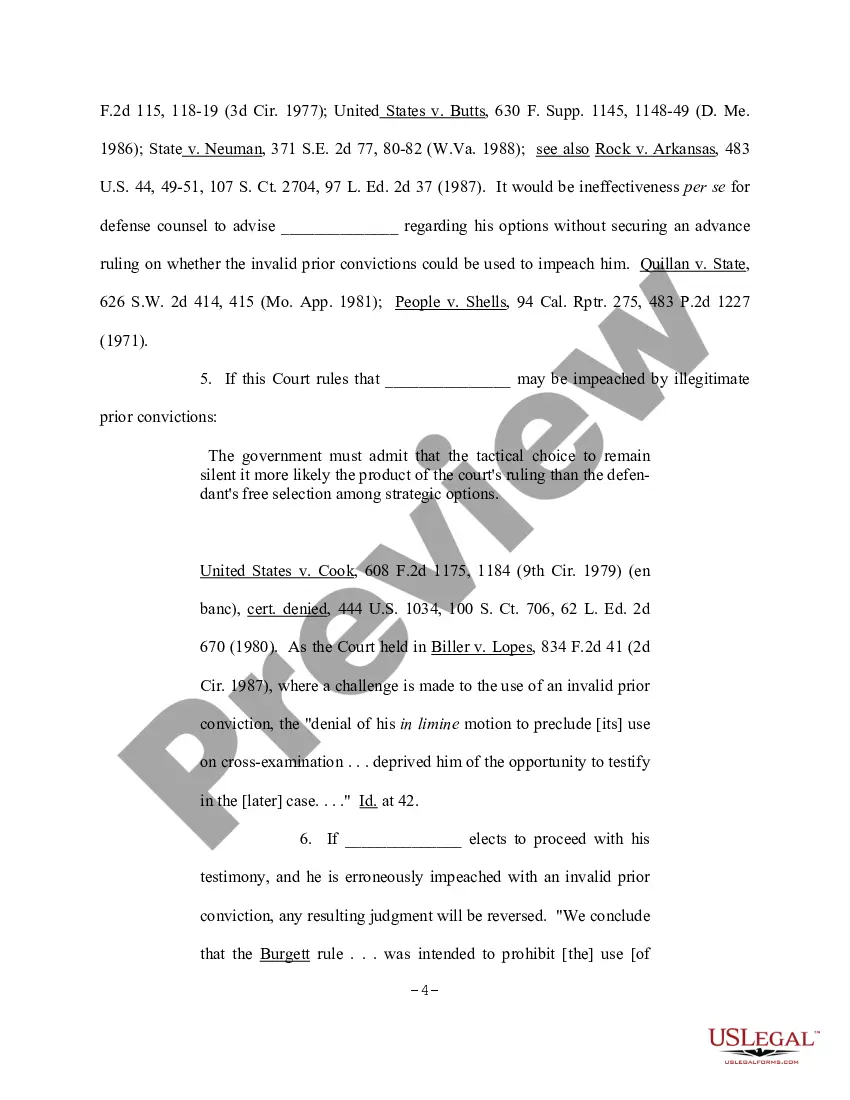
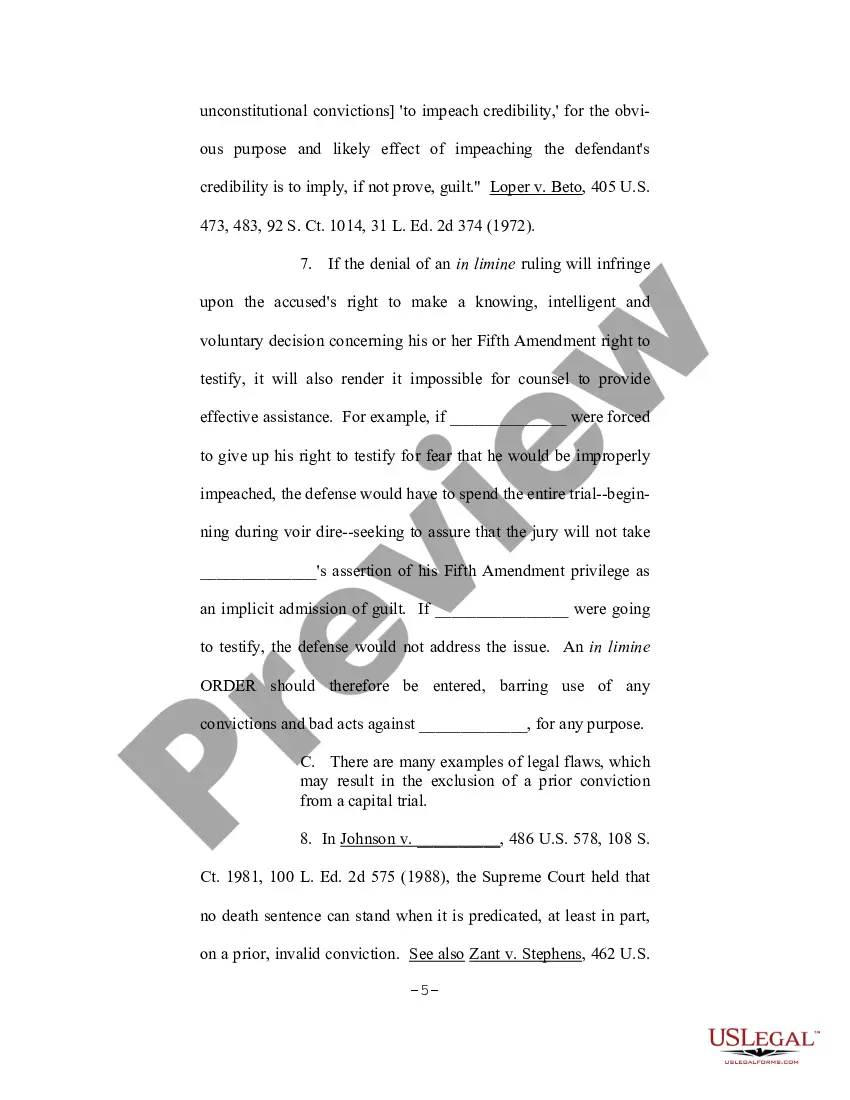
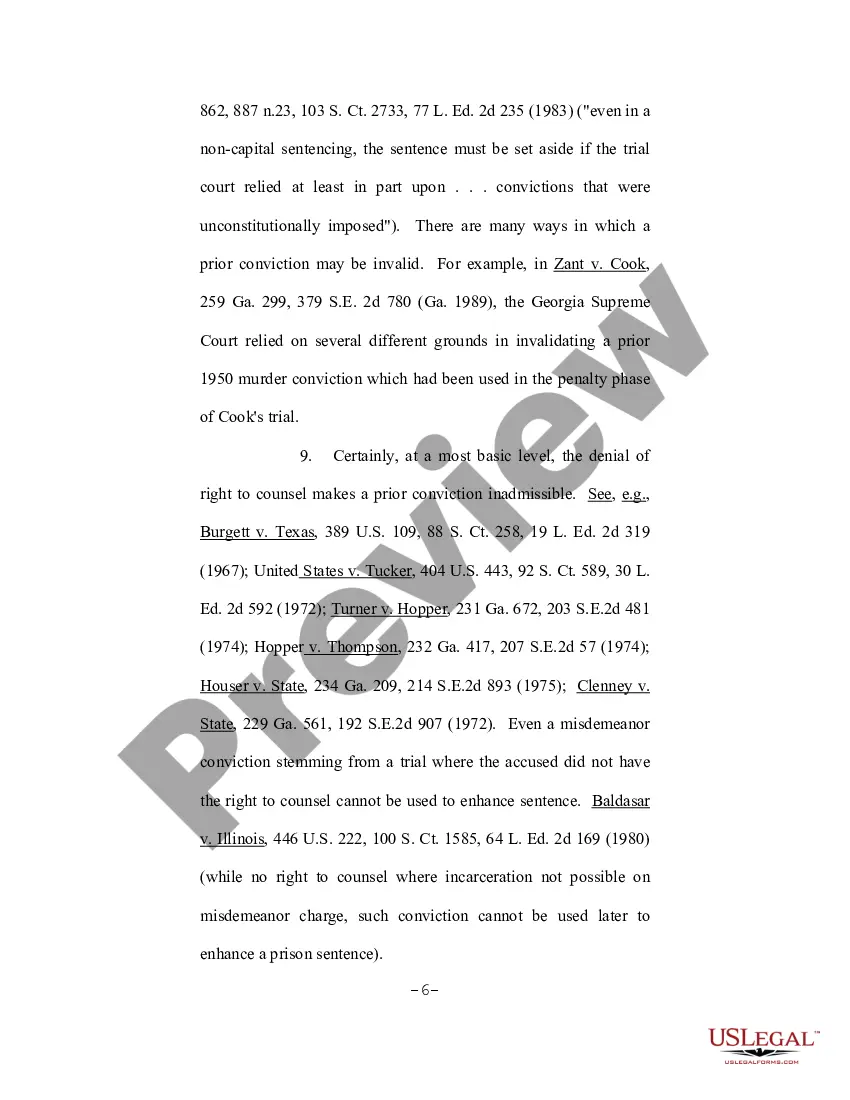
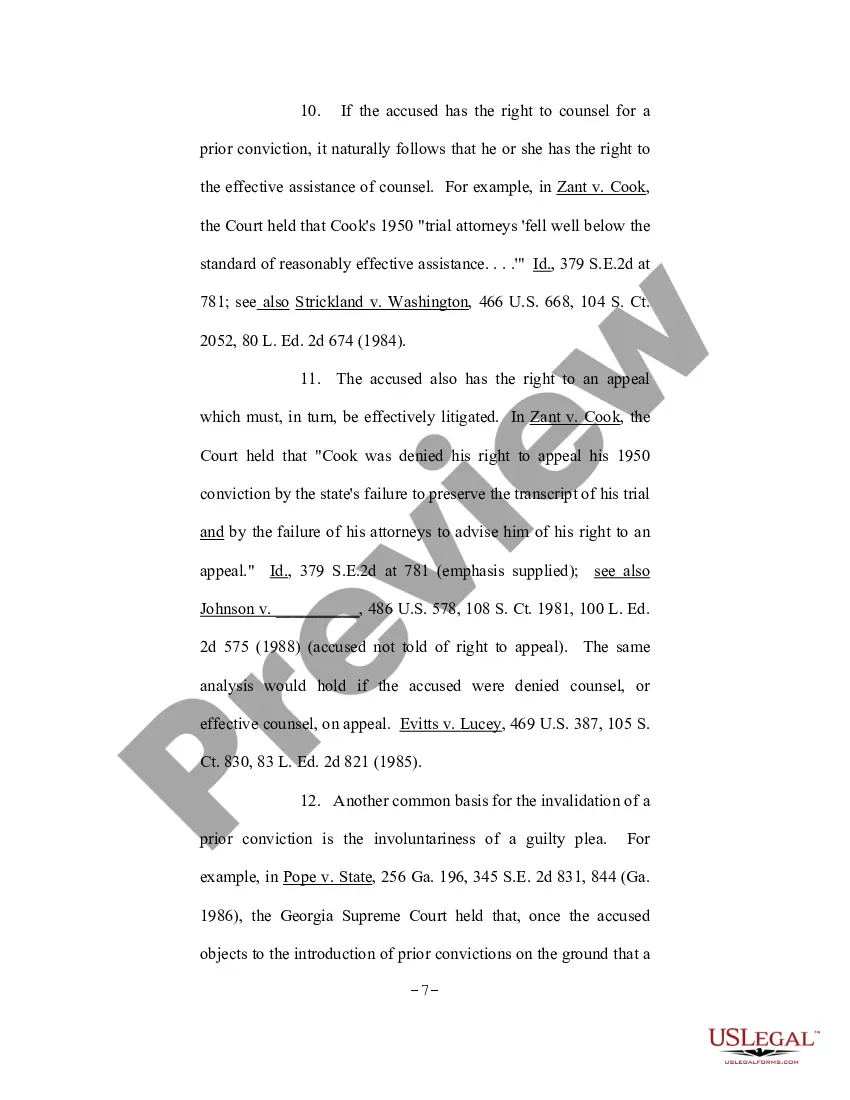
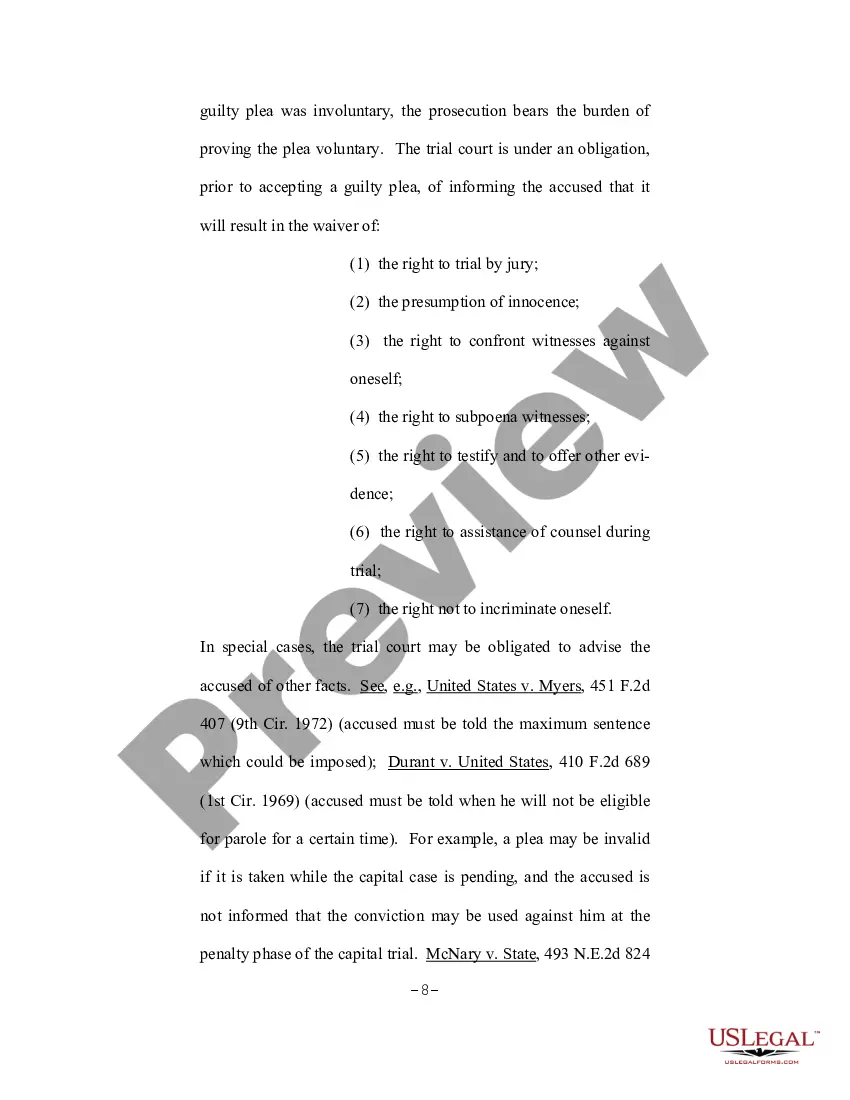
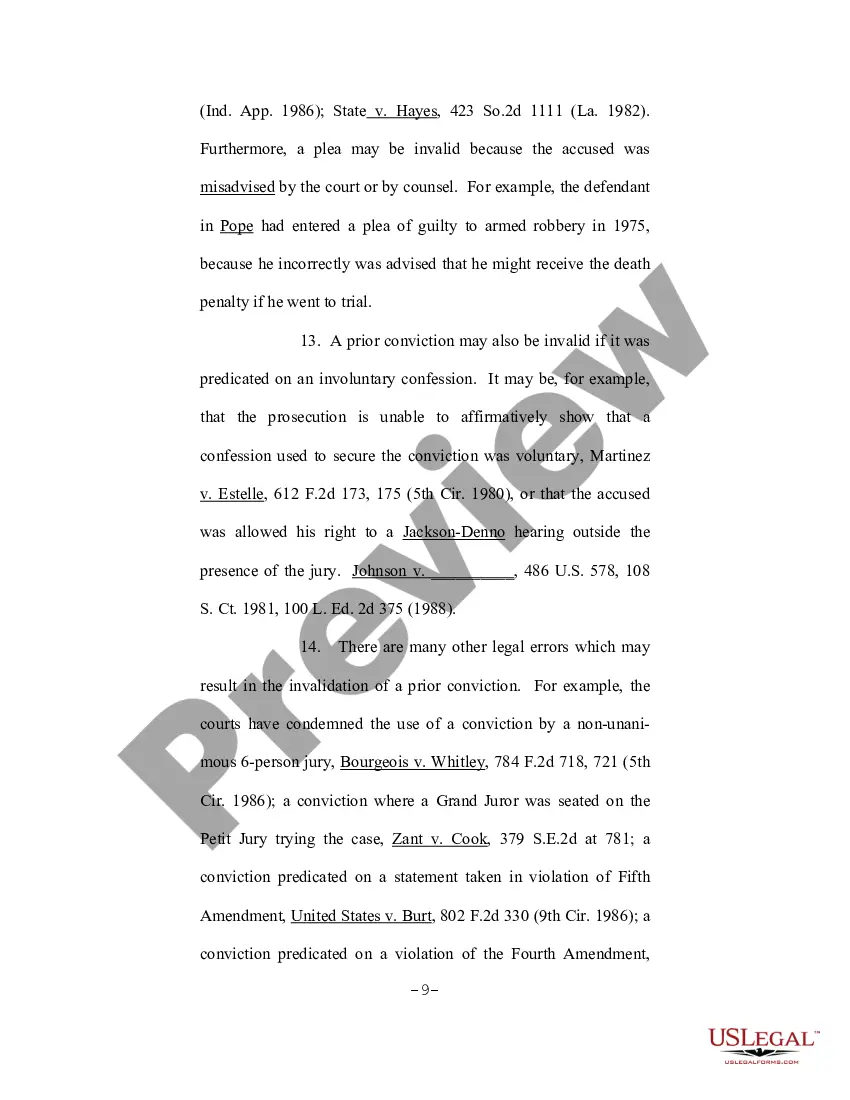
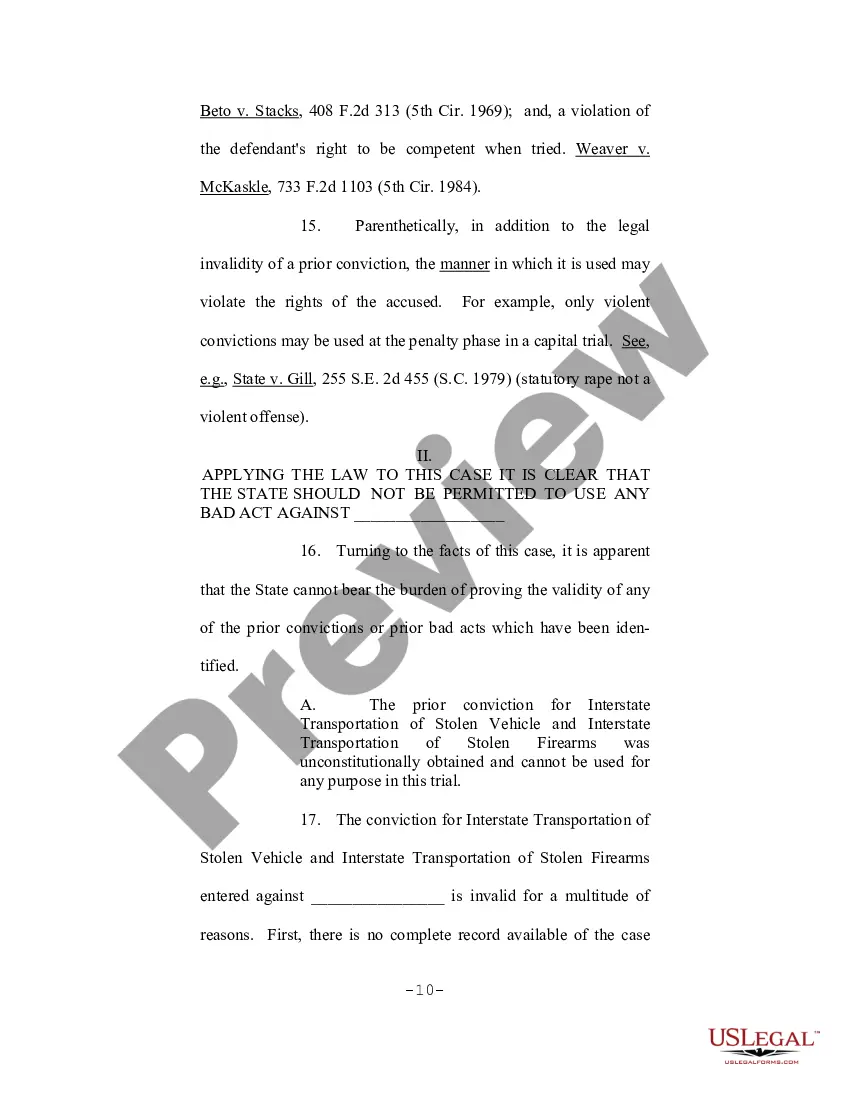
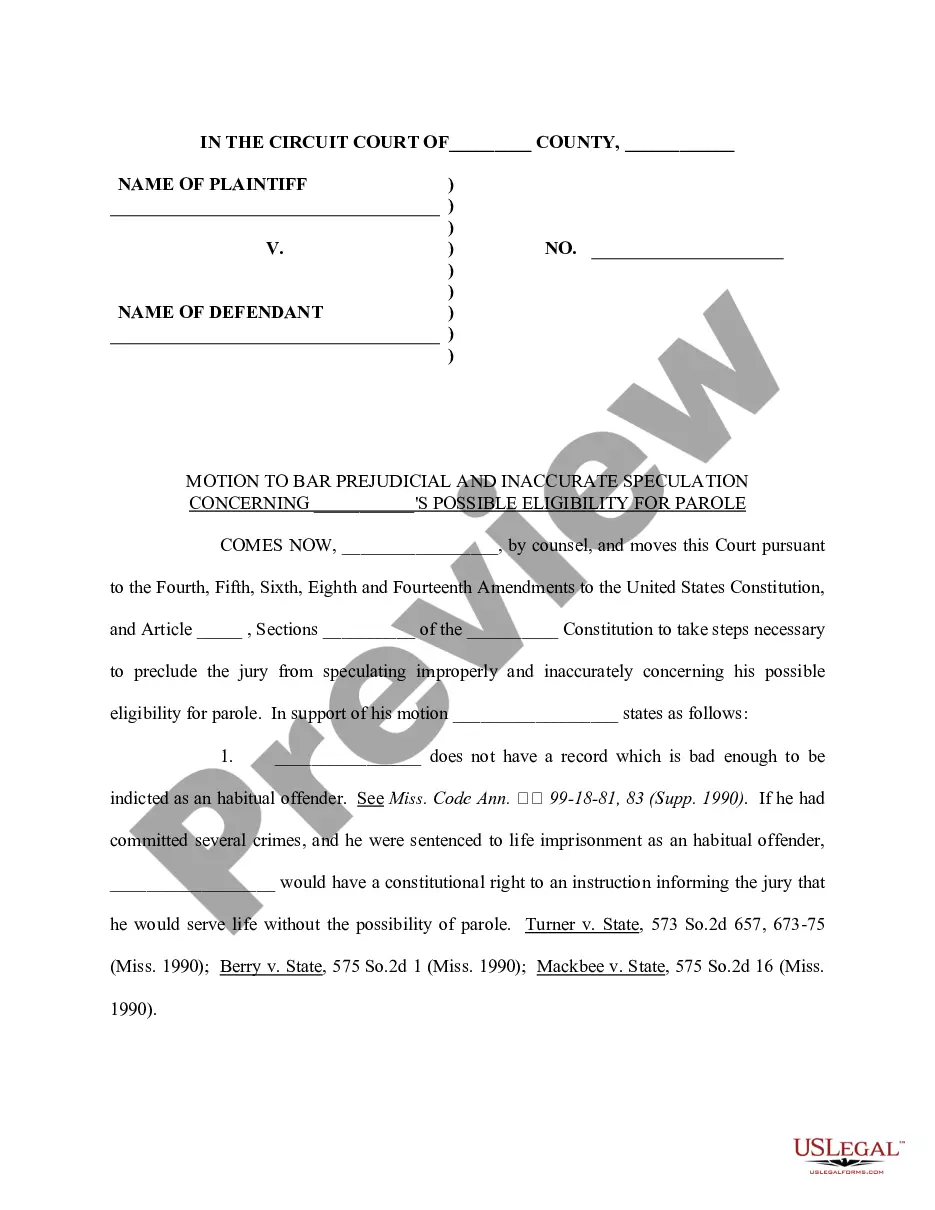
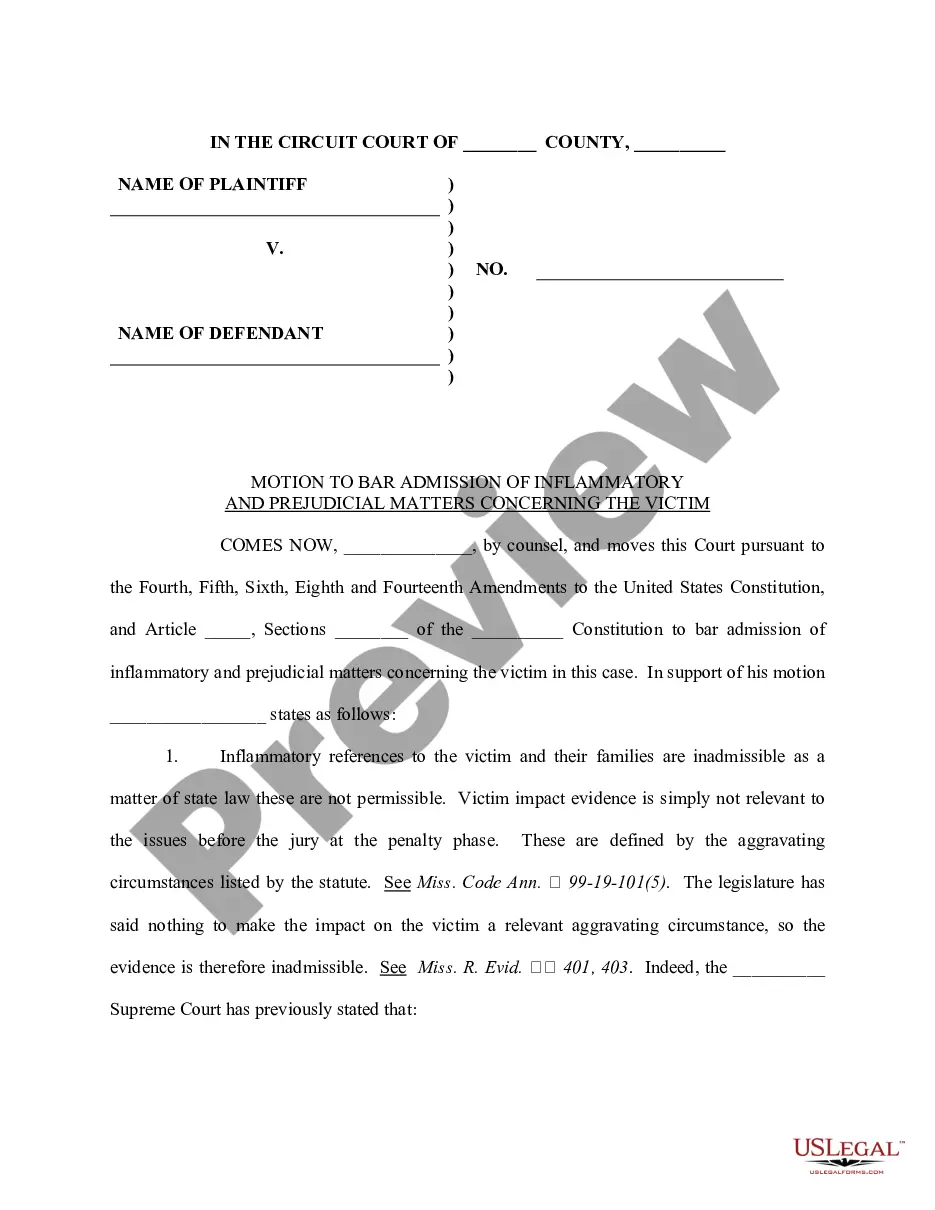
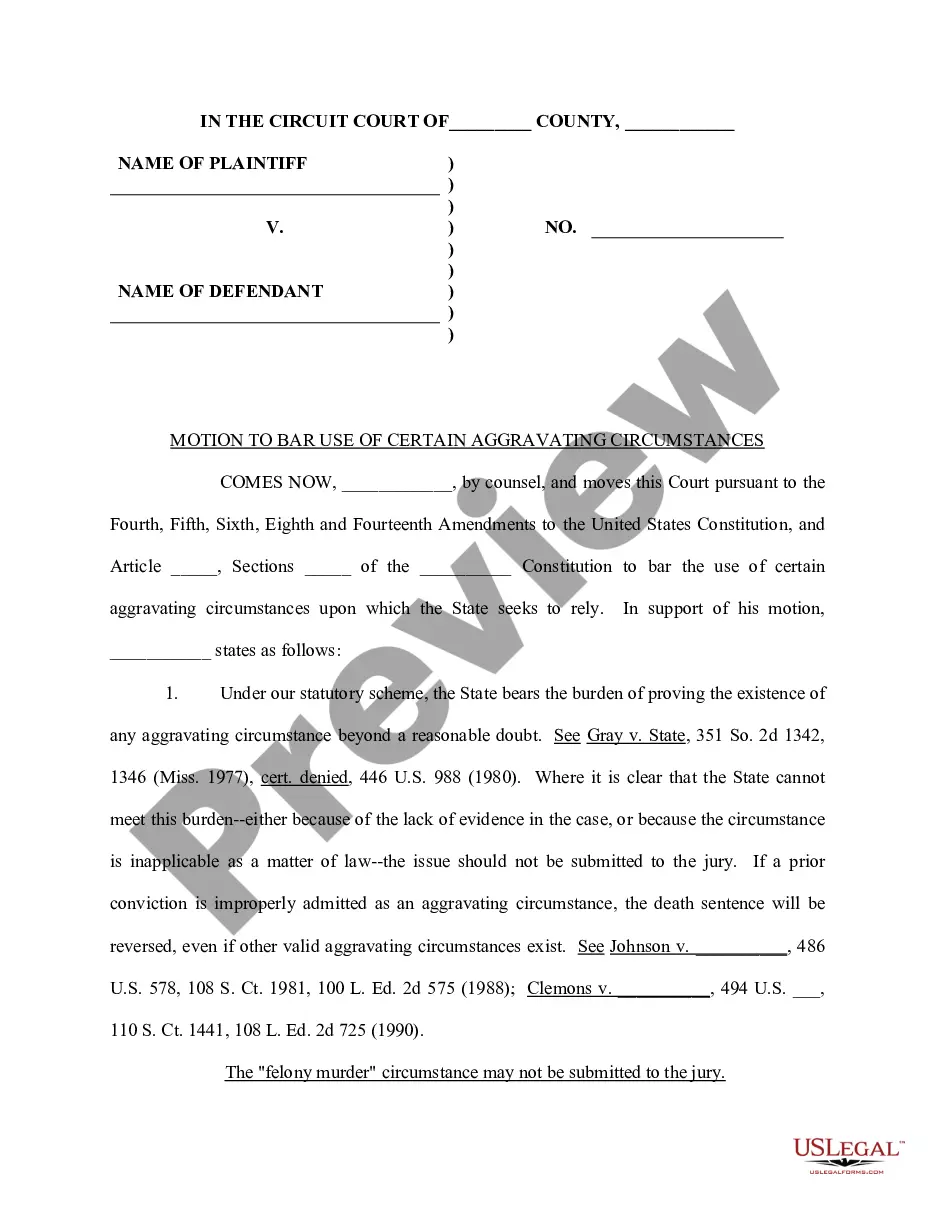
How to fill out Motion To Bar Introduction Of Any Evidence Relating To Prior Convictions Or Bad Acts?
Creating legal documents from the ground up can frequently be daunting. Certain situations may require extensive research and significant financial investment. If you’re seeking a simpler and more economical method of generating Prior Convictions For Either Theft Or Conversion or other forms without unnecessary complications, US Legal Forms is always at your service.
Our online repository of over 85,000 current legal documents covers nearly every aspect of your financial, legal, and personal affairs. With just a few clicks, you can immediately access state- and county-compliant forms meticulously crafted for you by our legal professionals.
Utilize our platform whenever you require dependable and trustworthy services through which you can swiftly locate and download the Prior Convictions For Either Theft Or Conversion. If you’re familiar with our services and have previously registered with us, simply Log In to your account, choose the form and download it or re-download it at any later time in the My documents section.
Not registered yet? No problem. It takes just a few minutes to sign up and explore the catalog. However, before directly proceeding to download Prior Convictions For Either Theft Or Conversion, consider these suggestions.
US Legal Forms has a solid reputation and over 25 years of experience. Join us today and make form completion a straightforward and efficient process!
- Examine the document preview and descriptions to confirm that you have located the form you need.
- Ensure the template you choose adheres to the regulations and laws of your state and county.
- Select the most appropriate subscription option to acquire the Prior Convictions For Either Theft Or Conversion.
- Download the file. Then complete, sign, and print it out.
Form popularity
FAQ
To obtain a list of previous convictions, you can request your criminal history report from your state’s criminal records office. This report will detail any prior convictions, including those for theft or conversion, and can be crucial for various legal matters or employment applications. Keep in mind that the process may vary by state, and fees may apply. Utilizing resources from USLegalForms can assist you in navigating this process efficiently and effectively.
Finding your old criminal record typically involves requesting a copy from the relevant state or local law enforcement agency. Many states offer online portals where individuals can access their criminal records, while others may require a formal request or visit to a specific office. Be mindful that prior convictions for either theft or conversion may be included in this record. Using services like USLegalForms can simplify this process by providing the necessary forms and guidance for your request.
To prove conversion, a claimant must provide evidence that demonstrates the defendant intentionally exercised control over someone else's property without permission. This can include documentation showing ownership of the property, evidence of the defendant's actions, and any witness testimonies that support the claim. Establishing prior convictions for either theft or conversion may also reinforce your case, as they can demonstrate a pattern of behavior. Using platforms like USLegalForms can help you gather the necessary documentation and streamline the process.
The rule of evidence for prior convictions allows courts to consider a person's past criminal history when evaluating their current case. This can include prior convictions for either theft or conversion, which may impact the severity of the sentence or the credibility of the individual. It is essential to understand how these rules apply in your specific situation, as courts may vary in their approach. Seeking legal advice can help clarify how your prior convictions may affect your current legal standing.
Examples of theft by conversion include using a rented vehicle for personal use instead of returning it, or selling someone else's property without their consent. These actions demonstrate a clear intent to deprive the owner of their property. If you’re facing challenges due to prior convictions for either theft or conversion, platforms like US Legal Forms can provide you with essential resources to understand your rights and options.
Being convicted of conversion means that a court has found you guilty of taking someone else's property and using it as your own. This conviction indicates that you intentionally interfered with the owner's rights. If you have prior convictions for either theft or conversion, this can lead to more severe penalties and affect your ability to resolve future legal issues.
Theft or conversion refers to the unlawful taking or use of someone else's property without their permission. This can involve stealing physical items or misusing someone else's assets. Understanding these terms is crucial, especially if you have prior convictions for either theft or conversion, as they can impact your legal standing and future opportunities.
An example of theft by conversion could involve someone borrowing a friend's laptop and deciding to keep it instead of returning it. In this case, if the person has prior convictions for either theft or conversion, the consequences can be more serious. This type of situation highlights the importance of respecting others' property and understanding the legal ramifications. If you find yourself in a similar situation, consider using tools from US Legal Forms to help clarify your rights and options.
In Georgia, theft by conversion occurs when a person unlawfully takes control of someone else's property with the intent to permanently deprive the owner of it. This means that if you have prior convictions for either theft or conversion, the law may treat your case with greater severity. Understanding the nuances of this legal definition is crucial, especially if you are facing charges. You may want to consult with a legal expert or use resources like US Legal Forms to navigate your situation effectively.