Liability Waiver For Homeowner
Description
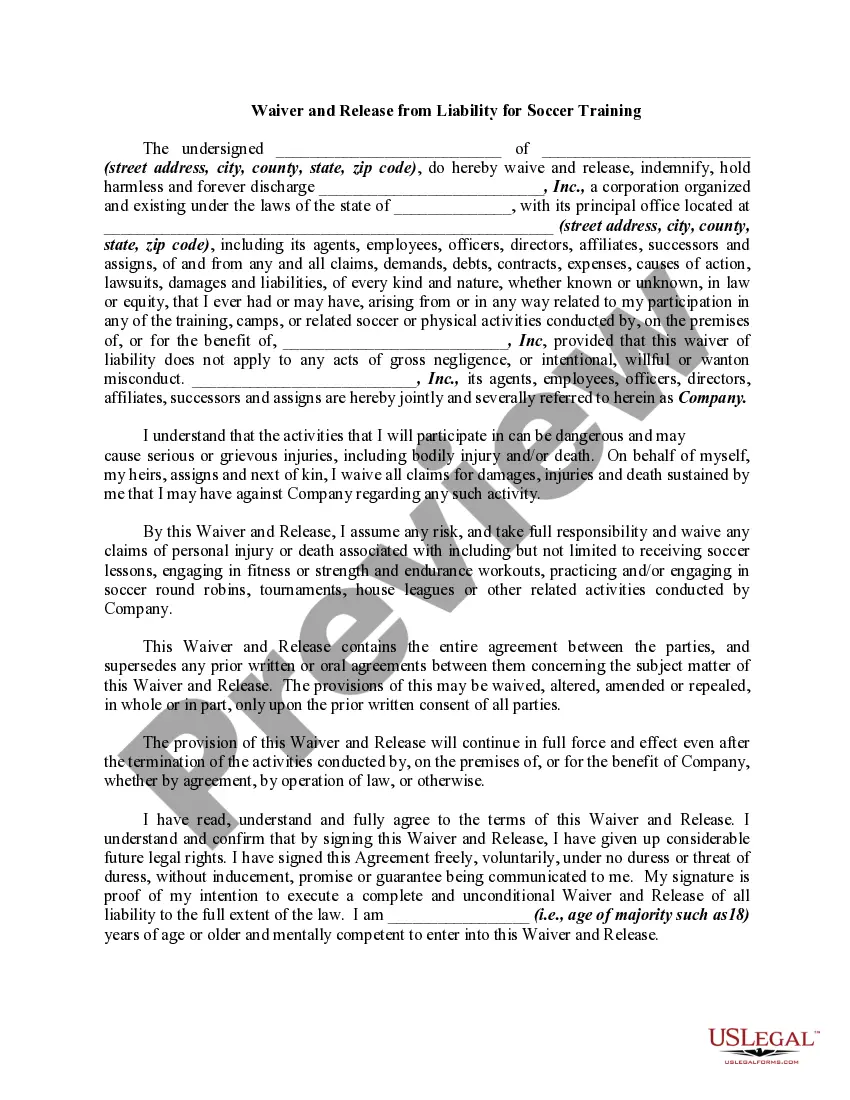
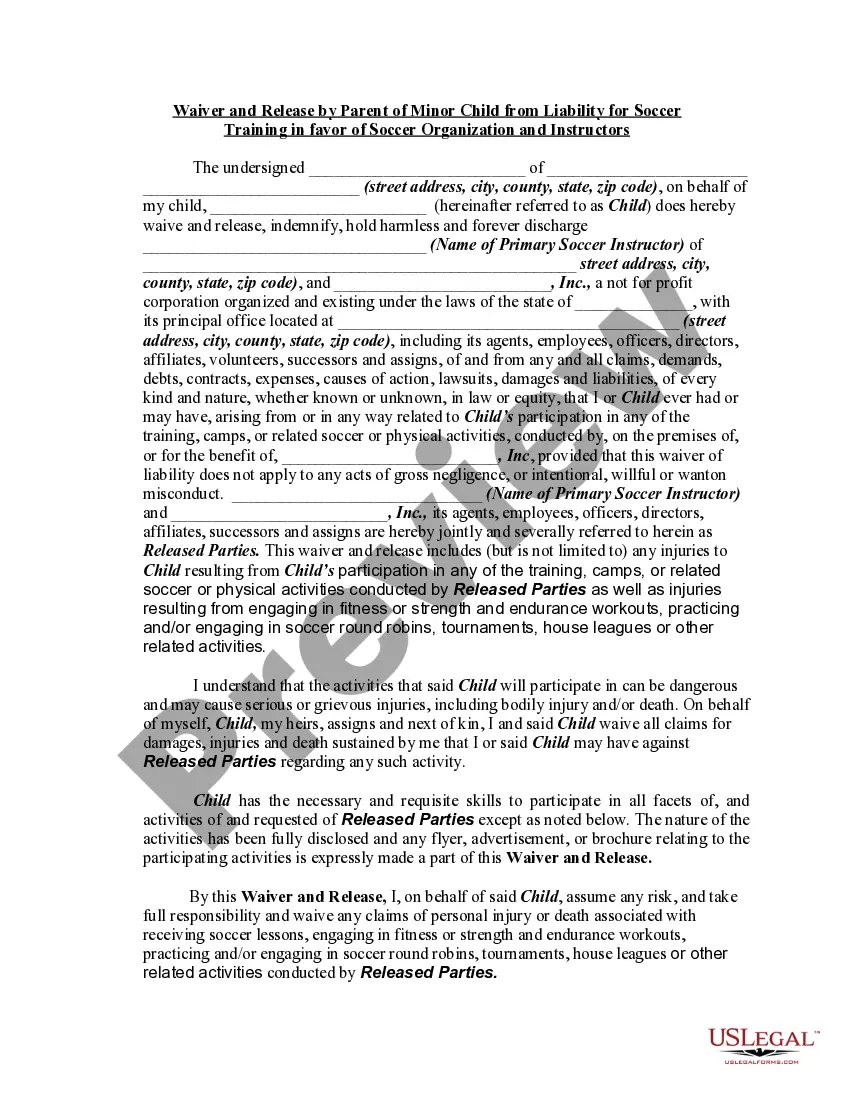
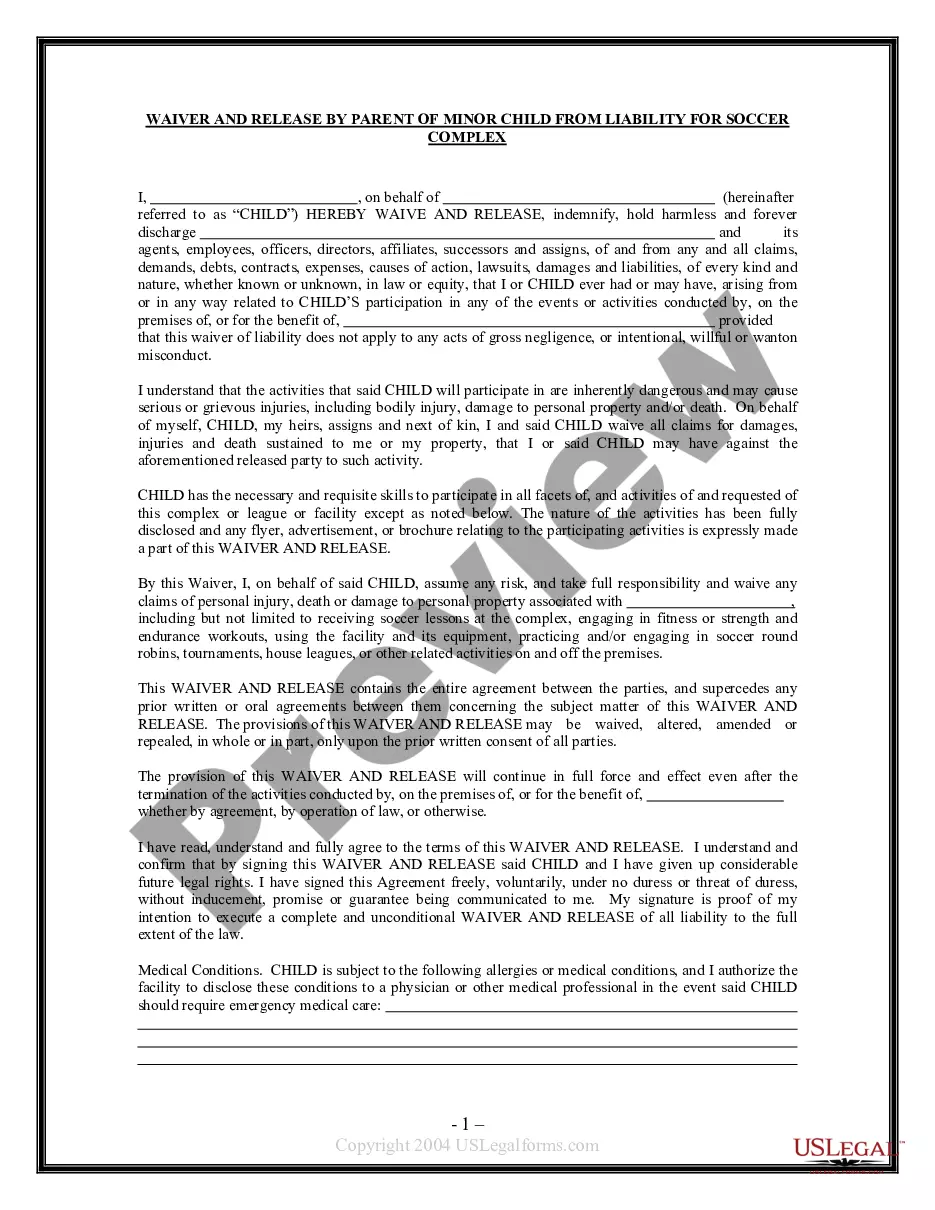
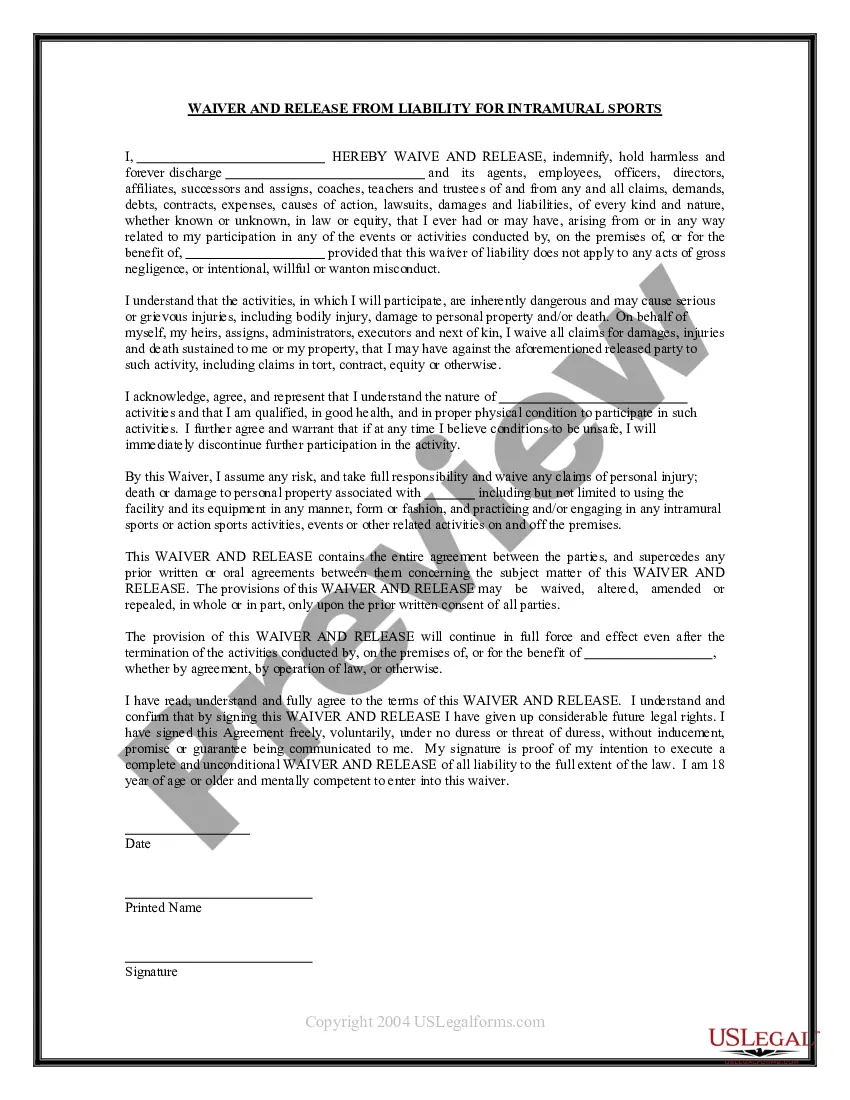
Get your form ready online
Our built-in tools help you complete, sign, share, and store your documents in one place.
Make edits, fill in missing information, and update formatting in US Legal Forms—just like you would in MS Word.
Download a copy, print it, send it by email, or mail it via USPS—whatever works best for your next step.
Sign and collect signatures with our SignNow integration. Send to multiple recipients, set reminders, and more. Go Premium to unlock E-Sign.
If this form requires notarization, complete it online through a secure video call—no need to meet a notary in person or wait for an appointment.
We protect your documents and personal data by following strict security and privacy standards.

Make edits, fill in missing information, and update formatting in US Legal Forms—just like you would in MS Word.

Download a copy, print it, send it by email, or mail it via USPS—whatever works best for your next step.

Sign and collect signatures with our SignNow integration. Send to multiple recipients, set reminders, and more. Go Premium to unlock E-Sign.

If this form requires notarization, complete it online through a secure video call—no need to meet a notary in person or wait for an appointment.

We protect your documents and personal data by following strict security and privacy standards.
Looking for another form?

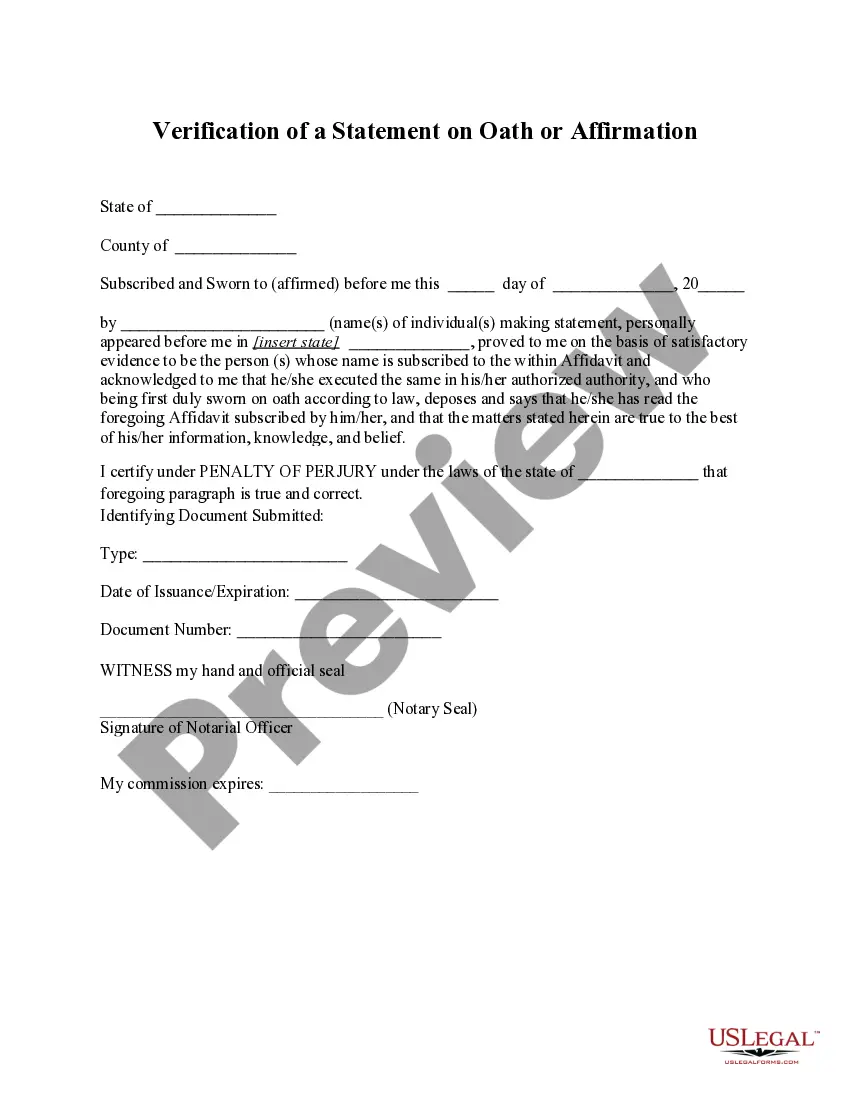
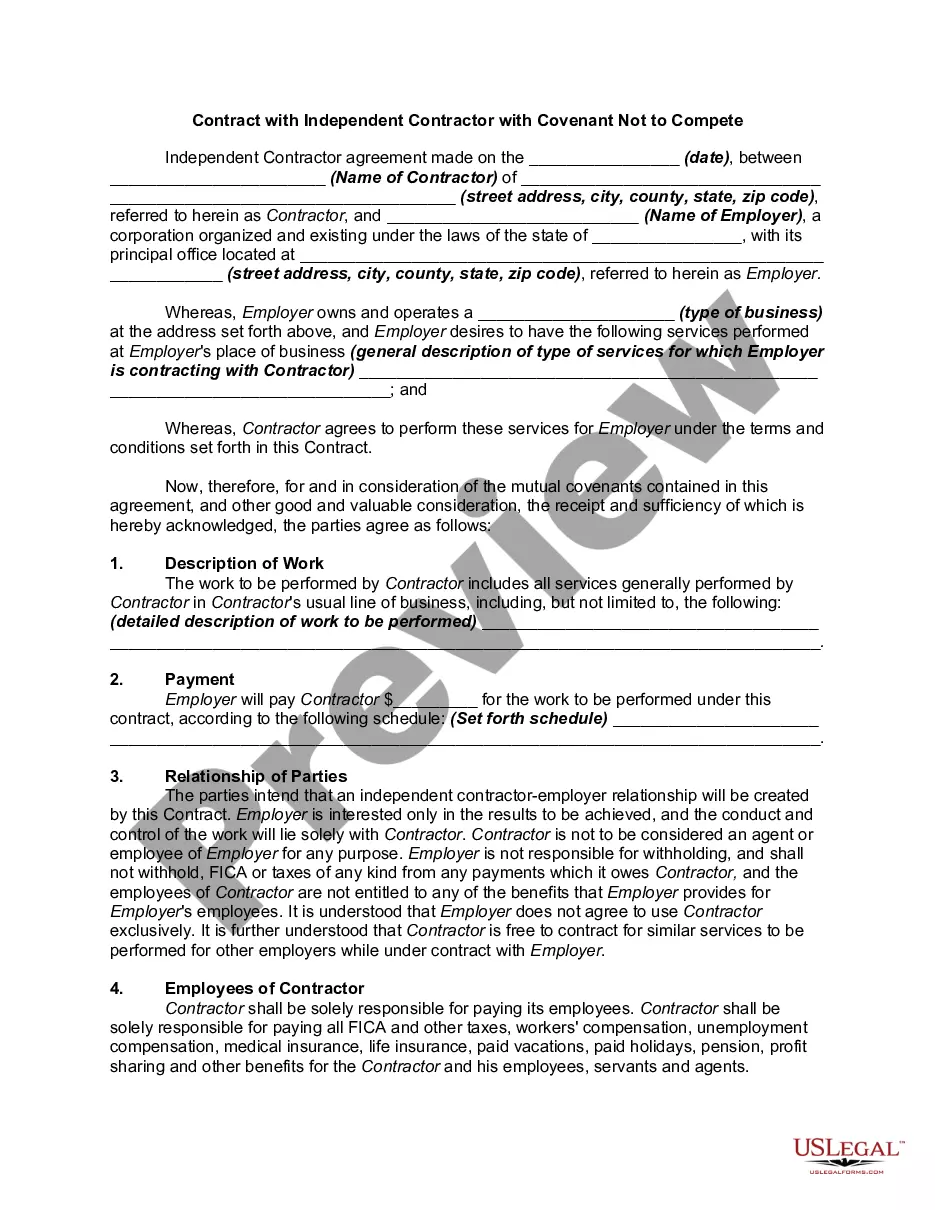

Form popularity
FAQ
A liability waiver can be deemed invalid for several reasons, such as ambiguous language, lack of voluntary consent, or if it violates public policy. If the waiver does not clearly outline the risks, it might not provide the intended protection for the homeowner. Consulting with professionals and utilizing platforms like uslegalforms can help ensure your waiver is legally sound and enforceable.
A property waiver is a formal agreement that outlines the responsibilities and liabilities associated with using a property. It often includes a liability waiver for homeowner, which specifically protects property owners against lawsuits related to accidents or injuries. These waivers are advisable for homeowners hosting events or activities where risks may be present.
A liability waiver for being on property is a legal document that protects the property owner from legal claims resulting from injuries or damages occurring on their premises. This type of waiver informs guests or visitors about the risks involved, essentially giving their informed consent to participate in activities on the property. Using such a waiver can significantly reduce legal complications for homeowners.
Signing a liability waiver for homeowner does not automatically prevent you from suing. It typically means you agree to waive certain rights, but there may still be grounds for legal action in cases of negligence or misconduct. Understanding the specific terms of the waiver is crucial to grasp its implications.
Yes, a liability waiver for homeowner can hold up in court if it meets specific legal requirements. Courts often enforce waivers if they are clear, unambiguous, and voluntarily signed. However, the enforceability may vary depending on the circumstances and applicable state laws.
Liability waivers do not always need notarization, but notarizing the document can provide added protection. For a liability waiver for homeowner, having it notarized may help avoid disputes about the authenticity of signatures or the understanding of the terms. In some cases, particular states may require notarization, so it is best to verify local regulations. Utilizing services like US Legal Forms can simplify the process of creating and notarizing your waiver.
A waiver becomes legally binding when it contains specific elements, such as clear intent, mutual agreement, and consideration. For a liability waiver for homeowner, the document should outline the risks involved and contain signatures from all parties. Furthermore, it is essential that the waiver is not signed under duress or misrepresentation. These factors work together to create a firm legal standing.
In California, a valid waiver of liability for homeowner needs clear language that informs participants about the risks involved. The waiver must also be written in plain language, allowing the signers to understand their rights fully. Additionally, it should not violate public policy or involve gross negligence. By adhering to these requirements, you can create a waiver that provides strong legal protection.
Determining if a document needs notarization often depends on the type of document and the legal requirements within your state. For a liability waiver for homeowner, notarization may enhance its credibility and enforceability. It is wise to check state laws or consult with a legal expert, especially when significant obligations or rights are involved. Overall, ensuring proper documentation can help protect your interests.
An example of a liability statement in a homeowner waiver could be: 'By signing this waiver, I release the homeowner from all claims, demands, and liabilities related to any injury or damage during the event.' This statement emphasizes the transfer of risk, showcasing the importance of a well-drafted liability waiver for homeowner protection.
