Charitable Remainder Trust Funded With Real Estate
Description
Get your form ready online
Our built-in tools help you complete, sign, share, and store your documents in one place.
Make edits, fill in missing information, and update formatting in US Legal Forms—just like you would in MS Word.
Download a copy, print it, send it by email, or mail it via USPS—whatever works best for your next step.
Sign and collect signatures with our SignNow integration. Send to multiple recipients, set reminders, and more. Go Premium to unlock E-Sign.
If this form requires notarization, complete it online through a secure video call—no need to meet a notary in person or wait for an appointment.
We protect your documents and personal data by following strict security and privacy standards.

Make edits, fill in missing information, and update formatting in US Legal Forms—just like you would in MS Word.

Download a copy, print it, send it by email, or mail it via USPS—whatever works best for your next step.

Sign and collect signatures with our SignNow integration. Send to multiple recipients, set reminders, and more. Go Premium to unlock E-Sign.

If this form requires notarization, complete it online through a secure video call—no need to meet a notary in person or wait for an appointment.

We protect your documents and personal data by following strict security and privacy standards.
Looking for another form?



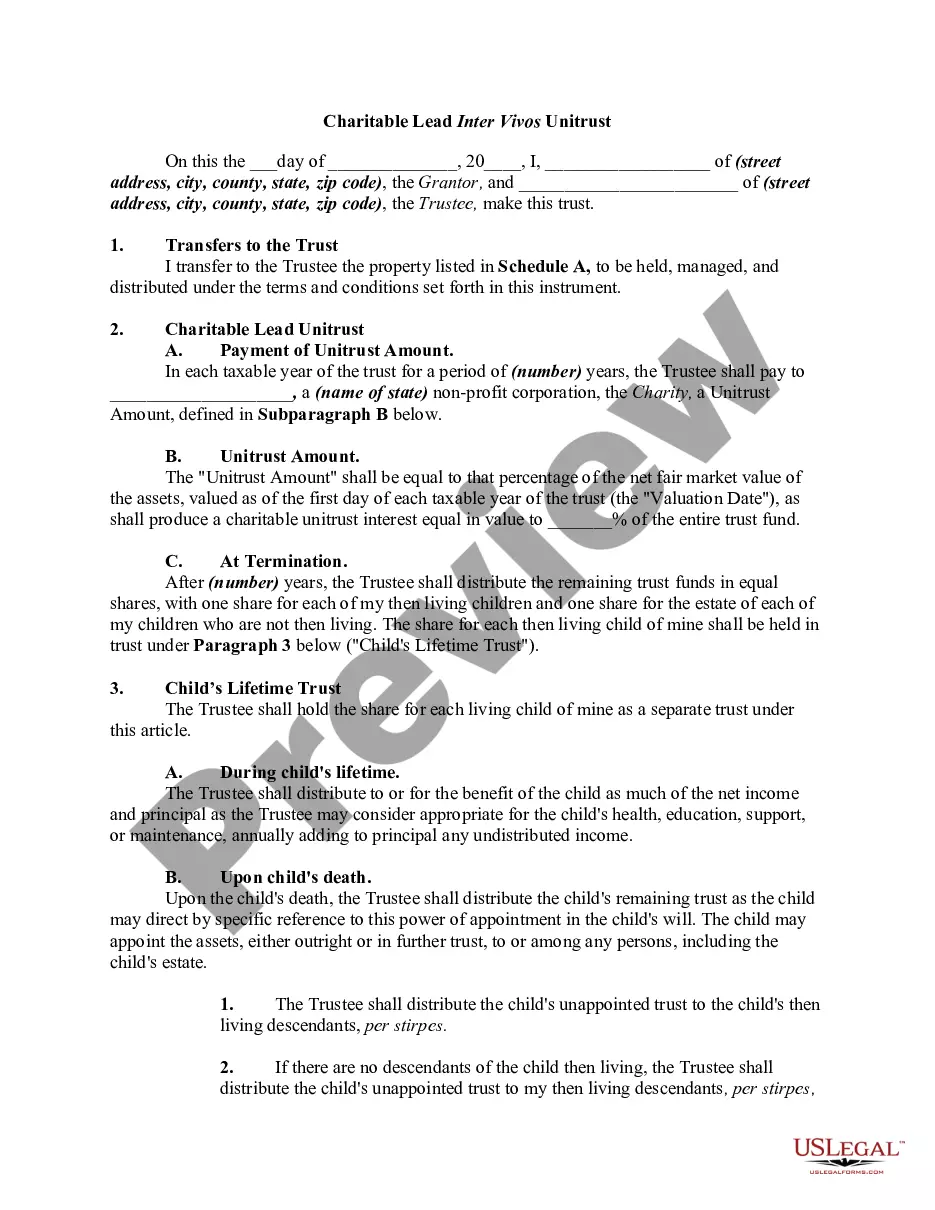
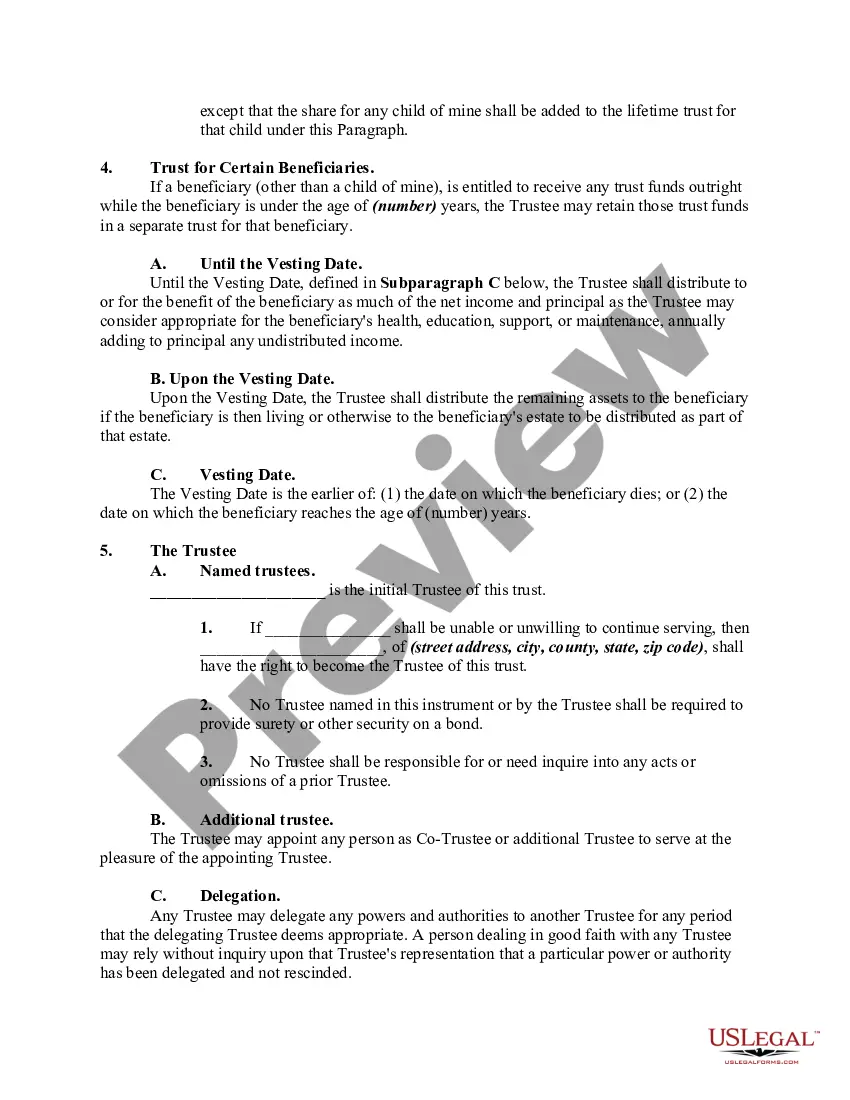
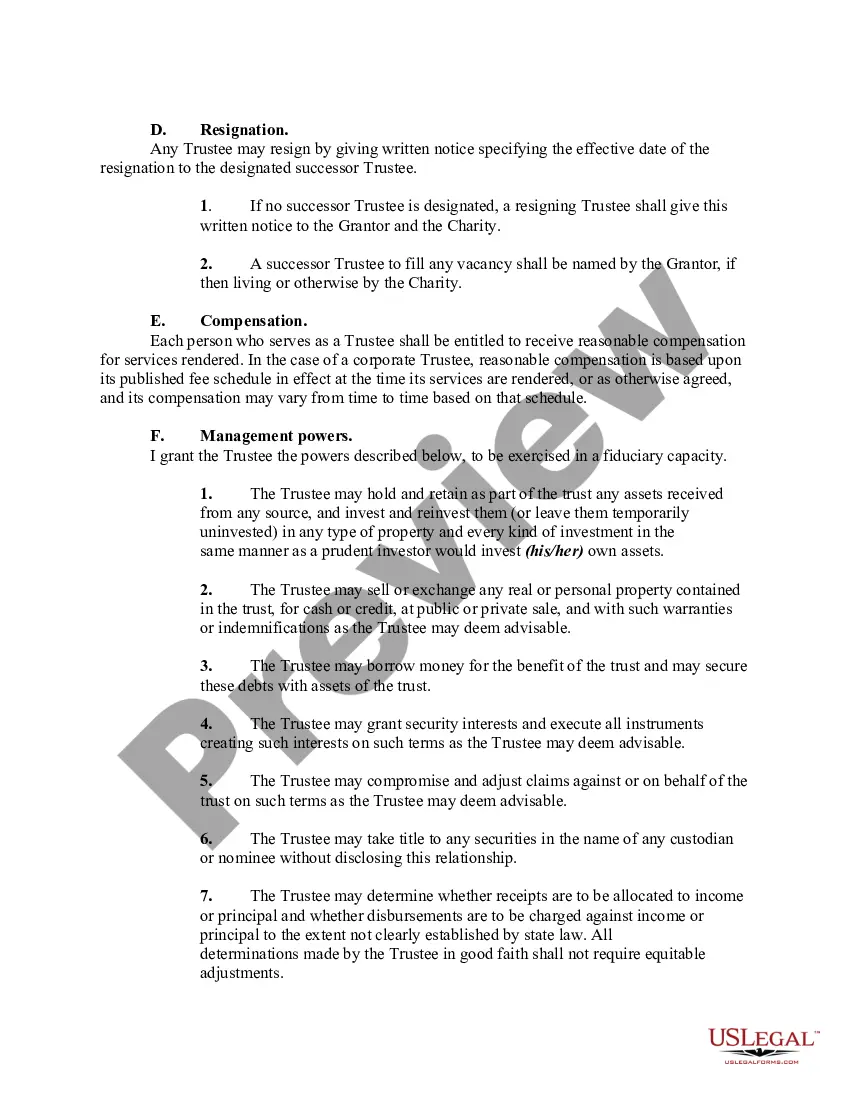
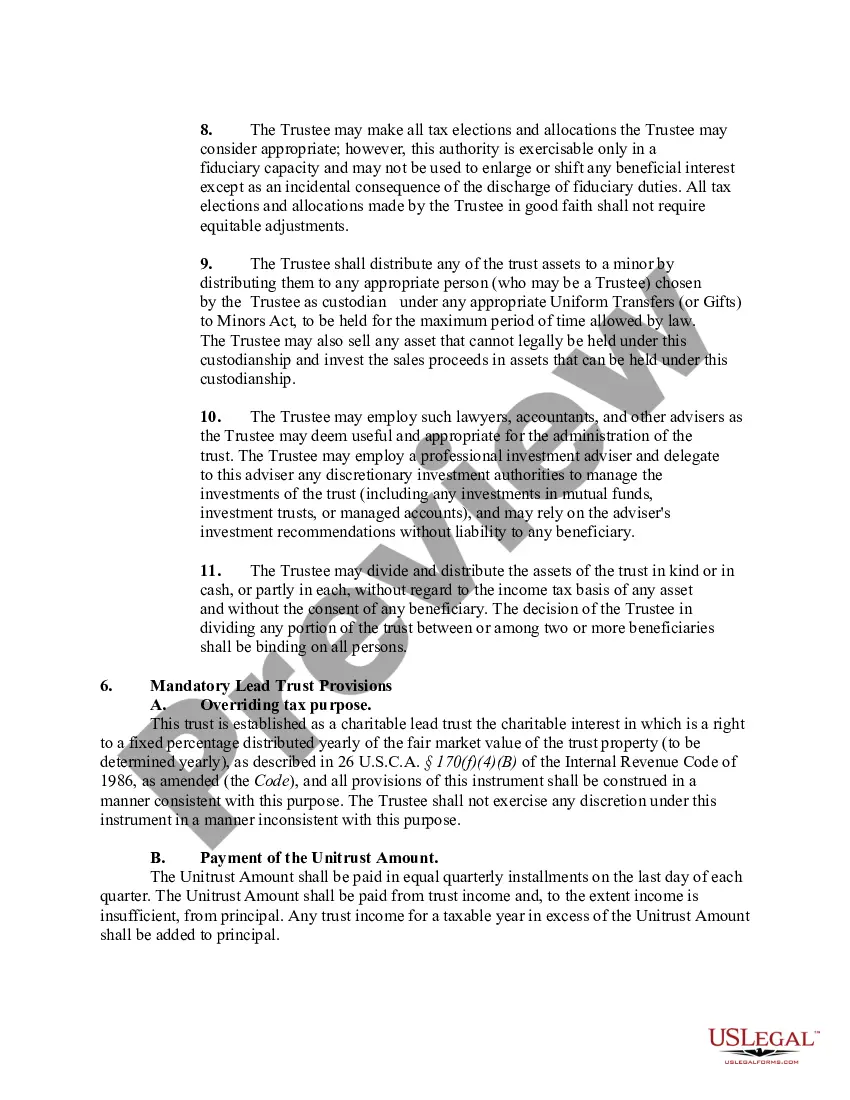
How to fill out Charitable Lead Inter Vivos Unitrust?
Utilizing legal templates that adhere to federal and state laws is essential, and the web provides a multitude of selections to choose from.
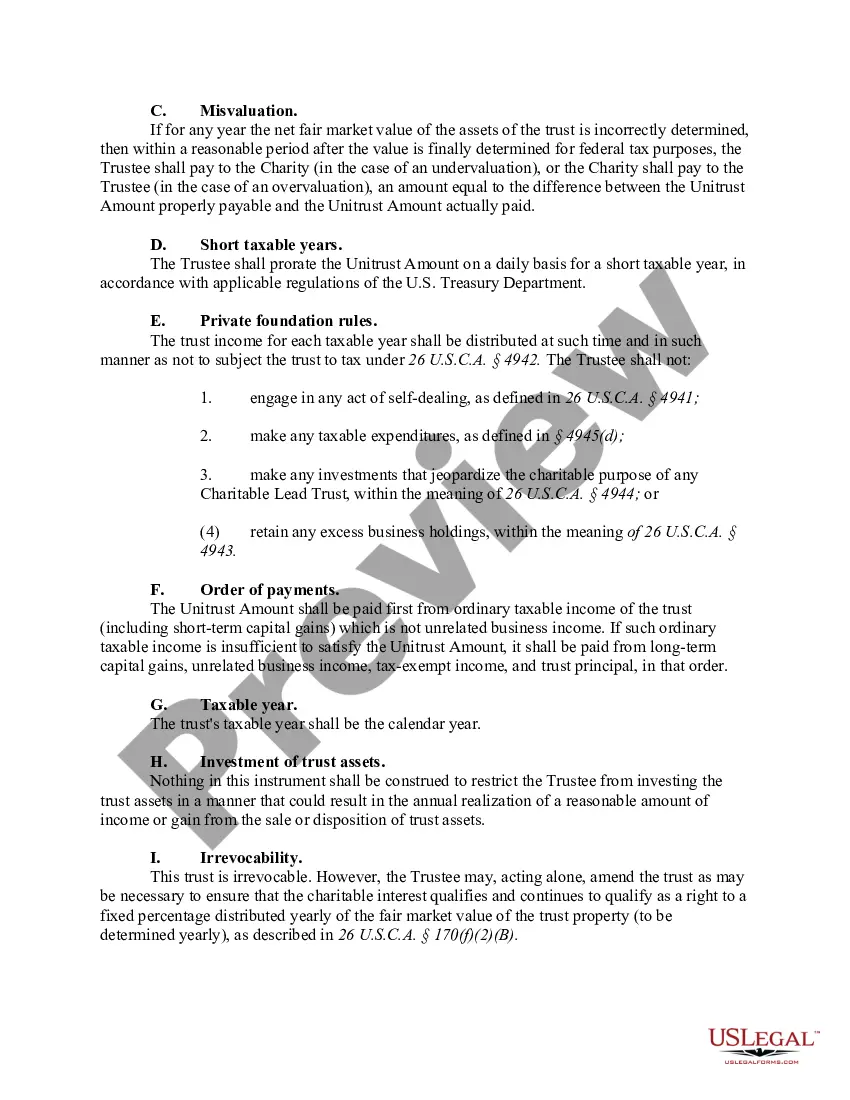
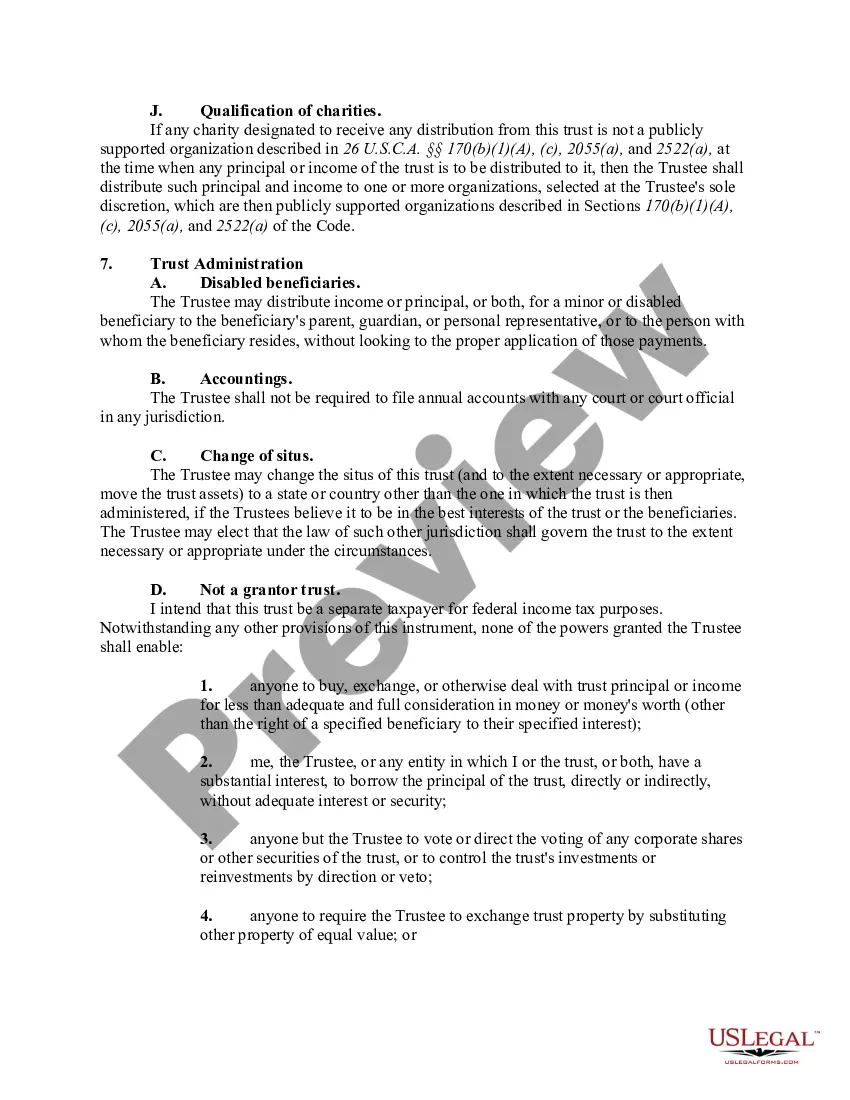
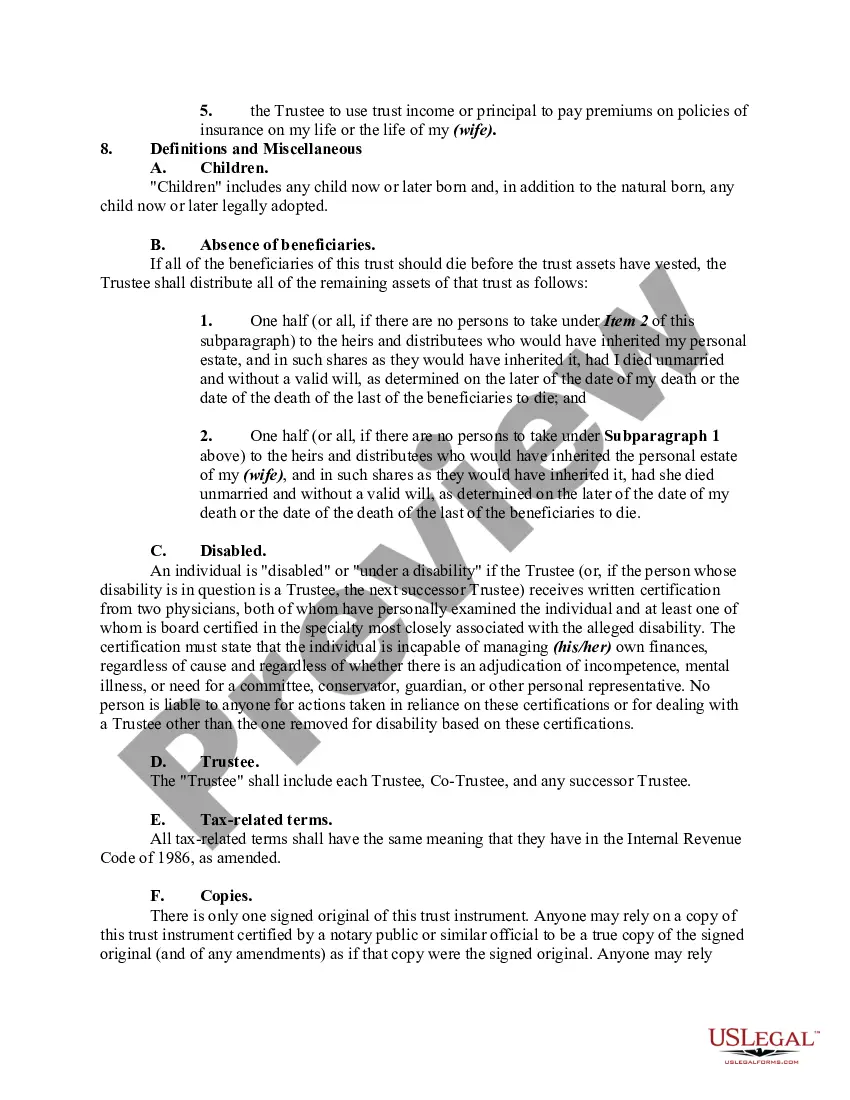
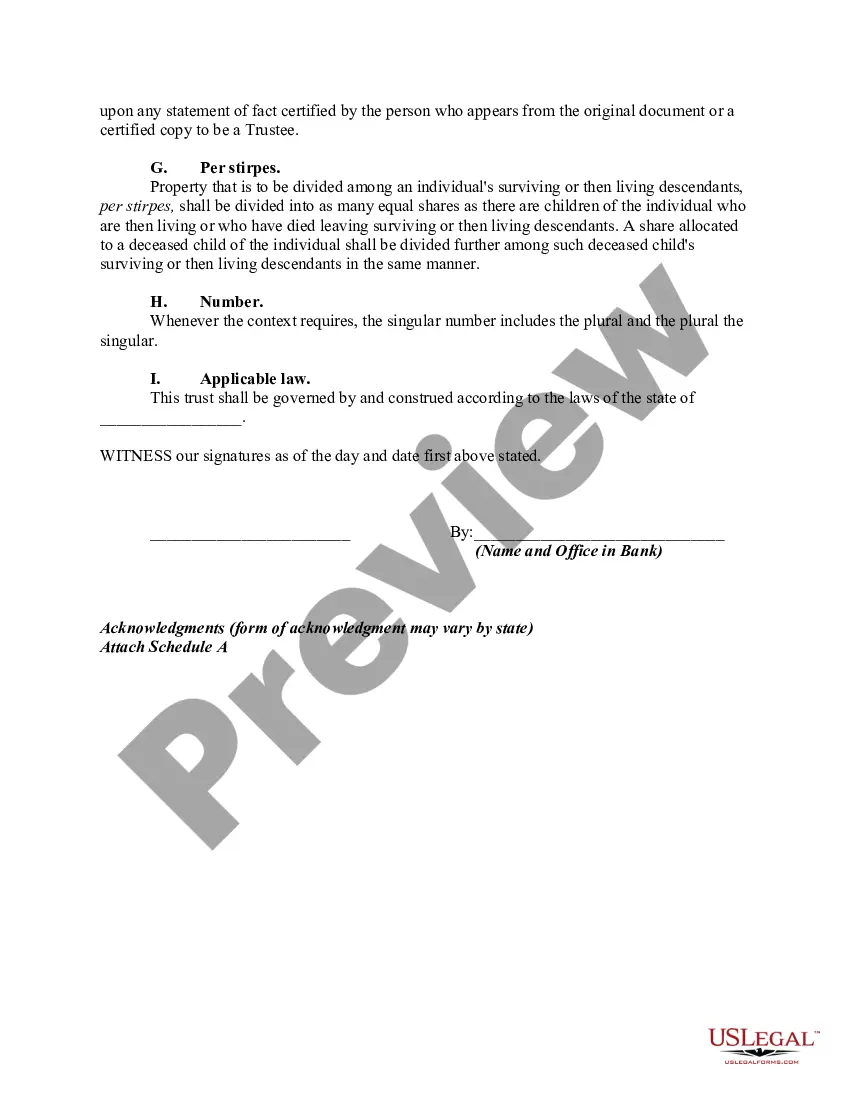
However, what is the value in squandering time searching for the appropriately written Charitable Remainder Trust Funded With Real Estate template online when the US Legal Forms digital repository already has such templates gathered in one location.
US Legal Forms is the largest online legal repository featuring over 85,000 fillable templates crafted by attorneys for a variety of professional and personal situations.
- They are easy to navigate with all documents categorized by state and intended use.
- Our experts keep updated with legislative changes, ensuring you can always rely on your form being current and compliant when procuring a Charitable Remainder Trust Funded With Real Estate from our site.
- Acquiring a Charitable Remainder Trust Funded With Real Estate is simple and swift for both returning and new users.
- If you already possess an account with a valid subscription, Log In and save the document sample you need in your desired format.
- For new visitors to our platform, proceed with the following steps.
Form popularity
FAQ
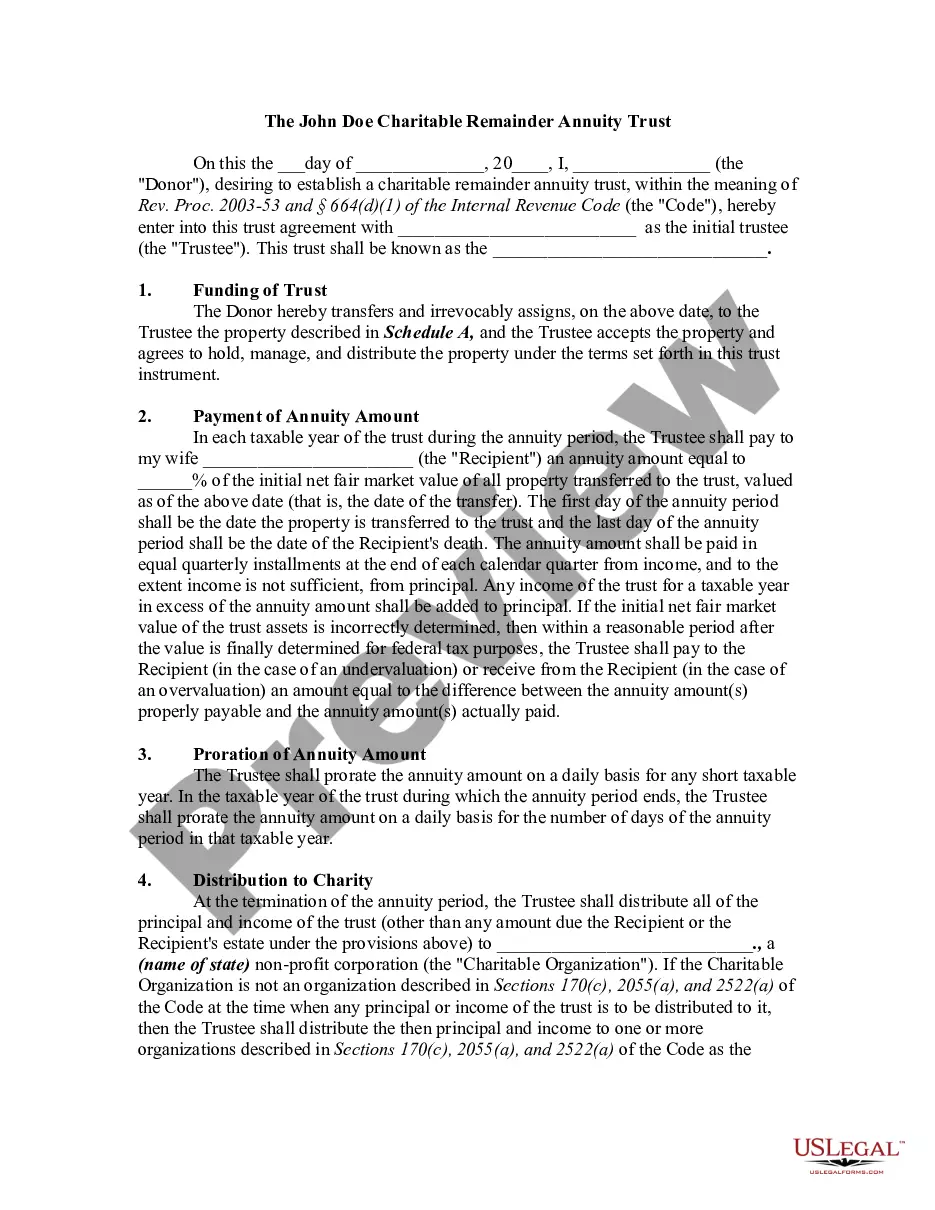
The 10% rule for a charitable remainder trust requires that at least 10% of the trust's assets must go to a charity upon its termination. This rule ensures that the trust complies with IRS guidelines, highlighting its charitable intent. For those considering a charitable remainder trust funded with real estate, adhering to this rule is crucial to benefit from tax deductions and avoid penalties. Therefore, proper planning and consultation with a legal expert can help ensure compliance.
The 5% rule is a guideline that specifies the minimum annual distribution for a charitable remainder trust must be at least 5% of the trust’s initial fair market value. This rule ensures that the beneficiaries receive a consistent income stream over time. It's crucial to consider this when planning a charitable remainder trust funded with real estate, as the trust's value may fluctuate.
File a claim by filling out and submitting Form 50 (in case of work-related injuries) or Form 52 (in case of work-related death) to the Commission. Request a hearing by indicating this desire on the claim form (Line 13b on Form 50 or Line 12b on Form 52).
Current Workers' Comp Rates in South Carolina The National Council on Compensation Insurance (NCCI) sets work comp rates in South Carolina. In 2018, SC employers paid $1.50 - $1.99 per $100 in payroll for workers' compensation coverage. Workers' compensation rates are always represented per $100 in payroll.
The Workers' Compensation Act in South Carolina provides that if an employee suffers injury by accident arising out of and in the course of employment, that individual is entitled to recover medical expenses, temporary total compensation for lost time, and permanent disability benefits if he/she suffered any permanent ...
Do I need a Workers' Compensation Insurance? As a general rule, businesses that regularly employ four or more employees within South Carolina are required to maintain workers' compensation coverage. Part-time workers and family members are counted as employees.
The coming and going rule holds that injuries suffered by an employee on the way to the workplace or on the way home are generally not compensable because the injured worker is not ?on the clock? when the accidental injury takes place.
The Form 43 is to be completed by the respondent (employer/workers' compensation insurance carrier) to notify the Administrative Law Judge, the claimant (employee/decedent), and all parties to the claim of its intention to deny the compensability of all or part of the claimant's claim to workers' compensation benefits.
Once you have the average weekly rate, you need to multiply it by 66 ? percent to get the compensation rate. So in our example, Worker x makes $500 as his average weekly rate, so we need to multiply that by 66 ? percent. So: $500 x 66 ? percent = $333, rounded to the nearest dollar.
The Workers' Compensation Act in South Carolina provides that if an employee suffers injury by accident arising out of and in the course of employment, that individual is entitled to recover medical expenses, temporary total compensation for lost time, and permanent disability benefits if he/she suffered any permanent ...