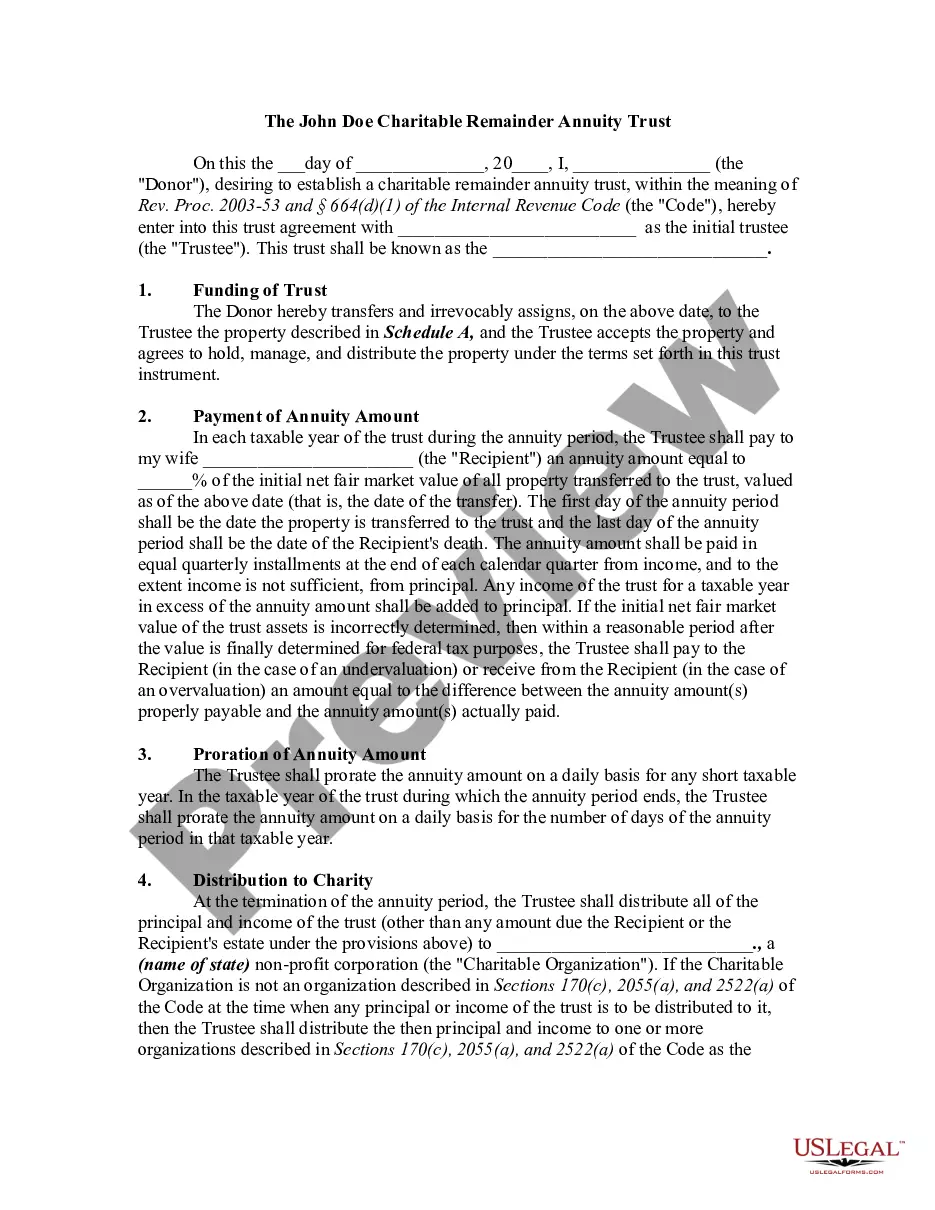
Annuity Tradução
Description
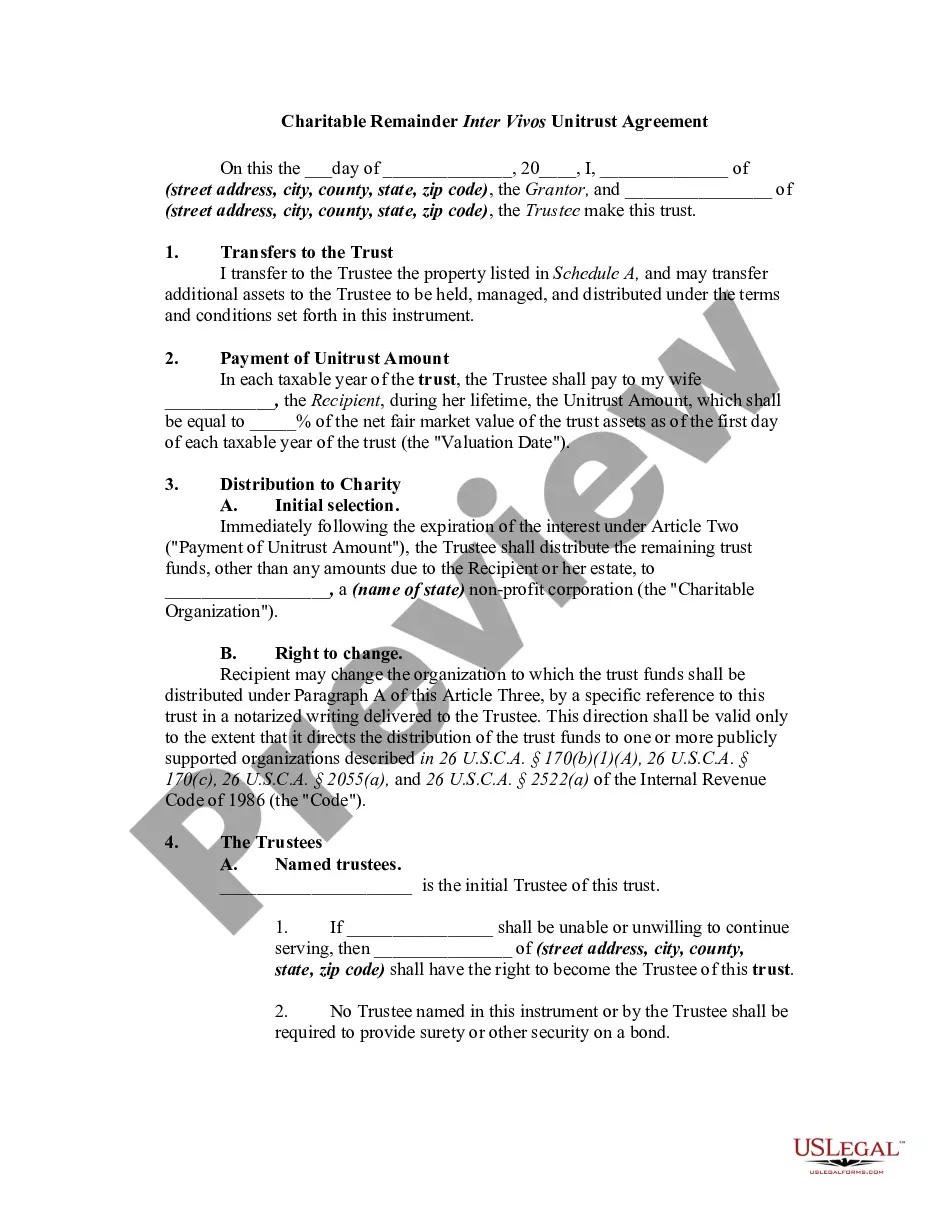
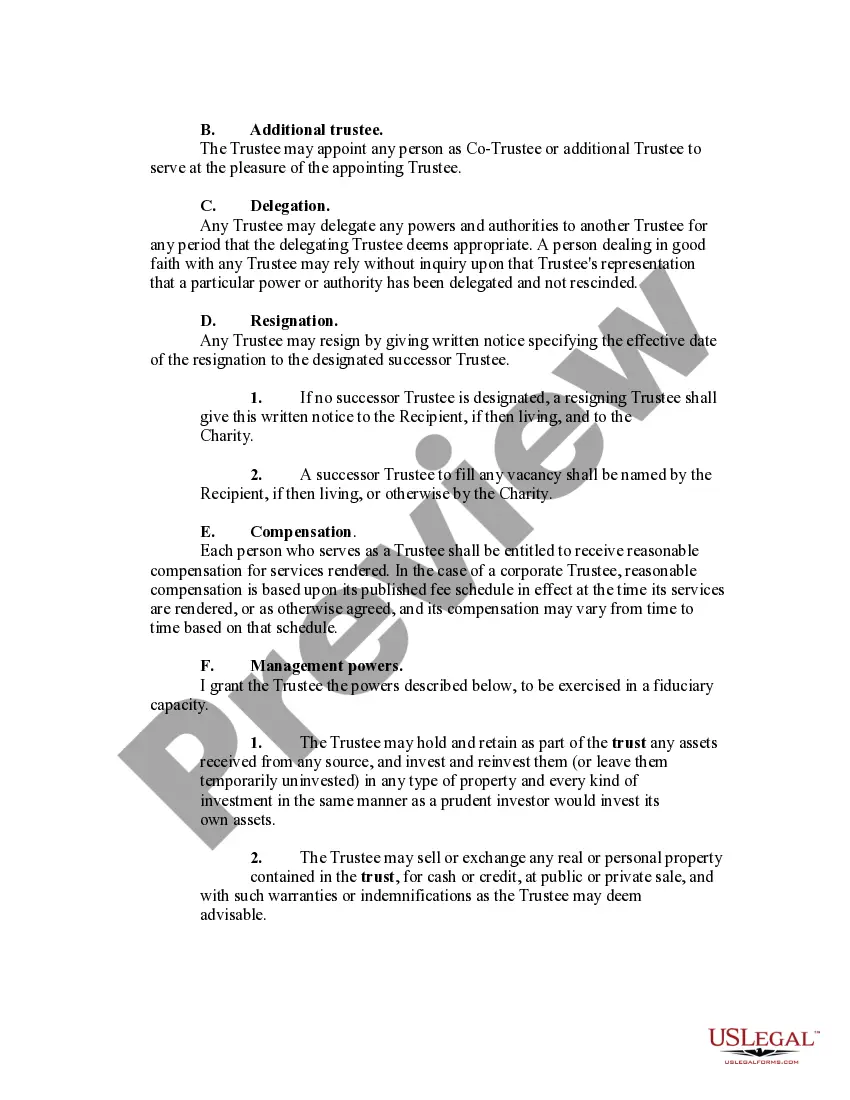
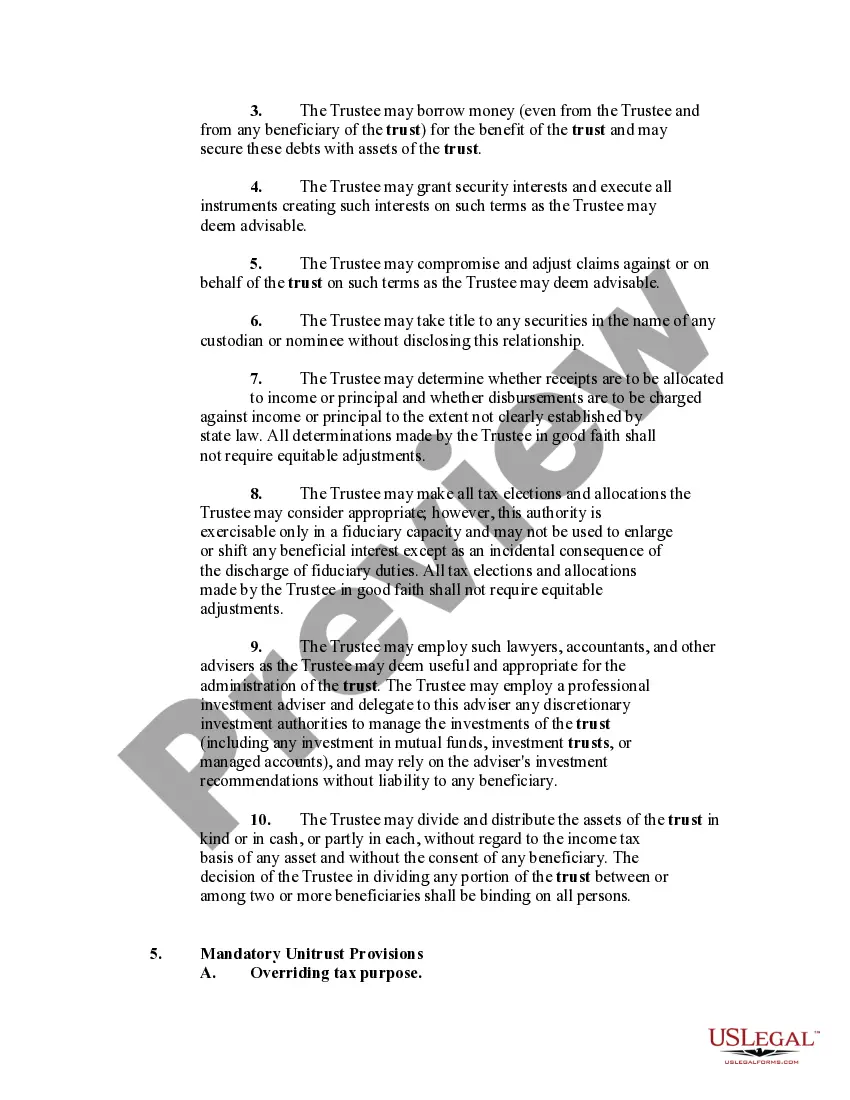
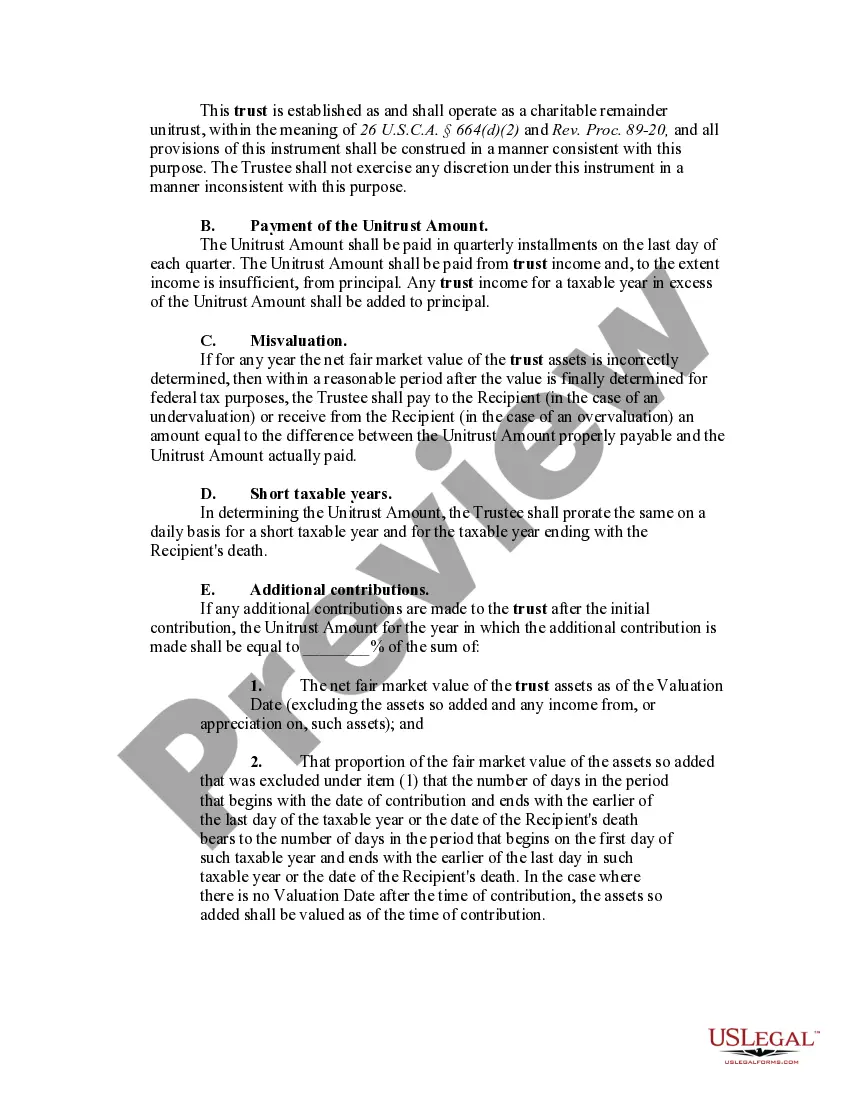
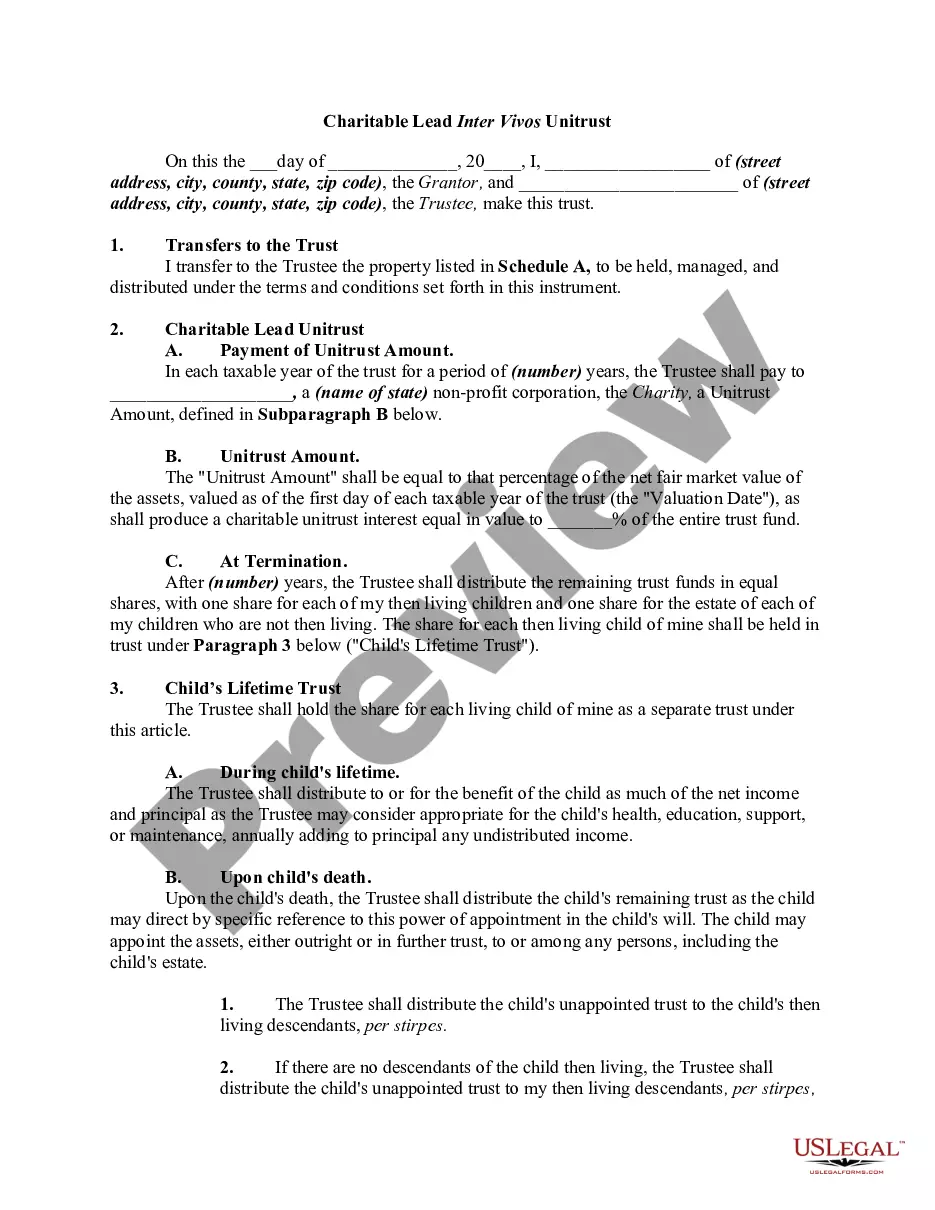
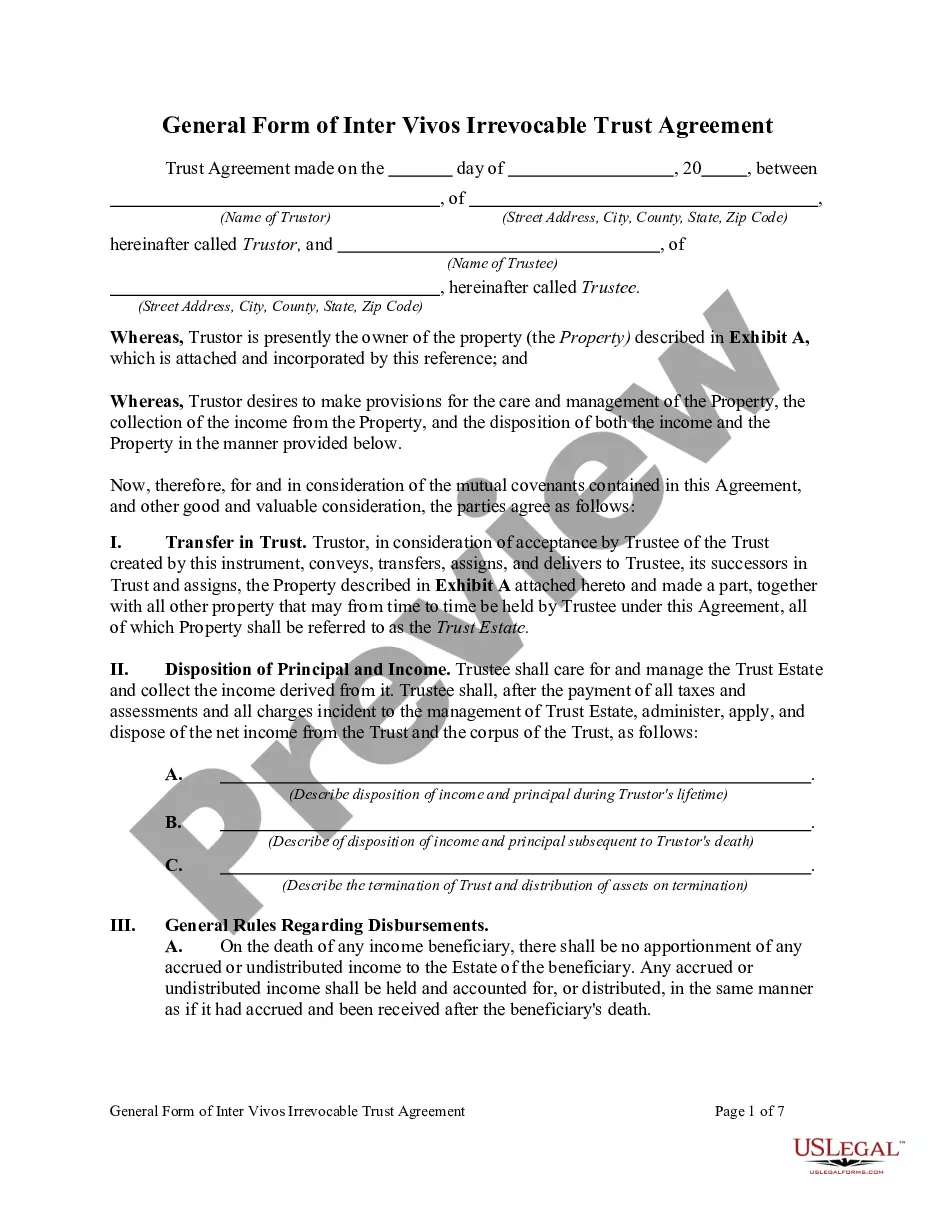
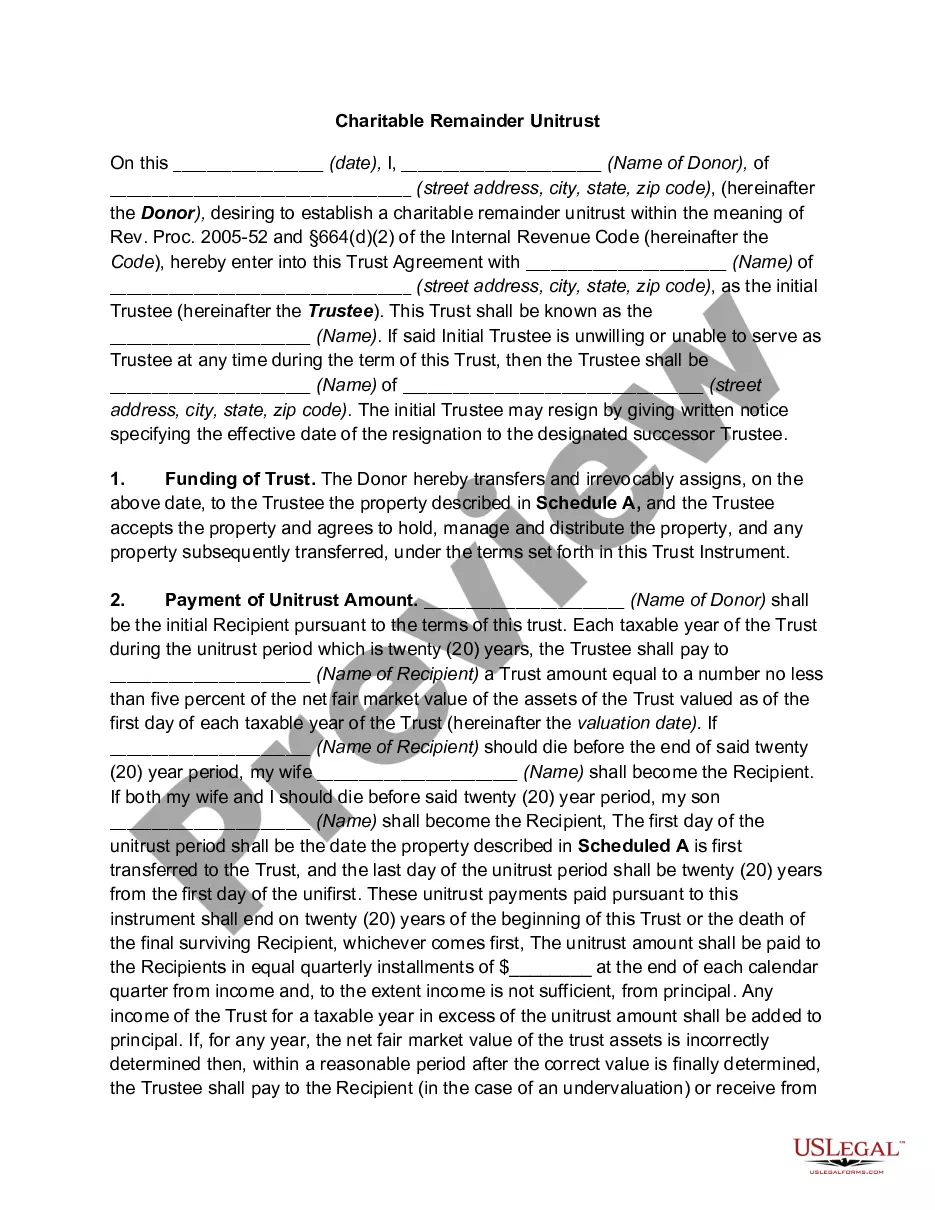
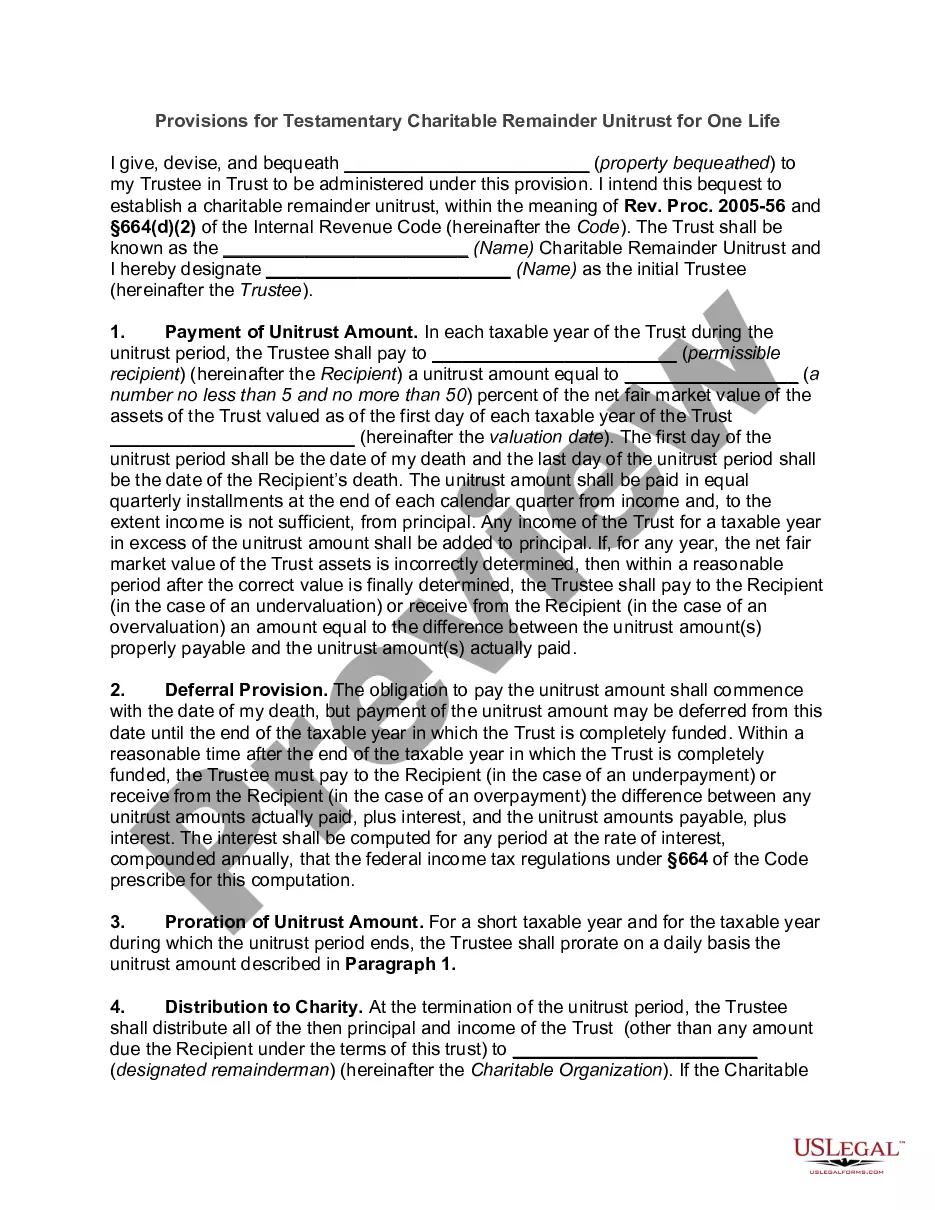
Get your form ready online
Our built-in tools help you complete, sign, share, and store your documents in one place.
Make edits, fill in missing information, and update formatting in US Legal Forms—just like you would in MS Word.
Download a copy, print it, send it by email, or mail it via USPS—whatever works best for your next step.
Sign and collect signatures with our SignNow integration. Send to multiple recipients, set reminders, and more. Go Premium to unlock E-Sign.
If this form requires notarization, complete it online through a secure video call—no need to meet a notary in person or wait for an appointment.
We protect your documents and personal data by following strict security and privacy standards.

Make edits, fill in missing information, and update formatting in US Legal Forms—just like you would in MS Word.

Download a copy, print it, send it by email, or mail it via USPS—whatever works best for your next step.

Sign and collect signatures with our SignNow integration. Send to multiple recipients, set reminders, and more. Go Premium to unlock E-Sign.

If this form requires notarization, complete it online through a secure video call—no need to meet a notary in person or wait for an appointment.

We protect your documents and personal data by following strict security and privacy standards.
Looking for another form?


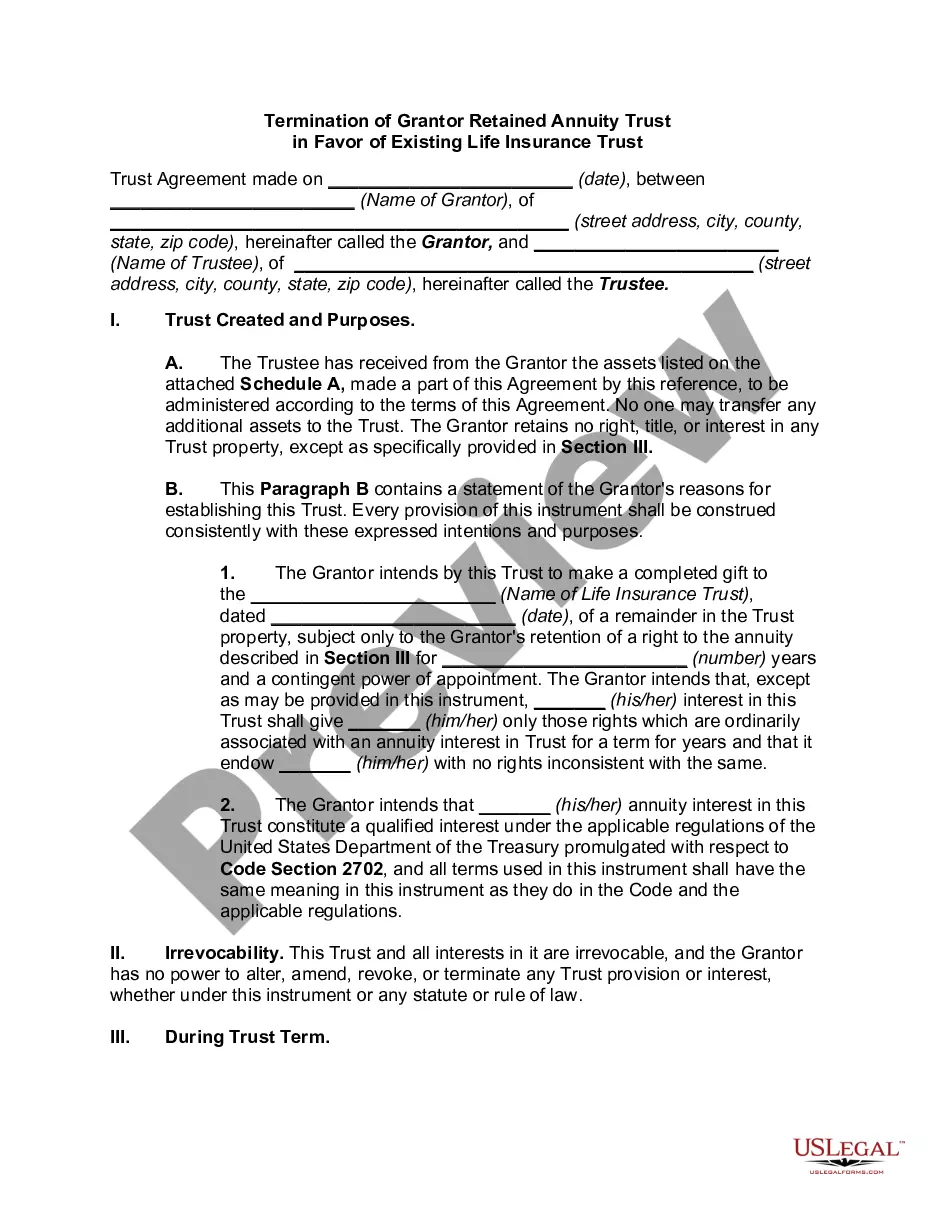


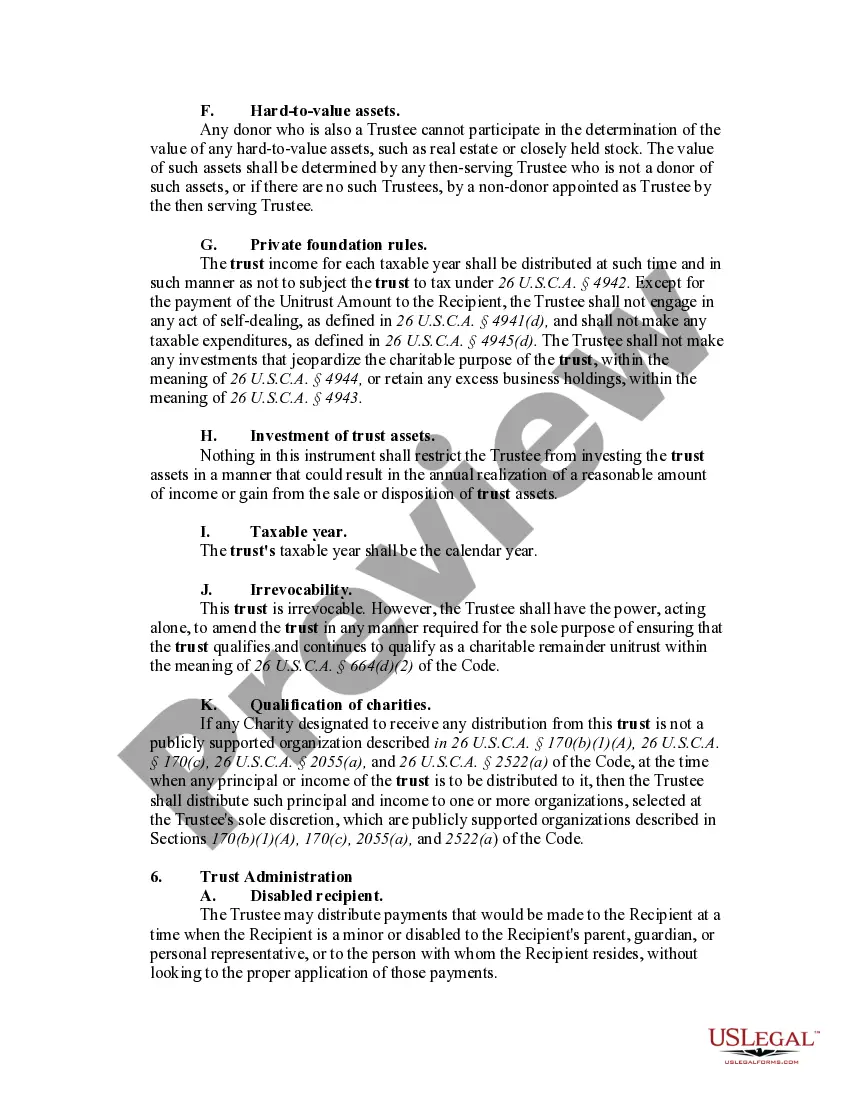
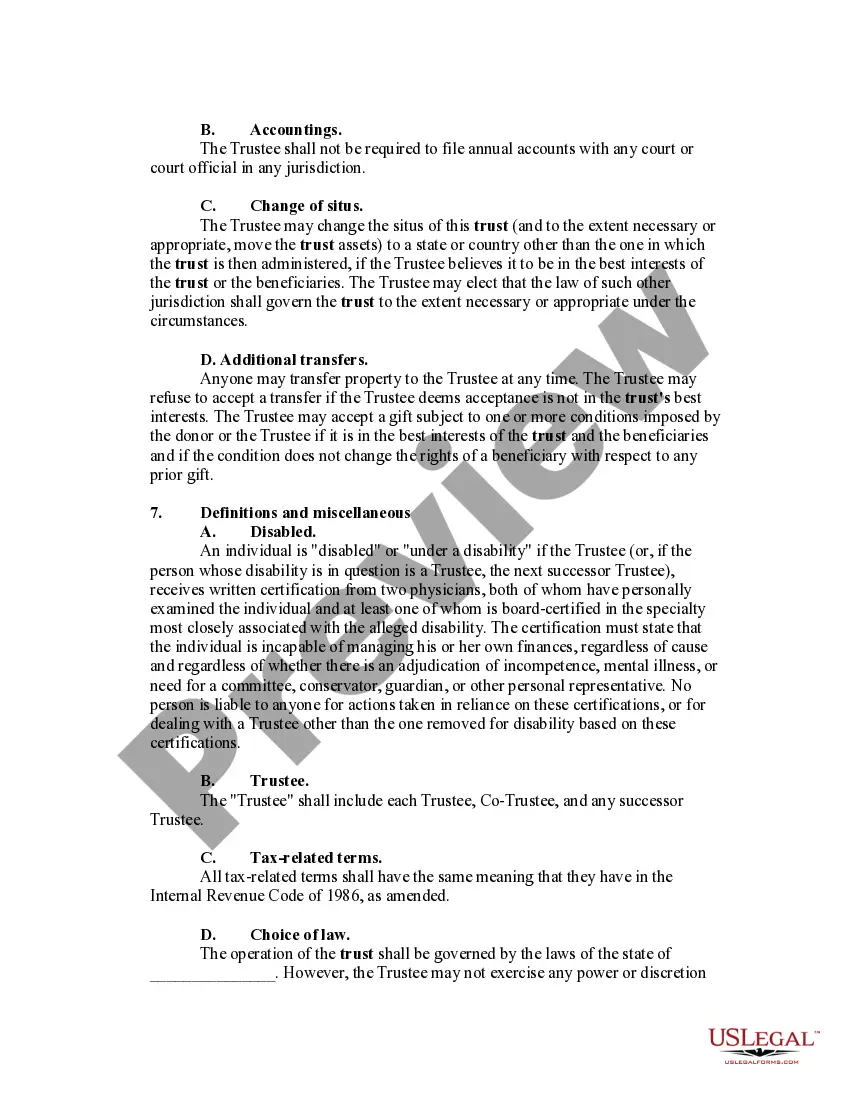
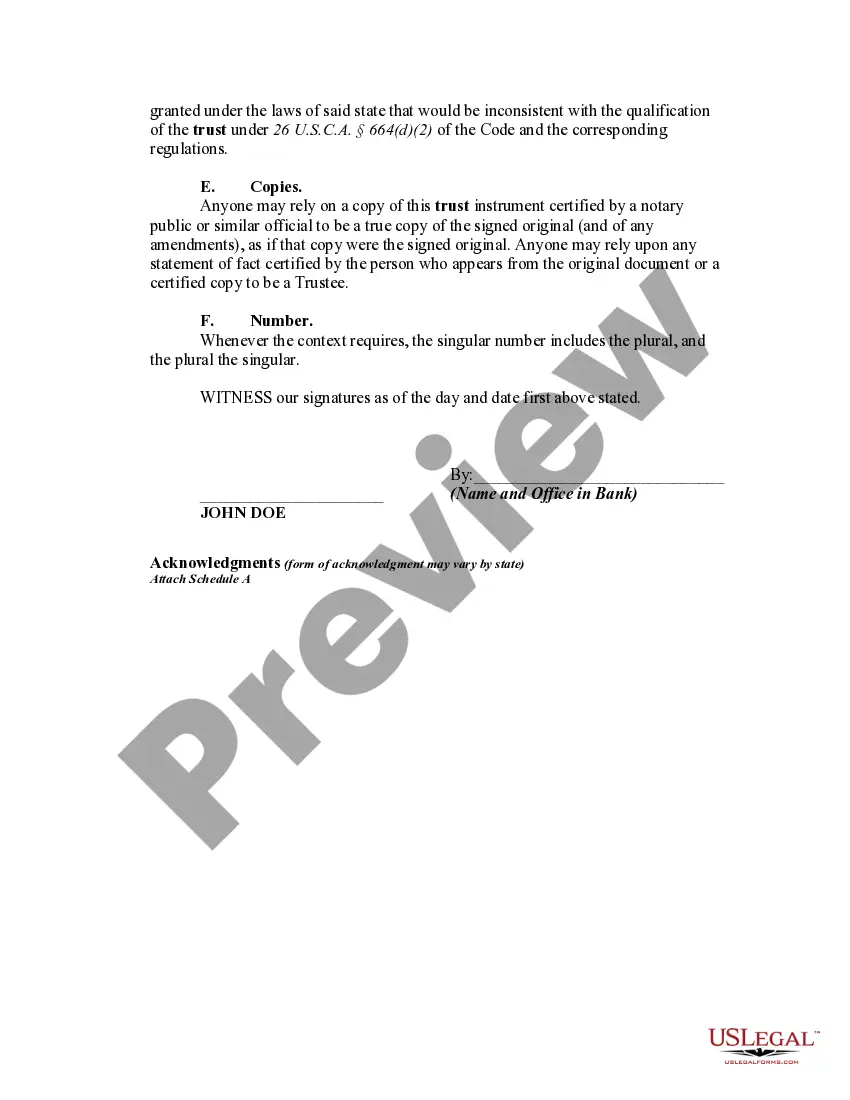
How to fill out Charitable Remainder Inter Vivos Unitrust Agreement?
- If you're a returning user, simply log in to your account to access your downloaded forms. Ensure the subscription is active; if not, renew according to your current plan.
- For first-time users, start by browsing the form preview and description to ensure it meets your requirements and aligns with your local laws.
- If the chosen form doesn't meet your needs, utilize the Search tab to find the appropriate document.
- Once you've selected a suitable form, click the Buy Now button and choose a subscription plan that works for you. You'll need to create an account to access our vast resources.
- Complete your purchase by entering your payment details, either via credit card or PayPal.
- Finally, download the form and save it to your device. You can access it anytime via the My Forms section of your account.
In conclusion, US Legal Forms provides an extensive library of over 85,000 legal forms, empowering both individuals and attorneys to complete necessary legal documents efficiently. With access to premium expert assistance, users can ensure that their documents are accurate and compliant.
Get started today to simplify your legal document process!
Form popularity
FAQ
Annuity payments are indeed reported to the IRS, usually by the issuer of the annuity. They will send you a Form 1099-R documenting the payments you receive. This form is necessary for your tax return to ensure accuracy in reporting your income. USLegalForms can help you understand the documentation and reporting process if you have questions.
Yes, if you received annuity payments, you are required to claim them on your taxes. The income you receive from an annuity could impact your tax bracket. Therefore, it’s crucial to report these amounts accurately. For information on handling these claims, resources at USLegalForms can prove beneficial.
Yes, an annuity typically needs to be claimed as income when you file your taxes. Each payment can contribute to your taxable income, affecting your overall tax situation. It's essential to keep accurate records of these payments for clear reporting. If you need more information about claiming annuity income, USLegalForms can offer detailed guidance.
Yes, it is necessary to report an annuity on your taxes as it constitutes taxable income. The IRS mandates that any earnings from annuity payments be reported, which may affect your overall tax rate. Ignoring this requirement could lead to complications with tax filings. For comprehensive understanding of your reporting obligations, check the help available on USLegalForms.
Annuity income is reported to the IRS using the appropriate forms, usually 1099-R, which shows the total distribution. You will then report this information on your Form 1040. It's essential to accurately report this income to avoid issues with the IRS. For additional assistance with tax reporting, consider exploring the resources available through USLegalForms.
Yes, generally, you must include your annuity as part of your taxable income. This is important to ensure compliance with tax regulations and to avoid potential penalties. However, tax implications often depend on the type of annuity you hold. USLegalForms offers insights to help clarify these tax obligations.
Yes, if you receive payments from your annuity, you should receive a Form 1099 from the insurance company. This form summarizes the income you've received throughout the year. You will need this form when you file your taxes to determine your tax liability on the annuity payments. If you are uncertain about your documentation, USLegalForms can guide you through what documentation you may need.
To report an annuity on your taxes, you will typically use Form 1040 unless you receive a different tax form. Make sure to summarize your annuity payments, as these will likely be taxable income. Additionally, consult the IRS guidelines to check if your specific annuity requires any special reporting. For clarity on your specific situation, USLegalForms can provide resources regarding reporting requirements.
To receive an annuity payment, first, you must choose a payment option when you set up your annuity. Payments may be made monthly, quarterly, or annually, depending on your preference. It's essential to consult with your financial advisor to understand how the annuity translation fits into your financial plan. If you need help, the US Legal Forms platform offers useful resources to guide you through your annuity journey.
To calculate an annuity, you can use the formula that relates to the present value of an annuity, showing how much you need to invest for future payouts. The formula is P = PMT × (1 - (1 + r)^-n) / r, where P is the present value, PMT is the payment amount, r is the interest rate per period, and n is the number of periods. If you find this complex, US Legal Forms can provide valuable resources to guide your calculations.