Note Loan Form Forgiveness
Description
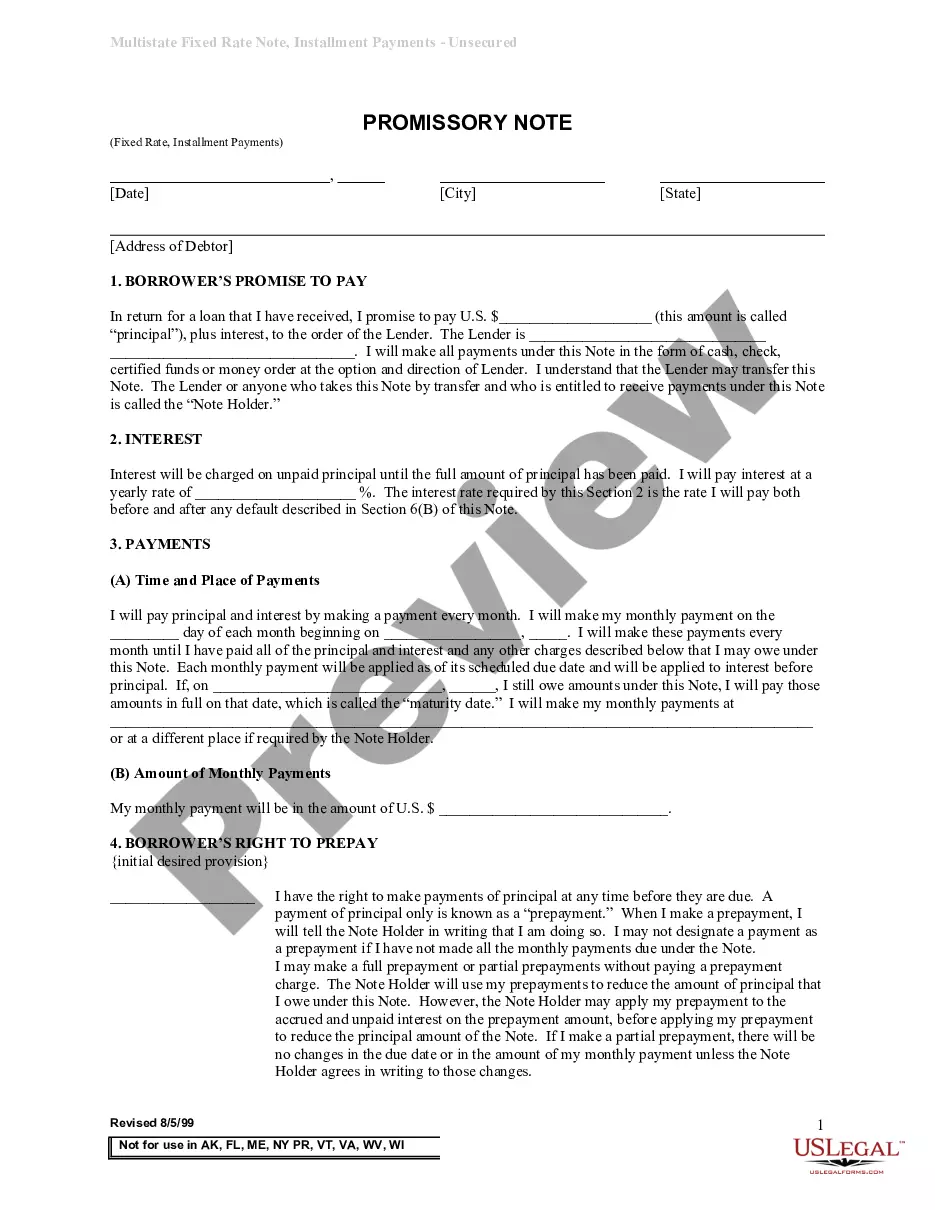
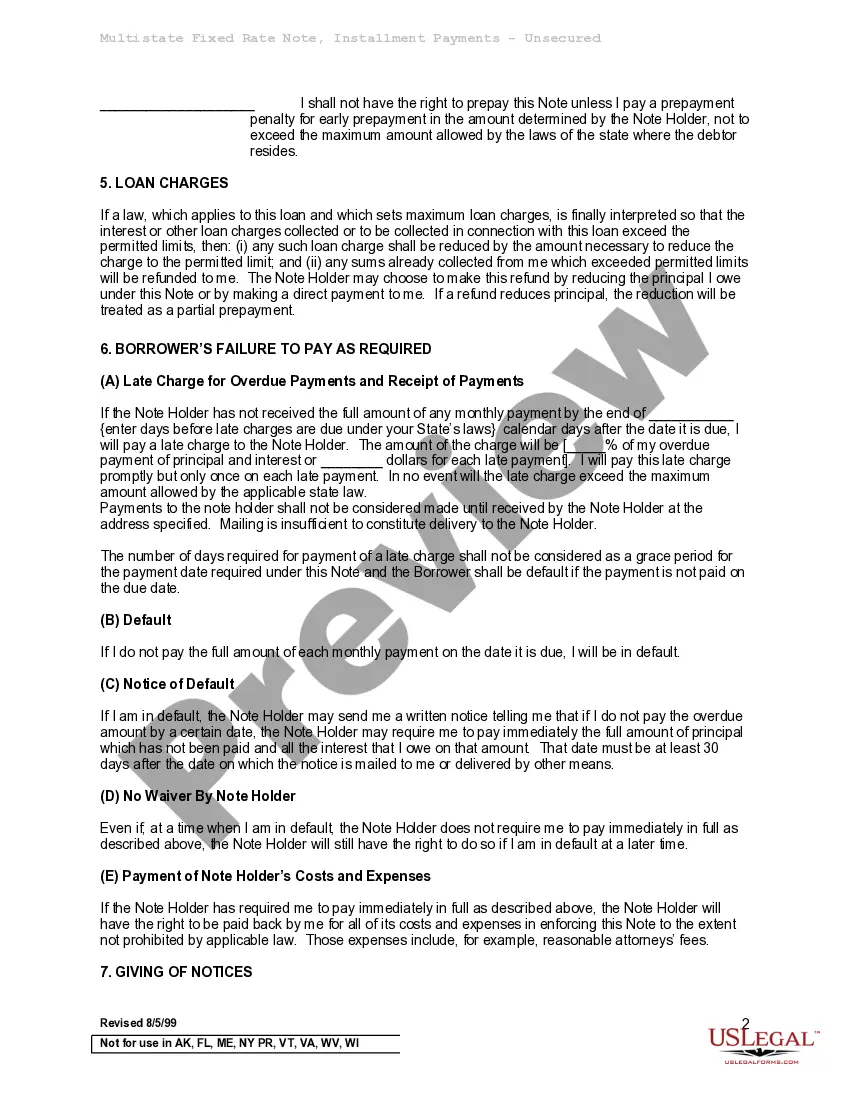
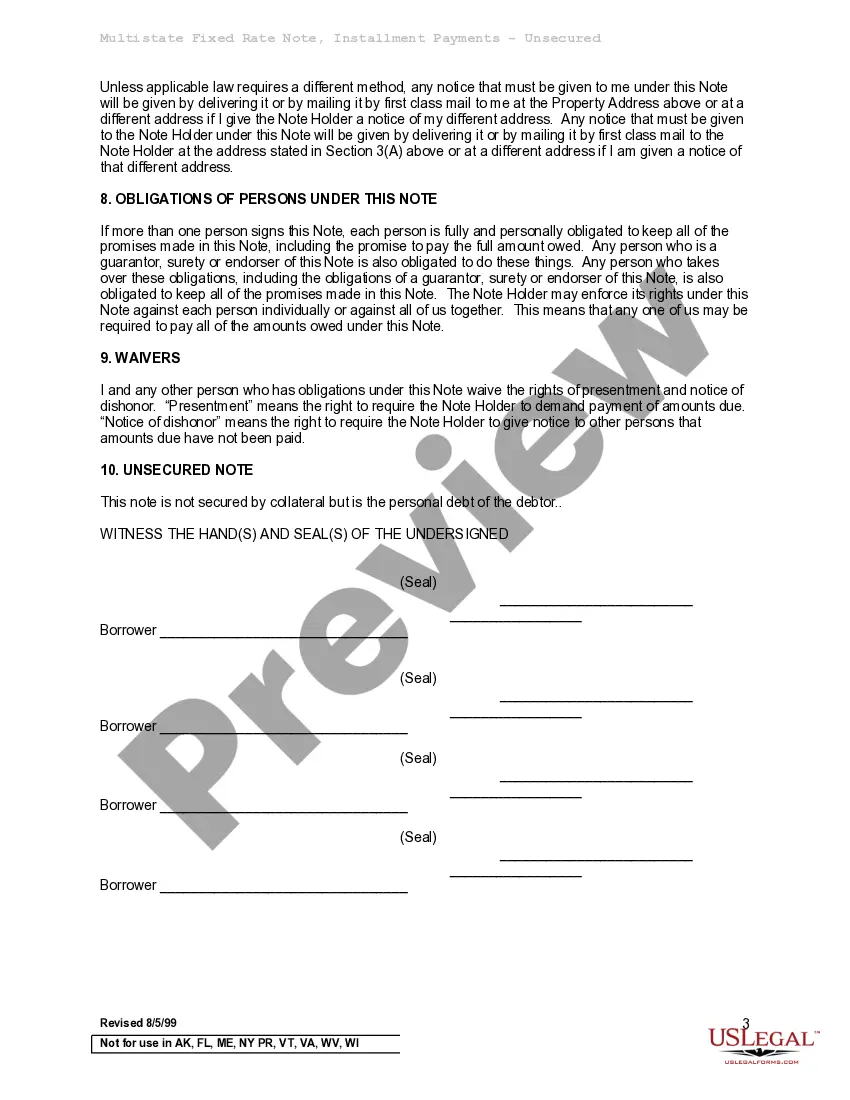
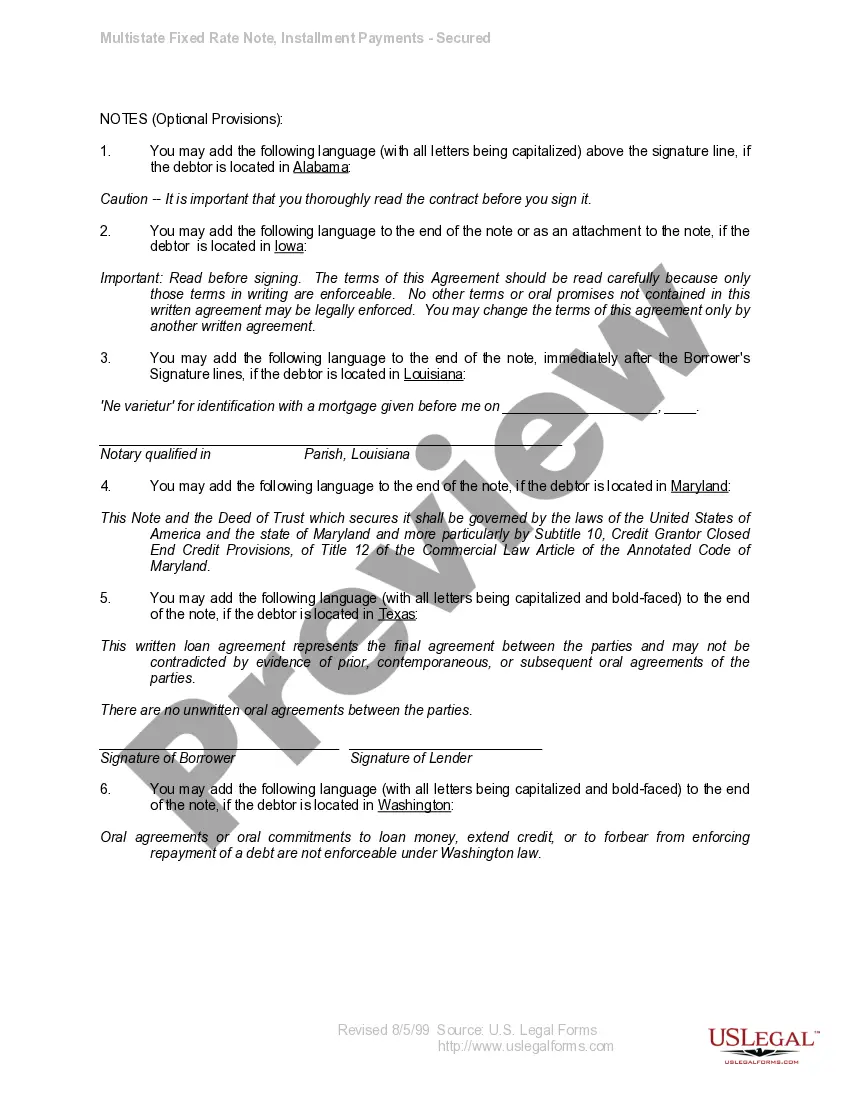
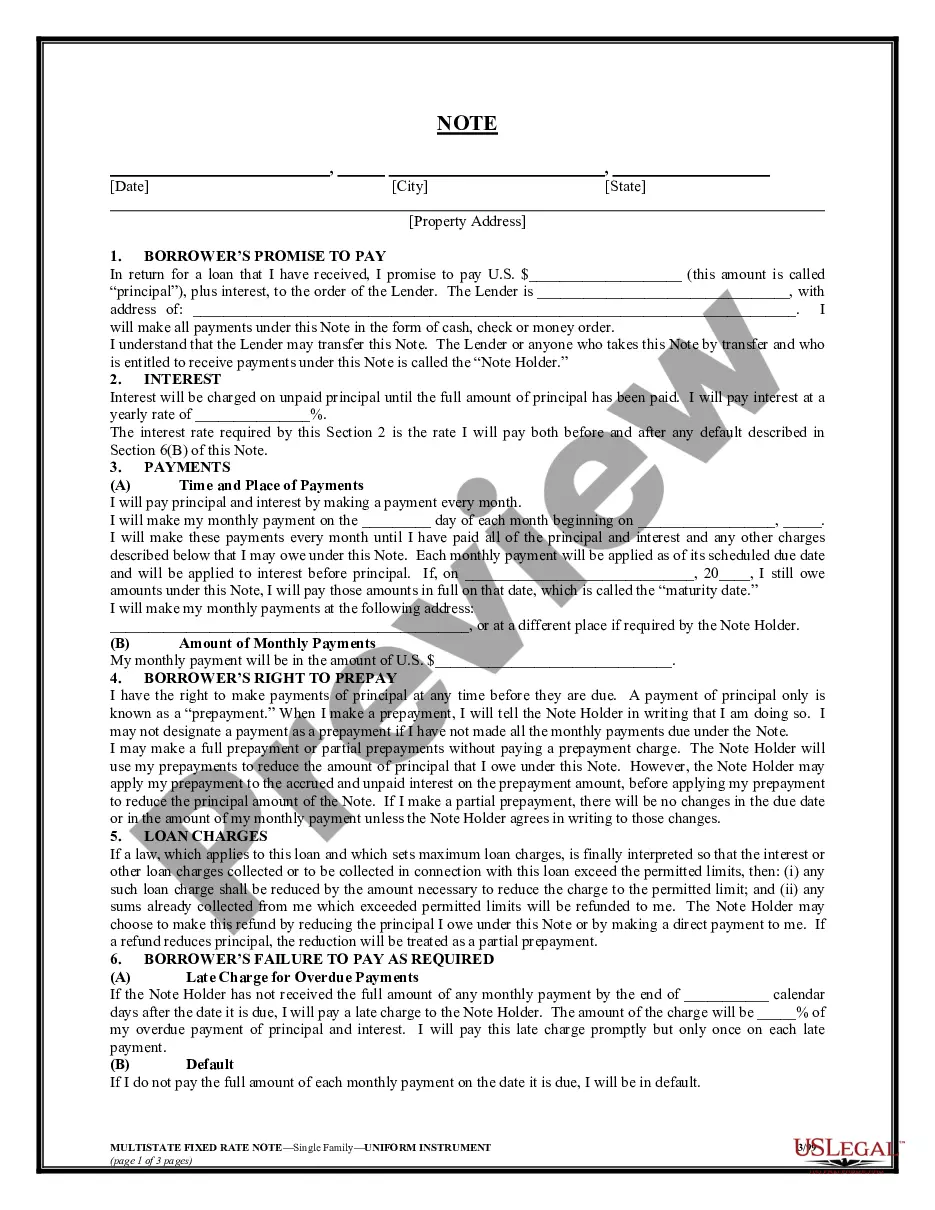
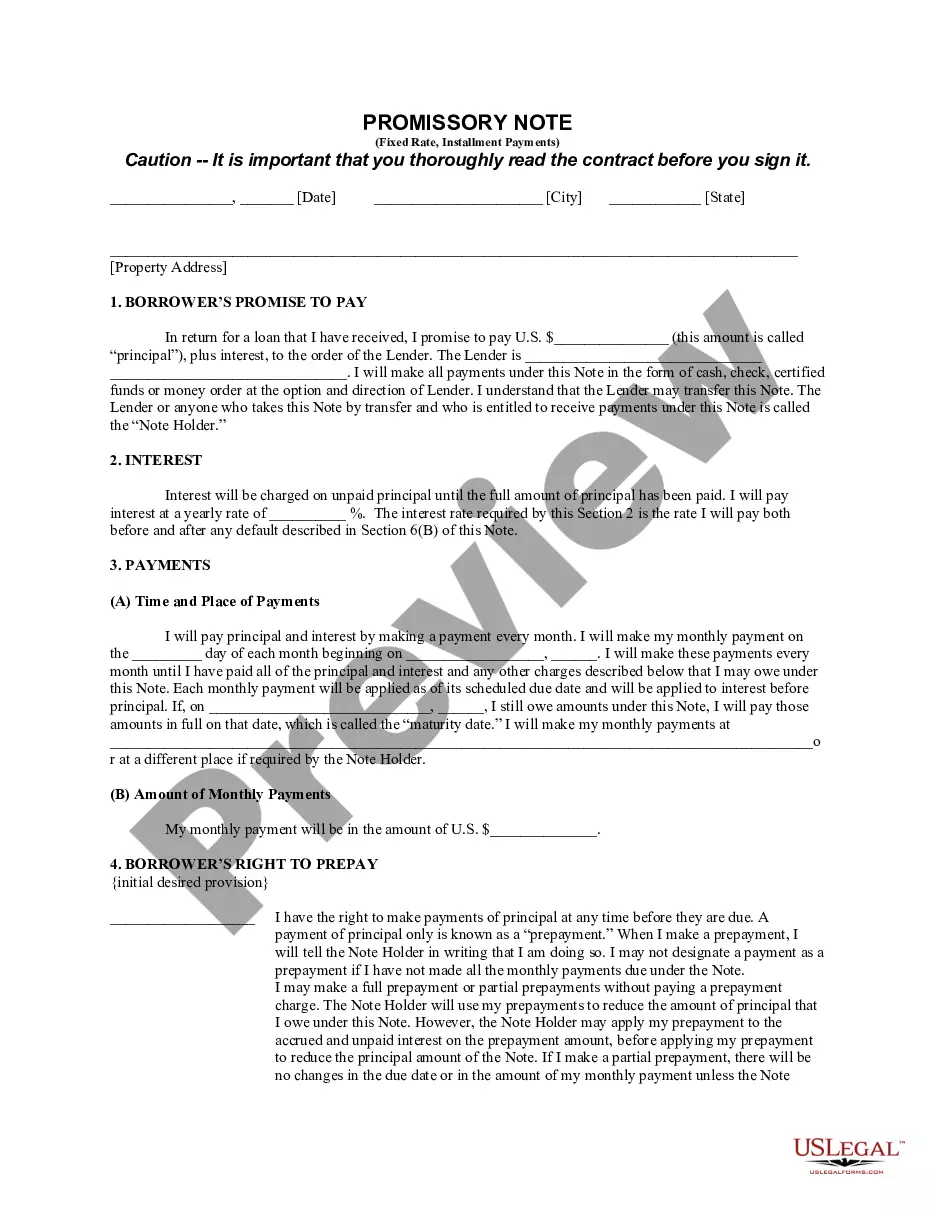
Get your form ready online
Our built-in tools help you complete, sign, share, and store your documents in one place.
Make edits, fill in missing information, and update formatting in US Legal Forms—just like you would in MS Word.
Download a copy, print it, send it by email, or mail it via USPS—whatever works best for your next step.
Sign and collect signatures with our SignNow integration. Send to multiple recipients, set reminders, and more. Go Premium to unlock E-Sign.
If this form requires notarization, complete it online through a secure video call—no need to meet a notary in person or wait for an appointment.
We protect your documents and personal data by following strict security and privacy standards.

Make edits, fill in missing information, and update formatting in US Legal Forms—just like you would in MS Word.

Download a copy, print it, send it by email, or mail it via USPS—whatever works best for your next step.

Sign and collect signatures with our SignNow integration. Send to multiple recipients, set reminders, and more. Go Premium to unlock E-Sign.

If this form requires notarization, complete it online through a secure video call—no need to meet a notary in person or wait for an appointment.

We protect your documents and personal data by following strict security and privacy standards.
Looking for another form?
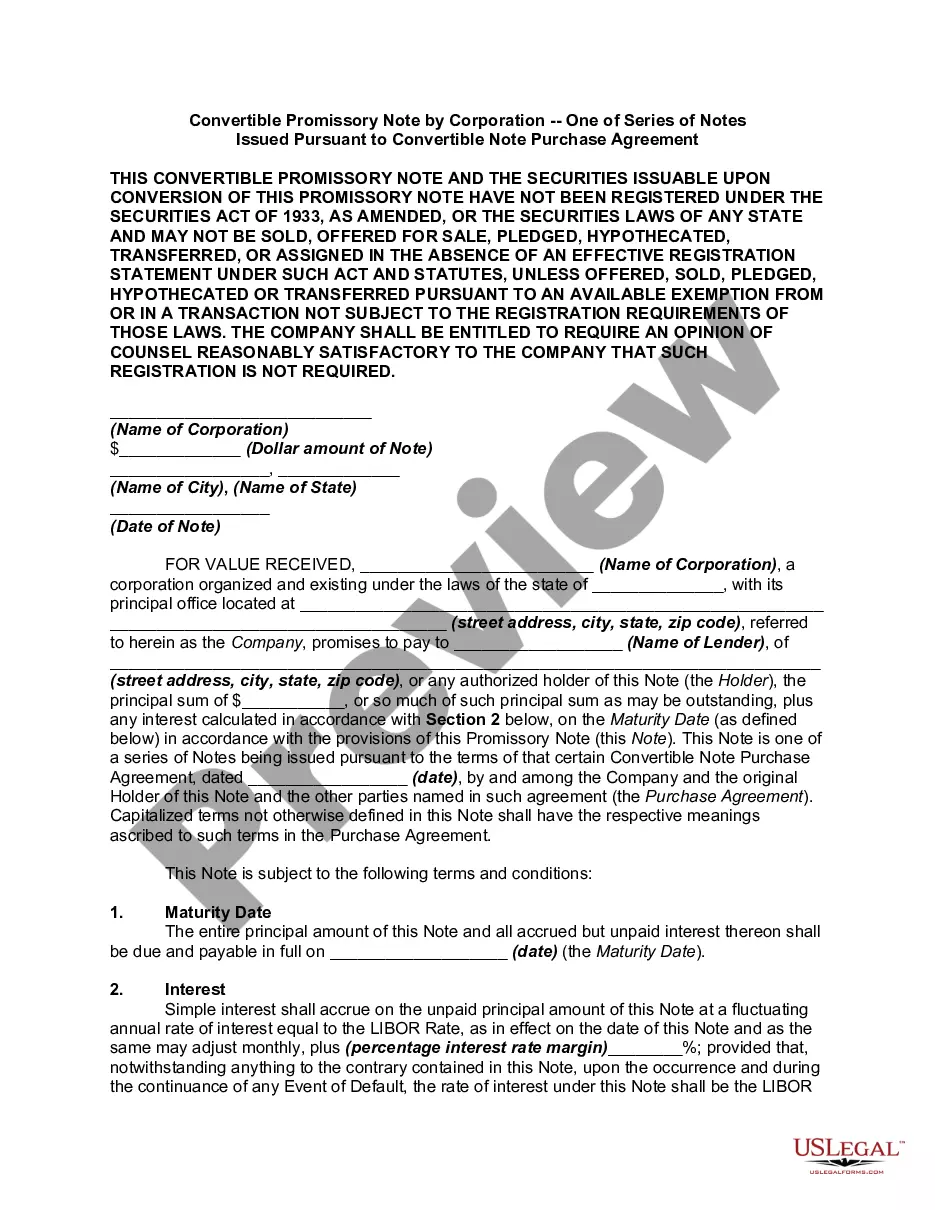

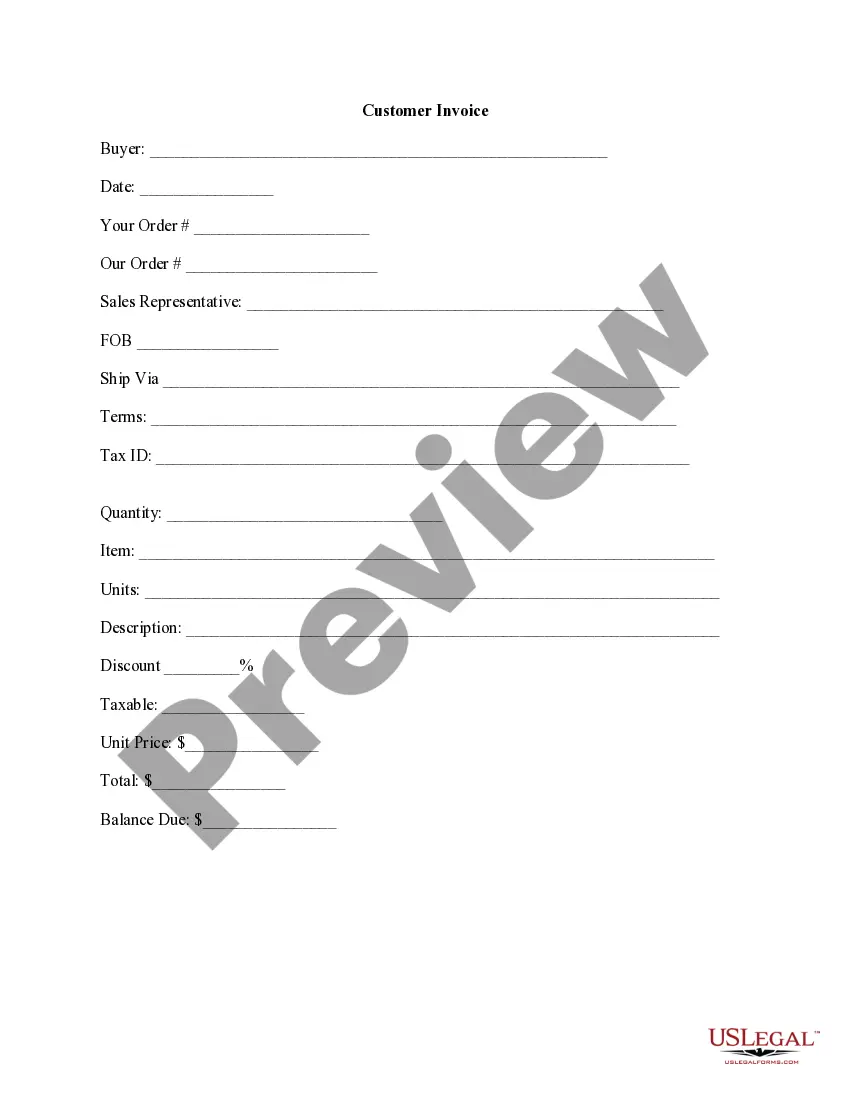
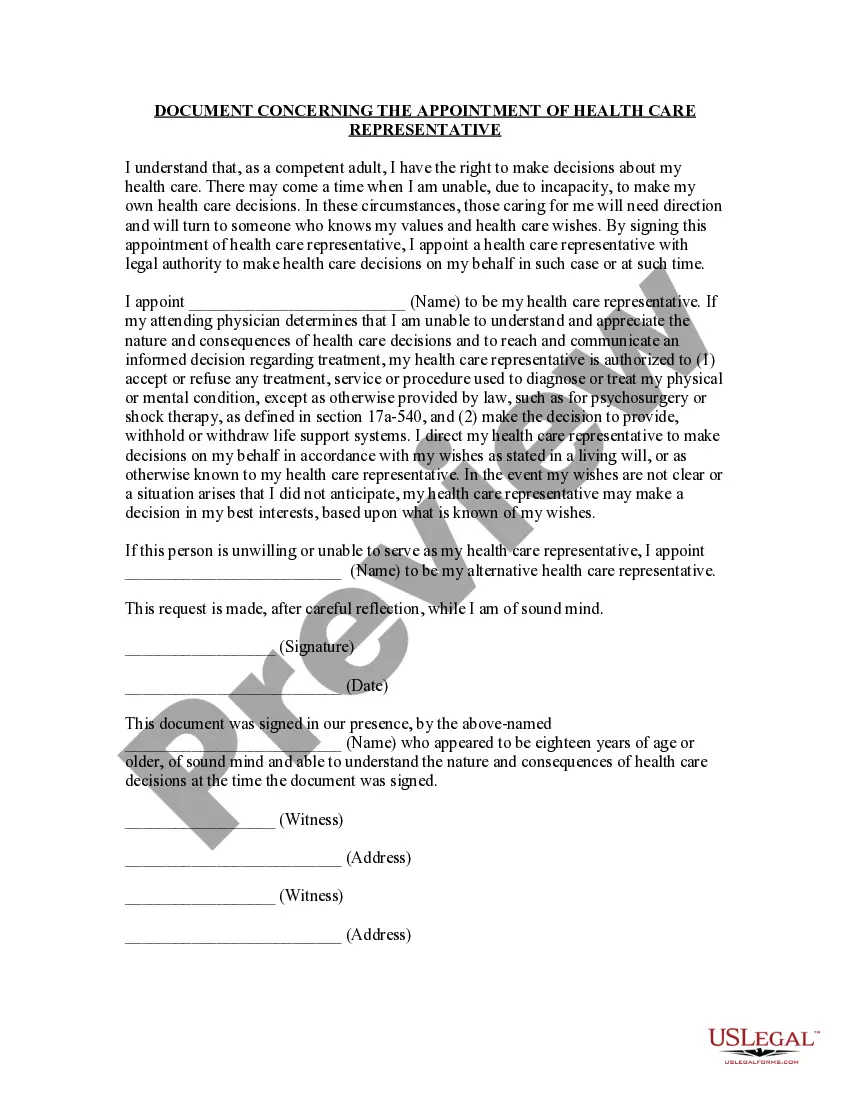
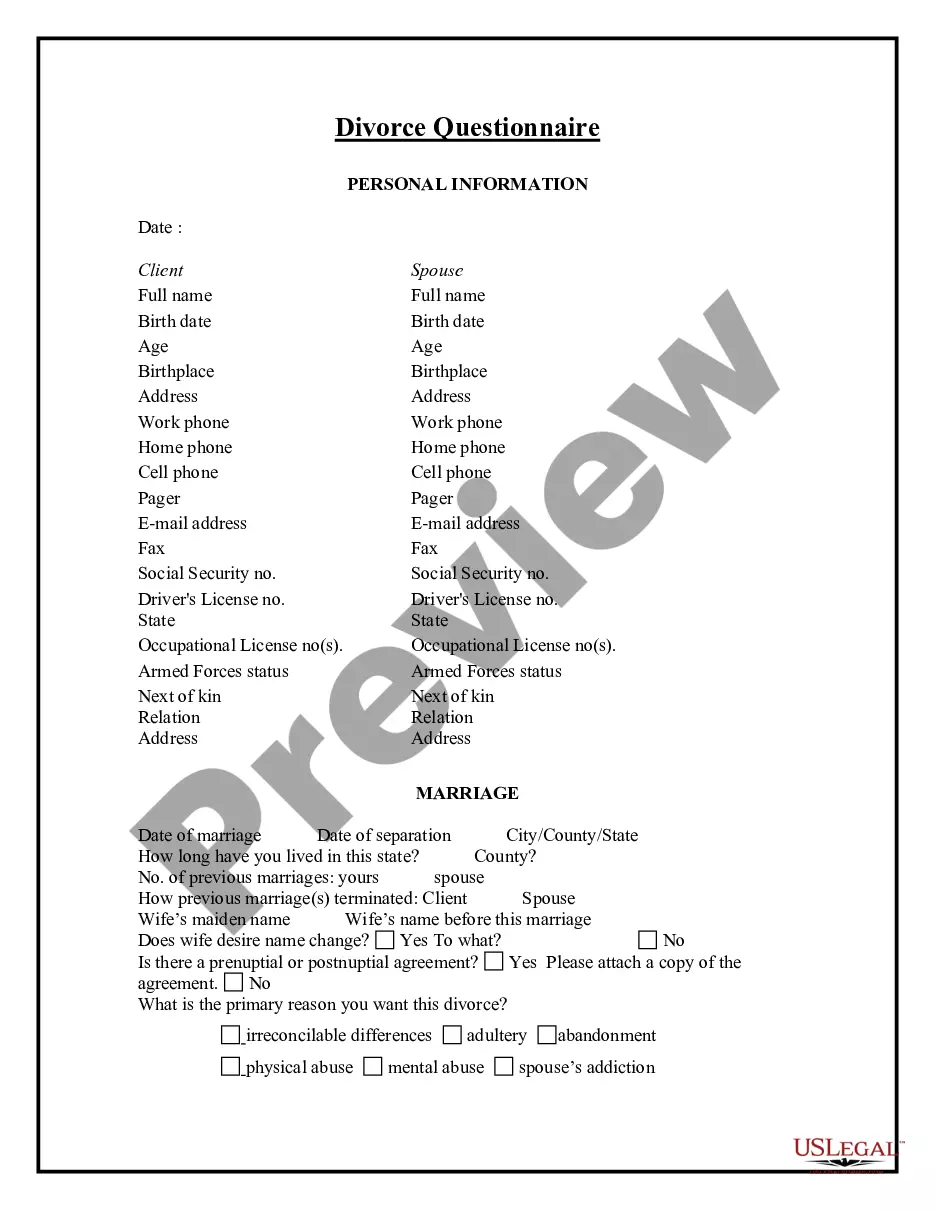
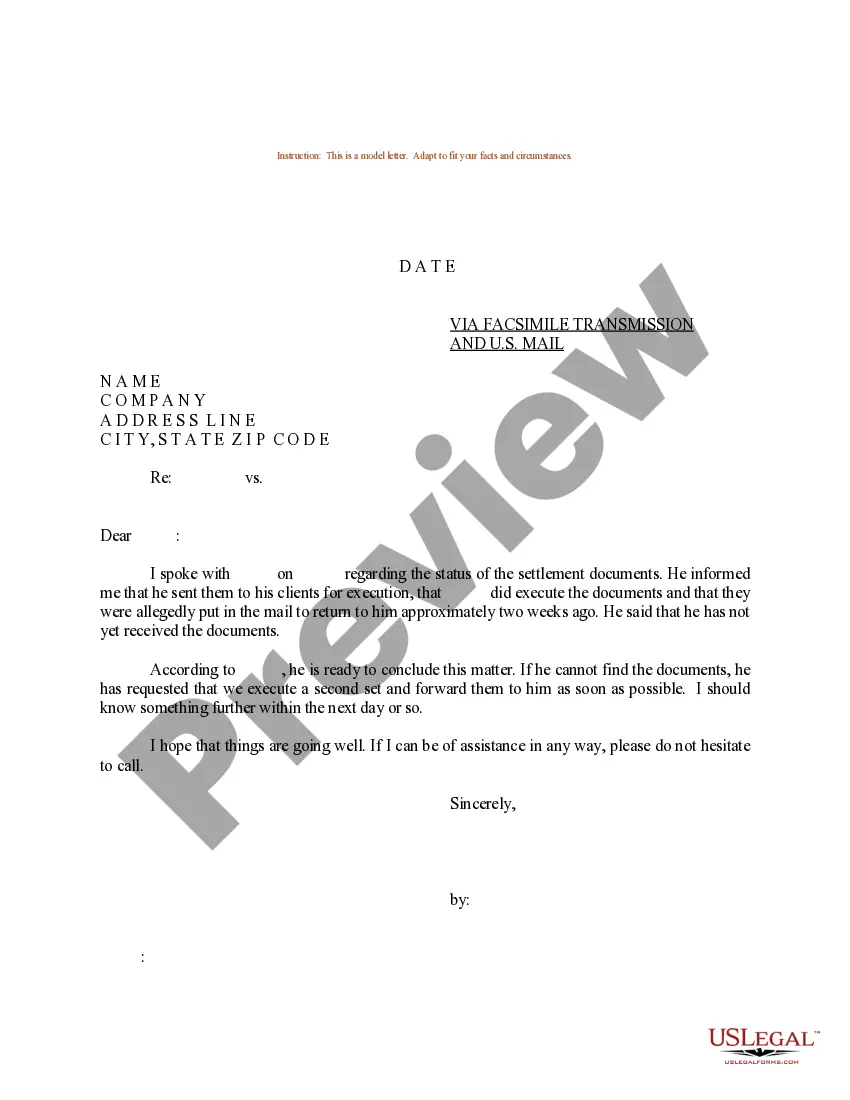
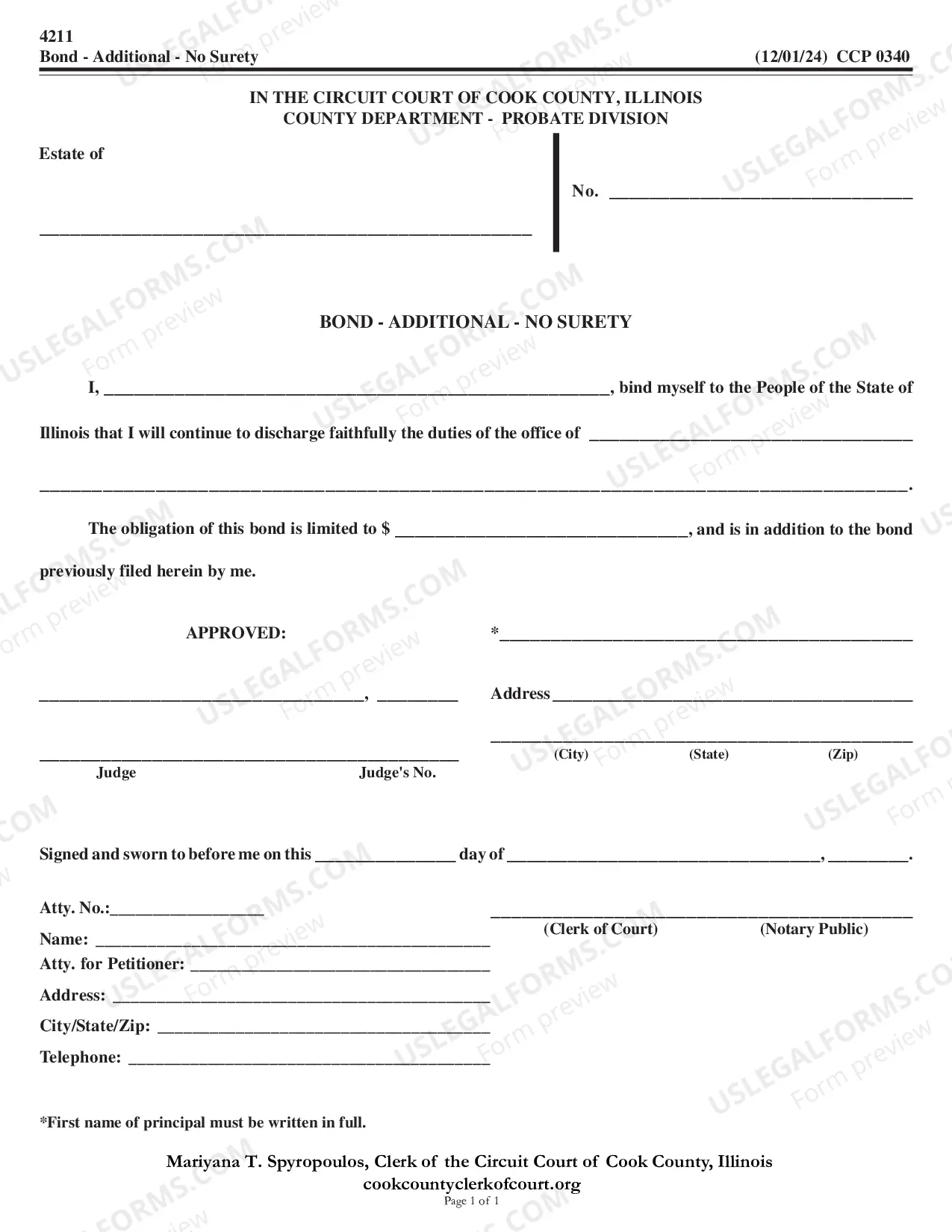
How to fill out Multistate Promissory Note - Unsecured - Signature Loan?
Legal paperwork management can be daunting, even for seasoned professionals.
When you are in search of a Note Loan Form Forgiveness and lack the time to devote to finding the accurate and current version, the process can be frustrating.
- A strong online form repository could revolutionize the way anyone deals with these matters efficiently.
- US Legal Forms is a frontrunner in online legal documentation, boasting over 85,000 legal forms tailored to specific states available at all times.
- With US Legal Forms, you can access both state- or county-specific legal and business forms.
Form popularity
FAQ
The golden letter refers to a specific communication that outlines eligibility for student loan forgiveness programs. This letter typically includes details about the borrower's income, employment status, and repayment history. Understanding this letter can help you navigate the complexities of note loan form forgiveness. To simplify this process, US Legal Forms offers resources and guidance to help you prepare your application effectively.
Filling out a promissory note is a straightforward process. First, you need to include the names and addresses of both the borrower and the lender. Next, specify the loan amount, the interest rate, and the repayment terms. Finally, you should sign and date the note. For ease, consider using the US Legal platform, which provides templates for note loan form forgiveness, ensuring you cover all necessary details.
Writing a loan forgiveness letter involves clearly stating the reason for the request and providing supporting documentation. You should include your loan details, personal information, and any relevant circumstances that justify your request. A Note loan form forgiveness can be beneficial in this process, ensuring you have all necessary documentation ready. Remember, clarity and professionalism are key in your letter.
Yes, you must report loan forgiveness on your taxes, as the IRS treats forgiven loans as taxable income. This includes student loans and other types of debt. When you receive a Form 1099-C from your lender, it will detail the amount forgiven, which you will need to include in your tax return. Understanding this requirement is critical to avoid tax issues down the line.
To achieve 100% student loan forgiveness, you must meet specific eligibility criteria set by federal programs. Often, this involves working in public service or for a qualifying employer. Using a Note loan form forgiveness can assist you in documenting your progress and maintaining necessary paperwork. Stay informed about the programs available to you as they can significantly reduce or eliminate your debt.
When reporting loan forgiveness, you should follow specific IRS guidelines laid out for forgiven loans. Generally, you will need to report this on your tax return as income. The Note loan form forgiveness helps streamline this process by providing clear documentation of the forgiveness. Always ensure you have the required forms ready when it's time to file your taxes.
Reporting debt forgiveness requires you to include the forgiven amount on your tax return. The IRS considers forgiven debt as taxable income, so it's essential to report this accurately. You will receive a Form 1099-C from your lender, which indicates the amount forgiven. This is crucial to avoid any discrepancies during tax season.
To record loan forgiveness, you need to document the forgiven amount in your financial records. Start by updating your accounting software or ledger to reflect this change. If you are using a Note loan form forgiveness, ensure that you properly fill out the necessary documentation to confirm the forgiveness. This step helps maintain accurate financial statements.
To get a promissory note for a loan, you can either draft one yourself using templates from trusted sources like US Legal Forms or request one from your lender. Ensure that the note includes all necessary details such as the loan amount, interest rate, and repayment terms. If you're considering note loan form forgiveness, having a well-drafted promissory note will be important for your records and future discussions with your lender.
To obtain your student loan promissory note, log into your student loan servicer's online portal or contact them directly. They can provide you with a copy of the note you signed when you took out the loan. Having access to this document is crucial if you're exploring note loan form forgiveness options. Keeping your records organized will help you navigate your loan repayment effectively.