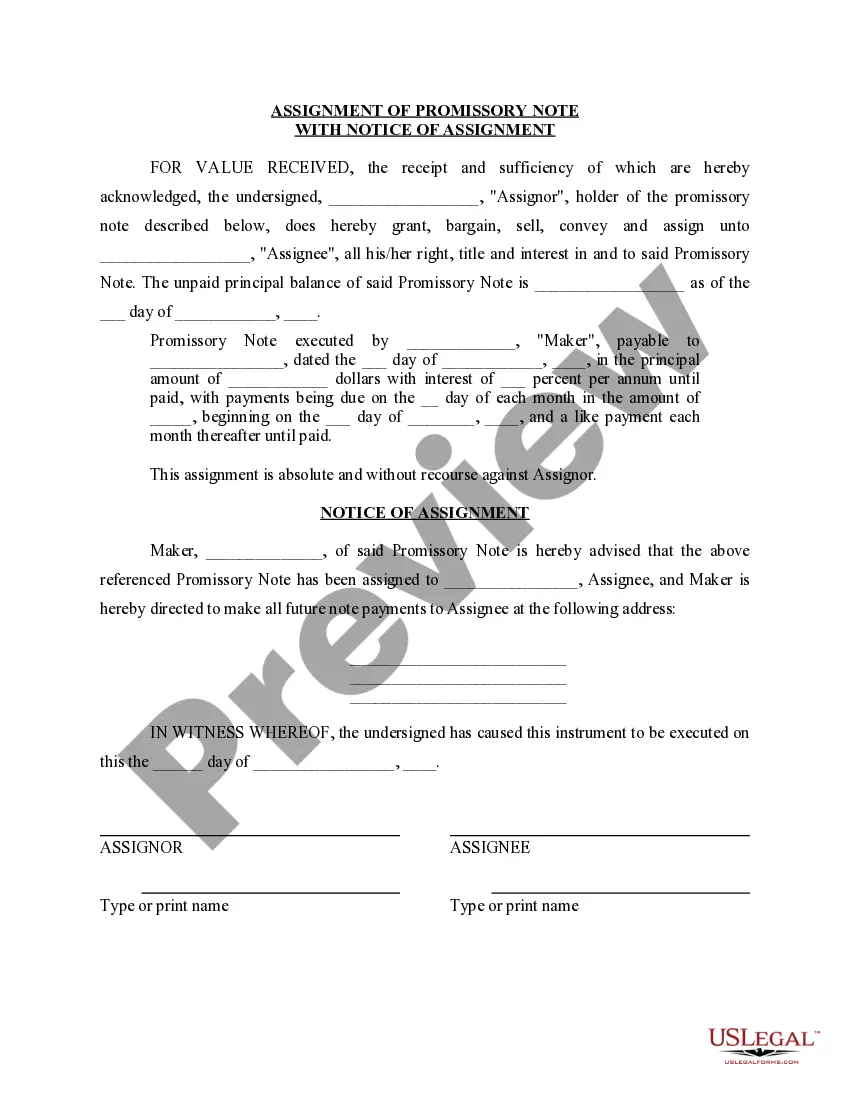
Promissory Note For Student Loans
Description
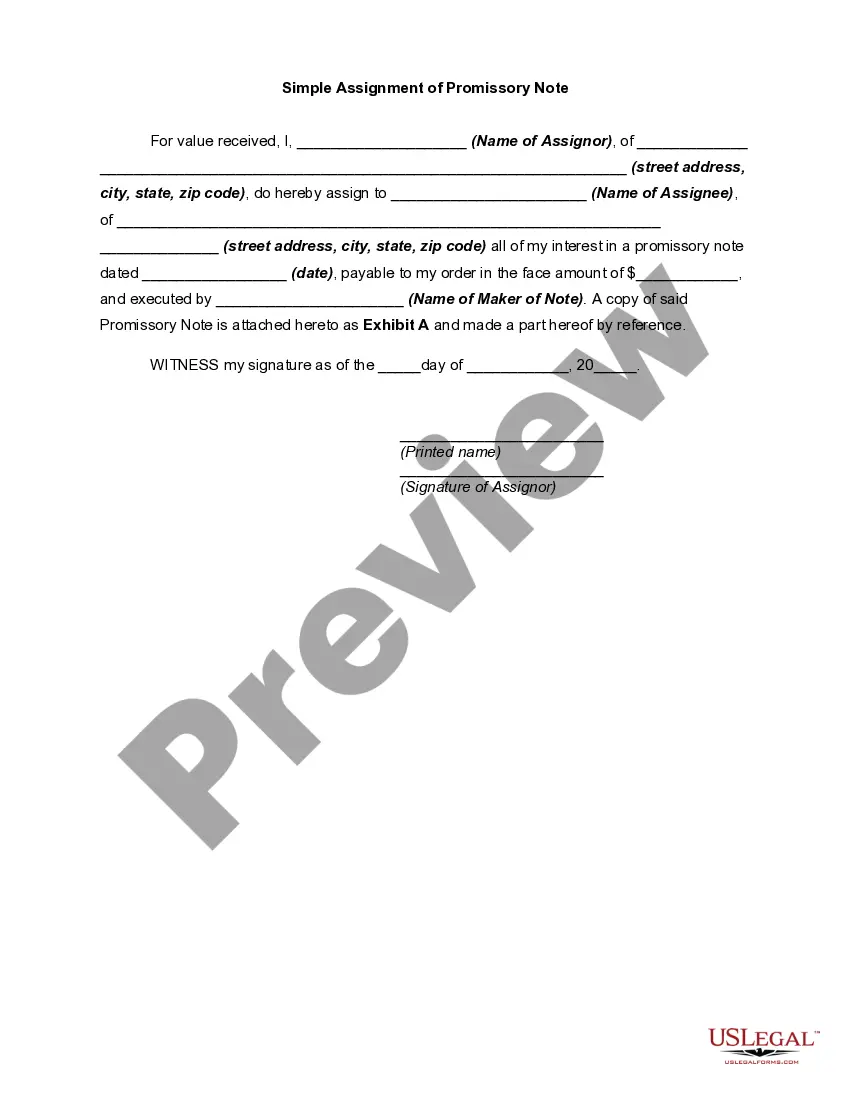
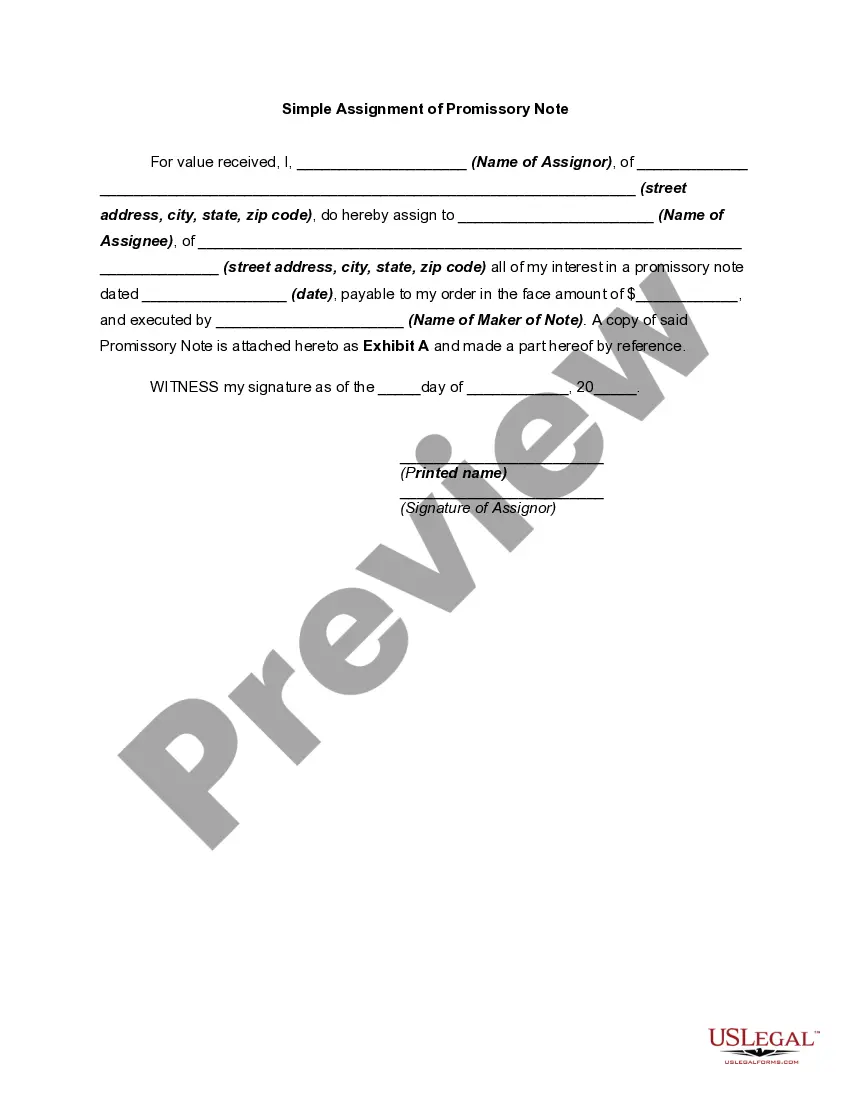
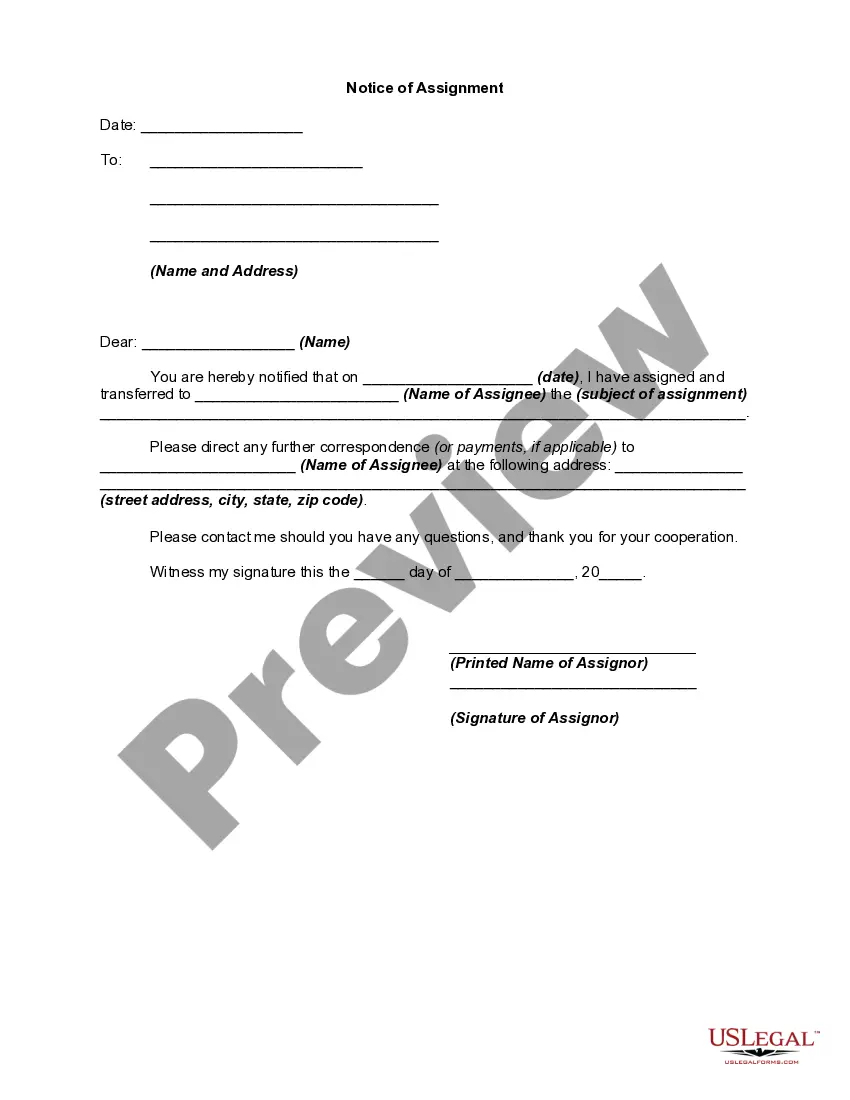
Get your form ready online
Our built-in tools help you complete, sign, share, and store your documents in one place.
Make edits, fill in missing information, and update formatting in US Legal Forms—just like you would in MS Word.
Download a copy, print it, send it by email, or mail it via USPS—whatever works best for your next step.
Sign and collect signatures with our SignNow integration. Send to multiple recipients, set reminders, and more. Go Premium to unlock E-Sign.
If this form requires notarization, complete it online through a secure video call—no need to meet a notary in person or wait for an appointment.
We protect your documents and personal data by following strict security and privacy standards.

Make edits, fill in missing information, and update formatting in US Legal Forms—just like you would in MS Word.

Download a copy, print it, send it by email, or mail it via USPS—whatever works best for your next step.

Sign and collect signatures with our SignNow integration. Send to multiple recipients, set reminders, and more. Go Premium to unlock E-Sign.

If this form requires notarization, complete it online through a secure video call—no need to meet a notary in person or wait for an appointment.

We protect your documents and personal data by following strict security and privacy standards.
Looking for another form?
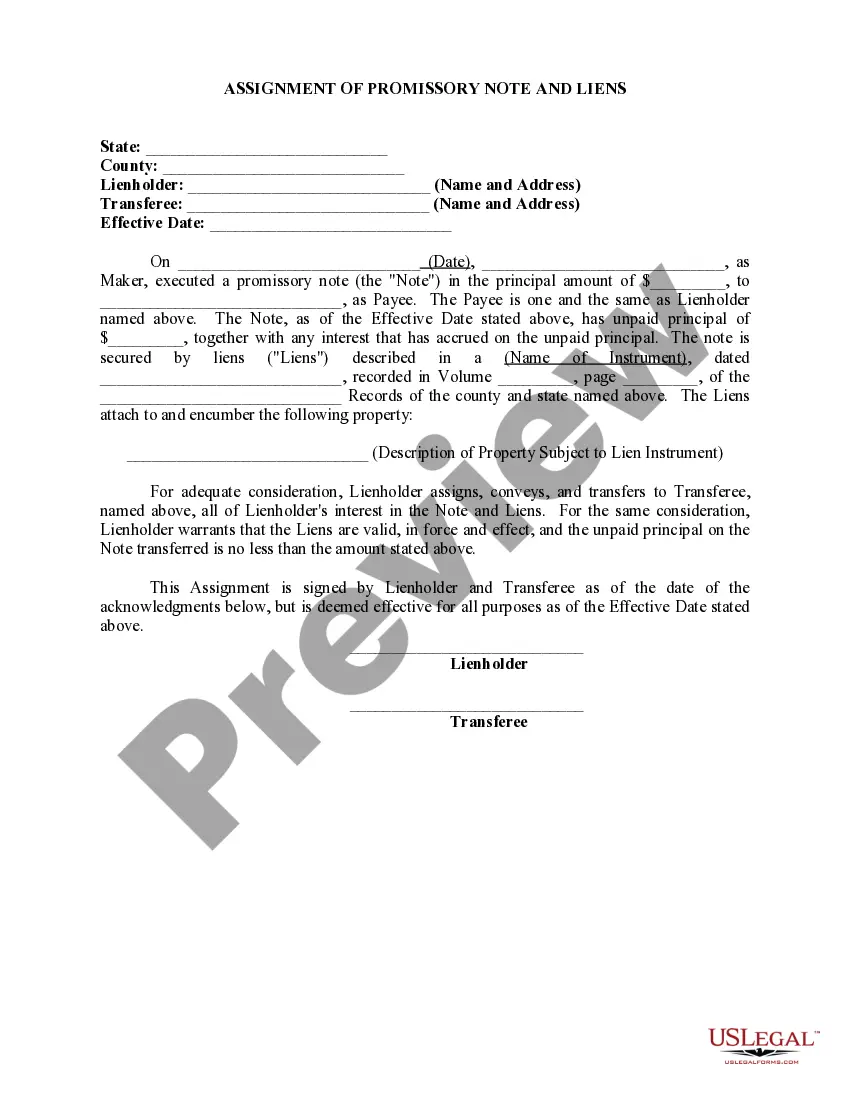
How to fill out Promissory Note Assignment And Notice Of Assignment?
The Promissory Note For Student Loans you observe on this page is a flexible legal framework created by expert attorneys in accordance with federal and state statutes and guidelines.
For over 25 years, US Legal Forms has catered to individuals, organizations, and legal practitioners with more than 85,000 validated, state-specific documents for any professional and personal situation. It’s the quickest, most straightforward and most reliable method to acquire the documentation you require, as the service ensures bank-level data protection and anti-malware security.
Utilize the same document again whenever necessary. Access the My documents tab in your profile to redownload any previously downloaded forms. Enroll in US Legal Forms to obtain verified legal templates for every aspect of life.
- Search for the document you require and examine it.
- Browse through the file you searched and preview it or check the form description to confirm it meets your requirements. If it doesn’t, make use of the search feature to find the correct one. Click Buy Now when you have found the template you require.
- Choose a pricing plan that fits your needs and create an account. Use PayPal or a credit card for a swift transaction. If you already possess an account, Log In and access your subscription to proceed.
- Select the format you wish for your Promissory Note For Student Loans (PDF, DOCX, RTF) and store the document on your device.
- Print the template to fill it out manually. Alternatively, use an online multi-functional PDF editor to quickly and accurately complete and sign your form electronically.
Form popularity
FAQ
Generally, the student is responsible for filling out the Master Promissory Note (MPN). However, if a parent is borrowing loans on behalf of the student, the parent will need to complete the MPN. It is essential for both parties to review the terms thoroughly to understand their obligations. The US Legal Forms platform can help provide clarity and resources for both students and parents in this process.
When completing a promissory note through FAFSA, first complete your FAFSA application to determine your eligibility for federal student loans. Once approved, you will receive instructions on how to complete the promissory note for student loans electronically. Follow the guidelines carefully, and ensure you provide all required information to avoid any delays in funding.
If you don't complete a Master Promissory Note (MPN), you may not receive your student loans. The MPN serves as a legal agreement that outlines your responsibilities when borrowing funds. Without it, your school cannot disburse the loans you applied for, which may delay your education plans. To avoid this situation, ensure you complete the promissory note for student loans promptly.
Yes, completing a master promissory note is often required before disbursing federal student loans. This document serves as a legal agreement between you and the lender, letting you borrow funds for your education. A master promissory note for student loans outlines the terms, so you know your responsibilities as a borrower. Always read the terms carefully to understand your obligations.
The court consists of five justices, one of whom is internally chosen to serve as chief justice for a three-year term. The justices are appointed by the governor of Alaska from slates of candidates approved by the Alaska Judicial Council, an independent commission of Alaskan lawyers and lay citizens.
The Superior Court of Alaska is the trial court of general jurisdiction; the Alaska Court of Appeals hears criminal appeals; and the Alaska Supreme Court is the highest appellate court, hearing primarily civil cases.
The Alaska Supreme Court is the highest level of state court in Alaska. It hears appeals from lower state courts and also administers the state's judicial system. The Supreme Court includes five justices. The justices, by majority vote, select one of their members to be the chief justice.
The initial term of a new justice is at least three years, after which the justice stands for retention in an uncontested yes-no election. Subsequent terms last ten years. For more information on these elections, visit the Alaska judicial elections page.
The district courts are the primary misdemeanor trial courts, the superior courts are the primary felony trial courts although they also sometimes hear appeals from the district courts, and the supreme court and the court of appeals are the primary appellate courts. Alaska is separated into 4 judicial districts.