Catholic Annulment Process
Description
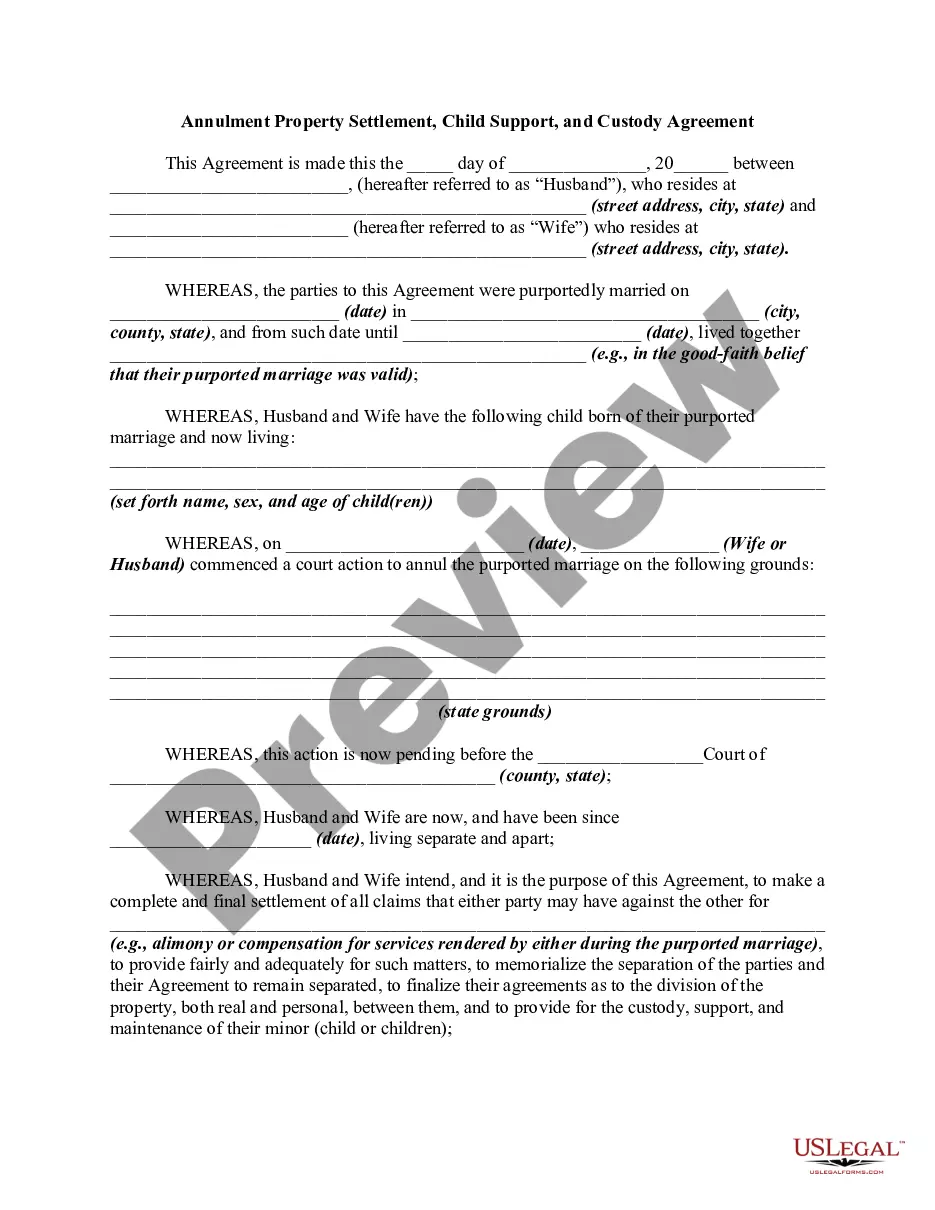
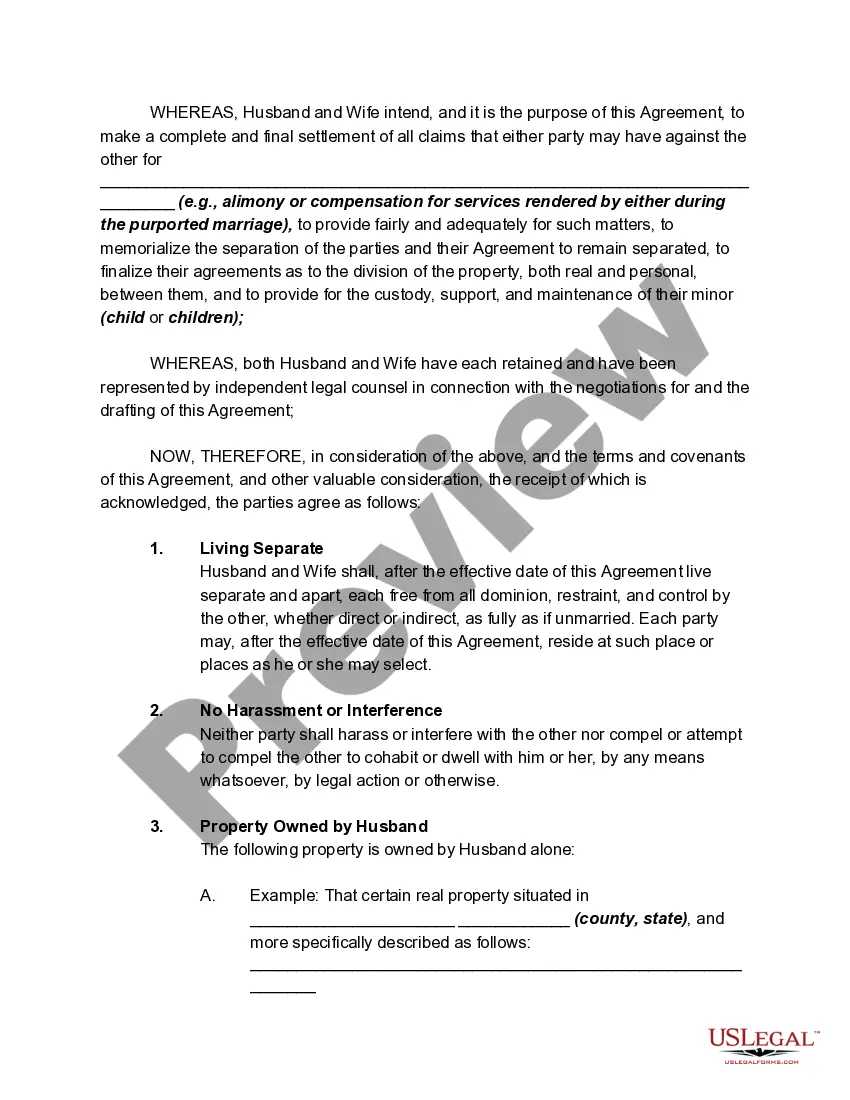
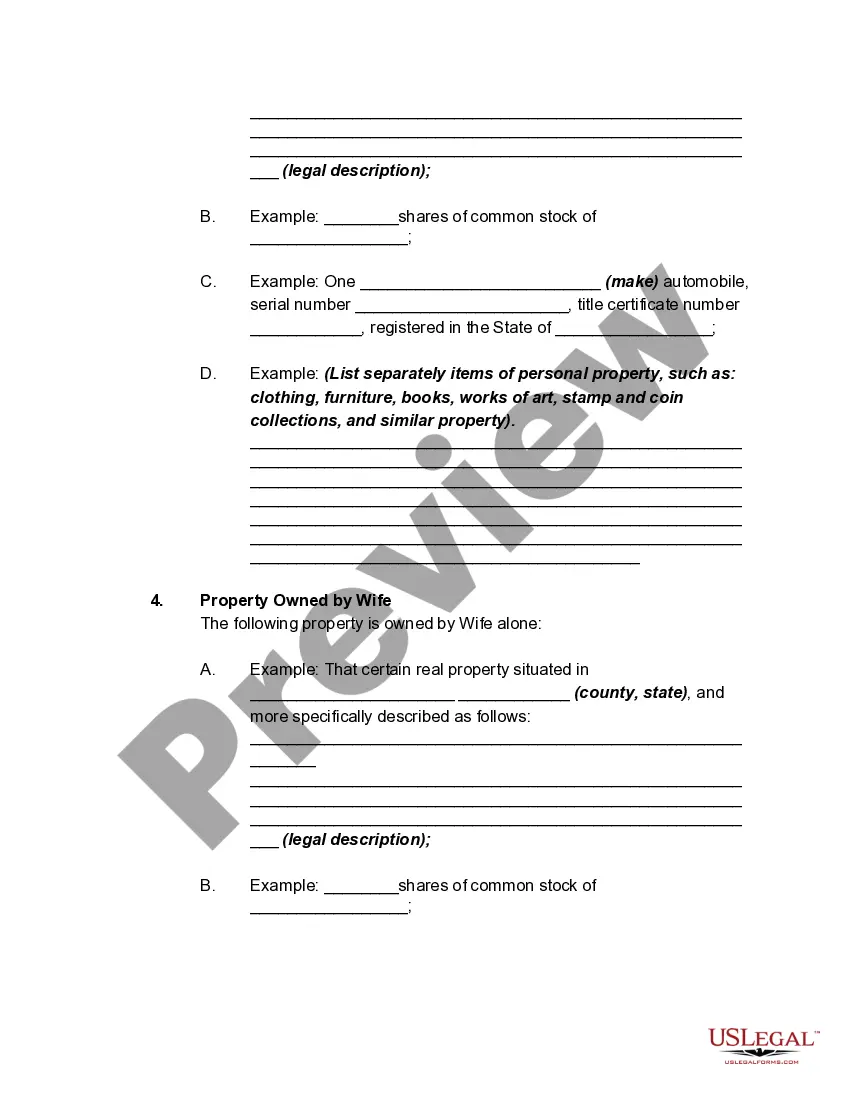
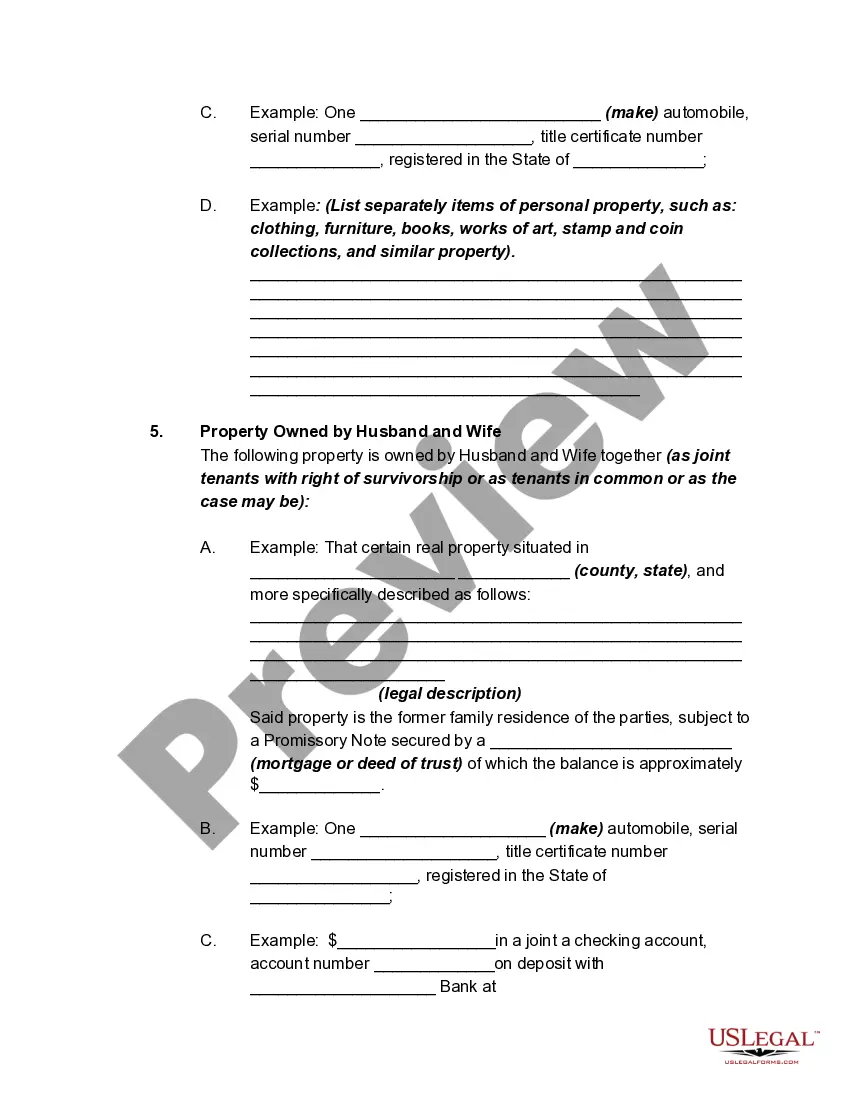
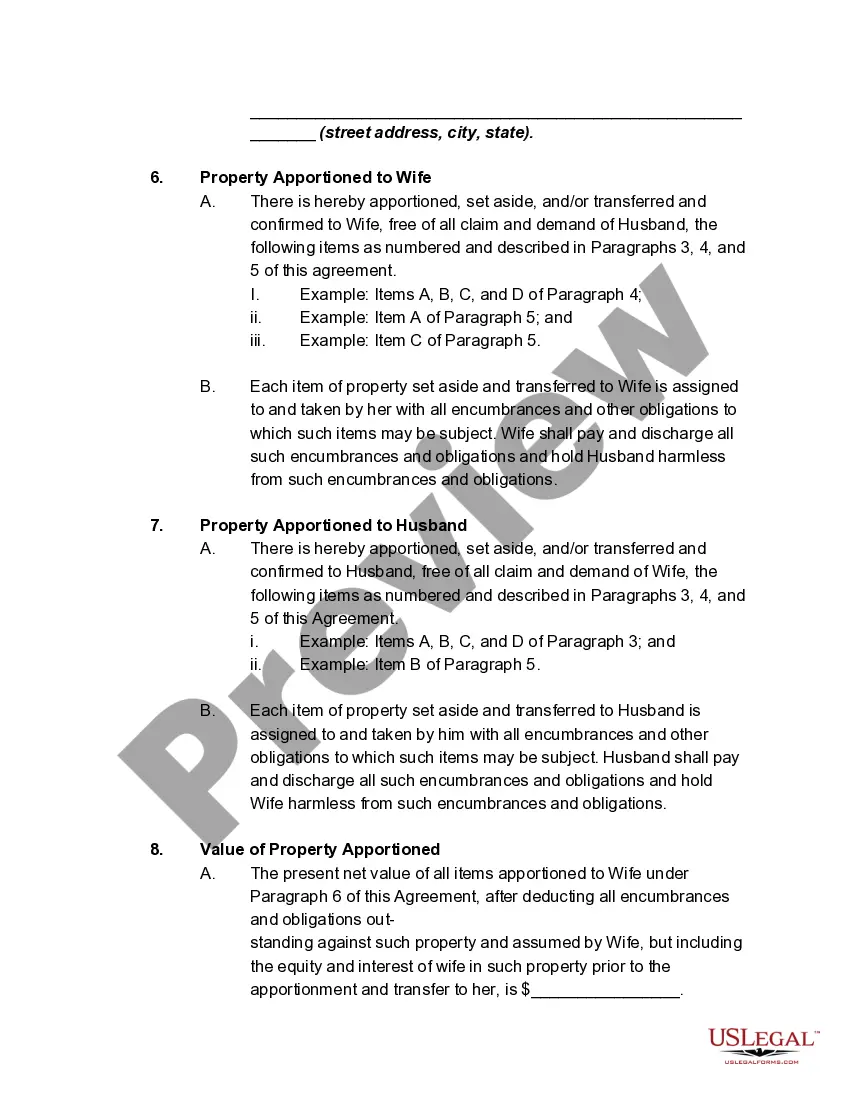
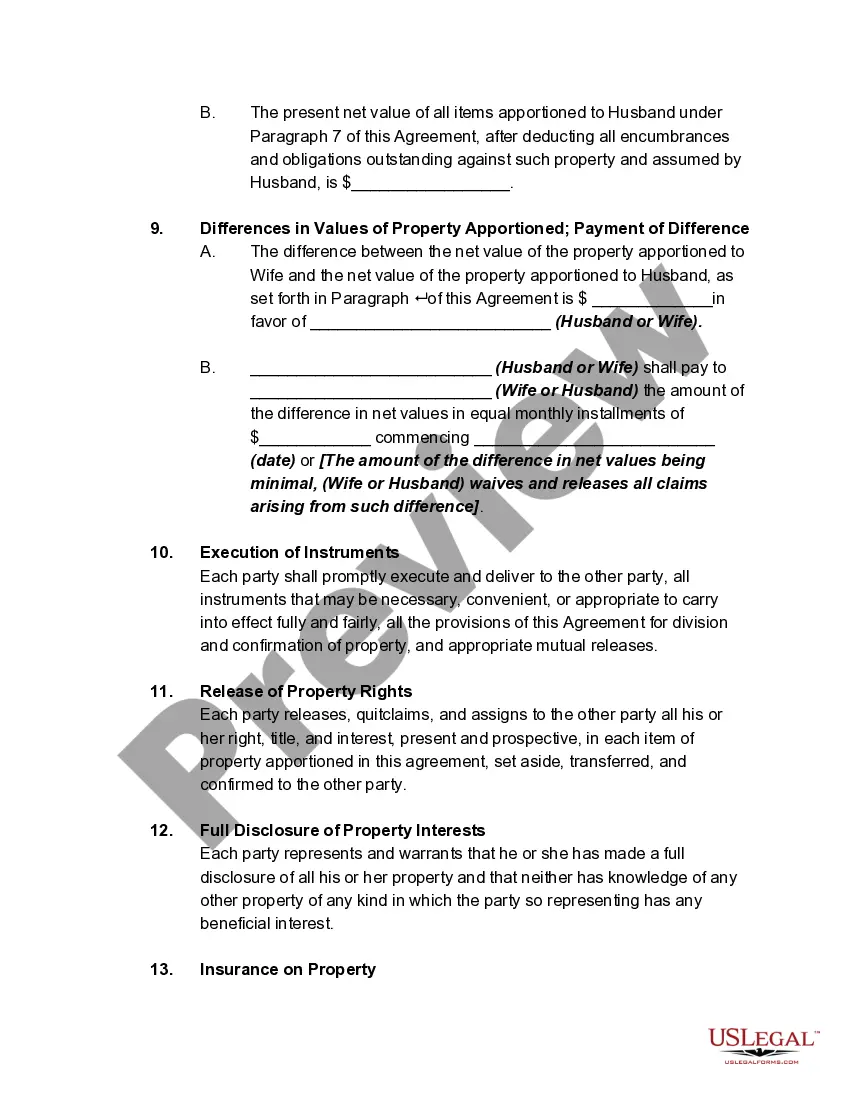
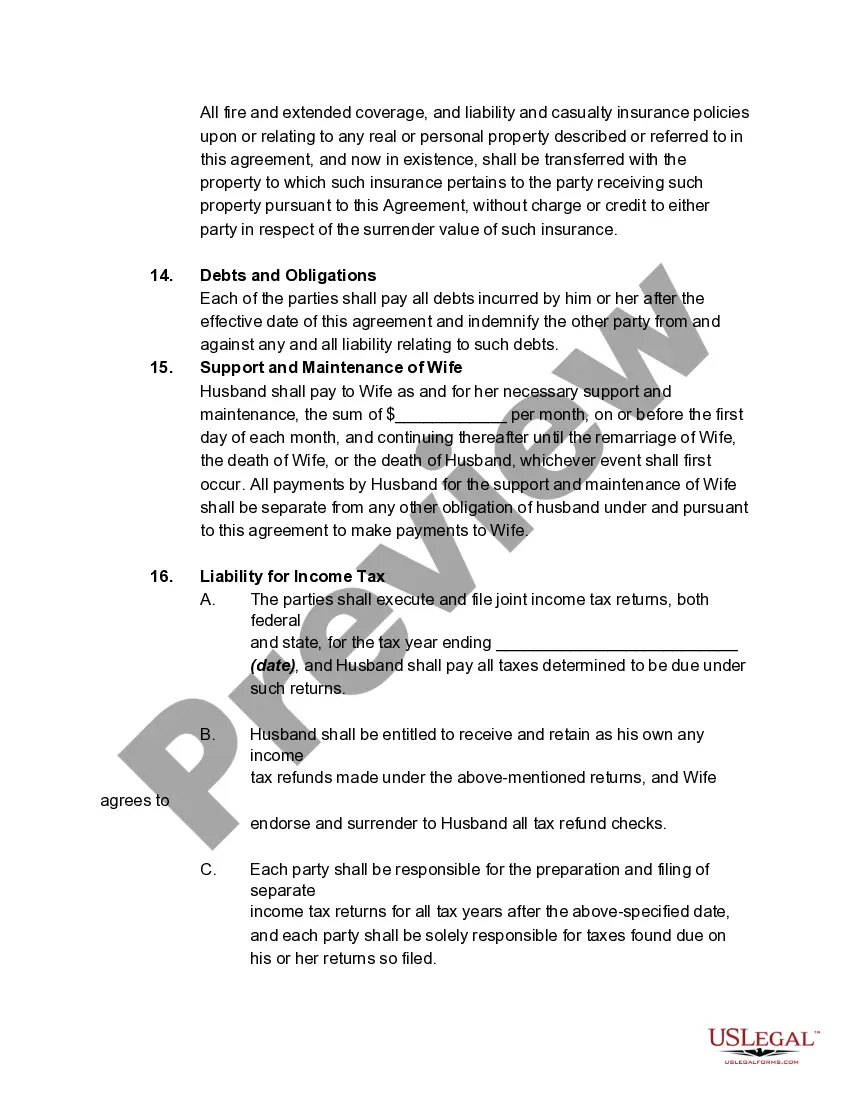
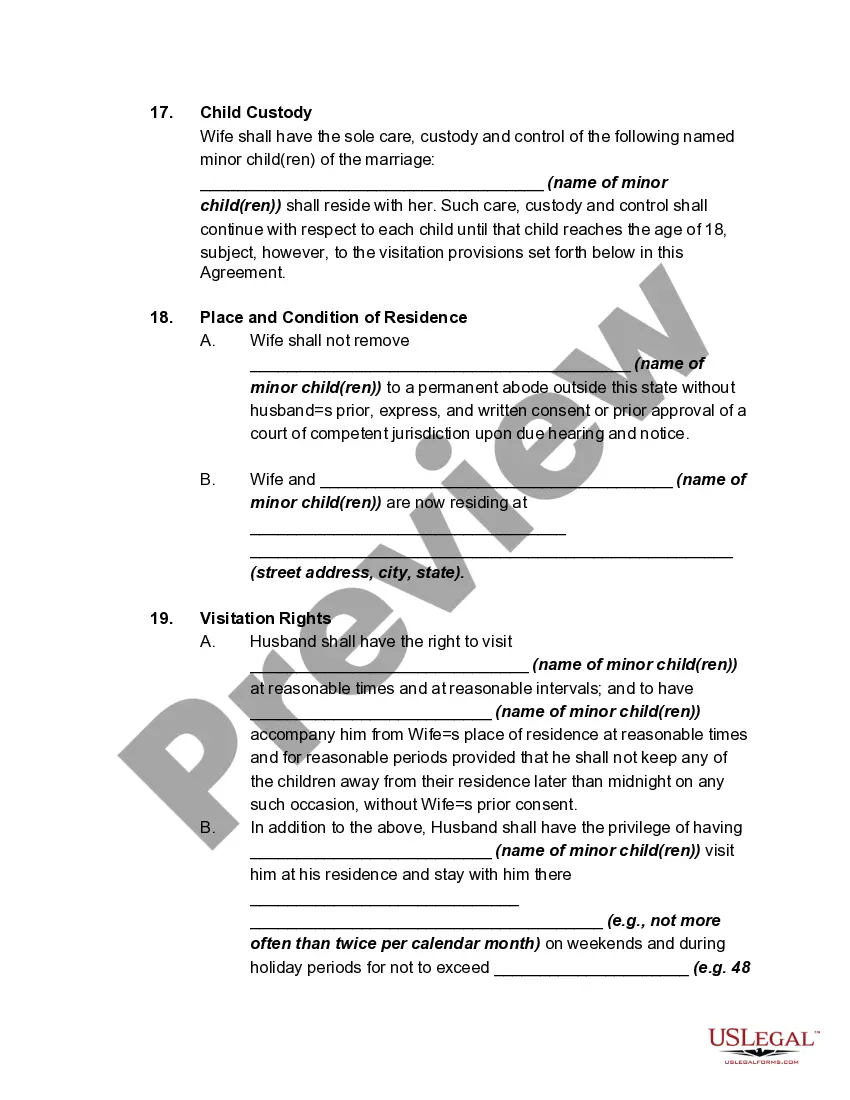
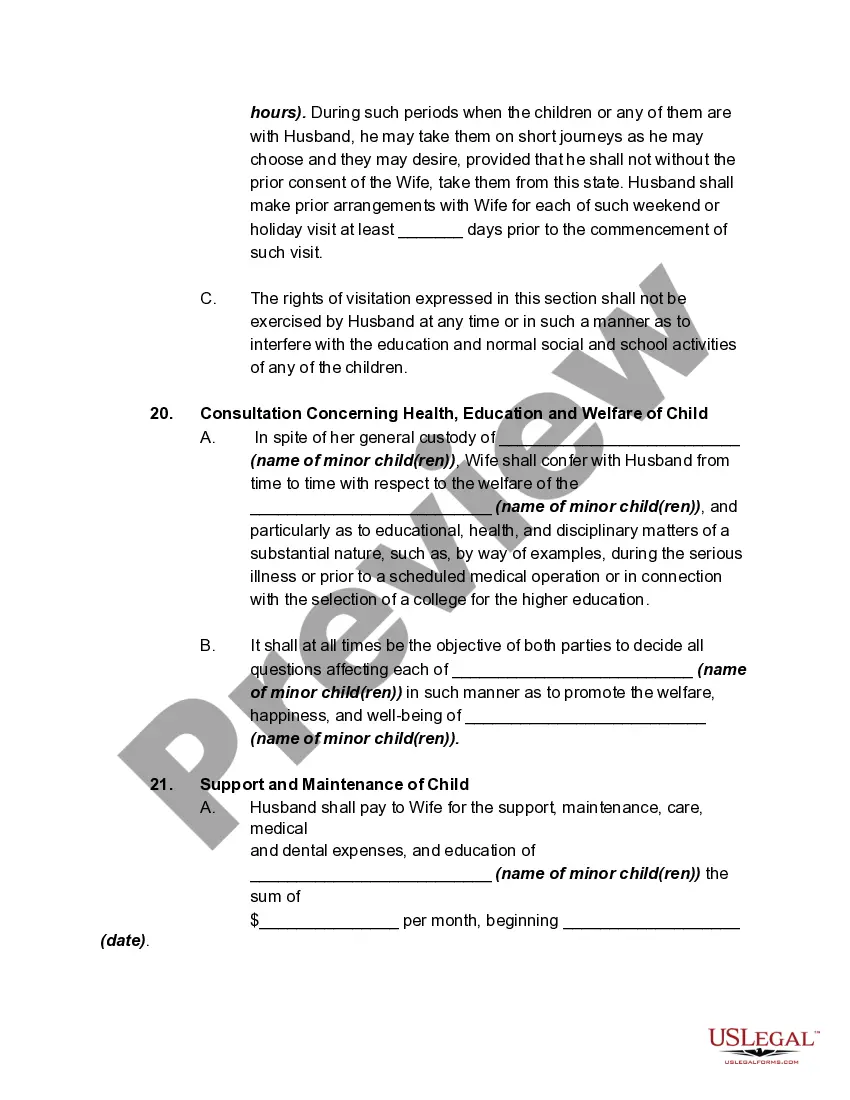
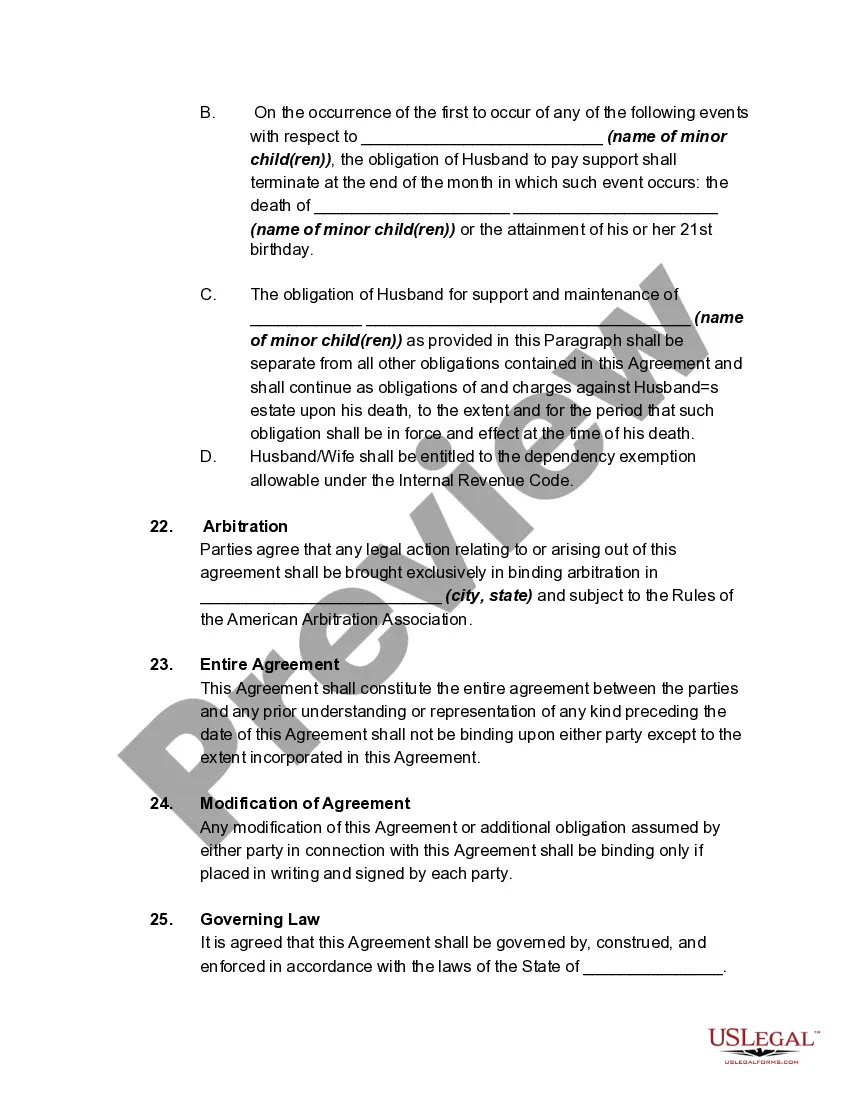

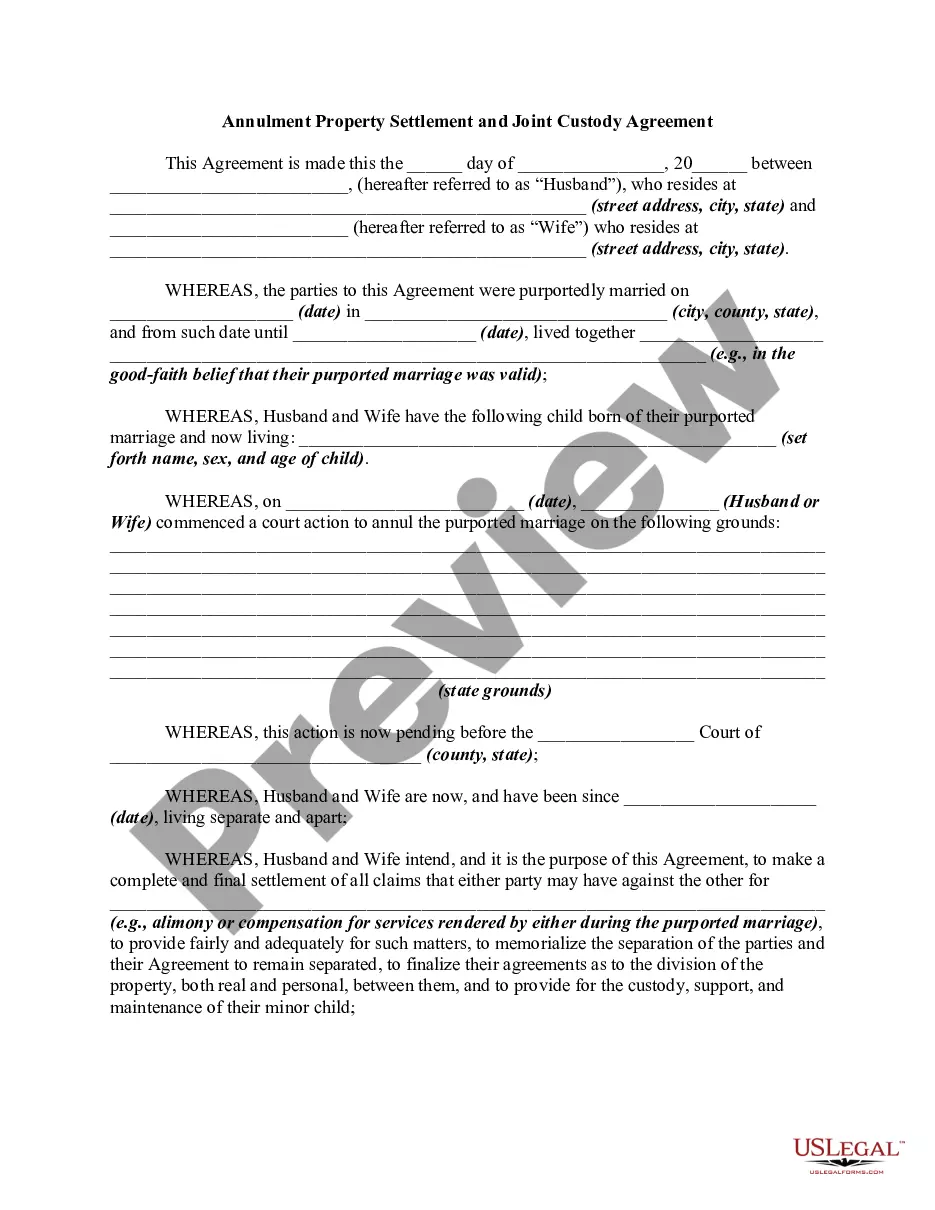
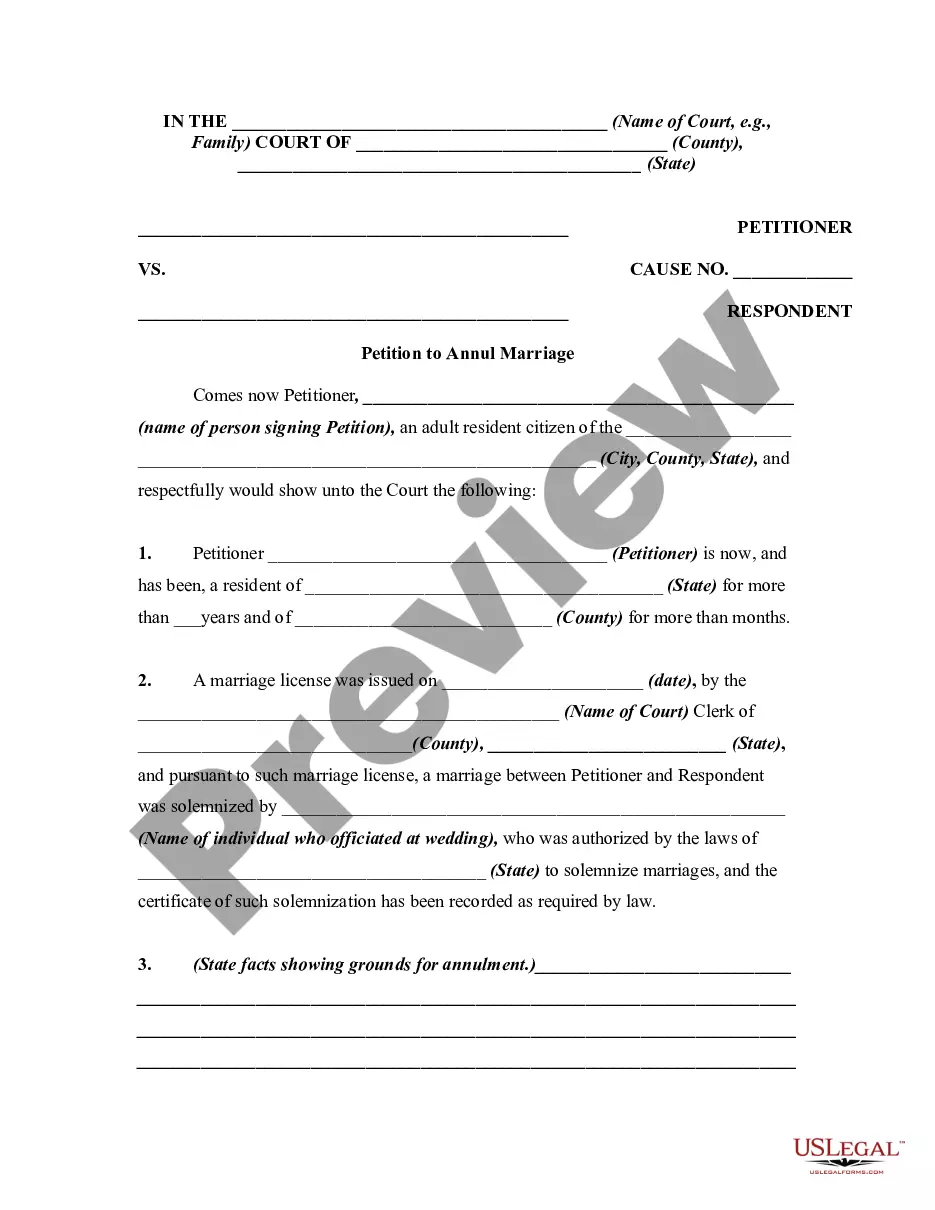
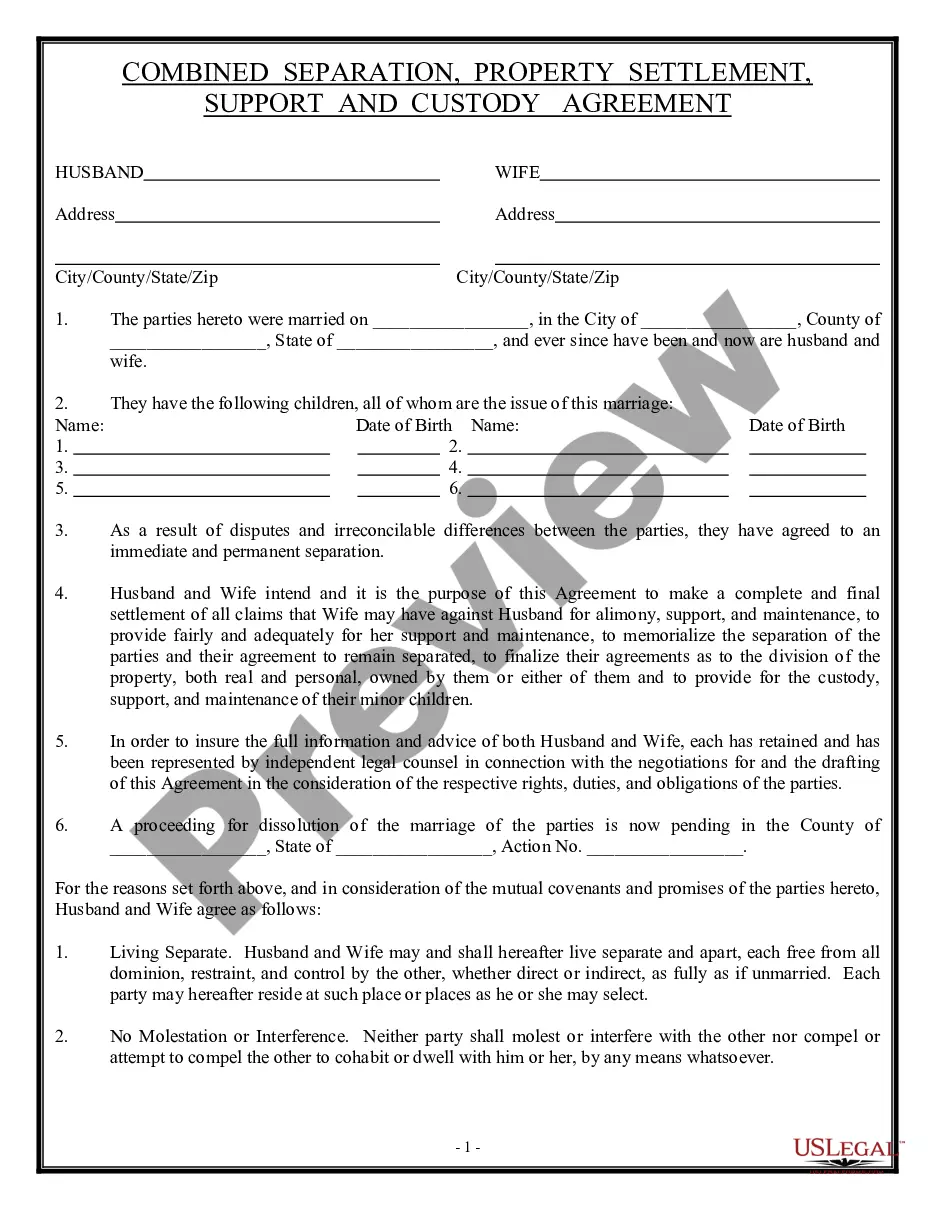







How to fill out Annulment Property Settlement, Child Support, And Custody Agreement?
It’s clear that you cannot transform into a legal authority instantly, nor can you swiftly master how to formulate the Catholic Annulment Process without a dedicated skill set.
Drafting legal documents is a lengthy procedure that demands specific training and expertise. So why not entrust the development of the Catholic Annulment Process to the specialists.
With US Legal Forms, one of the most extensive legal document archives, you can discover everything from court records to office communication templates. We recognize the significance of compliance and adherence to federal and state statutes and regulations.
You can regain access to your documents from the My documents tab at any moment. If you are an existing client, you can simply Log In, and locate and download the template from the same section.
Regardless of the motivation behind your documents—whether they are financial and legal, or personal—our platform is equipped to assist you. Explore US Legal Forms today!
- Locate the form you need using the search feature at the top of the page.
- View it (if this option is available) and examine the accompanying description to ascertain if the Catholic Annulment Process meets your requirements.
- Initiate your search once more if you need another template.
- Register for a complimentary account and choose a subscription option to acquire the template.
- Select Buy now. Once the transaction is finalized, you can download the Catholic Annulment Process, complete it, print it, and dispatch or send it to the appropriate parties or entities.
Form popularity
FAQ
Filling out Catholic annulment papers requires attention to detail and accuracy. Begin by reading the instructions thoroughly and take your time to answer each section completely. Provide necessary documentation alongside your completed papers to support your case. If you encounter difficulties, resources available on the UsLegalForms platform can help clarify the steps in the Catholic annulment process.
To initiate the Catholic annulment process, you will need several key documents. These typically include your marriage certificate, baptismal certificates, and any court documents related to your marriage. Additionally, personal statements explaining the reasons for the annulment can be beneficial. Familiarizing yourself with these requirements can smooth the process, and UsLegalForms provides a thorough checklist to ensure you have everything needed.
Filling out an annulment involves several steps. Start by gathering all relevant information about your marriage, including dates and personal details. When completing the forms, ensure you follow the specific instructions provided for the Catholic annulment process. If you find the forms confusing, UsLegalForms offers templates and guidance to simplify this task.
To effectively answer the annulment questionnaire, begin by reviewing each question carefully. Provide precise and truthful responses about your marriage and circumstances requiring the Catholic annulment process. Use clear and straightforward language; this helps ensure clarity and avoids misunderstandings. If you need guidance, consider using the resources available on the UsLegalForms platform.
A declaration of nullity of marriage applies to marriages which are void. Void Marriages are considered as having never been taken place, they are void from the very beginning. On the other hand, Annulment applies to a marriage that is valid until otherwise declared by the court annulled.
Either party has a living spouse. Either party was incapable of giving valid consent due to unsoundness of mind or mental illness or unfit to the procreation of children. Parties are under aged. Parties are in a relation of a prohibited degree.
The Church recognizes 12 specific impediments to marriage that would nullify the vows made. That list includes things like being too young, having received holy orders, or being impotent. If one of those 12 impediments exists, the marriage is considered to not be a sacramental marriage.
The Catholic Church does not technically believe that a divorce is possible. God has revealed that anyone who is validly married, is married until death. Thus a civil divorce can only be allowed for reasons of safety, support of the spouse and children, and various other reasons.
(1) The inability to assume and perform the essential marital obligations and duties. (2) The wilful deception of the other party with regard to a quality which, by its own nature, seriously perturbs conjugal life and this deception is done in order to obtain the other's consent.