Executor Estate Form Without
Description
Get your form ready online
Our built-in tools help you complete, sign, share, and store your documents in one place.
Make edits, fill in missing information, and update formatting in US Legal Forms—just like you would in MS Word.
Download a copy, print it, send it by email, or mail it via USPS—whatever works best for your next step.
Sign and collect signatures with our SignNow integration. Send to multiple recipients, set reminders, and more. Go Premium to unlock E-Sign.
If this form requires notarization, complete it online through a secure video call—no need to meet a notary in person or wait for an appointment.
We protect your documents and personal data by following strict security and privacy standards.

Make edits, fill in missing information, and update formatting in US Legal Forms—just like you would in MS Word.

Download a copy, print it, send it by email, or mail it via USPS—whatever works best for your next step.

Sign and collect signatures with our SignNow integration. Send to multiple recipients, set reminders, and more. Go Premium to unlock E-Sign.

If this form requires notarization, complete it online through a secure video call—no need to meet a notary in person or wait for an appointment.

We protect your documents and personal data by following strict security and privacy standards.
Looking for another form?

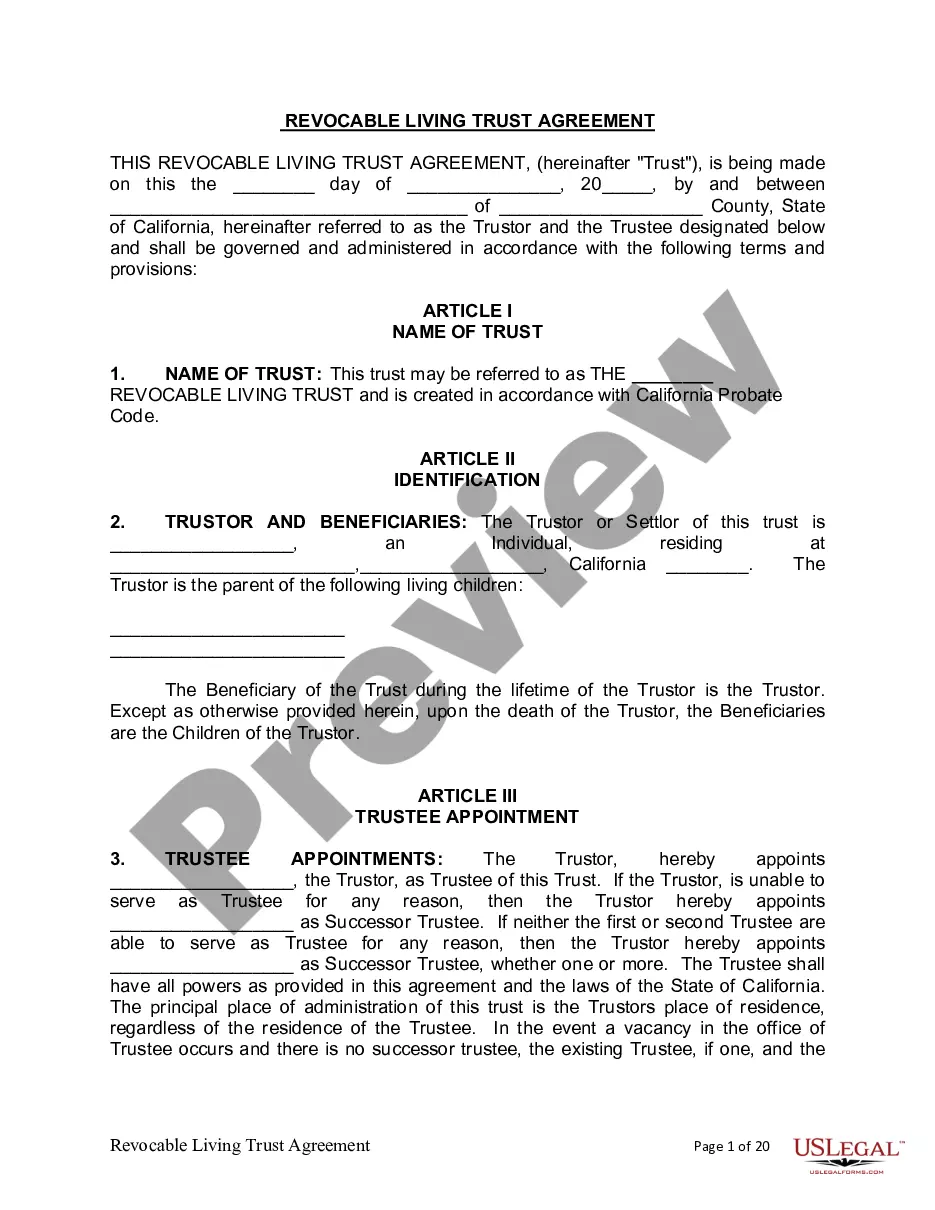

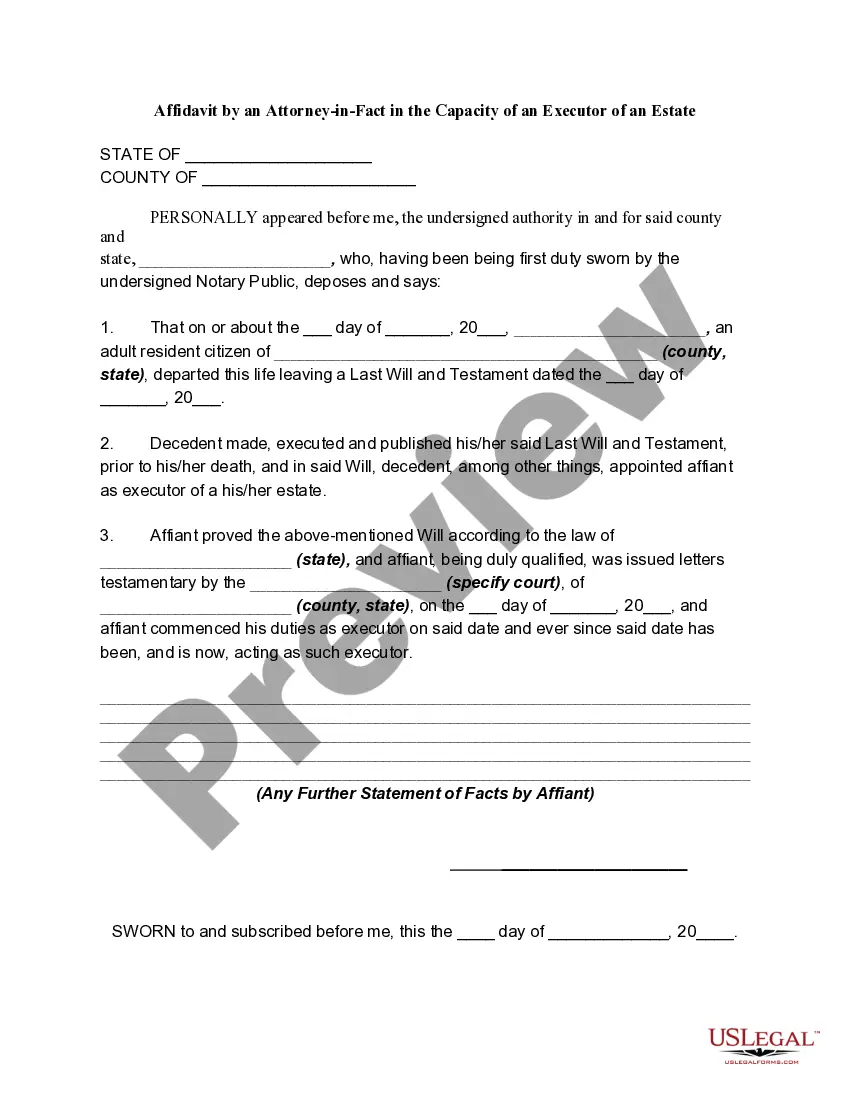
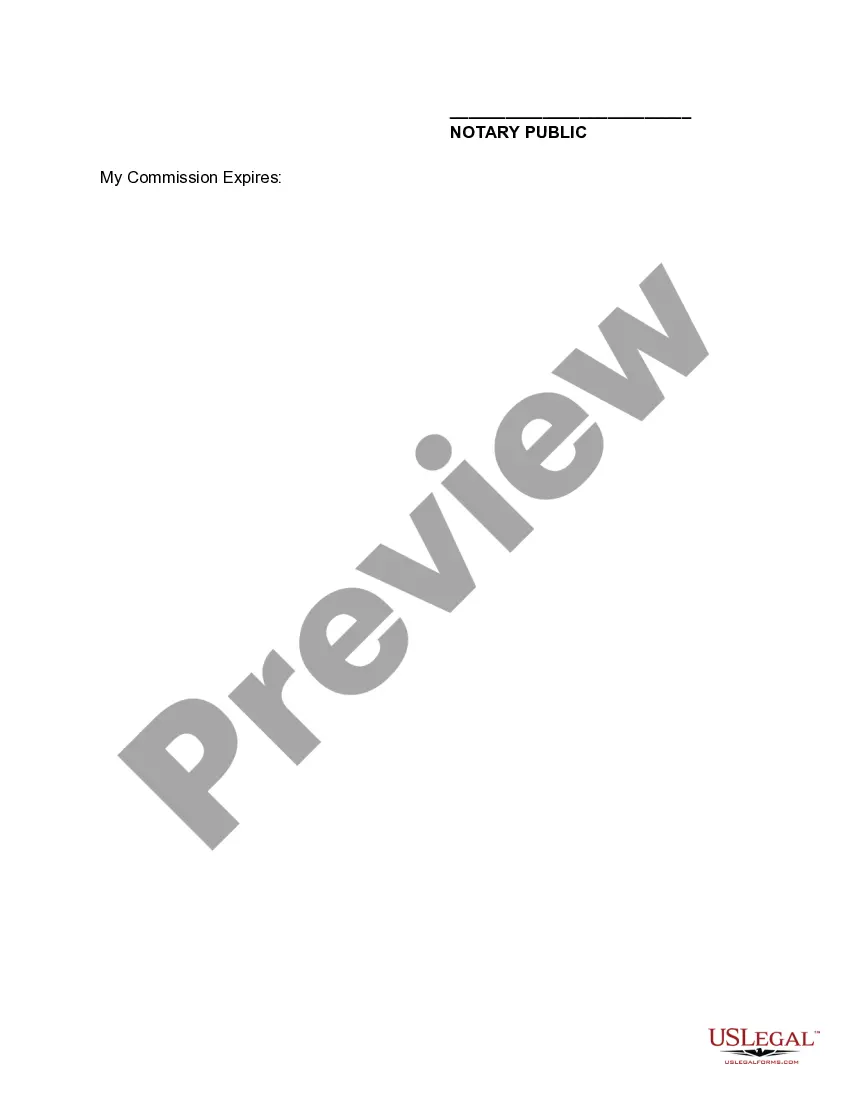
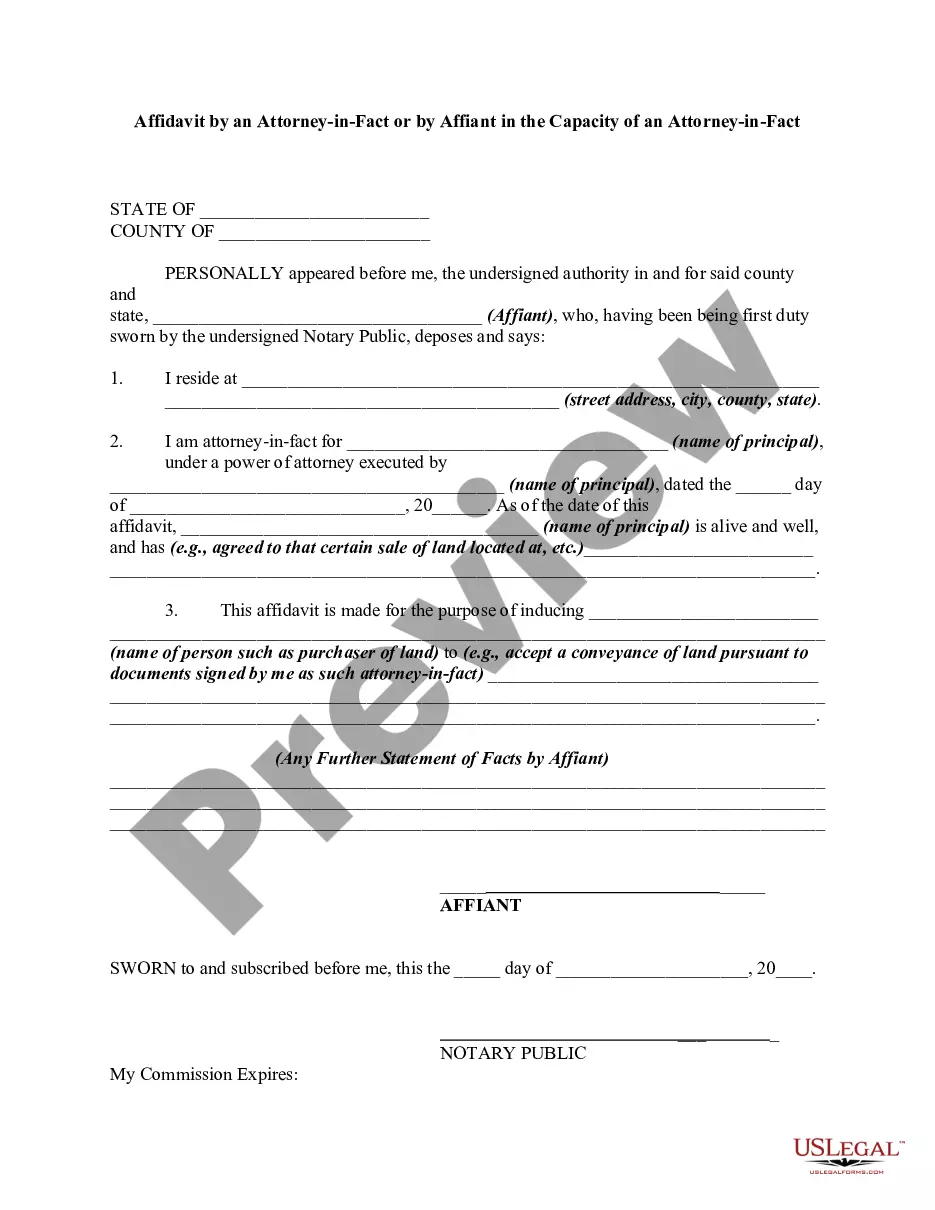
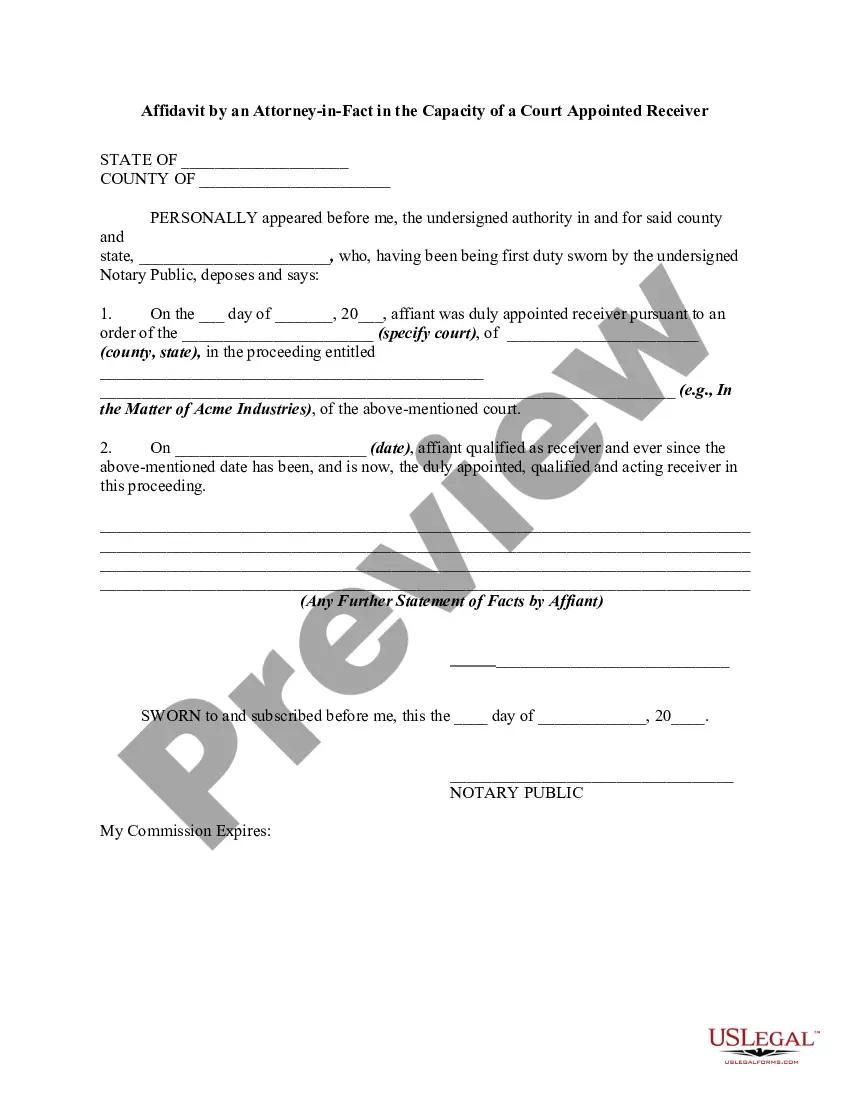
How to fill out Affidavit By An Attorney-in-Fact In The Capacity Of An Executor Of An Estate?
Finding a reliable source for accessing the latest and pertinent legal templates is a significant part of dealing with bureaucracy.
Identifying the appropriate legal documents requires precision and careful consideration, which is why it is essential to obtain samples of Executor Estate Form Without solely from trustworthy sources, such as US Legal Forms.
Eliminate the complications that come with your legal documentation. Explore the comprehensive US Legal Forms library to discover legal templates, evaluate their suitability for your circumstance, and download them instantly.
- Utilize the catalog browsing or search option to find your template.
- Examine the form’s description to confirm it meets the needs of your state and locality.
- View the form preview, if accessible, to verify that the template is indeed the one you require.
- Return to the search and identify the correct document if the Executor Estate Form Without does not meet your specifications.
- If you are confident about the form’s appropriateness, download it.
- If you are a registered user, click Log in to verify and access your chosen templates in My documents.
- If you have not created an account yet, click Buy now to purchase the template.
- Choose the pricing plan that suits your preferences.
- Proceed with registration to finalize your purchase.
- Complete your purchase by selecting a payment method (credit card or PayPal).
- Select the format for downloading Executor Estate Form Without.
- Once you have the form on your device, you can edit it with the editor or print it for manual completion.
Form popularity
FAQ
Not every estate is required to file form 706, which is the United States Estate (and Generation-Skipping Transfer) Tax Return. Generally, this form is necessary only if the estate's value exceeds the federal exemption limit. Understanding these requirements can help you determine if you need to file or if you can manage the process using the executor estate form without additional complexity.
The best person to appoint as executor of a will is someone who you trust, is organized, and can handle financial matters efficiently. Ideally, this individual should be a responsible adult, such as a family member, a close friend, or even a professional. Choosing the right person can greatly ease the burden during the estate administration process and ensure the executor estate form without complications.
Filing for executor of an estate involves a few important steps. First, you need to gather relevant documents, including the will, death certificate, and any ID. Then, you will file the executor estate form without going through probate court. Utilizing services like USLegalForms can streamline the process, ensuring you have all necessary paperwork ready.
Naming an executor for an estate without a will can be a straightforward process. Typically, the court will appoint an executor based on state laws, often prioritizing close relatives. If you wish to suggest someone, you can file a petition with the probate court, specifying your choice. Utilize resources such as the US Legal platform, which offers forms and guidance to help you navigate the executor estate form without complications.
To establish your position as an executor without a will, obtain letters of administration from the probate court. This document signifies your legal authority to manage the estate. The court may require proof of your relationship to the deceased and any documents validating your role. For a structured approach, consider the Executor estate form without will to guide you through the necessary steps.
You can prove you are an executor by presenting the will, if available, along with the letters testamentary from the probate court. These documents confirm your authority to manage the deceased's estate. Keep these documents organized to facilitate transactions that involve the estate. The Executor estate form without will can be a useful tool to ensure all necessary aspects are covered.
Proving your status as an executor of an estate without a will can be complex. Generally, the court may require evidence of your relationship to the deceased and any relevant legal documents. You would typically need to file for letters of administration to gain legal authority. Using the Executor estate form without will can help outline steps to establish your role in these situations.
To obtain executor of estate paperwork, visit the probate court in the jurisdiction where the estate is being managed. You may also need to request forms online or access resources from legal service platforms. Make sure to gather essential documents and identification when applying. Consider the Executor estate form without will as a comprehensive resource to help streamline this process.
To provide proof of executorship, present legal documents such as the will and the letters testamentary issued by the probate court. These documents validate your authority to act on behalf of the estate. Ensure that all paperwork is organized and accessible during transactions involving the estate. The Executor estate form without will can assist you in properly documenting your role.
In Canada, if there is no will, the court appoints an administrator to manage the estate. The administrator is usually a close family member, such as a spouse or child, but a friend can also be chosen. The process to appoint an administrator may require submitting an application to the probate court. You might consider utilizing an Executor estate form without will for guidance through this process.