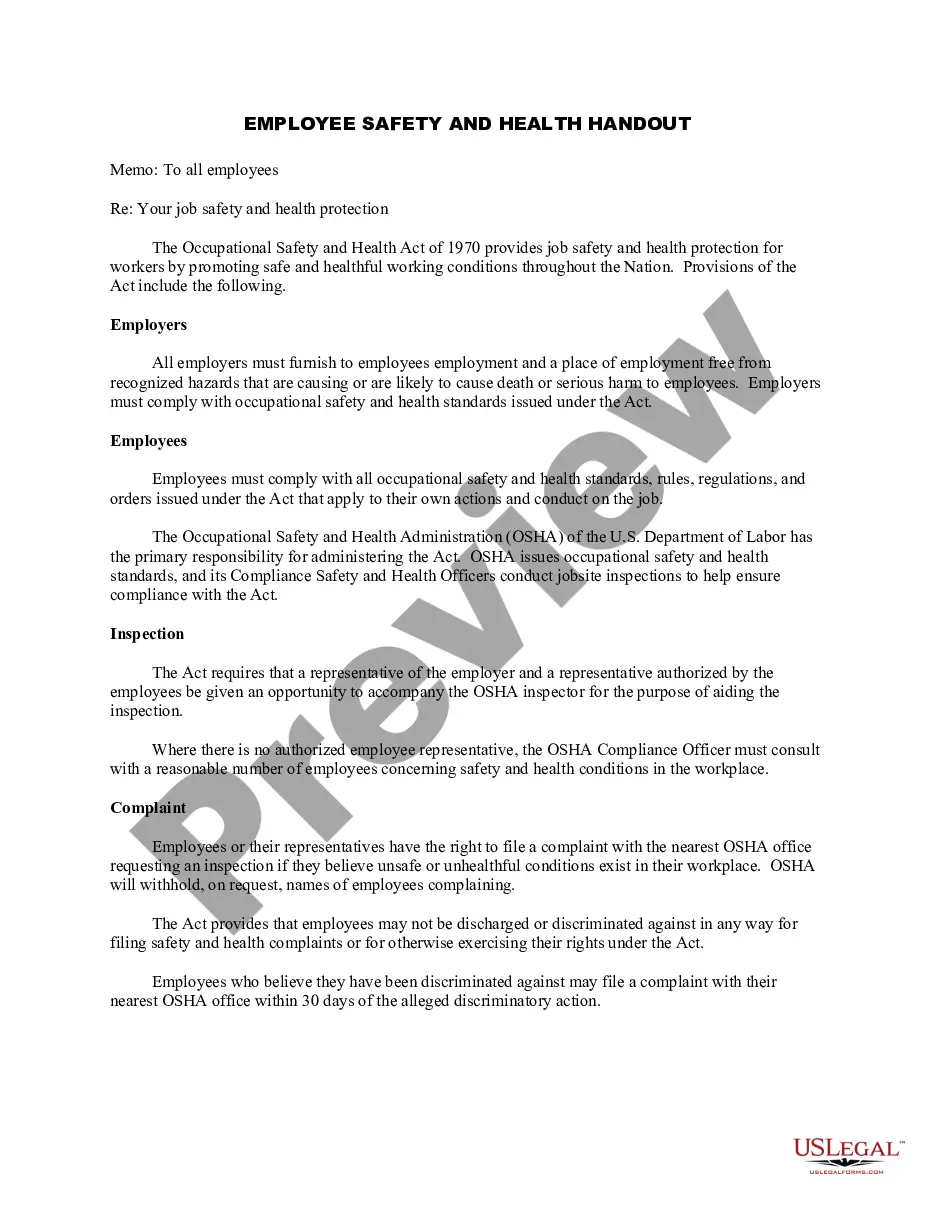
Safety Plan For Construction
Description
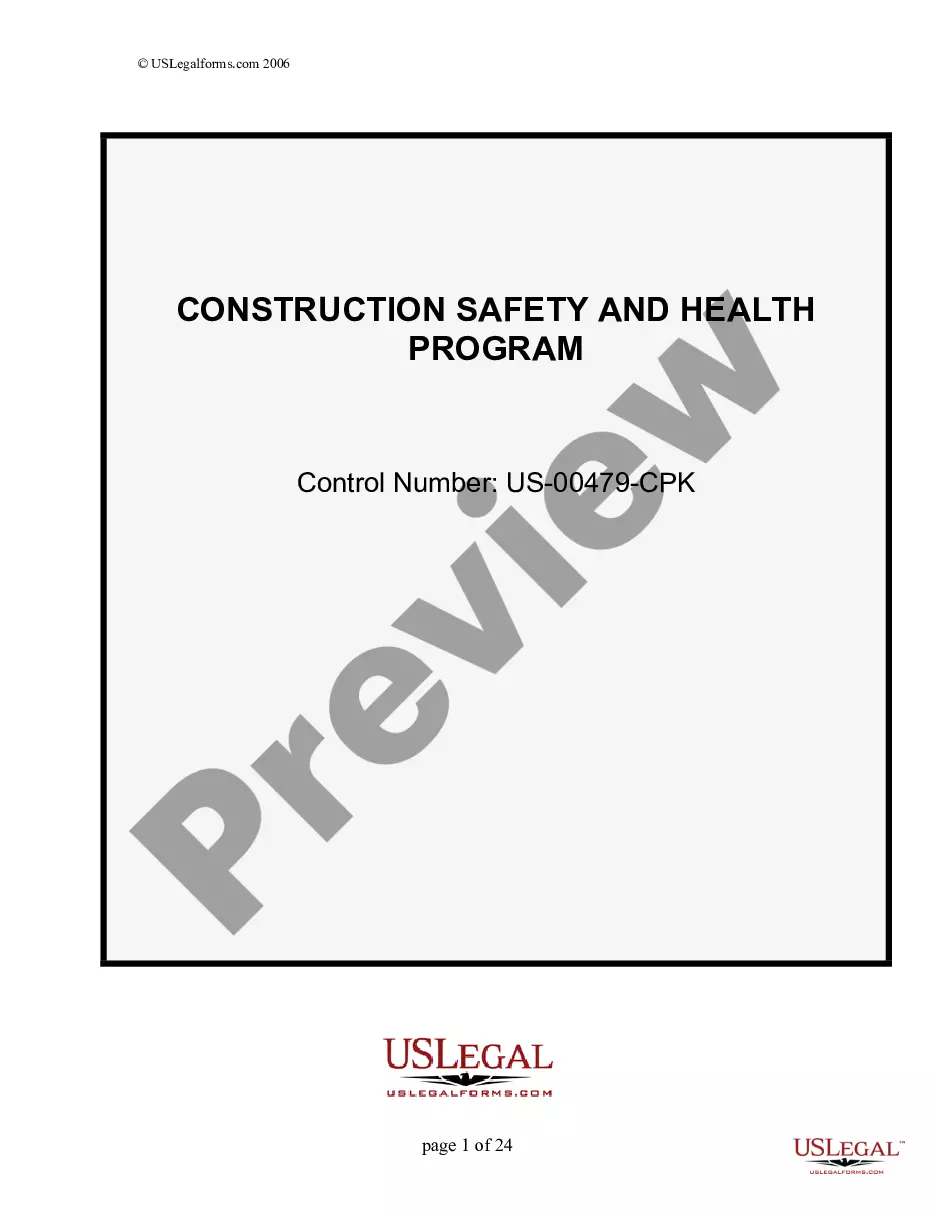
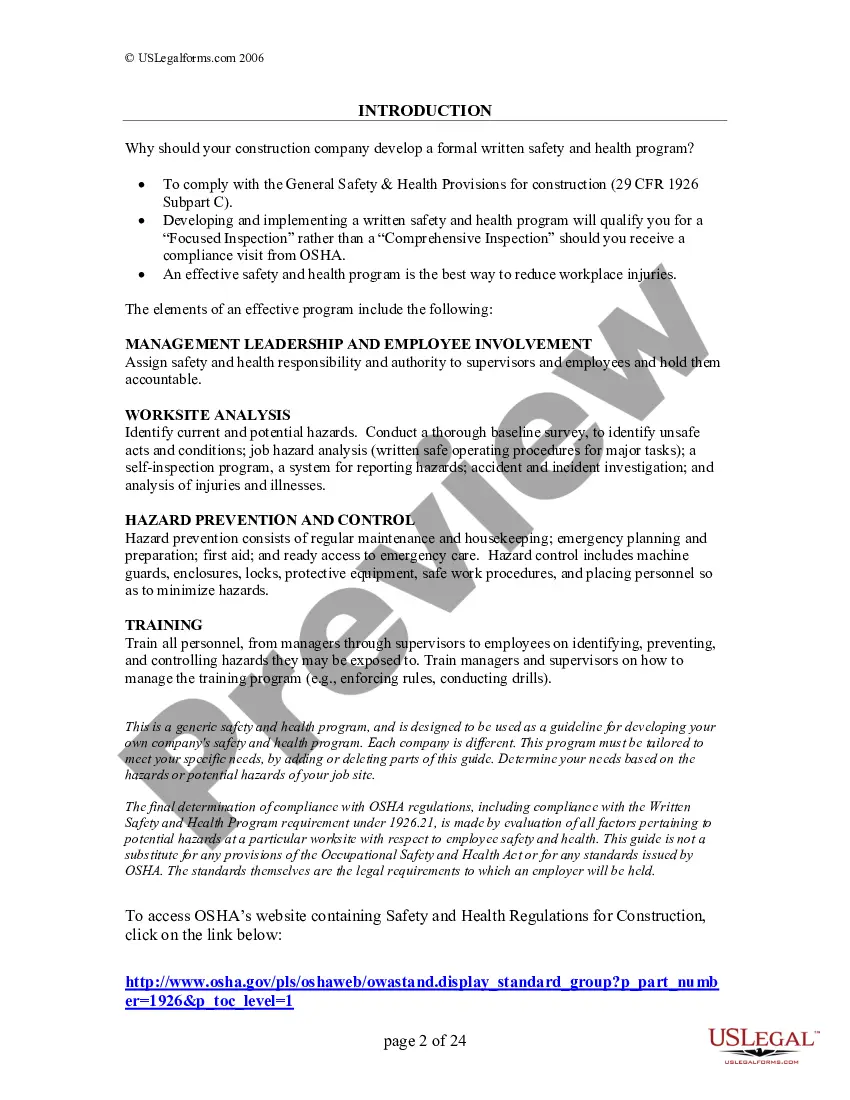
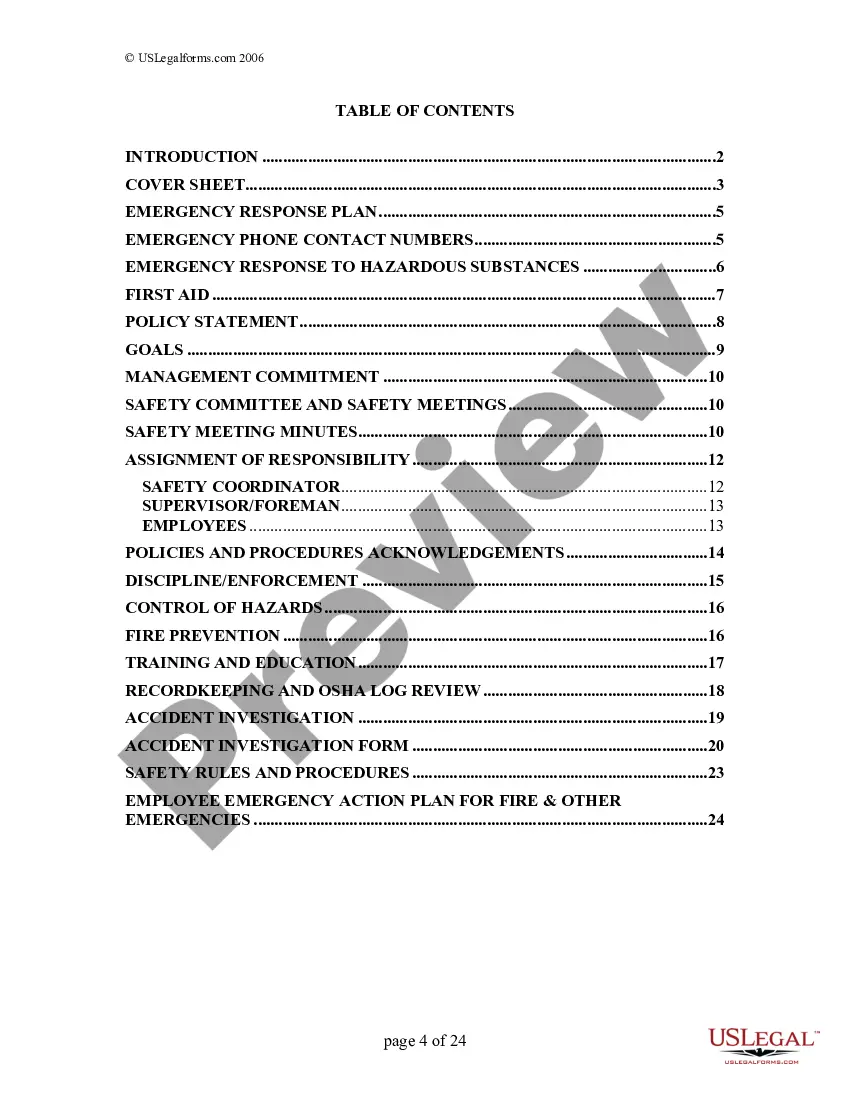
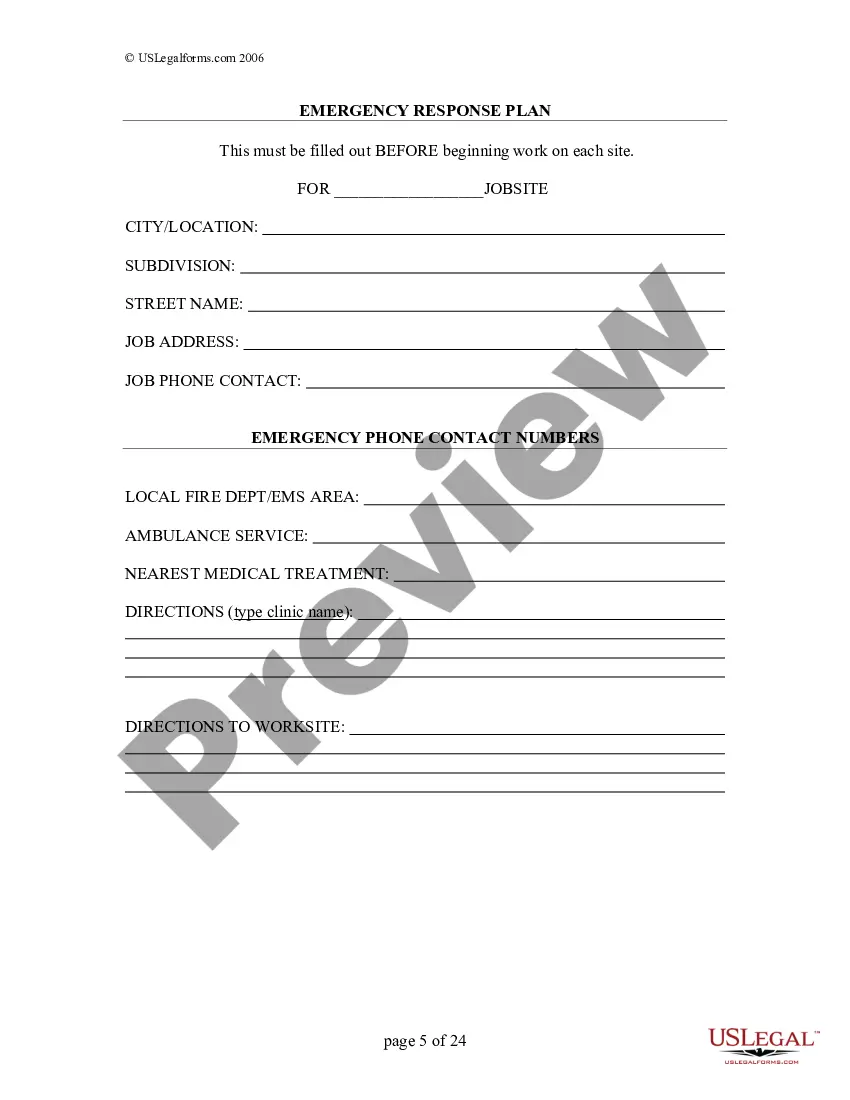
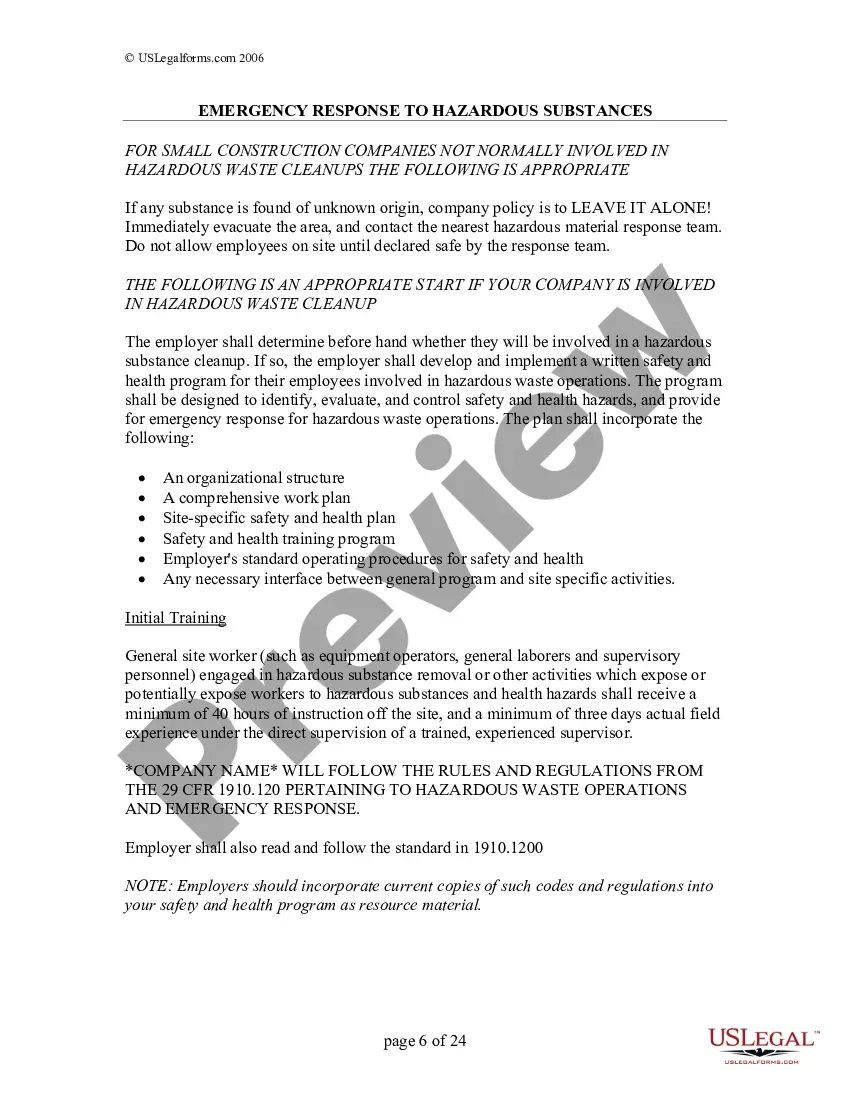
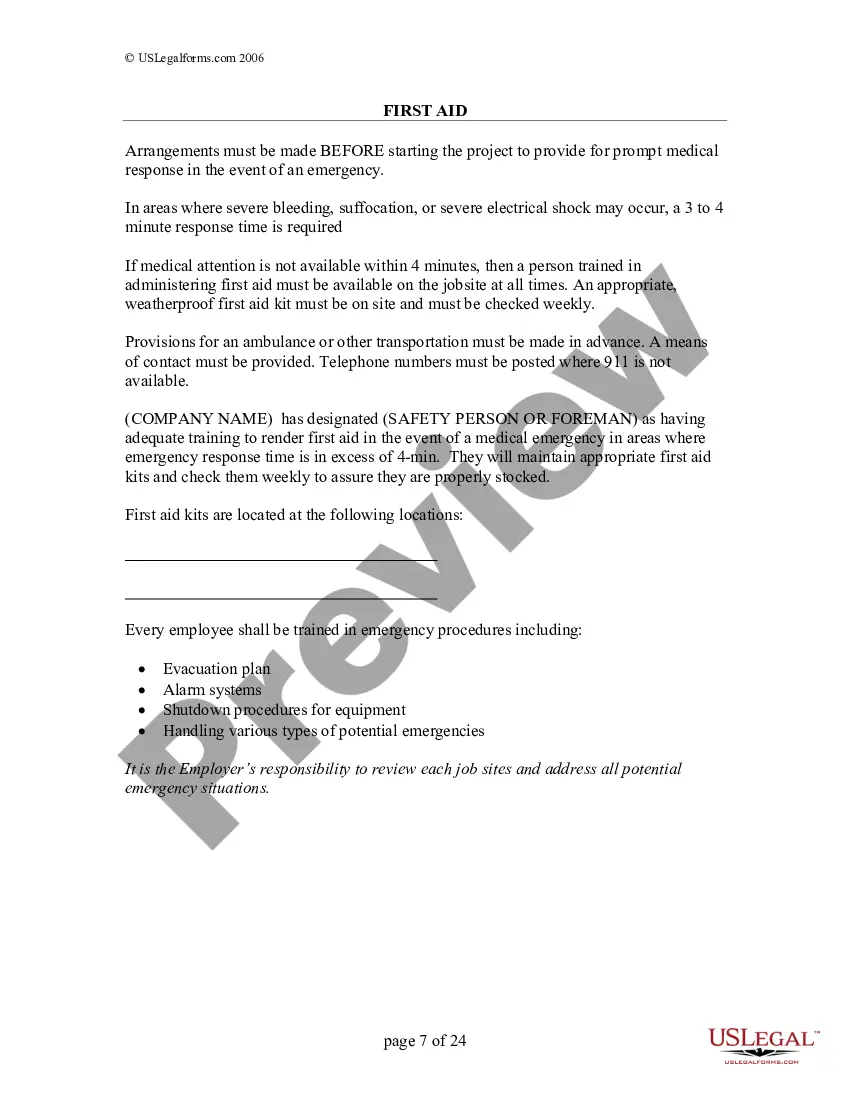
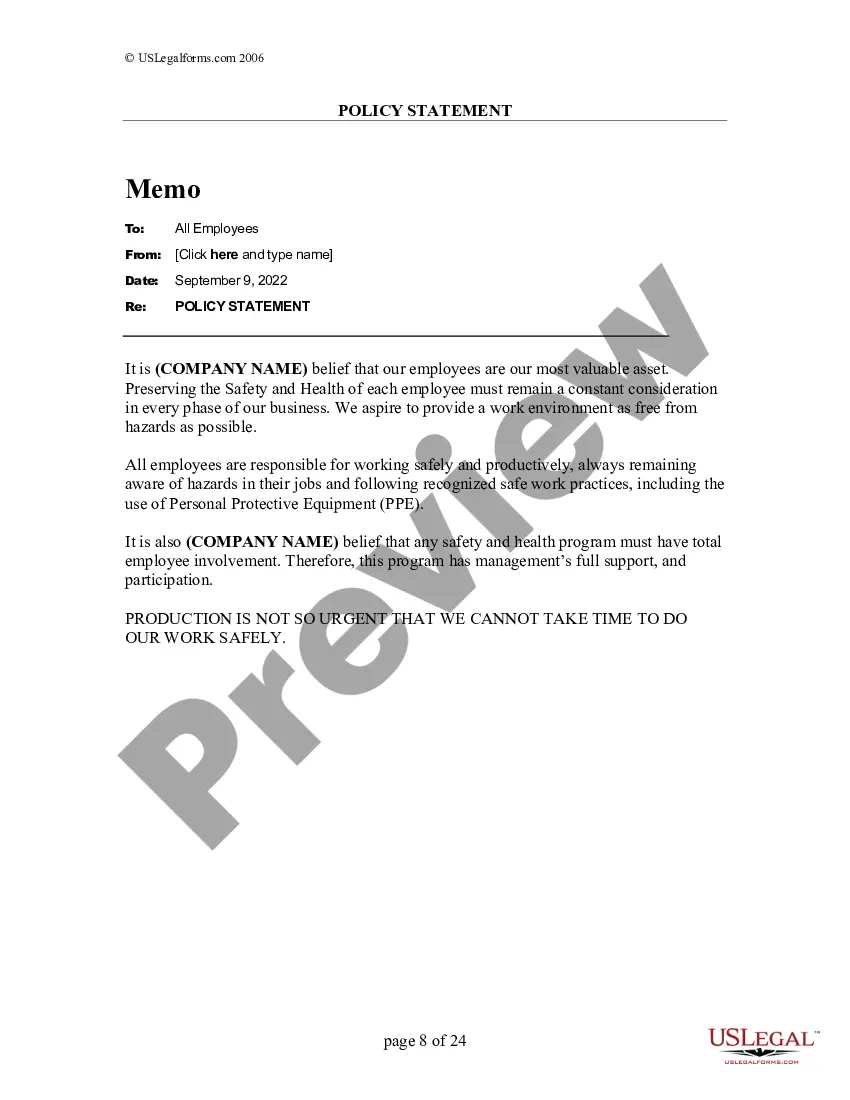
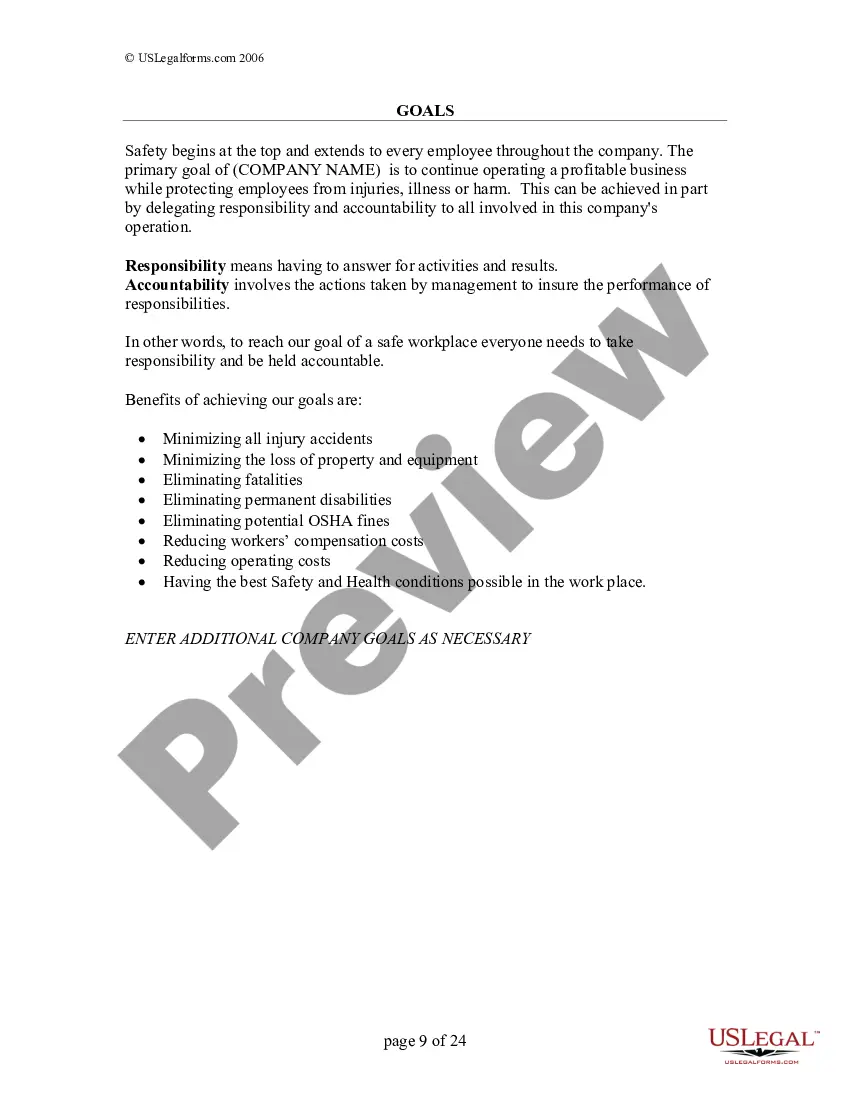
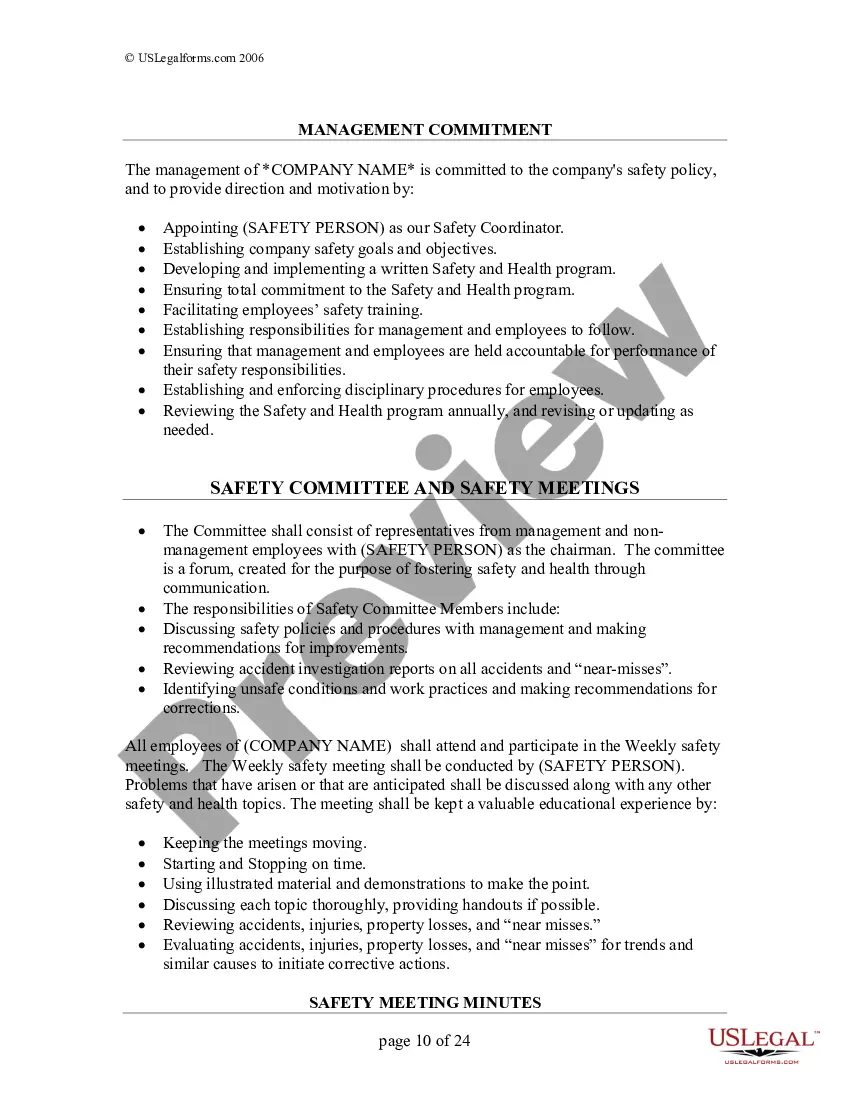

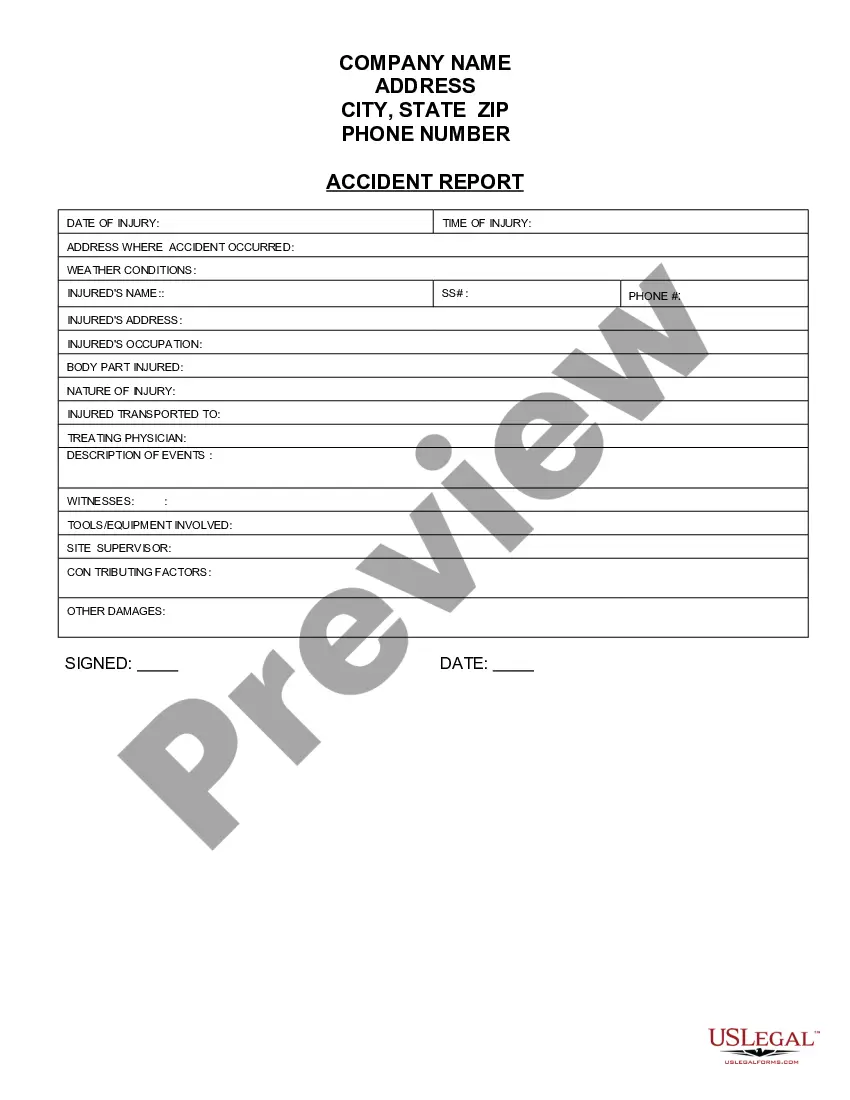
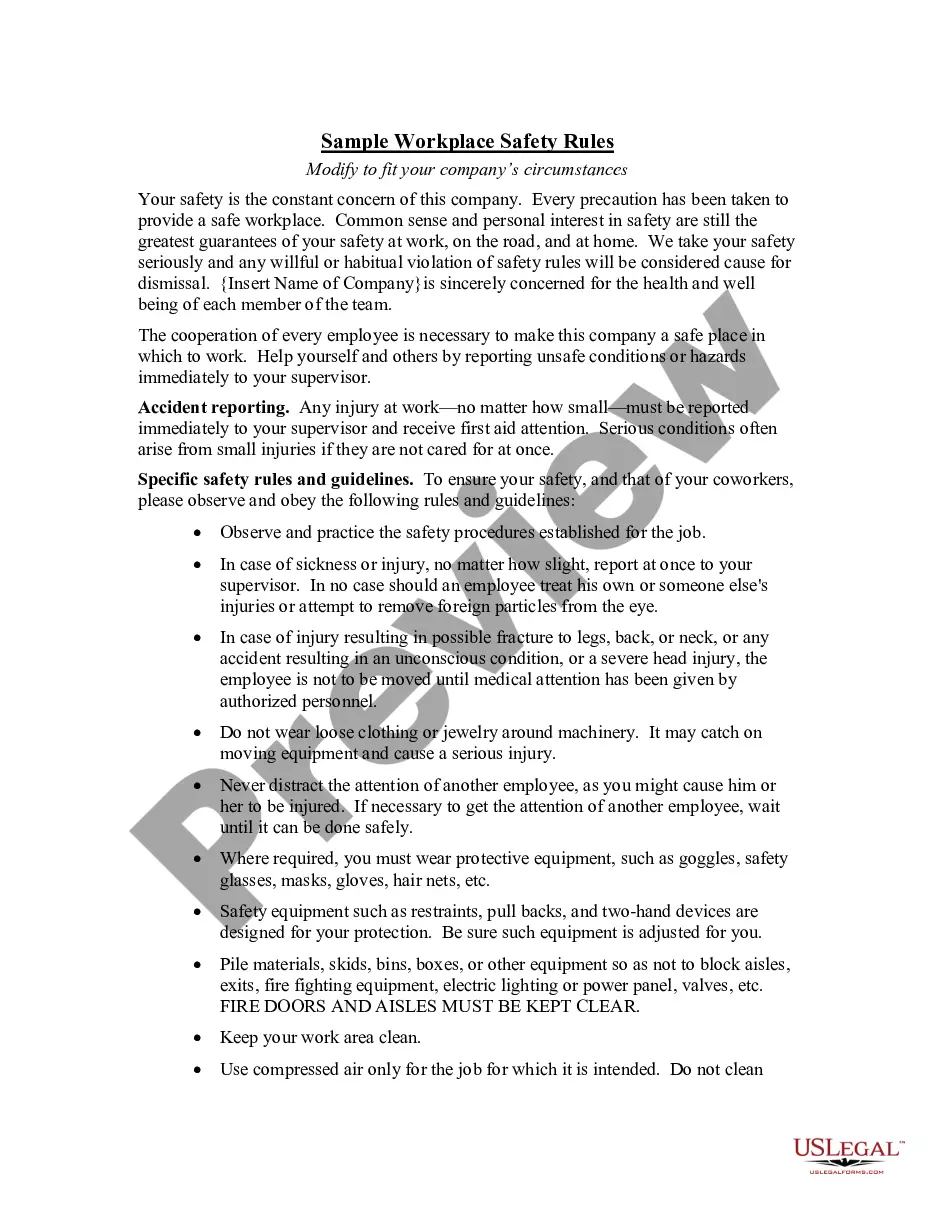
Get your form ready online
Our built-in tools help you complete, sign, share, and store your documents in one place.
Make edits, fill in missing information, and update formatting in US Legal Forms—just like you would in MS Word.
Download a copy, print it, send it by email, or mail it via USPS—whatever works best for your next step.
Sign and collect signatures with our SignNow integration. Send to multiple recipients, set reminders, and more. Go Premium to unlock E-Sign.
If this form requires notarization, complete it online through a secure video call—no need to meet a notary in person or wait for an appointment.
We protect your documents and personal data by following strict security and privacy standards.

Make edits, fill in missing information, and update formatting in US Legal Forms—just like you would in MS Word.

Download a copy, print it, send it by email, or mail it via USPS—whatever works best for your next step.

Sign and collect signatures with our SignNow integration. Send to multiple recipients, set reminders, and more. Go Premium to unlock E-Sign.

If this form requires notarization, complete it online through a secure video call—no need to meet a notary in person or wait for an appointment.

We protect your documents and personal data by following strict security and privacy standards.
Looking for another form?







How to fill out Construction Safety And Health Plan?
How to acquire professional legal documents that adhere to your state regulations and create the Safety Plan For Construction without hiring a lawyer.
Numerous online services provide templates to address various legal situations and formalities.
However, it may require some time to determine which of the available samples meet both your use case and legal requirements.
If you do not possess an account with US Legal Forms, follow the instructions below.
- US Legal Forms is a trusted platform that assists you in locating formal documents crafted according to the latest state law updates and helps you save money on legal assistance.
- US Legal Forms is not just a typical online directory; it comprises over 85,000 verified templates for various business and personal scenarios.
- All documents are categorized by field and state to expedite your search process and make it more convenient.
- It also incorporates robust tools for PDF editing and eSignature, enabling users with a Premium subscription to complete their paperwork online swiftly.
- It requires minimal effort and time to acquire the necessary documents.
- If you already have an account, Log In and verify that your subscription is active.
- Download the Safety Plan For Construction using the related button next to the file name.
Form popularity
FAQ
Yes, OSHA generally requires a written safety plan for construction sites, particularly those with specific hazards. This plan serves as a guideline to maintain safety and compliance while detailing the strategies to address risks. Crafting a solid safety plan for construction not only aligns with OSHA guidelines, but it also enhances worker safety and productivity. Consider using US Legal Forms to assist you in creating a compliant and effective safety plan.
OSHA outlines several key requirements for a safety plan, including hazard identification, risk assessments, and employee training protocols. The plan should also include emergency procedures and methods for communication. A thorough safety plan for construction meets these requirements efficiently. Utilizing platforms like US Legal Forms can help you develop and implement an effective plan tailored to your needs.
OSHA does require a written safety program for many work environments, especially in construction. This program must detail all safety policies, hazard assessments, and employee training. A robust safety plan for construction serves as the foundation of an effective safety program. It equips employers to manage risks and ensure compliance with OSHA regulations.
Yes, OSHA mandates a written fall protection plan for specific situations in construction. This plan must describe the methods used to prevent falls on the job site. By incorporating a detailed safety plan for construction, employers can effectively meet these OSHA requirements. A strong fall protection plan enhances safety and helps protect workers from injuries.
Yes, OSHA requires a written exposure control plan for certain industries. This plan outlines how employers will minimize workers' exposure to harmful substances. A well-crafted safety plan for construction can help address these requirements. Having a comprehensive plan not only meets OSHA standards but also supports a safer work environment for everyone.
specific safety plan serves to identify and mitigate risks unique to a particular construction site. It provides clear guidelines for safety practices tailored to the specific conditions and hazards of the project. This plan fosters a culture of safety among workers, ensuring compliance with regulations and enhancing onsite safety. Using resources like US Legal Forms can help you create an effective safety plan for construction that meets your project's unique needs.
A comprehensive safety plan should cover hazard identification, safety protocols, roles and responsibilities, and emergency response procedures. Also, include communication plans and training requirements for workers involved in the project. This ensures employees know how to act in case of an emergency. Utilizing a platform like US Legal Forms can assist you in gathering all necessary information systematically.
A site safety plan typically includes hazard assessments, safety policies, emergency procedures, and roles of team members. It may also outline equipment safety checks and training requirements. By including these elements, you establish a comprehensive framework that ensures every worker understands their responsibilities. A detailed safety plan for construction can significantly reduce risks on-site.
Filling out a safety plan involves several key steps. First, assess the potential hazards associated with your project and your workforce's specific needs. Next, outline safety procedures, ensure compliance with regulations, and allocate resources for training and personal protective equipment. A service like US Legal Forms can provide you with templates and guidelines to effectively create your safety plan for construction.
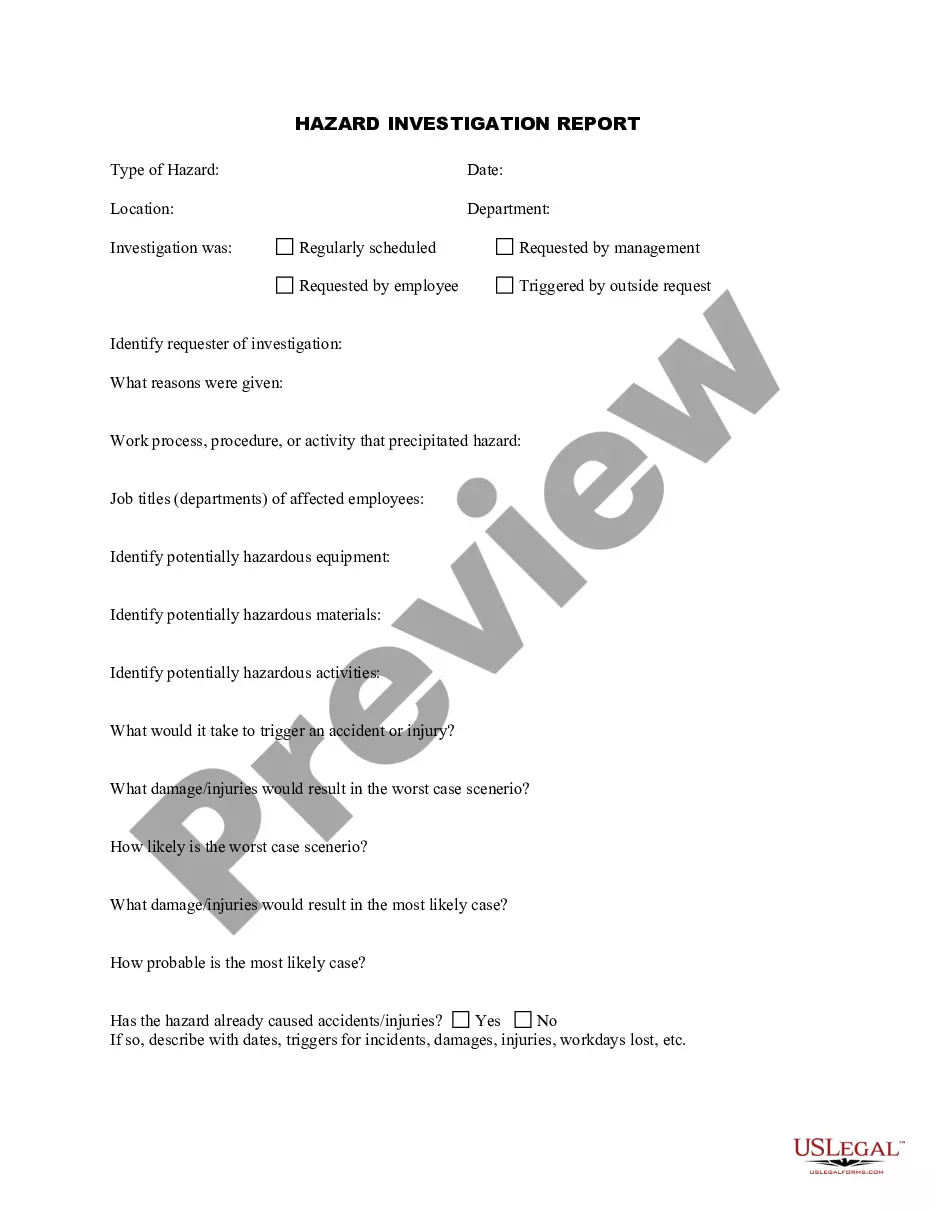
Writing a construction safety report requires a clear and methodical approach. Begin by summarizing the project's scope, including significant risks and safety measures in place. Document any incidents that occurred, along with the investigation results and corrective actions taken. Consistently referencing a safety plan for construction will enhance report accuracy and credibility.
