Construction Security Plan
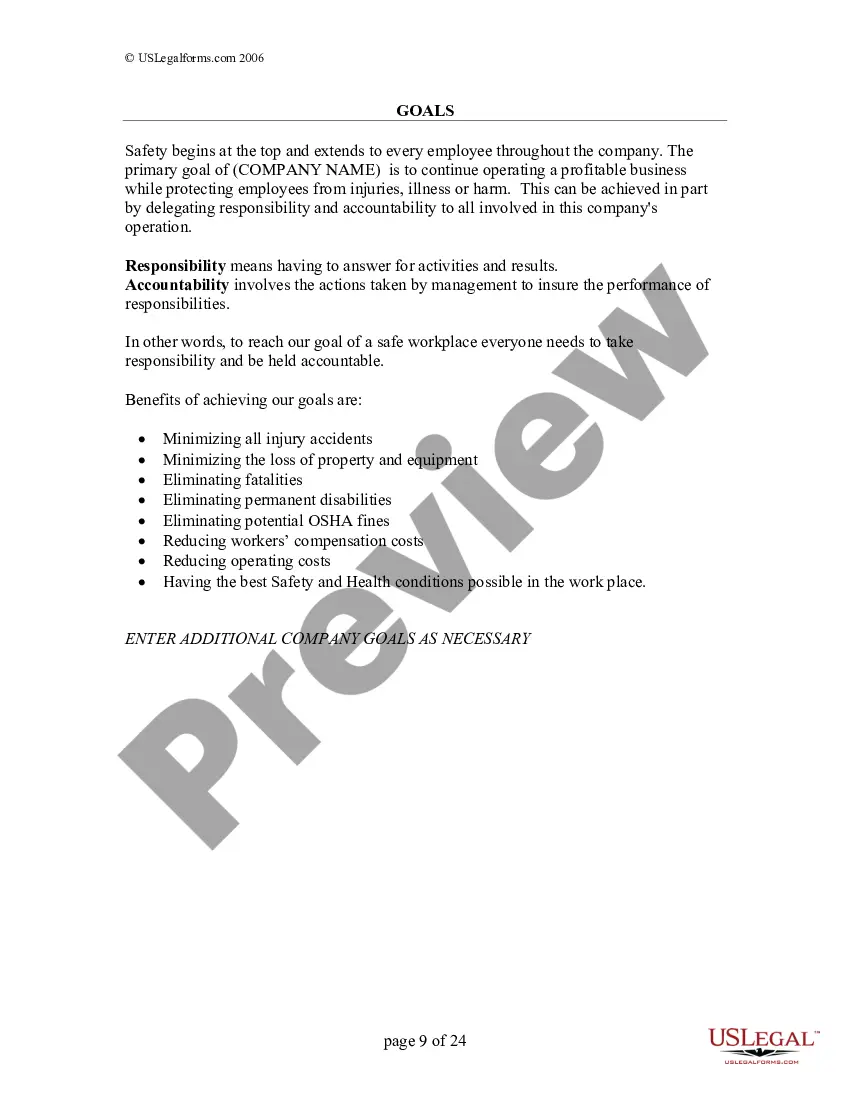
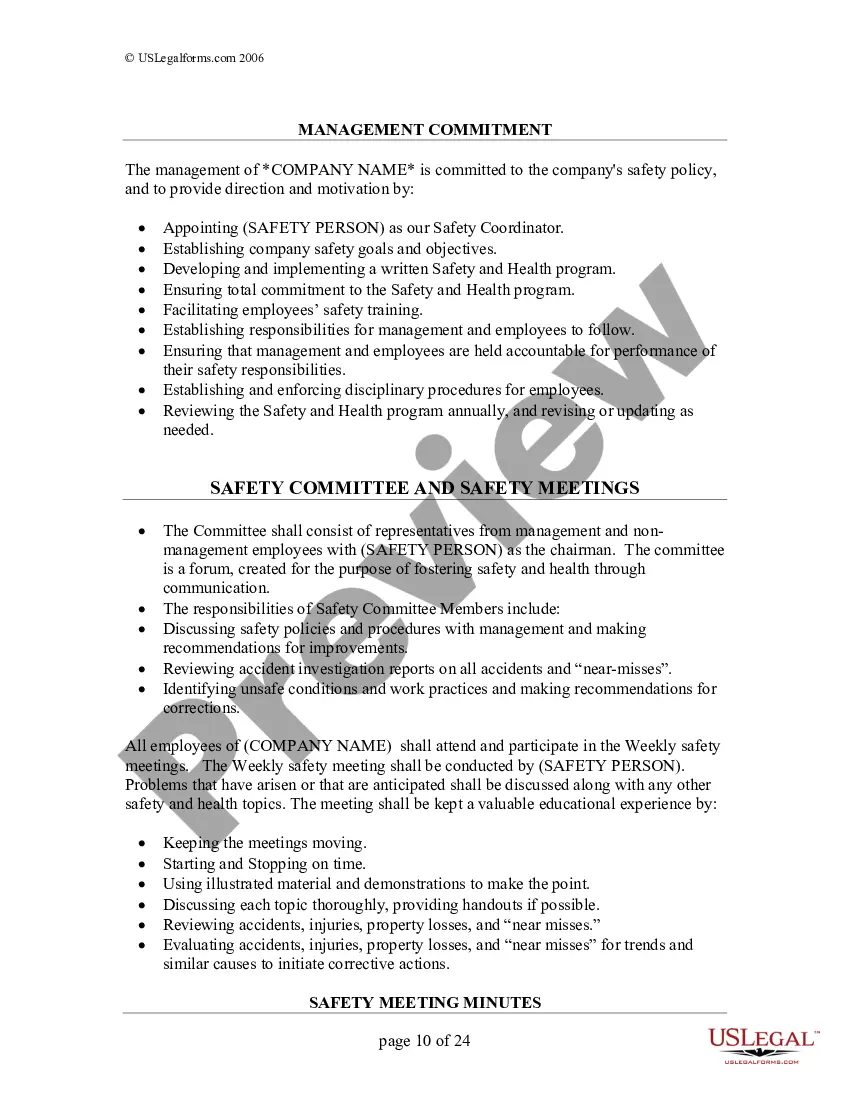
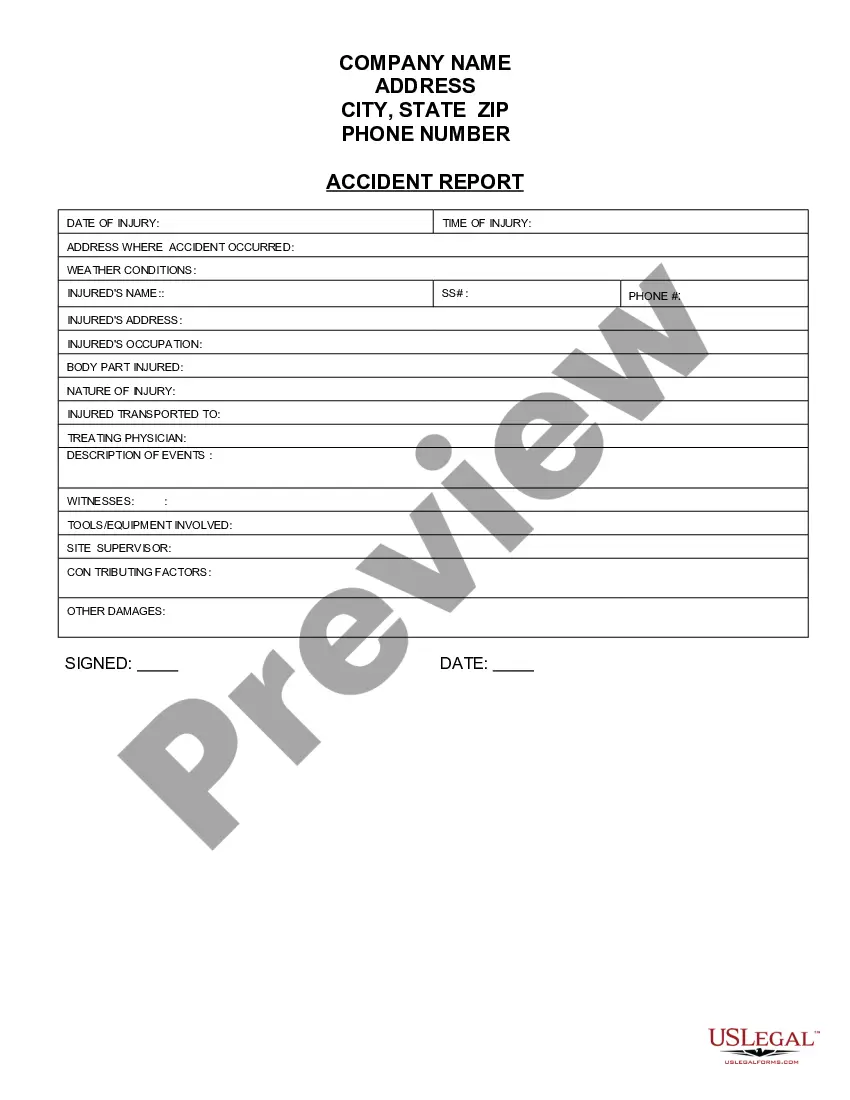
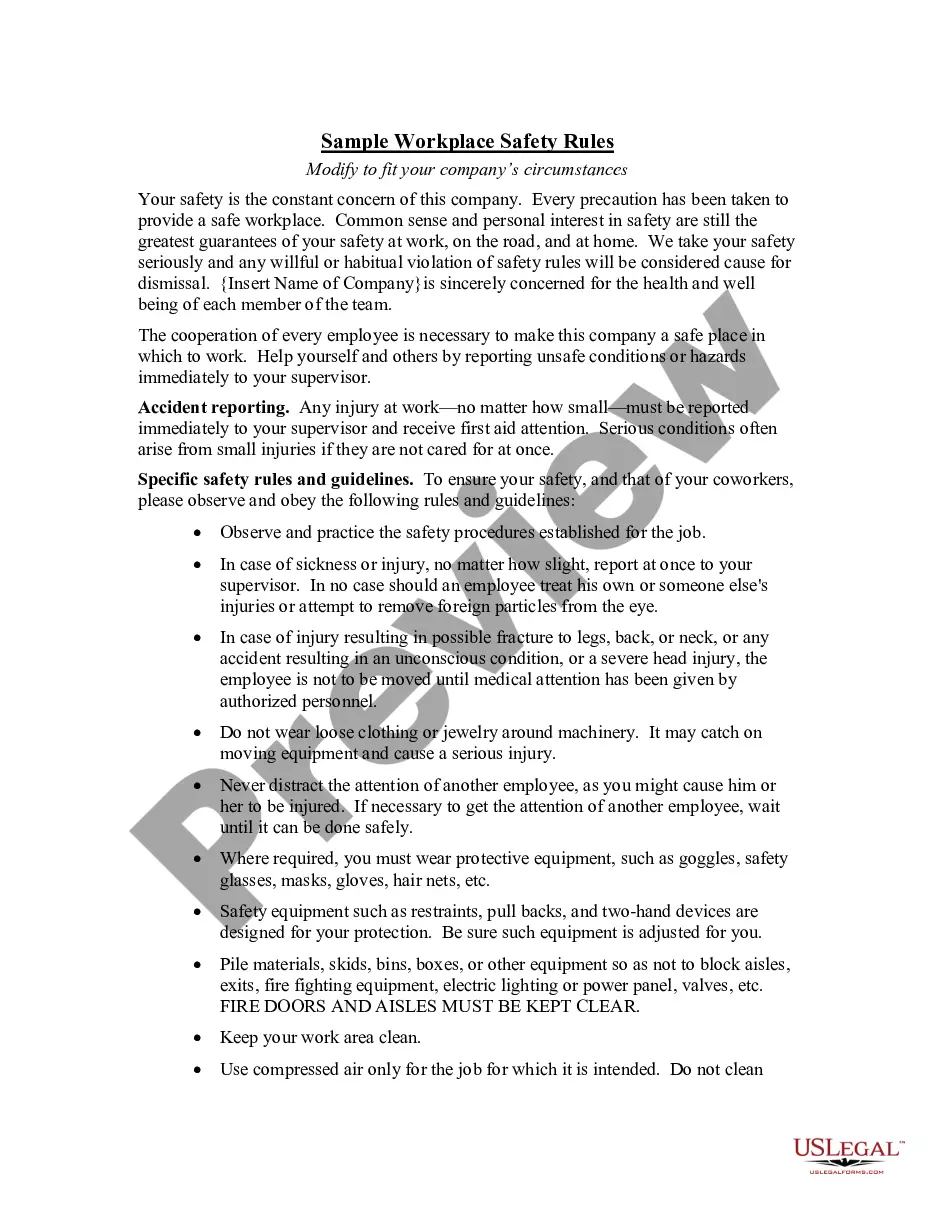
Description
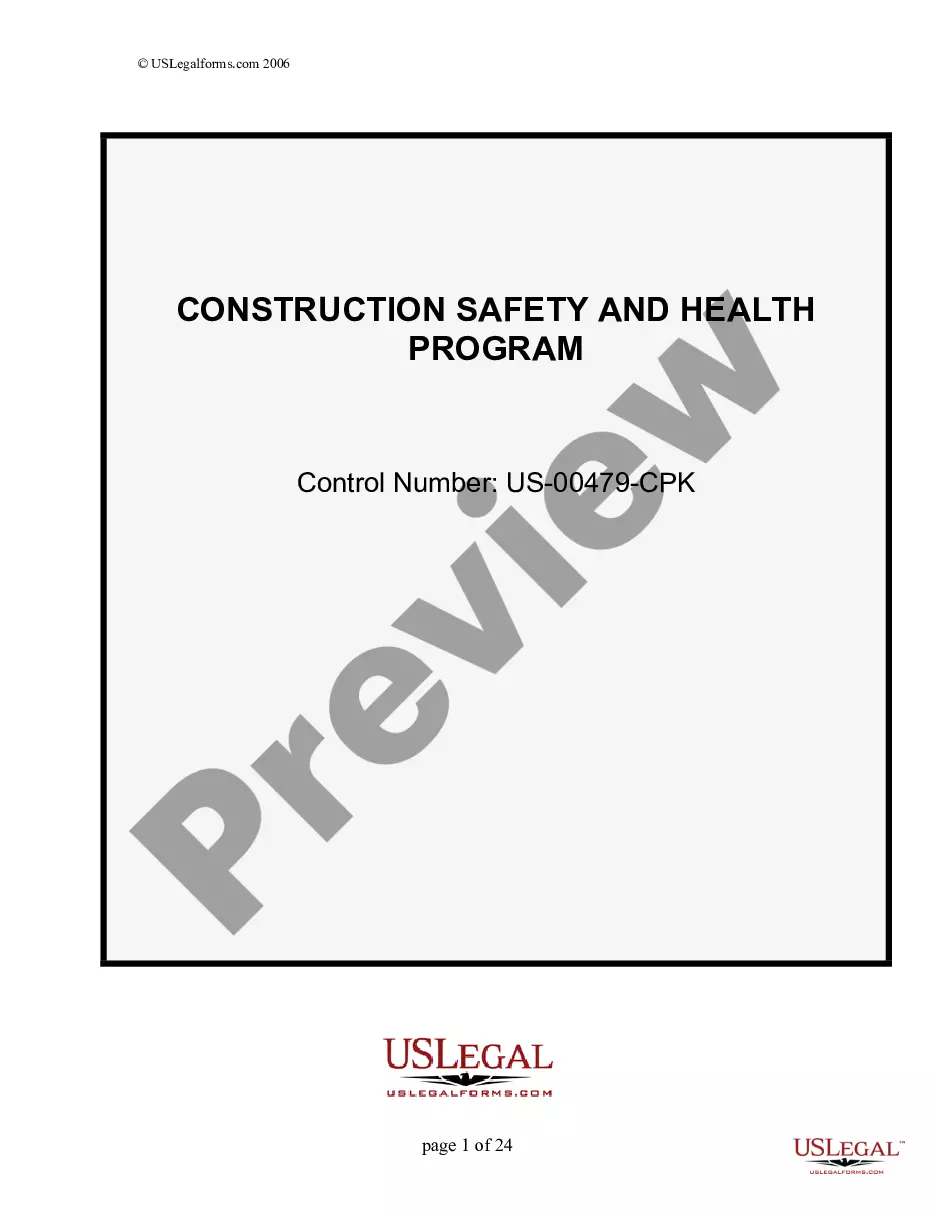
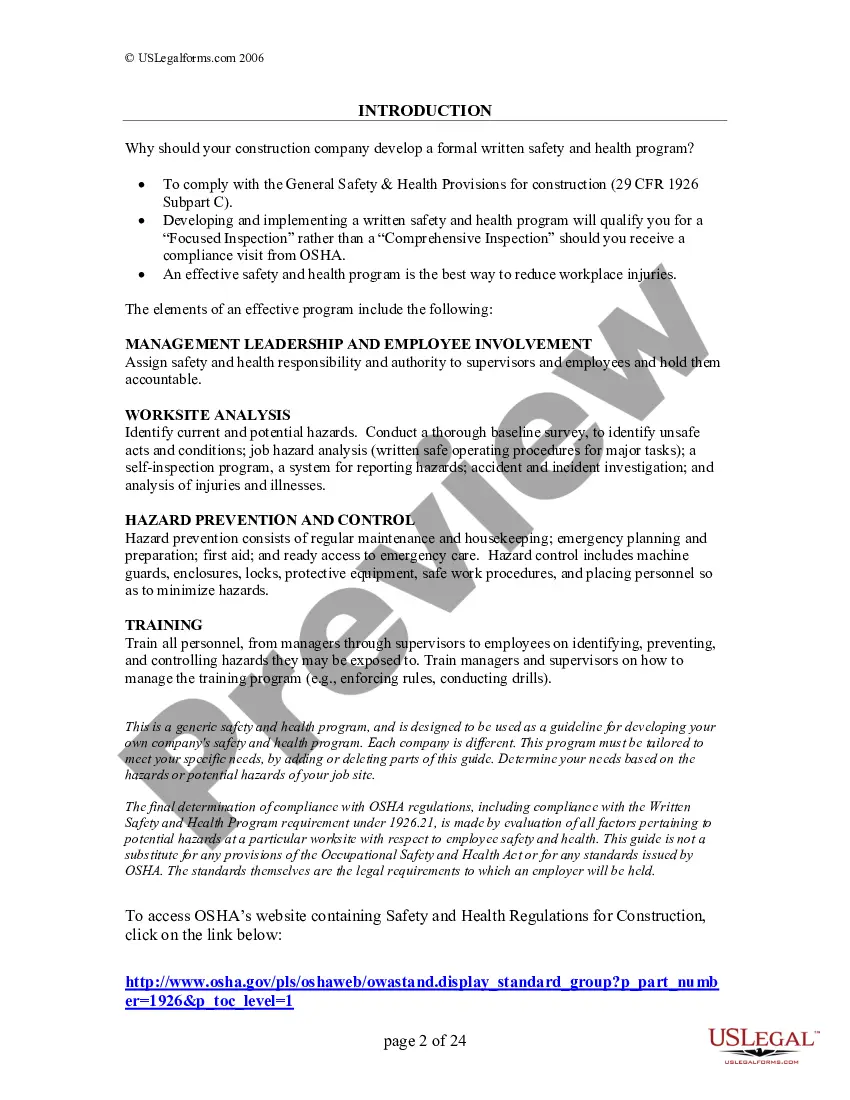
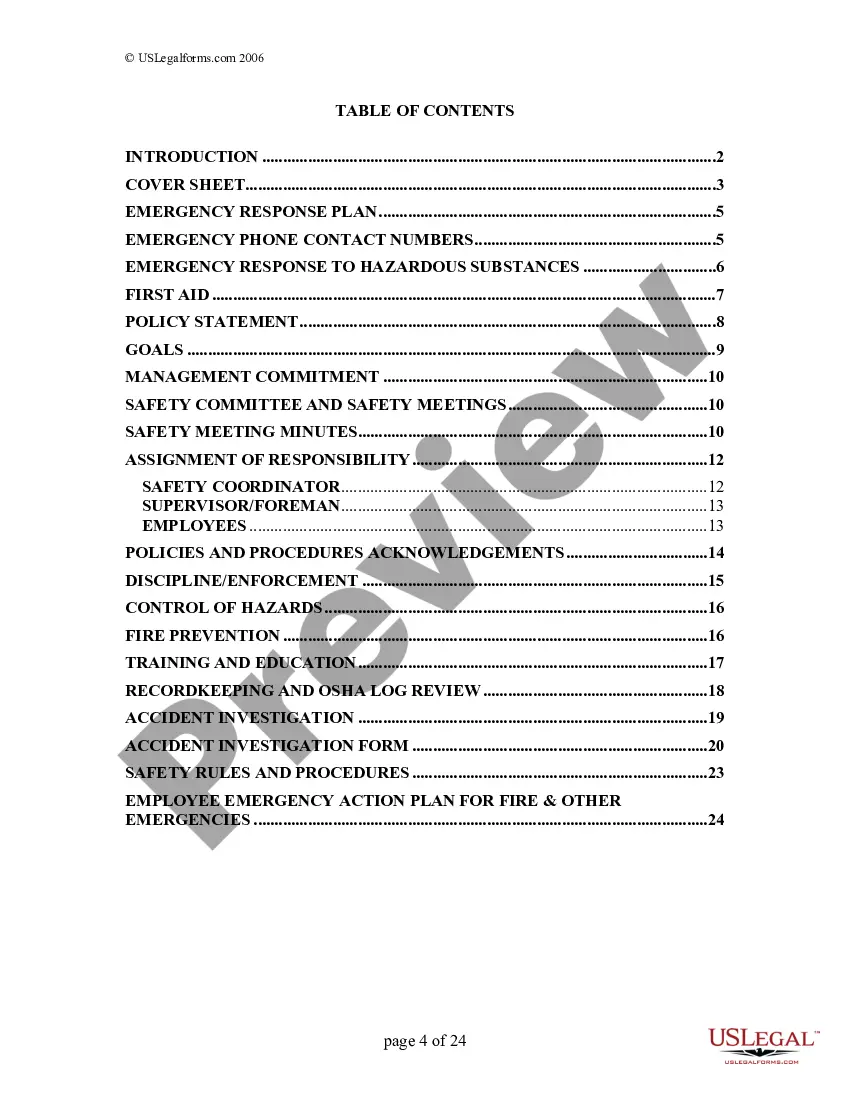

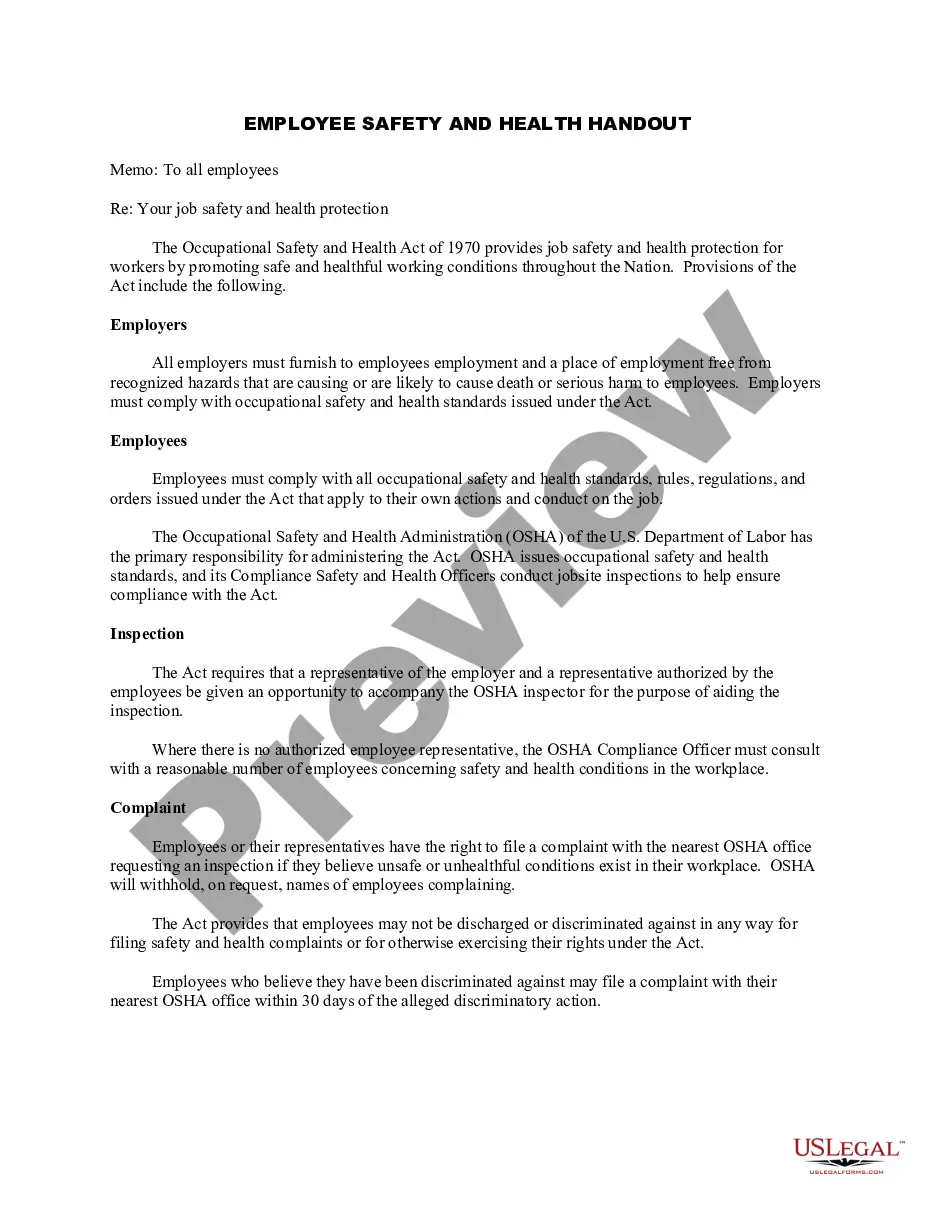
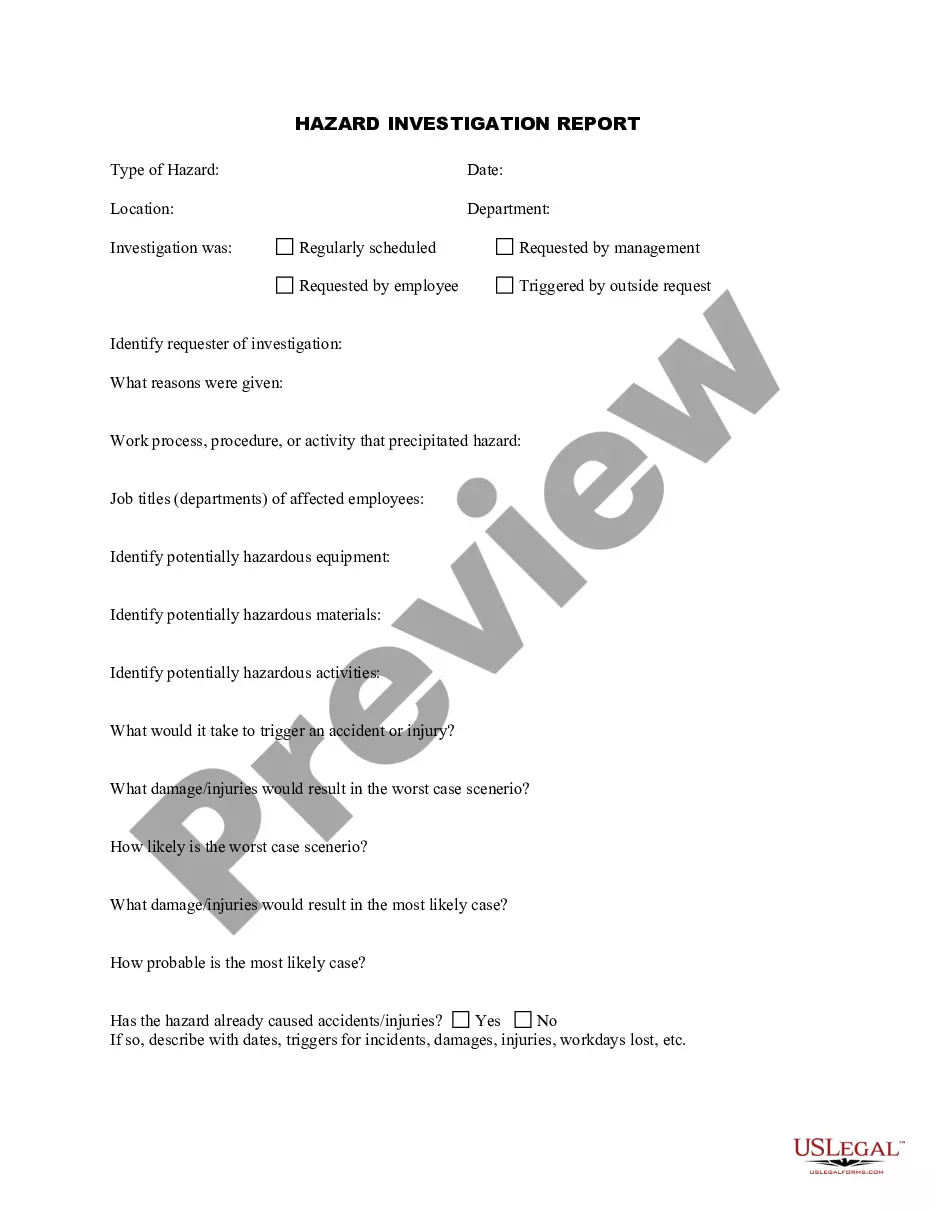
Get your form ready online
Our built-in tools help you complete, sign, share, and store your documents in one place.
Make edits, fill in missing information, and update formatting in US Legal Forms—just like you would in MS Word.
Download a copy, print it, send it by email, or mail it via USPS—whatever works best for your next step.
Sign and collect signatures with our SignNow integration. Send to multiple recipients, set reminders, and more. Go Premium to unlock E-Sign.
If this form requires notarization, complete it online through a secure video call—no need to meet a notary in person or wait for an appointment.
We protect your documents and personal data by following strict security and privacy standards.

Make edits, fill in missing information, and update formatting in US Legal Forms—just like you would in MS Word.

Download a copy, print it, send it by email, or mail it via USPS—whatever works best for your next step.

Sign and collect signatures with our SignNow integration. Send to multiple recipients, set reminders, and more. Go Premium to unlock E-Sign.

If this form requires notarization, complete it online through a secure video call—no need to meet a notary in person or wait for an appointment.

We protect your documents and personal data by following strict security and privacy standards.
Looking for another form?

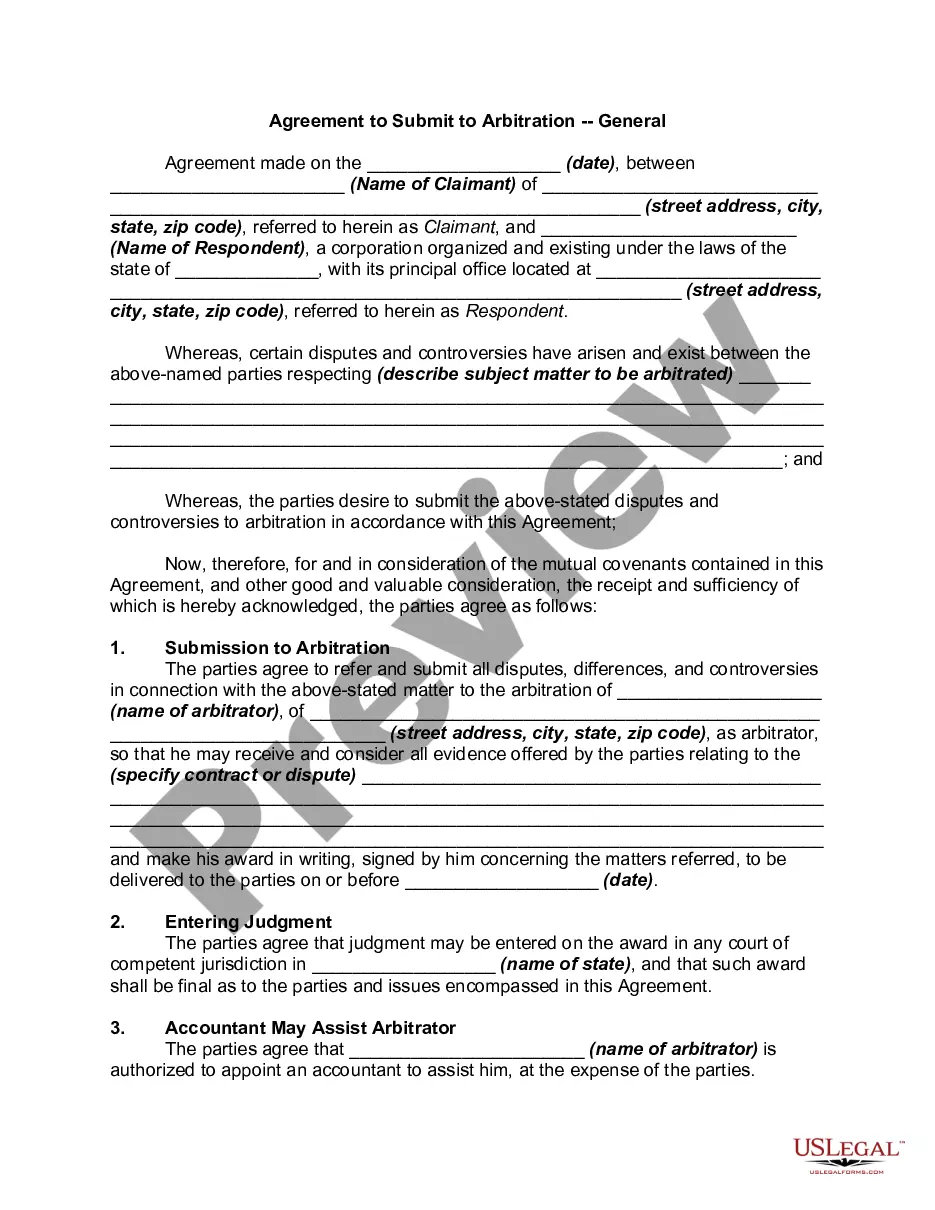



How to fill out Construction Safety And Health Plan?
Legal oversight can be daunting, even for the most skilled practitioners.
If you are seeking a Construction Security Plan and lack the time to spend on finding the correct and current version, the steps may be stressful.
US Legal Forms caters to any needs you may have, from personal to corporate documentation, all in a single location.
Make use of sophisticated tools to complete and manage your Construction Security Plan.
Here are the steps to follow after obtaining the necessary form: Validate that this is the correct document by previewing it and reviewing its details. Ensure that the sample is accepted in your state or county. Click Buy Now when you’re ready. Select a subscription option. Locate the format you require, then Download, complete, sign, print, and submit your documents. Enjoy the web repository provided by US Legal Forms, backed by 25 years of expertise and reliability. Streamline your document management today into a simple and intuitive process.
- Access a database of articles, guides, and manuals related to your issue and requirements.
- Conserve time and energy searching for the documents you need, and utilize US Legal Forms’ advanced search and Review tool to find the Construction Security Plan and retrieve it.
- If you have a membership, Log In to your US Legal Forms account, search for the form, and download it.
- Check the My documents section to access the documents you saved previously and to manage your folders as desired.
- If it's your first experience with US Legal Forms, create an account for full access to all features of the platform.
- Utilize a powerful online form repository to transform your approach to these scenarios successfully.
- US Legal Forms stands as a frontrunner in digital legal documents, offering over 85,000 state-specific legal forms available to you anytime.
- Gain access to state- or county-specific legal and corporate documents.
Form popularity
FAQ
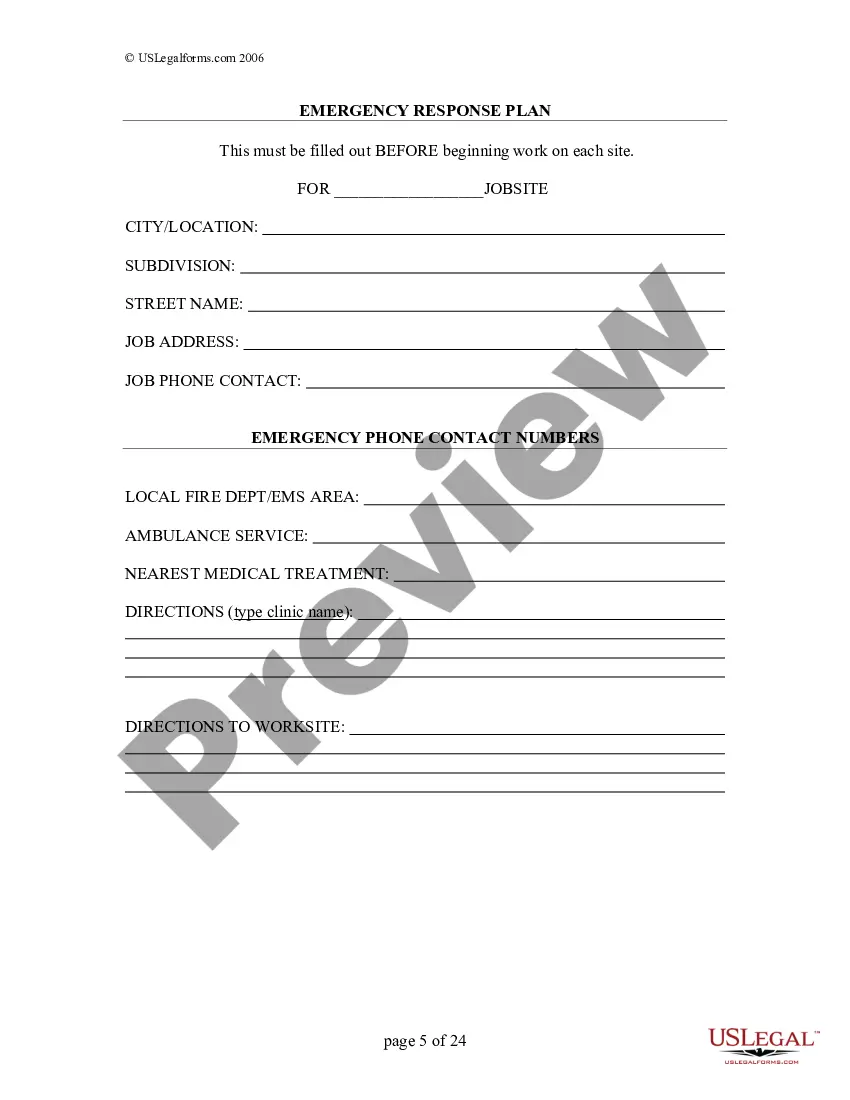
Writing a construction security plan involves defining your objectives, assessing risks, and outlining specific security measures. Include sections on access control, surveillance systems, and emergency procedures. It’s essential to tailor the plan to the unique aspects of your construction project, ensuring it addresses all potential threats effectively.
To draw a construction security plan, start by mapping out the entire construction site, marking all entry and exit points. Next, identify potential risks and vulnerable areas where security measures are necessary. Incorporate features like security cameras, lighting, and guard postings into the design, ensuring that each element supports the overall goal of enhancing safety on the site.
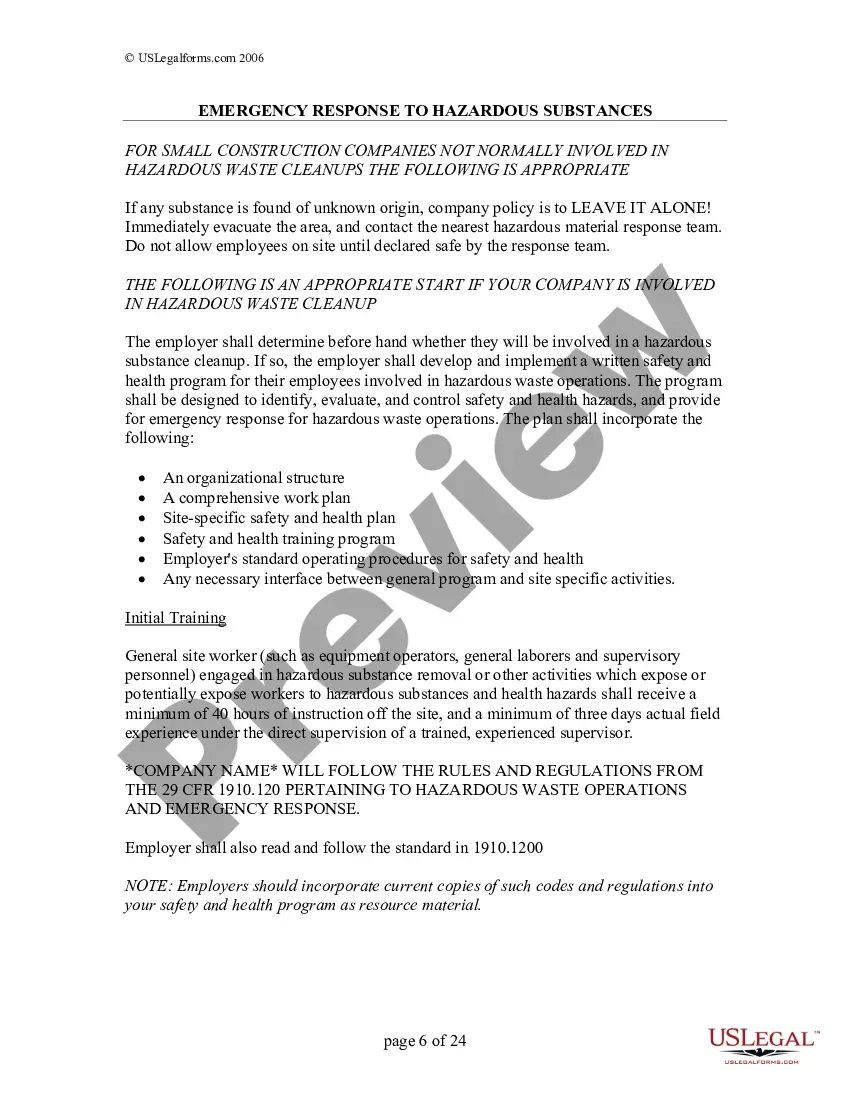
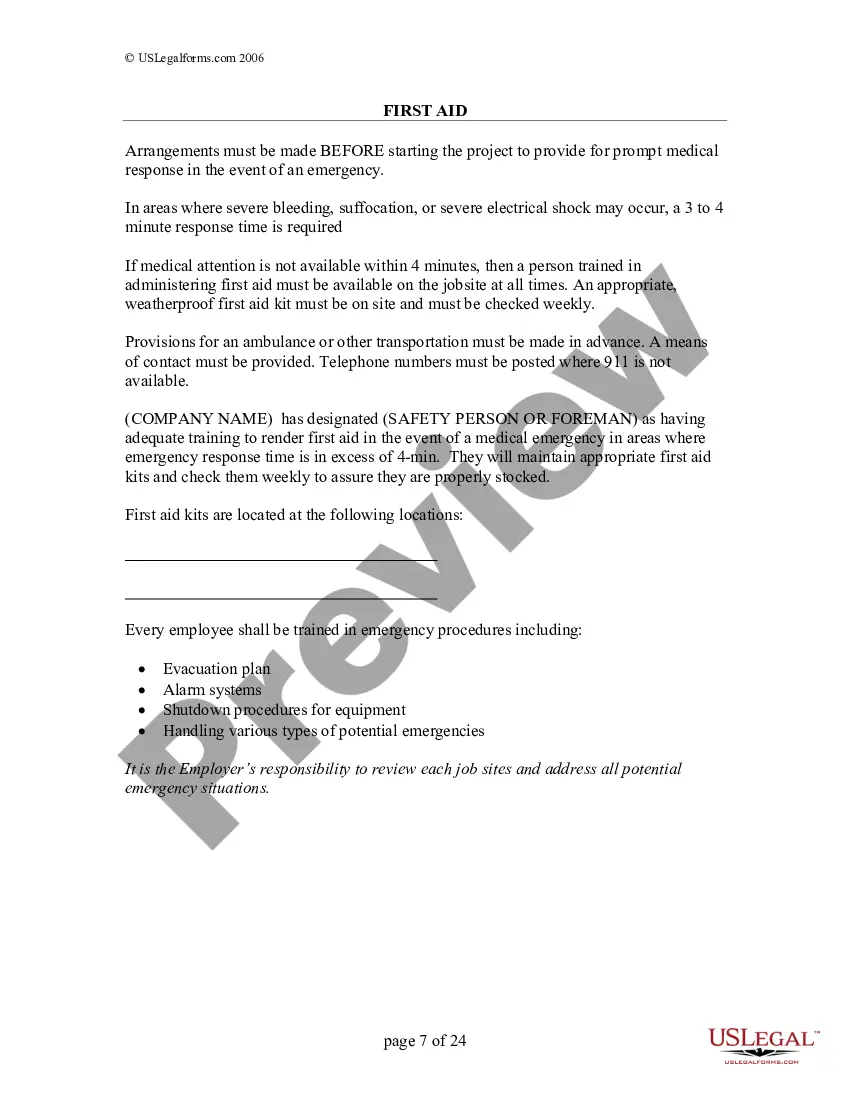
A construction security plan typically includes site access control measures, theft prevention strategies, and emergency response protocols. It outlines the responsibilities of security personnel and the equipment needed, such as cameras, alarms, and fencing. Additionally, the plan may detail training requirements for staff to ensure everyone understands their roles in maintaining site security.
The most common example of an Assignment of Mortgage is when a mortgage lender transfers/sells the mortgage to another lender. This can be done more than once until the balance is paid. The lender does not have to inform the borrower that the mortgage is being assigned to another party.
In North Carolina, you normally need a 20% down payment to obtain a mortgage. However, you may qualify for a low- or zero-down-payment loan option.
The minimum credit score for an FHA loan is 500. For a conventional loan, it is 620. Down payments for FHA loans are 3.5%, at least.
Most lenders are looking for a minimum score of 620 in order to approve you for a conventional mortgage. Higher credit scores will earn you a better interest rate. For instance, a score around 740 will get you the best interest rate available.
Choose an Ideal Location. Calculate Mortgage Rates. Prepare Down Payment Requirements. Get Pre-Approved for a Mortgage. Conduct a Home Inspection. Close Your Mortgage Loan. Frequently Asked Questions About Buying a Home in North Carolina.
An assignment of mortgage documents the transfer of a mortgage from an original lender or borrower to another person or entity. Lenders regularly sell mortgages to other lenders. Less often, a borrower transfers the mortgage to someone else who assumes the mortgage.
North Carolinians can often get into a house without saving up the traditional 20% of the house price you may have heard is necessary. Depending on your credit score, FHA loans require as little as 3.5% of the house price as a down payment. Some conventional loans may only require you to put 3% down.