Fixed Fee For Probate In Pennsylvania
Description


Get your form ready online
Our built-in tools help you complete, sign, share, and store your documents in one place.
Make edits, fill in missing information, and update formatting in US Legal Forms—just like you would in MS Word.
Download a copy, print it, send it by email, or mail it via USPS—whatever works best for your next step.
Sign and collect signatures with our SignNow integration. Send to multiple recipients, set reminders, and more. Go Premium to unlock E-Sign.
If this form requires notarization, complete it online through a secure video call—no need to meet a notary in person or wait for an appointment.
We protect your documents and personal data by following strict security and privacy standards.

Make edits, fill in missing information, and update formatting in US Legal Forms—just like you would in MS Word.

Download a copy, print it, send it by email, or mail it via USPS—whatever works best for your next step.

Sign and collect signatures with our SignNow integration. Send to multiple recipients, set reminders, and more. Go Premium to unlock E-Sign.

If this form requires notarization, complete it online through a secure video call—no need to meet a notary in person or wait for an appointment.

We protect your documents and personal data by following strict security and privacy standards.
Looking for another form?





Form popularity
FAQ
In Pennsylvania, you can use a summary probate procedure when estates are worth less than $50,000 (not including funeral costs, real estate and allowable family payments).
In Pennsylvania, you are not required to hire a lawyer for probate, but the process can be complex and time-consuming. To ensure all your legal bases are covered and required petitions and forms are filed in a timely manner, seeking the counsel of experienced probate and estate lawyers can be extremely helpful.
Non-Probate Assets Joint bank accounts. Joint brokerage accounts. Real estate held in joint tenancy. Vehicles held in joint ownership.
Designating beneficiaries on financial accounts, like bank accounts and retirement plans, is also a smart move. By naming beneficiaries, these accounts can transfer directly to them upon your passing, bypassing probate. In Pennsylvania, an estate needs to go through probate if it's worth more than $50,000.
In some cases, certain assets may be transferred directly to the beneficiary without going through probate. This can include assets with designated beneficiaries, such as life insurance policies, retirement accounts, or payable-on-death (POD) accounts.
In Pennsylvania, you can use a summary probate procedure when estates are worth less than $50,000 (not including funeral costs, real estate and allowable family payments).
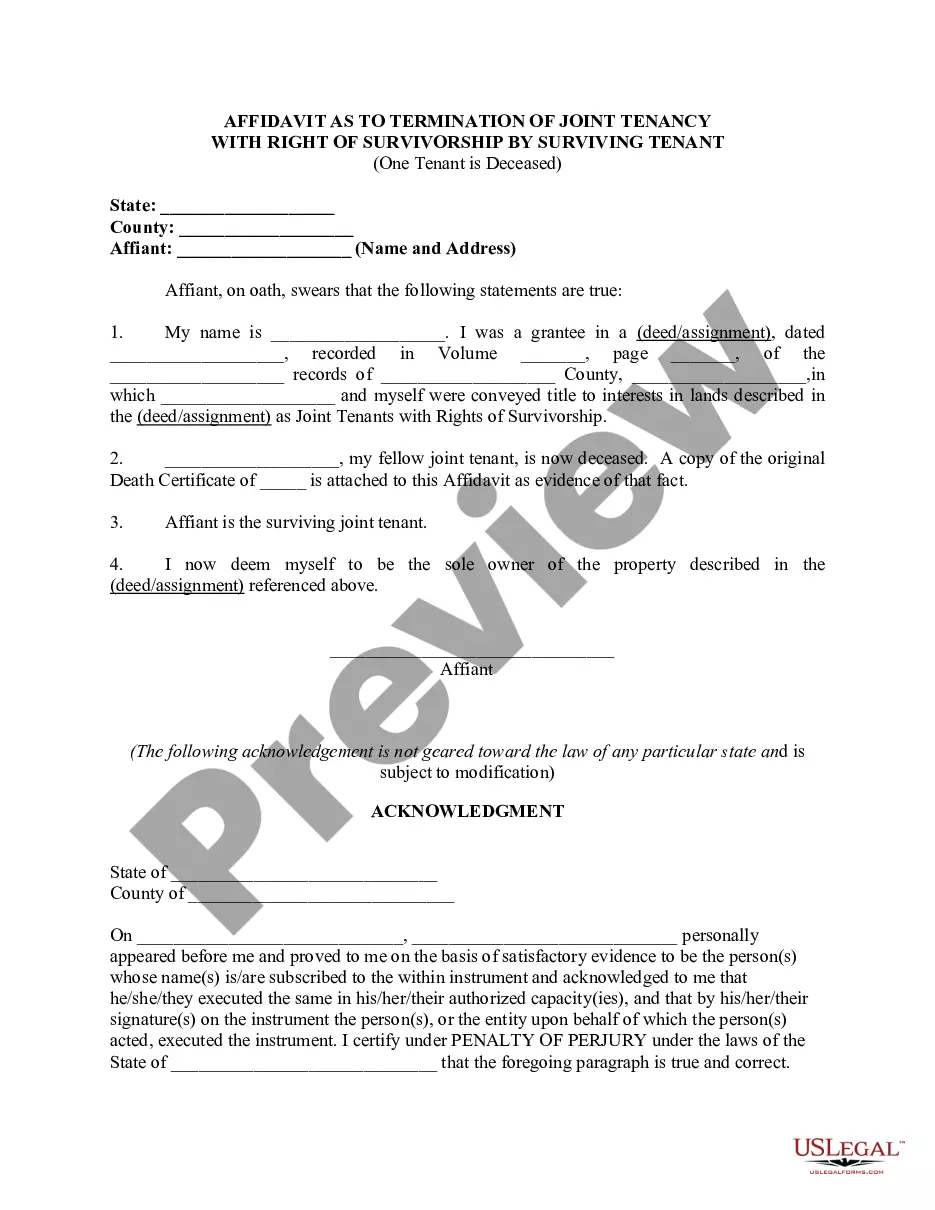
A common example of a non-probate asset is a family home that is owned by two people (such as a husband and wife) in Joint Tenancy with Right of Survivorship (JTWROS). When a home or other property is owned in this way, the property automatically becomes the property of the surviving owner when the other owner dies.
