Lump Sum Construction Contract Example
Description


Get your form ready online
Our built-in tools help you complete, sign, share, and store your documents in one place.
Make edits, fill in missing information, and update formatting in US Legal Forms—just like you would in MS Word.
Download a copy, print it, send it by email, or mail it via USPS—whatever works best for your next step.
Sign and collect signatures with our SignNow integration. Send to multiple recipients, set reminders, and more. Go Premium to unlock E-Sign.
If this form requires notarization, complete it online through a secure video call—no need to meet a notary in person or wait for an appointment.
We protect your documents and personal data by following strict security and privacy standards.

Make edits, fill in missing information, and update formatting in US Legal Forms—just like you would in MS Word.

Download a copy, print it, send it by email, or mail it via USPS—whatever works best for your next step.

Sign and collect signatures with our SignNow integration. Send to multiple recipients, set reminders, and more. Go Premium to unlock E-Sign.

If this form requires notarization, complete it online through a secure video call—no need to meet a notary in person or wait for an appointment.

We protect your documents and personal data by following strict security and privacy standards.
Looking for another form?
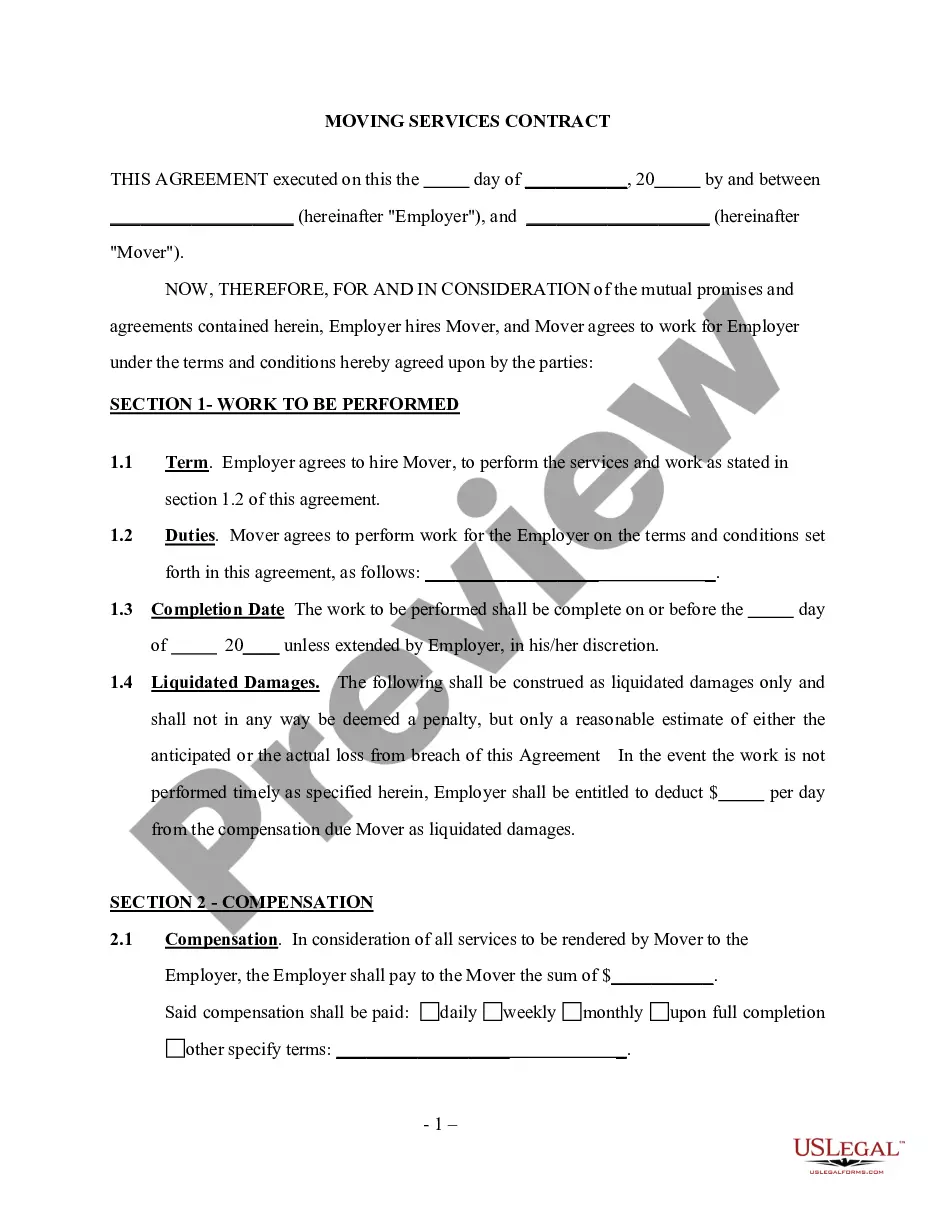
How to fill out Construction Contract For Home - Fixed Fee Or Cost Plus?
The Lump Sum Construction Agreement Example you observe on this page is a versatile official template crafted by expert attorneys in accordance with federal and state laws.
For over 25 years, US Legal Forms has supplied individuals, businesses, and legal professionals with more than 85,000 authenticated, state-specific documents for any commercial and personal situation. It’s the fastest, easiest, and most reliable method to acquire the materials you need, as the service provides the utmost level of data protection and anti-malware security.
Sign up for US Legal Forms to have verified legal templates for all of life's circumstances at your fingertips.
- Browse for the file you require and assess it.
- Examine the sample you searched for and preview it or check the document description to ensure it suits your requirements. If it doesn’t, use the search feature to discover the right one. Click Buy Now when you have found the template you need.
- Subscribe and Log In.
- Choose the payment plan that works for you and create an account. Utilize PayPal or a credit card to make a quick payment. If you already possess an account, Log In and review your subscription to proceed.
- Obtain the editable template.
- Pick the format you desire for your Lump Sum Construction Contract Example (PDF, Word, RTF) and download the sample onto your device.
- Complete and sign the documentation.
- Print the template to fill it out manually. Alternatively, use an online multi-functional PDF editor to quickly and accurately complete and sign your form with a valid signature.
- Redownload your documents.
- Utilize the same file again whenever necessary. Access the My documents tab in your profile to redownload any previously purchased documents.
Form popularity
FAQ
The same evidence may be too prejudicial in one case but not another. For example, evidence that white defendant was a racist who belonged to a white supremacy group would be excluded in most cases, but admitted if relevant to prove his motive for killing an African-American man.
401. Evidence is relevant if: (a) it has any tendency to make a fact more or less probable than it would be without the evidence; and (b) the fact is of consequence in determining the action.
The court may exclude relevant evidence if its probative value is substantially outweighed by a danger of one or more of the following: unfair prejudice, confusing the issues, misleading the jury, undue delay, wasting time, or needlessly presenting cumulative evidence.
Rule 404. Character Evidence Not Admissible To Prove Conduct; Exceptions; Other Crimes | New Hampshire Judicial Branch.
Pursuant to Rule 403, evidence will be deemed inadmissible (even if relevant) if its probative value is substantially outweighed by ?the danger of unfair prejudice, confusing the issue[], misleading the jury, undue delay, wasting time,? or the unnecessary presentation of cumulative evidence. Fed. R. Evid.
Appeal from Administrative Agency. (1) The supreme court may, in its discretion, decline to accept an appeal, or any question raised therein, from an order of an administrative agency, or may summarily dispose of such an appeal, or any question raised therein, as provided in Rule 25.
Interlocutory Transfer without Ruling. (1) The supreme court may, in its discretion, decline to accept an interlocutory transfer of a question of law without ruling by a trial court or by an administrative agency.