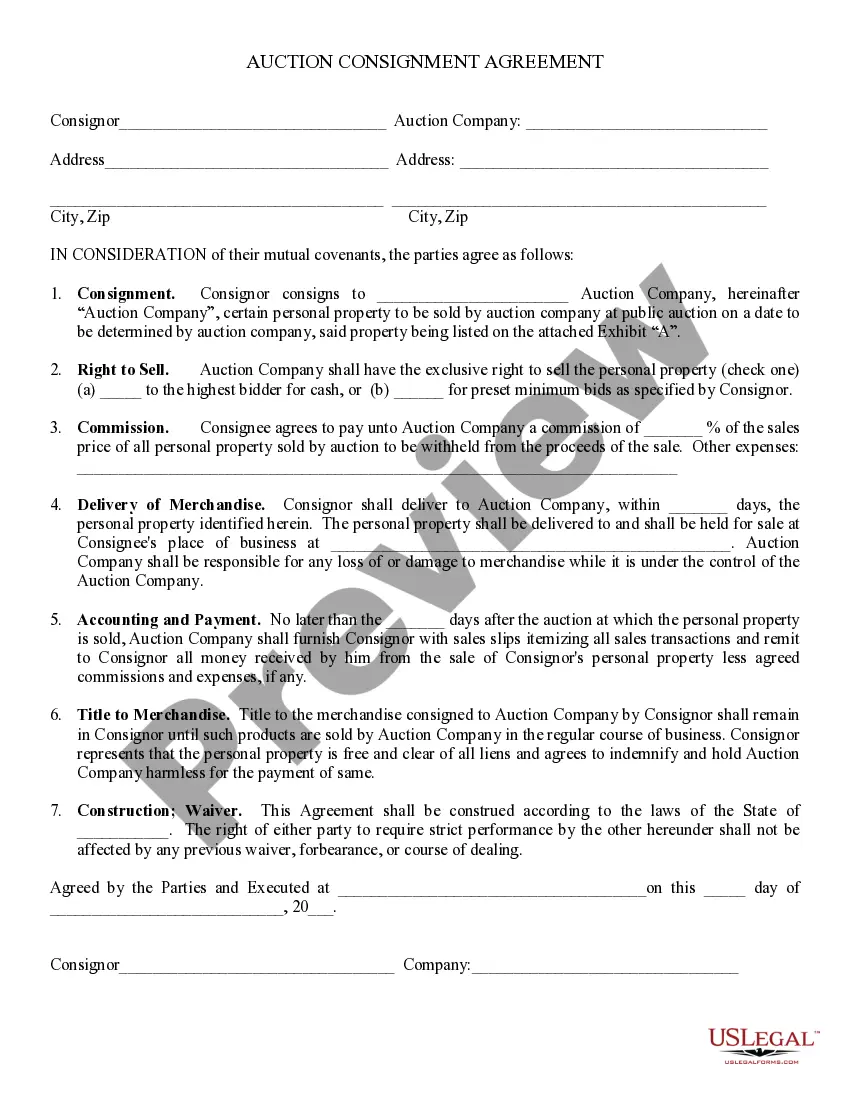
Consignment Form Template For Gta In Suffolk
Description

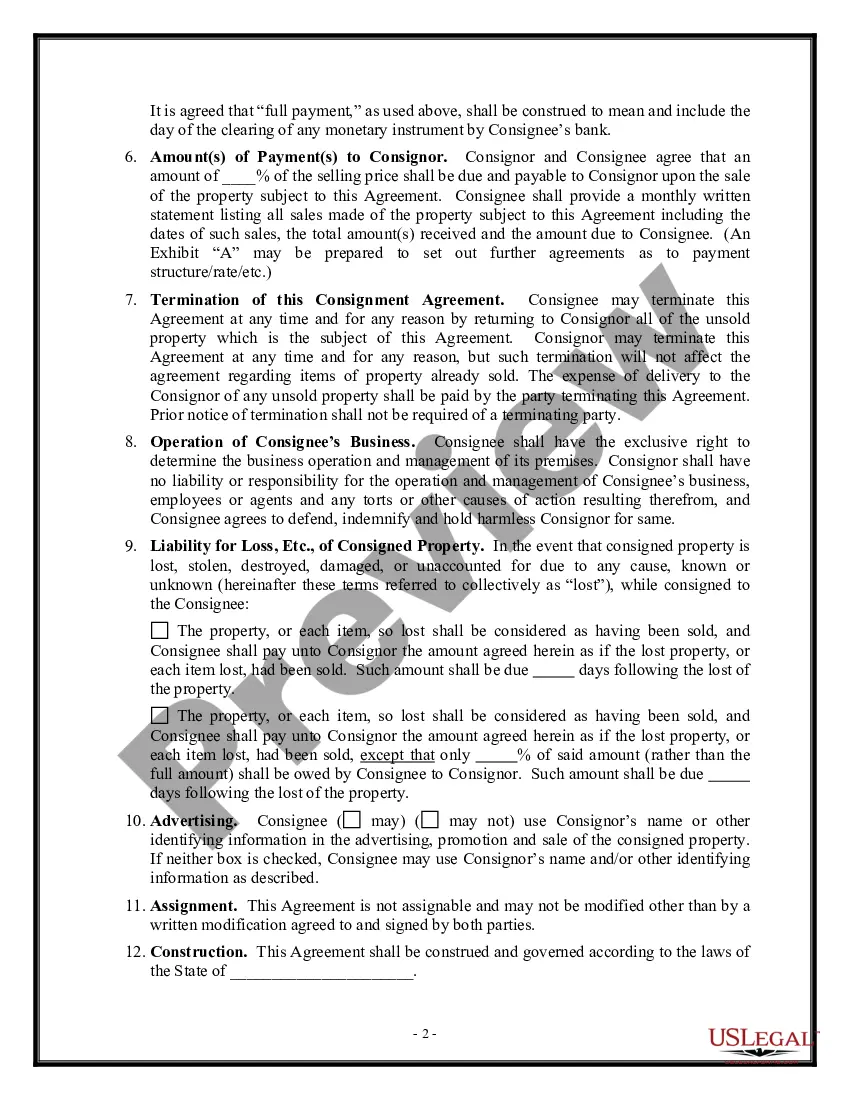
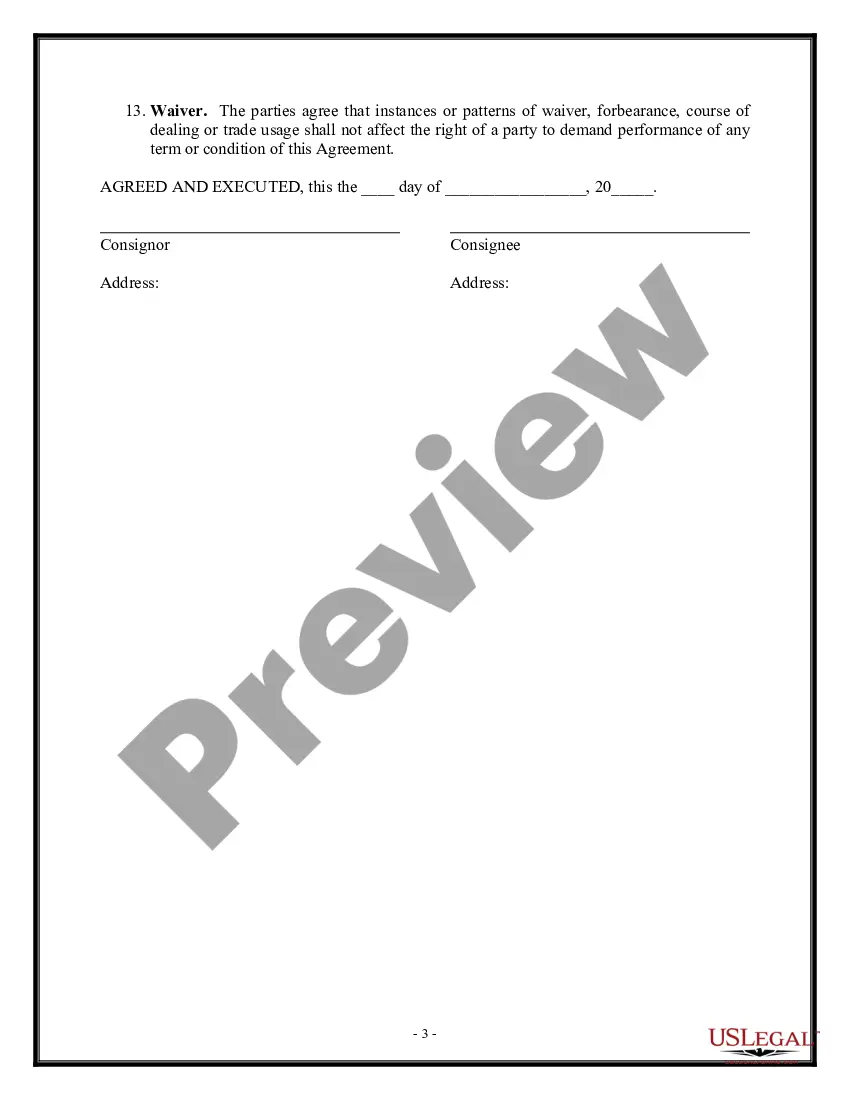
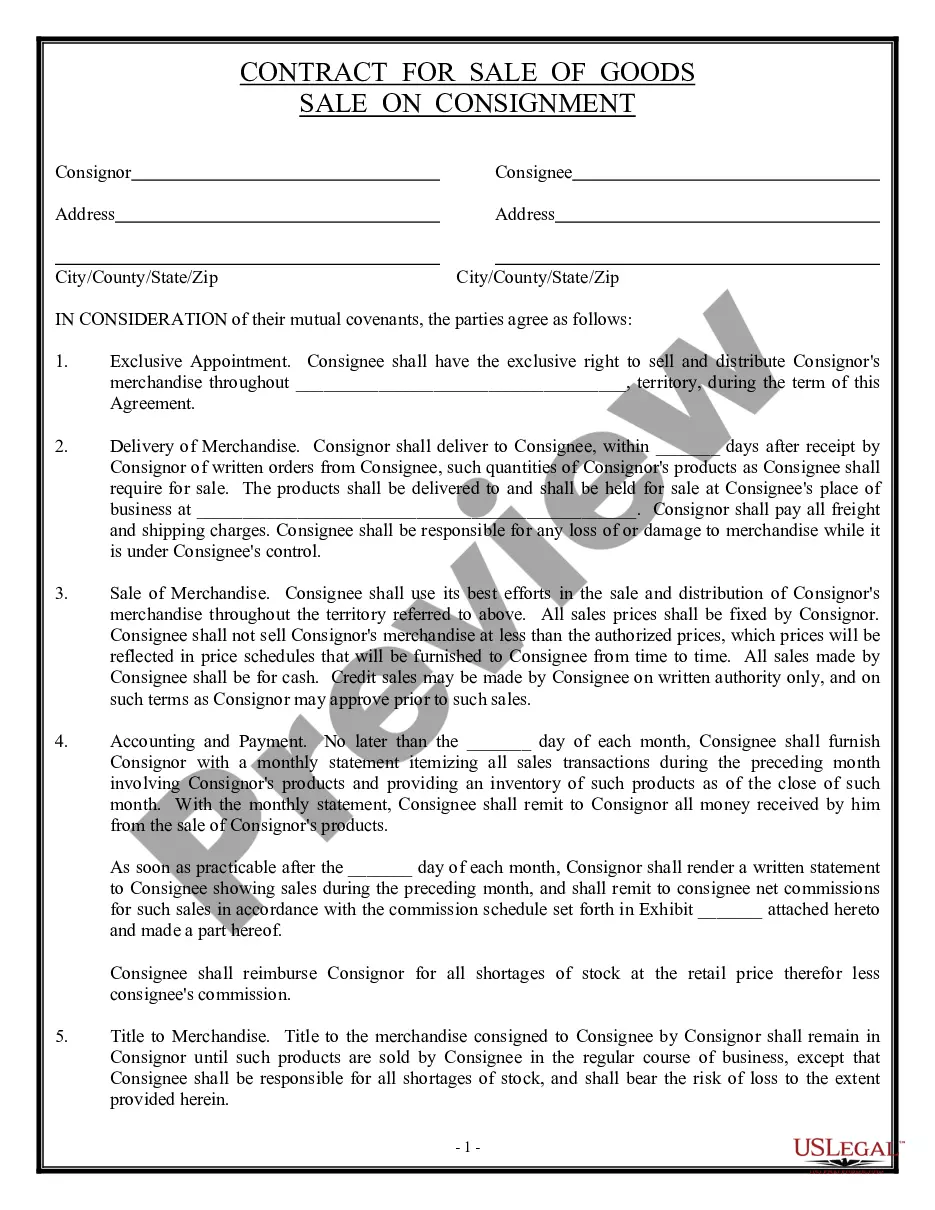
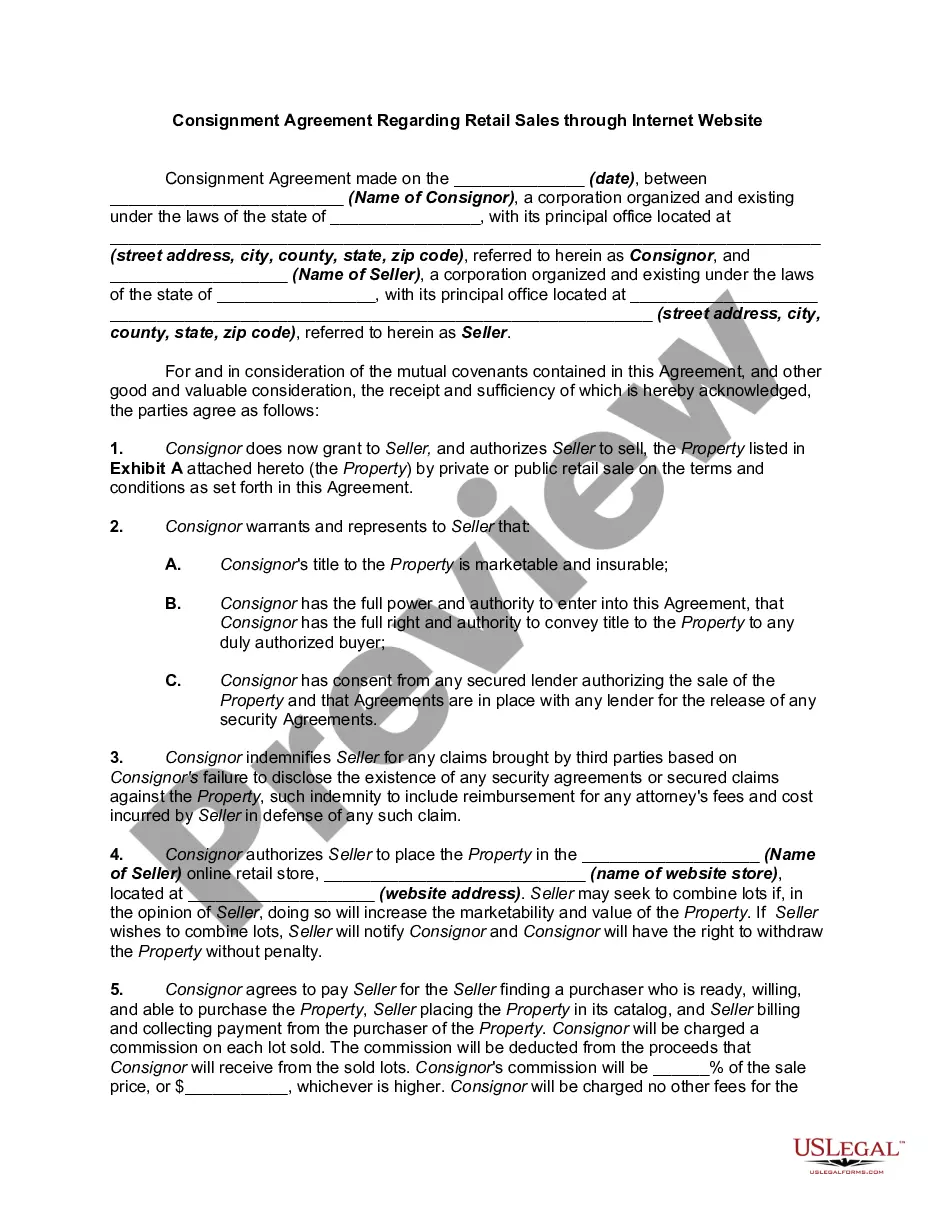
Get your form ready online
Our built-in tools help you complete, sign, share, and store your documents in one place.
Make edits, fill in missing information, and update formatting in US Legal Forms—just like you would in MS Word.
Download a copy, print it, send it by email, or mail it via USPS—whatever works best for your next step.
Sign and collect signatures with our SignNow integration. Send to multiple recipients, set reminders, and more. Go Premium to unlock E-Sign.
If this form requires notarization, complete it online through a secure video call—no need to meet a notary in person or wait for an appointment.
We protect your documents and personal data by following strict security and privacy standards.

Make edits, fill in missing information, and update formatting in US Legal Forms—just like you would in MS Word.

Download a copy, print it, send it by email, or mail it via USPS—whatever works best for your next step.

Sign and collect signatures with our SignNow integration. Send to multiple recipients, set reminders, and more. Go Premium to unlock E-Sign.

If this form requires notarization, complete it online through a secure video call—no need to meet a notary in person or wait for an appointment.

We protect your documents and personal data by following strict security and privacy standards.
Looking for another form?

Form popularity
FAQ
Goods held on consignment are included in the inventory of the supplier (consignor), not the retailer (consignee).
This kind of arrangement is called Consignment. Definition. The contract or an agreement of sending several goods by the producers or manufacturers of a place to their agents for the sale is known as a consignment. Types of Consignment. Outward Consignment. Inward Consignment. Consignment Processing. Sale. Features of a Sale.
Now that you know what consignment is, here's how to calculate consignment inventory. Step 1: Establish a Listing of Your Inventory of Consignment Products. Step 2: Subtract the Seller's or Shipper's Portion of the Consignment Product Sold. Step 3: Update the Inventory After the Sale.
Recording goods sent on consignment. Once the goods are shipped to the retailer, the supplier still owns them, so they don't go into the retailer's inventory. Instead, the supplier records them in their books under consignment inventory, keeping them separate from their regular stock.
Consignment in accountancy is related to goods that are kept with an authorized third party who is called a consignee. This consignee is responsible for selling the goods on the behalf of the consignor. While the consignee sells the good in consignment, the ownership of the goods is retained by the consignor.
While rates will vary from one consignment agreement to another, the industry average is around 60% for the product owner/maker and 40% for the shop owner. Keep in mind that it is possible for the consignor to negotiate even more favorable terms than those outlined above.
What are Consignment Sales? Consignment sales are a trade agreement in which one party (the consignor) provides goods to another party (the consignee) to sell. However, the consignee has the right to return unsold goods back to the consigner.
Here are the essential components to include: Parties Involved: Names and contact information of the consignor and the consignee. Consigned Goods: Detailed description of the goods being consigned, including quantities and specifications. Consignment Period: Duration of the consignment arrangement.
A consignment agreement is an agreement between a consignee and consignor for the storage, transfer, sale or resale and use of the commodity. The consignee may take goods from the consignment stock for use or resale subject to payment to the consignor agreeably to the terms bargained in the consignment agreement.
