Medical Information Released Without Consent In Illinois
Description

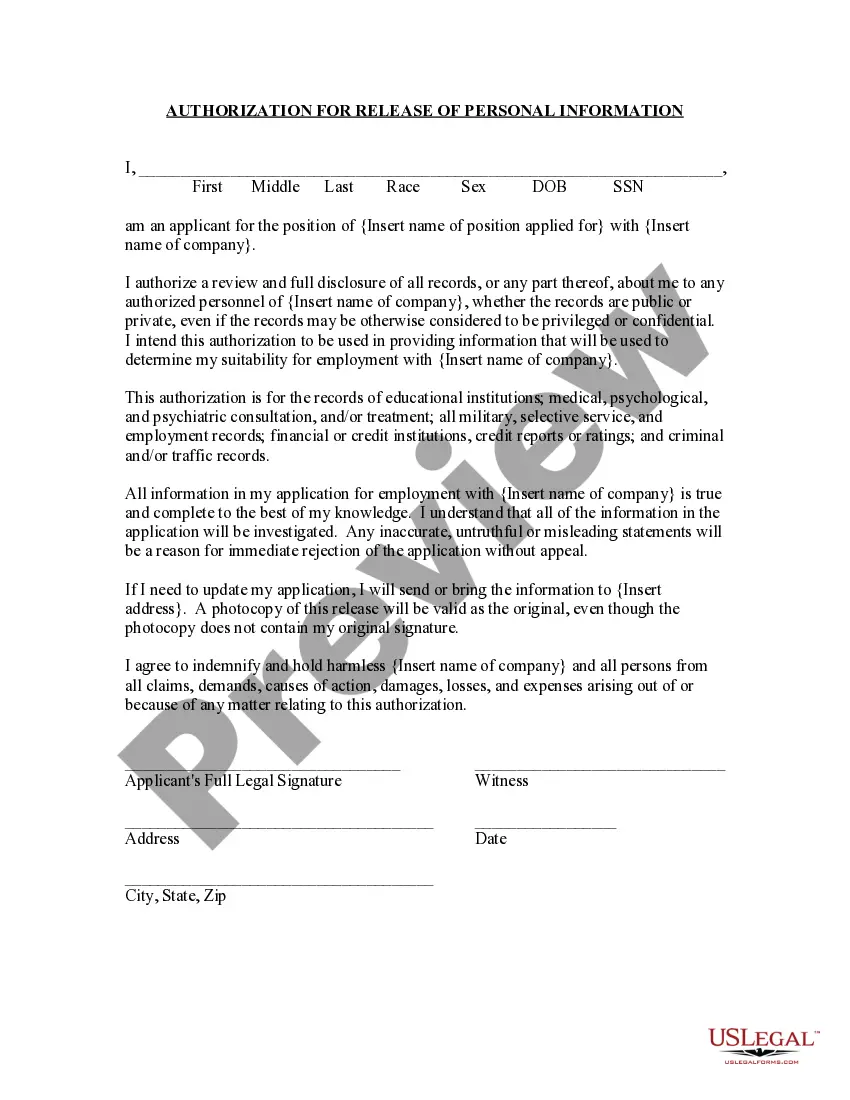
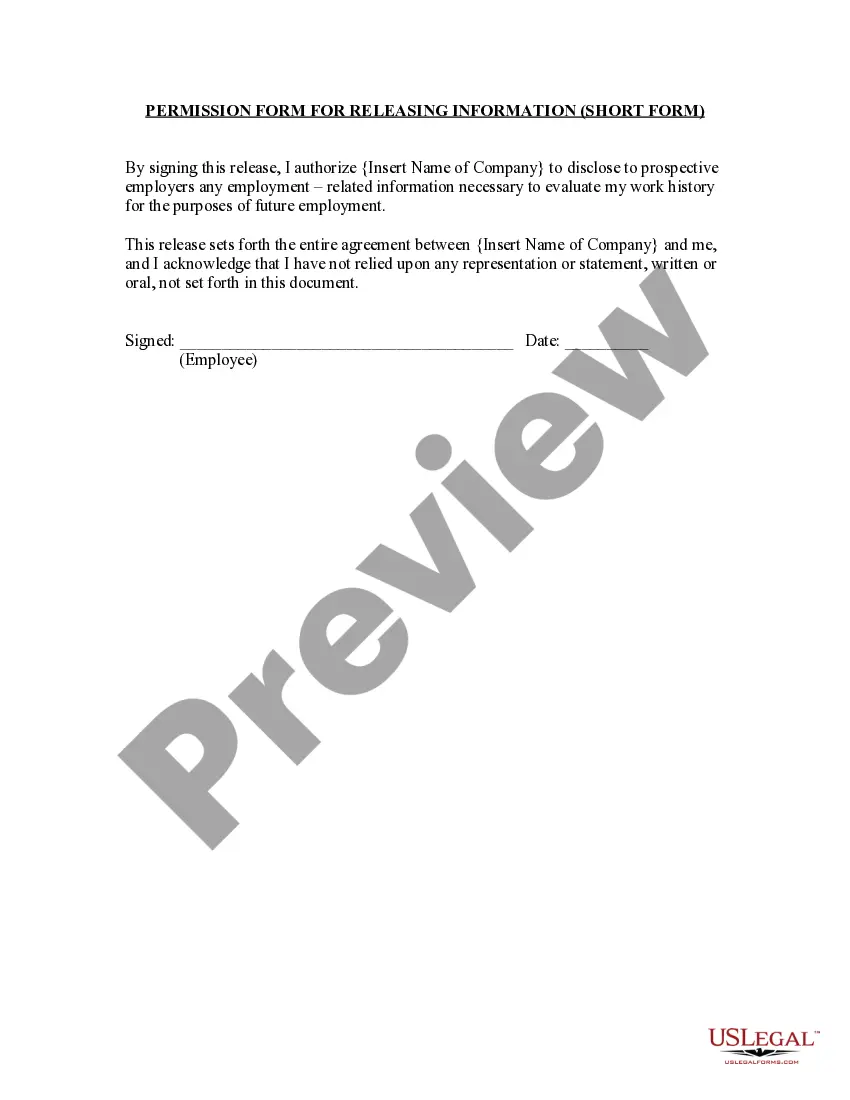
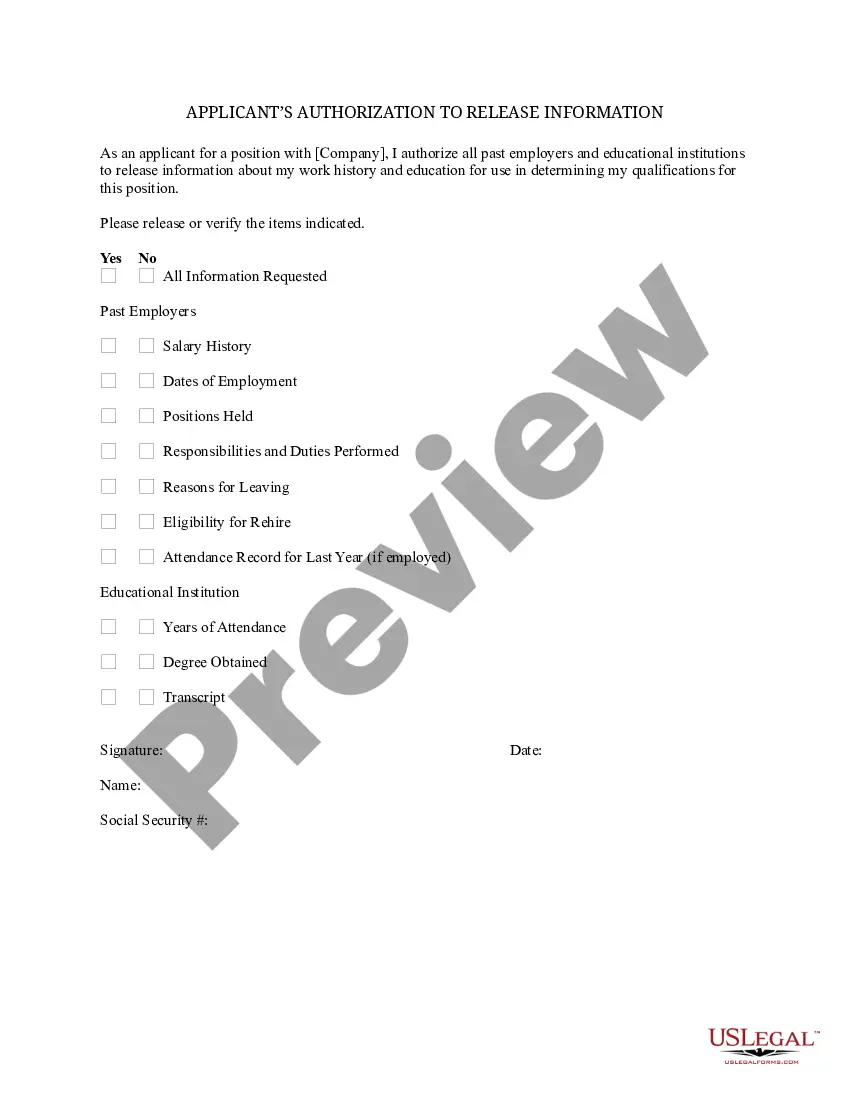
Get your form ready online
Our built-in tools help you complete, sign, share, and store your documents in one place.
Make edits, fill in missing information, and update formatting in US Legal Forms—just like you would in MS Word.
Download a copy, print it, send it by email, or mail it via USPS—whatever works best for your next step.
Sign and collect signatures with our SignNow integration. Send to multiple recipients, set reminders, and more. Go Premium to unlock E-Sign.
If this form requires notarization, complete it online through a secure video call—no need to meet a notary in person or wait for an appointment.
We protect your documents and personal data by following strict security and privacy standards.

Make edits, fill in missing information, and update formatting in US Legal Forms—just like you would in MS Word.

Download a copy, print it, send it by email, or mail it via USPS—whatever works best for your next step.

Sign and collect signatures with our SignNow integration. Send to multiple recipients, set reminders, and more. Go Premium to unlock E-Sign.

If this form requires notarization, complete it online through a secure video call—no need to meet a notary in person or wait for an appointment.

We protect your documents and personal data by following strict security and privacy standards.
Looking for another form?






Form popularity
FAQ
Illinois Requires Two-Party Consent to Record Private Conversations. Recording laws are largely governed at the state level. Most U.S. states are one-party consent jurisdictions, meaning that only one party to a conversation needs to give consent for a recording to be lawful.
Illinois law tries to reduce the risk of medical malpractice and complications with its informed consent law. The purpose of Illinois Informed Consent law is so that a doctor will disclose all information that a patient would find relevant in deciding whether to proceed with a surgical or other medical procedure.
What is the Local Records Act? The Local Records Act (50 ILCS 205), enacted in 1962, regulates the preservation and disposal of public records for all units of local government in Illinois.
With limited exceptions, the HIPAA Privacy Rule (the Privacy Rule) provides individuals with a legal, enforceable right to see and receive copies upon request of the information in their medical and other health records maintained by their health care providers and health plans.
Other states, including Illinois, then enacted “Tarasoff Laws” that permit or require reporting when there is a serious, credible threat to a specific, targeted individual.
Each physician, health care provider, health services corporation and insurance company shall refrain from disclosing the nature or details of services provided to patients, except that such information may be disclosed: (1) to the patient, (2) to the party making treatment decisions if the patient is incapable of ...
Under the Illinois Hospital Licensing Act, healthcare facilities must retain the medical records of every patient as per hospital policy and for at least ten years. This act implies that a subpoena for medical records in Illinois can go ten years back.
For example, under Illinois law, hospitals must keep medical records at least 10 years. There is no specific rule for how long doctors in Illinois must keep medical records. You have the right to see, get a copy of, and amend your medical record for as long as your health care provider has it.
The consent of at least one participant to a conversation is required before any recording can take place, unless such eavesdropping device is used on one's own premises for security or business purposes and notice is given to the public.
Under the Illinois Hospital Licensing Act, healthcare facilities must retain the medical records of every patient as per hospital policy and for at least ten years. This act implies that a subpoena for medical records in Illinois can go ten years back.

