Caregiver Form For Elderly In Orange
Description



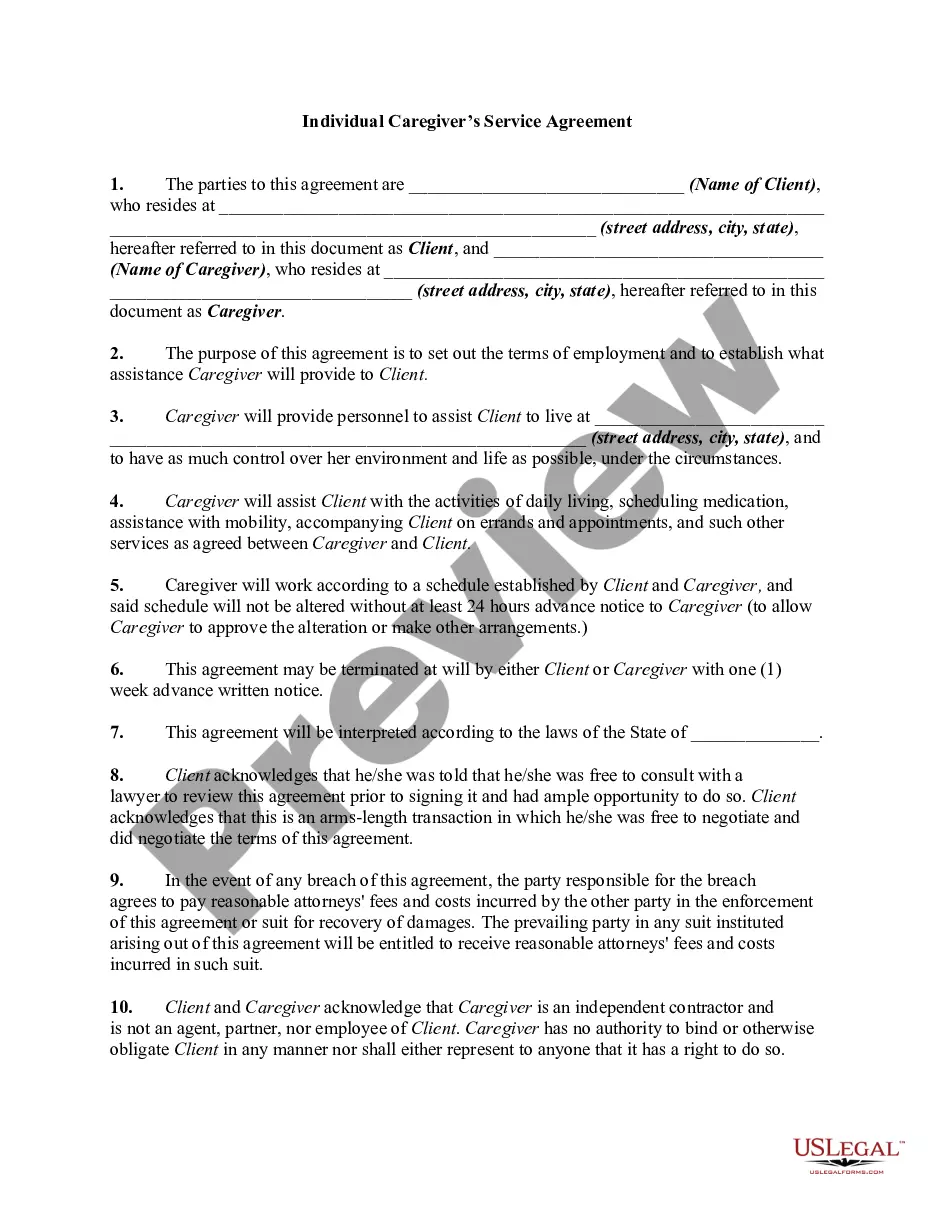





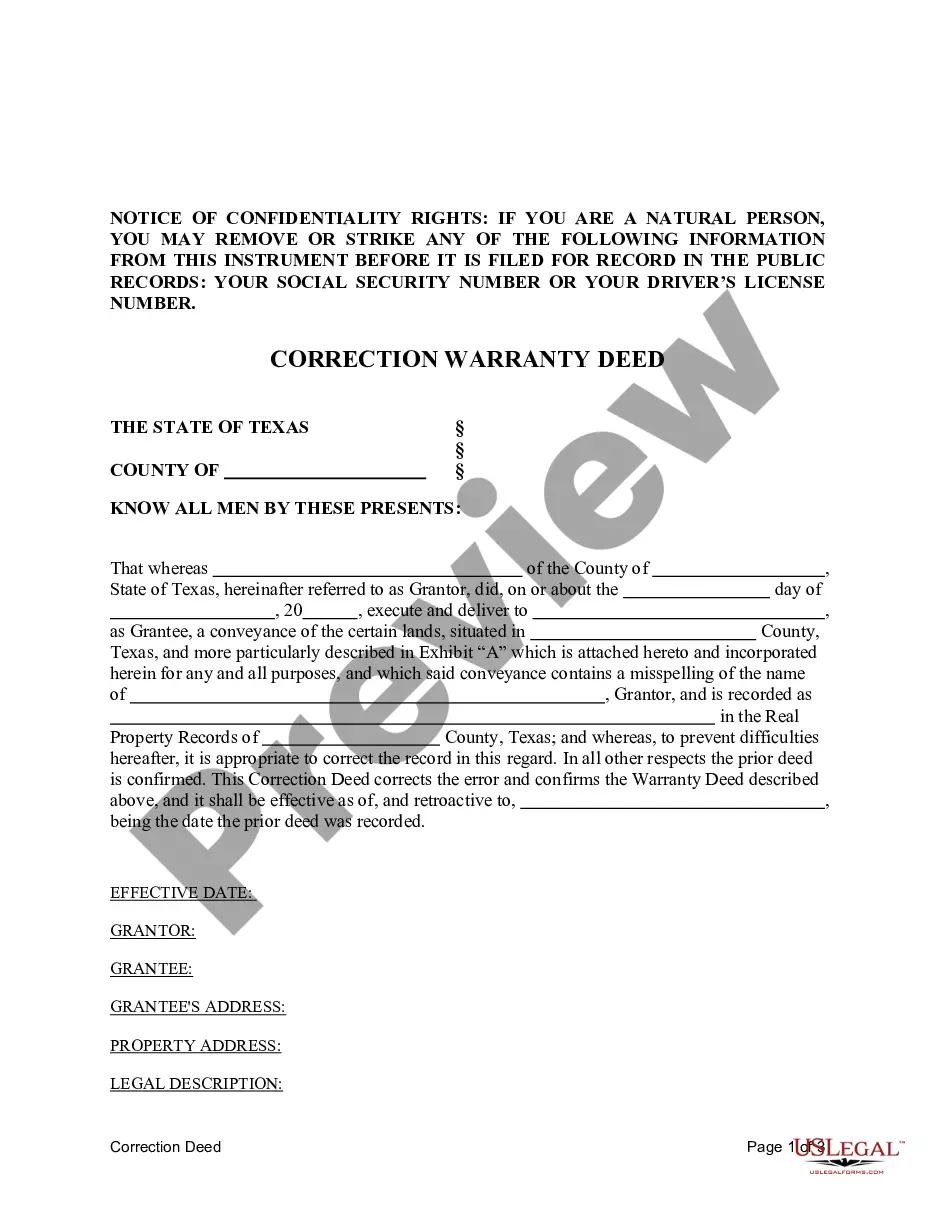
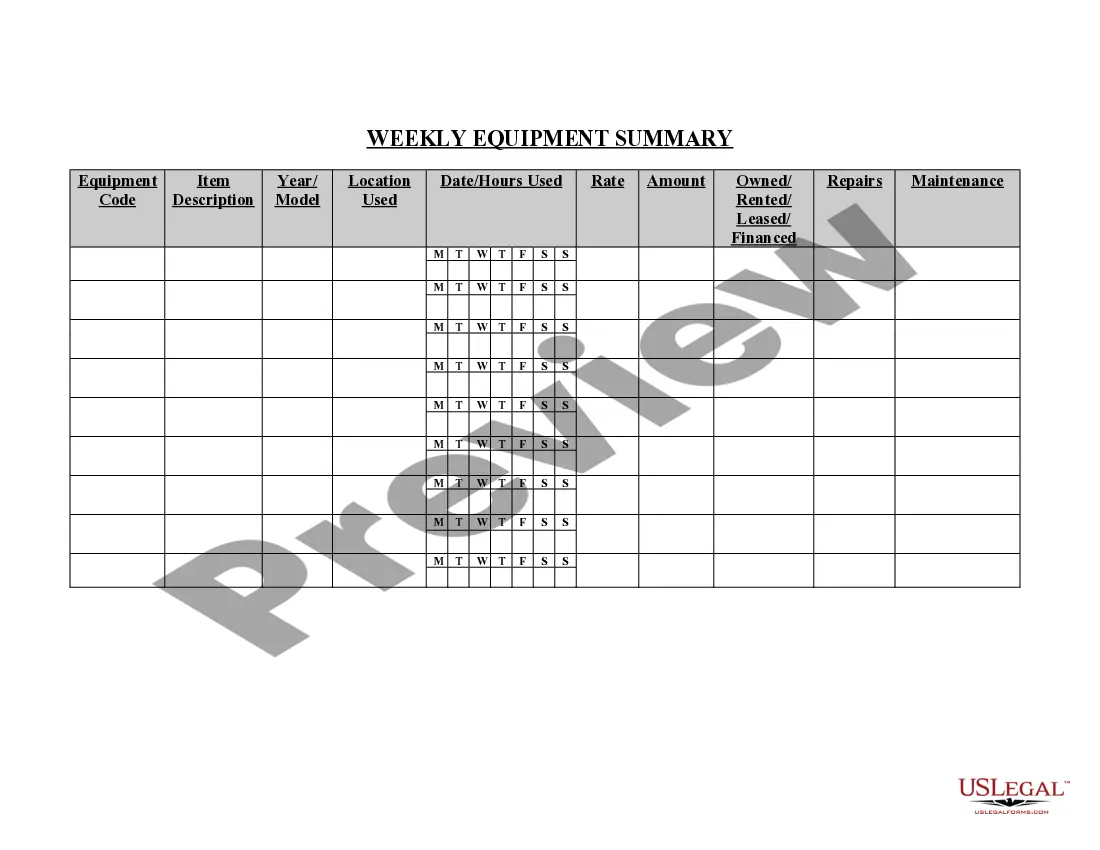
Form popularity
FAQ
In conclusion, there are 4 types of caregivers: family caregivers, professional caregivers, volunteer caregivers, and informal caregivers. Each caregiver faces unique challenges, including physical and emotional exhaustion, financial strain, and balancing personal and caregiving responsibilities.
4 legal documents every family caregiver needs A Will. A will is one of the most important legal documents that family caregivers should have. Advance Health Care Plan. Durable Power of Attorney for Health Care. Durable Power of Attorney for Finances.
Who is Eligible? To be eligible, a person must meet all of the following requirements: Be disabled, blind, or age 65 years or older. Be unable to live at home safely without help.
Best Practices for Caregiver Notes Use Standardized Formats. Document Observations & Actions Clearly. Maintain Objectivity & Avoid Personal Bias. Include Specifics for Follow-Up Actions. Regularly Review & Update Notes. Ensure Compliance With Regulations. Use Digital Tools for Efficient Data Management.
He is a caregiver for his autistic son. She is able to take care of her husband at home with the help of several caregivers. Unless you have been a caregiver or a close family member or friend to someone with Alzheimer's, it's hard to really understand what it's like.
You are seen and deeply appreciated. Thank you for all you are doing every day to help our loved one. Your caregiving for our loved one is extraordinary and will not be forgotten.
Orange County IHSS Public Authority Provider/Caregiver Services Must follow the application process. Attend Registry Orientation. Submit a complete application. Must be willing and able to provide personal care and perform domestic services. Must own an insured and dependable car. Must be able to speak/read/write English.
What to Include in a Checklist for Caregivers Name of caregiver on duty. Date the checklist is being used. Name of patients. Patient's morning, afternoon, and evening routines, such as: Taking medication and vital signs. Eating food and drinking water. Housekeeping tasks to do. Changes in patient's condition, if any.
“Thank you for the care and support you've provided to our loved one. The family was truly grateful for all that you do.” – The Family of M.M. “Thank you so much for the care that you gave our loved one.
