Agreement Between Partnership With Buyout Clause In Montgomery
Description

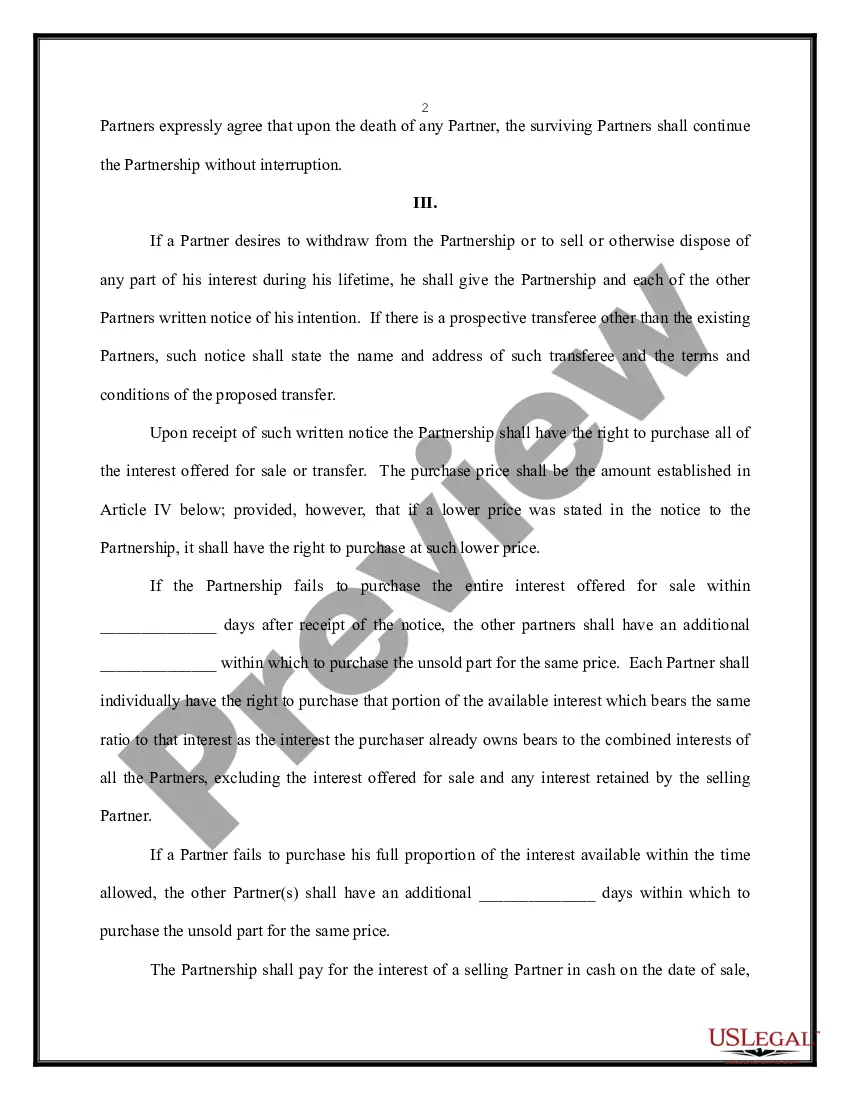
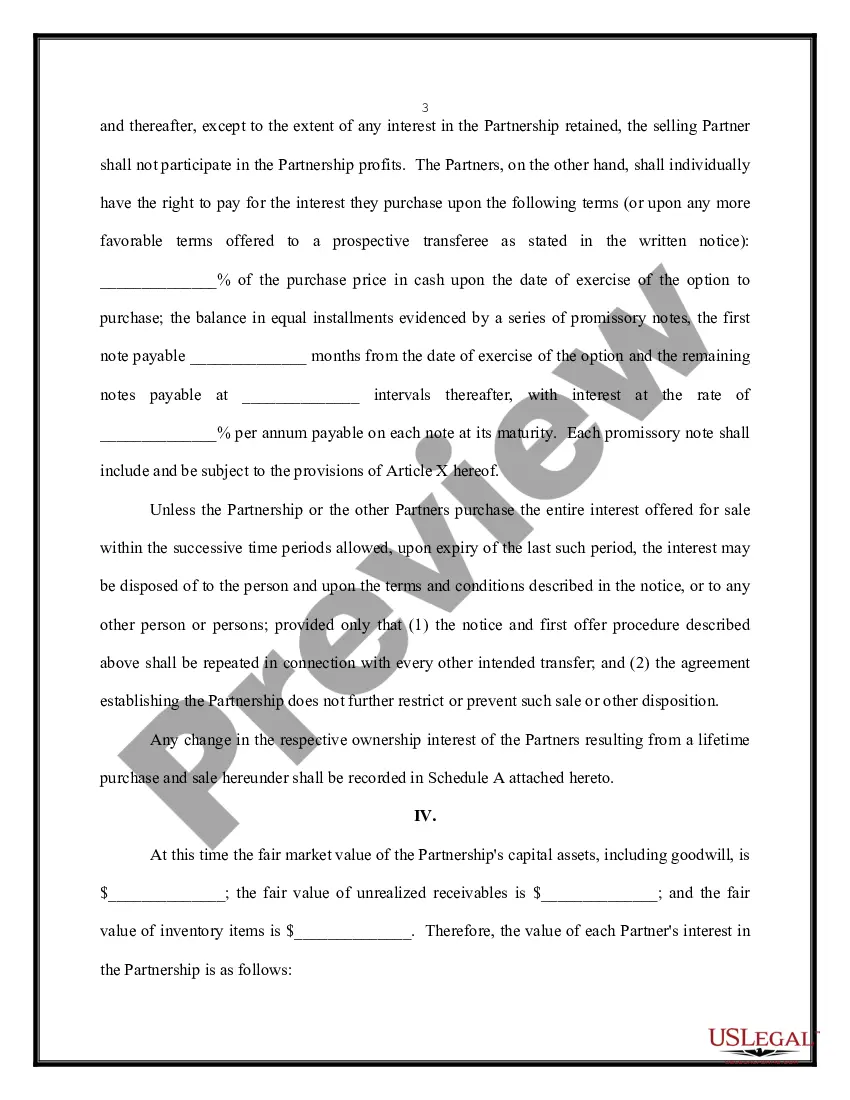
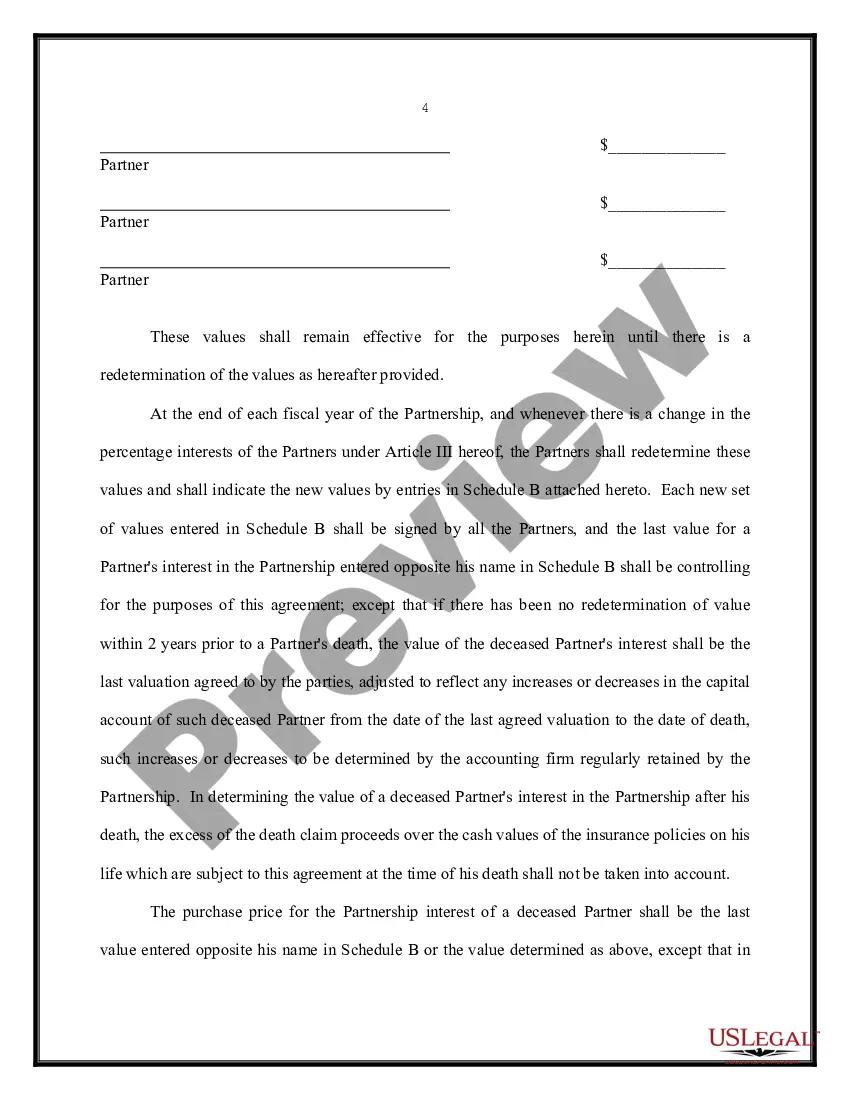
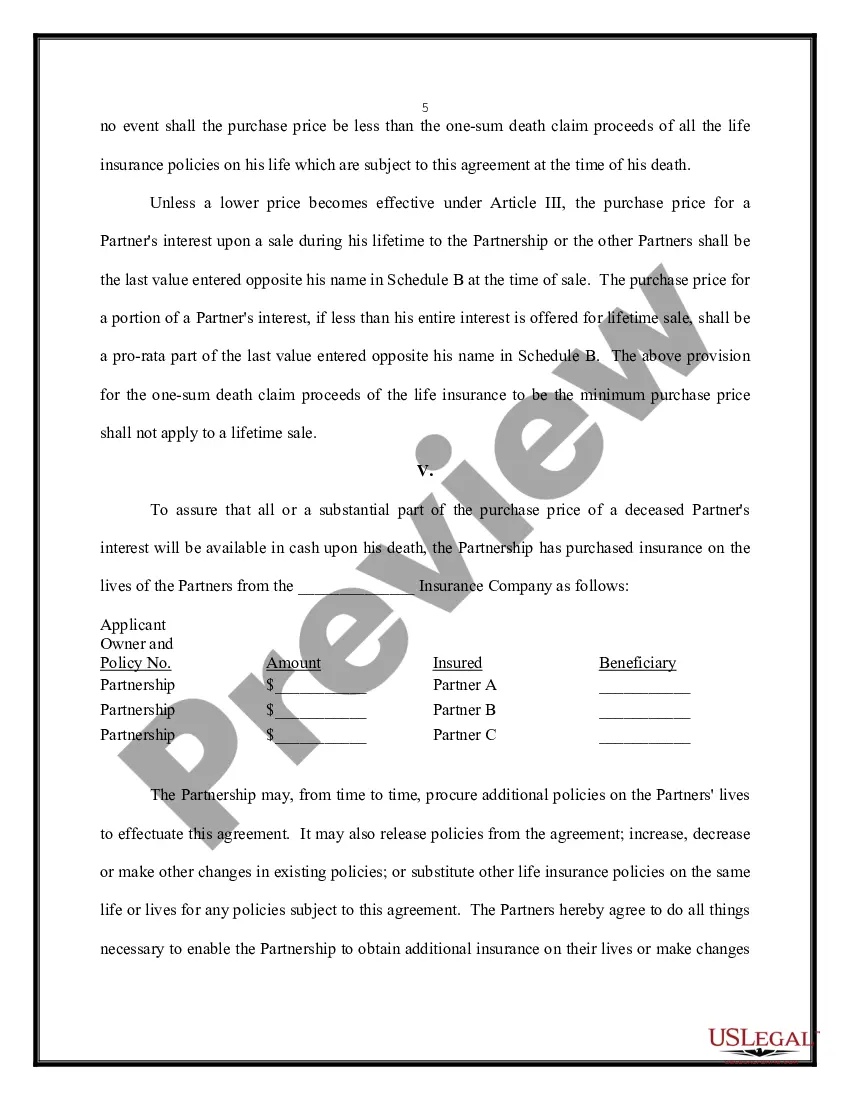
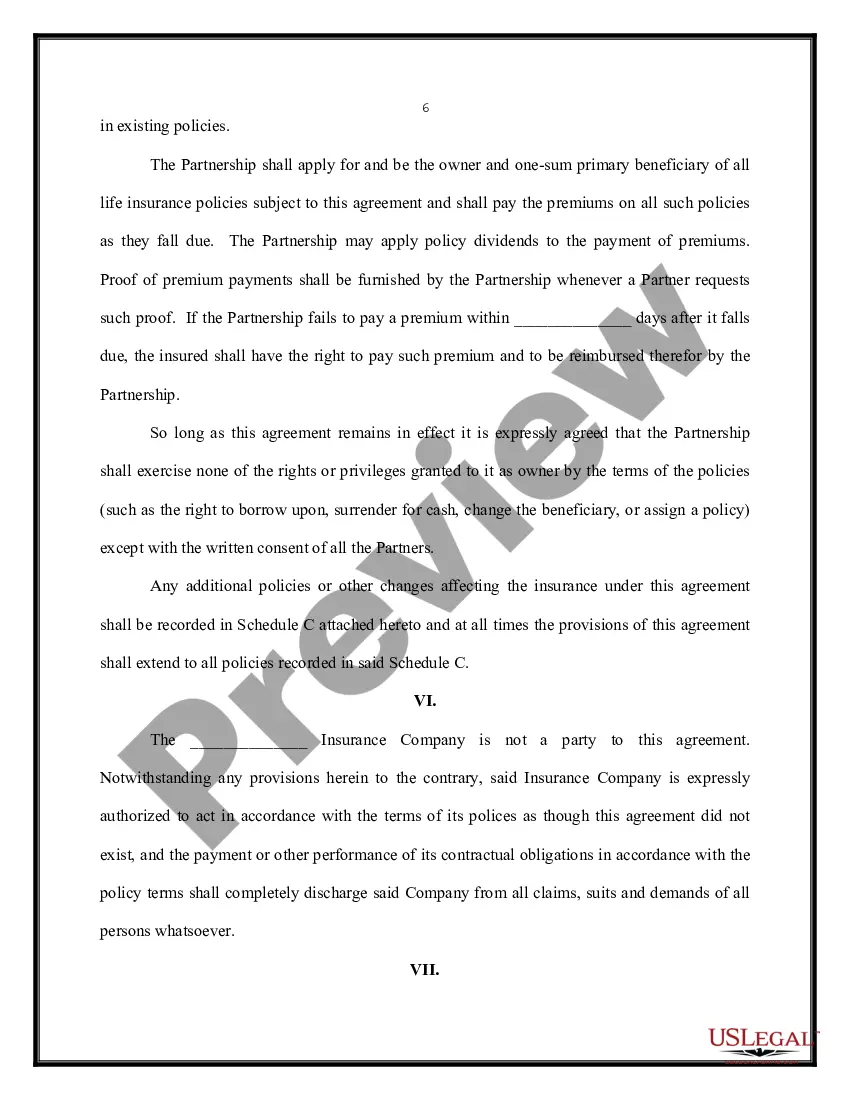
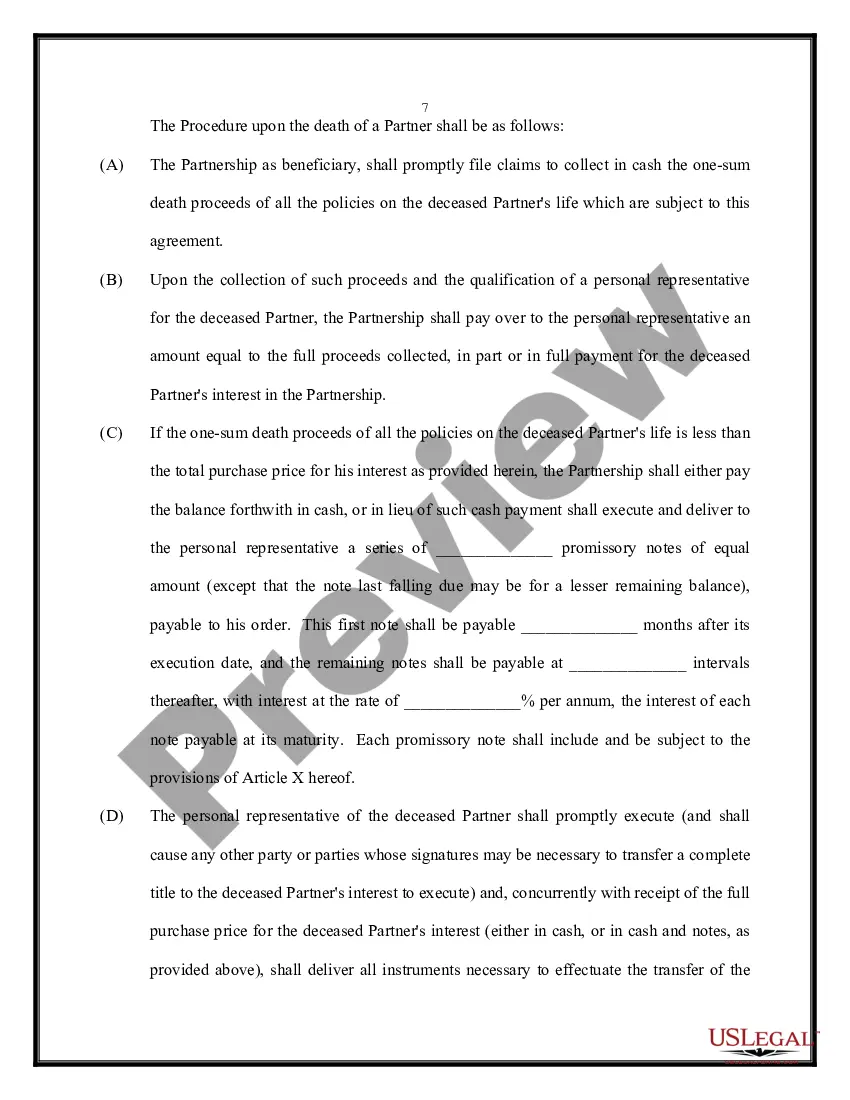
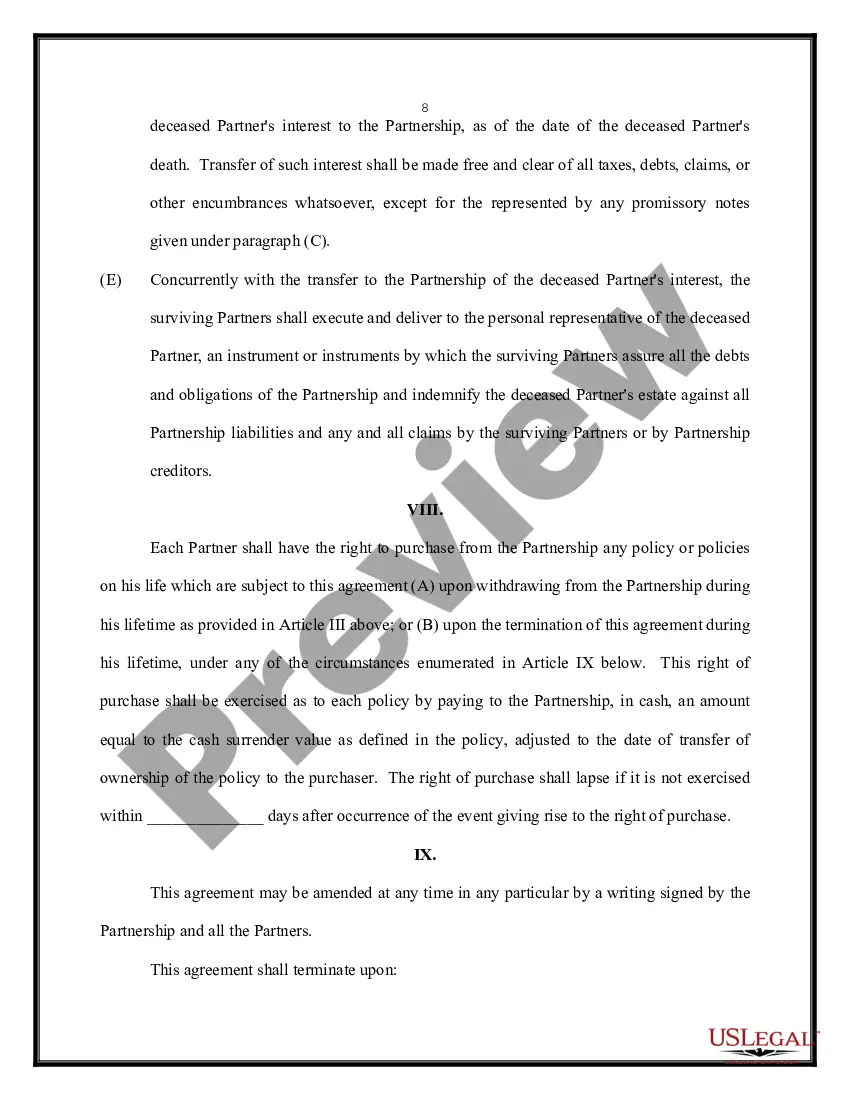
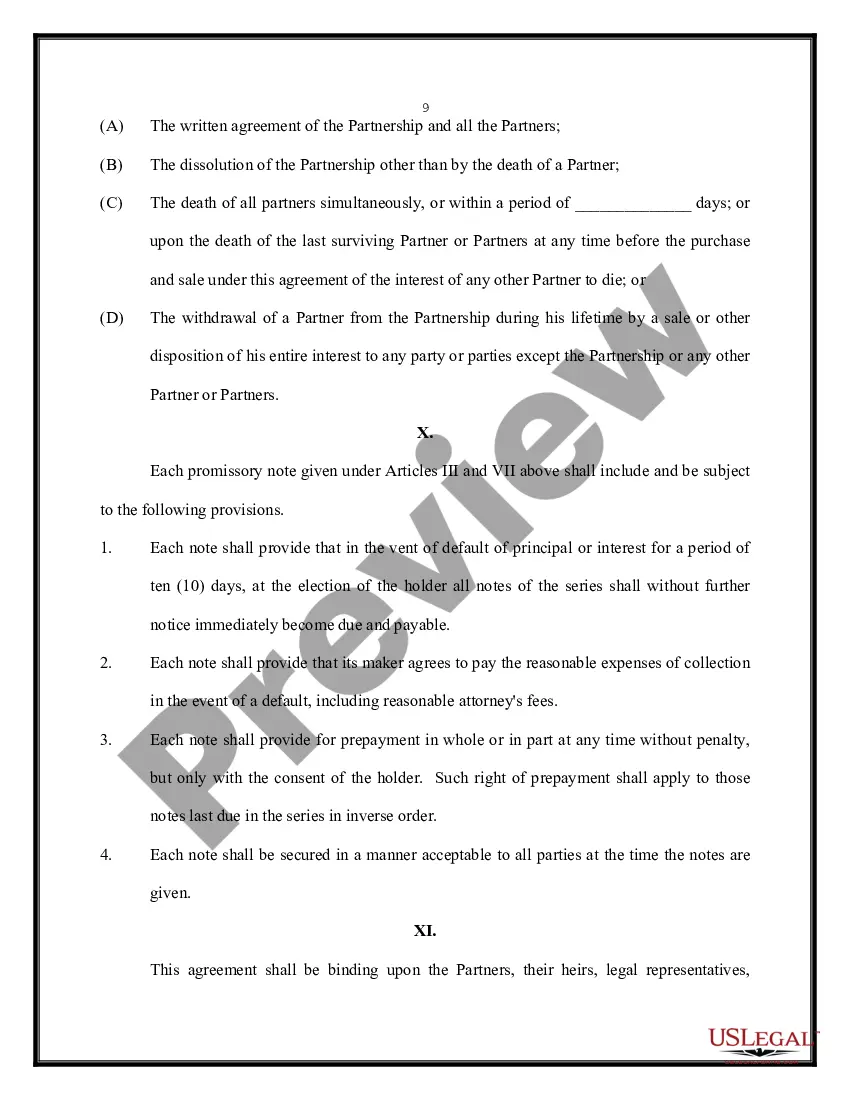


Get your form ready online
Our built-in tools help you complete, sign, share, and store your documents in one place.
Make edits, fill in missing information, and update formatting in US Legal Forms—just like you would in MS Word.
Download a copy, print it, send it by email, or mail it via USPS—whatever works best for your next step.
Sign and collect signatures with our SignNow integration. Send to multiple recipients, set reminders, and more. Go Premium to unlock E-Sign.
If this form requires notarization, complete it online through a secure video call—no need to meet a notary in person or wait for an appointment.
We protect your documents and personal data by following strict security and privacy standards.

Make edits, fill in missing information, and update formatting in US Legal Forms—just like you would in MS Word.

Download a copy, print it, send it by email, or mail it via USPS—whatever works best for your next step.

Sign and collect signatures with our SignNow integration. Send to multiple recipients, set reminders, and more. Go Premium to unlock E-Sign.

If this form requires notarization, complete it online through a secure video call—no need to meet a notary in person or wait for an appointment.

We protect your documents and personal data by following strict security and privacy standards.
Looking for another form?




Form popularity
FAQ
This clause is a Recognition Clause (Collective Bargaining Agreement) that identifies the employees who are covered by a collective bargaining agreement. It is intended for inclusion in a collective bargaining agreement between an employer and the union representing its employees.
Most of the document is dedicated to defining those rules. Common topics are wages, overtime, working hours, benefits, rules for work, hiring practices, disciplinary procedures, and seniority. CBAs will also define the high-level responsibilities of the employer and the union and detail the dispute resolution process.
Wages. Working hours and conditions. Employee benefits. Grievance and arbitration procedures.
A collective agreement is a written contract between the employer and a union that outlines many of the terms and conditions of employment for employees in a bargaining unit. The terms and conditions are reached through collective bargaining between the employer and the union.
Most Collective Bargaining Agreements contain the following common elements: (1) a union recognition clause, (2) a management rights clause, (3) union rights provisions, (4) prohibitions on strikes and lockouts, (5) a union security clause, (6) nondiscrimination provisions, (7) grievance and arbitration procedures, (8) ...
Buyouts typically occur because the acquirer has confidence that the assets of a company are undervalued. Others may happen because the purchaser has a vision of gaining strategic and financial benefits such as new market entry, better operational efficiency, higher revenues, or less competition.
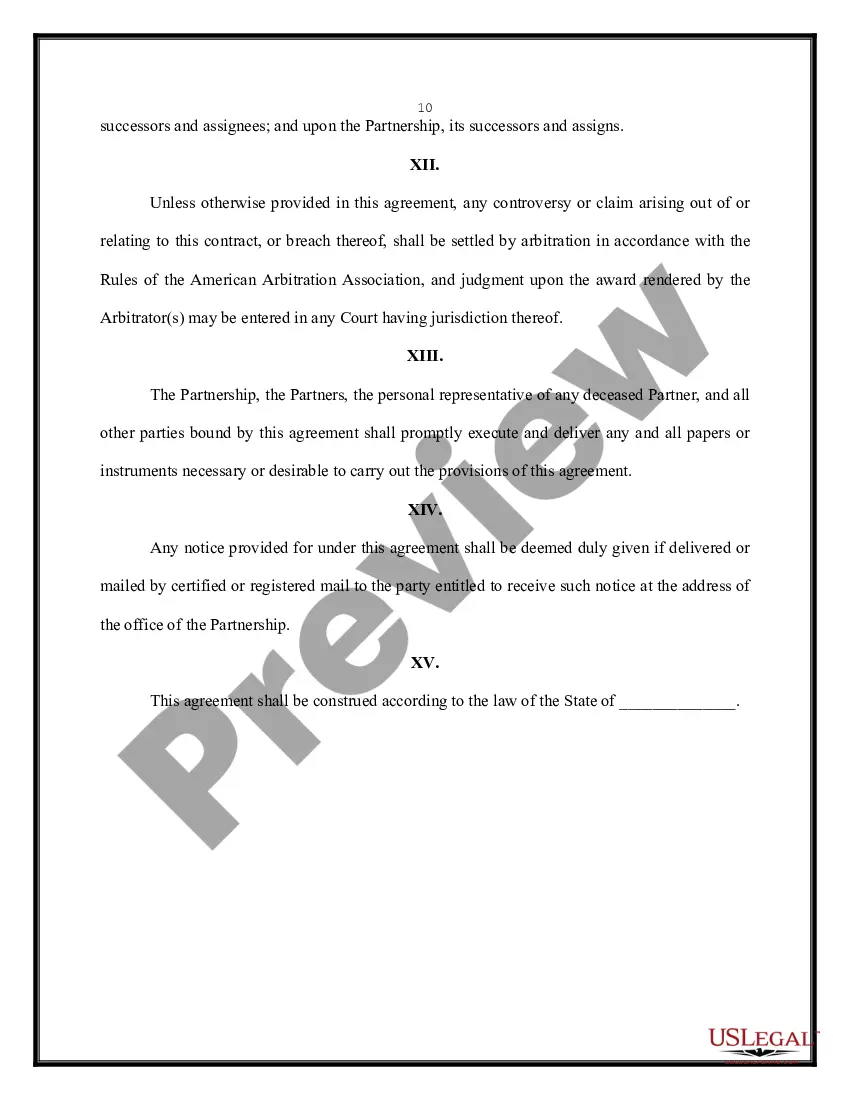
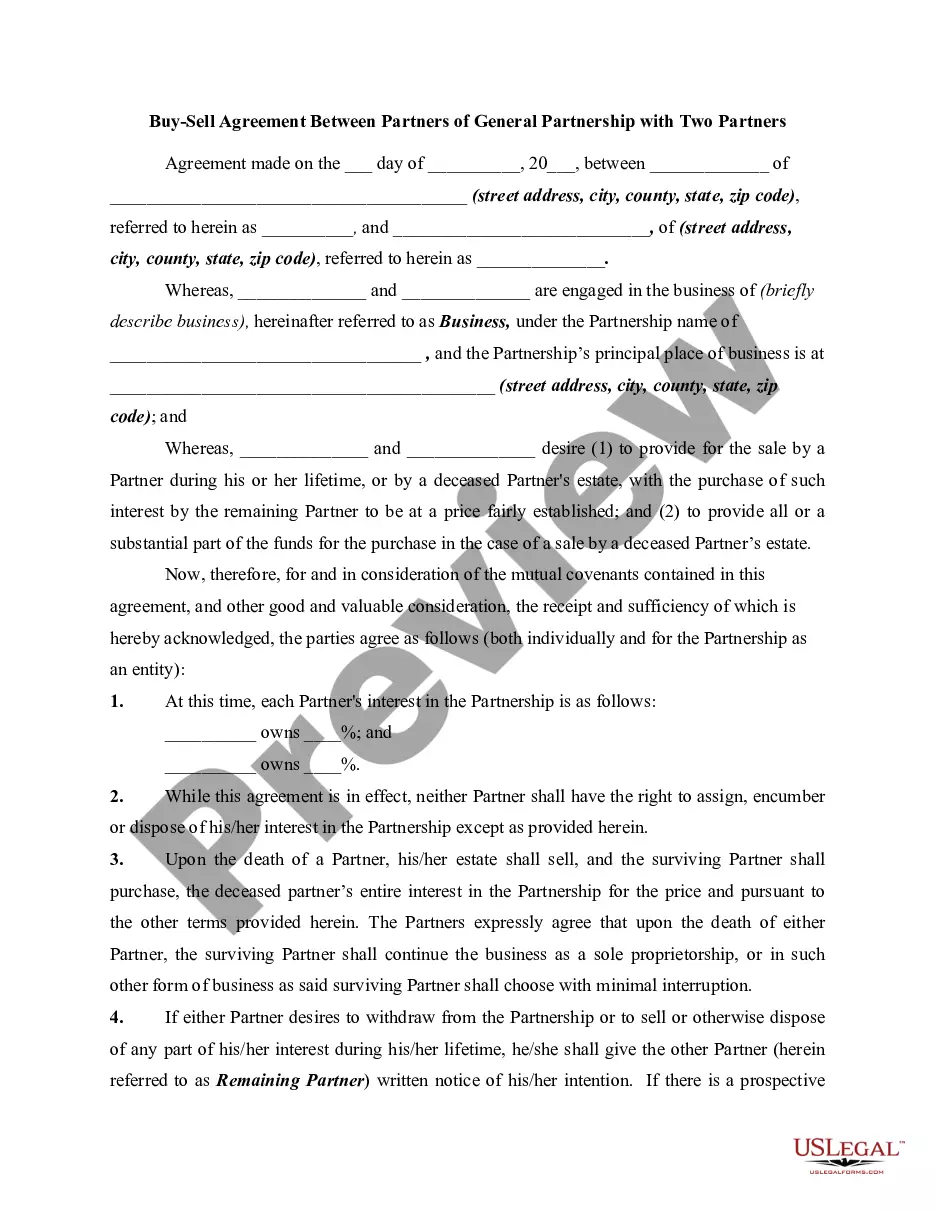
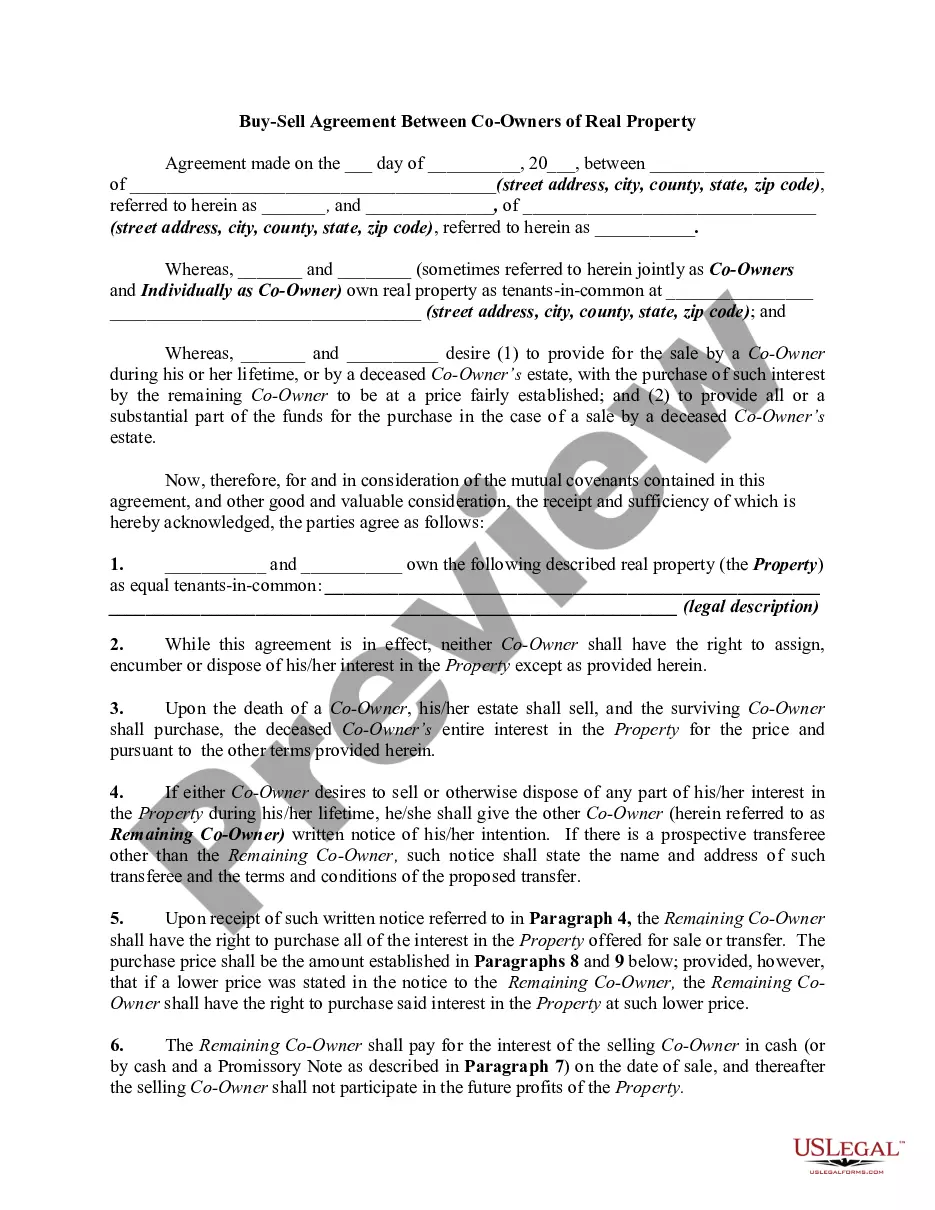
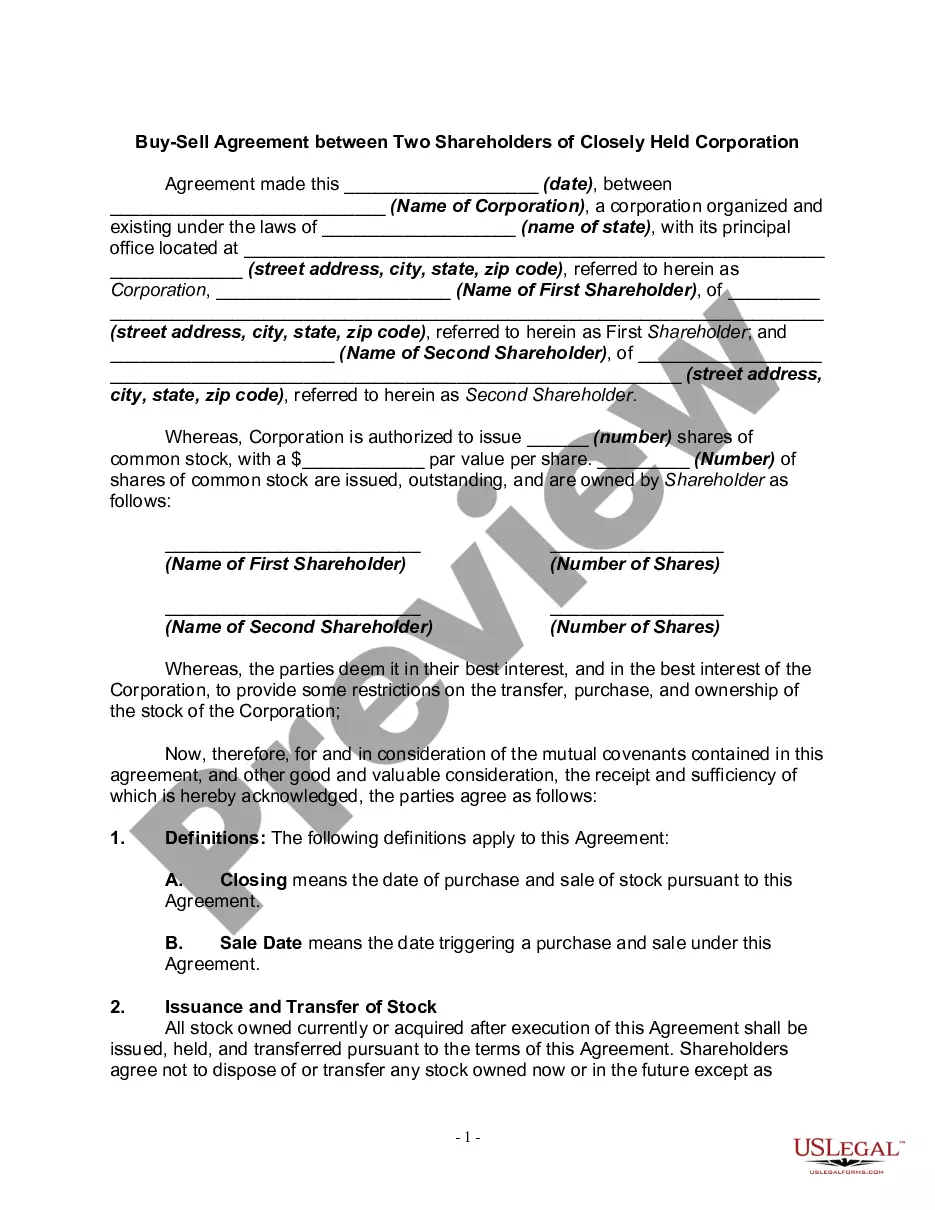
A buyout agreement, also known as a buy-sell agreement, is a legally binding document that governs the transfer of business ownership when certain events occur, such as an owner's voluntary departure, retirement, disability, death, or other unexpected situations.
Buyout agreement (also known as a buy-sell agreement) refers to a contract that gives rights to at least one party of the contract to buy the share, assets, or rights of another party given a specific event. These agreements can arise in a variety of contexts as stand-alone contracts or parts of larger agreements.
A buyout agreement, also known as a buy-sell agreement, is a legally binding document that governs the transfer of business ownership when certain events occur, such as an owner's voluntary departure, retirement, disability, death, or other unexpected situations.
For instance, a commercial lease buyout clause example might say something such as, “Lessee will have the right after the first (1st) lease year to buyout the Lease upon Ninety (90) days written notice and payment of One-Hundred Thousand Dollars ($100,000.00) to Lessor.
