Lease Without License In Collin
Description

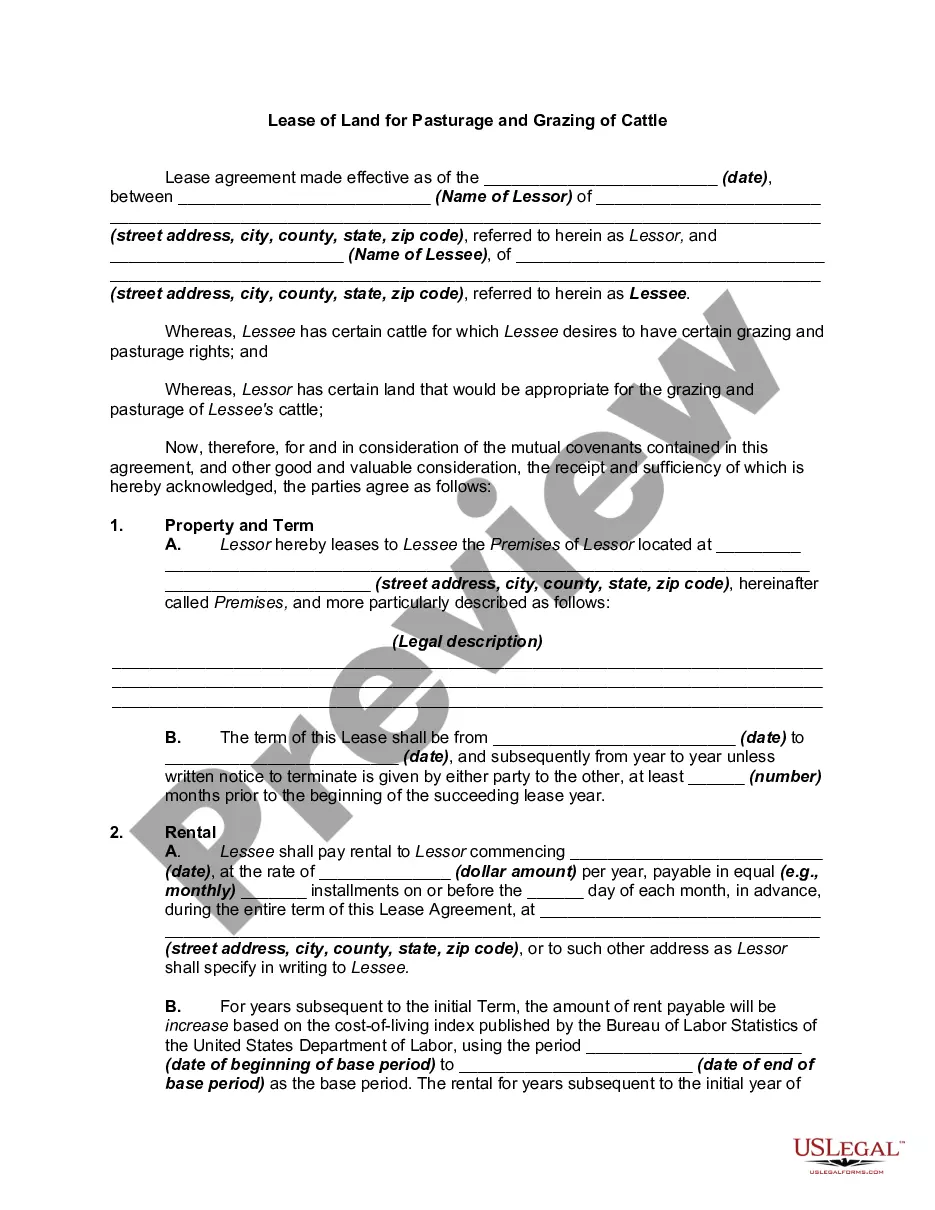
Get your form ready online
Our built-in tools help you complete, sign, share, and store your documents in one place.
Make edits, fill in missing information, and update formatting in US Legal Forms—just like you would in MS Word.
Download a copy, print it, send it by email, or mail it via USPS—whatever works best for your next step.
Sign and collect signatures with our SignNow integration. Send to multiple recipients, set reminders, and more. Go Premium to unlock E-Sign.
If this form requires notarization, complete it online through a secure video call—no need to meet a notary in person or wait for an appointment.
We protect your documents and personal data by following strict security and privacy standards.

Make edits, fill in missing information, and update formatting in US Legal Forms—just like you would in MS Word.

Download a copy, print it, send it by email, or mail it via USPS—whatever works best for your next step.

Sign and collect signatures with our SignNow integration. Send to multiple recipients, set reminders, and more. Go Premium to unlock E-Sign.

If this form requires notarization, complete it online through a secure video call—no need to meet a notary in person or wait for an appointment.

We protect your documents and personal data by following strict security and privacy standards.
Looking for another form?









Form popularity
FAQ
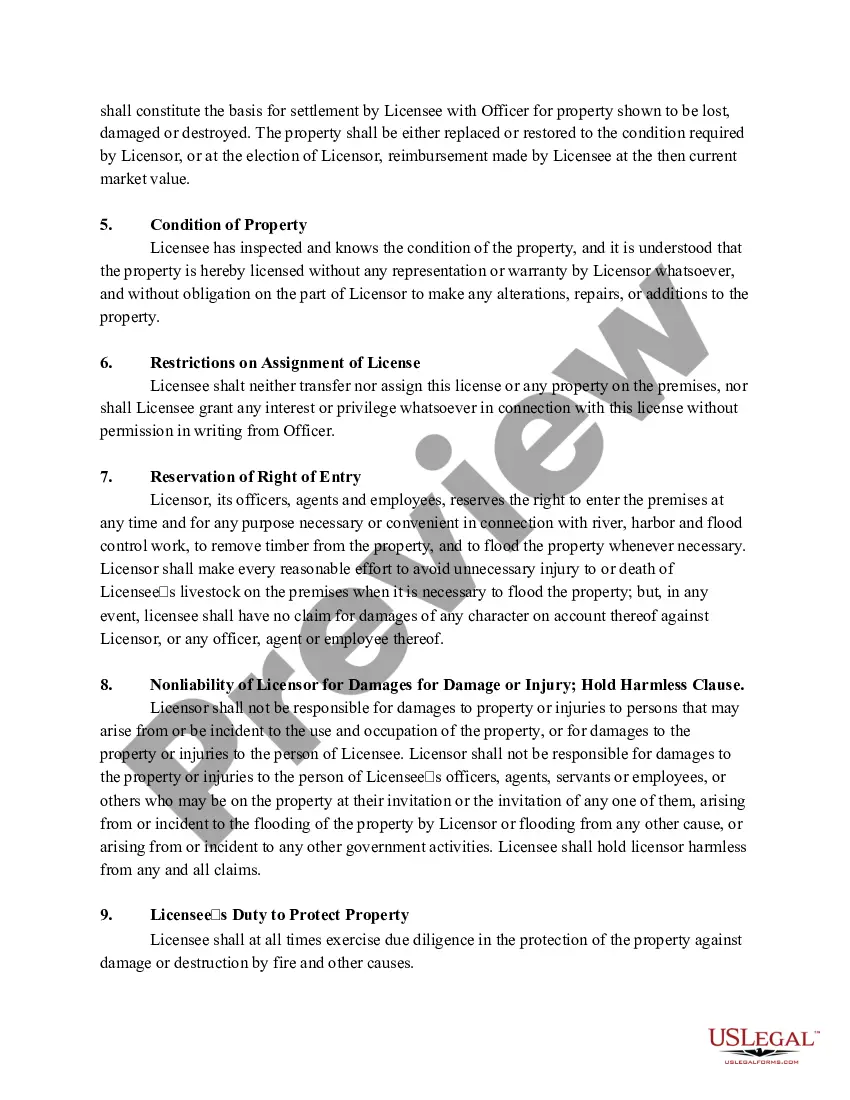
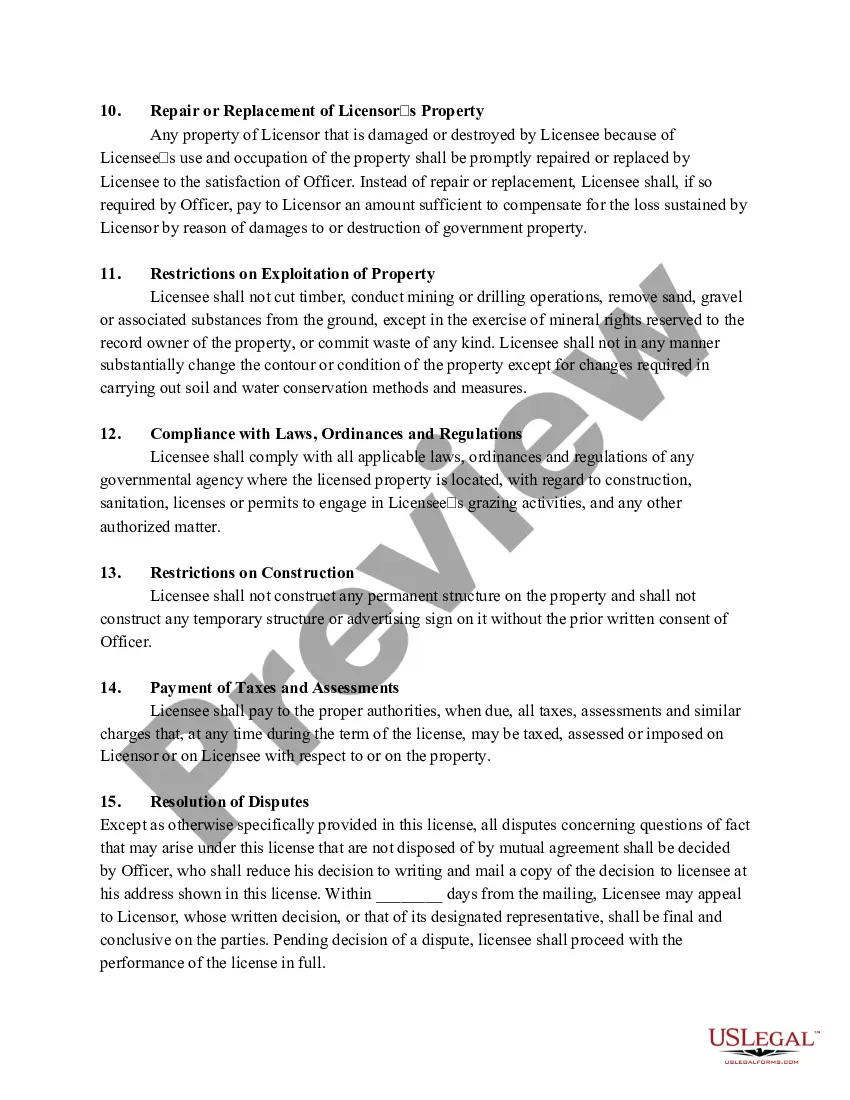
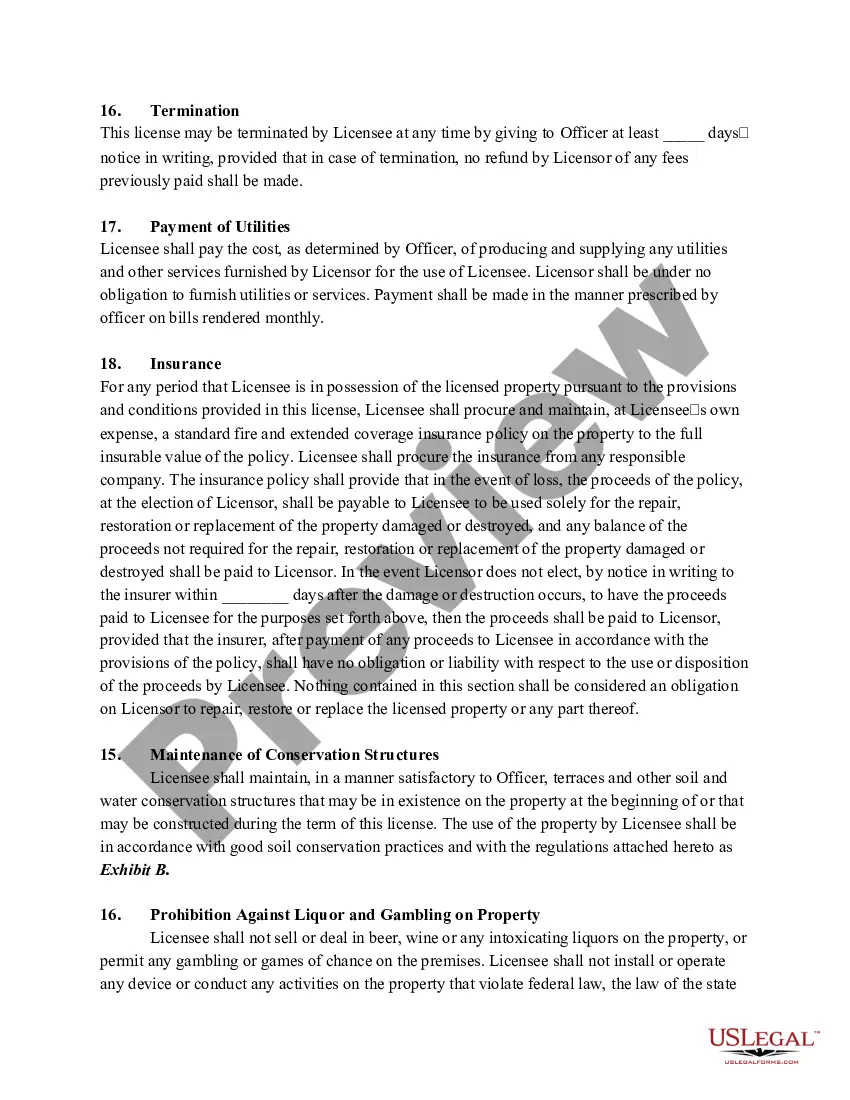
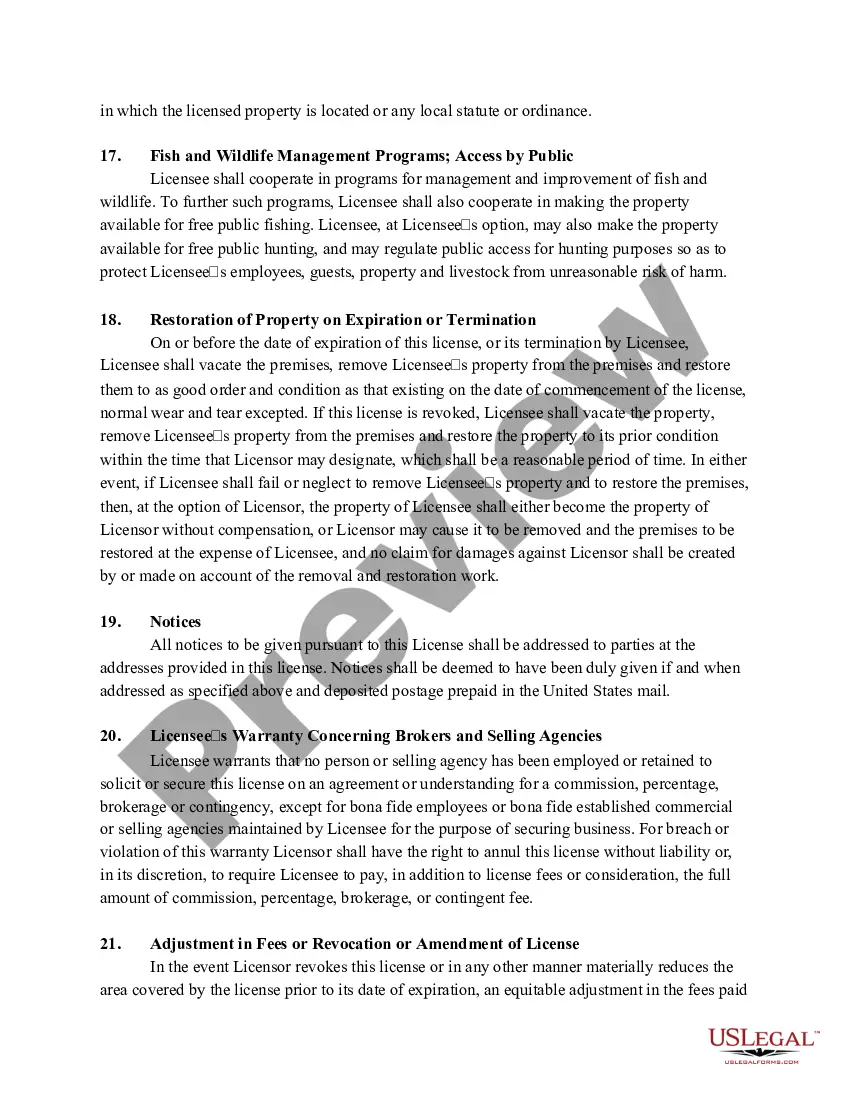
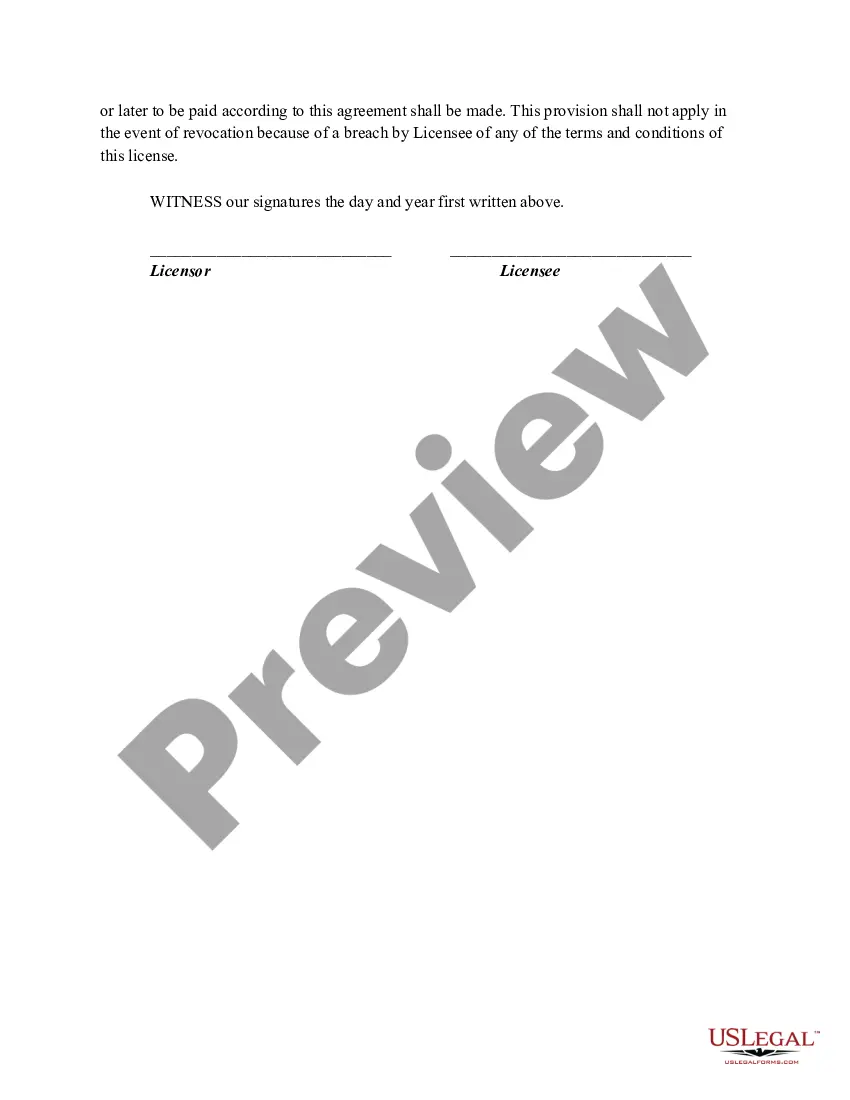
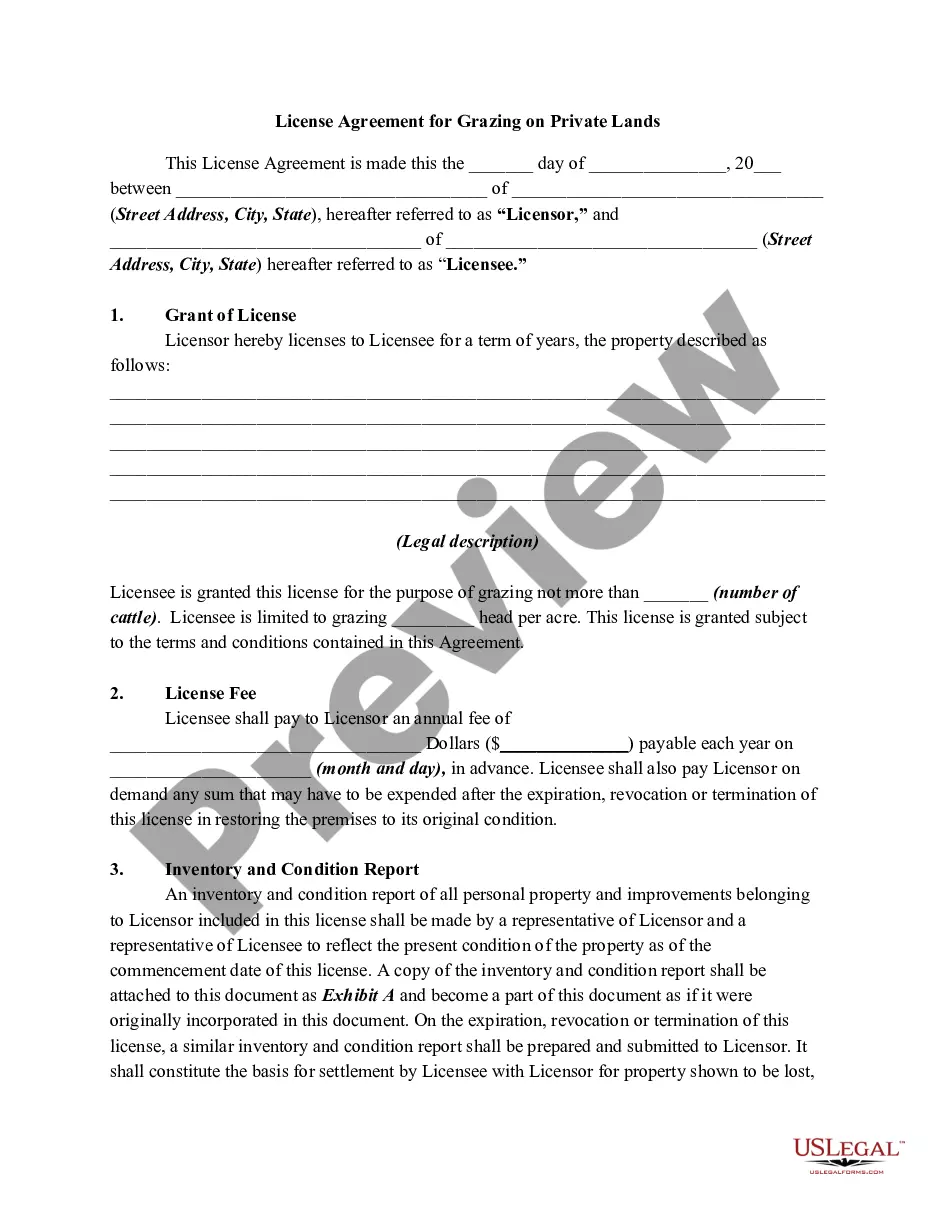
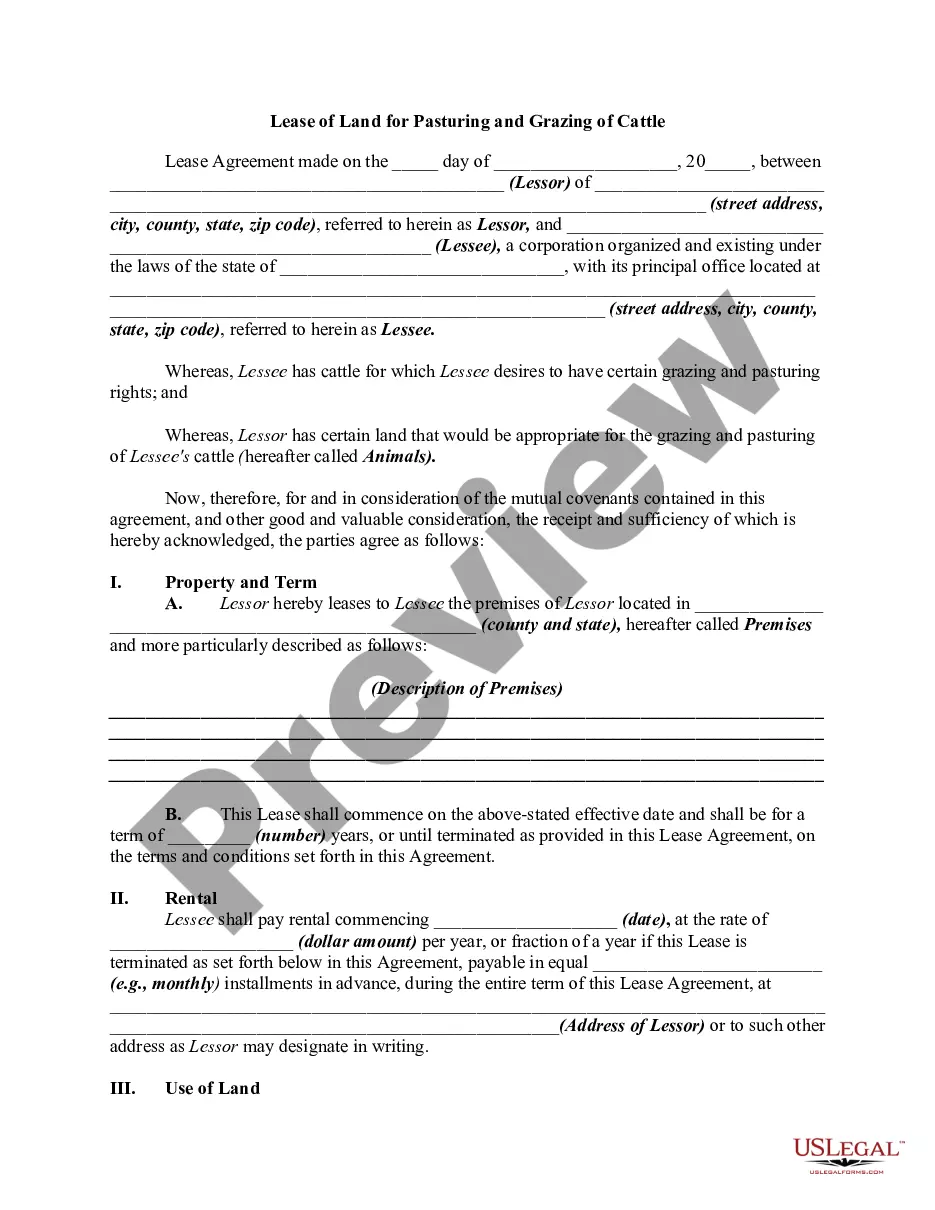
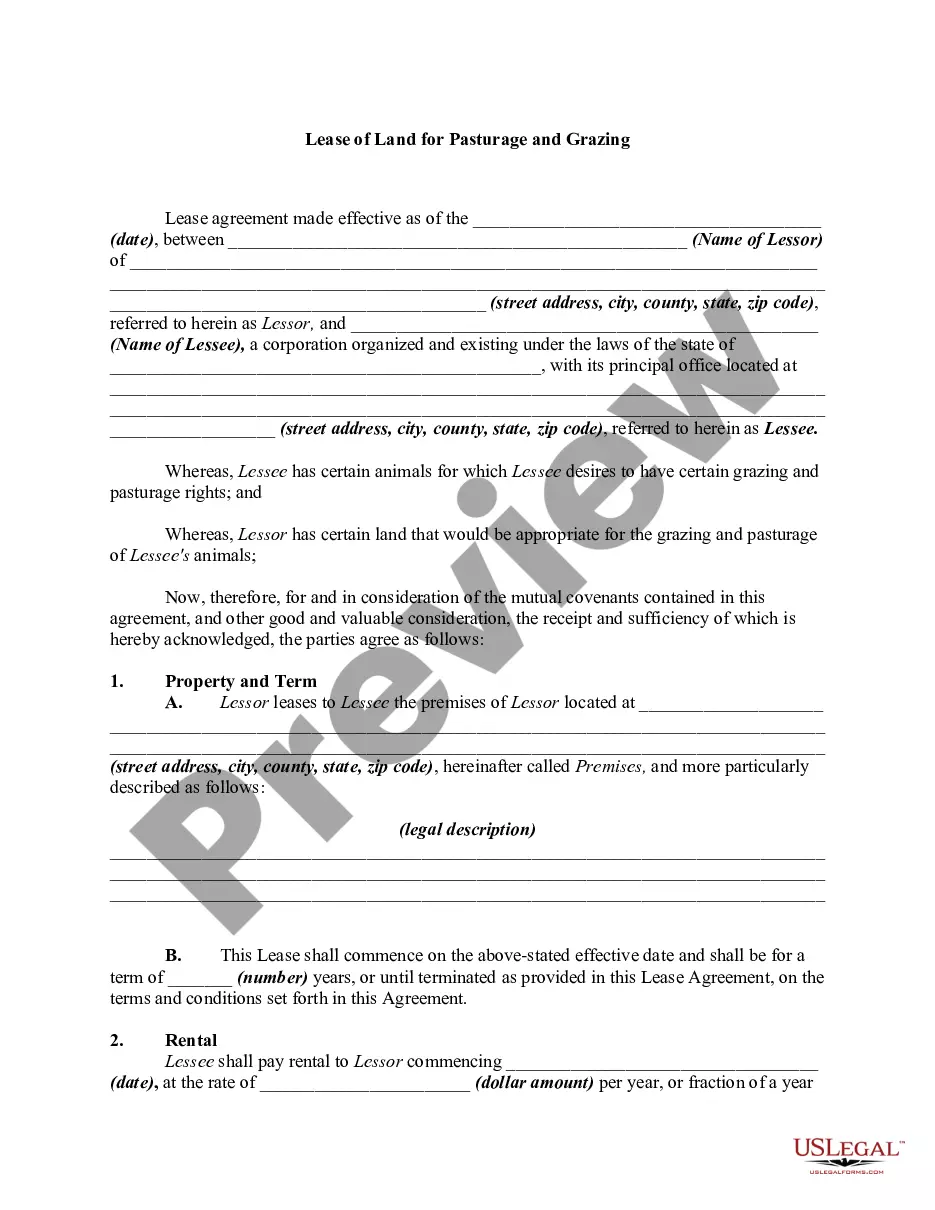
A lease is a conveyance of exclusive possession of specific property… usually in consideration of the payment of rent, which vests an estate in the grantee, while a license, on the other hand, merely makes permissible acts on the land of another that would otherwise lack permission.
Hunting Lease Licenses LicenseEligibilityFee Hunting Lease (Small) License Texas resident and non-resident $79 Hunting Lease (Medium) License Texas resident and non-resident $147 Hunting Lease (Large) License Texas resident and non-resident $252
At the bare minimum, a rental agreement or lease should identify the leased property, state the names of all parties to the lease, the names of all occupants, the beginning date, when the contract expires, the amount of rent, when rent is due, when rent is late, and what happens if the tenant stays in the property ...
In the state of Texas, getting a landlord license is not required. However, many of the local jurisdictions may require a license, so it is best to check first.
The right to a fair eviction process Even in the absence of a written lease, a tenant at will is entitled to a fair and formal eviction process. This protection makes sure that landlords follow proper legal procedures.
A license connotes the use or occupancy of the grantor's premises. But a lease grants exclusive possession of designated space to a tenant, subject to rights specifically reserved by the lessor. A license is cancellable at will and without cause.
In the state of Texas, getting a landlord license is not required. However, many of the local jurisdictions may require a license, so it is best to check first.
Texas is a landlord-friendly state, and rent-to-own contracts typically fall under the category of executory contracts. They must comply with specific laws, such as: Sellers must disclose property conditions accurately. Buyers must adhere to the agreed payment schedule.
5 Things A Landlord Cannot Do In Texas Fair Housing Compliance: Landlords cannot discriminate against protected classes, ensuring fair housing opportunities for everyone. Protection Against Retaliation: Retaliation against a tenant for exercising their legal rights, such as requesting necessary repairs, is prohibited.
Steps Tenants Can Take Against Unauthorized Entry If tenants believe their rights are being violated, they can: Document Incidents: Keep records of unauthorized entries, including dates, times, and any communications. Communicate Concerns: Notify the landlord in writing about their objections to unauthorized access.
