Slander And Libel Law Within The United States
Description

Get your form ready online
Our built-in tools help you complete, sign, share, and store your documents in one place.
Make edits, fill in missing information, and update formatting in US Legal Forms—just like you would in MS Word.
Download a copy, print it, send it by email, or mail it via USPS—whatever works best for your next step.
Sign and collect signatures with our SignNow integration. Send to multiple recipients, set reminders, and more. Go Premium to unlock E-Sign.
If this form requires notarization, complete it online through a secure video call—no need to meet a notary in person or wait for an appointment.
We protect your documents and personal data by following strict security and privacy standards.

Make edits, fill in missing information, and update formatting in US Legal Forms—just like you would in MS Word.

Download a copy, print it, send it by email, or mail it via USPS—whatever works best for your next step.

Sign and collect signatures with our SignNow integration. Send to multiple recipients, set reminders, and more. Go Premium to unlock E-Sign.

If this form requires notarization, complete it online through a secure video call—no need to meet a notary in person or wait for an appointment.

We protect your documents and personal data by following strict security and privacy standards.
Looking for another form?
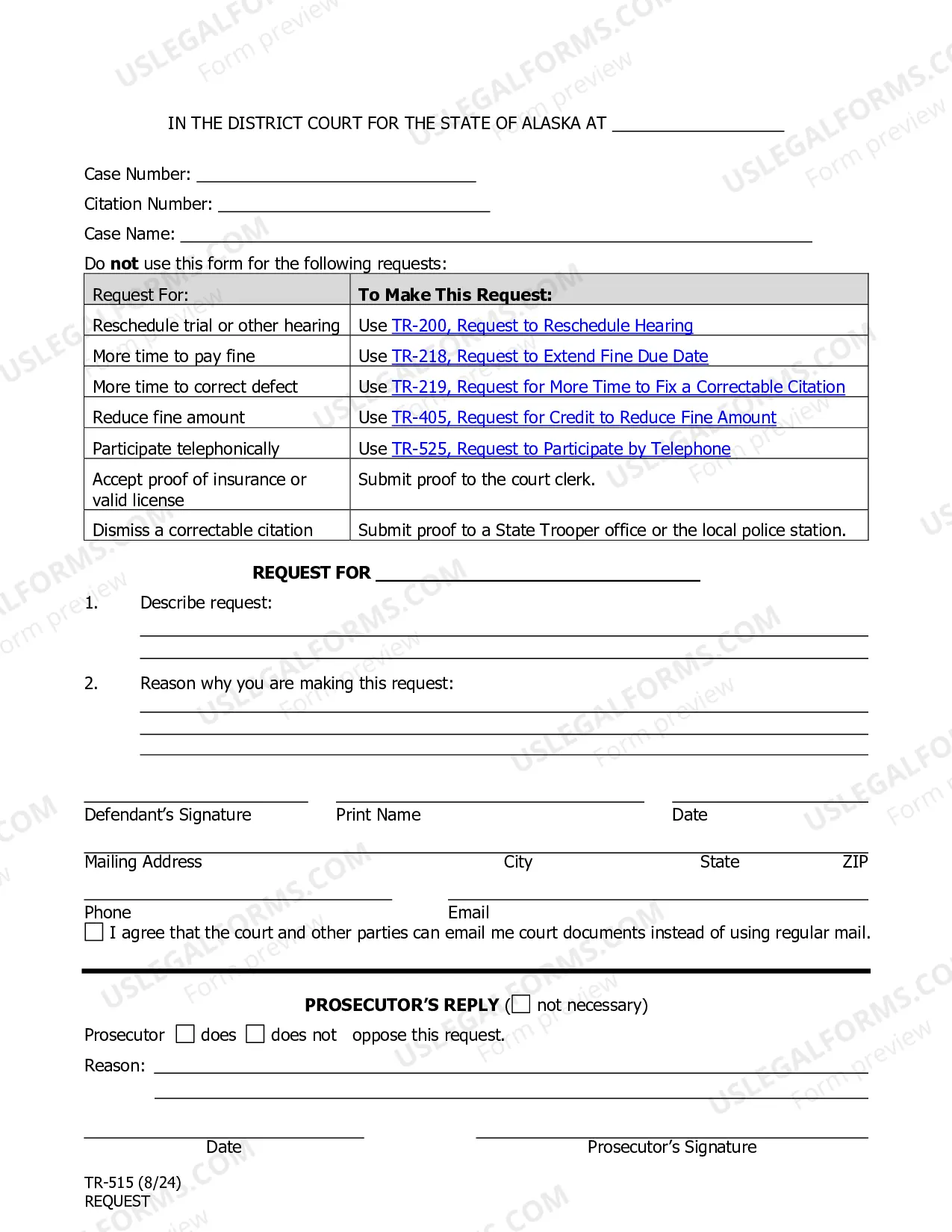
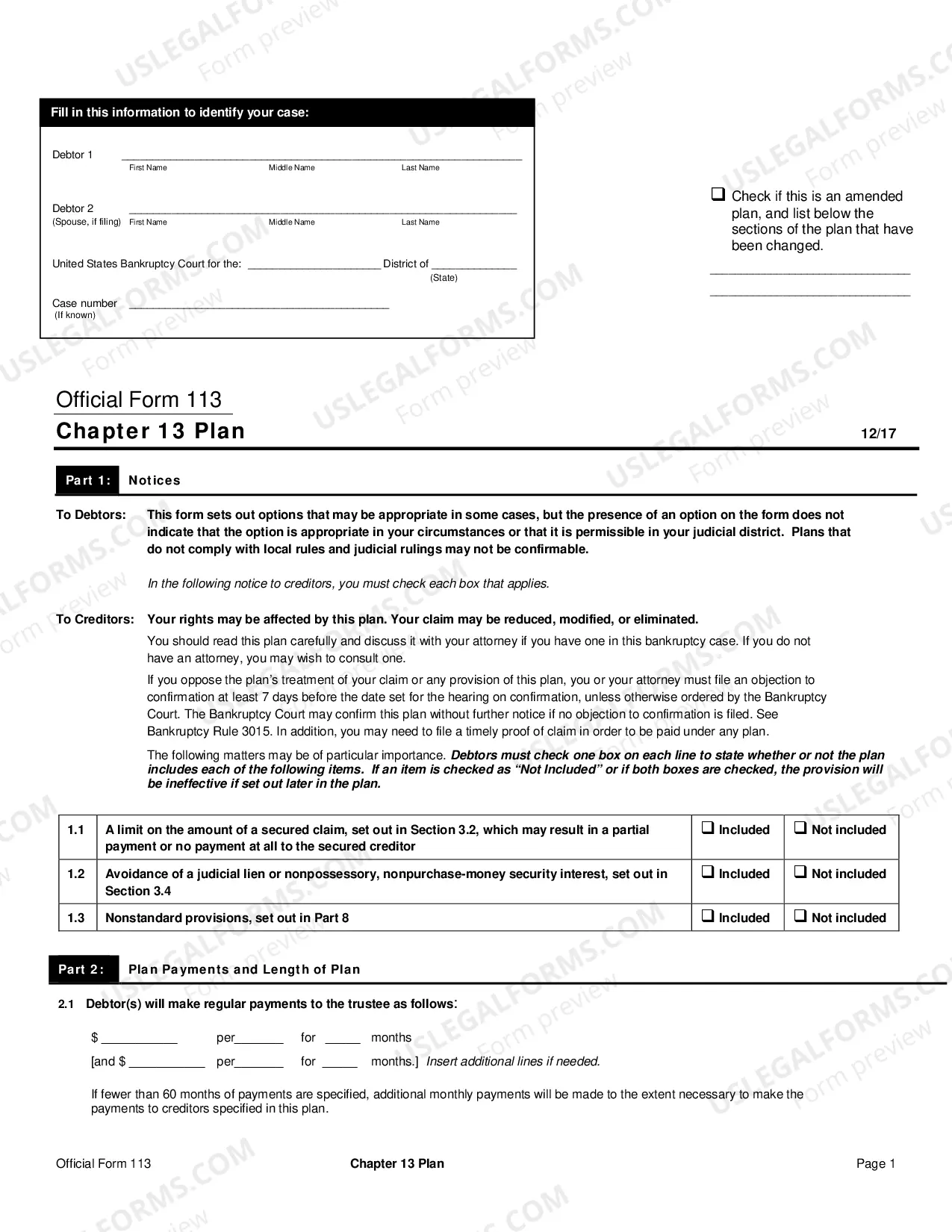
How to fill out Cease And Desist Letter For Libelous Or Slanderous Statements - Defamation Of Character?
Creating legal documents from the ground up can occasionally be daunting.
Certain situations might require extensive research and significant financial investment.
If you seek a simpler and more economical method of producing Slander And Libel Law Within The United States or any other documentation without navigating through complications, US Legal Forms is consistently available for you.
Our online repository of over 85,000 current legal documents covers nearly every dimension of your financial, legal, and personal needs. With just a few clicks, you can swiftly access state- and county-compliant templates meticulously crafted for you by our legal professionals.
Review the form preview and details to confirm that you have identified the form you desire. Ensure that the template you choose meets the standards of your state and county. Select the appropriate subscription plan to purchase the Slander And Libel Law Within The United States. Download the document. Then fill it out, sign it, and print it. US Legal Forms enjoys a strong reputation and over 25 years of experience. Join us today and make document processing a straightforward and seamless experience!
- Utilize our website whenever you require a dependable service through which you can swiftly locate and obtain the Slander And Libel Law Within The United States.
- If you are familiar with our services and have previously established an account, simply sign in to your account, find the template, and download it or retrieve it later from the My documents section.
- Don't possess an account? No issue. Registering takes just a few minutes and allows you to browse the catalog.
- Before rushing to download the Slander And Libel Law Within The United States, adhere to these pointers.
Form popularity
FAQ
In the United States, slander itself is generally a civil matter rather than a criminal offense. This means that you usually cannot go to jail for slander; instead, a person harmed by slander can sue for damages under slander and libel law within the United States. Criminal charges may arise in certain extreme situations, often involving defamation that leads to threats or violence. Therefore, understanding your rights and options under slander and libel law within the United States is essential if you feel you have been harmed.
Overview. Traditionally, libel was a tort governed by state law. State courts generally follow the common law of libel, which allows recovery of damages without proof of actual harm. Under the traditional rules of libel, injury is presumed from the fact of publication.
How to File a Defamation Lawsuit Step 1 ? Gather the False Statements. Collect any and all evidence of the false statements made. ... Step 2 ? Show the Statement is Inaccurate. ... Step 3 ? Write the Cease and Desist Letter. ... Step 4 ? Claiming Damages. ... Step 5 ? Prepare and File the Lawsuit.
In an action for slander, the plaintiff must prove special damages, namely proof of actual pecuniary loss, unless the statement complained of falls into one of the four ?per se? categories of defamation requiring no proof of special damage: allegations that (1) plaintiff committed a crime, (2) are likely to cause ...
To prove prima facie defamation, a plaintiff must show four things: 1) a false statement purporting to be fact; 2) publication or communication of that statement to a third person; 3) fault amounting to at least negligence; and 4) damages, or some harm caused to the reputation of the person or entity who is the subject ...
To prove prima facie defamation, a plaintiff must show four things: 1) a false statement purporting to be fact; 2) publication or communication of that statement to a third person; 3) fault amounting to at least negligence; and 4) damages, or some harm caused to the reputation of the person or entity who is the subject ...
