Agreement Division Property With Landlord In Fulton
Description

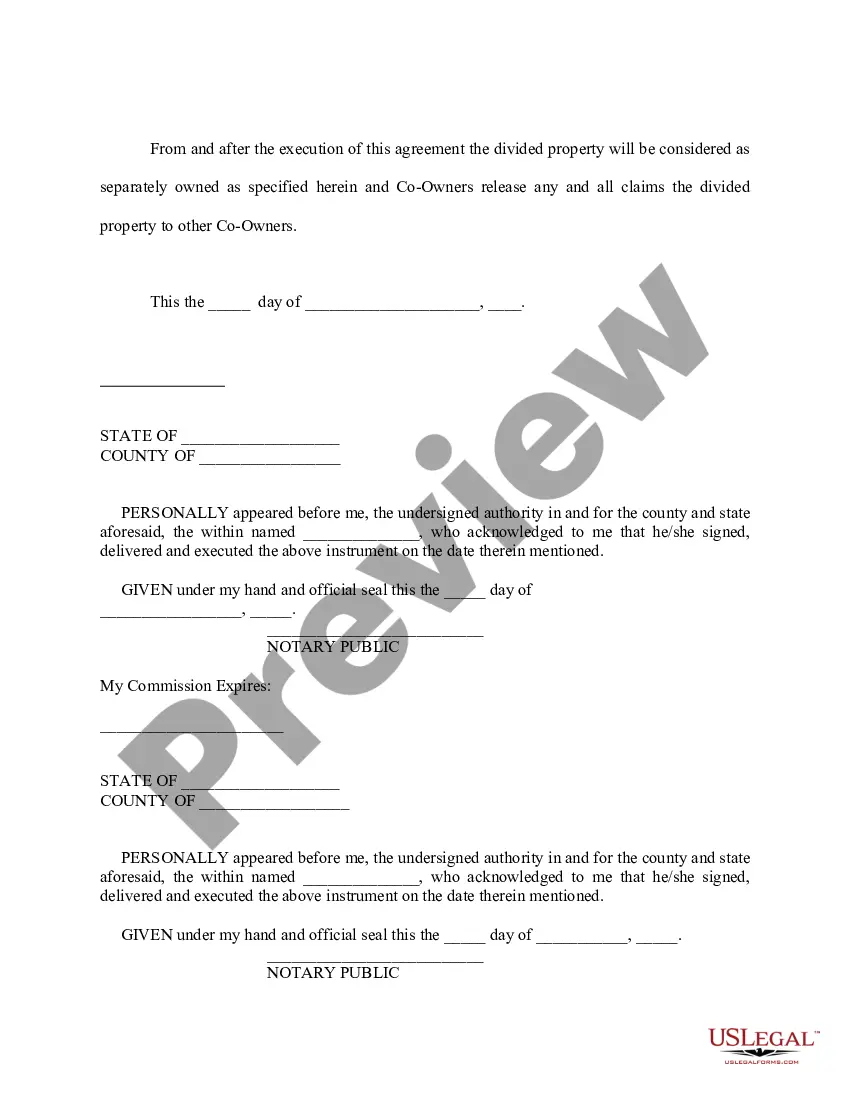
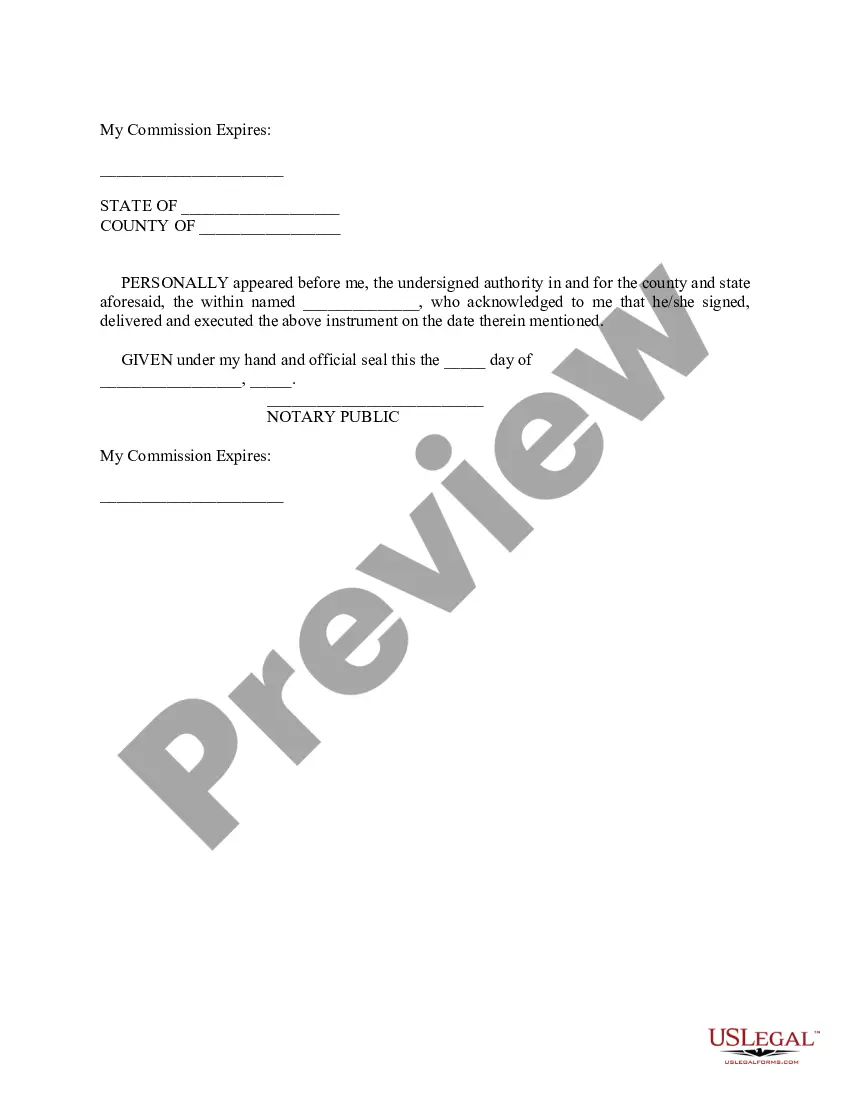
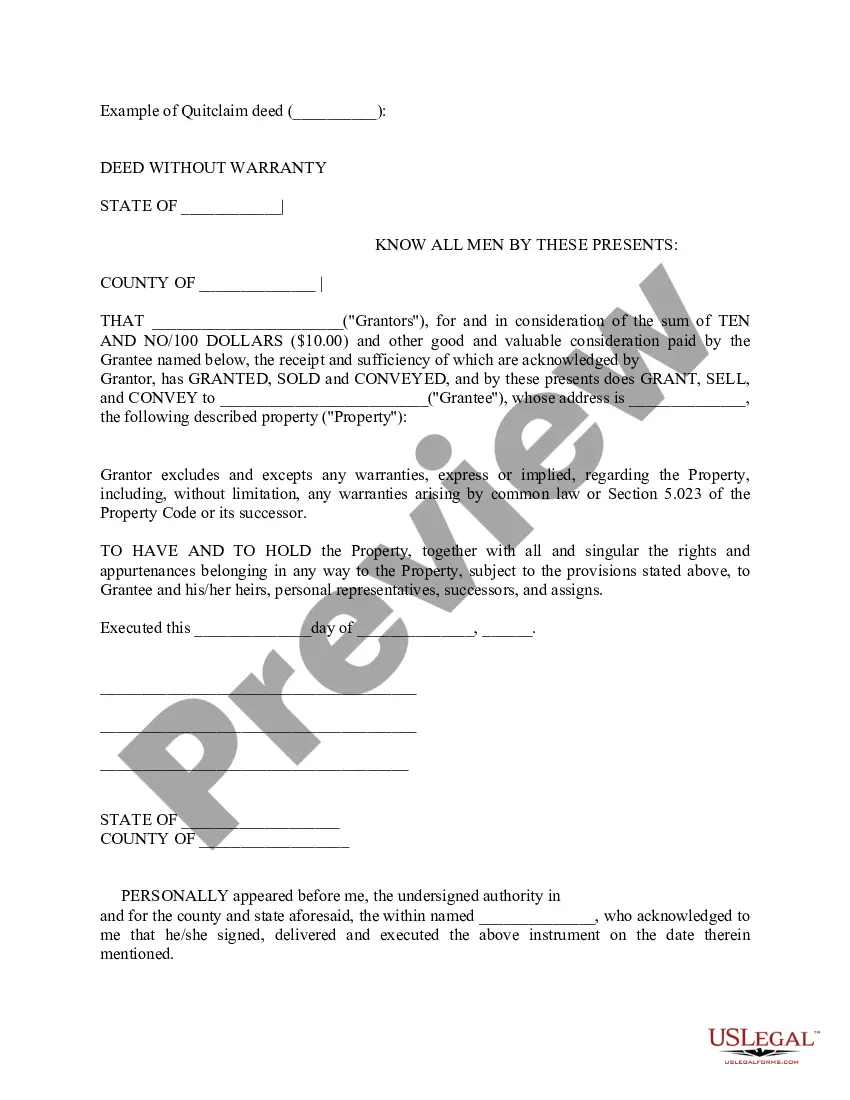
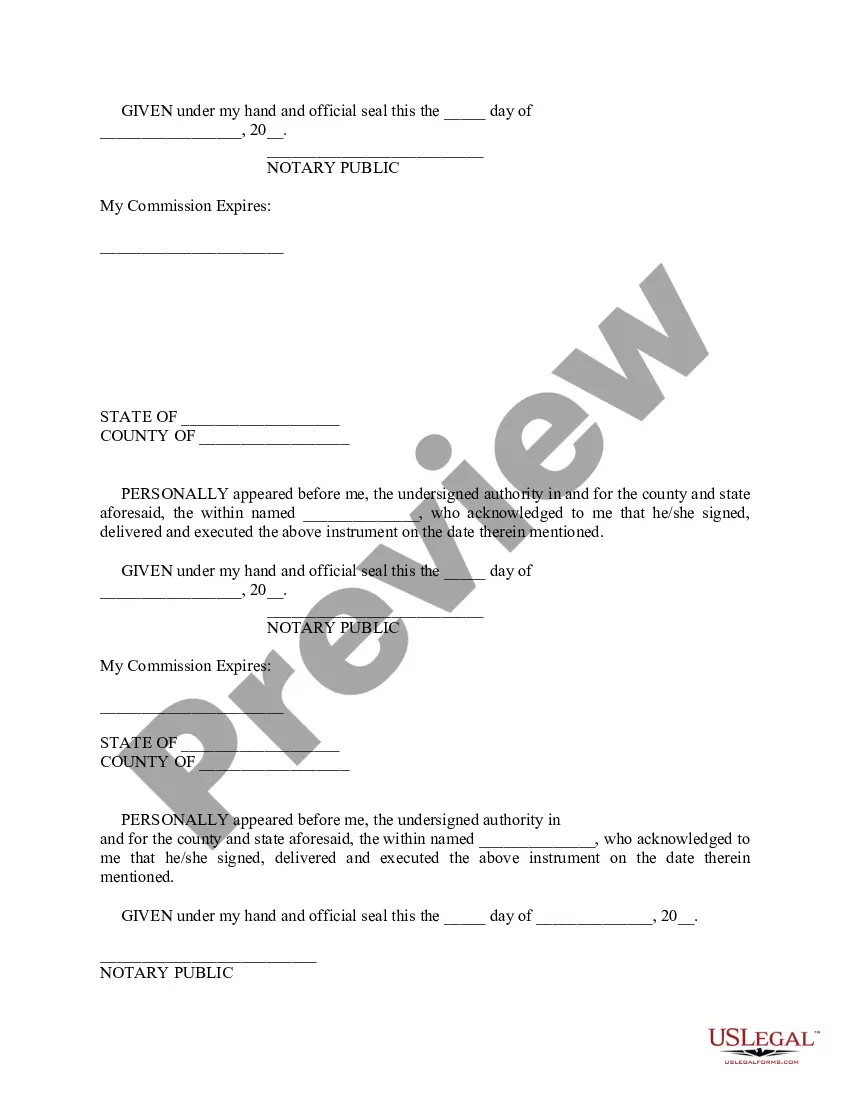

Get your form ready online
Our built-in tools help you complete, sign, share, and store your documents in one place.
Make edits, fill in missing information, and update formatting in US Legal Forms—just like you would in MS Word.
Download a copy, print it, send it by email, or mail it via USPS—whatever works best for your next step.
Sign and collect signatures with our SignNow integration. Send to multiple recipients, set reminders, and more. Go Premium to unlock E-Sign.
If this form requires notarization, complete it online through a secure video call—no need to meet a notary in person or wait for an appointment.
We protect your documents and personal data by following strict security and privacy standards.

Make edits, fill in missing information, and update formatting in US Legal Forms—just like you would in MS Word.

Download a copy, print it, send it by email, or mail it via USPS—whatever works best for your next step.

Sign and collect signatures with our SignNow integration. Send to multiple recipients, set reminders, and more. Go Premium to unlock E-Sign.

If this form requires notarization, complete it online through a secure video call—no need to meet a notary in person or wait for an appointment.

We protect your documents and personal data by following strict security and privacy standards.
Looking for another form?


Form popularity
FAQ
The Plaintiff (the one filing the action) must electronically file a sworn statement with the Clerk of Magistrate Court, describing the charges against the Defendant (the person or business against whom the claim is brought). This Statement of Claim provides each party with the reason for the lawsuit.
Filing is mandatory for all eviction/dispossessory cases. The person(s) filing the eviction must complete a Dispossessory Proceeding form. The Plaintiff(s) must list the tenant's name(s), address, and the reason for eviction.
If you're a landlord, make sure to follow these steps to avoid a failed eviction case or a lawsuit: Provide a Written Notice. File a Complaint in Court. Serve the Tenant. Wait for a Response. Attend the Court Hearing. Eviction is Initiated. Property is Repossessed. Can you remove tenants yourself in Georgia?
Fulton County Marshal's Department (FCMD) and enforces the orders, writs and precepts of the State and Magistrate Courts of Fulton County, and other courts of component judicial authority. The department is also responsible for Civil Processes, Evictions, Criminal Warrants and Executive Administration.
Tenants must vacate the property within 7 days of the Writ of Possession issuance. If they fail to do so, court officials will oversee the removal process. Landlords are not required to store or return any belongings left behind by the tenant.
The tenant must answer either orally or in writing within seven days from the date of actual service unless the seventh day is a Saturday, a Sunday, or a legal holiday, in which case the answer may be made on the next day which is not a Saturday, a Sunday, or a legal holiday.
If you are evicted, you will generally have seven days to leave the property.
Eviction Court Process in Georgia This begins the formal court eviction process. If the tenant fails to file an answer within 7 days, the landlord can seek a default judgment granting possession of the property back to the landlord.
A writ of possession is issued to evict an occupant from the property. The dispossessory complaint is filed under oath by the owner (landlord), testifying to the unlawful possession of the owners property by a tenant. The relationship between the parties must be Landlord and Tenant.
Georgia Eviction Process Timeline Timelines may vary depending on the court schedule and response times of both the landlord and tenant. Typically, evictions in this state can take anywhere from one to several months.
