Best Application Letter For Job In New York
Description



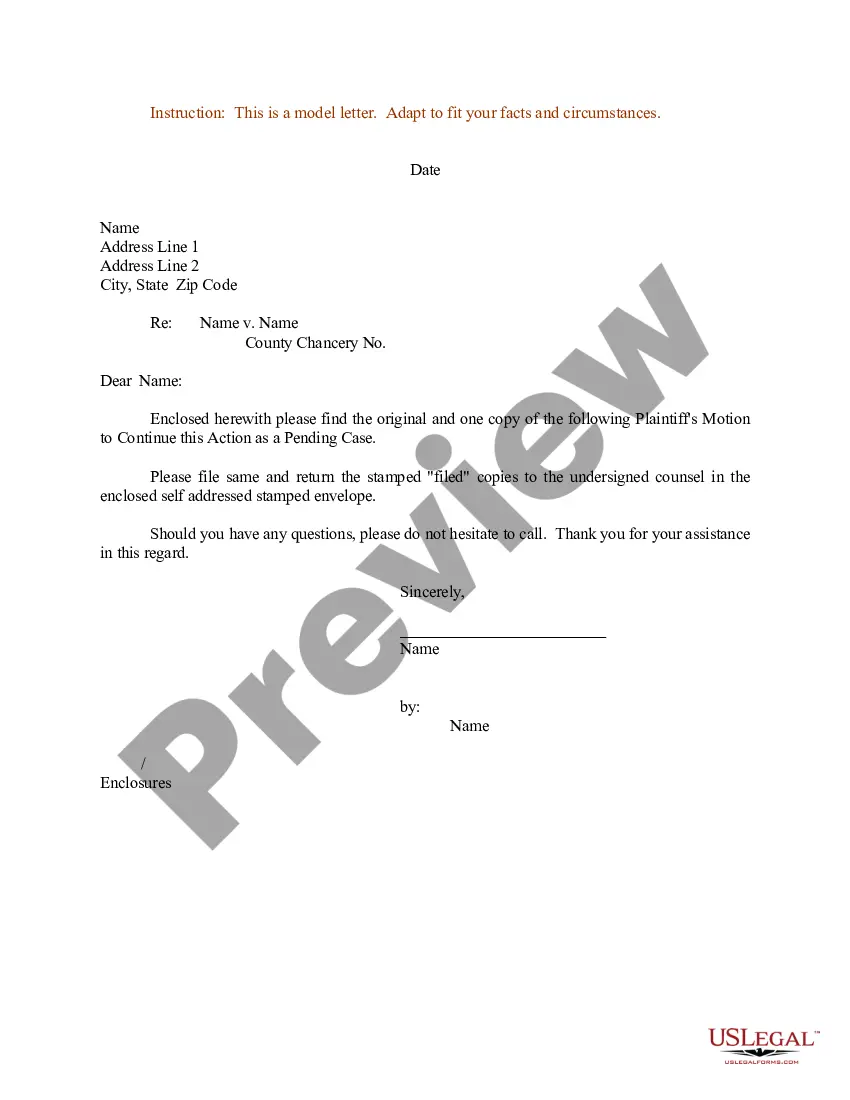
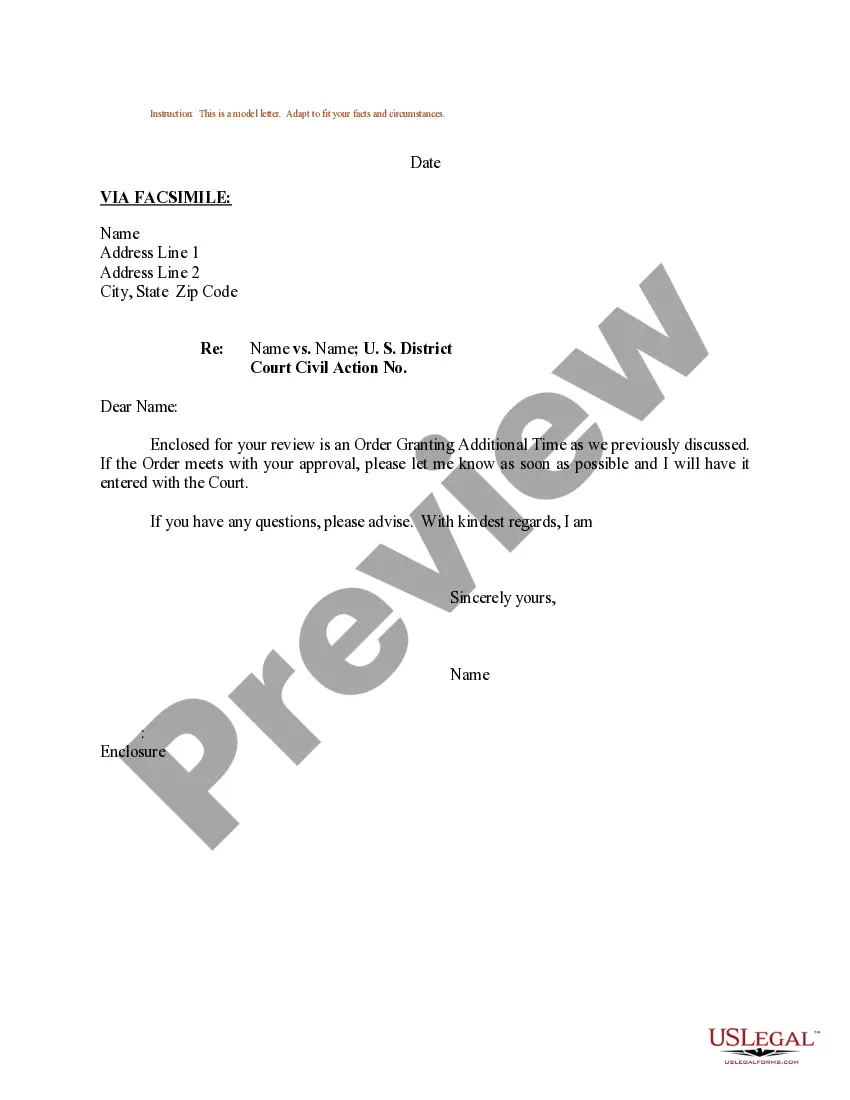
Get your form ready online
Our built-in tools help you complete, sign, share, and store your documents in one place.
Make edits, fill in missing information, and update formatting in US Legal Forms—just like you would in MS Word.
Download a copy, print it, send it by email, or mail it via USPS—whatever works best for your next step.
Sign and collect signatures with our SignNow integration. Send to multiple recipients, set reminders, and more. Go Premium to unlock E-Sign.
If this form requires notarization, complete it online through a secure video call—no need to meet a notary in person or wait for an appointment.
We protect your documents and personal data by following strict security and privacy standards.

Make edits, fill in missing information, and update formatting in US Legal Forms—just like you would in MS Word.

Download a copy, print it, send it by email, or mail it via USPS—whatever works best for your next step.

Sign and collect signatures with our SignNow integration. Send to multiple recipients, set reminders, and more. Go Premium to unlock E-Sign.

If this form requires notarization, complete it online through a secure video call—no need to meet a notary in person or wait for an appointment.

We protect your documents and personal data by following strict security and privacy standards.
Looking for another form?
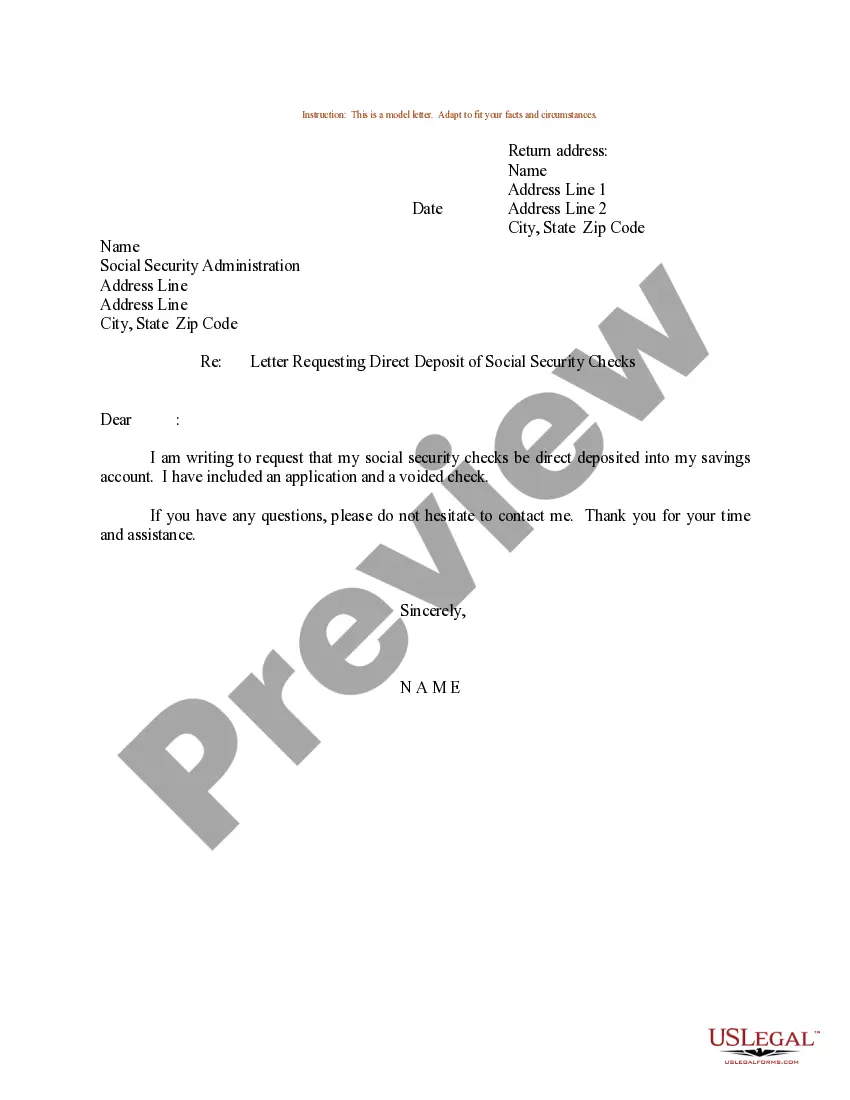









Form popularity
FAQ
Your cover letter should articulate your qualifications and motivation for the position. Read the job description closely and research the organization. As you craft your cover letter, use examples that demonstrate your relevant skills, knowledge, and interests.
Beyond that, Siegel boils down the most important things to include in a cover letter to three points. "Show enthusiasm, show you've done research, and show you want to come in there and make a contribution," he says.
The purpose of a cover letter is to introduce you and briefly summarize your professional background. On average, it should be around 250 to 400 words long. A good cover letter is supposed to impress the hiring manager and convince them you're worth interviewing as a candidate.
Tell how your skills and personal qualities match the employer's needs. Focus on what you can do for the employer and how you contribute to the organization. Show you have researched the company double check those facts. Be specific avoid general statements.
A cover letter is a one-page business letter that you submit when applying to a job, along with your resume. As a piece of persuasive writing, your cover letter will aim to convey to the employer why you're a great candidate for the role.
Beyond that, Siegel boils down the most important things to include in a cover letter to three points. "Show enthusiasm, show you've done research, and show you want to come in there and make a contribution," he says.
Example: General Career Change Cover Letter Dear Hiring Manager's Name, I am excited to apply for the Position at Company, transitioning from a career in Current Industry to New Industry. My experience in Current Industry has equipped me with valuable skills that I am eager to apply in New Industry.
Some of the best opening lines for a formal letter include: ``I am writing to inform you...'' ``I am writing in regards to...'' ``I am writing to express my interest in...'' ``I am writing to request...'' ``I am writing to discuss...'' ``I am writing to follow up on...'' ``I am writing to confirm...''
Example: I'd like to officially apply for the marketing manager position at Company X. Over the past 7 years, I've worked with 6 clients, helping them drive more than $2,000,000 worth of sales. I am confident that my marketing skills and proven sales results make me a perfect match for the position.
How to Write a Letter of Application (With Examples) Put your contact information in your header. Address the hiring manager. Grab attention with your introduction. Quantify skills in body paragraphs. Use action verbs. Close with a call to action. Format properly.

