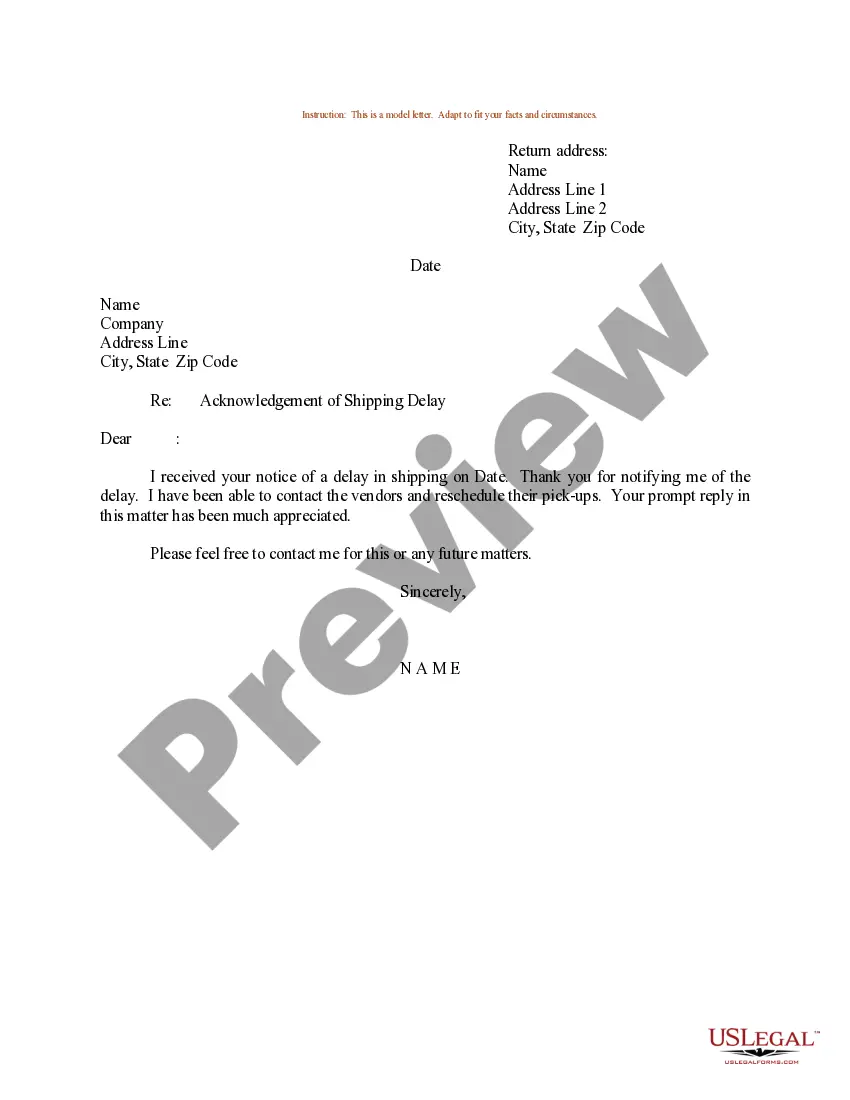
Acknowledgment Of Shipping Form Divorce In Tarrant
Description
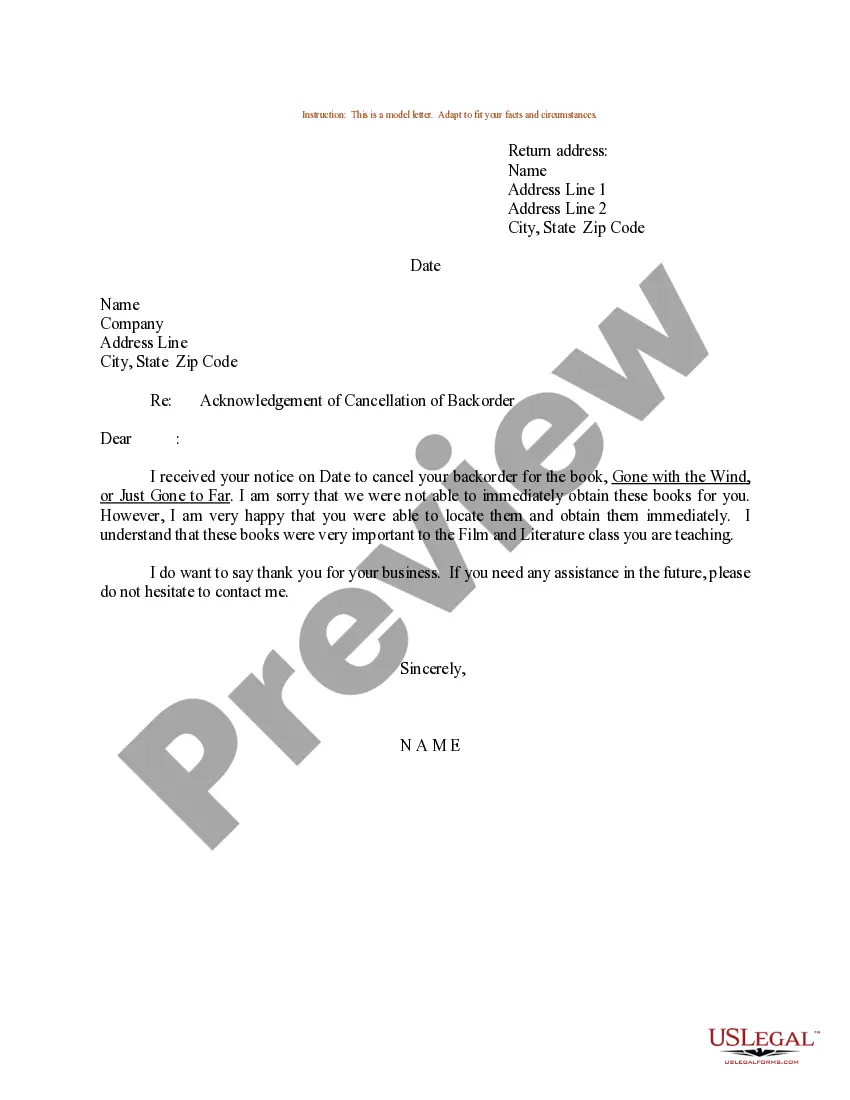
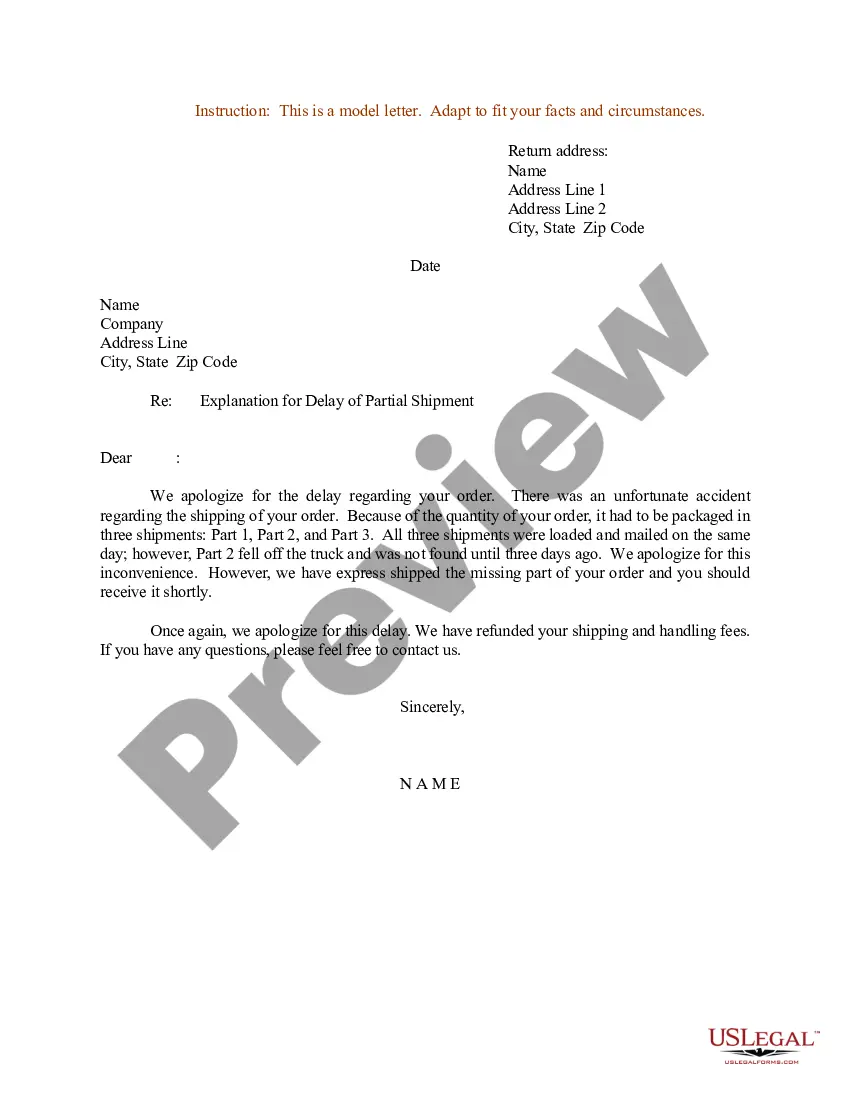
Get your form ready online
Our built-in tools help you complete, sign, share, and store your documents in one place.
Make edits, fill in missing information, and update formatting in US Legal Forms—just like you would in MS Word.
Download a copy, print it, send it by email, or mail it via USPS—whatever works best for your next step.
Sign and collect signatures with our SignNow integration. Send to multiple recipients, set reminders, and more. Go Premium to unlock E-Sign.
If this form requires notarization, complete it online through a secure video call—no need to meet a notary in person or wait for an appointment.
We protect your documents and personal data by following strict security and privacy standards.

Make edits, fill in missing information, and update formatting in US Legal Forms—just like you would in MS Word.

Download a copy, print it, send it by email, or mail it via USPS—whatever works best for your next step.

Sign and collect signatures with our SignNow integration. Send to multiple recipients, set reminders, and more. Go Premium to unlock E-Sign.

If this form requires notarization, complete it online through a secure video call—no need to meet a notary in person or wait for an appointment.

We protect your documents and personal data by following strict security and privacy standards.
Looking for another form?
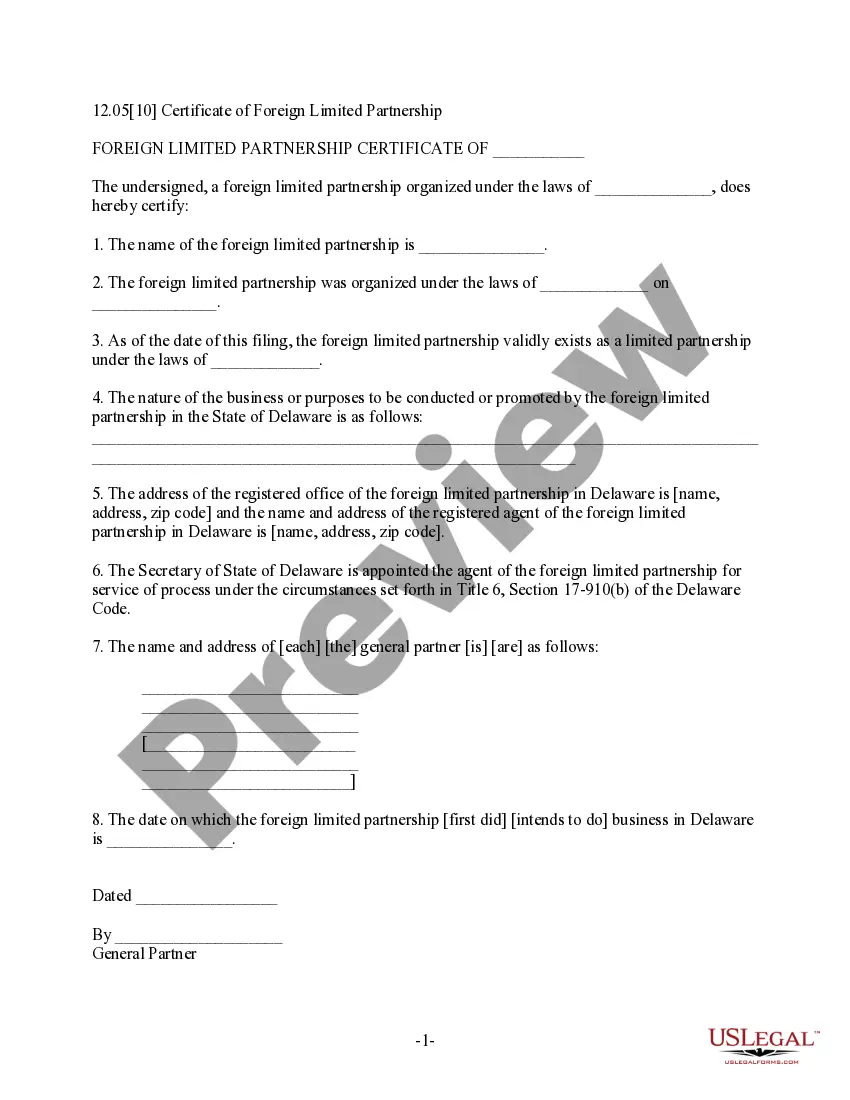


Form popularity
FAQ
All documents you want to file with the court must be filed with the District Clerk's Office through e-filing, in person, fax, or by mail. Contact the District Clerk's office with any questions at (817) 884-1574 or dclerk@tarrantcounty.
Texas Rule of Civil Procedure 106 requires that the process server first try to deliver the papers in person or by certified mail. You can ask the court to serve them in another way if trying to serve them in person or by certified mail didn't work. Texas rules now let you serve people by e-mail or social media.
In the next sections specify the terms of the divorce. This includes child custody arrangementsMoreIn the next sections specify the terms of the divorce. This includes child custody arrangements child support and division of property and debts. Be clear and precise in your descriptions.
It is possible to get a divorce without going to court, especially in cases where both parties mutually agree to the divorce and its terms. This process is often referred to as an ``uncontested divorce'' or ``amicable divorce.'' Here are the key steps and considerations:
There is no need for a formal trial in an uncontested divorce. Most of the time, the judge will go ahead and grant the divorce under the agreed terms. In Texas, there is a mandatory waiting period until the divorce becomes law. This period is 60 days in most cases.
Texas requires a minimum of 61 days for an uncontested divorce because of the required waiting time. In three to four months, many uncontested divorces may be concluded. However, because of negotiations, paperwork, and court scheduling, the procedure frequently takes many months to complete.
In Texas, it's possible to get a divorce without going to court – or by just appearing one time for a final “prove-up” hearing. To achieve this outcome, the divorce has to be uncontested , amicable, and both parties should be represented by attorneys.
I would start by searching the clerk of courts website for the county and state where the divorce proceedings took place. If on-line access is available, call or visit the clerk of court's office and request a copy. I would suggest that you get at least one certified copy for future use.
Timeline for Different Service Methods Service MethodEstimated Timeframe Personal Service 5-14 days (or longer if difficulties arise) Substituted Service Variable, depends on the method and court approval Service by Publication Several weeks to months, depending on publication requirements and legal procedures1 more row •
Divorce Decrees To obtain a copy of a divorce decree, you will need to contact the family law division of the District Clerk. That phone number is 817-884-1265.