Directors Appointment And Removal In Arizona
Description

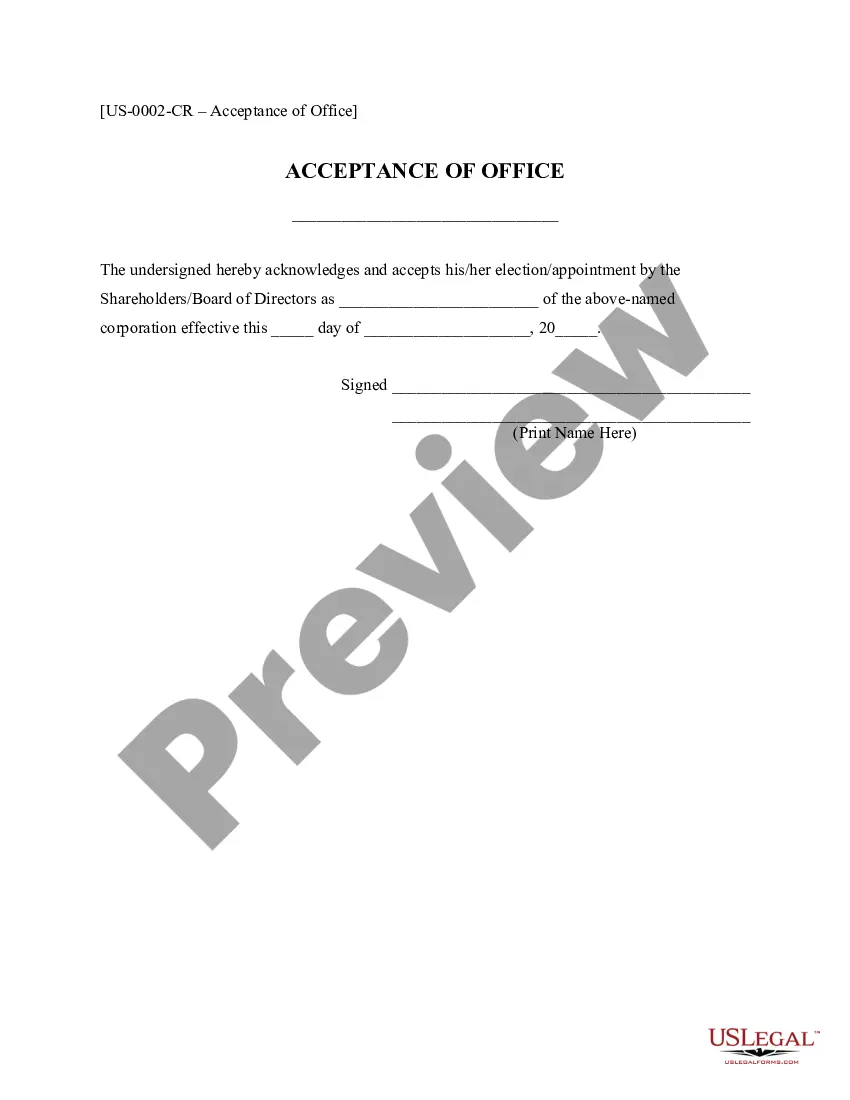

Get your form ready online
Our built-in tools help you complete, sign, share, and store your documents in one place.
Make edits, fill in missing information, and update formatting in US Legal Forms—just like you would in MS Word.
Download a copy, print it, send it by email, or mail it via USPS—whatever works best for your next step.
Sign and collect signatures with our SignNow integration. Send to multiple recipients, set reminders, and more. Go Premium to unlock E-Sign.
If this form requires notarization, complete it online through a secure video call—no need to meet a notary in person or wait for an appointment.
We protect your documents and personal data by following strict security and privacy standards.

Make edits, fill in missing information, and update formatting in US Legal Forms—just like you would in MS Word.

Download a copy, print it, send it by email, or mail it via USPS—whatever works best for your next step.

Sign and collect signatures with our SignNow integration. Send to multiple recipients, set reminders, and more. Go Premium to unlock E-Sign.

If this form requires notarization, complete it online through a secure video call—no need to meet a notary in person or wait for an appointment.

We protect your documents and personal data by following strict security and privacy standards.
Looking for another form?


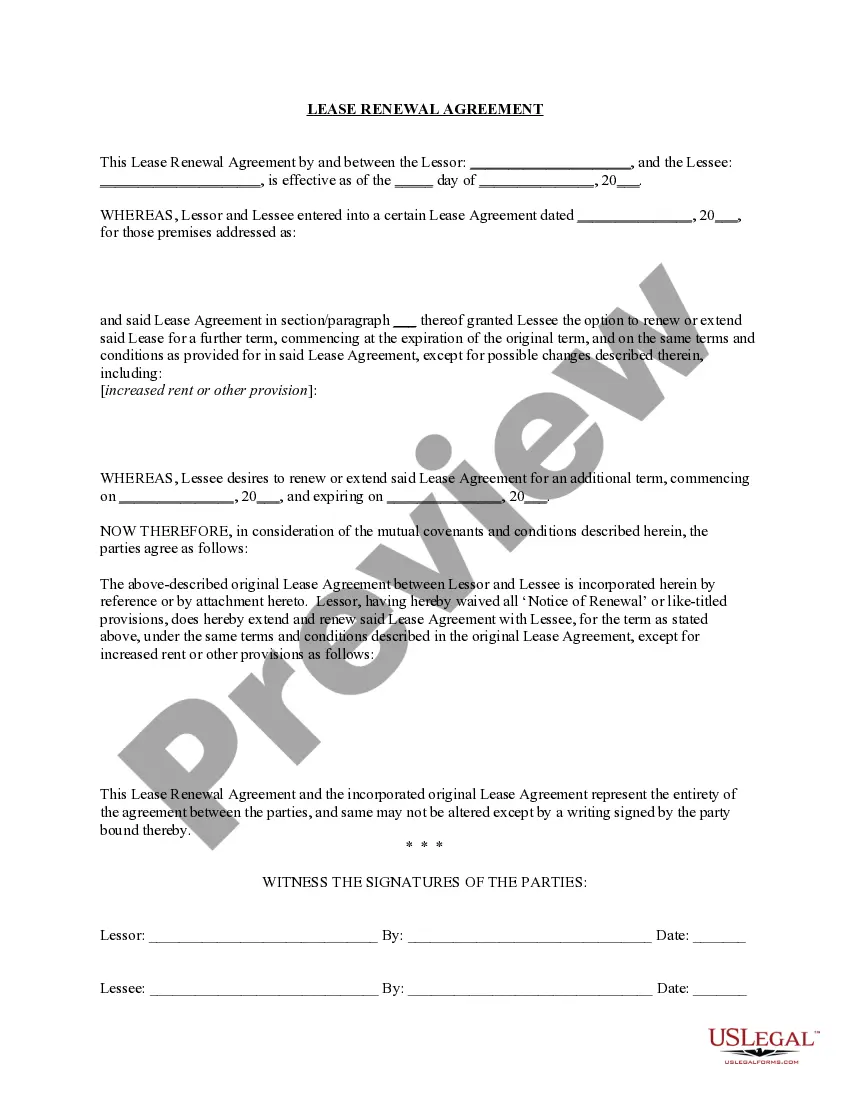
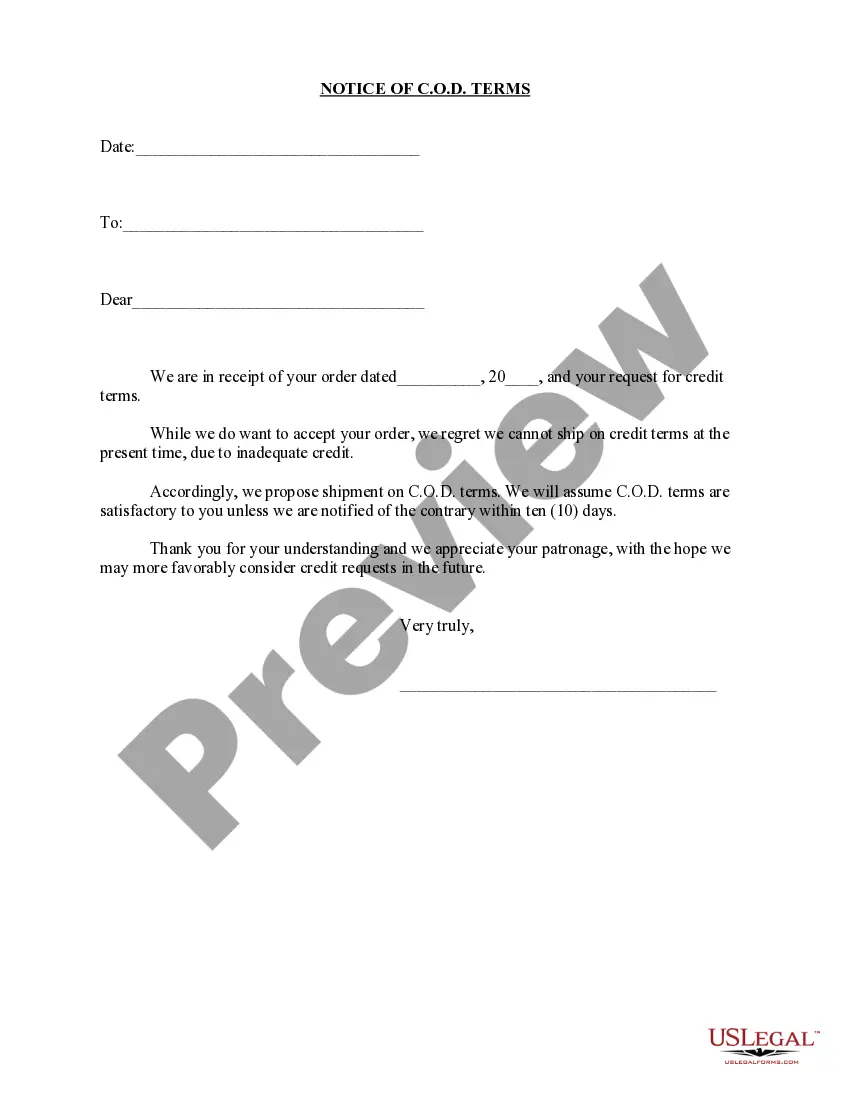

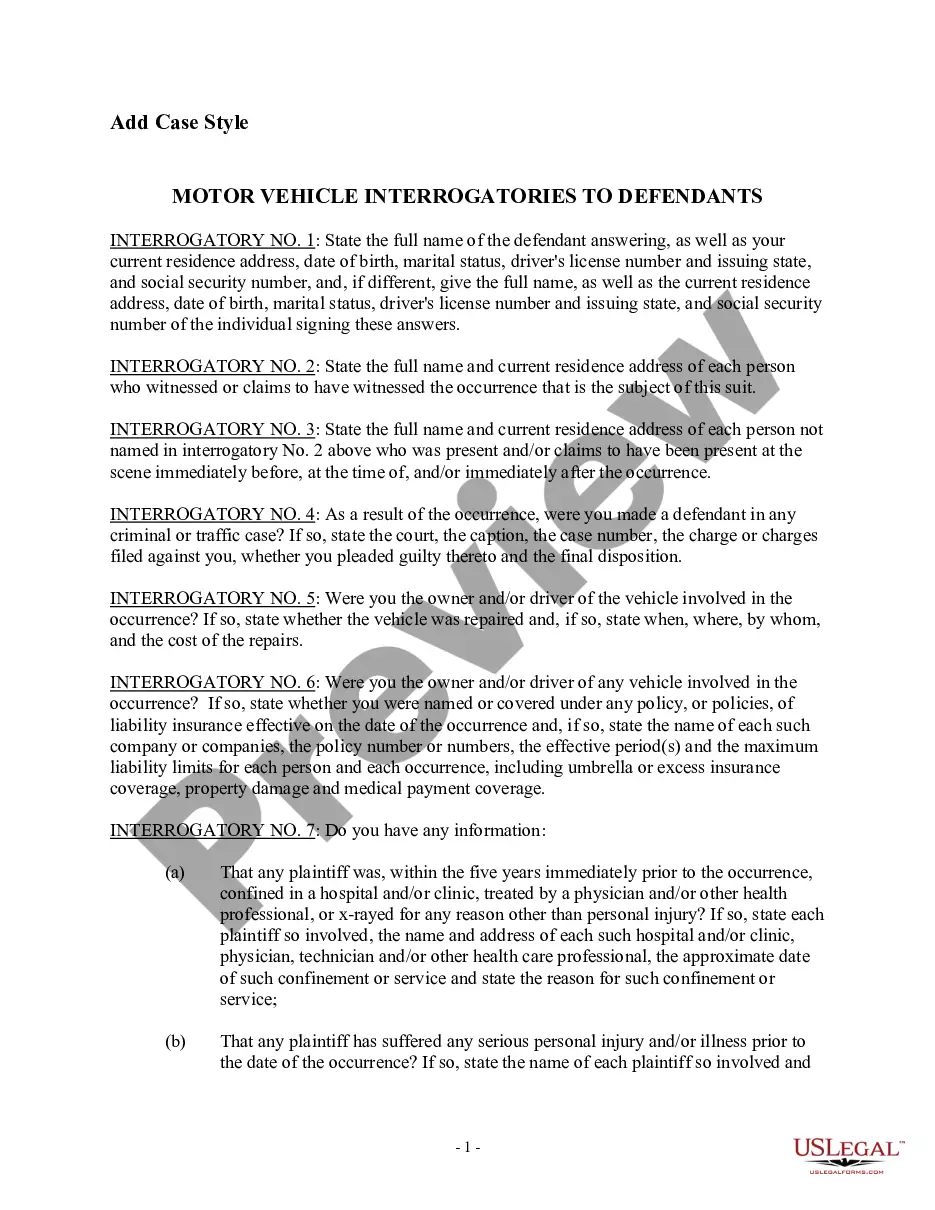

Form popularity
FAQ
The most common policy for member organizations is to call a meeting of members and notify the board member in writing that they will be voted upon during said meeting. From there, bylaws can require the majority of (or sometimes more) members to vote to remove the board member.
A resolution for removing a director must be passed in the general meeting of shareholders after giving the director an opportunity of being heard. After passing the resolution, form DIR-12 must be filed with the ROC. After filing the form, the director's name would be struck off from the MCA website.
The members of the association who are eligible to vote at the time of the meeting may remove any member of the board of directors, other than a member appointed by the declarant, by a majority vote of those voting on the matter at a meeting of the members.
For a smaller board, the process often involves being interviewed, whereas larger organizations tend to have a more formalized review before nominating someone for a seat. In publicly traded companies, board members are approved by shareholders at the recommendation of management.
How to gain an appointment to a board of directors Select the type of board to serve. Search for openings. Select the right company. Familiarize yourself with the directors. Conduct in-depth research on the board and company. Network at special events. Request an appointment. Craft a high-quality resume or CV for an interview.
A Board candidate should have extensive and relevant leadership experience, including current or prior service as the Chief Executive Officer, Chief Operating Officer or other high level executive of a complex public corporation or a comparable position in the nonprofit sector or government, as well as experience with ...
Usually, they are nominated by the Board for a vacancy or recruited by the Board or CEO because they have specific experience in a field...or they have strong relationships within the industry. I always advise people to contact every director of any company of interest and either meet with them in person or by phone.
OFFICER CHANGE (CHANGE IN OFFICERS) – Use one block per person - To REMOVE an officer - list the name AND title of the officer being removed and check "Remove officer." To ADD an officer - list the name and address of the officer being added and check "Add officer." To CHANGE ADDRESS only - list the name and NEW ...
The most common policy for member organizations is to call a meeting of members and notify the board member in writing that they will be voted upon during said meeting. From there, bylaws can require the majority of (or sometimes more) members to vote to remove the board member.
Unless there is a special provision in the company's Articles of Association a director cannot be removed from office by the Board of Directors, and only the shareholders can remove a director. The Articles may provide a procedure for this; otherwise the statutory procedure must be used.

