Chattel Mortgage Form Foreclose In Mecklenburg
Description

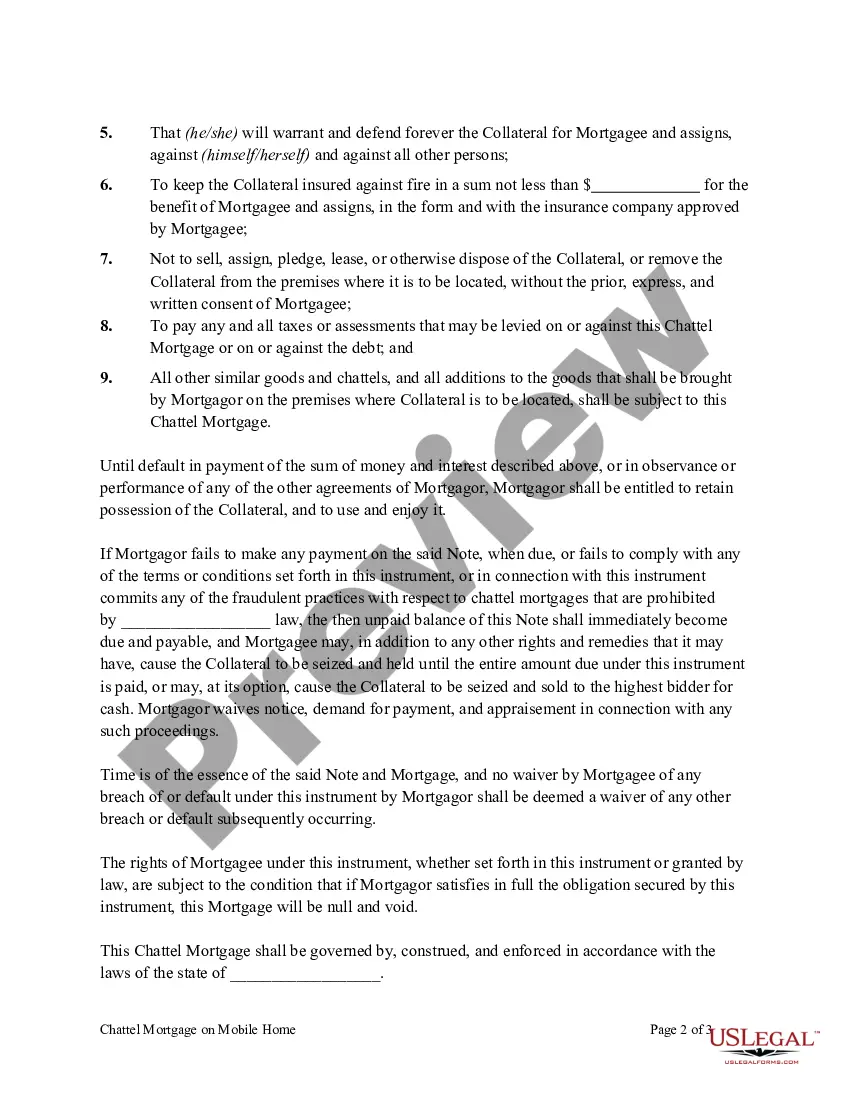
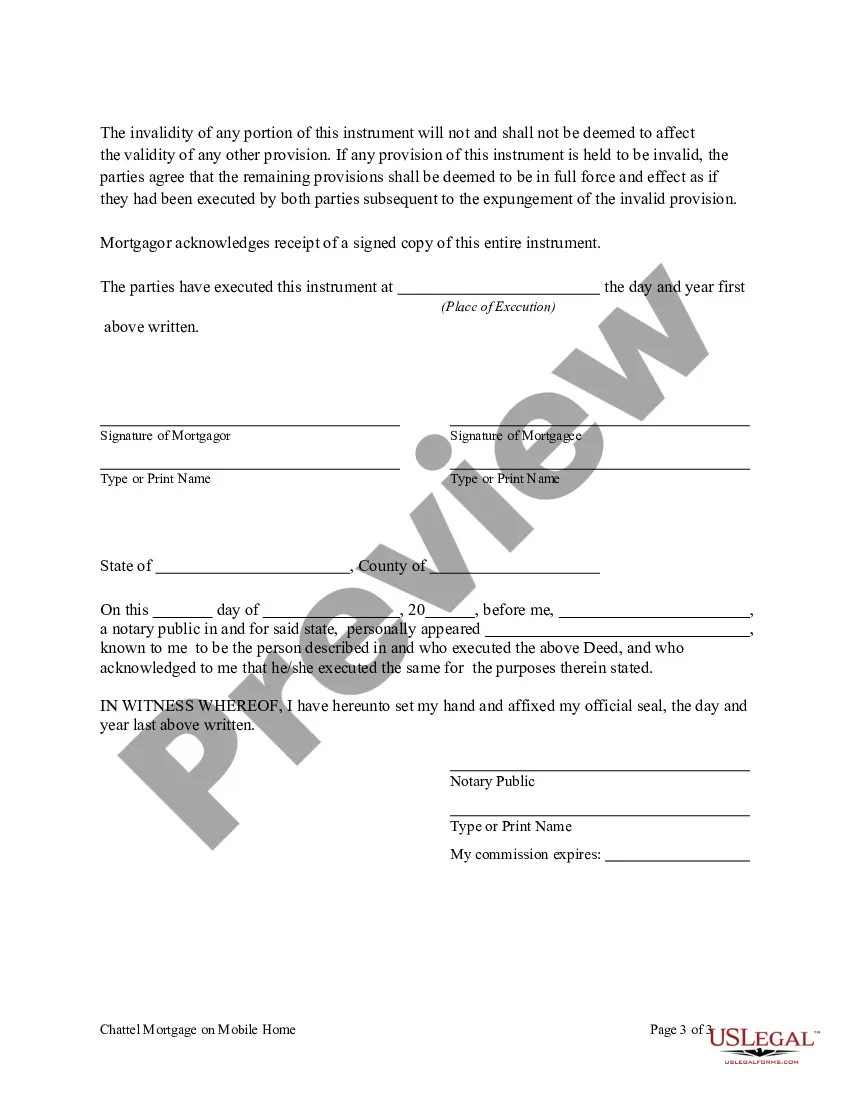
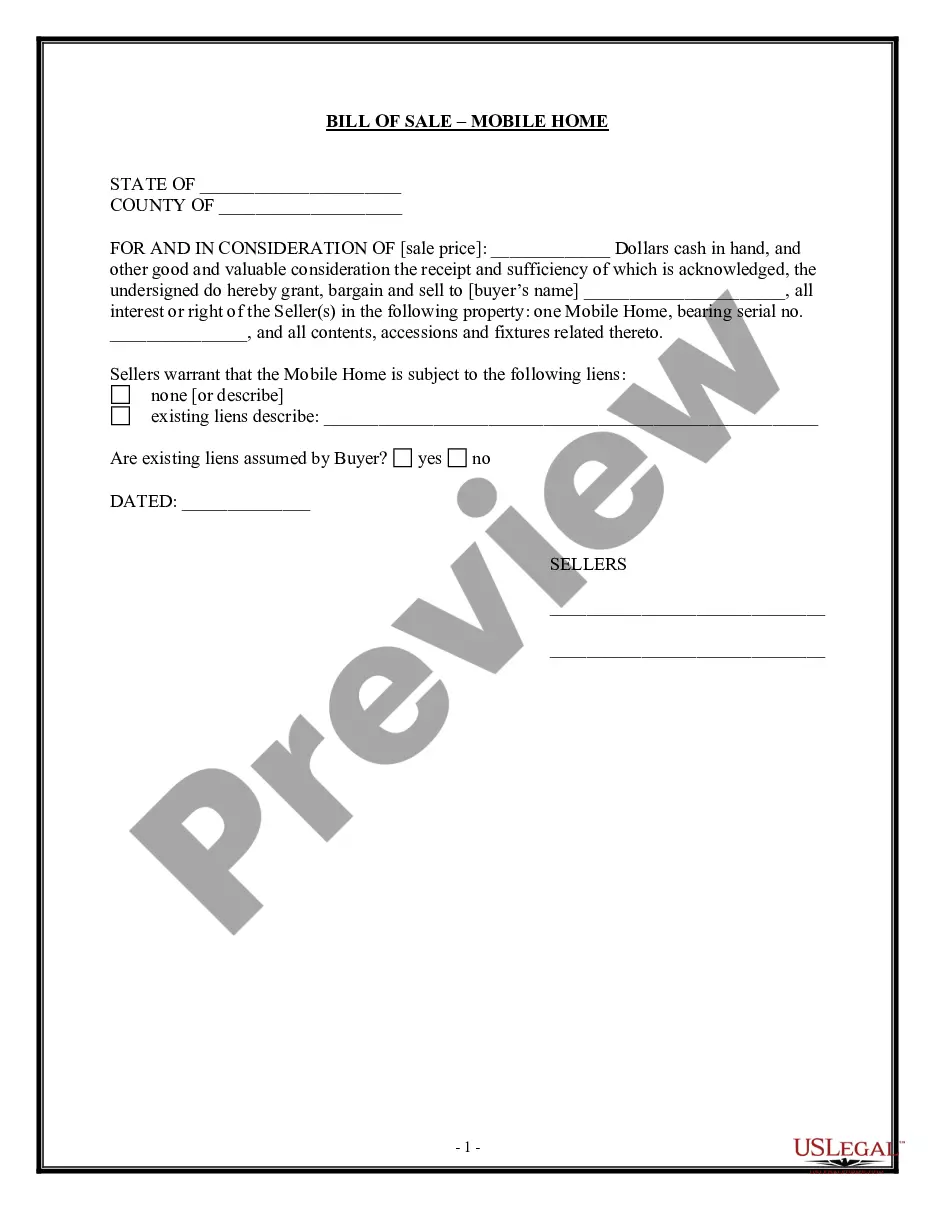
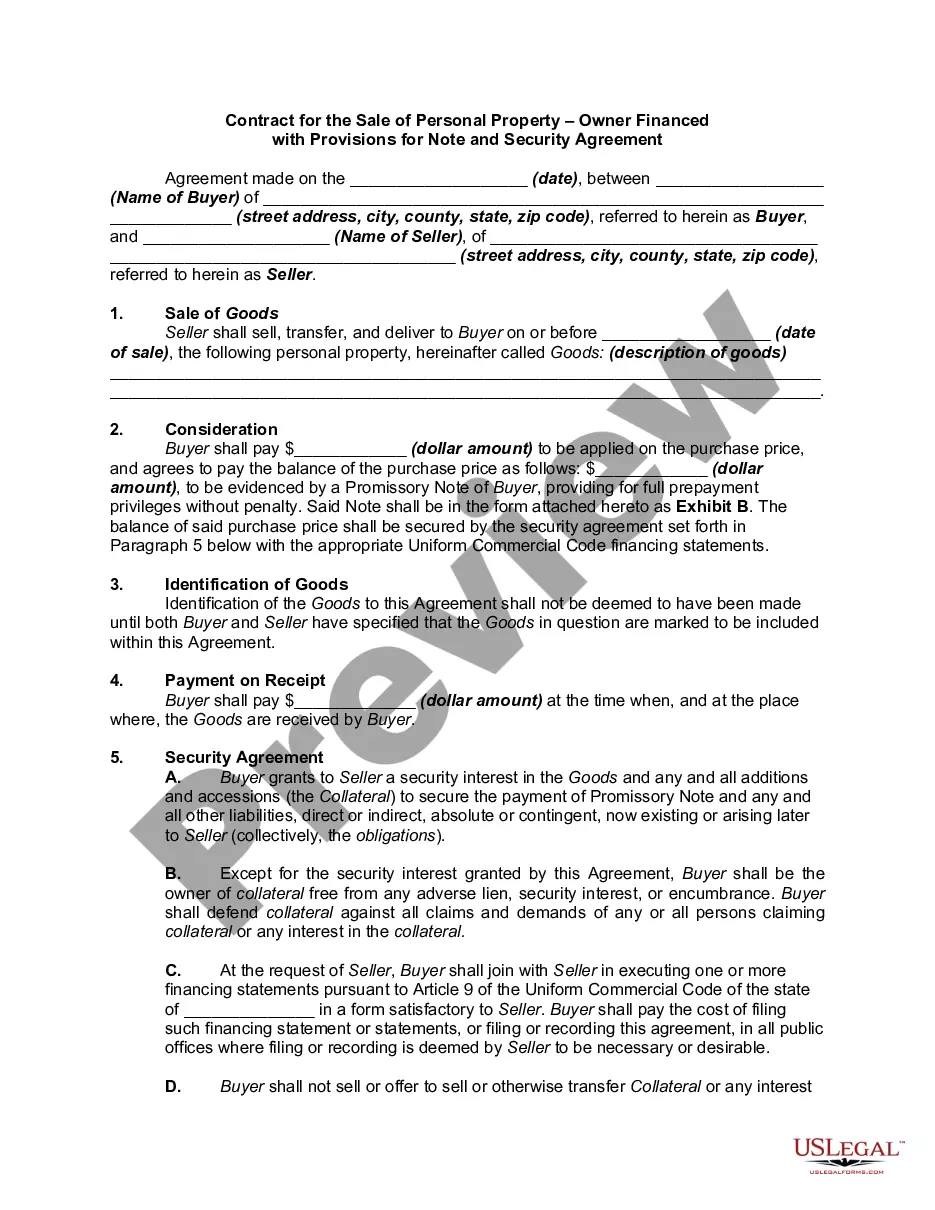
Get your form ready online
Our built-in tools help you complete, sign, share, and store your documents in one place.
Make edits, fill in missing information, and update formatting in US Legal Forms—just like you would in MS Word.
Download a copy, print it, send it by email, or mail it via USPS—whatever works best for your next step.
Sign and collect signatures with our SignNow integration. Send to multiple recipients, set reminders, and more. Go Premium to unlock E-Sign.
If this form requires notarization, complete it online through a secure video call—no need to meet a notary in person or wait for an appointment.
We protect your documents and personal data by following strict security and privacy standards.

Make edits, fill in missing information, and update formatting in US Legal Forms—just like you would in MS Word.

Download a copy, print it, send it by email, or mail it via USPS—whatever works best for your next step.

Sign and collect signatures with our SignNow integration. Send to multiple recipients, set reminders, and more. Go Premium to unlock E-Sign.

If this form requires notarization, complete it online through a secure video call—no need to meet a notary in person or wait for an appointment.

We protect your documents and personal data by following strict security and privacy standards.
Looking for another form?
Form popularity
FAQ
A power of sale foreclosure is a contractual right under the terms of a deed of trust which gives the trustee the power to sell the real property on behalf of the lender if the borrower defaults. The procedure for power of sale foreclosure is contained in Article 2A in Chapter 45 of the North Carolina General Statutes.
The Purchaser at the foreclosure sale must allow the tenant to stay at the property until either the end of the existing lease term or one year from the date the purchaser acquires “title” (legal ownership of the property)whichever is sooner. The purchaser is not required to renew the lease.
In North Carolina, the foreclosure process typically takes around 120 days from the date the first payment is missed to when the property is sold at a foreclosure sale. The timeline may vary depending on several factors, including: The lender's policies and procedures.
A mortgage servicer may not make a first notice or filing for foreclosure until the borrower is more than 120 days delinquent. The 120-day period under the rules is designed to give borrowers time to learn about workout options and file an application for mortgage assistance.
In North Carolina, the foreclosure process typically takes around 120 days from the date the first payment is missed to when the property is sold at a foreclosure sale. The timeline may vary depending on several factors, including: The lender's policies and procedures. The type of foreclosure.
In North Carolina, the foreclosure process typically takes around 120 days from the date the first payment is missed to when the property is sold at a foreclosure sale. The timeline may vary depending on several factors, including: The lender's policies and procedures.
Federal law mandates that the lender cannot officially move forward with foreclosure until you're 120 days delinquent on the payments.
In nonjudicial pre-foreclosure situations, the pre-foreclosure process is usually quick. For example, the pre-foreclosure process can be as short as 111 days in California. This includes a 90-day default notice period and a 21-day foreclosure sale notice.
