Sample Email To Client With Proposal In Oakland
Description

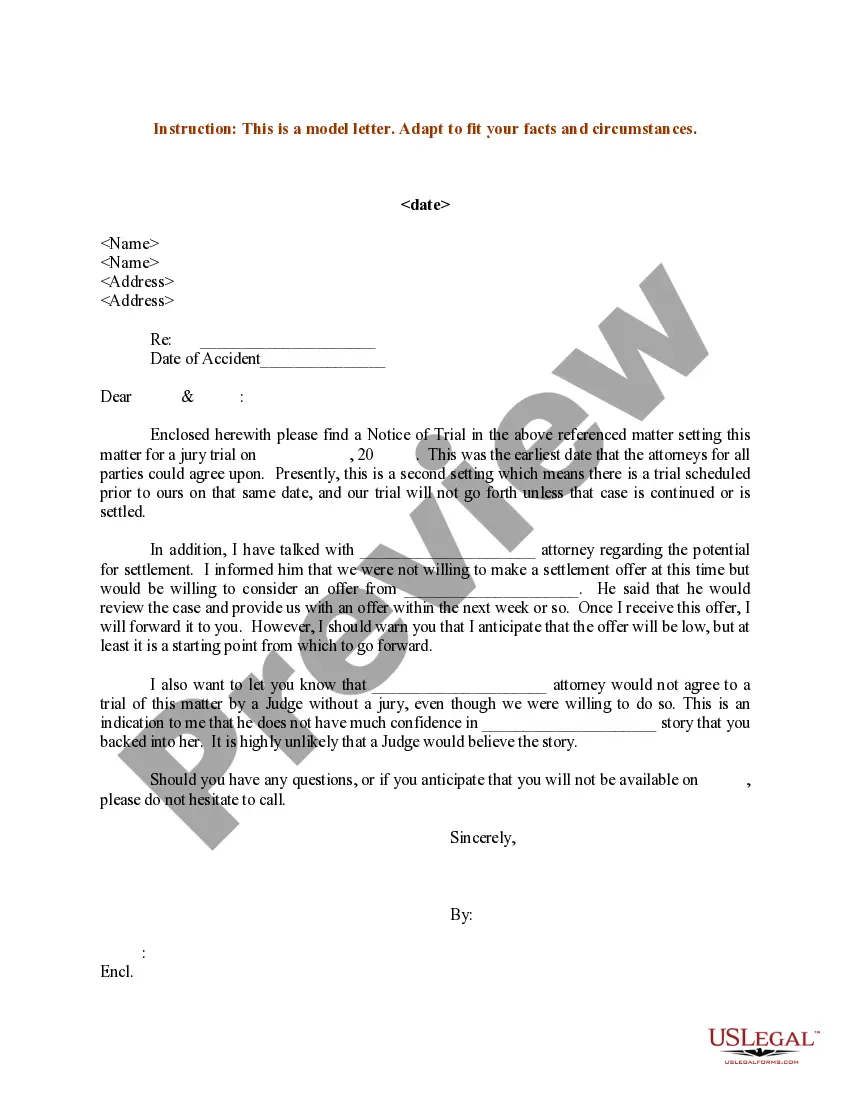
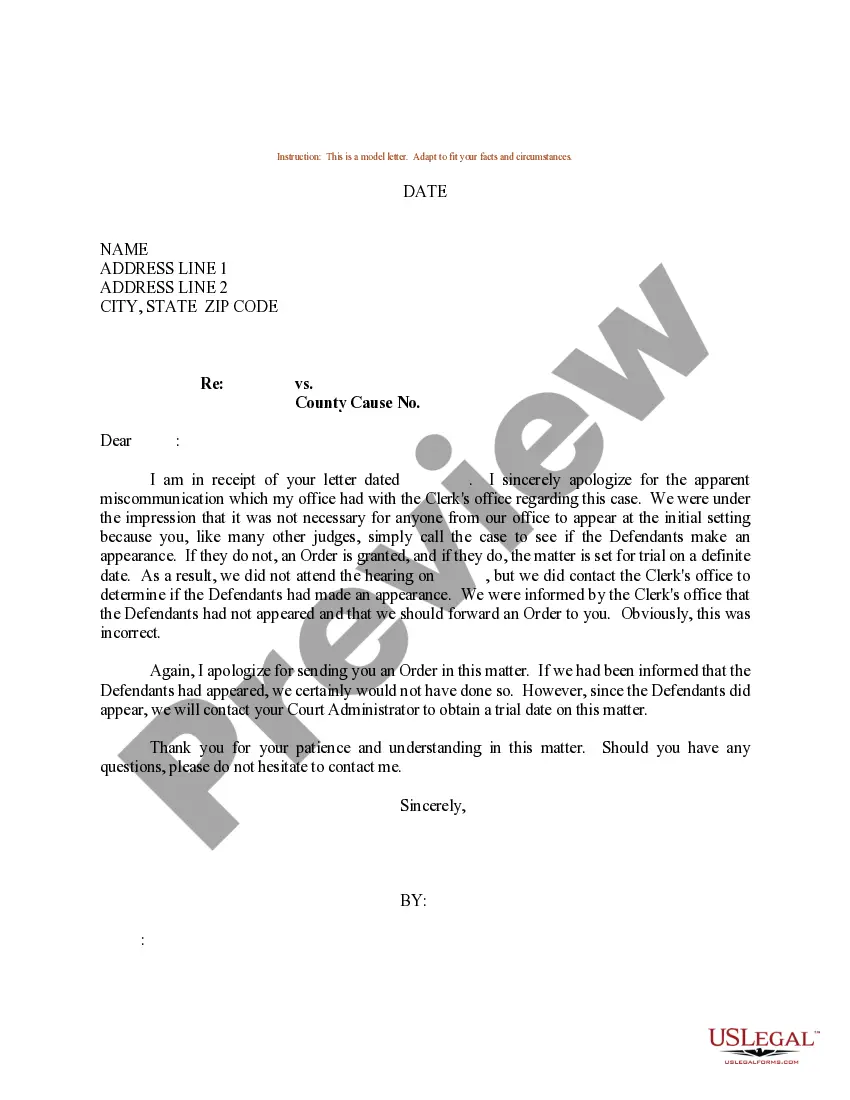
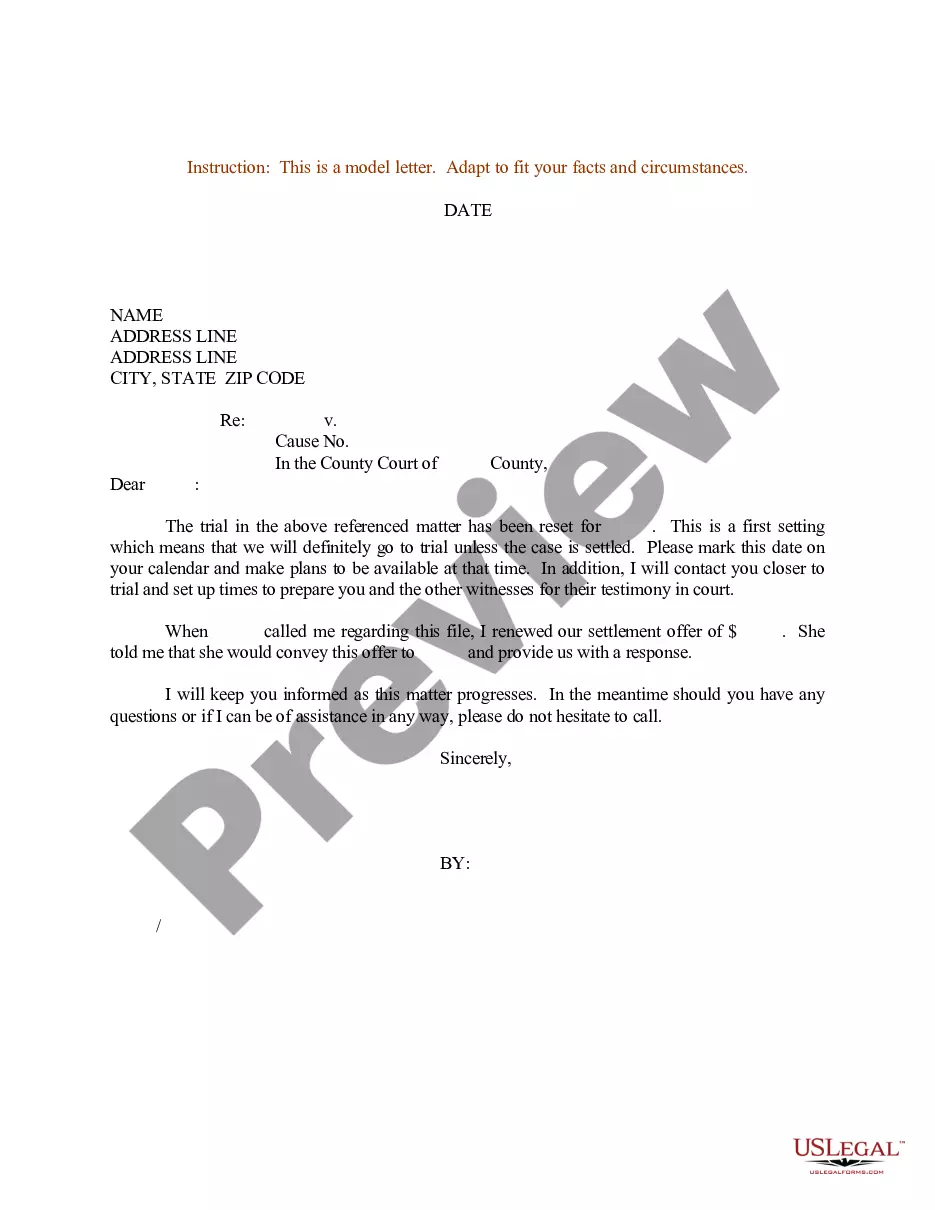
Get your form ready online
Our built-in tools help you complete, sign, share, and store your documents in one place.
Make edits, fill in missing information, and update formatting in US Legal Forms—just like you would in MS Word.
Download a copy, print it, send it by email, or mail it via USPS—whatever works best for your next step.
Sign and collect signatures with our SignNow integration. Send to multiple recipients, set reminders, and more. Go Premium to unlock E-Sign.
If this form requires notarization, complete it online through a secure video call—no need to meet a notary in person or wait for an appointment.
We protect your documents and personal data by following strict security and privacy standards.

Make edits, fill in missing information, and update formatting in US Legal Forms—just like you would in MS Word.

Download a copy, print it, send it by email, or mail it via USPS—whatever works best for your next step.

Sign and collect signatures with our SignNow integration. Send to multiple recipients, set reminders, and more. Go Premium to unlock E-Sign.

If this form requires notarization, complete it online through a secure video call—no need to meet a notary in person or wait for an appointment.

We protect your documents and personal data by following strict security and privacy standards.
Looking for another form?


Form popularity
FAQ
Starting from the top, this is you can structure your emails: Write an enticing subject line. Include a relevant introduction with personalization. Mention why you're writing. Explain your sales or value proposition pitch. End on a high note and include a CTA which clearly explains what you want them to do next.
How to write an RFP Identify your goals. Before writing your RFP, you can identify the scope of the project and the goals you want it to accomplish. Determine logistics. Outline your RFP. Revise and proofread. Share your RFP. Summary and background. Project scope. Project timeline.
Elements of a Tender Cover Letter A short introduction thanking the organisation for inviting your company to tender. A unique reason why you should be given the job. A commitment statement to making the contract a success. An administrative note on some aspect of the tender can be included.
Here are some steps to help you write a follow-up email after sending a proposal to a potential client: Address the recipient. Remind them of your proposal. Check interest. Ask questions. Insert a call to action. Thank the recipient and end the email. Schedule your follow-ups. Keep the email brief.

