Washington State Form 17 For Sale In Pennsylvania
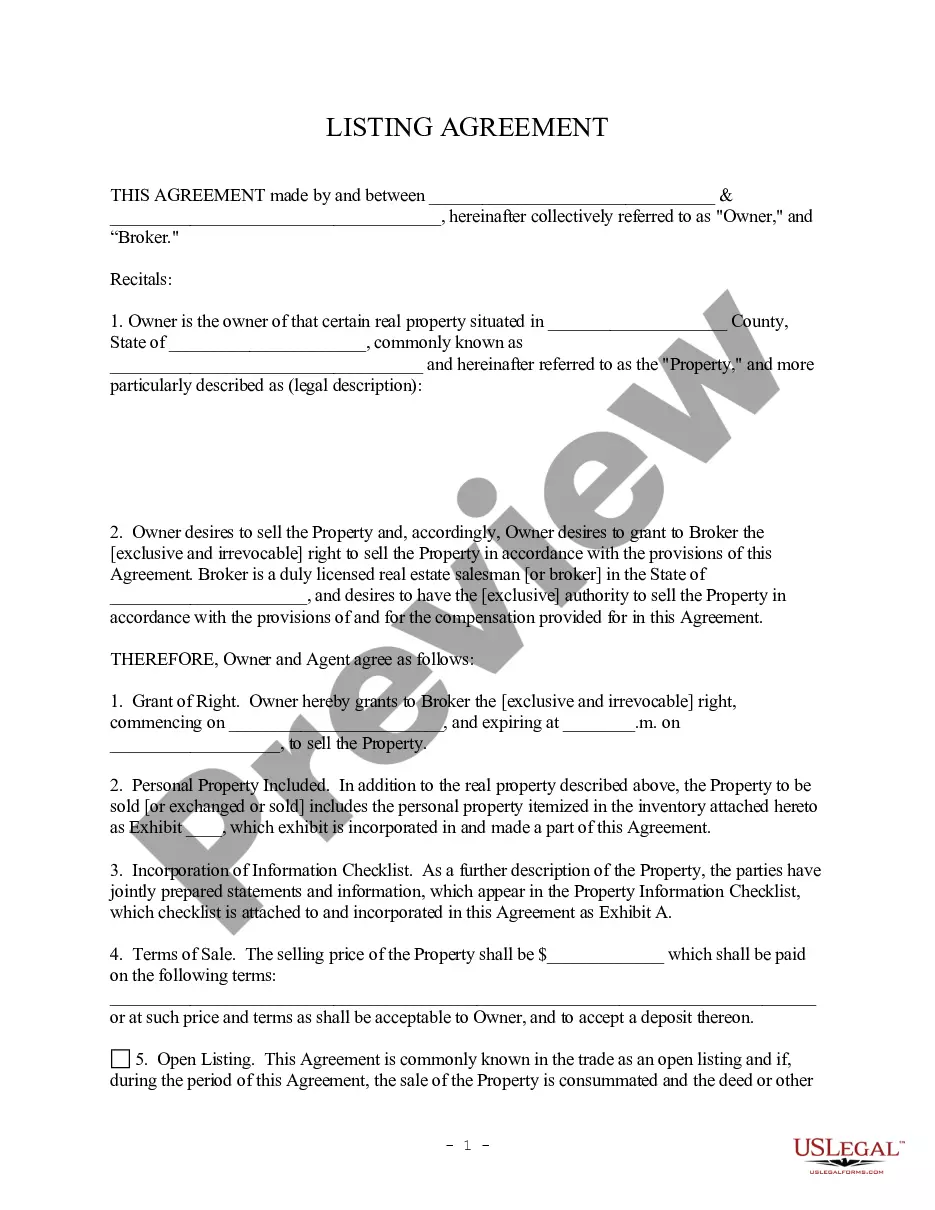
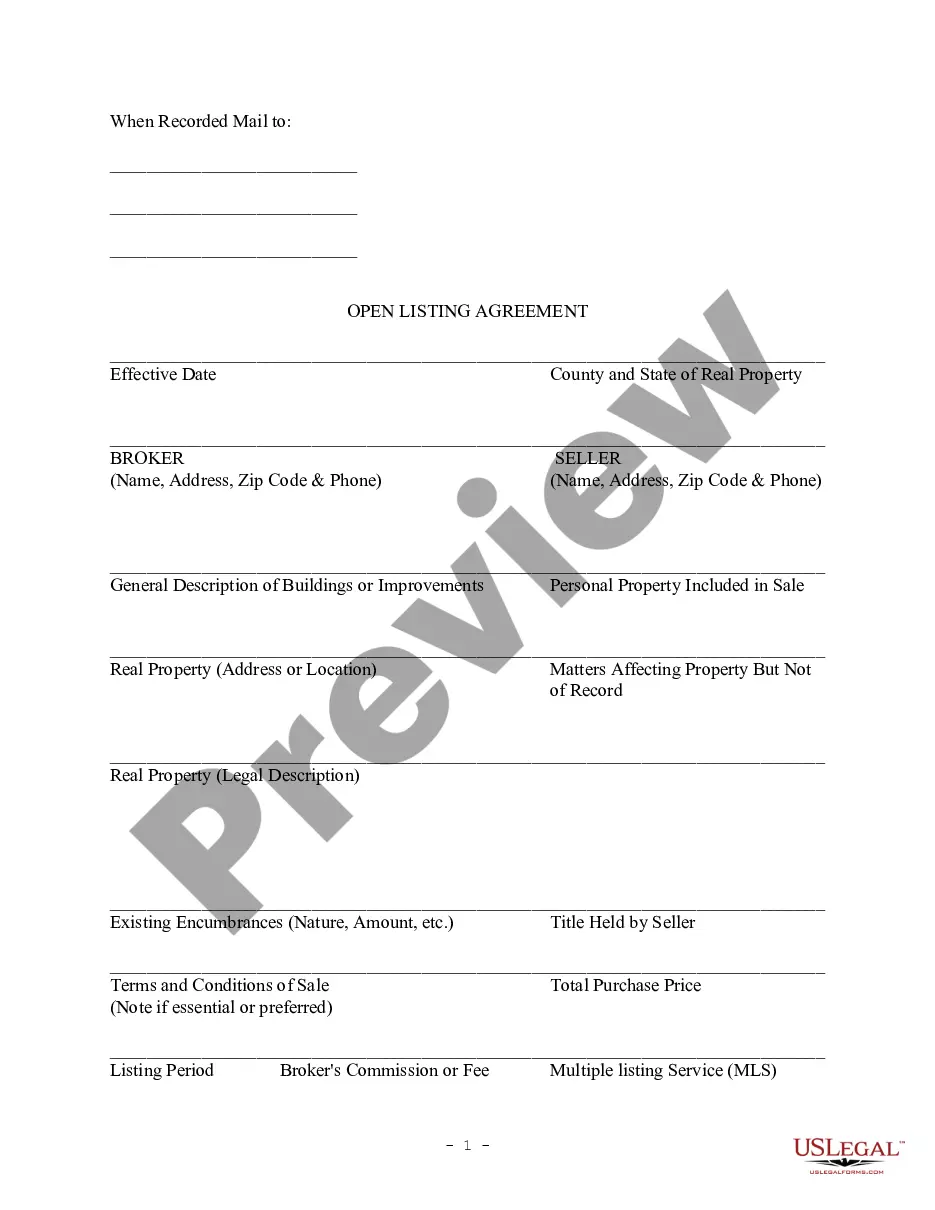
Description


Form popularity
FAQ
Who Must Make These Seller Disclosures in California. As a broad rule, all sellers of residential real estate property containing one to four units in California must complete and provide written disclosures to the prospective buyers.
It is prepared by the seller's solicitors.
You can get the form from a buyer's or seller's agent or real estate attorney. While the disclosure form will vary in format, it may contain the following: List of specific issues the homeowner must check off if the home has them. Questions about the property the seller must answer with “Yes,” “No” or “Unknown”
While sellers have always been required to disclose material facts, the Form 17 has been required by law (RCW 64.06. 020) since January 1, 1995. It has undergone ten revisions since its inception, the last of which went into effect in 2021.
Sellers must complete a Transfer Disclosure Statement (TDS), in which they disclose known defects and other pertinent information about the property. Failure to disclose these material facts can lead to legal liability.
Directors and officers of publicly traded companies: Directors and officers of publicly traded companies have a fiduciary duty to act in the best interests of the company and its shareholders. As part of this duty, they are required to disclose material facts to the public in a timely manner.
Seller: A seller must disclose to a buyer all known material defects about property being sold that are not readily observable. This disclosure statement is designed to assist the seller in complying with disclosure requirements and to assist the buyer in evaluating the property being considered.

