Washington State Forms 17 For Divorce In Dallas
Description
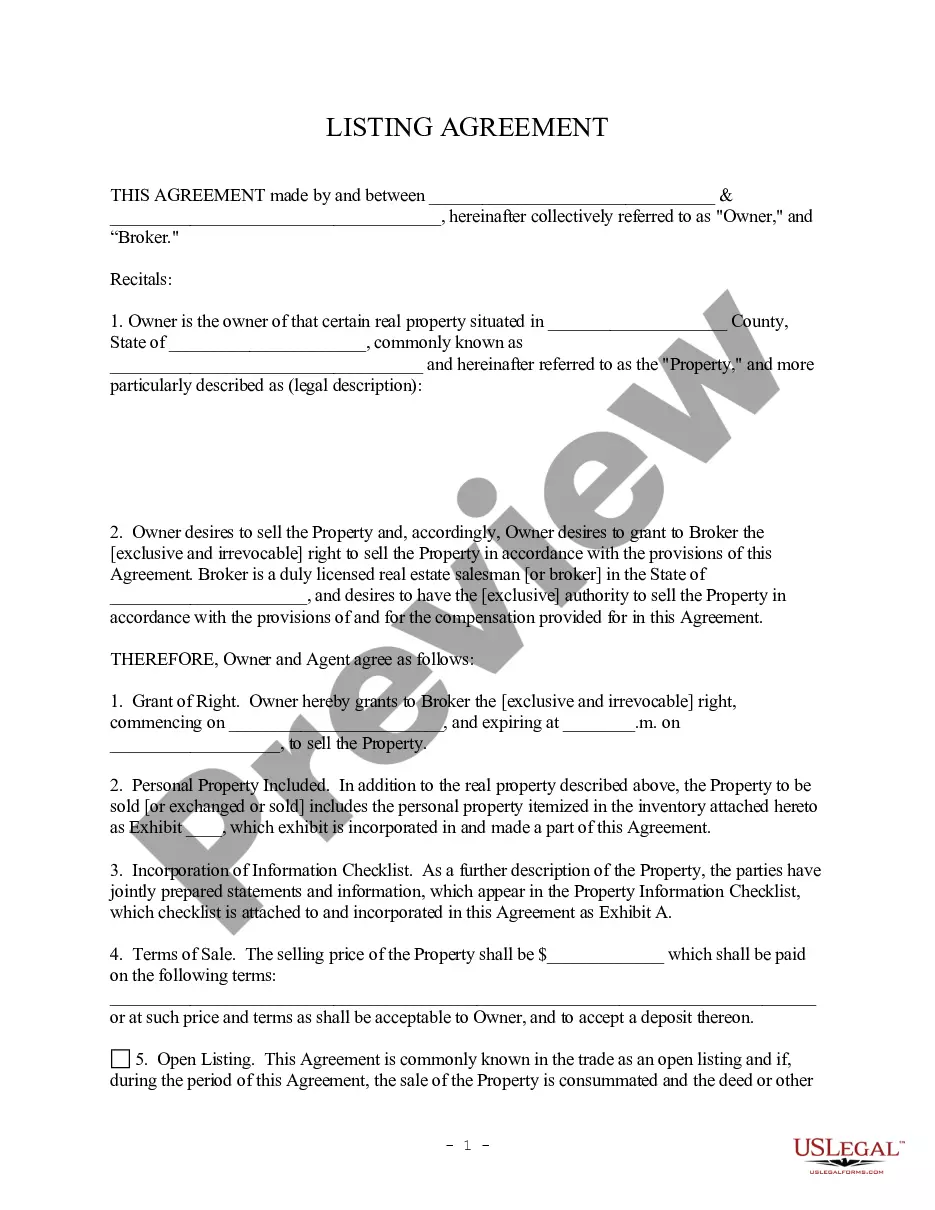
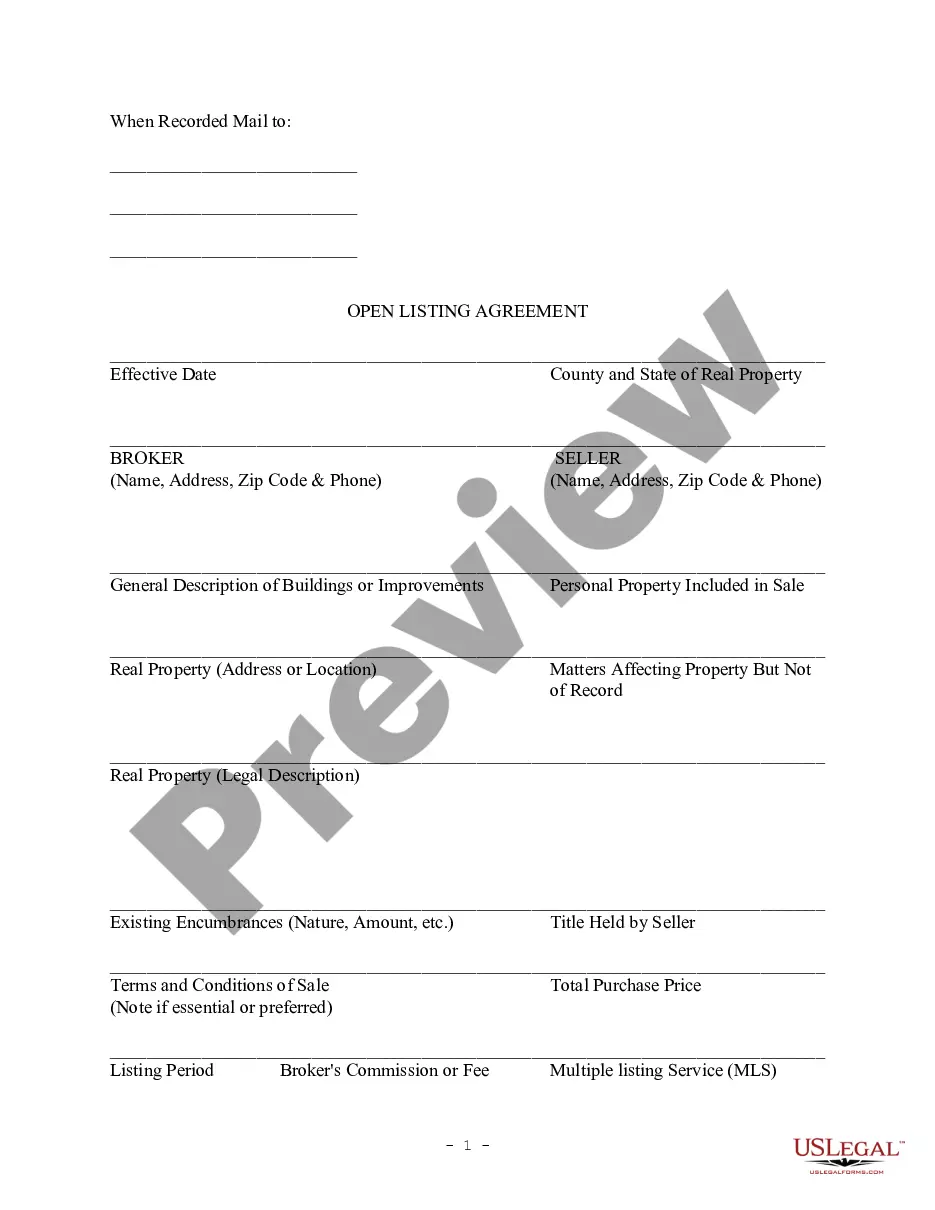

Get your form ready online
Our built-in tools help you complete, sign, share, and store your documents in one place.
Make edits, fill in missing information, and update formatting in US Legal Forms—just like you would in MS Word.
Download a copy, print it, send it by email, or mail it via USPS—whatever works best for your next step.
Sign and collect signatures with our SignNow integration. Send to multiple recipients, set reminders, and more. Go Premium to unlock E-Sign.
If this form requires notarization, complete it online through a secure video call—no need to meet a notary in person or wait for an appointment.
We protect your documents and personal data by following strict security and privacy standards.

Make edits, fill in missing information, and update formatting in US Legal Forms—just like you would in MS Word.

Download a copy, print it, send it by email, or mail it via USPS—whatever works best for your next step.

Sign and collect signatures with our SignNow integration. Send to multiple recipients, set reminders, and more. Go Premium to unlock E-Sign.

If this form requires notarization, complete it online through a secure video call—no need to meet a notary in person or wait for an appointment.

We protect your documents and personal data by following strict security and privacy standards.
Looking for another form?
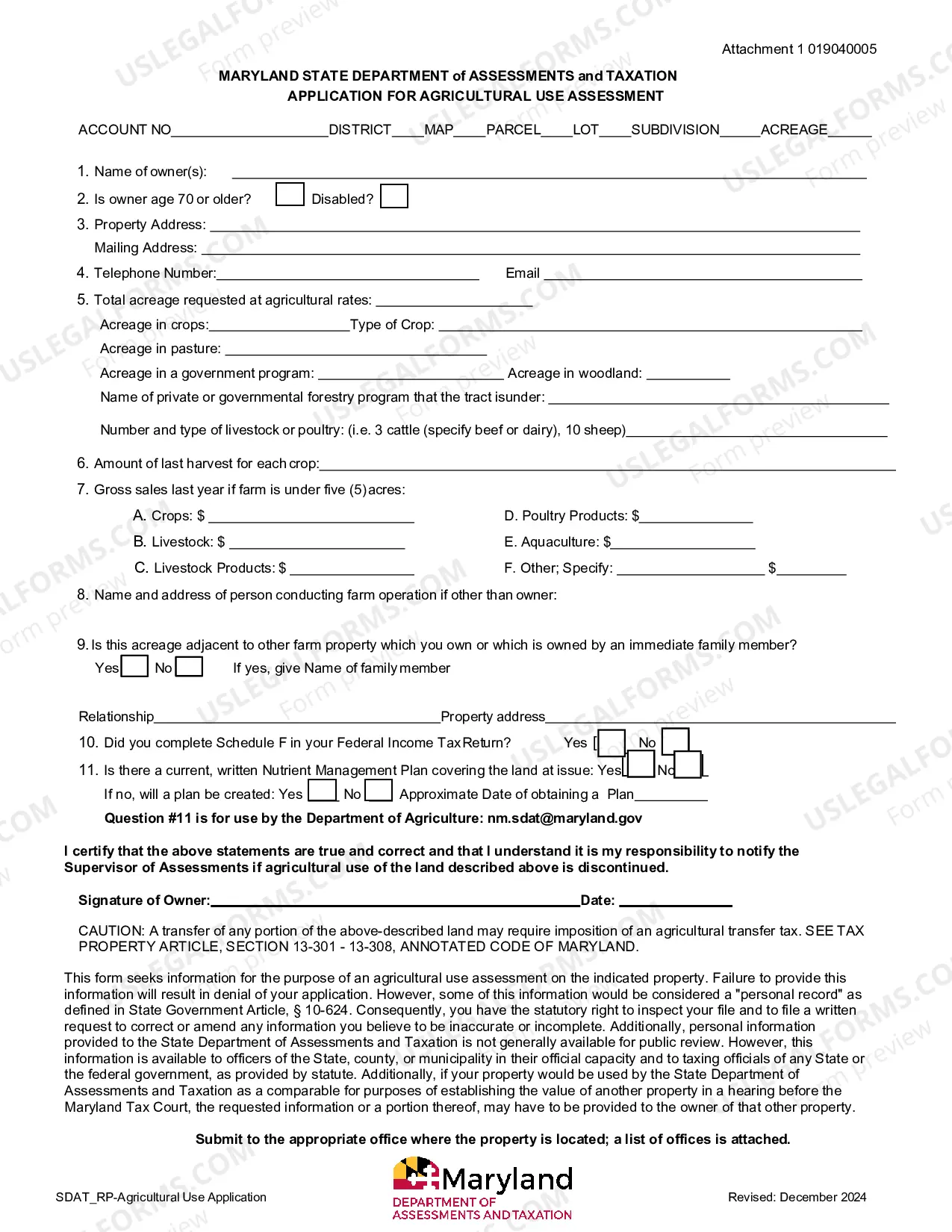
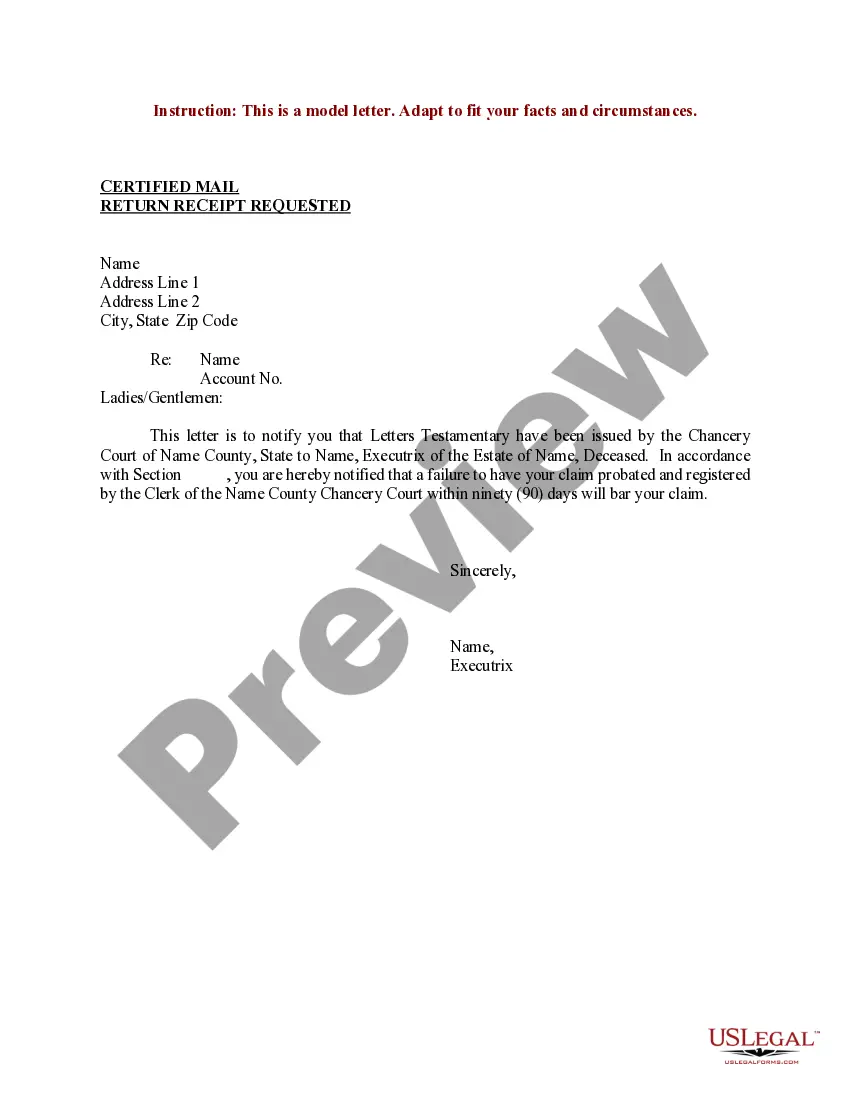
Form popularity
FAQ
Can I serve divorce papers myself? No. Only a non-party to the case who is over the age of 18 can serve divorce papers under Washington law.
In Texas, it is possible to divorce without appearing in Court or by just appearing one time to finalize the divorce. To achieve this, the divorce must be amicable, and both parties should be represented by skilled attorneys who help them to mediate their differences and arrive at amicable agreements.
It is possible to get a divorce without going to court, especially in cases where both parties mutually agree to the divorce and its terms. This process is often referred to as an ``uncontested divorce'' or ``amicable divorce.'' Here are the key steps and considerations:
Certified copies of divorce decrees are only available from the district clerk. Certified copies of marriage/divorce records must be obtained in the county or district in which they were originally filed.
Filing the Petition for the Dissolution of Marriage The divorce begins when you file the Petition for Dissolution of Marriage, the Summons, the Confidential Information Form and the Vital Statistics form in the Superior Court of Washington in the county where you or your spouse resides.
You do not need your spouse's signature for a divorce in Washington. Washington is a no-fault state, which means that both spouses need not agree to the divorce for the court to grant it.
Good candidates for filing for divorce without an attorney are those who have been married for a very short time, those without significant assets, those who have a strong understanding of the legal divorce process, and those who are largely in agreement regarding the divorce.
The first step in the divorce process is to file a divorce petition. Even if both spouses agree to a divorce, one must file a divorce petition with the court to begin the process of terminating the marriage. This person is known as the petitioner, and the other spouse is referred to as the respondent.
The divorce begins when you file the Petition for Dissolution of Marriage, the Summons, the Confidential Information Form and the Vital Statistics form in the Superior Court of Washington in the county where you or your spouse resides.

