Ownership Agreement For Co-owners In Massachusetts
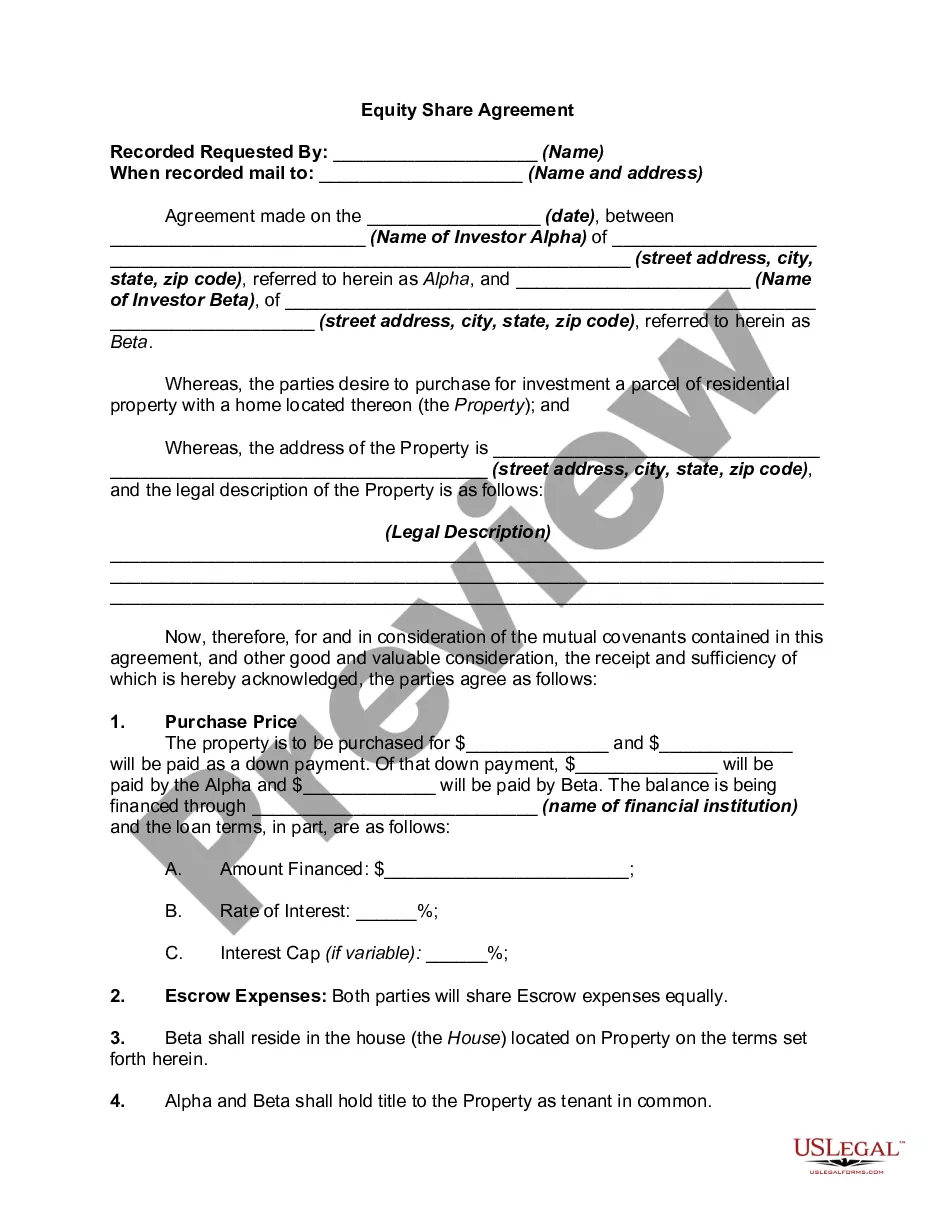
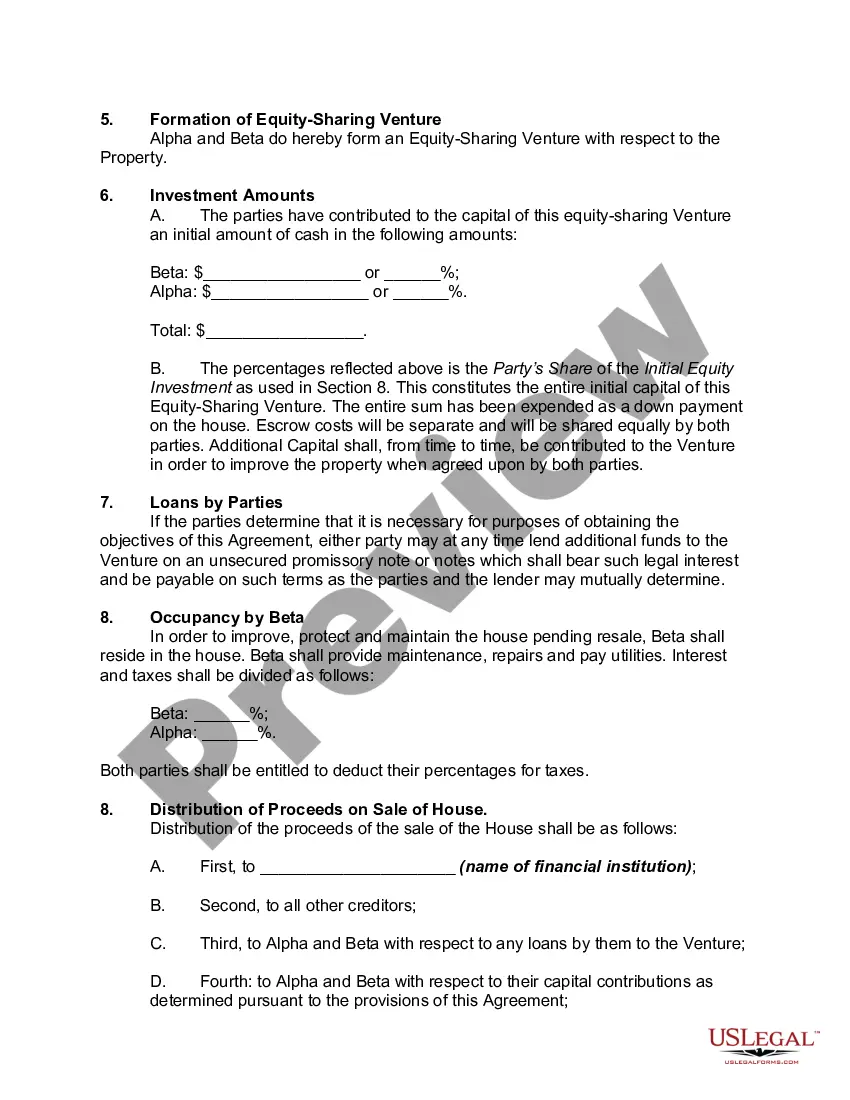
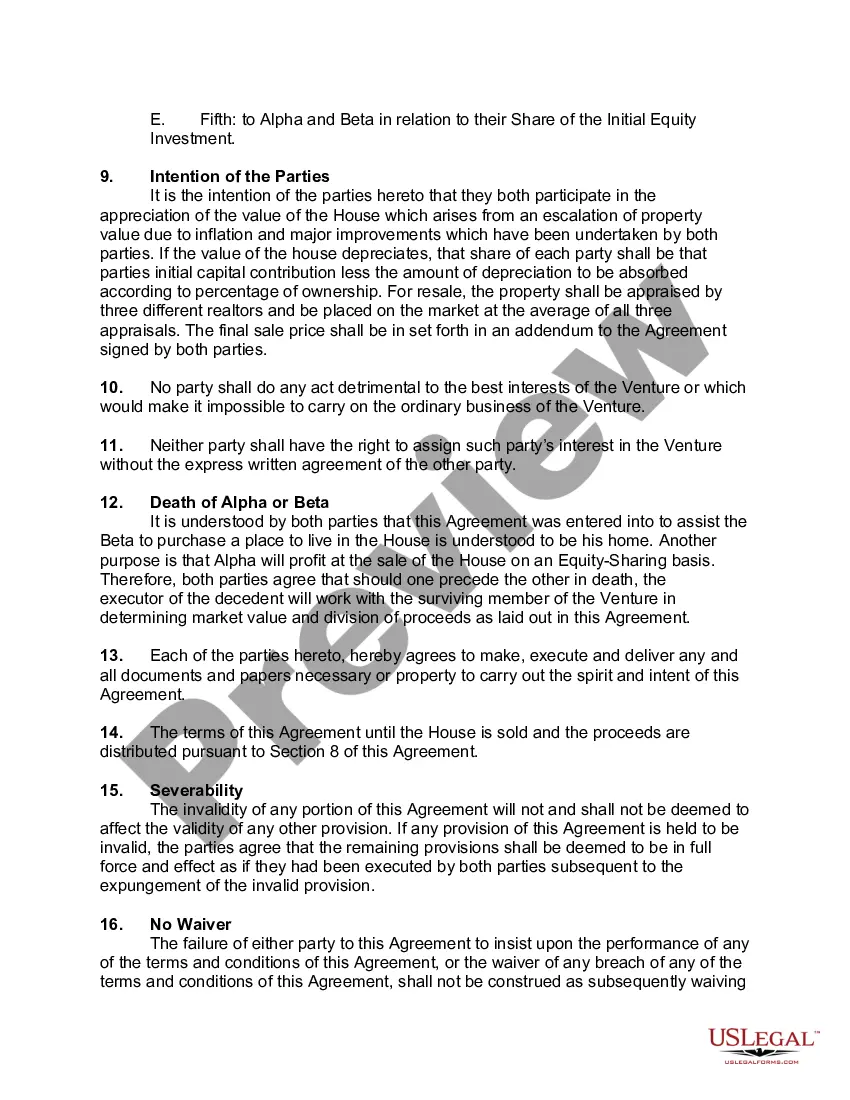
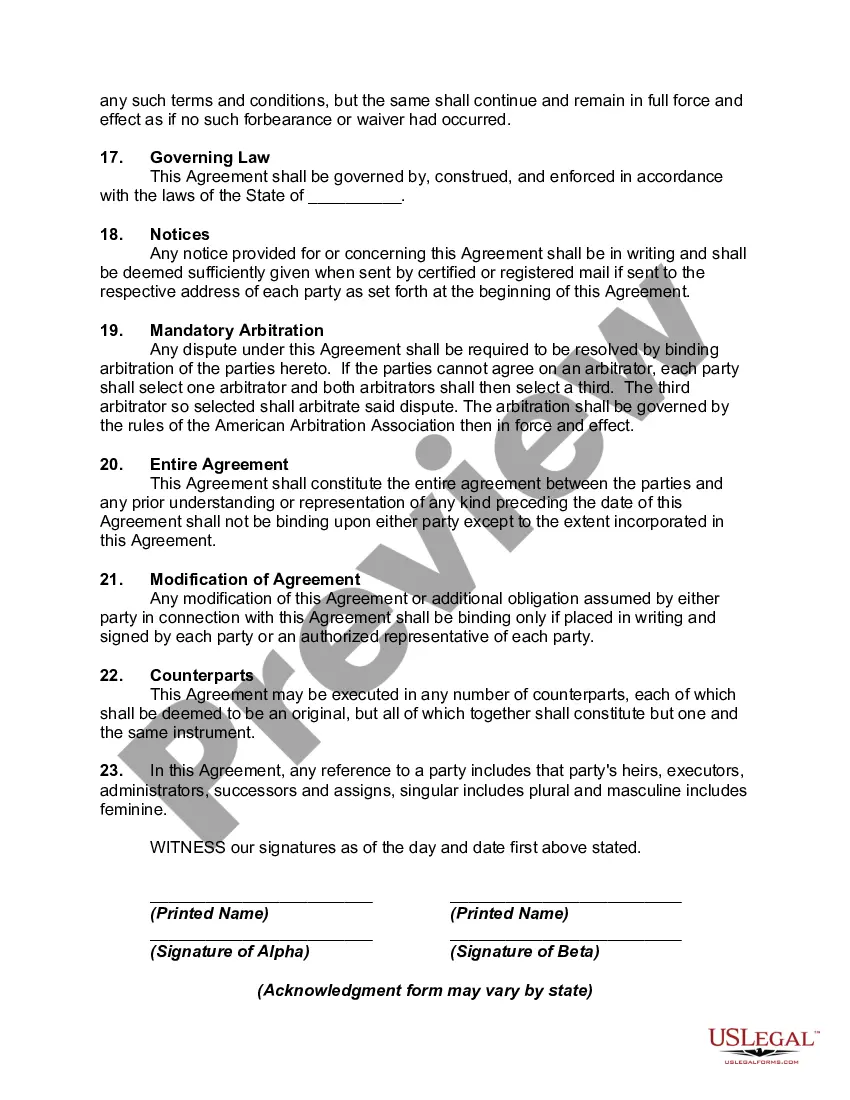
Description
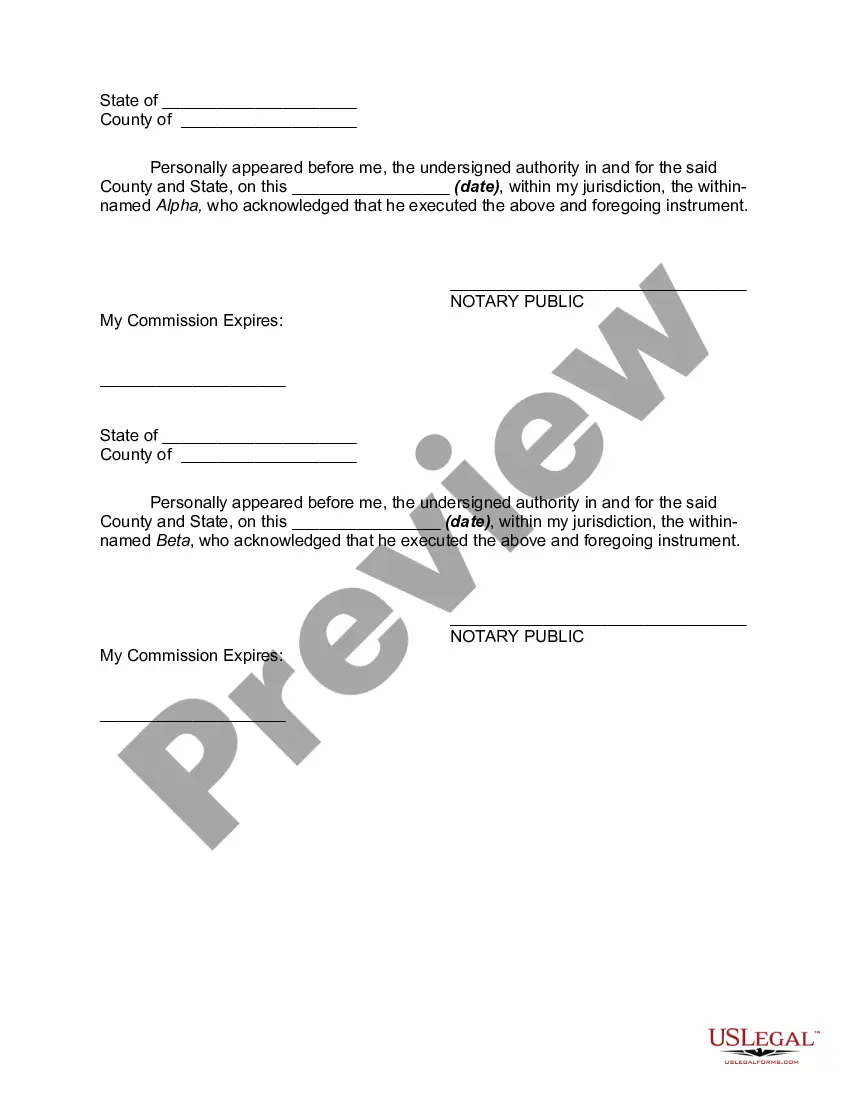
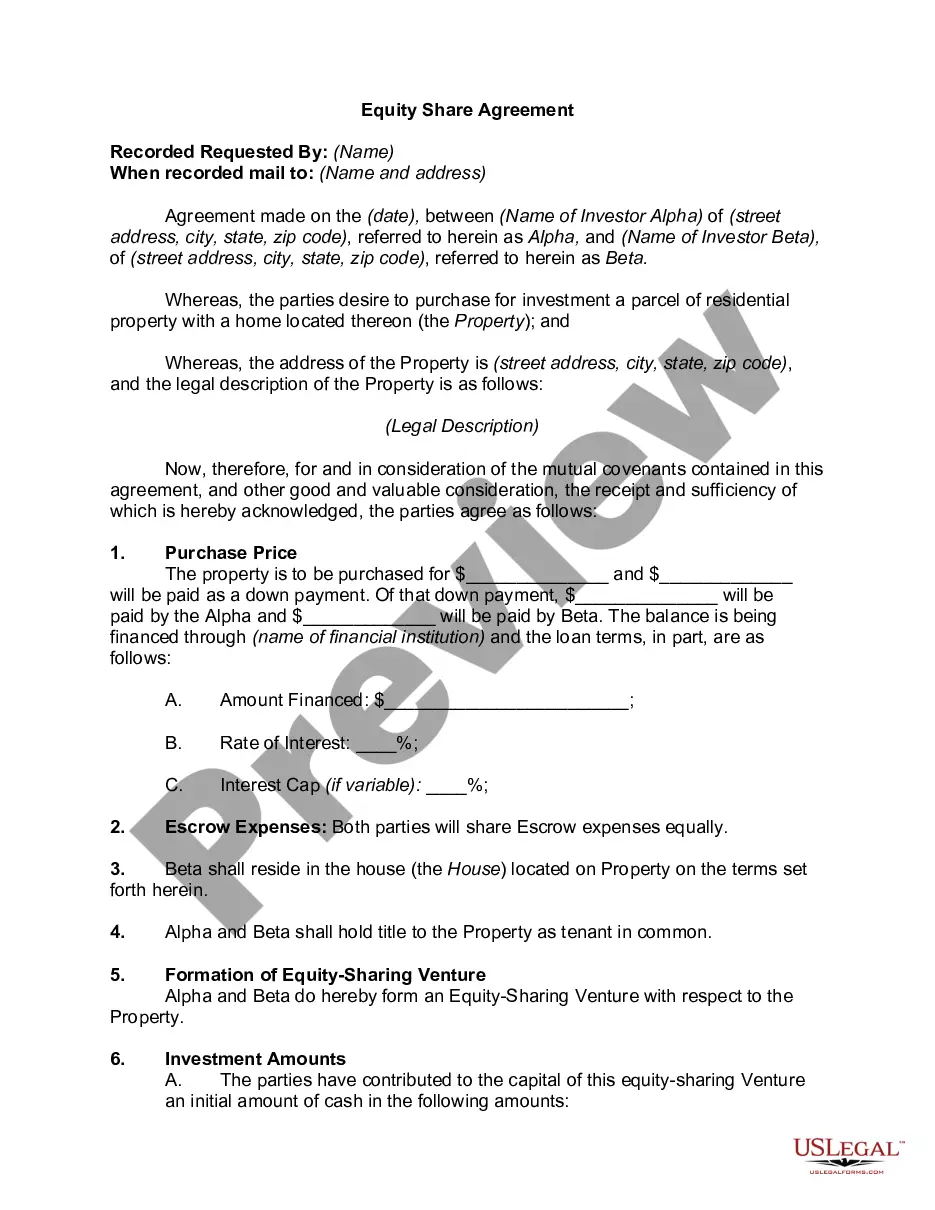
Get your form ready online
Our built-in tools help you complete, sign, share, and store your documents in one place.
Make edits, fill in missing information, and update formatting in US Legal Forms—just like you would in MS Word.
Download a copy, print it, send it by email, or mail it via USPS—whatever works best for your next step.
Sign and collect signatures with our SignNow integration. Send to multiple recipients, set reminders, and more. Go Premium to unlock E-Sign.
If this form requires notarization, complete it online through a secure video call—no need to meet a notary in person or wait for an appointment.
We protect your documents and personal data by following strict security and privacy standards.

Make edits, fill in missing information, and update formatting in US Legal Forms—just like you would in MS Word.

Download a copy, print it, send it by email, or mail it via USPS—whatever works best for your next step.

Sign and collect signatures with our SignNow integration. Send to multiple recipients, set reminders, and more. Go Premium to unlock E-Sign.

If this form requires notarization, complete it online through a secure video call—no need to meet a notary in person or wait for an appointment.

We protect your documents and personal data by following strict security and privacy standards.
Looking for another form?

Form popularity
FAQ
Co-ownership shares, especially in the context of homeowners' associations, can also pose some challenges despite their advantages: Limited individual freedom of choice. Potential conflicts within the community. Financial obligations. Liability for joint debts. Limited flexibility when selling or renting.
Control Issues. Since every owner has a co-equal share of the asset, any decision must be mutual. You might not be able to sell or mortgage a home if your co-owner does not agree. Creditor Issues. If a co-owner has outstanding debts, their creditors could seize an interest in your home or bank account.
A property co-ownership agreement is a legally binding document that outlines the terms under which two or more parties share ownership of a property. It specifies each party's rights, responsibilities, and financial commitments, creating a clear framework for managing the property and preventing disputes.
Since every owner has a co-equal share of the asset, any decision must be mutual. You might not be able to sell or mortgage a home if your co-owner does not agree. Creditor Issues. If a co-owner has outstanding debts, their creditors could seize an interest in your home or bank account.
Joint Tenants – When one joint tenant dies, the surviving joint tenant automatically owns the entire property. This is said to be a “right of survivorship.” A deed to two or more people must specify that they hold the property “as joint tenants” to create a joint tenancy.
Co-ownership might entail more complex legal agreements, specifically outlining each party's rights and responsibilities. Joint property ownership usually involves a simpler, more standardised agreement.
Co-ownership might entail more complex legal agreements, specifically outlining each party's rights and responsibilities. Joint property ownership usually involves a simpler, more standardised agreement.
Follow these nine steps for guidance. Decide between a template or an attorney. Include your business information. List your LLC's members. Choose a management structure. Outline ownership transfers and dissolution. Determine tax structure. Gather LLC members to sign the agreement. Distribute copies.
Also, because your shared home represents a major economic investment, you should hire a lawyer to help you prepare an agreement that meets your needs.
Draft a document for the parties to sign specifying the relationship between them, such as joint tenants in common, tenants in entirety, etc. Both parties must agree to the terms of the relationship, and sign the document to ensure that it is legally binding.