South Dakota Demand to Commence Suit by Corporation
Understanding this form
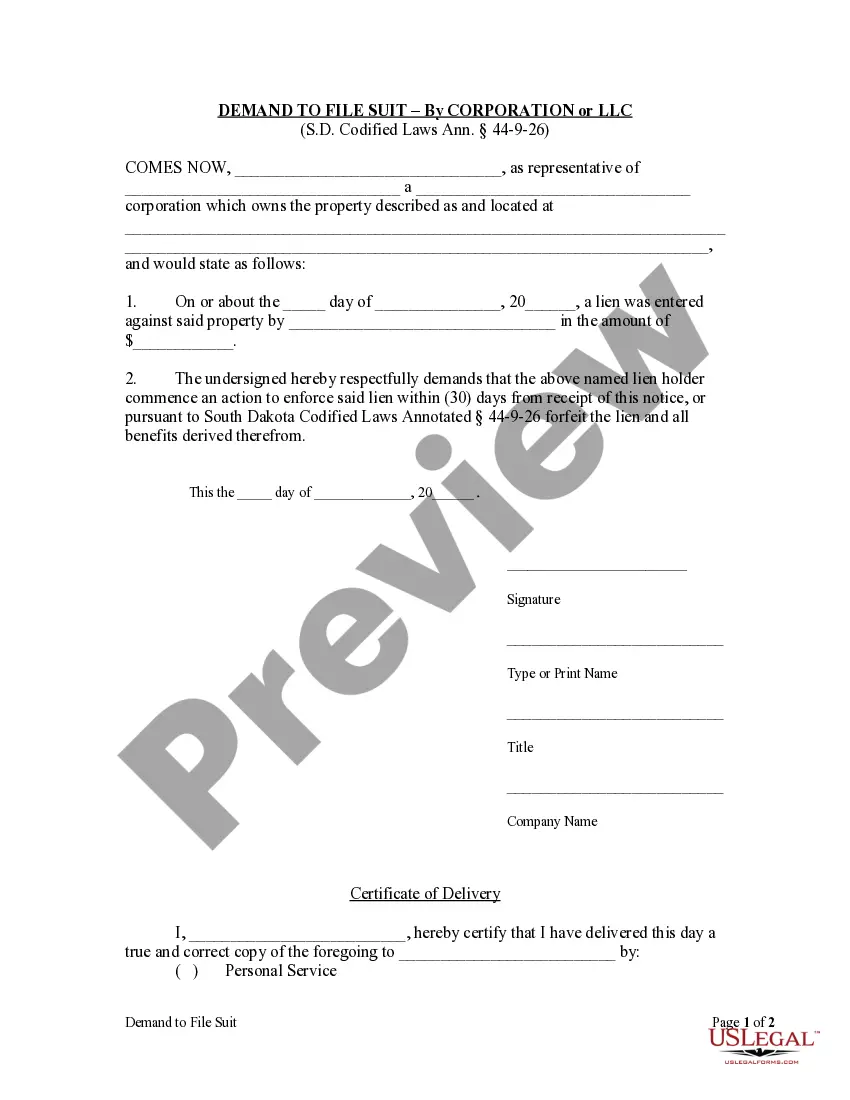
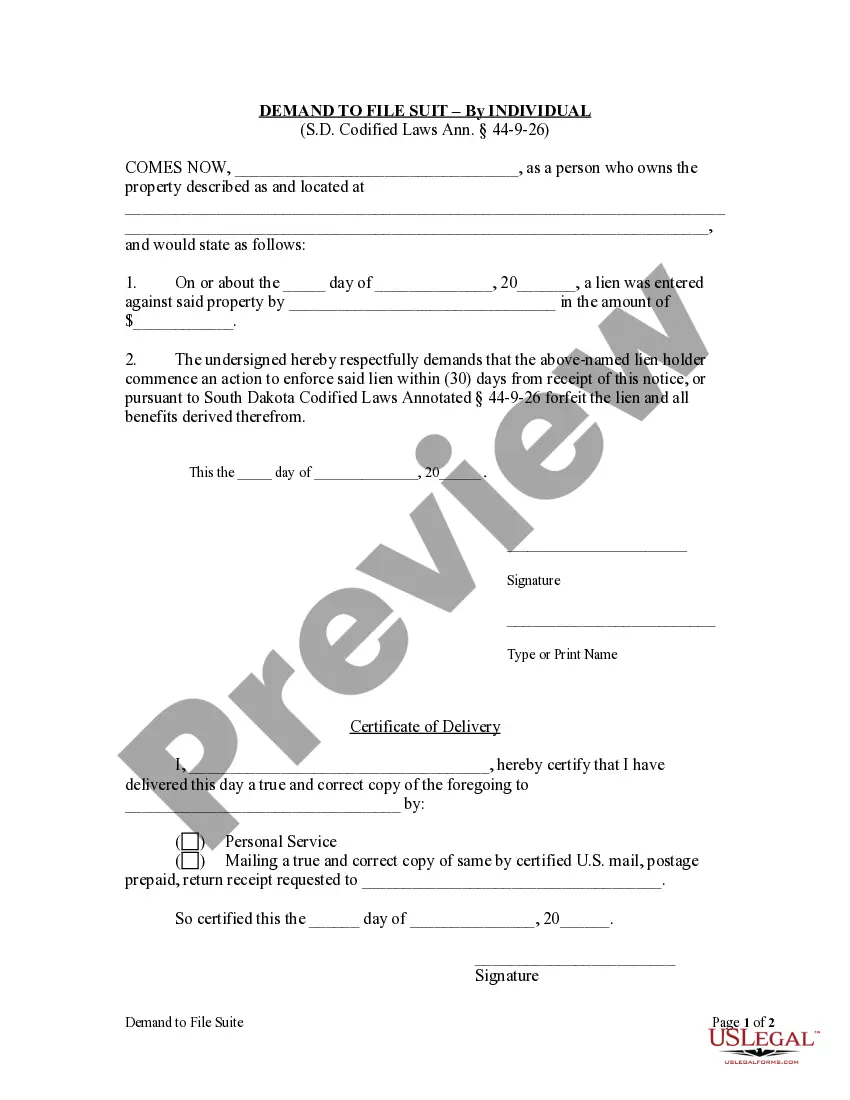
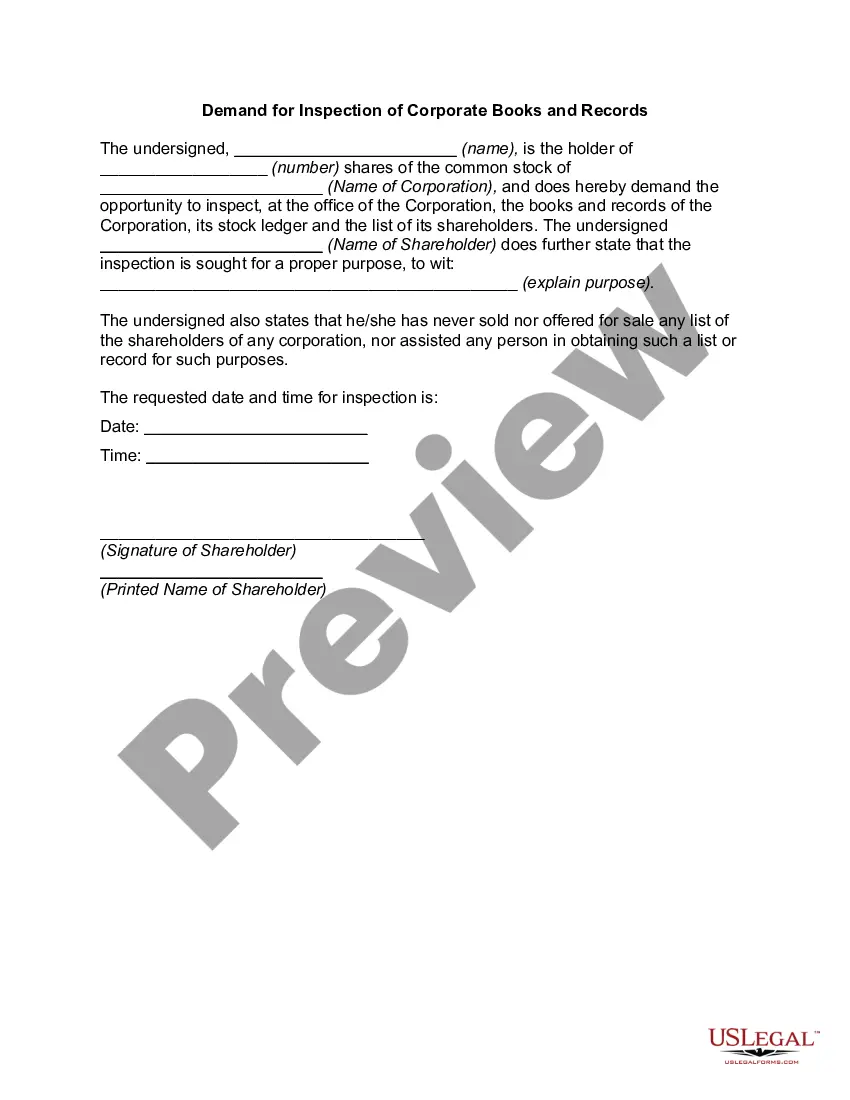
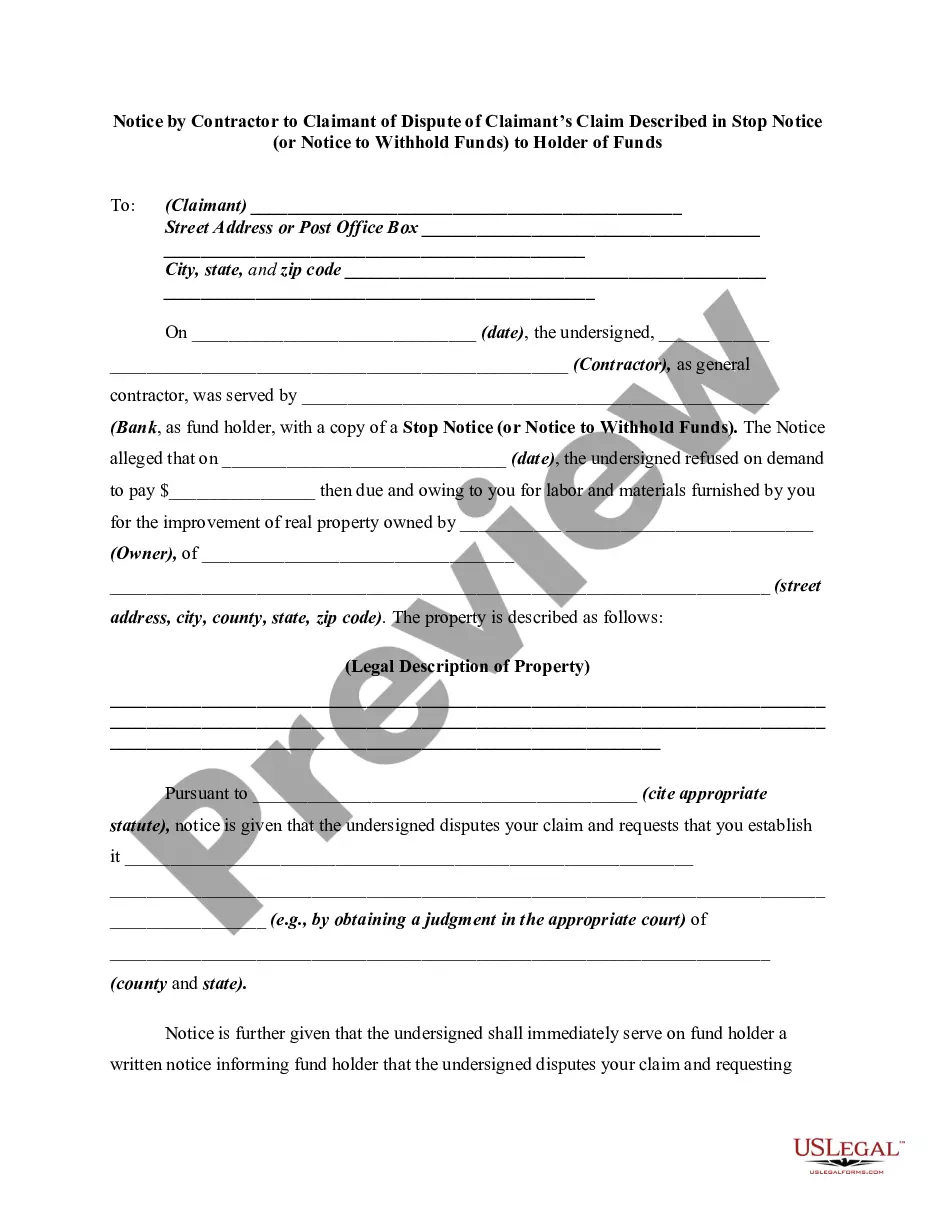
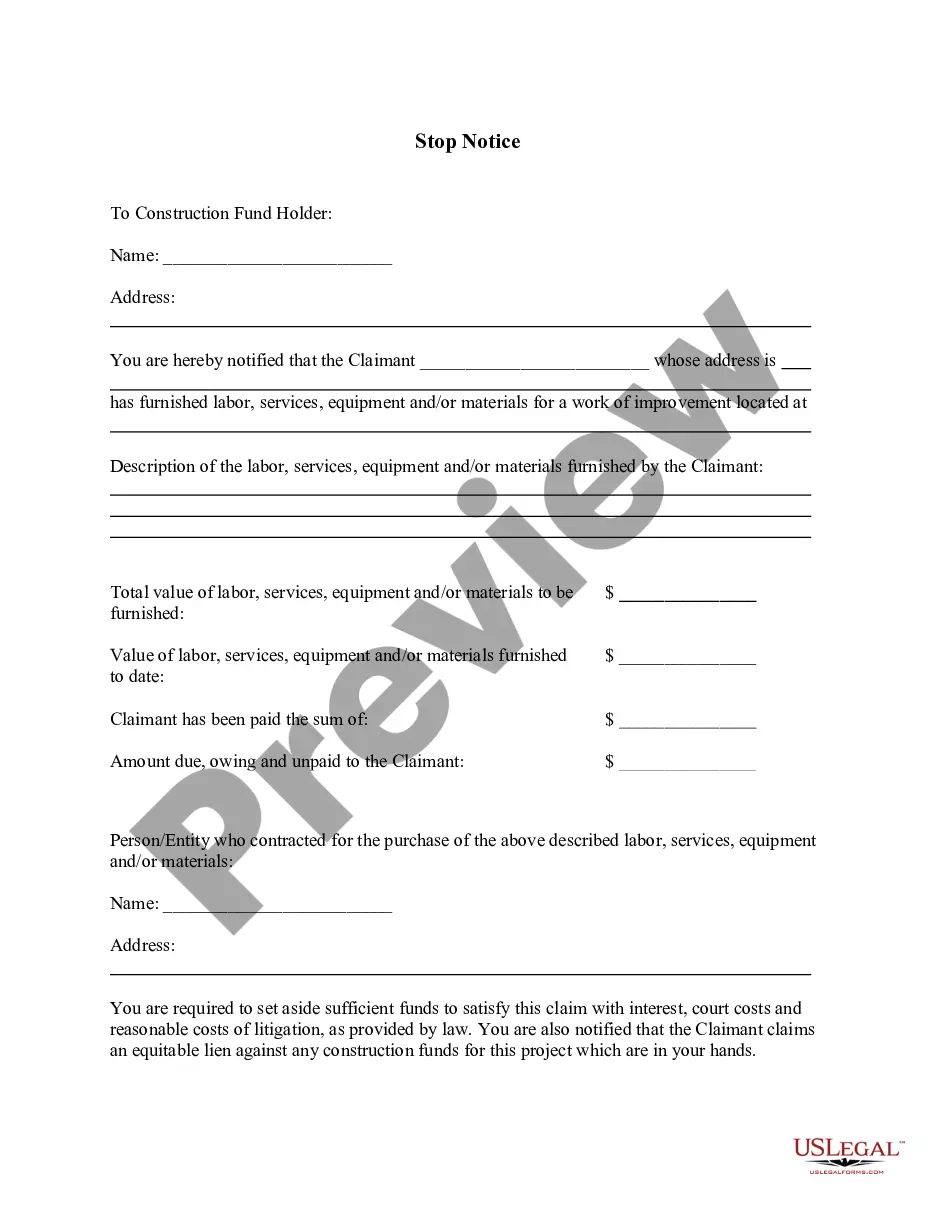
The Demand to Commence Suit by Corporation is a legal document used by corporations to formally request a lien holder to initiate legal action to enforce a lien against a property. This form is crucial as it sets a deadline of thirty days for the lien holder; failure to commence action within this period results in the forfeiture of the lien. This form differs from other legal notices by specifically targeting the enforcement of a lien through prompt action by the corporation.
Form components explained
- Identification of the corporation making the demand
- Details of the property subject to the lien
- Specific amount of the lien entered against the property
- Request for the lien holder to commence action within thirty days
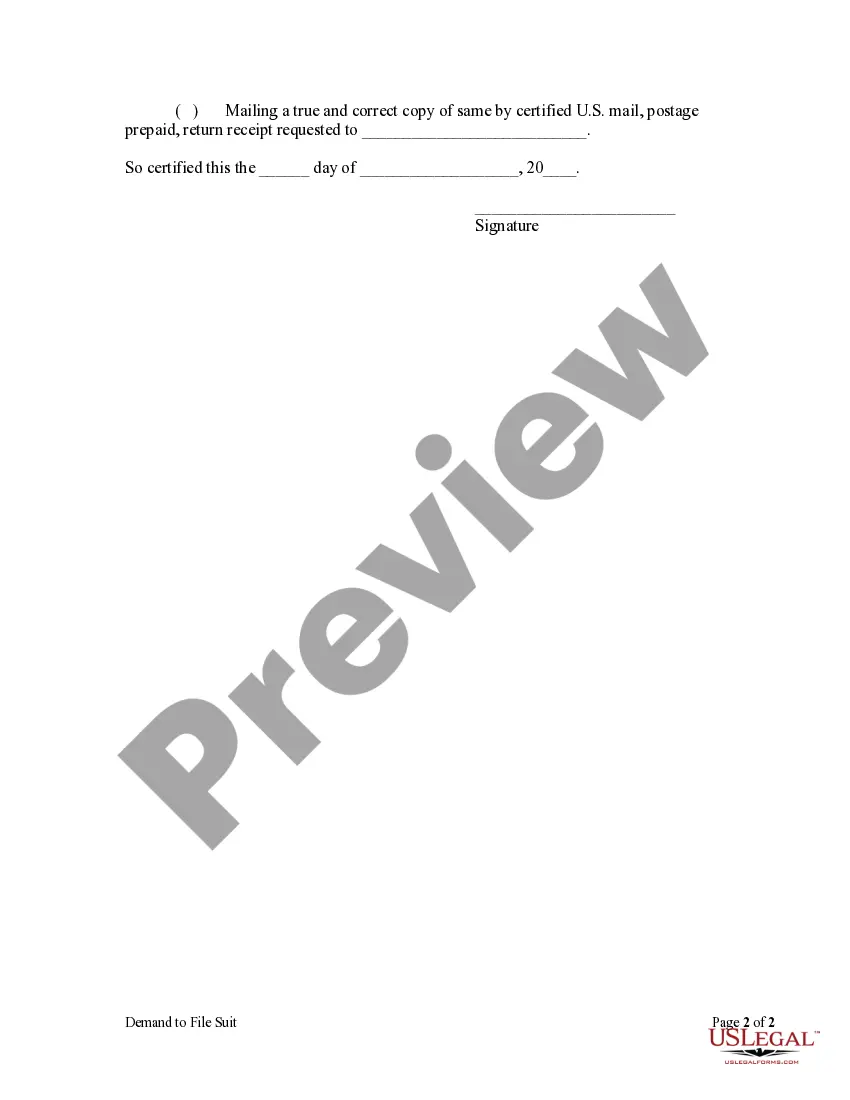
- Certification of delivery of the demand to the lien holder
Common use cases
This form should be used when a corporation discovers that a lien has been placed on its property and wishes to enforce its rights. This legal document is necessary when the corporation's property is at risk of losing financial or legal benefits due to an unacted lien.
Who needs this form
- Corporations that own real estate and are subject to liens
- Representatives of corporations acting on behalf of property owners
- Legal agents or contractors authorized to manage lien issues
How to prepare this document
- Identify the corporation's name and its representative.
- Provide the complete property description where the lien is placed.
- Enter the date when the lien was entered and details about the lien holder.
- Specify the lien amount and request the lien holder to commence suit.
- Complete the certification section to confirm delivery of this demand.
Notarization guidance
This form usually doesn’t need to be notarized. However, local laws or specific transactions may require it. Our online notarization service, powered by Notarize, lets you complete it remotely through a secure video session, available 24/7.
Get your form ready online
Our built-in tools help you complete, sign, share, and store your documents in one place.
Make edits, fill in missing information, and update formatting in US Legal Forms—just like you would in MS Word.
Download a copy, print it, send it by email, or mail it via USPS—whatever works best for your next step.
Sign and collect signatures with our SignNow integration. Send to multiple recipients, set reminders, and more. Go Premium to unlock E-Sign.
If this form requires notarization, complete it online through a secure video call—no need to meet a notary in person or wait for an appointment.
We protect your documents and personal data by following strict security and privacy standards.

Make edits, fill in missing information, and update formatting in US Legal Forms—just like you would in MS Word.

Download a copy, print it, send it by email, or mail it via USPS—whatever works best for your next step.

Sign and collect signatures with our SignNow integration. Send to multiple recipients, set reminders, and more. Go Premium to unlock E-Sign.

If this form requires notarization, complete it online through a secure video call—no need to meet a notary in person or wait for an appointment.

We protect your documents and personal data by following strict security and privacy standards.
Common mistakes to avoid
- Failing to accurately describe the property.
- Not providing the correct lien holder's details.
- Missing the thirty-day deadline for action.
- Inadequate certification of delivery to the lien holder.
Why use this form online
- Convenient access to an attorney-drafted form from anywhere.
- Edit and customize the form as needed before downloading.
- Quick completion to ensure timely legal action on liens.
Summary of main points
- This form enables corporations to protect their rights against liens.
- It imposes a thirty-day deadline for action to avoid lien forfeiture.
- Completing the form correctly is essential for effective legal enforcement.
Looking for another form?


Form popularity
FAQ
LLC operating agreements do not need to be filed with the state. Do not confuse the LLC operating agreement with the articles of organization. Articles of organization are public documents that are filed with the state to actually form the LLC.
How much does it cost to form an LLC in South Dakota? The South Dakota Secretary of State charges $165 to file the Articles of Organization. There is an additional $15 filing fee if submitted by mail. You can reserve your LLC name with the South Dakota Secretary of State for $25.
Step 1: Choose a Name for Your LLC. Step 2: Reserve a Name (optional) Step 3: Choose a Registered Agent. Step 4: Prepare an LLC Operating Agreement. Step 5: File Organizational Paperwork With the State. Step 6: Obtain a Certificate from the State. Step 7: Register to Do Business in Other States (optional)
Forming an LLC or a corporation will allow you to take advantage of limited personal liability for business obligations. LLCs are favored by small, owner-managed businesses that want flexibility without a lot of corporate formality. Corporations are a good choice for a business that plans to seek outside investment.
You'll need your LLC's name, the name and address of its registered agent, and other basic information, like how it will be managed or the names of the LLC owners. You'll have to pay a filing fee when you submit the articles. In most states, the fees are modest - typically around $100.
In an LLC, individuals with an ownership share are called members. In a corporation, they are called shareholders. One of the advantages an LLC has over a corporation is that in many states, a creditor cannot collect a member's dividends, whereas in a corporation dividends can be collected from shareholders.
Business Name. Your LLC must have a name that is unique and is not the same or confusingly similar to another business. Registered Agent. Operating Agreement. Articles of Organization. Business Licenses and Permits. Statement of Information Form. Tax Forms.
Answer. A business is pretty much free to form a limited liability company (LLC) in any old state. But you may still need to qualify your LLC to do business in your home state -- and this means you'll have to file additional paperwork and pay additional fees.
Delaware is the most popular choice for forming an LLC outside of your home state. It has a reputation for being business-friendly, leading many people to decide to form an LLC in Delaware.