Co-ownership Agreements For Real Estate In Florida
Description
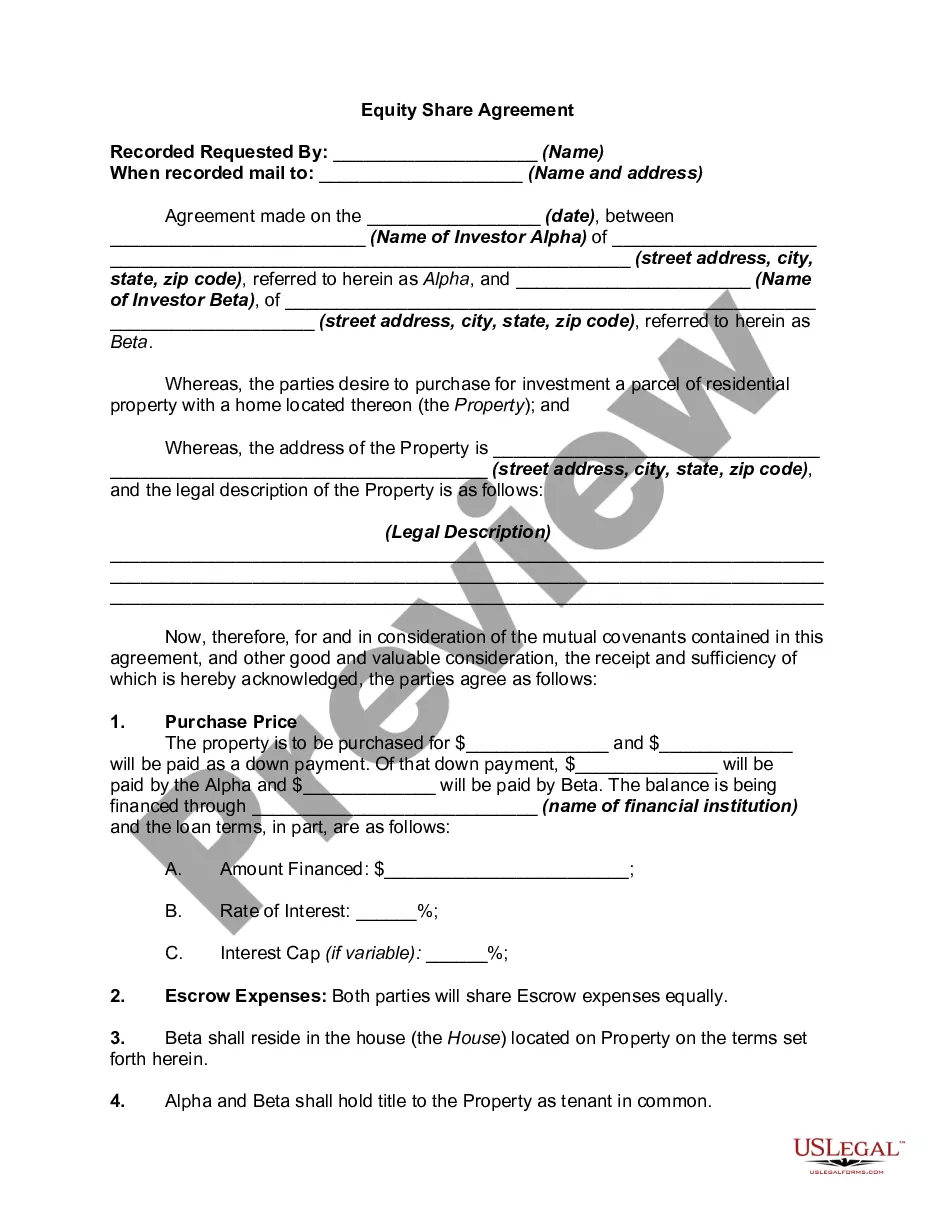
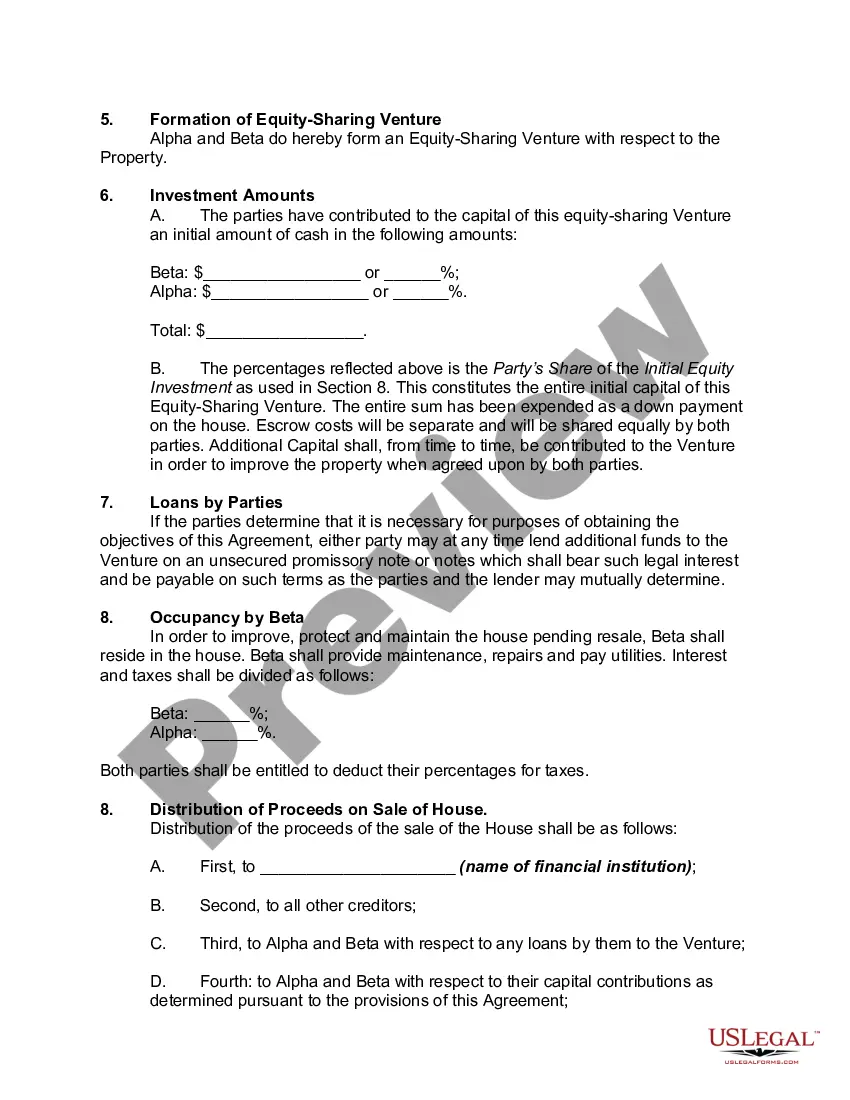
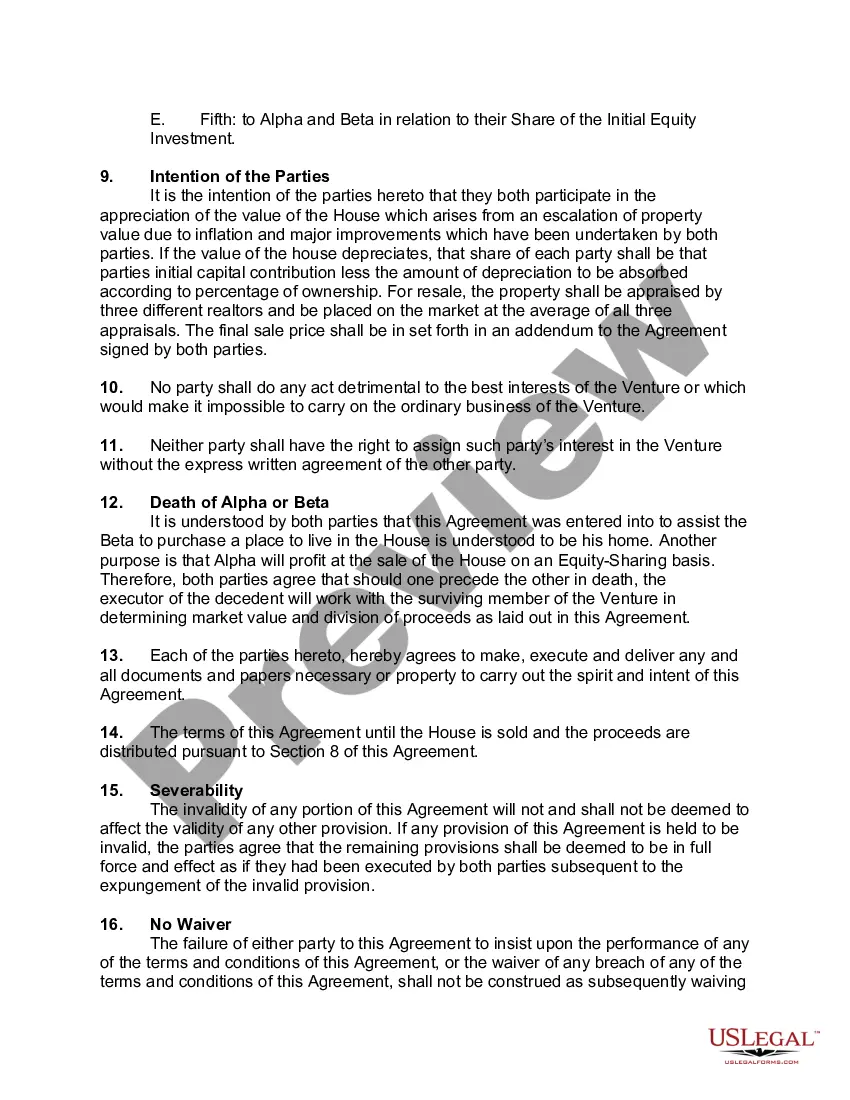
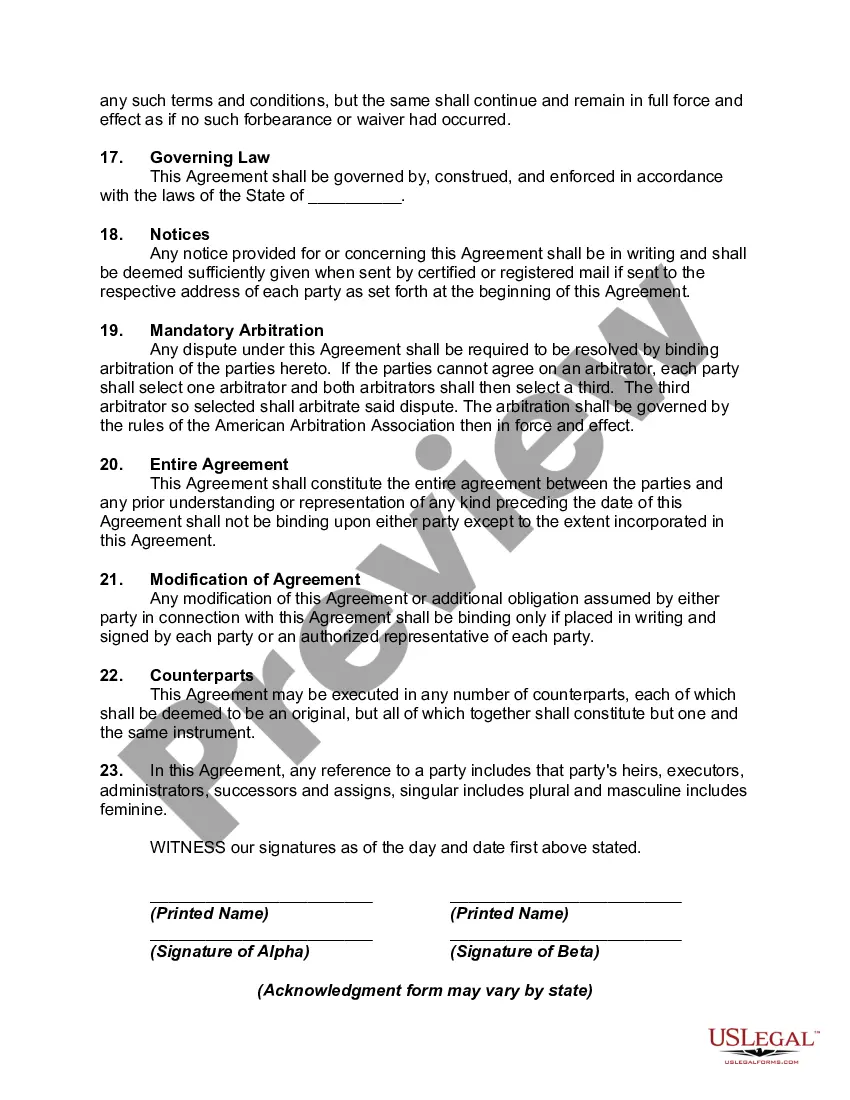
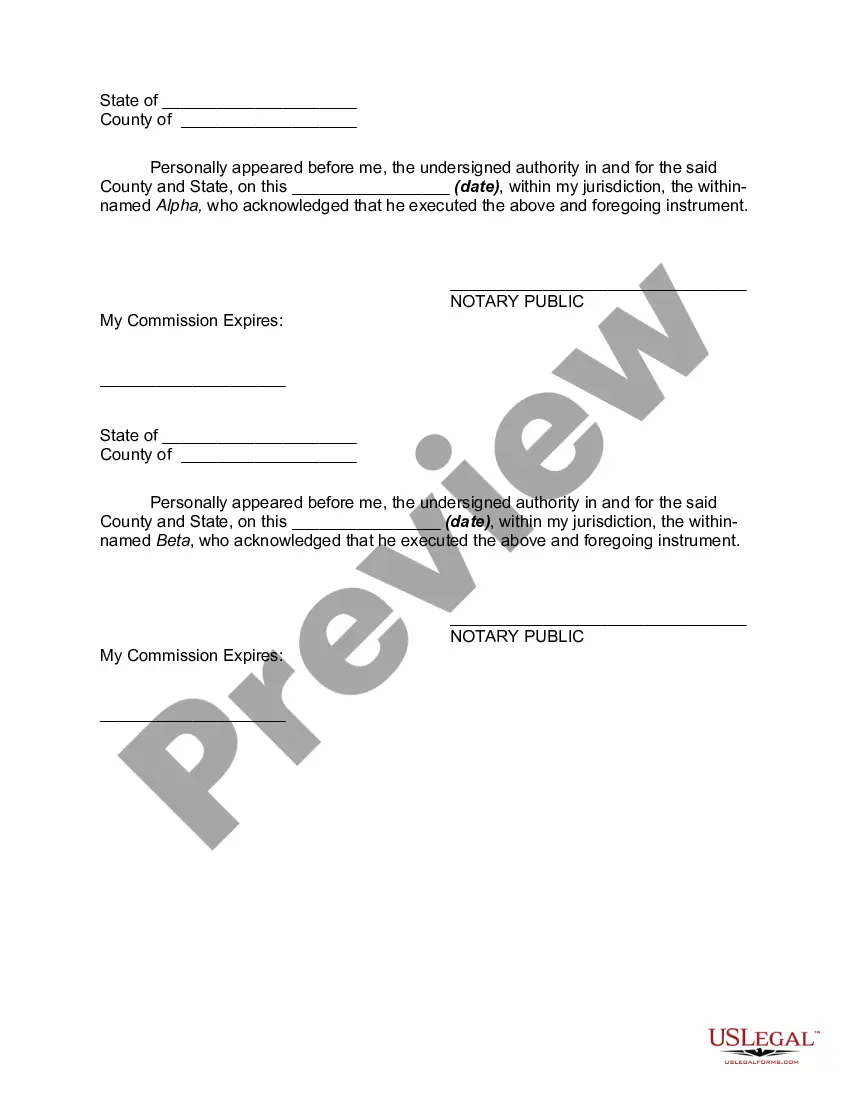
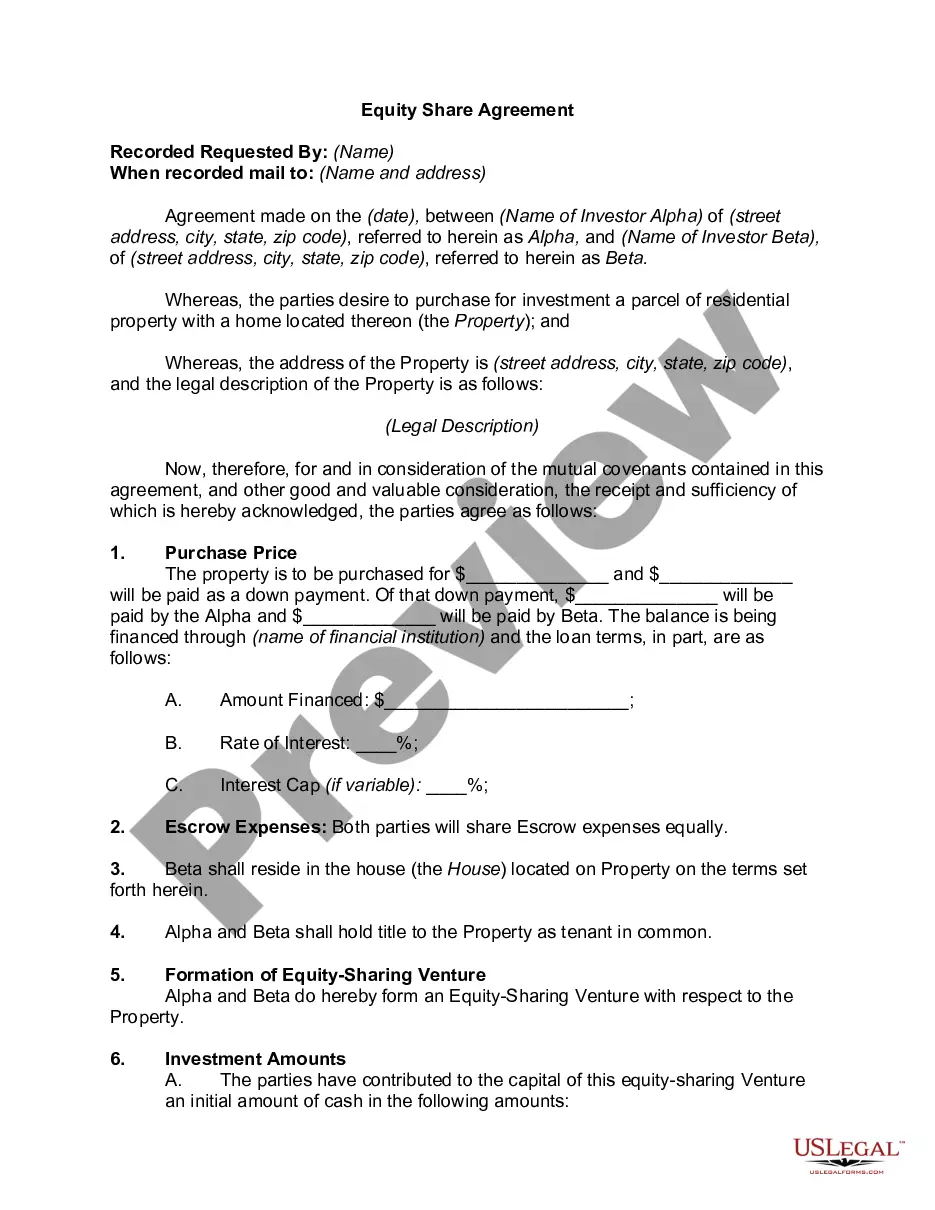
Get your form ready online
Our built-in tools help you complete, sign, share, and store your documents in one place.
Make edits, fill in missing information, and update formatting in US Legal Forms—just like you would in MS Word.
Download a copy, print it, send it by email, or mail it via USPS—whatever works best for your next step.
Sign and collect signatures with our SignNow integration. Send to multiple recipients, set reminders, and more. Go Premium to unlock E-Sign.
If this form requires notarization, complete it online through a secure video call—no need to meet a notary in person or wait for an appointment.
We protect your documents and personal data by following strict security and privacy standards.

Make edits, fill in missing information, and update formatting in US Legal Forms—just like you would in MS Word.

Download a copy, print it, send it by email, or mail it via USPS—whatever works best for your next step.

Sign and collect signatures with our SignNow integration. Send to multiple recipients, set reminders, and more. Go Premium to unlock E-Sign.

If this form requires notarization, complete it online through a secure video call—no need to meet a notary in person or wait for an appointment.

We protect your documents and personal data by following strict security and privacy standards.
Looking for another form?
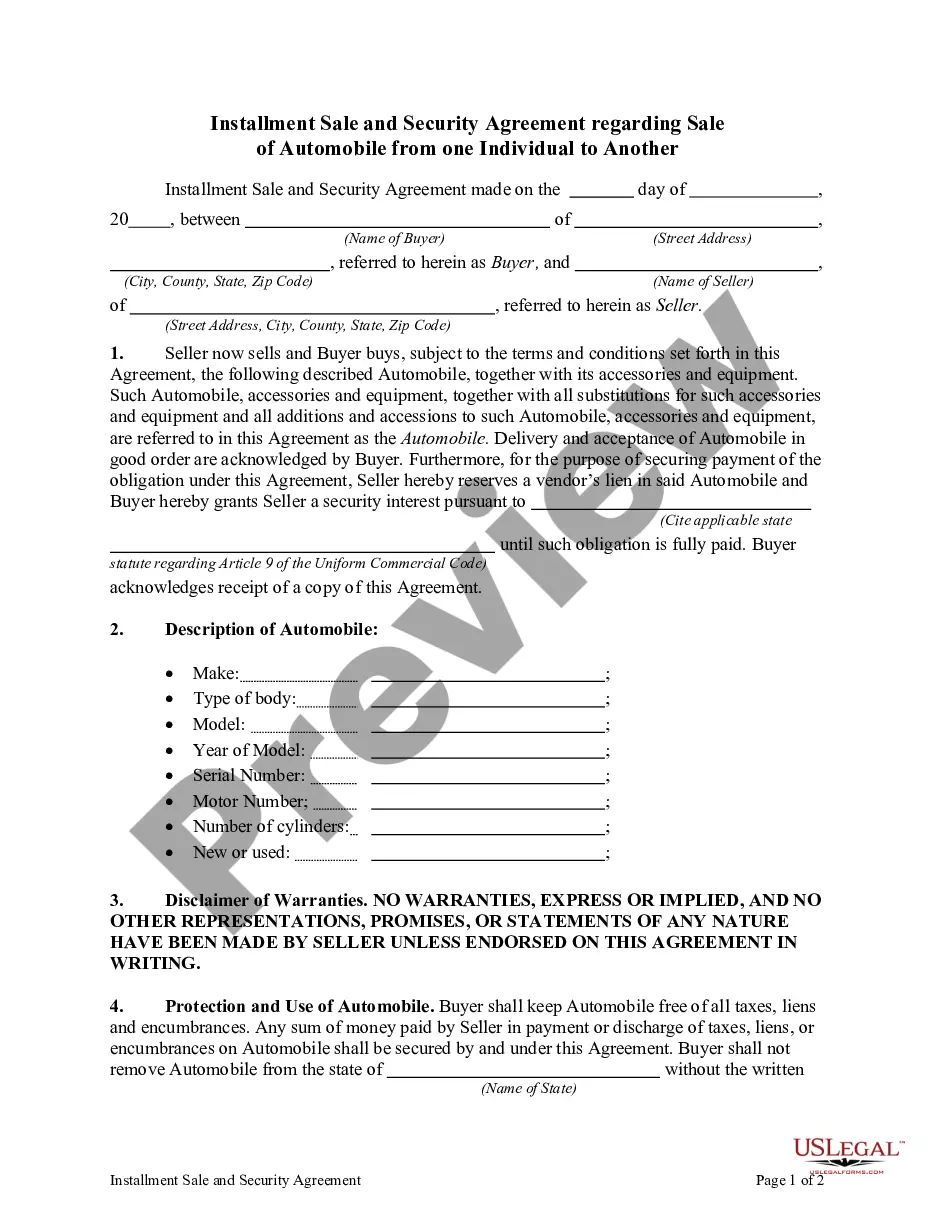
Form popularity
FAQ
Medicaid rules provide that for jointly owned real estate, such as a home or farm land, the entire value of the property can, in certain circumstances, be disregarded as a non-countable resource, meaning it will not count against the applicant.
Joint ownership is a common estate planning strategy that offers both simplicity and challenges. While it can streamline the transfer of assets and reduce probate costs, it also comes with potential drawbacks, including loss of control and unintended consequences.
If the joint owner has debts, files for bankruptcy, or is subject to a tax lien or judgment, creditors may pursue the jointly owned property. For example, if you add your adult child to the deed of your home and they have undisclosed debts, your property could be at risk of being seized to settle those debts.
In Florida, 'Tenancy by Entirety' is a way to own property jointly in Florida but is only available to married couples. The married couple is considered a unit, instead of individual owners. So instead of each holding a separate interest, they are considered one and own the property as one.
The Living Together section of Nolo also discusses various forms of contracts for unmarried people who want to share ownership of property. Also, because your shared home represents a major economic investment, you should hire a lawyer to help you prepare an agreement that meets your needs.
Problems With Joint Ownership By jointly owning property, you may find yourself party to a lawsuit if your co-owner is sued or the asset could be lost to a creditor of your co-owner. If your co-owner becomes incapacitated, you could find yourself “owning” the property with the co-owner's guardian or the courts.
Consider the following risks before you embrace joint tenancy as a planning tool. Loss of control. Exposure to creditor claims. Unexpected tax consequences. Strained relationships. Lose use of testamentary trusts. Learn what your POA can and can't do. Choose your POA wisely. Review your POA selection periodically.
In Florida, 'Tenancy by Entirety' is a way to own property jointly in Florida but is only available to married couples. The married couple is considered a unit, instead of individual owners. So instead of each holding a separate interest, they are considered one and own the property as one.