Contract International Purchase Sample For Business
Description


Get your form ready online
Our built-in tools help you complete, sign, share, and store your documents in one place.
Make edits, fill in missing information, and update formatting in US Legal Forms—just like you would in MS Word.
Download a copy, print it, send it by email, or mail it via USPS—whatever works best for your next step.
Sign and collect signatures with our SignNow integration. Send to multiple recipients, set reminders, and more. Go Premium to unlock E-Sign.
If this form requires notarization, complete it online through a secure video call—no need to meet a notary in person or wait for an appointment.
We protect your documents and personal data by following strict security and privacy standards.

Make edits, fill in missing information, and update formatting in US Legal Forms—just like you would in MS Word.

Download a copy, print it, send it by email, or mail it via USPS—whatever works best for your next step.

Sign and collect signatures with our SignNow integration. Send to multiple recipients, set reminders, and more. Go Premium to unlock E-Sign.

If this form requires notarization, complete it online through a secure video call—no need to meet a notary in person or wait for an appointment.

We protect your documents and personal data by following strict security and privacy standards.
Looking for another form?
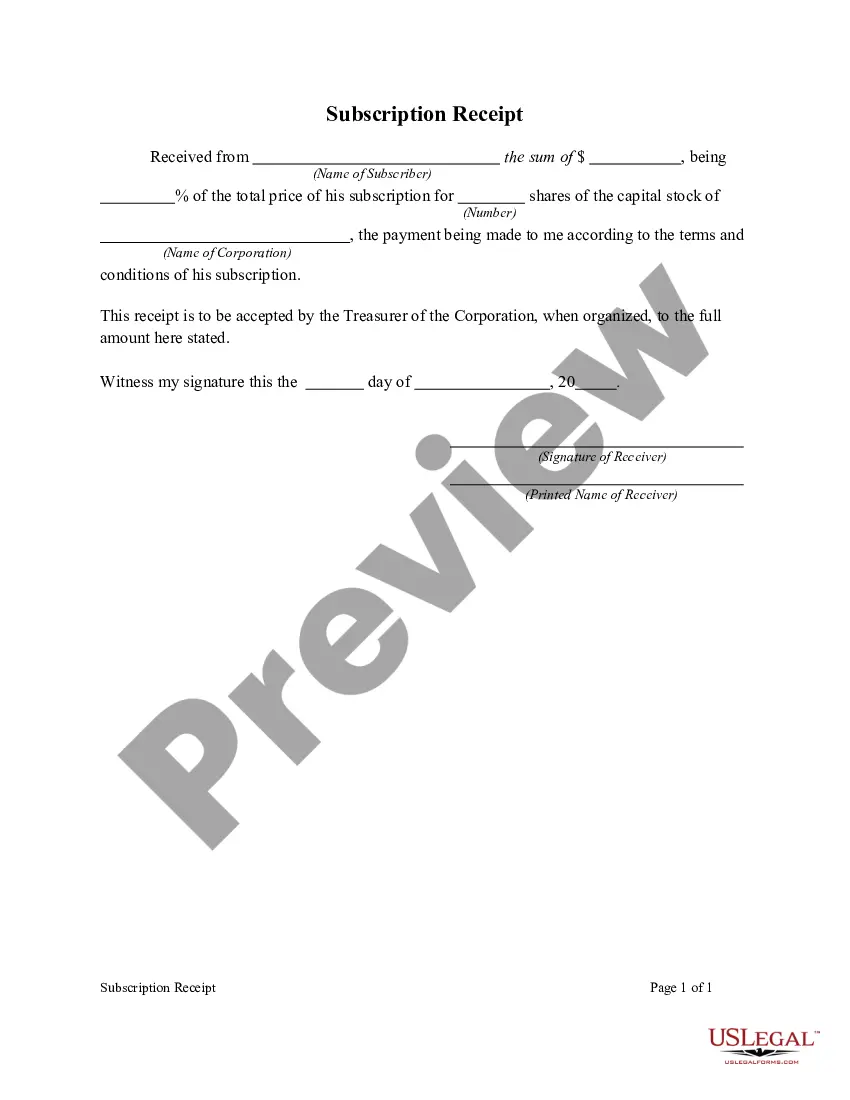
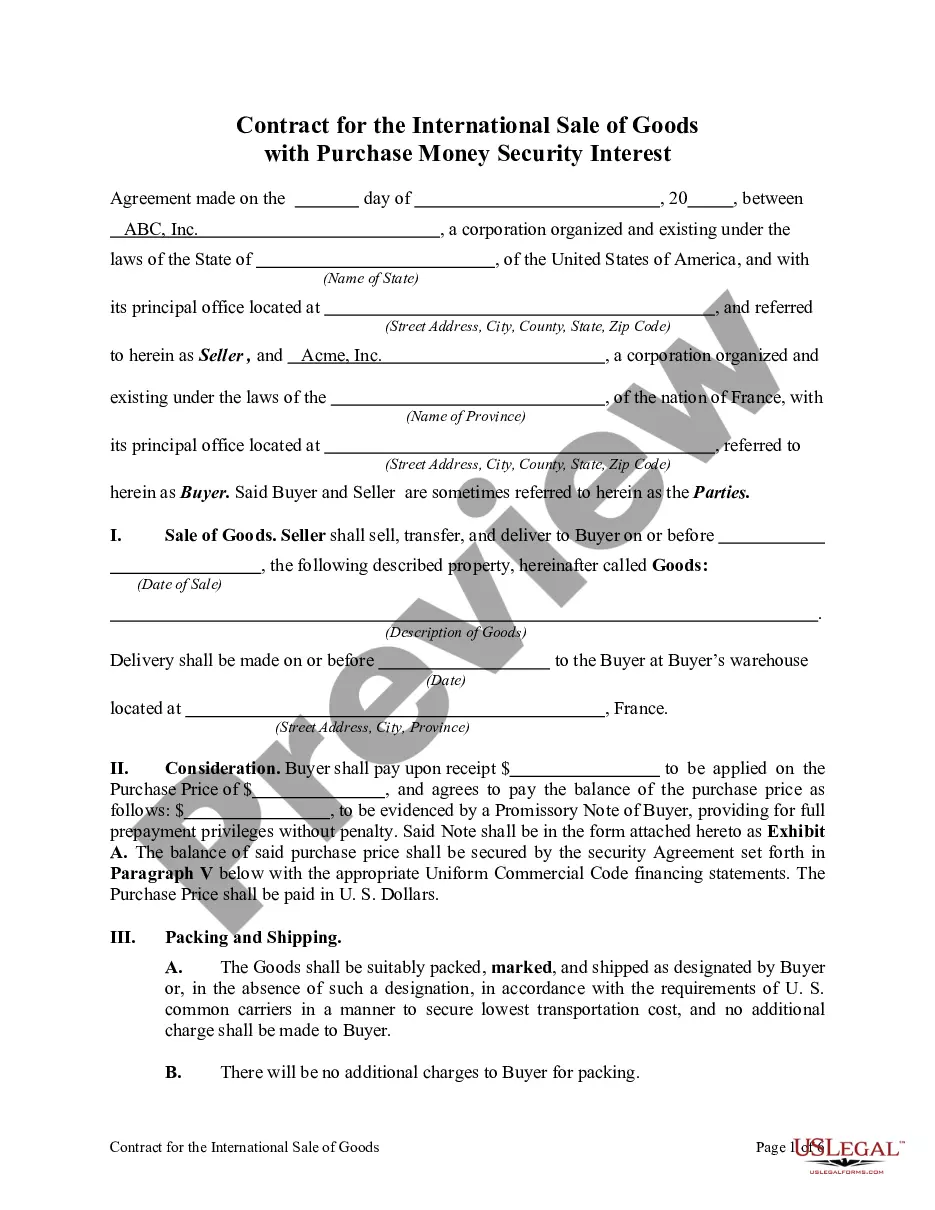
How to fill out Contract For The International Sale Of Goods With Purchase Money Security Interest?
Whether for corporate objectives or personal issues, everyone must confront legal circumstances at some point in their existence. Filling out legal documents requires meticulous attention, starting with choosing the appropriate template.
For example, if you select an incorrect version of a Contract International Purchase Template for Business, it will be rejected upon submission. Thus, it is vital to obtain a reliable source of legal documents such as US Legal Forms.
With an extensive US Legal Forms catalog available, there’s no need to waste time searching for the right template online. Use the library’s straightforward navigation to find the suitable document for any circumstance.
- Obtain the template you require through the search bar or catalog browsing.
- Review the form’s details to confirm it aligns with your situation, jurisdiction, and county.
- Click on the form’s preview to examine it.
- If it is the wrong document, return to the search feature to locate the Contract International Purchase Template for Business you need.
- Download the template when it meets your specifications.
- If you already possess a US Legal Forms profile, simply click Log in to access previously saved documents in My documents.
- Should you not have an account yet, you can acquire the form by clicking Buy now.
- Select the appropriate pricing option.
- Complete the profile registration form.
- Choose your payment method: either a credit card or PayPal account.
- Select the desired file format and download the Contract International Purchase Template for Business.
- Once saved, you can fill out the form using editing software or print it to complete it manually.
Form popularity
FAQ
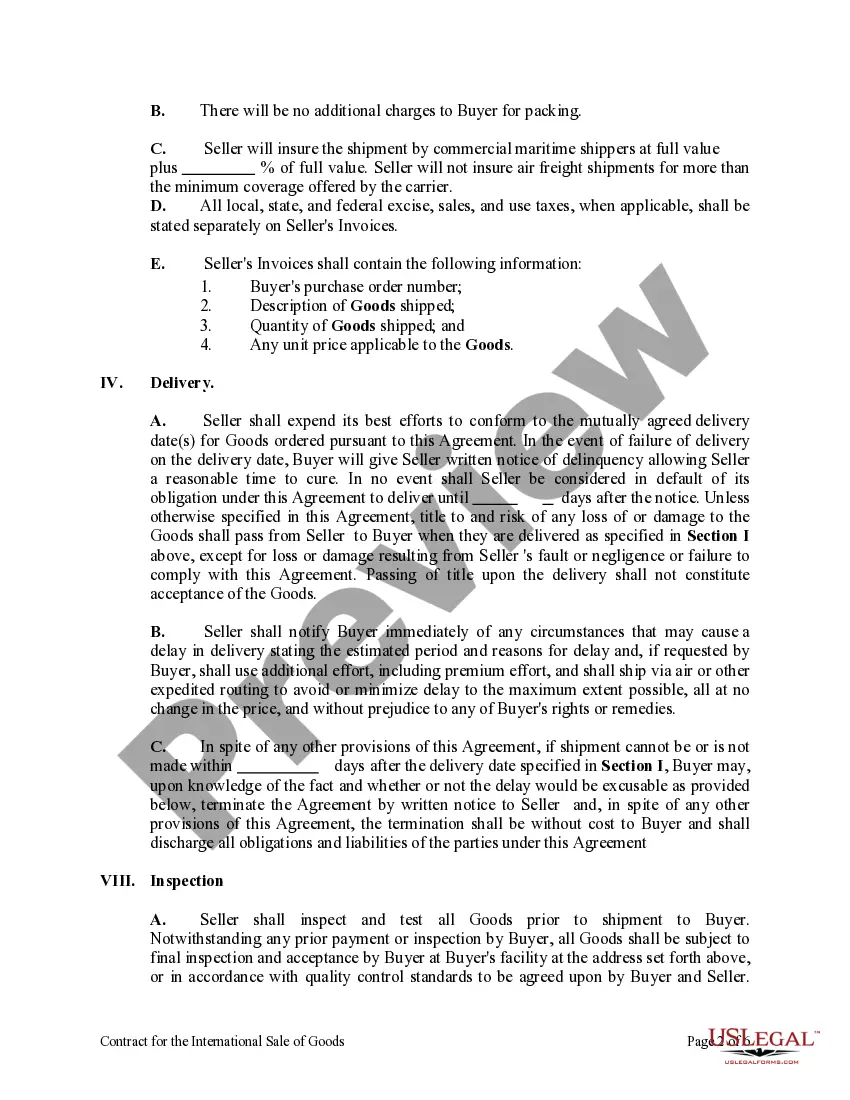
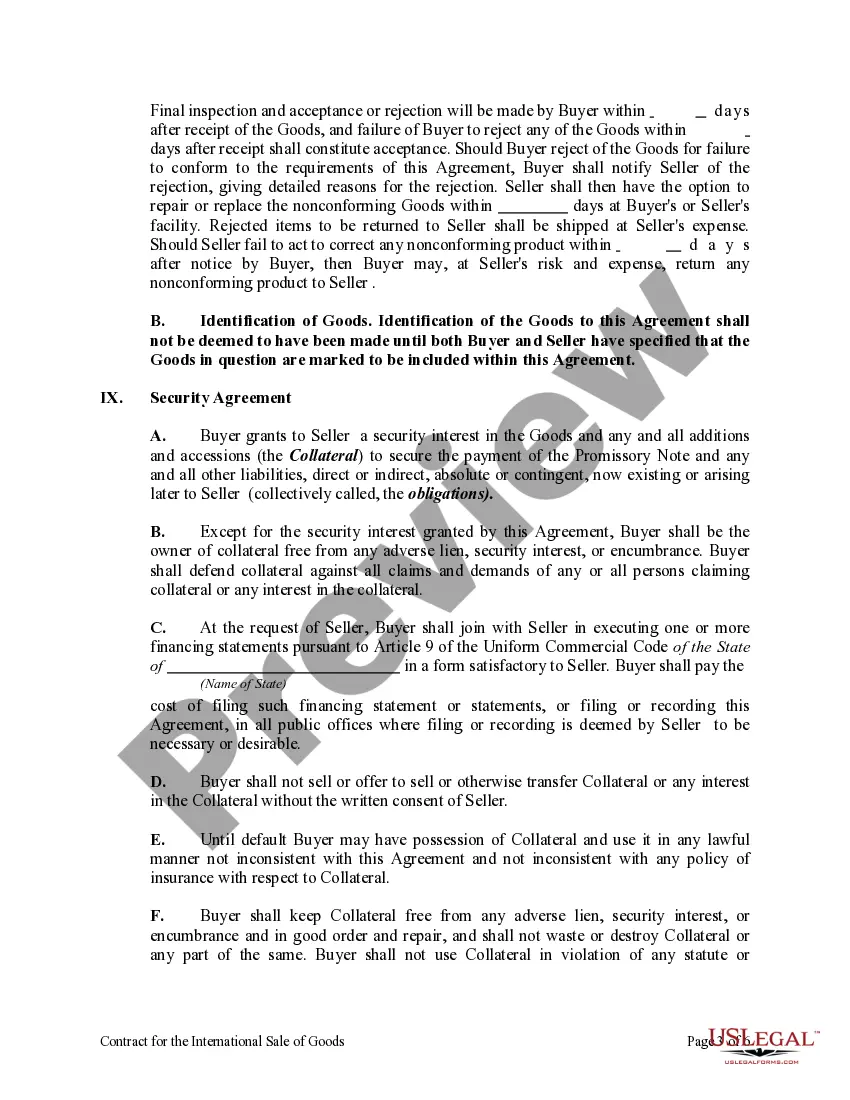
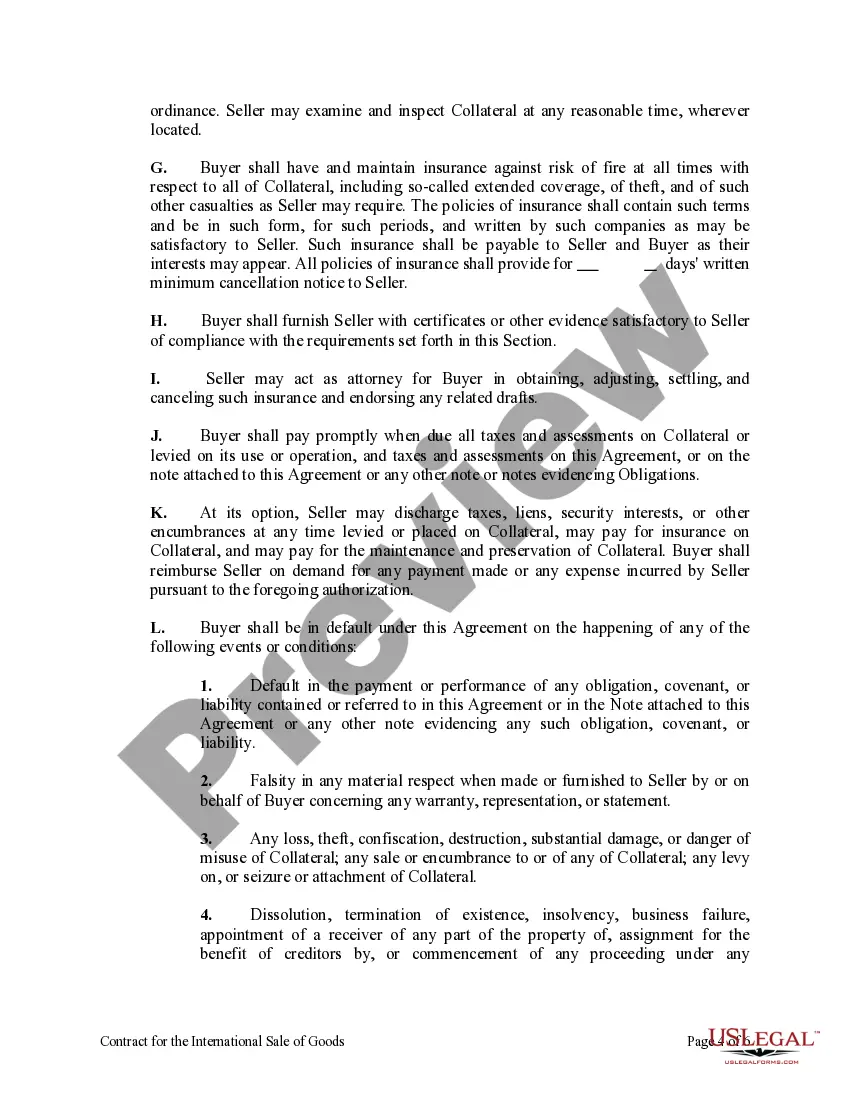
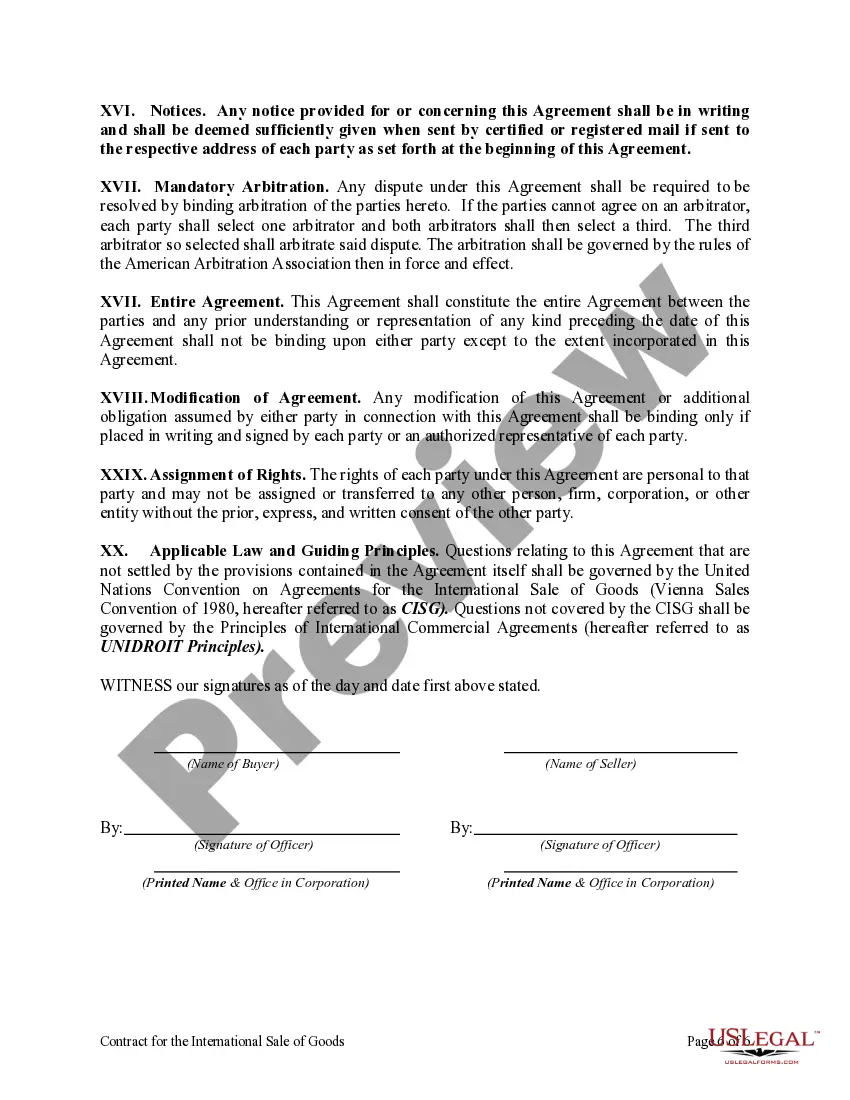
You can find reliable sample contracts, including a contract international purchase sample for business, on various online platforms. Websites like US Legal Forms provide you with numerous templates that cater to different business needs. These templates not only save you time but also ensure you comply with legal standards. By using these resources, you can easily customize contracts to fit your specific business transactions.
An international contract is an agreement between parties from different countries that stipulates the terms and conditions of a business transaction. It serves to protect the interests of all parties involved by providing a clear framework for the exchange of goods or services. For a well-structured agreement, refer to a contract international purchase sample for business, which can offer insights and templates tailored for your needs.
To create a contract agreement for a business, start by identifying the parties and the purpose of the agreement. Clearly articulate all terms, including obligations, rights, and any contingencies. Consulting a contract international purchase sample for business will guide you through this process, ensuring your agreement is effective and enforceable.
Different types of international contracts include sales contracts, service agreements, and distribution agreements. Each type should align with specific business objectives and market conditions. A contract international purchase sample for business can provide templates for these agreements, helping you understand the nuances involved in international transactions.
An example of an international agreement is a trade contract between a U.S. company and a supplier from another country. This agreement details terms such as delivery schedules, product specifications, and payment methods. Utilizing a contract international purchase sample for business can help you draft a comprehensive agreement that benefits both parties and complies with applicable laws.
To write an effective international contract, begin by clearly stating the parties involved, the purpose of the agreement, and the terms being negotiated. Incorporate clauses related to payment, delivery, and any warranties or liabilities. Using a contract international purchase sample for business can significantly guide you through this process, ensuring you cover necessary details while adhering to international regulations.
Any purchase agreement should include at least the following information: The identity of the buyer and seller. A description of the property being purchased. The purchase price. The terms as to how and when payment is to be made. The terms as to how, when, and where the goods will be delivered to the purchaser.
International Sales Contracts are made in order to sell the goods to someone who resides abroad. For example, a sales contract between a seller who resides in United States and a buyer who resides in Germany is an international sales contract.
International Purchase Agreement means the local asset purchase agreements, substantially in the form attached hereto as Exhibit 5, to be entered into as soon as reasonably practicable after the date of this Agreement between the relevant International Sellers and International Buyers or Buyer, as the case may be (with ...
Include contact information of both parties. Outline project terms and scope. Create payment terms. Set a schedule. Decide what to do if a contract is terminated. Determine who owns final copyrights. Clarify the working relationship. Choose your law and venue.