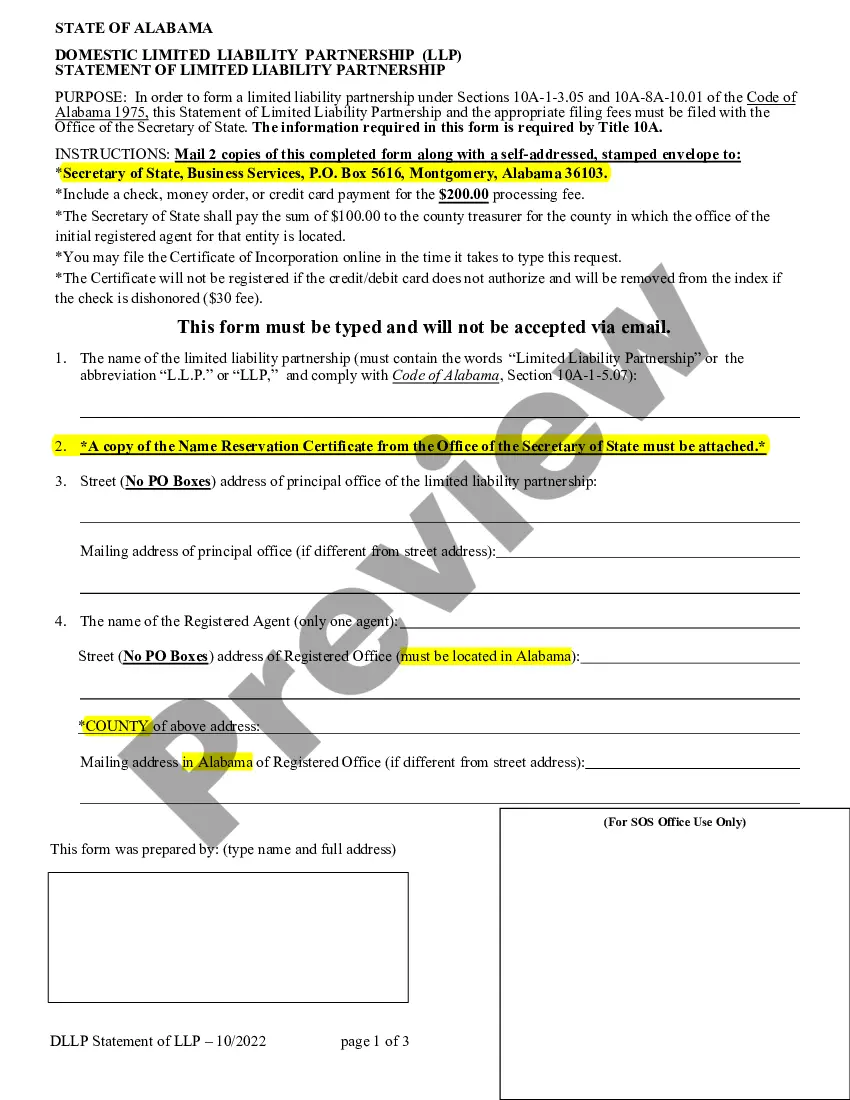
Title Vii Rights With Cps In Maryland
Description




Get your form ready online
Our built-in tools help you complete, sign, share, and store your documents in one place.
Make edits, fill in missing information, and update formatting in US Legal Forms—just like you would in MS Word.
Download a copy, print it, send it by email, or mail it via USPS—whatever works best for your next step.
Sign and collect signatures with our SignNow integration. Send to multiple recipients, set reminders, and more. Go Premium to unlock E-Sign.
If this form requires notarization, complete it online through a secure video call—no need to meet a notary in person or wait for an appointment.
We protect your documents and personal data by following strict security and privacy standards.

Make edits, fill in missing information, and update formatting in US Legal Forms—just like you would in MS Word.

Download a copy, print it, send it by email, or mail it via USPS—whatever works best for your next step.

Sign and collect signatures with our SignNow integration. Send to multiple recipients, set reminders, and more. Go Premium to unlock E-Sign.

If this form requires notarization, complete it online through a secure video call—no need to meet a notary in person or wait for an appointment.

We protect your documents and personal data by following strict security and privacy standards.
Looking for another form?







Form popularity
FAQ
The employee must first present evidence that he is a member of a protected class, he was qualified for the position he held, he suffered an adverse employment action such as being fired, and that he was replaced with another worker who is not a member of that protected class.
Proving workplace discrimination in California can be one of the most difficult steps in a successful discrimination case. It can also be complex, confusing and frustrating.
To prove discrimination, plaintiffs must provide evidence that they: (a) are a member of a protected class, (b) are qualified for the position at issue, (c) suffered an adverse employment action, and (d) the employer treated similarly situated employees outside of the protected class more favorably (or some other ...
The employee must first present evidence that he is a member of a protected class, he was qualified for the position he held, he suffered an adverse employment action such as being fired, and that he was replaced with another worker who is not a member of that protected class.
This subchapter shall not apply to an employer with respect to the employment of aliens outside any State, or to a religious corporation, association, educational institution, or society with respect to the employment of individuals of a particular religion to perform work connected with the carrying on by such ...
Title VII is enforced by the Equal Employment Opportunity Commission. Most employees and job applicants are protected by Title VII, but independent contractors are not.
Churches, synagogues, private clubs, and specific private organizations are exempt due to their adherence to membership requirements.
For example, this title typically does not cover: Independent contractors. U.S. citizens who are working abroad for non-U.S.-controlled businesses. Foreign nationals who are working abroad for U.S.-controlled businesses.
This subchapter shall not apply to an employer with respect to the employment of aliens outside any State, or to a religious corporation, association, educational institution, or society with respect to the employment of individuals of a particular religion to perform work connected with the carrying on by such ...