4th Amendment Us Constitution With 5th
Description






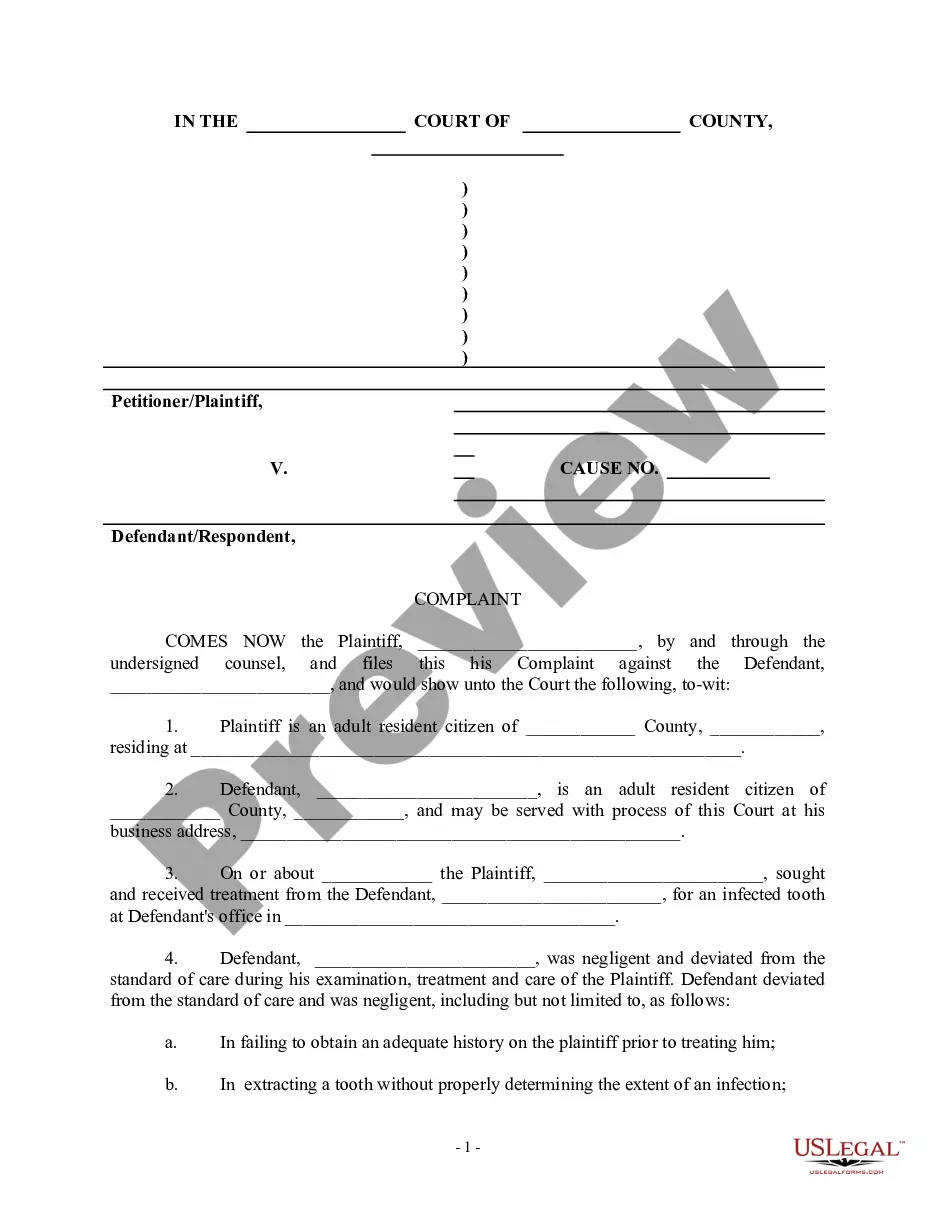
How to fill out Complaint For False Arrest And Imprisonment - 4th And 14th Amendment, US Constitution - Jury Trial Demand?
Collaborating with legal paperwork and tasks can be a lengthy addition to the day.
The 4th Amendment of the U.S. Constitution along with the 5th and similar documents often require you to locate them and comprehend how to fill them out correctly.
Thus, whether you are managing financial, legal, or personal affairs, having a comprehensive and accessible online collection of documents at your disposal will greatly assist.
US Legal Forms is the leading online resource for legal templates, featuring over 85,000 state-specific documents and an assortment of tools to help you finalize your papers swiftly.
Is this your first time using US Legal Forms? Register and set up your account in a few moments, and you'll have access to the document library and the 4th Amendment of the U.S. Constitution with the 5th. Then, follow the instructions below to fill out your document.
- Explore the collection of relevant documents available with a single click.
- US Legal Forms provides state- and county-specific templates accessible at any moment for download.
- Protect your document management processes with a high-quality service that enables you to create any form in minutes without extra or concealed charges.
- Simply Log In to your account, locate the 4th Amendment of the U.S. Constitution along with the 5th, and retrieve it instantly from the My documents section.
- You can also access previously stored documents.
Form popularity
FAQ
Yes, the Fourth Amendment applies to cell phones, and it has been established that law enforcement must obtain a warrant to search the contents of a phone. The Supreme Court's decision in Carpenter v. United States emphasized the protection of digital privacy, acknowledging that cell phones contain sensitive personal information. This ruling reinforces the importance of your privacy rights under the 4th Amendment of the US Constitution.
The 5th Amendment of the US Constitution safeguards several crucial rights, including the right against self-incrimination, the right to due process, the right to a grand jury, and protection against double jeopardy. Together, these freedoms ensure that individuals receive fair treatment within the legal system and protect them from governmental abuses. Understanding these rights is essential for anyone navigating legal challenges.
There are notable exceptions to the Fourth Amendment that allow for searches without a warrant. The 'exigent circumstances' exception permits immediate searches to prevent harm or the destruction of evidence. Additionally, the 'consent' exception allows searches if an individual gives clear permission, which demonstrates the balance between personal rights and the needs of law enforcement.
Under the Fourth Amendment of the US Constitution, illegal actions primarily include unlawful searches and seizures conducted by law enforcement without a warrant or probable cause. It protects individuals from government intrusion into their personal property, home, or private affairs. Violating this amendment can lead to evidence being deemed inadmissible in court, reinforcing the importance of due process in criminal proceedings.
Anyone can claim Fifth Amendment privilege when they believe that answering a question may incriminate themselves. This includes witnesses in a court proceeding, defendants in a criminal trial, or individuals responding to law enforcement inquiries. It's crucial to recognize your right to remain silent in such situations. Having resources like USLegalForms can help you navigate the complexities of the 4th Amendment US Constitution with 5th and understand when to use this privilege.
The 4th Amendment protects individuals from unreasonable searches and seizures, ensuring that law enforcement must have a warrant based on probable cause. In contrast, the 5th Amendment focuses on protecting individuals against self-incrimination and guarantees due process. Both amendments work together to safeguard your rights, but they cover distinct aspects of legal protections. Understanding the interplay between the 4th Amendment US Constitution with 5th is crucial for any U.S. citizen.
Invoking the 4th Amendment requires you to assert your right against unreasonable searches and seizures. If law enforcement tries to search you or your property without a warrant or probable cause, you need to verbally express your objection to the search. Documenting any incident and seeking legal counsel can further help protect your 4th Amendment rights. Always keep in mind the relationship between the 4th Amendment US Constitution with 5th in these situations.
To invoke your 5th Amendment rights, you simply need to state that you are exercising your right to remain silent. It is important to be clear and direct when making this declaration; otherwise, law enforcement may continue to question you. Additionally, asking for an attorney can reinforce your intention to assert your 5th Amendment rights. It is essential to understand these rights in the context of the 4th Amendment US Constitution with 5th.
While you can certainly say 'I plead the fifth,' it is more effective to articulate your rights in a way that clearly communicates your intention to invoke the 5th Amendment. Specific phrasing helps ensure that those asking the questions understand that you are exercising your right against self-incrimination. Remember, it’s essential to maintain clarity about the 4th Amendment US Constitution with 5th protections when making such statements.
Invoking self-incrimination involves asserting your right under the 5th Amendment not to answer questions that could lead to admitting guilt. You can do this by stating that you choose not to respond to questions on the grounds that it might incriminate you. Understanding how to effectively use this right protects you in legal situations and reinforces the significance of the 4th Amendment US Constitution with 5th protections.