Sample Letter For Car Repossession
Description








Get your form ready online
Our built-in tools help you complete, sign, share, and store your documents in one place.
Make edits, fill in missing information, and update formatting in US Legal Forms—just like you would in MS Word.
Download a copy, print it, send it by email, or mail it via USPS—whatever works best for your next step.
Sign and collect signatures with our SignNow integration. Send to multiple recipients, set reminders, and more. Go Premium to unlock E-Sign.
If this form requires notarization, complete it online through a secure video call—no need to meet a notary in person or wait for an appointment.
We protect your documents and personal data by following strict security and privacy standards.

Make edits, fill in missing information, and update formatting in US Legal Forms—just like you would in MS Word.

Download a copy, print it, send it by email, or mail it via USPS—whatever works best for your next step.

Sign and collect signatures with our SignNow integration. Send to multiple recipients, set reminders, and more. Go Premium to unlock E-Sign.

If this form requires notarization, complete it online through a secure video call—no need to meet a notary in person or wait for an appointment.

We protect your documents and personal data by following strict security and privacy standards.
Looking for another form?
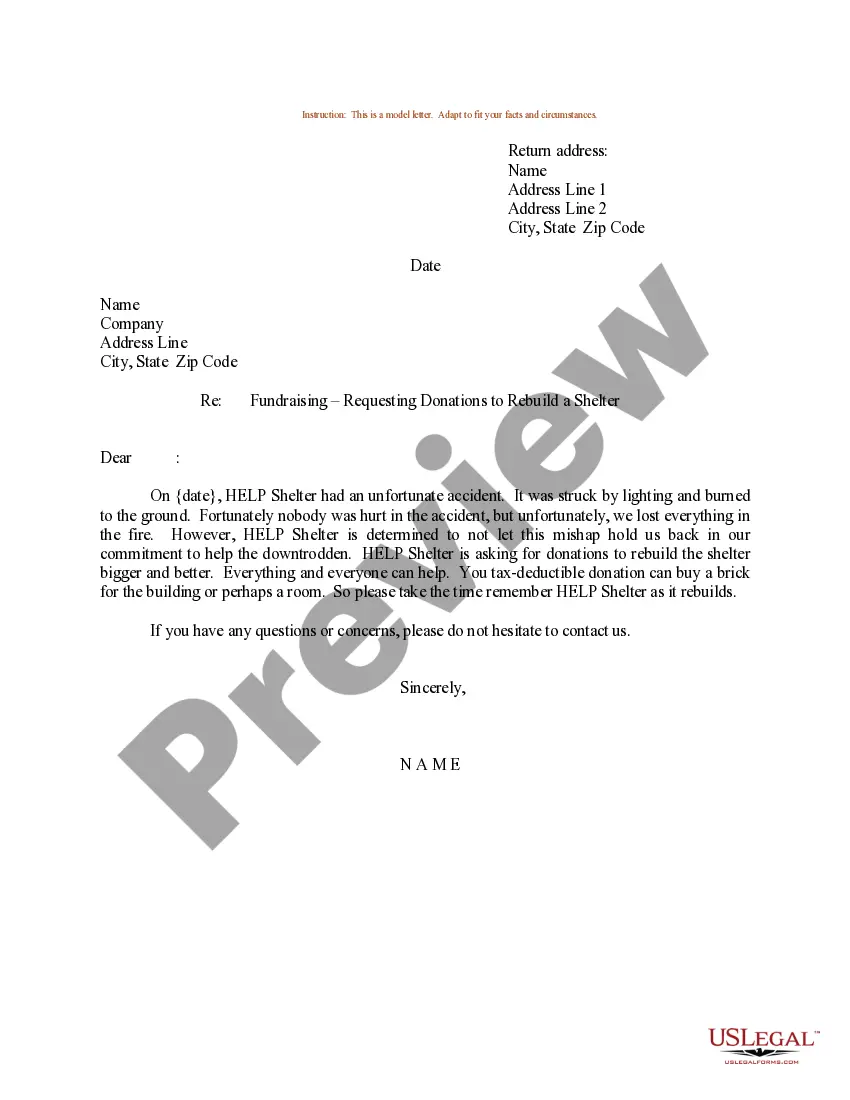
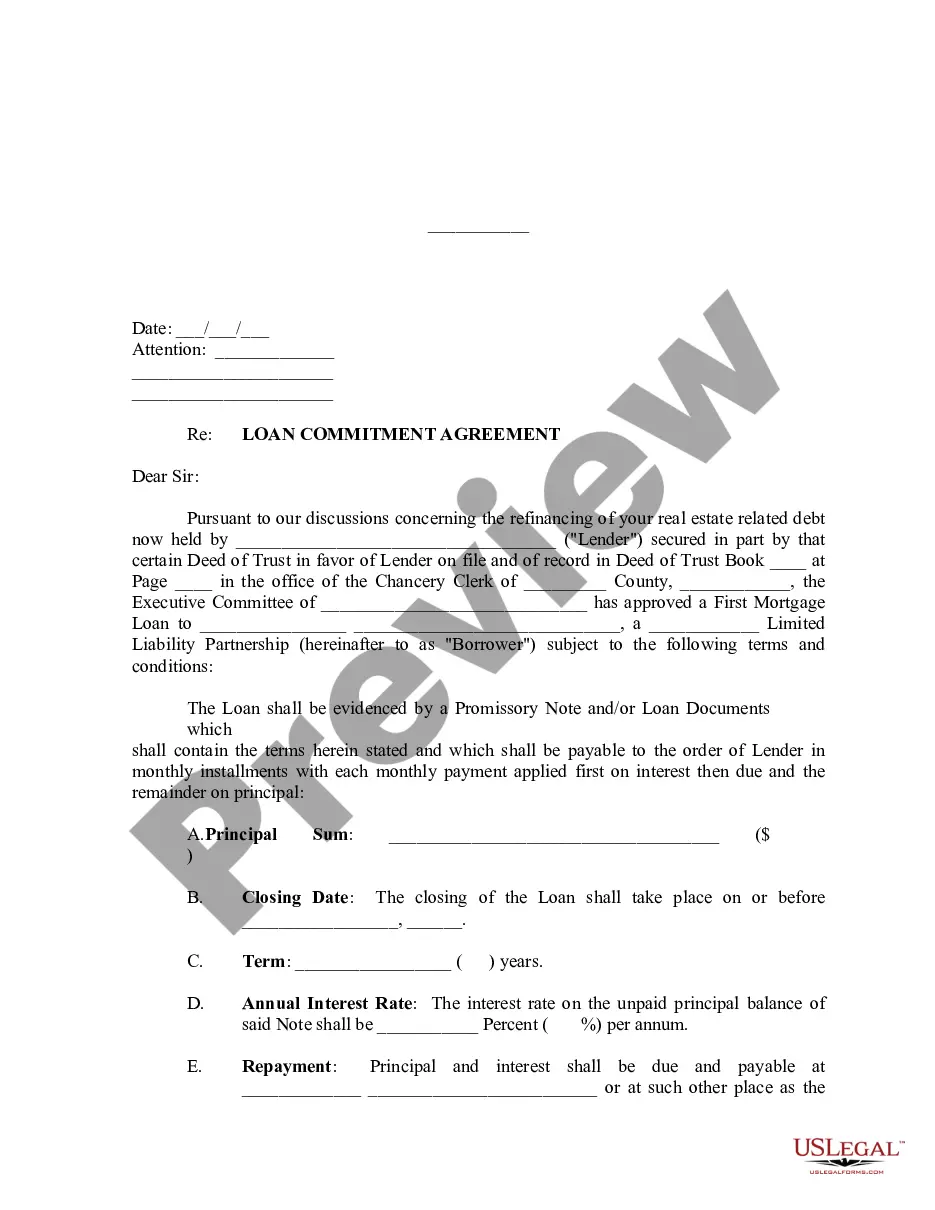
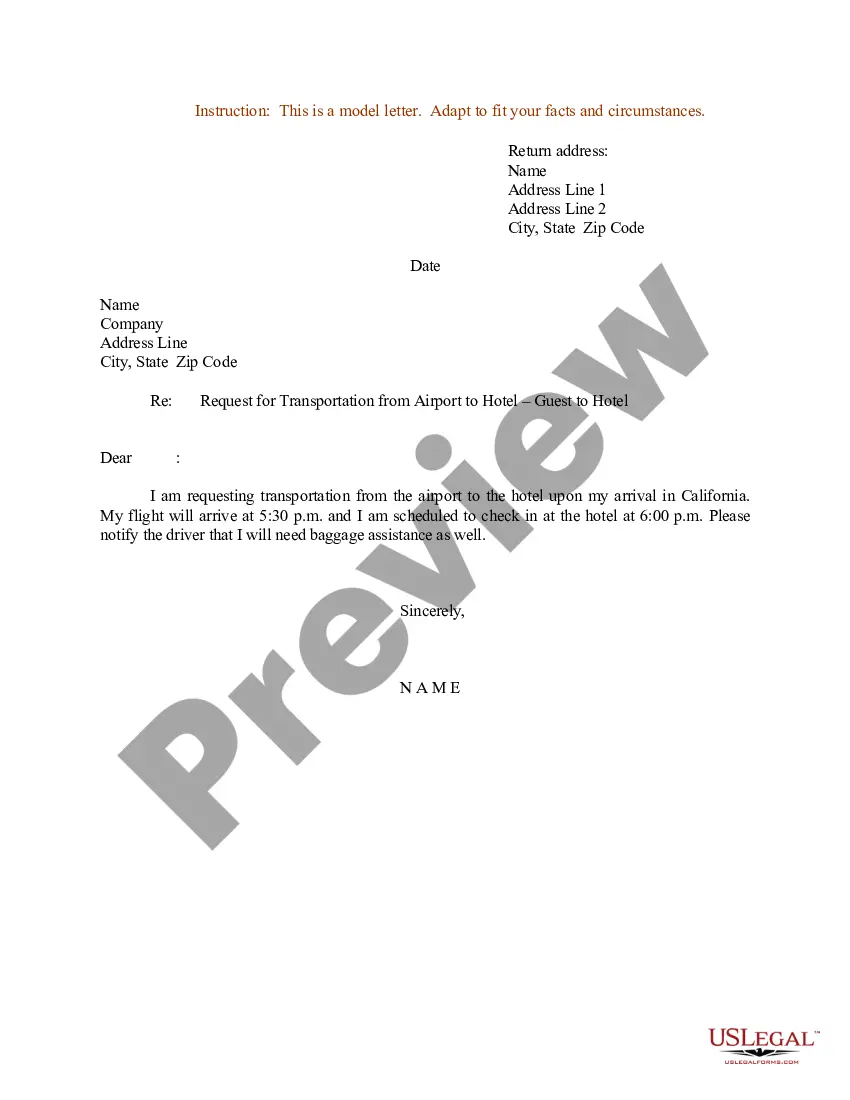

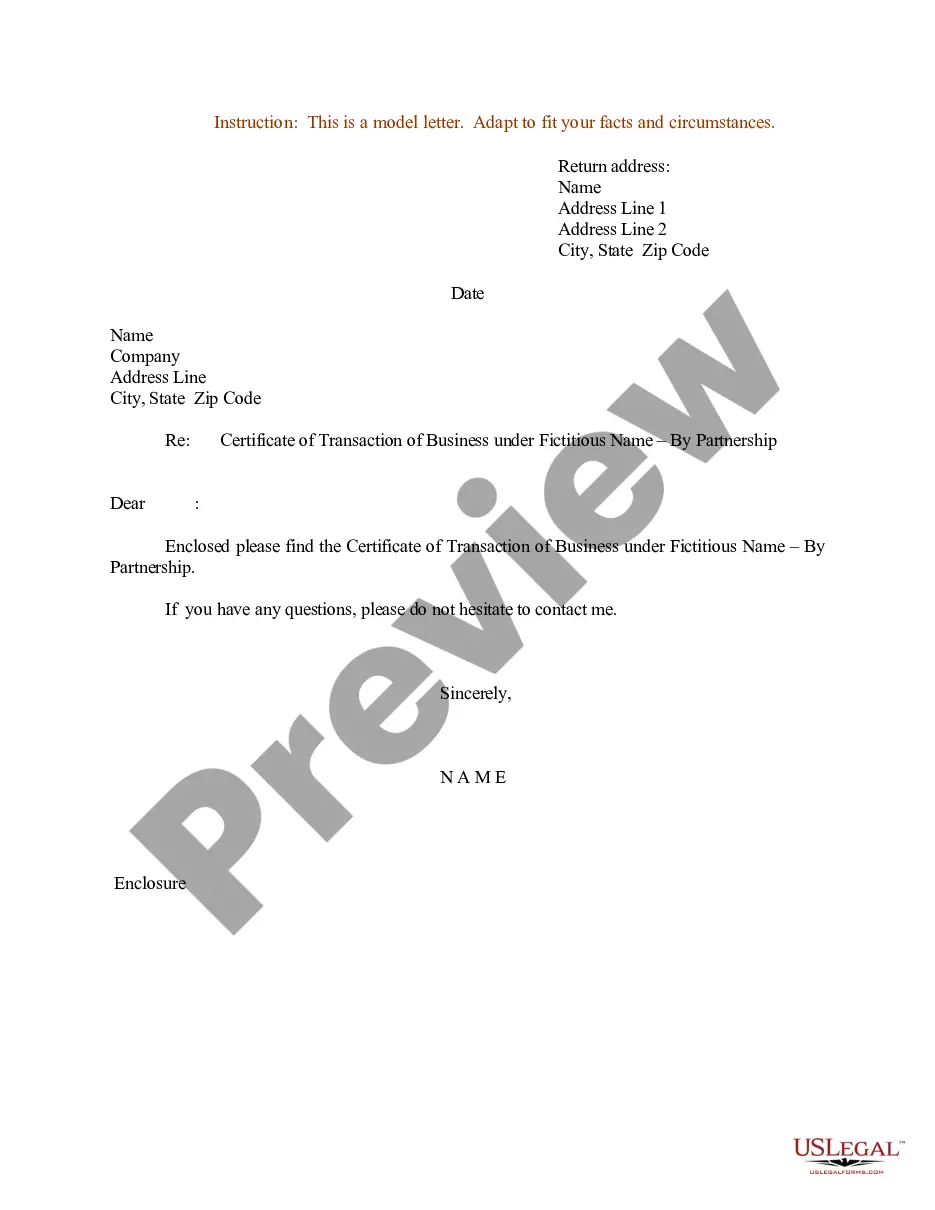

How to fill out Verified Complaint For Replevin Or Repossession?
Securing a reliable source for accessing the latest and pertinent legal templates is a significant part of navigating bureaucracy. Identifying the correct legal documents requires accuracy and meticulousness, which is why it is crucial to obtain samples of Sample Letter For Car Repossession exclusively from reputable sources, such as US Legal Forms. An incorrect template can squander your time and hinder your current situation. With US Legal Forms, you have minimal concerns. You can access and view all the details regarding the document's application and relevance to your circumstances and within your state or locality.
Follow these steps to complete your Sample Letter For Car Repossession.
Eliminate the complications associated with your legal documentation. Browse the extensive US Legal Forms catalog to discover legal samples, verify their applicability to your circumstances, and download them instantly.
- Use the library navigation or search bar to locate your template.
- Check the form’s details to confirm it meets the criteria of your state and county.
- View the form preview, if available, to verify it is the document you require.
- Return to the search and seek the appropriate template if the Sample Letter For Car Repossession does not satisfy your needs.
- If you are certain of the form’s relevance, download it.
- As a registered user, click Log in to verify and gain access to your selected forms in My documents.
- If you do not possess an account yet, click Buy now to acquire the form.
- Select the pricing option that aligns with your preferences.
- Proceed with the registration to complete your purchase.
- Conclude your purchase by choosing a payment method (credit card or PayPal).
- Select the document format for downloading Sample Letter For Car Repossession.
- Once you have the form saved on your device, you can modify it using the editor or print it out and complete it manually.
Form popularity
FAQ
Codicil: A North Carolina will can be changed at any time before your death through either a codicil, which is an amendment or addition to an existing will, or by creating an entirely new will that properly revokes any previous wills.
In short, no ? a codicil to a Will does not have to be notarized. However, laws and requirements vary from state to state. A codicil does have to be signed in front of at least two witnesses who are not listed as beneficiaries, guardians, or executors in your Will.
When you change your will, you are not required to advise your executor of the changes. However, since they carry a vital role in the enforcement of your will, we recommend letting them know of the modifications.
Steps to Create a Will in North Carolina Decide what property to include in your will. Decide who will inherit your property. Choose an executor to handle your estate. Choose a guardian for your children. Choose someone to manage children's property. Make your will. Sign your will in front of witnesses.
A handwritten will in North Carolina can be valid but it is very easy for it to be disputed and thrown out by a court. Therefore, if you are considering handwriting your own will, make sure it is entirely in your own handwriting, you sign it, and you store it in a safe place.
How Do I Change My Will in North Carolina? People who have a Will that no longer reflects their intentions can change it. There are two basic ways to change a will: (1) by writing a new Will; or (2) by amending a current Will with a codicil. Creating a new Will has become the preferred way to change an estate plan.
In general, a codicil should: State that it is a codicil to your will. Identify the date your will was signed, so there's no confusion about which will it amends. Clearly state which parts of the will it revises. Describe the changes as specifically as possible.
A decedent's will becomes a public record when it is filed, after the decedent's death, with the clerk of court. Any person may view a public record or request a copy of a public record for a fee.