Complaint Waived File For Divorce In Cook
Description




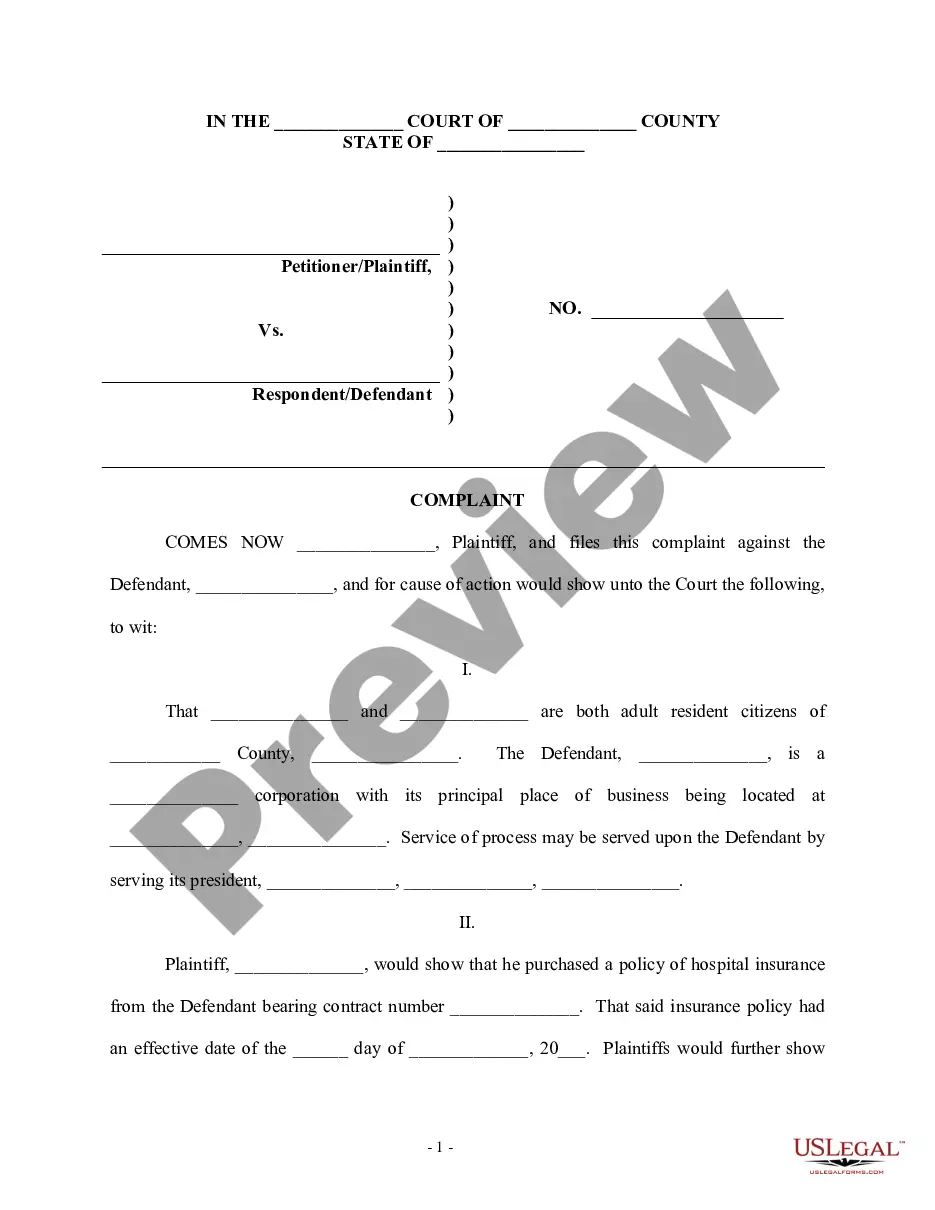
Get your form ready online
Our built-in tools help you complete, sign, share, and store your documents in one place.
Make edits, fill in missing information, and update formatting in US Legal Forms—just like you would in MS Word.
Download a copy, print it, send it by email, or mail it via USPS—whatever works best for your next step.
Sign and collect signatures with our SignNow integration. Send to multiple recipients, set reminders, and more. Go Premium to unlock E-Sign.
If this form requires notarization, complete it online through a secure video call—no need to meet a notary in person or wait for an appointment.
We protect your documents and personal data by following strict security and privacy standards.

Make edits, fill in missing information, and update formatting in US Legal Forms—just like you would in MS Word.

Download a copy, print it, send it by email, or mail it via USPS—whatever works best for your next step.

Sign and collect signatures with our SignNow integration. Send to multiple recipients, set reminders, and more. Go Premium to unlock E-Sign.

If this form requires notarization, complete it online through a secure video call—no need to meet a notary in person or wait for an appointment.

We protect your documents and personal data by following strict security and privacy standards.
Looking for another form?
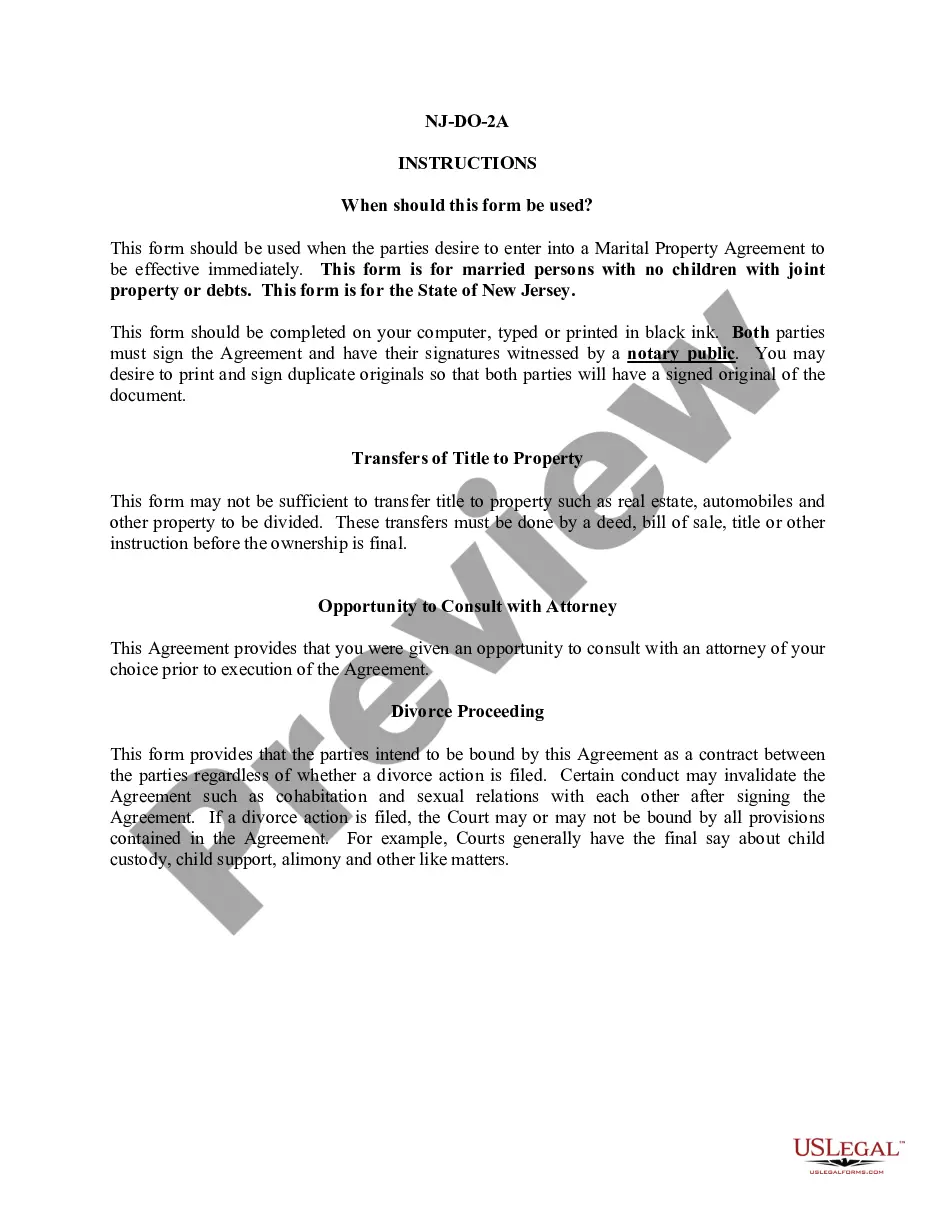
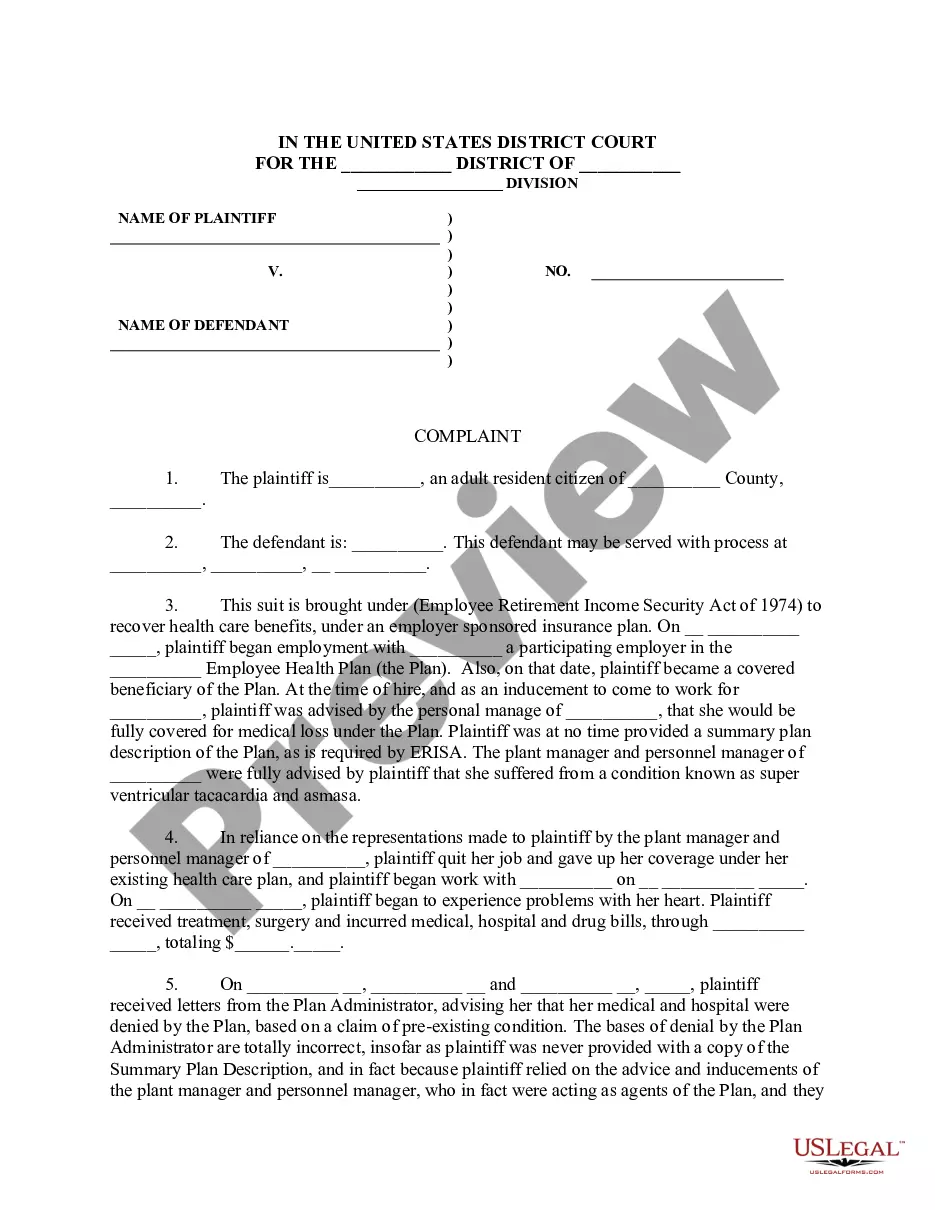
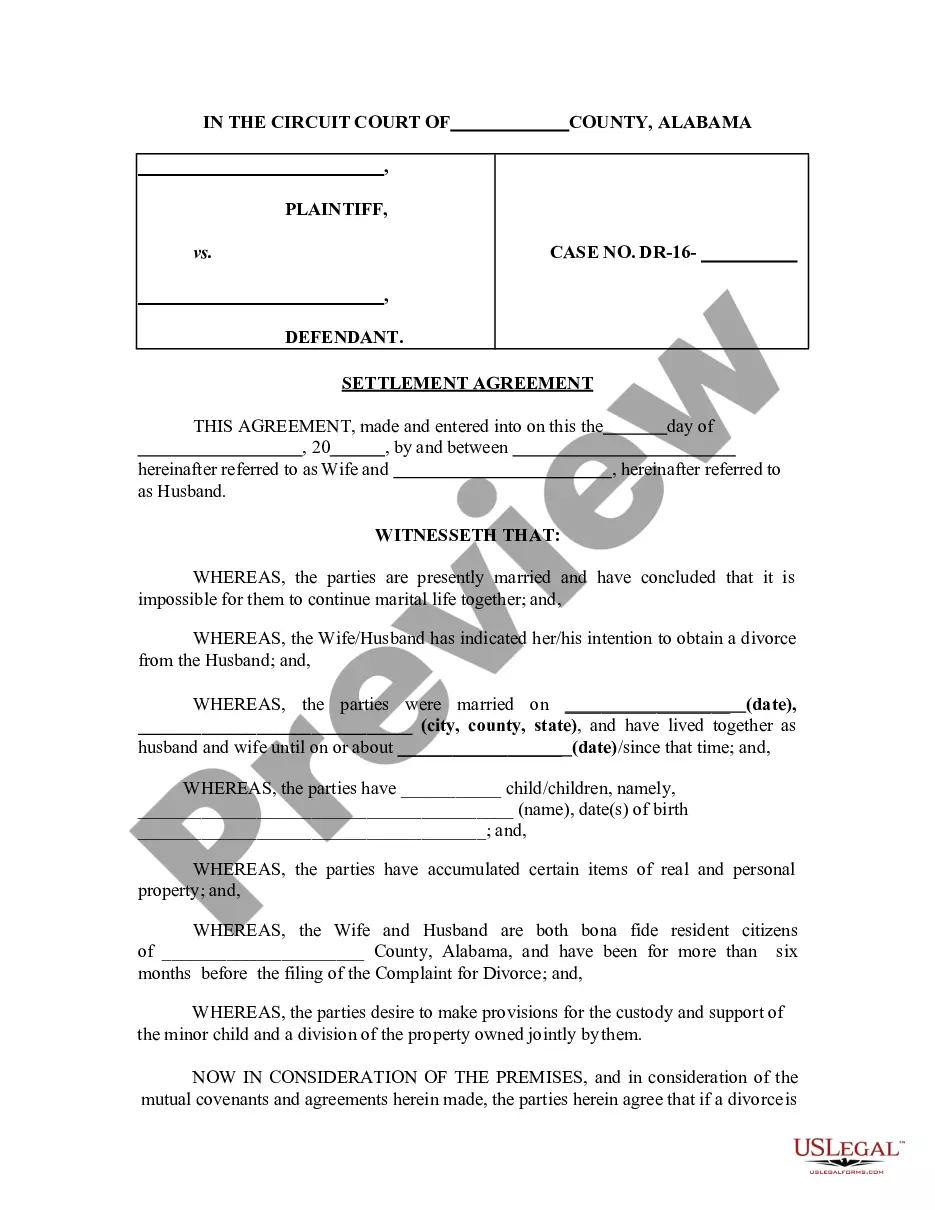

Form popularity
FAQ
In Illinois, an uncontested divorce generally ranges from $1,000 to $5,000. It's a relatively painless process, especially if the divorce is simple and both parties are in agreement.
In Illinois, there is no mandatory waiting period for an uncontested divorce as long as you meet the residency requirements. A contested divorce usually has a waiting period of six months. Overall, finalizing a divorce in Illinois can take anywhere between two months and a few years.
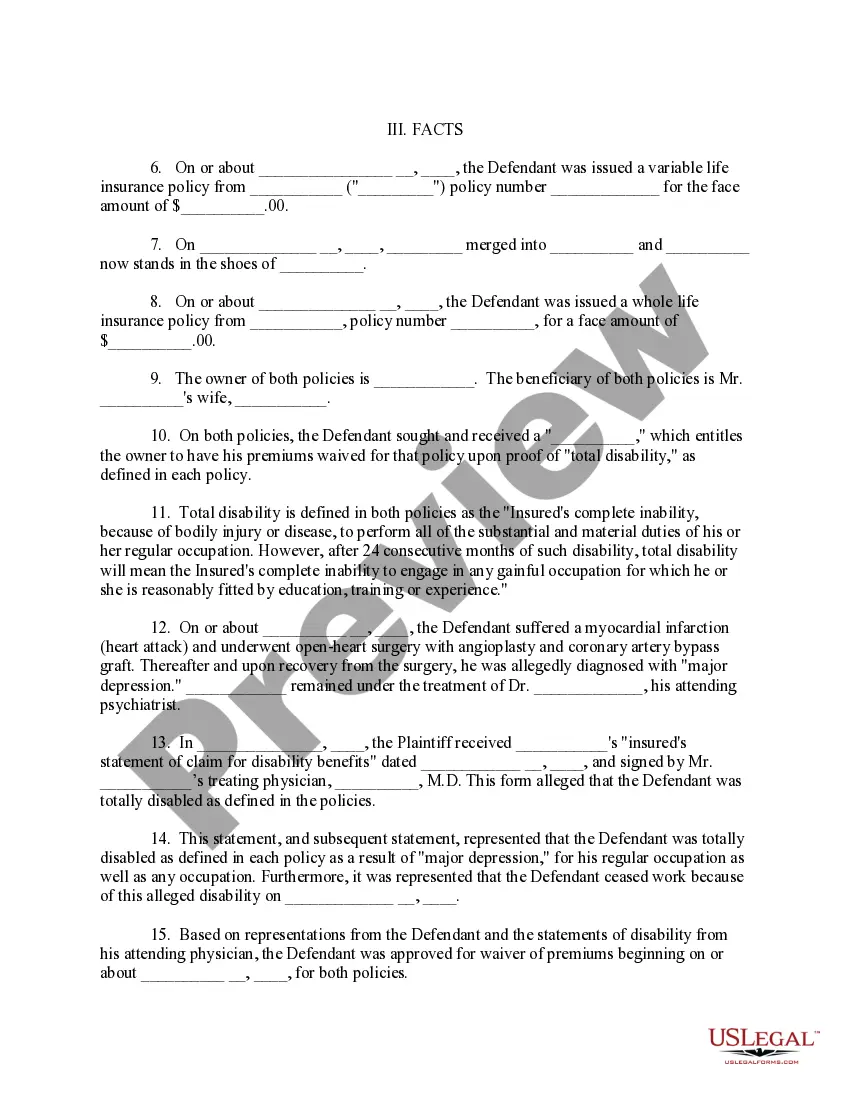
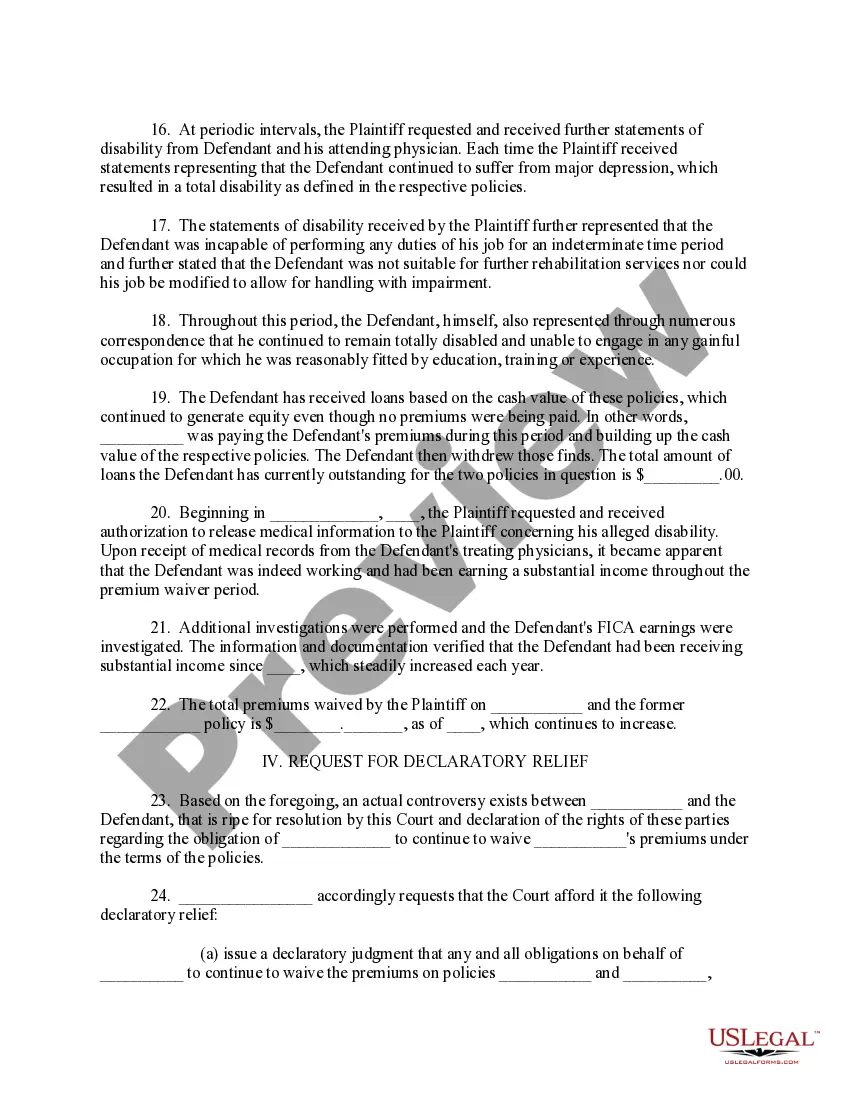
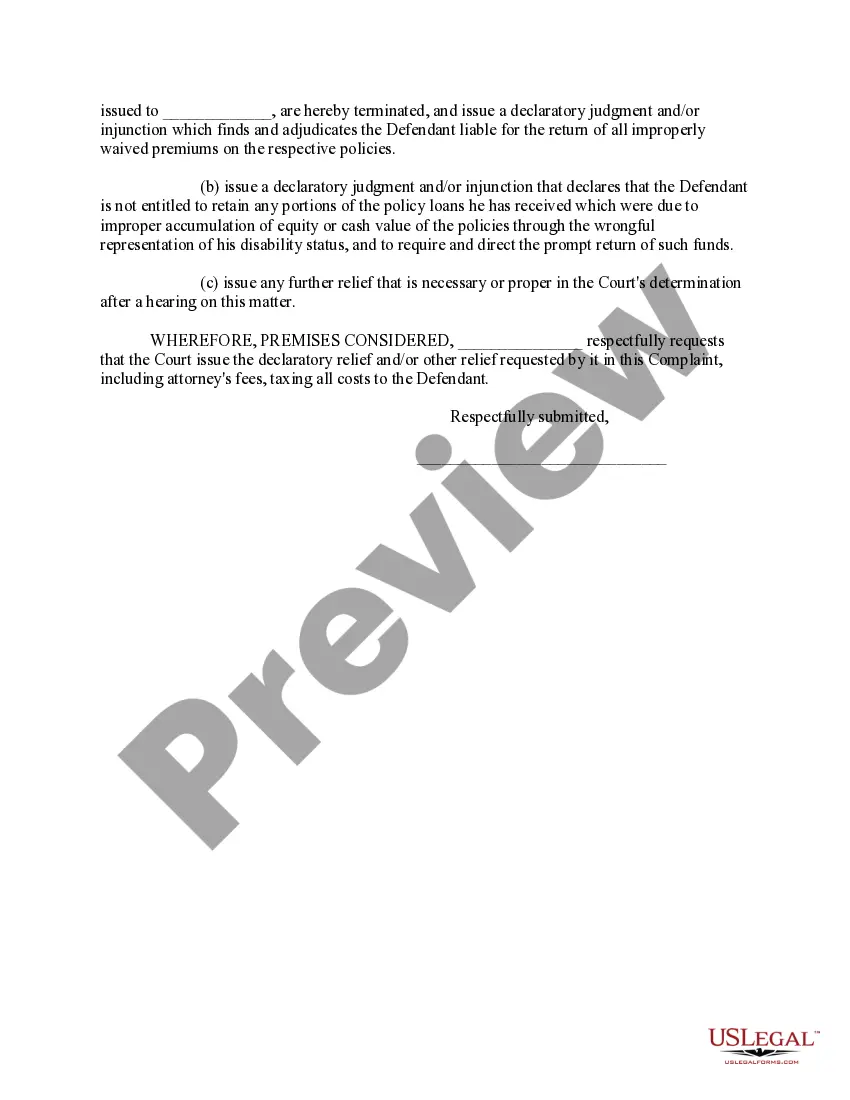
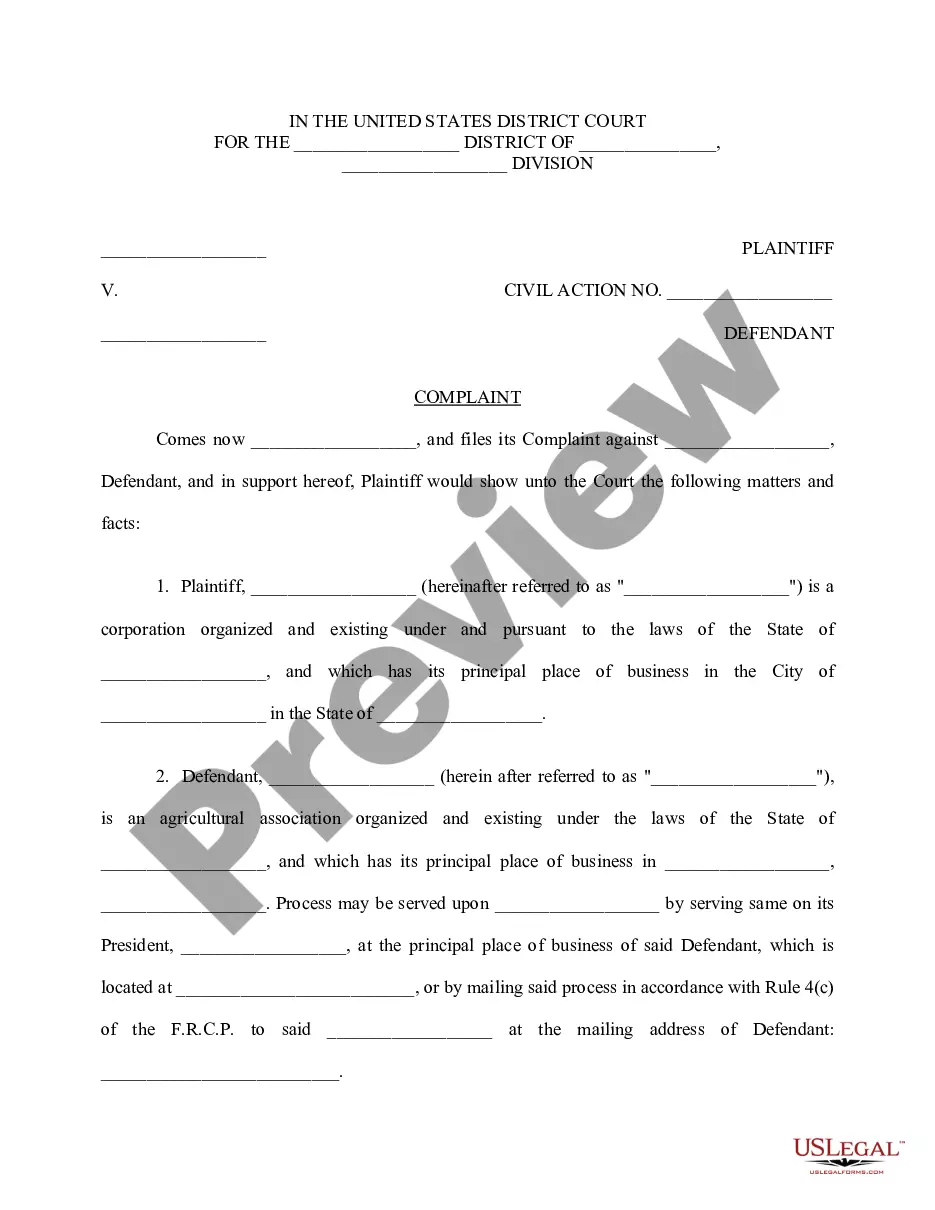
A Complaint for Divorce or Filing for Divorce is the formalized process of filing paperwork such that legal and factual issues maybe set forth and later addressed at trial, if necessary.
Oftentimes a party responding to a divorce complaint with an answer will file a counterclaim as well. The counterclaim provides the responding party an opportunity to make their own allegations about the reason for the divorce and a chance to tell the court what they are asking for.
In Illinois, you are able to file for a divorce without a lawyer. It isn't easy to go through a divorce without legal help, but it is possible.
There is no way to force your spouse or partner to agree to your settlement terms. Even if you did force him or her, it would be possible for him or her to set aside the agreement later by pointing out coercion or duress.
While the answer is simply admitting or denying information from the complaint, the counterclaim can be used to put forth alternative versions of the facts or a completely different reason for the divorce. The counterclaim functions just like a complaint, you do not need to prove anything in the counterclaim.
Here are a few ways you can approach the conversation: Acknowledge Their Feelings: You might say, ``I'm sorry to hear that. Divorce can be really tough.'' Offer Support: Let them know you're there for them. You could say, ``If you ever want to talk about it or share how you're feeling, I'm here to listen.''
Read the complaint and decide what to do. Read the complaint. You may agree with some, all, or none of the complaint. Write down next to each paragraph in the complaint whether you agree or disagree with what that paragraph says. If you agree with everything your spouse is asking for, you may not need to file anything.
File a motion for default judgment. If you are unable to reach an agreement with your spouse, you can file a motion for default judgment with the court. This will ask the court to enter a default judgment against your spouse without hearing from them. Hire a local attorney.
