Texas State Bar Form Special Warranty Deed In Florida
Description
Get your form ready online
Our built-in tools help you complete, sign, share, and store your documents in one place.
Make edits, fill in missing information, and update formatting in US Legal Forms—just like you would in MS Word.
Download a copy, print it, send it by email, or mail it via USPS—whatever works best for your next step.
Sign and collect signatures with our SignNow integration. Send to multiple recipients, set reminders, and more. Go Premium to unlock E-Sign.
If this form requires notarization, complete it online through a secure video call—no need to meet a notary in person or wait for an appointment.
We protect your documents and personal data by following strict security and privacy standards.
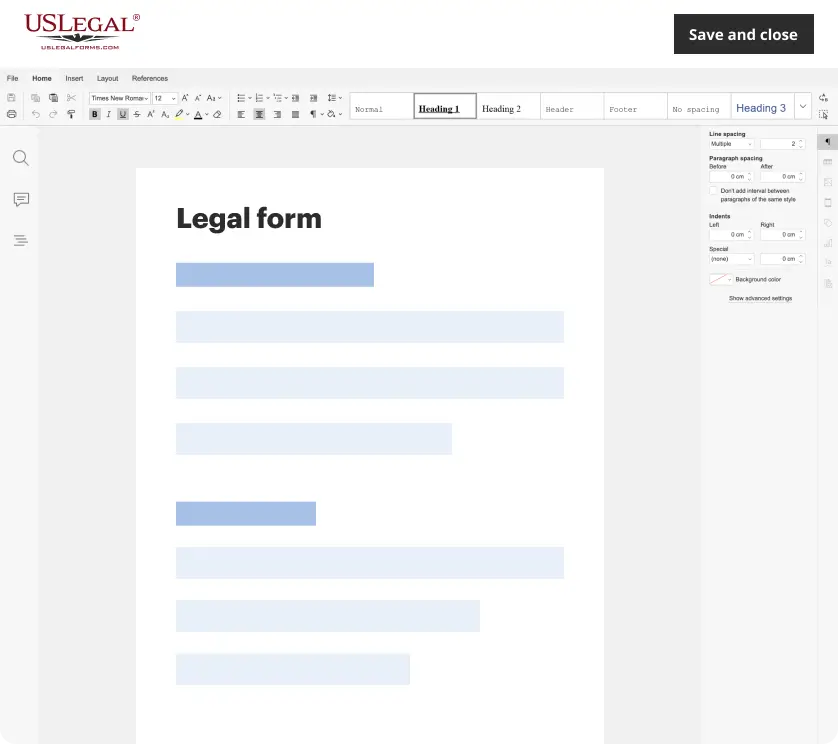
Make edits, fill in missing information, and update formatting in US Legal Forms—just like you would in MS Word.
Download a copy, print it, send it by email, or mail it via USPS—whatever works best for your next step.
Sign and collect signatures with our SignNow integration. Send to multiple recipients, set reminders, and more. Go Premium to unlock E-Sign.

If this form requires notarization, complete it online through a secure video call—no need to meet a notary in person or wait for an appointment.
We protect your documents and personal data by following strict security and privacy standards.
Looking for another form?


Form popularity
FAQ
Special Warranty Deeds are frequently used in commercial real estate transactions and foreclosure sales. In commercial transactions, sellers might prefer this type of deed to limit their liability to issues they directly caused.
When committing to a general warranty deed, the seller is promising there are no liens against the property, and if there were, the seller would compensate the buyer for those claims. Mainly for this reason, general warranty deeds are the most commonly used type of deed in real estate sales.
Cons: Fewer protections for buyers, who are now responsible for addressing any previous liens or claims for the property. Lenders and title companies may refuse to help buyers secure financing or title insurance for a property sold under special warranty.
Your deed needs to be filed with your County Clerk's or Recorder's Office. The special warranty deed will become a matter of public record and will be able to be viewed if a title search is conducted.
The main difference between these deeds is that general warranty deeds apply to the entire history of a piece of land while special warranty deeds only cover the period of time that the previous owner (the grantor) has held the land.
Cons: Fewer protections for buyers, who are now responsible for addressing any previous liens or claims for the property. Lenders and title companies may refuse to help buyers secure financing or title insurance for a property sold under special warranty.
While the seller in a Warranty Deed must defend the title against all other claims and compensate the buyer for any unsettled debts or damages, the seller in a Special Warranty Deed is only responsible for debts and problems accrued or caused during his ownership of the property.
Warranty deed requirements A legal description of the property. The grantor (seller)'s name and address. The grantee (buyer)'s name and address. A statement that the grantor is the legal owner of the property and that the title is clear, with no outstanding liens or creditor claims.
A special warranty deed guarantees that the grantor owns and can sell the property. To the best of their knowledge, they are the owner of the property.

