Management Package Estate Without Permission
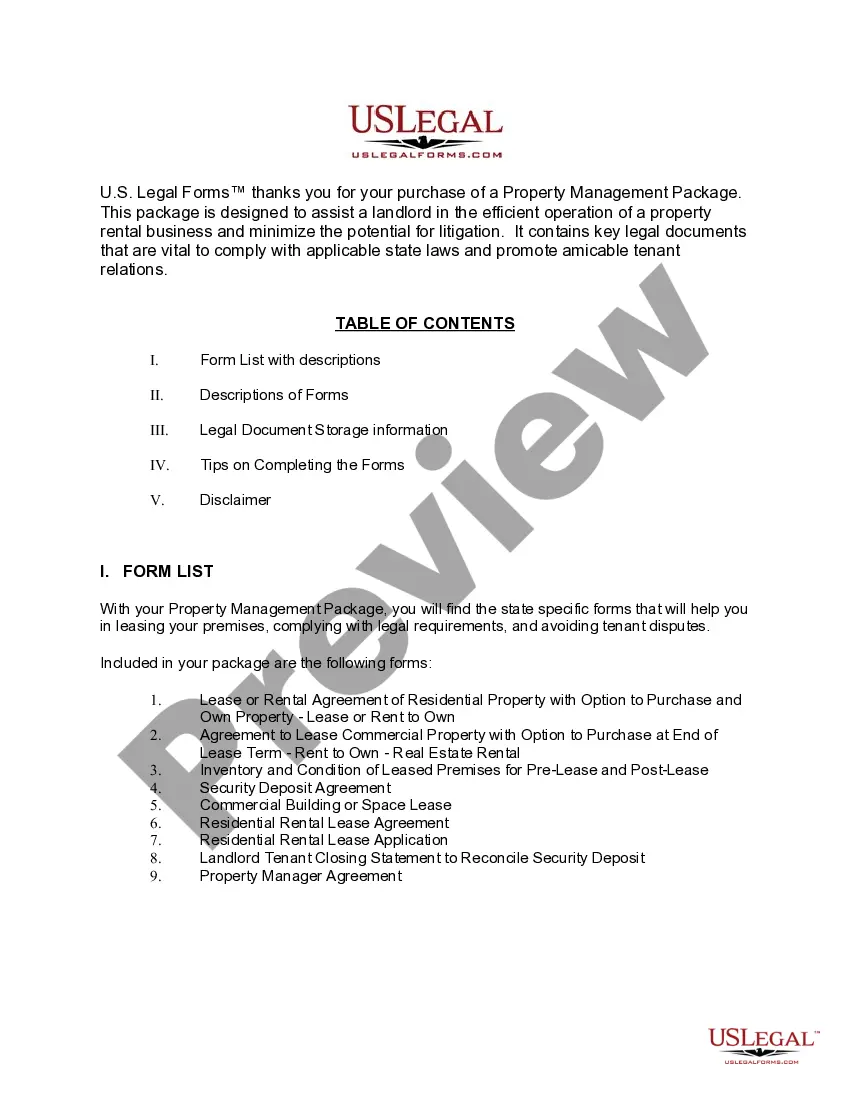
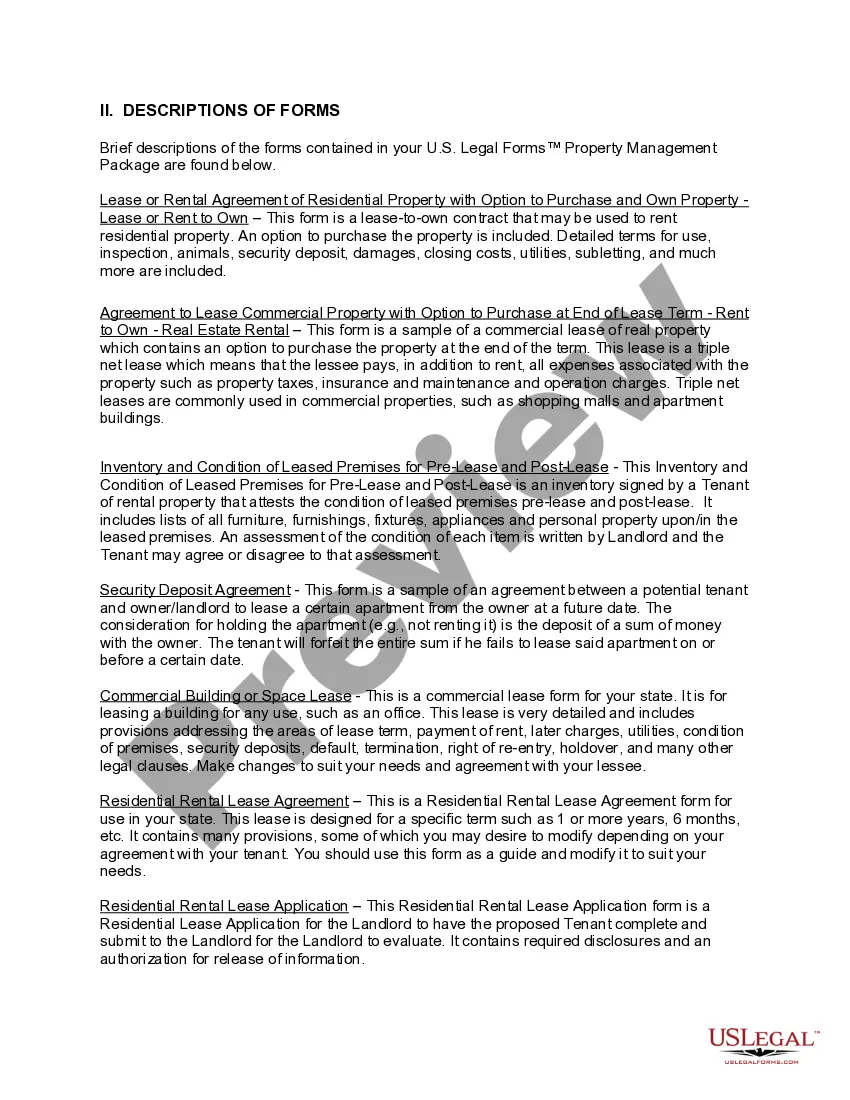
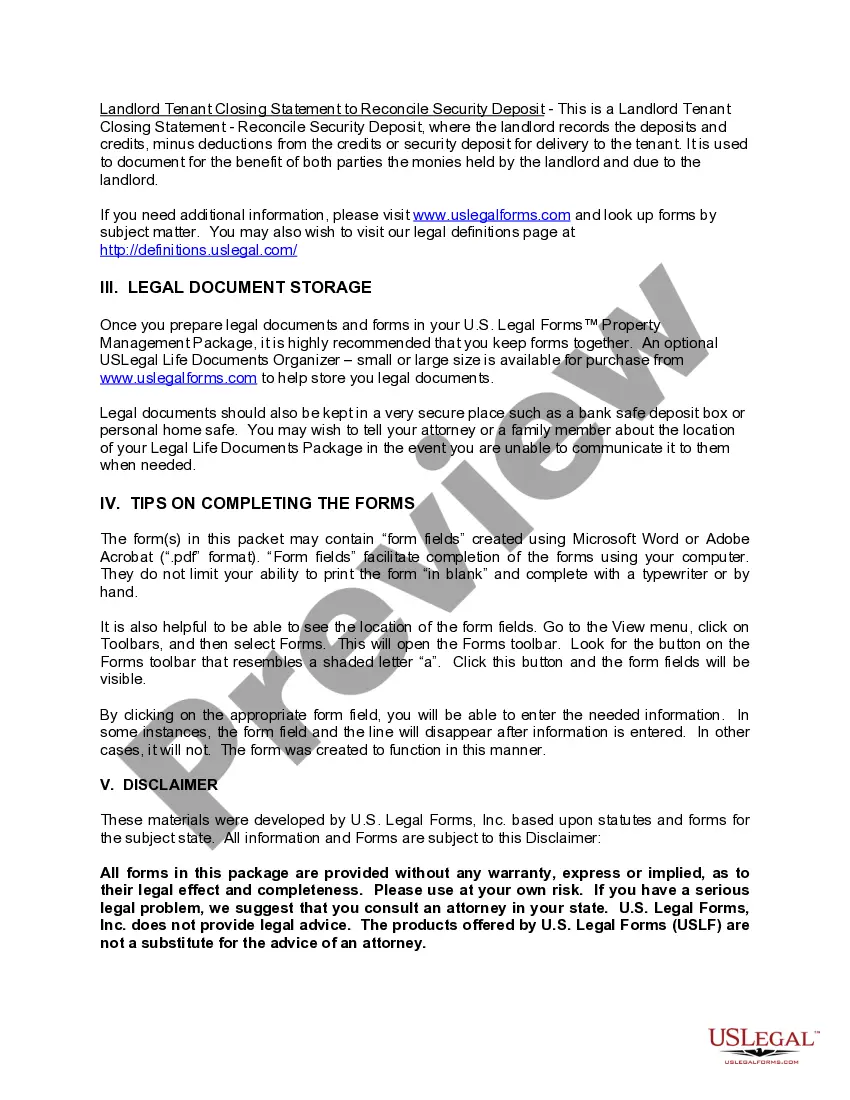
Description

Get your form ready online
Our built-in tools help you complete, sign, share, and store your documents in one place.
Make edits, fill in missing information, and update formatting in US Legal Forms—just like you would in MS Word.
Download a copy, print it, send it by email, or mail it via USPS—whatever works best for your next step.
Sign and collect signatures with our SignNow integration. Send to multiple recipients, set reminders, and more. Go Premium to unlock E-Sign.
If this form requires notarization, complete it online through a secure video call—no need to meet a notary in person or wait for an appointment.
We protect your documents and personal data by following strict security and privacy standards.

Make edits, fill in missing information, and update formatting in US Legal Forms—just like you would in MS Word.

Download a copy, print it, send it by email, or mail it via USPS—whatever works best for your next step.

Sign and collect signatures with our SignNow integration. Send to multiple recipients, set reminders, and more. Go Premium to unlock E-Sign.

If this form requires notarization, complete it online through a secure video call—no need to meet a notary in person or wait for an appointment.

We protect your documents and personal data by following strict security and privacy standards.
Looking for another form?
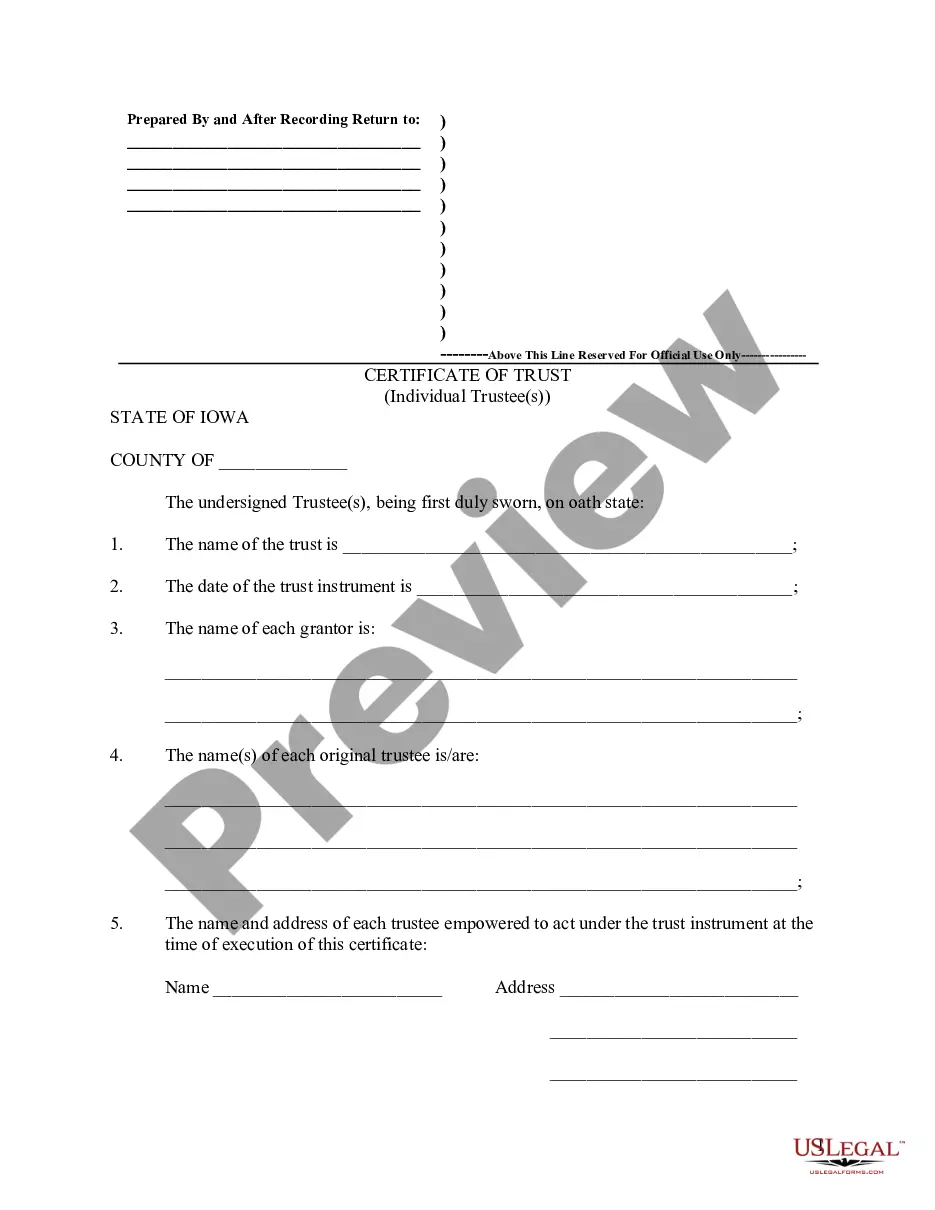
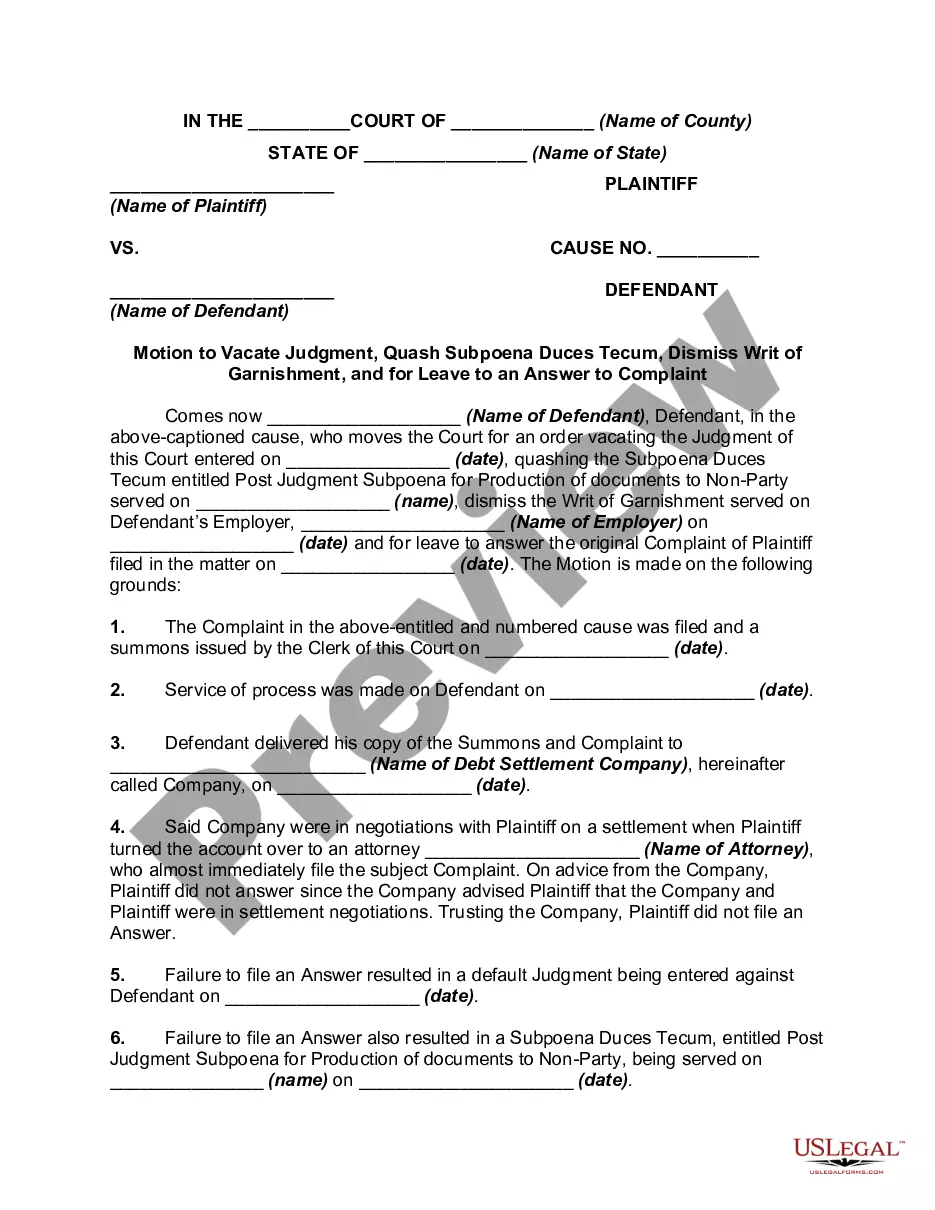
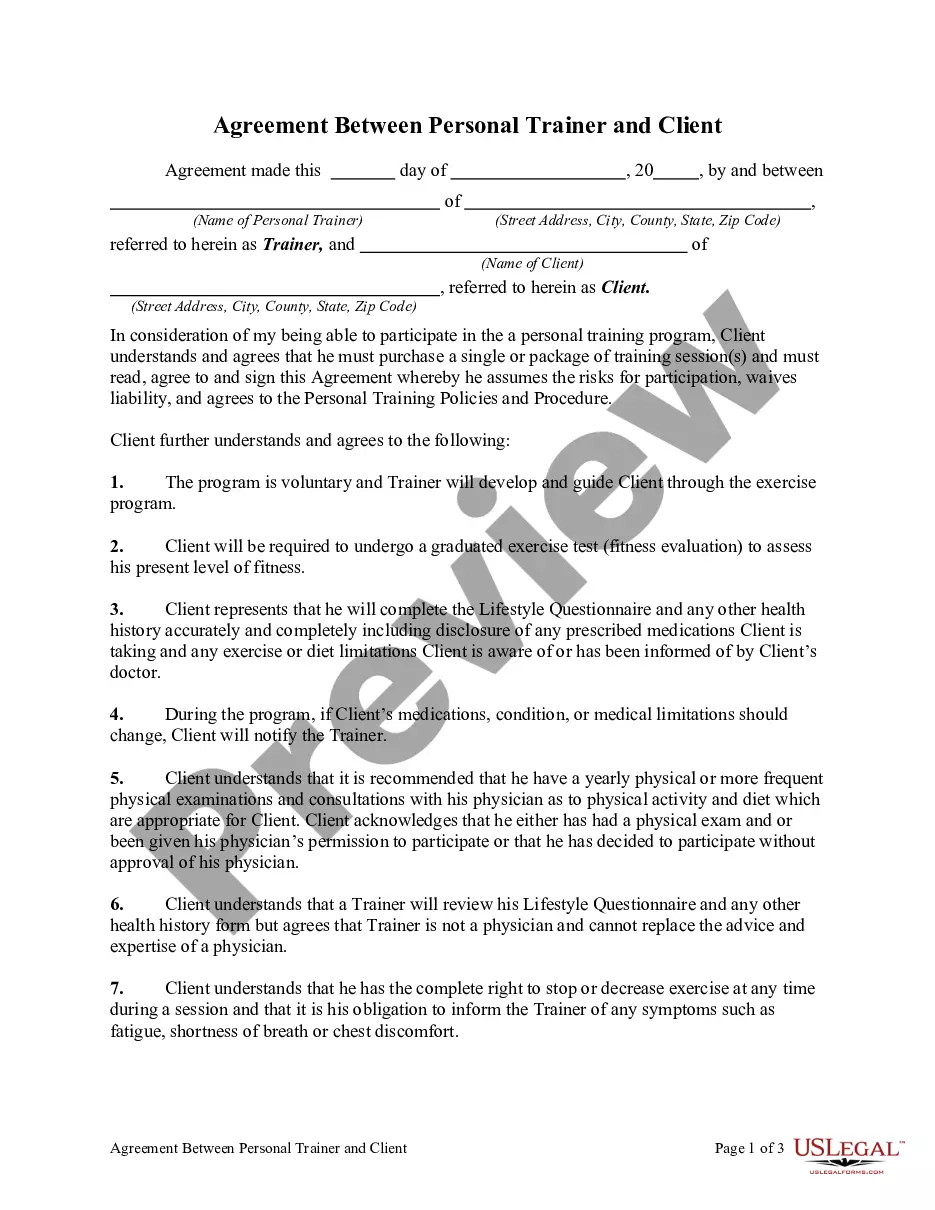
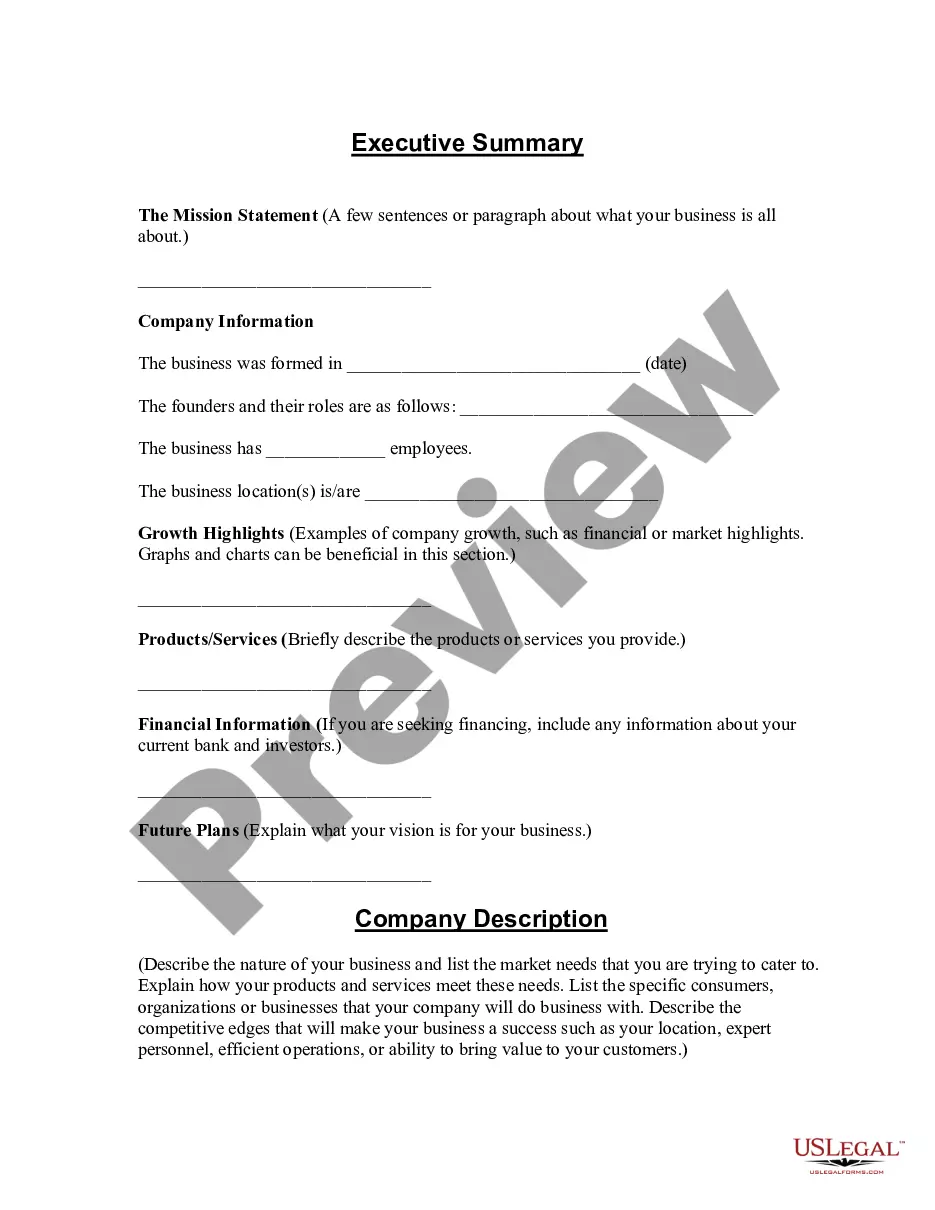

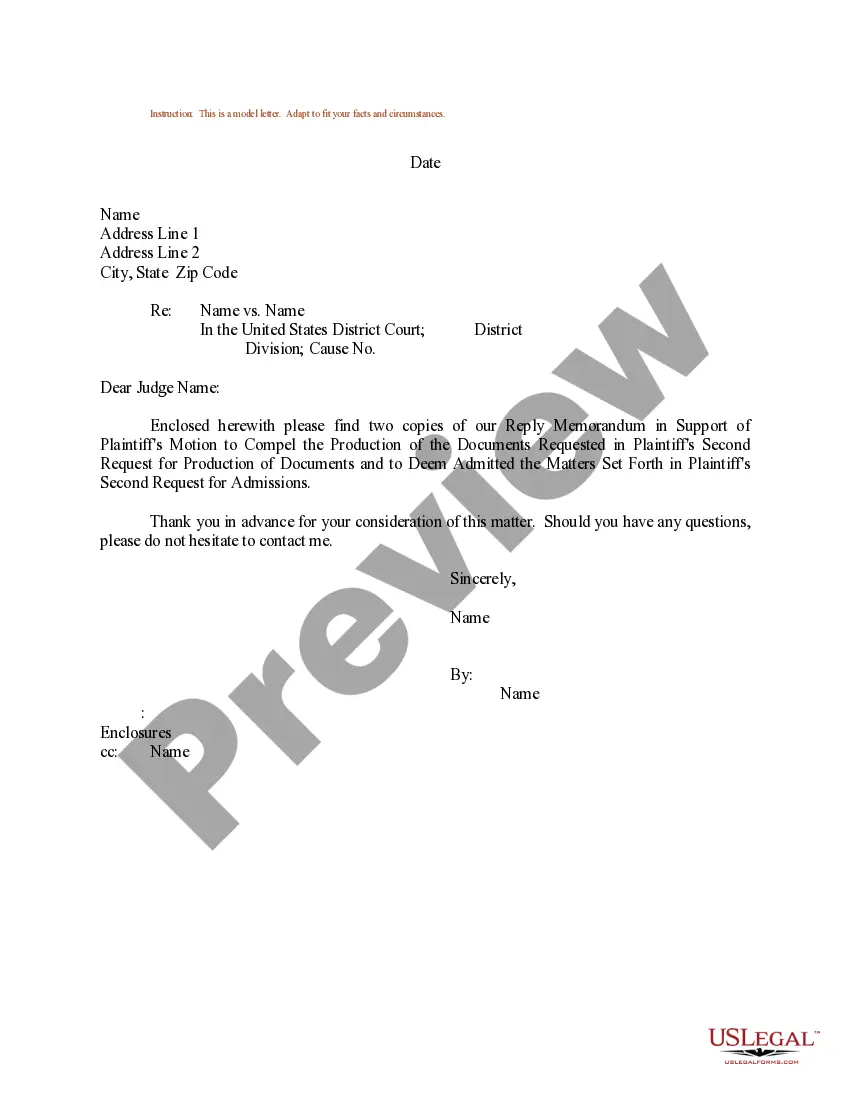
How to fill out Texas Property Management Package?
Regardless of whether for commercial reasons or personal issues, everyone eventually needs to handle legal matters in their lifetime.
Filling out legal documents demands meticulous care, beginning with choosing the correct form template.
Once saved, you can fill out the form using editing software or print it out and complete it by hand. With a comprehensive US Legal Forms catalog available, you won’t need to waste time searching for the suitable template online. Utilize the library’s simple navigation to find the appropriate form for any circumstance.
- For instance, if you choose an incorrect version of a Management Package Estate Without Permission, it will be denied upon submission.
- Hence, it is crucial to have a reliable source for legal documents like US Legal Forms.
- If you wish to obtain a sample of Management Package Estate Without Permission, follow these straightforward steps.
- Acquire the template you require using the search box or catalog browsing.
- Examine the form’s description to confirm it aligns with your circumstances, state, and area.
- Click on the form’s preview to review it.
- If it's the incorrect form, return to the search option to locate the Management Package Estate Without Permission sample you need.
- Obtain the template if it corresponds to your requirements.
- If you possess a US Legal Forms account, simply click Log in to access previously stored templates in My documents.
- In case you don’t have an account yet, you can acquire the form by clicking Buy now.
- Choose the correct pricing option.
- Complete the profile registration form.
- Select your payment method: use a credit card or PayPal account.
- Choose the file format you prefer and download the Management Package Estate Without Permission.
Form popularity
FAQ
What Happens Next? If you renounce being executor and there are other executors named in the will, they will need to take on the jobs that would have been yours. If you are the only executor mentioned, then the beneficiaries must come together to choose an administrator for the estate.
Some lack the financial ability to deal with creditors, understand estate tax matters, and perform effective accounting to satisfy beneficiaries that things have been properly handled. Also, having multiple executors adds greatly to the amount of paperwork.
If there is no named executor, a person, usually a friend, family member or another interested party, may come forward and petition the court to become the administrator of the estate by obtaining letters of administration. If no one comes forward on their own, the court may ask a person to serve as an administrator.
If no alternate is named, then whoever is next of kin after you may petition the court to act as executor. However, if no one wishes to act as executor, including close friends and distant relatives, then the court may nominate a creditor to the estate as a potential executor.