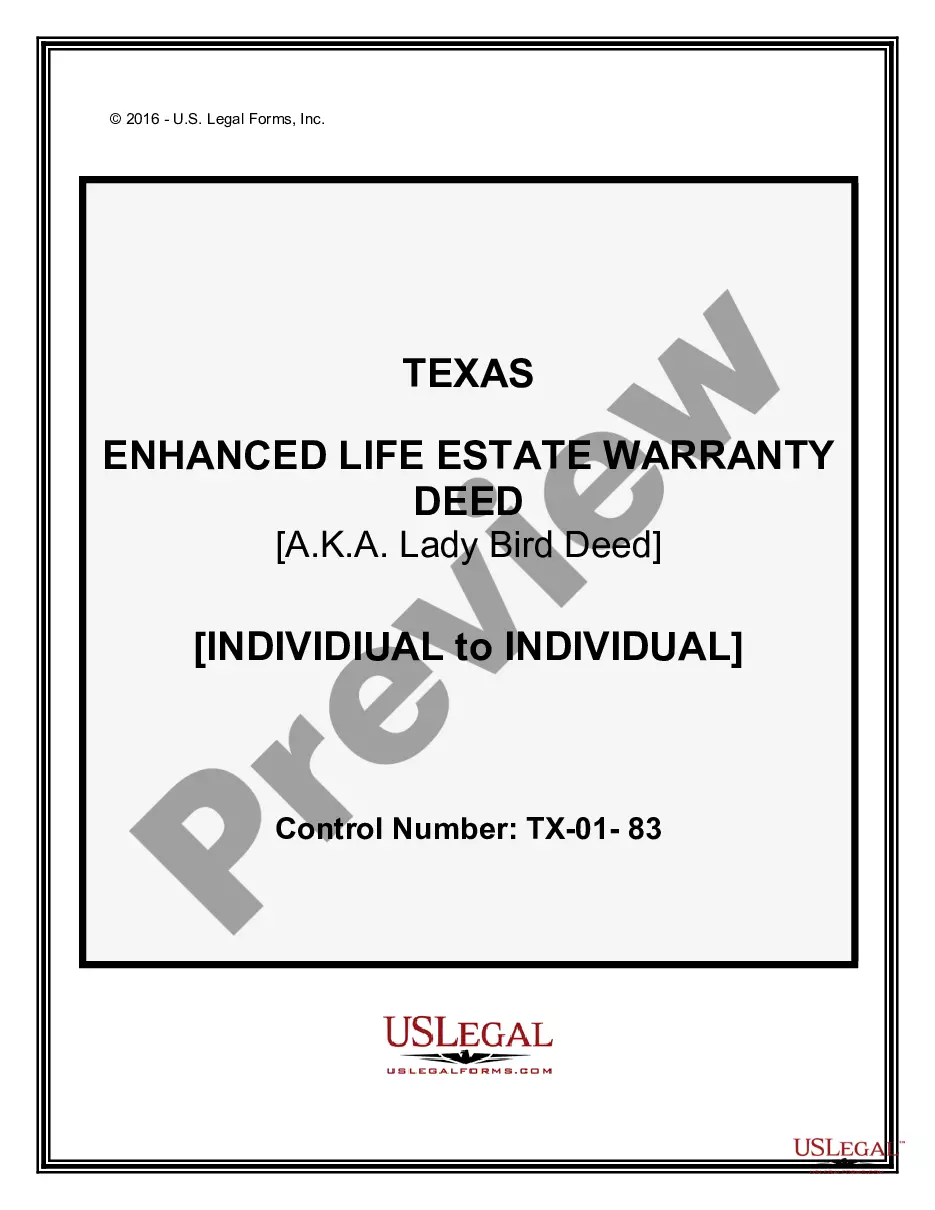
Enhanced Life Deed Texas For Foreign Residents
Description
Get your form ready online
Our built-in tools help you complete, sign, share, and store your documents in one place.
Make edits, fill in missing information, and update formatting in US Legal Forms—just like you would in MS Word.
Download a copy, print it, send it by email, or mail it via USPS—whatever works best for your next step.
Sign and collect signatures with our SignNow integration. Send to multiple recipients, set reminders, and more. Go Premium to unlock E-Sign.
If this form requires notarization, complete it online through a secure video call—no need to meet a notary in person or wait for an appointment.
We protect your documents and personal data by following strict security and privacy standards.

Make edits, fill in missing information, and update formatting in US Legal Forms—just like you would in MS Word.

Download a copy, print it, send it by email, or mail it via USPS—whatever works best for your next step.

Sign and collect signatures with our SignNow integration. Send to multiple recipients, set reminders, and more. Go Premium to unlock E-Sign.

If this form requires notarization, complete it online through a secure video call—no need to meet a notary in person or wait for an appointment.

We protect your documents and personal data by following strict security and privacy standards.
Looking for another form?

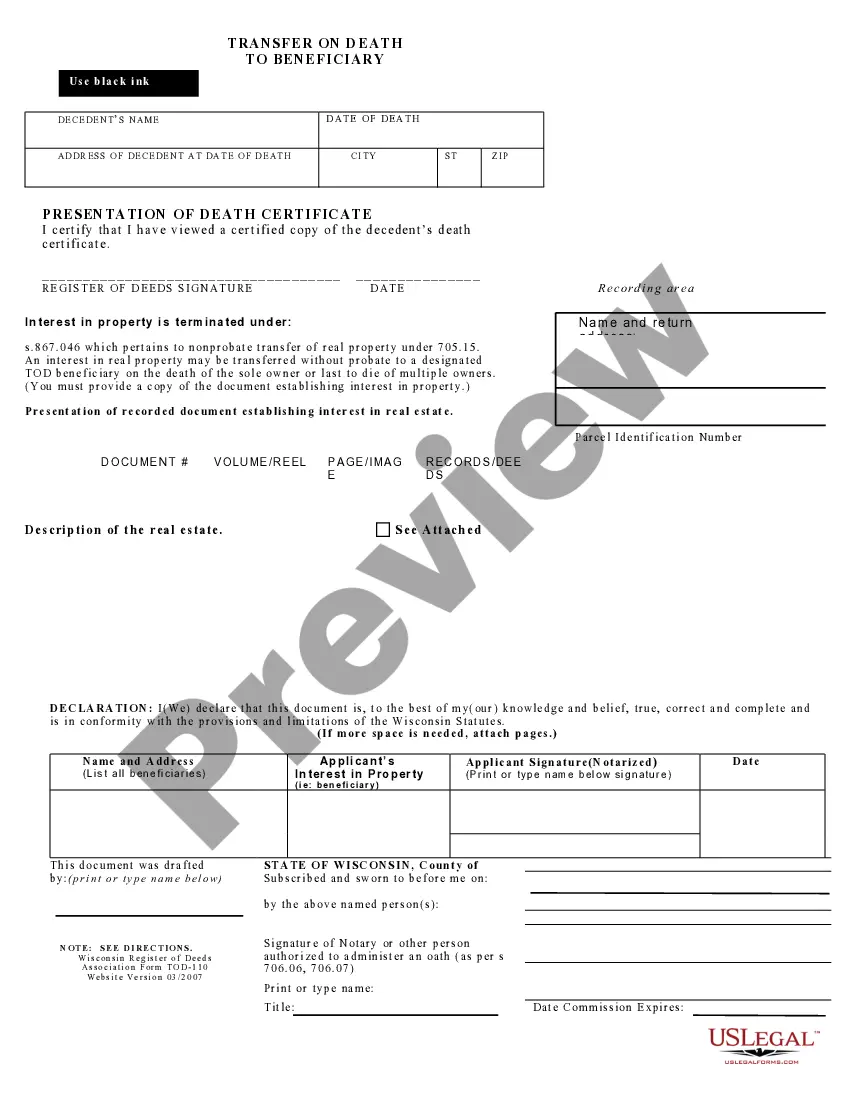



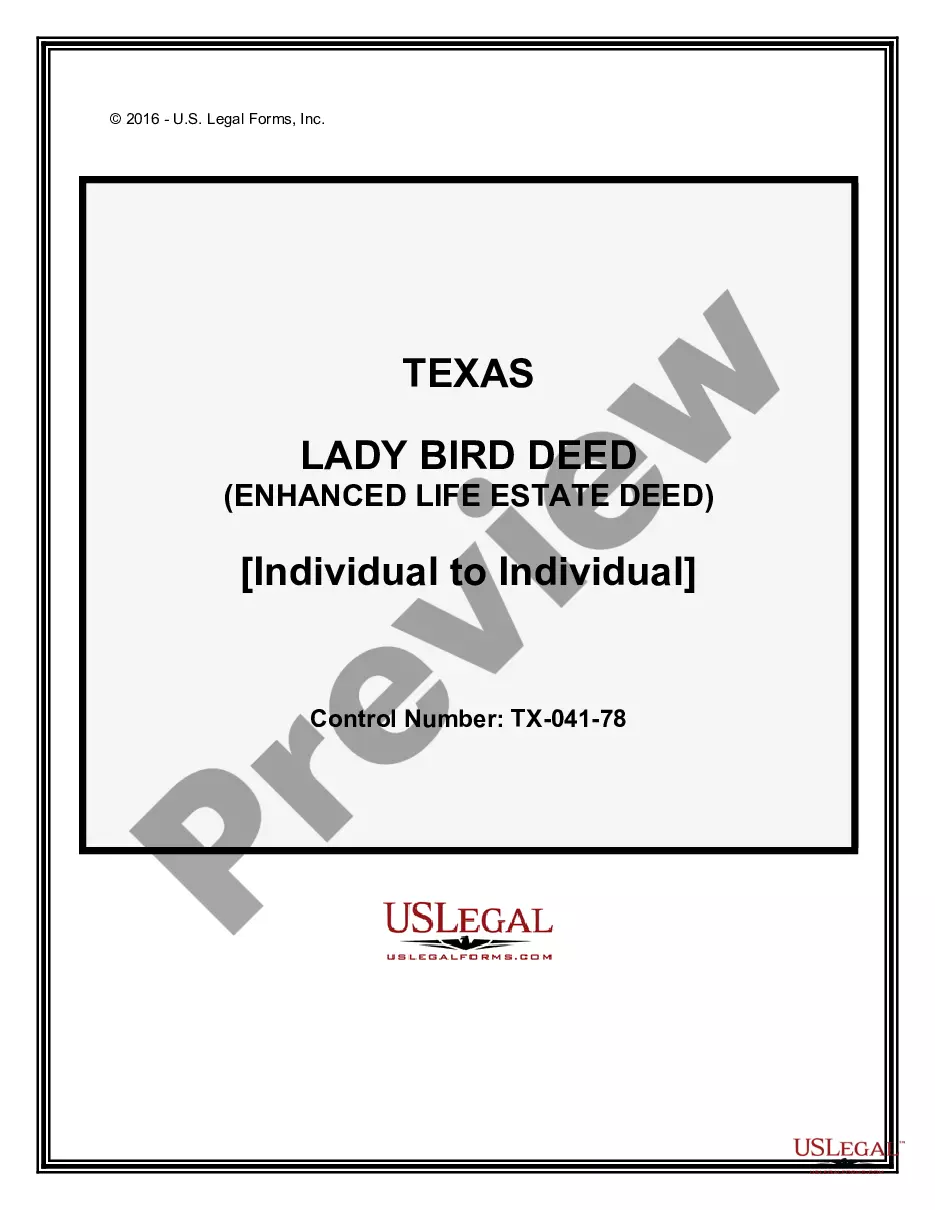
How to fill out Texas Lady Bird Or Enhanced Life Estate Warranty Deed - Individual To Individual?
- Log in to your US Legal Forms account if you are a returning user. Ensure your subscription is current. If not, renew it according to your plan.
- For first-time users, begin by browsing the legal forms library. Utilize the preview mode to find the enhanced life deed that fits your needs and complies with local regulations.
- If your first selection doesn't meet your requirements, make use of the search function to explore more form options.
- Once you find the appropriate document, click on the 'Buy Now' button to choose your desired subscription plan. You'll need to create an account to access the full resources.
- Proceed to checkout by entering your payment information—either credit card details or via PayPal.
- Download your enhanced life deed to your device and easily access it anytime from the 'My Forms' section of your profile.
US Legal Forms empowers users by offering a robust selection of over 85,000 easily fillable and editable legal documents. This extensive collection, combined with access to premium experts for form completion assistance, ensures you can confidently create legally sound documents.
Take advantage of the resources available at US Legal Forms today to simplify your legal documentation process. Start your journey by registering and exploring the vast library now!
Form popularity
FAQ
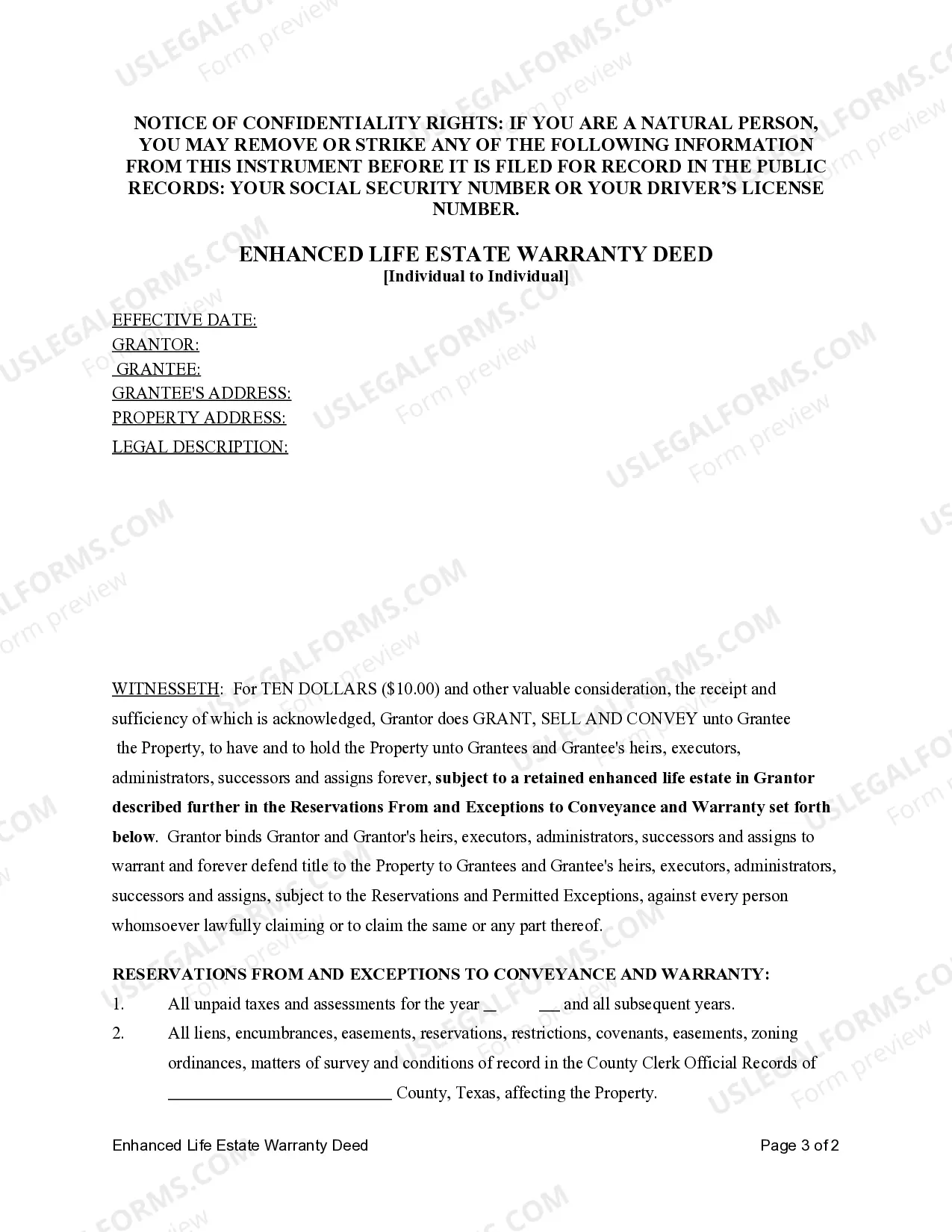
There are two main types of life estates: conventional life estates and enhanced life estates. A conventional life estate grants ownership rights to a person for their lifetime, after which the property passes to another designated person. In contrast, the enhanced life estate, particularly the enhanced life deed Texas for foreign residents, provides additional benefits like avoiding probate while allowing for property use during the owner's lifetime. Understanding these differences helps you choose the right deed for your unique situation.
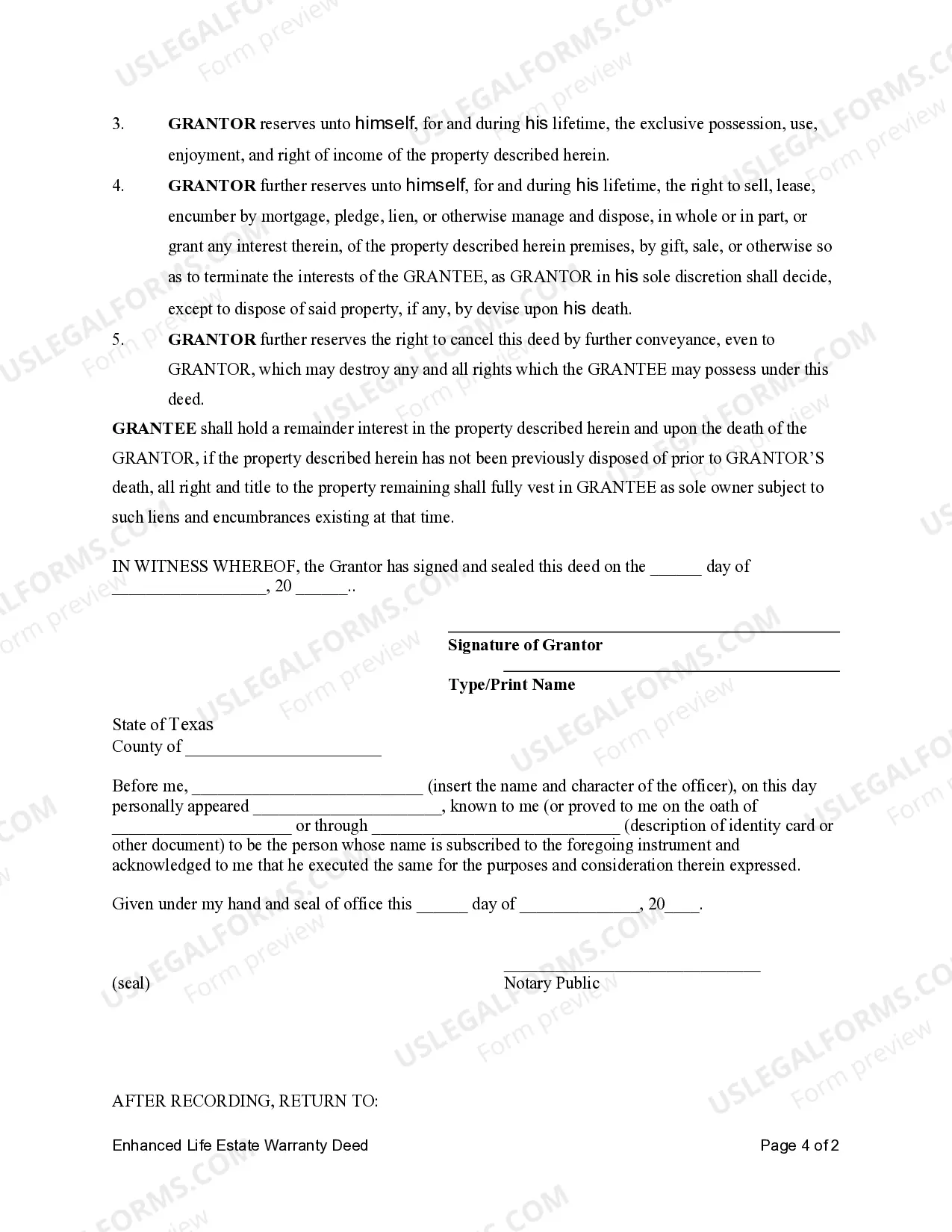
An enhanced life estate is a type of deed that allows the property owner to retain the right to live in the property while designating beneficiaries to receive the property upon the owner's death. This deed does not go through probate, making it an ideal choice for simplifying the transfer process. For foreign residents, utilizing the enhanced life deed Texas for foreign residents provides peace of mind regarding property management and estate planning. It combines benefits of a life estate with added advantages for effective estate distribution.
The enhanced life deed Texas for foreign residents is highly recommended for avoiding probate. It allows property owners to transfer their property to beneficiaries automatically upon their passing. This method offers a smooth transition and ensures that loved ones receive their inheritance without the lengthy and costly probate process. By choosing this option, you simplify estate planning and protect your assets.
The difference between a life estate deed and an enhanced life estate deed in Florida includes how ownership is transferred after the owner's death. A life estate deed typically reverts back to the grantor's estate, whereas an enhanced life estate deed ensures designated heirs receive immediate ownership, bypassing probate. This is a significant consideration for anyone, especially foreign residents, using enhanced life deeds in Texas, as it can simplify the ownership transfer process.
An example of an enhanced life estate deed could involve a property owner who designates their children as beneficiaries while retaining the right to live in the home during their lifetime. Upon the passing of the owner, the children automatically receive full ownership without the need for probate. Such arrangements are particularly beneficial for foreign residents exploring property options in Texas.
The primary difference between a life estate and an enhanced life estate lies in the rights given to the life tenant after the property owner's death. A traditional life estate reverts ownership to the original owner or their heirs, while an enhanced life estate deed transfers ownership directly to the named beneficiaries. This feature, especially relevant for enhanced life deed Texas for foreign residents, simplifies the estate process and can offer significant tax benefits.
An enhanced life estate deed in Florida allows the property owner to retain the right to live in the space for their lifetime while transferring ownership to specified beneficiaries upon their death. This type of deed avoids probate, making the transition of property ownership smoother and quicker. For foreign residents looking to establish property in Texas, understanding the Florida model can provide insights into the benefits of enhanced life deeds.
The two general types of life estates are conventional life estates and enhanced life estates. A conventional life estate allows the owner to use the property during their lifetime, but ownership reverts to another party upon death. In contrast, an enhanced life estate deed grants the owner the right to live in the property for life, but it also includes a provision for transferring ownership without going through probate. Understanding these distinctions is crucial for those considering an enhanced life deed in Texas for foreign residents.
Yes, Texas does recognize the enhanced life estate deed, which is beneficial for foreign residents. This legal document allows you to retain control of your property during your lifetime while specifying how it will pass to your beneficiaries upon your death. By using an enhanced life deed in Texas, foreign residents can avoid probate and ensure a smooth transition of property ownership. If you are considering this option, the UsLegalForms platform can provide the necessary documents and guidance for a seamless process.
Enhanced life estate deeds are recognized in several states, including Texas, Florida, Michigan, and others. However, the laws can vary significantly, so it is crucial for foreign residents to consult legal experts in their specific state. The enhanced life deed in Texas for foreign residents offers unique benefits that may not be available in other jurisdictions. Therefore, gaining an understanding of local laws ensures that property owners can take full advantage of their options.