Planning Will Attorney For Family Member
Description

Get your form ready online
Our built-in tools help you complete, sign, share, and store your documents in one place.
Make edits, fill in missing information, and update formatting in US Legal Forms—just like you would in MS Word.
Download a copy, print it, send it by email, or mail it via USPS—whatever works best for your next step.
Sign and collect signatures with our SignNow integration. Send to multiple recipients, set reminders, and more. Go Premium to unlock E-Sign.
If this form requires notarization, complete it online through a secure video call—no need to meet a notary in person or wait for an appointment.
We protect your documents and personal data by following strict security and privacy standards.

Make edits, fill in missing information, and update formatting in US Legal Forms—just like you would in MS Word.

Download a copy, print it, send it by email, or mail it via USPS—whatever works best for your next step.
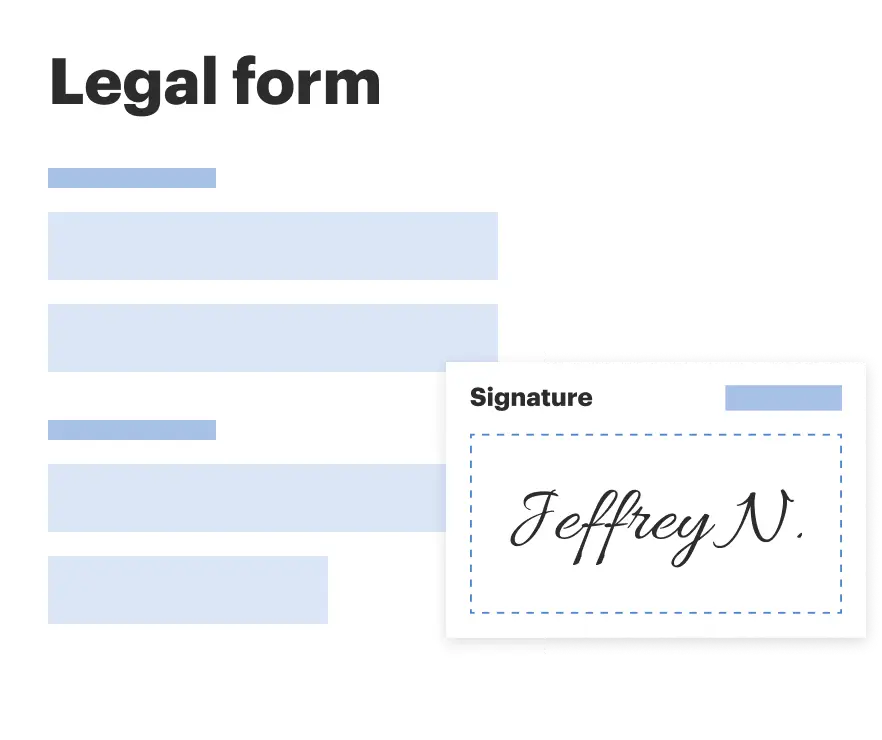
Sign and collect signatures with our SignNow integration. Send to multiple recipients, set reminders, and more. Go Premium to unlock E-Sign.

If this form requires notarization, complete it online through a secure video call—no need to meet a notary in person or wait for an appointment.

We protect your documents and personal data by following strict security and privacy standards.
Looking for another form?

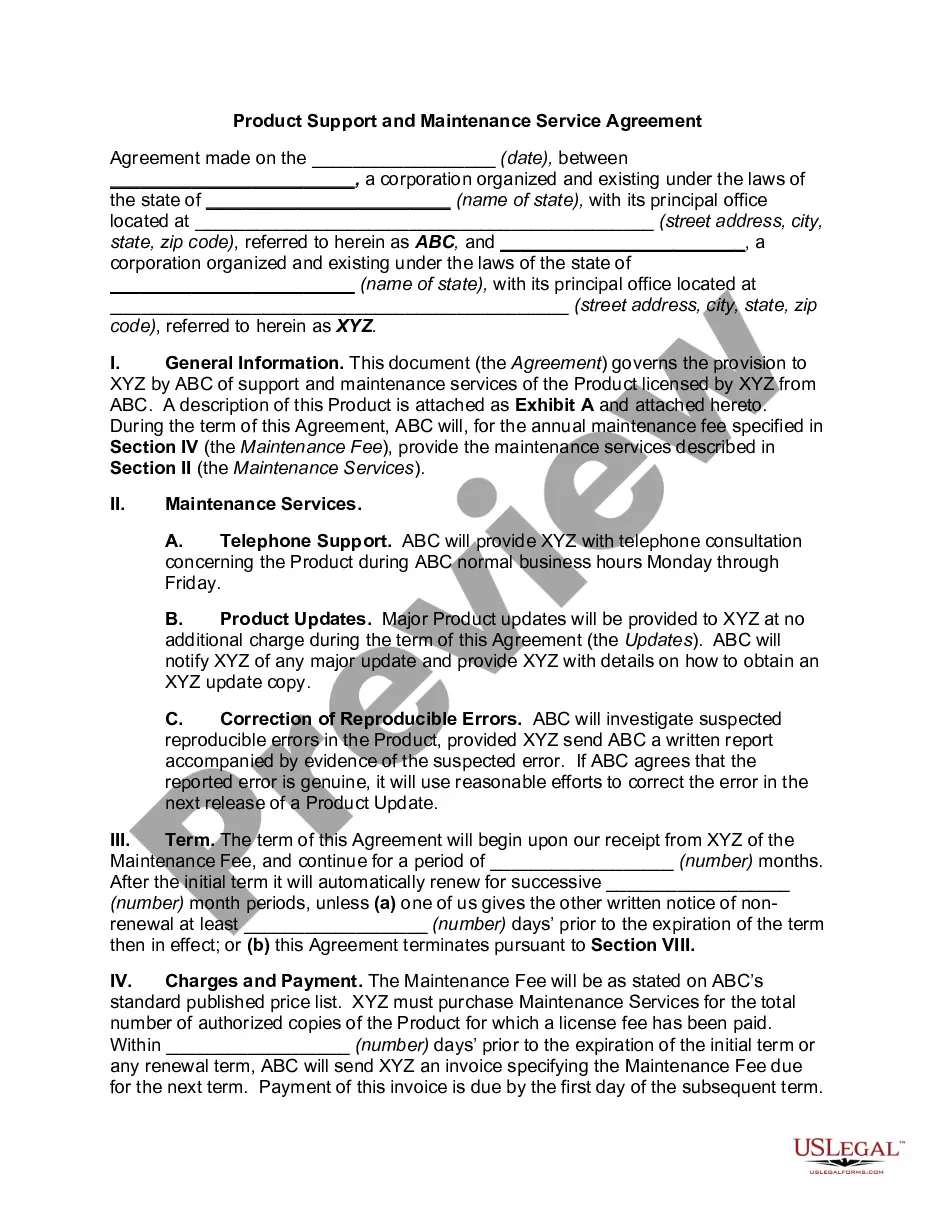
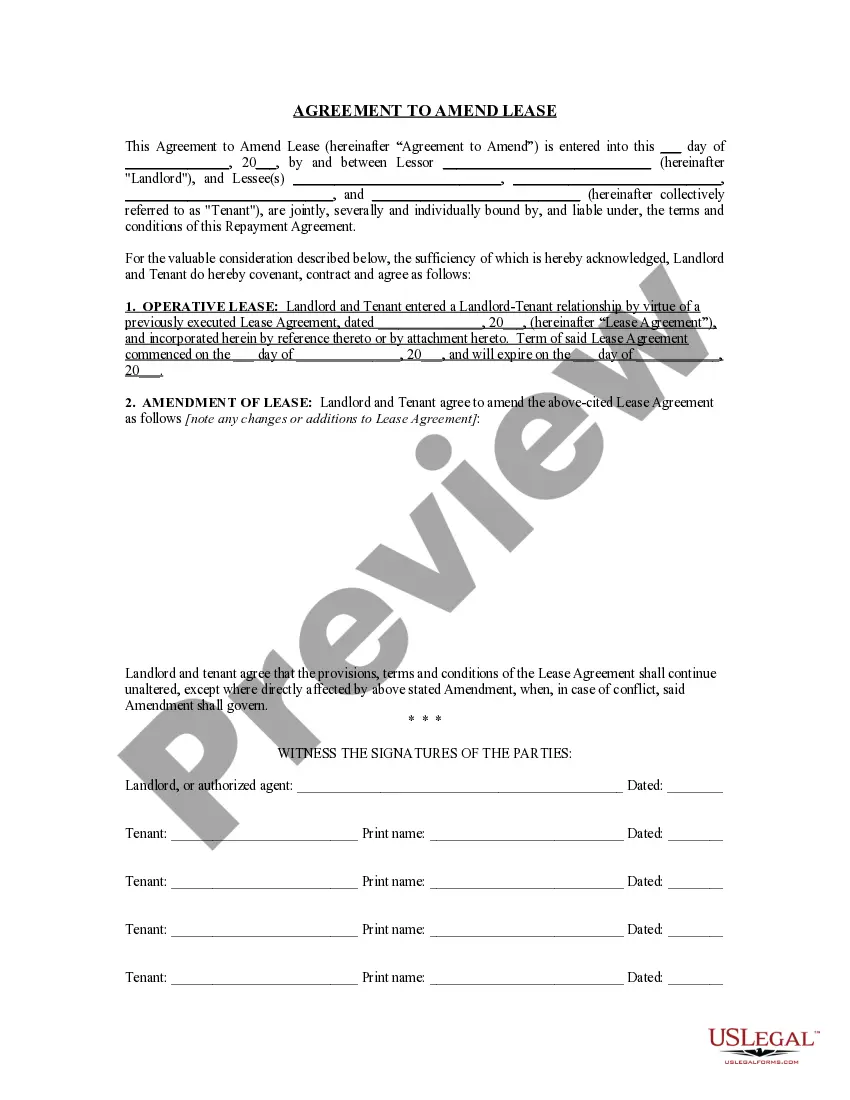
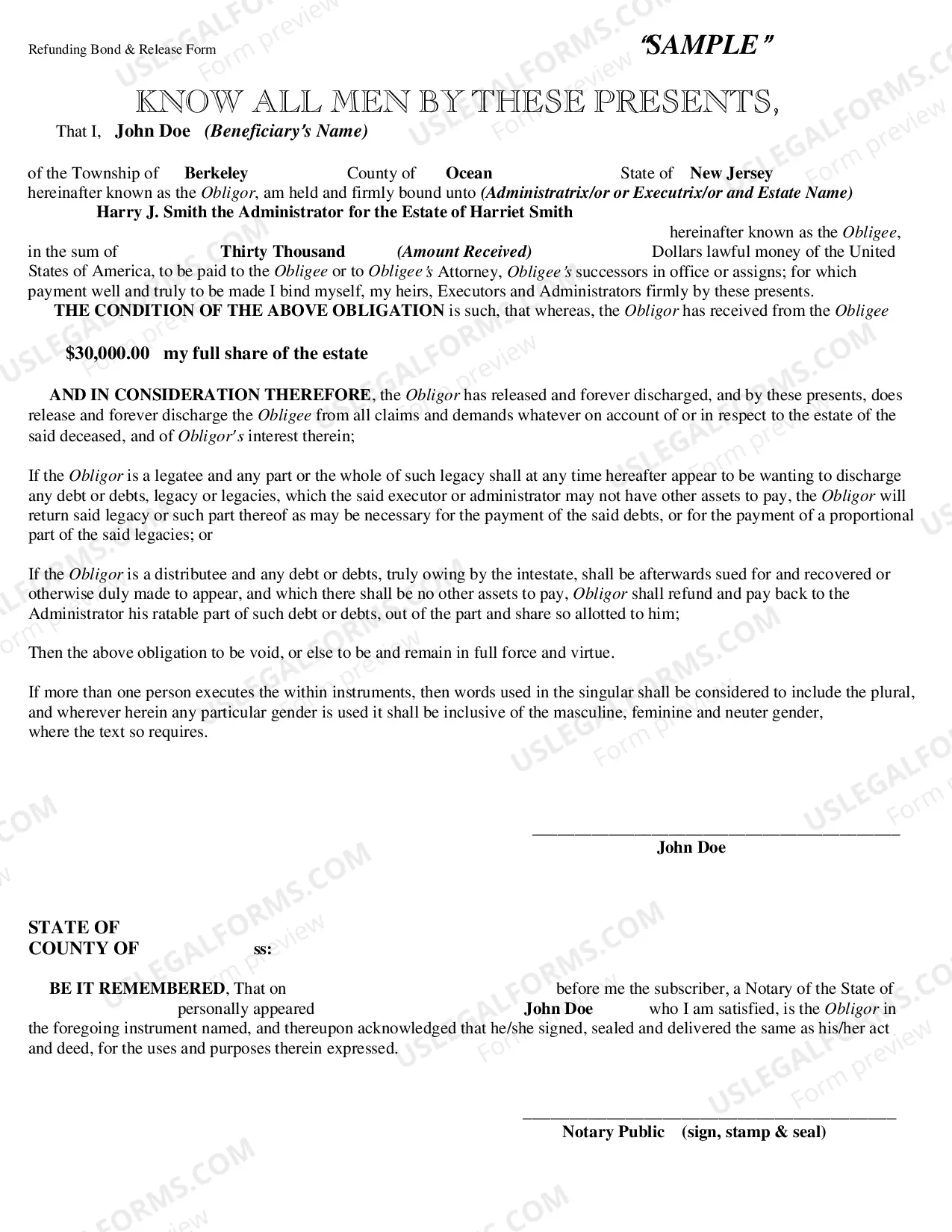


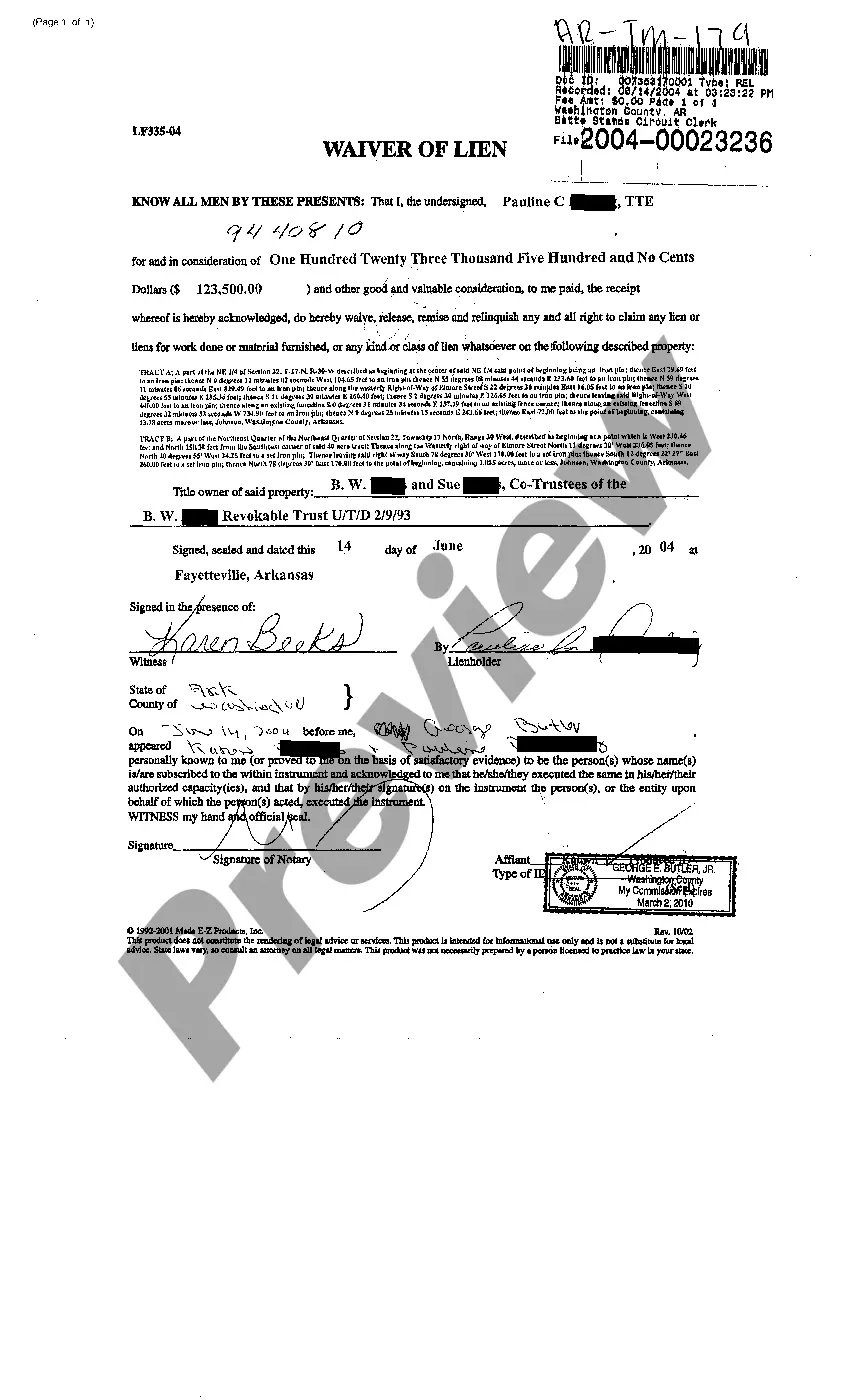
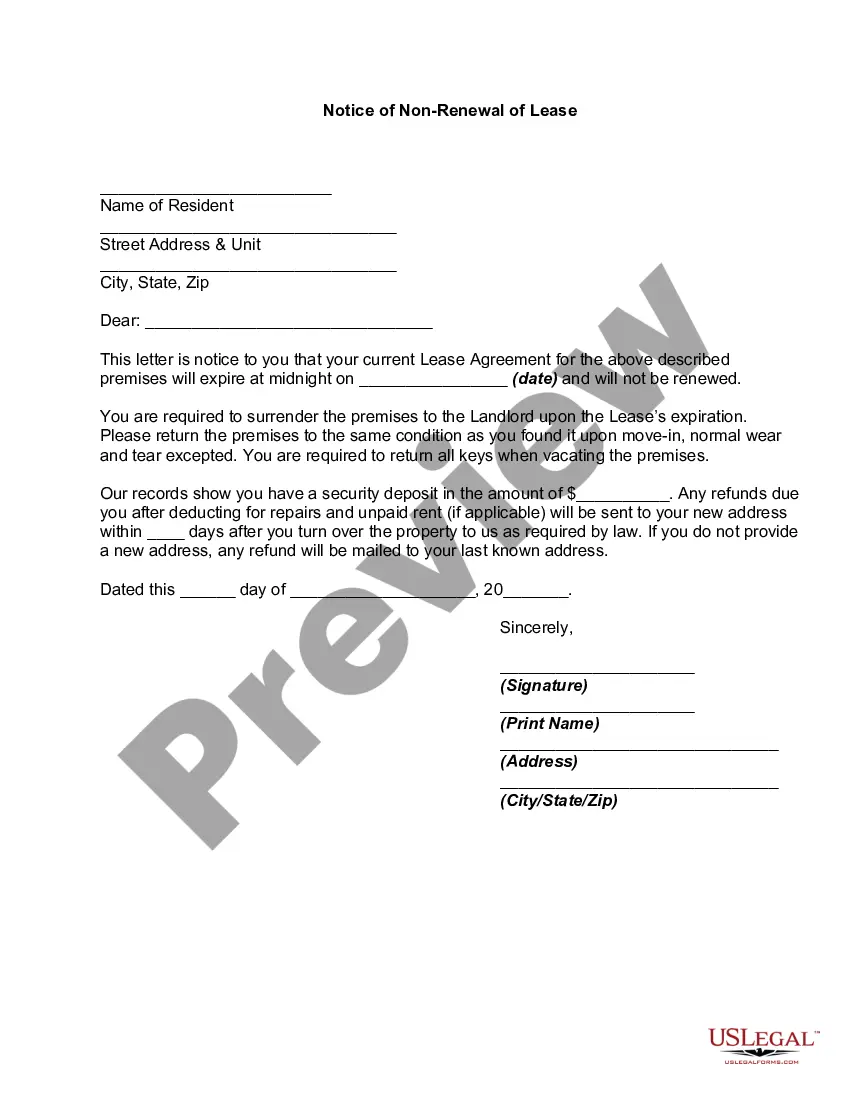

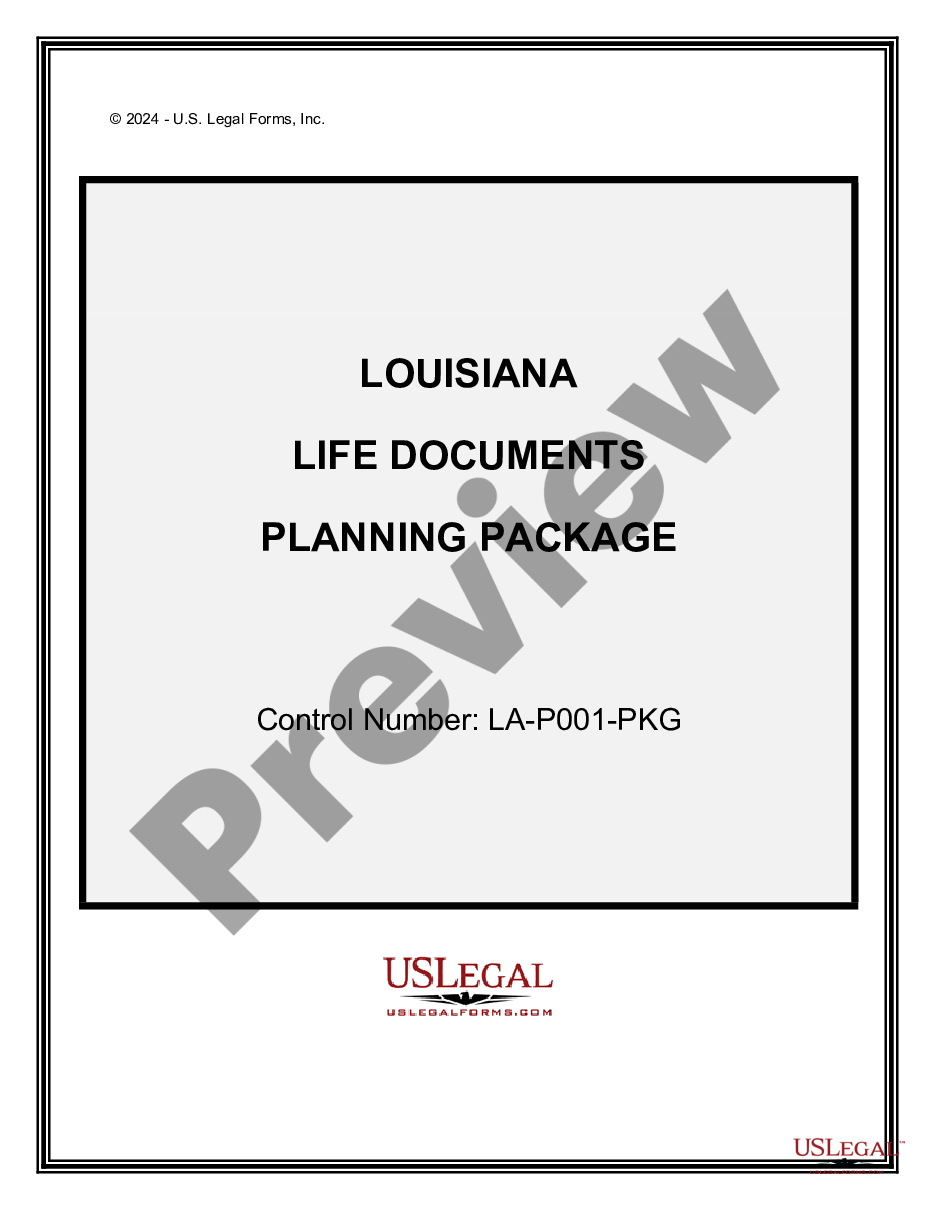
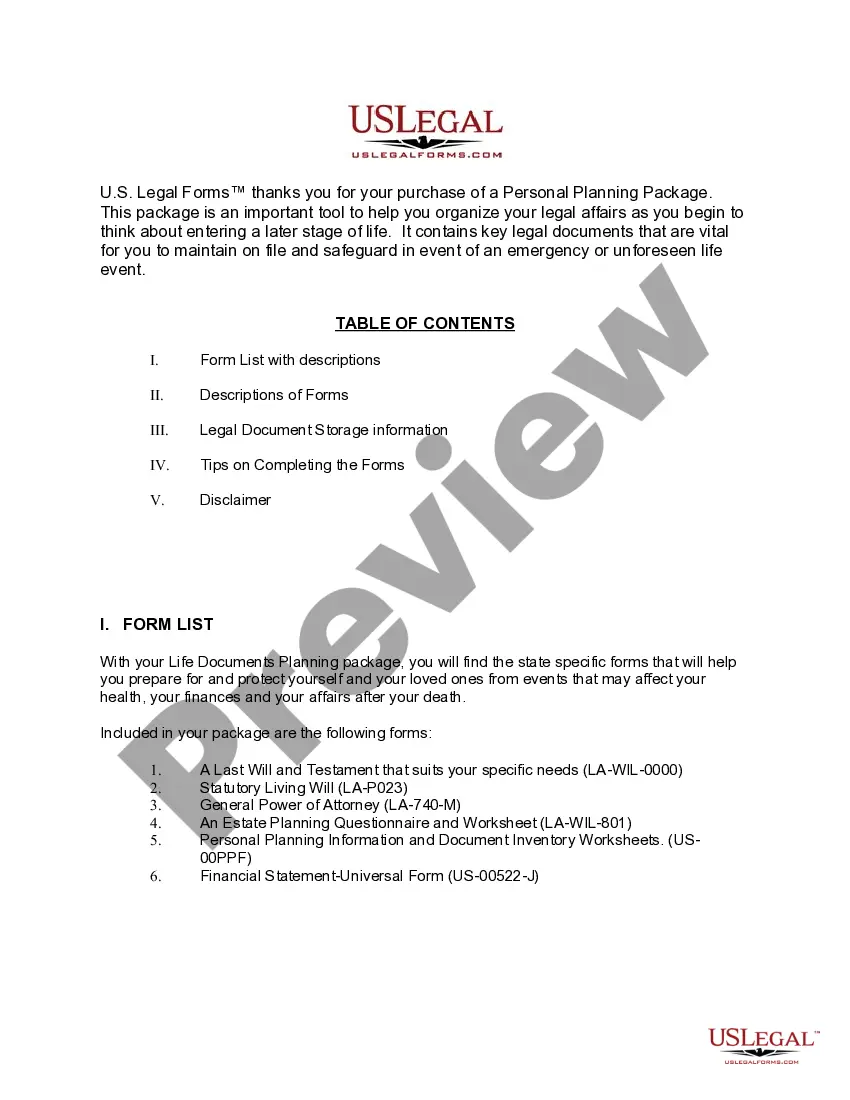
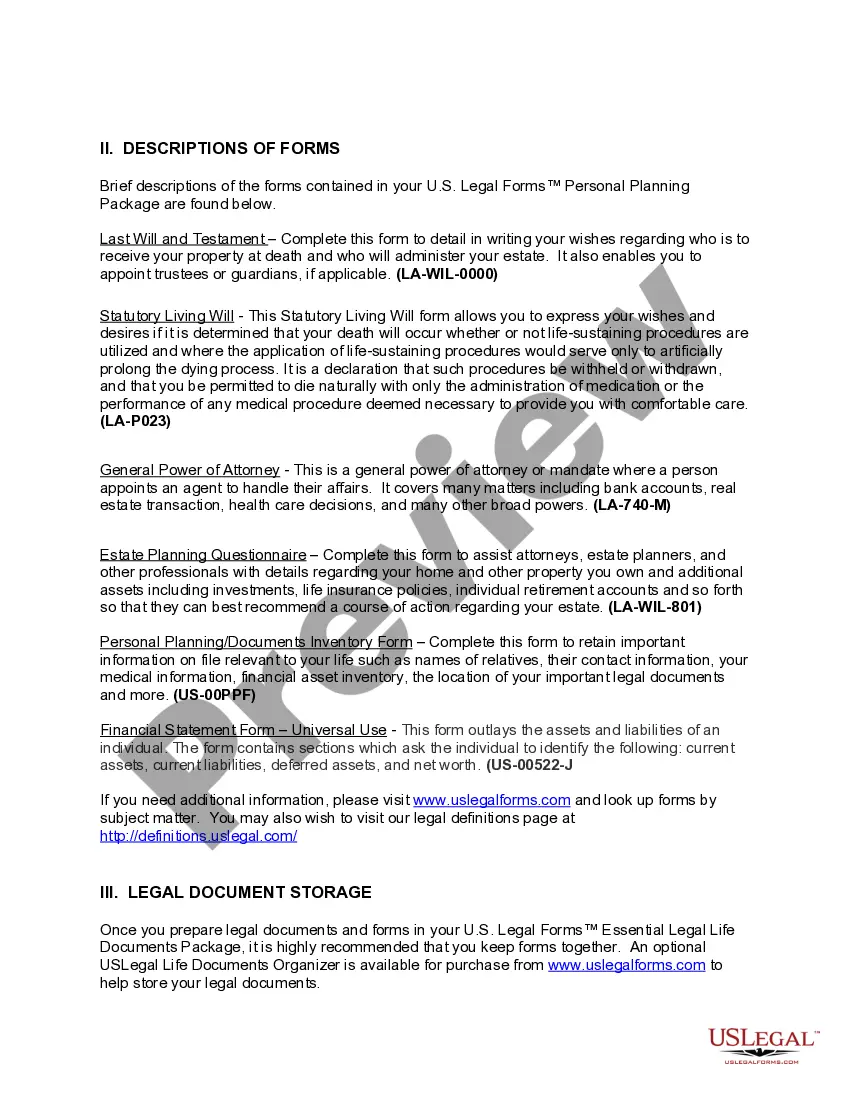
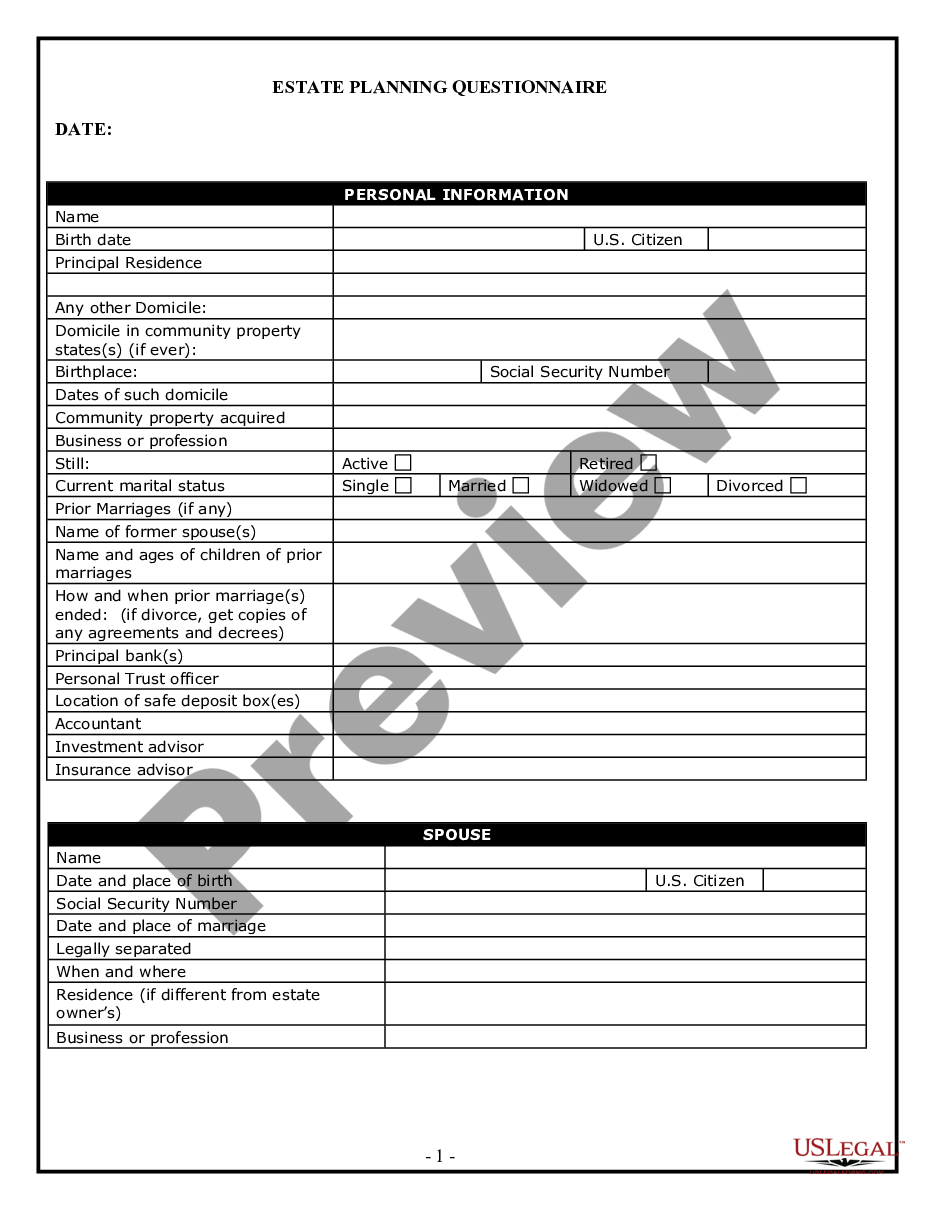
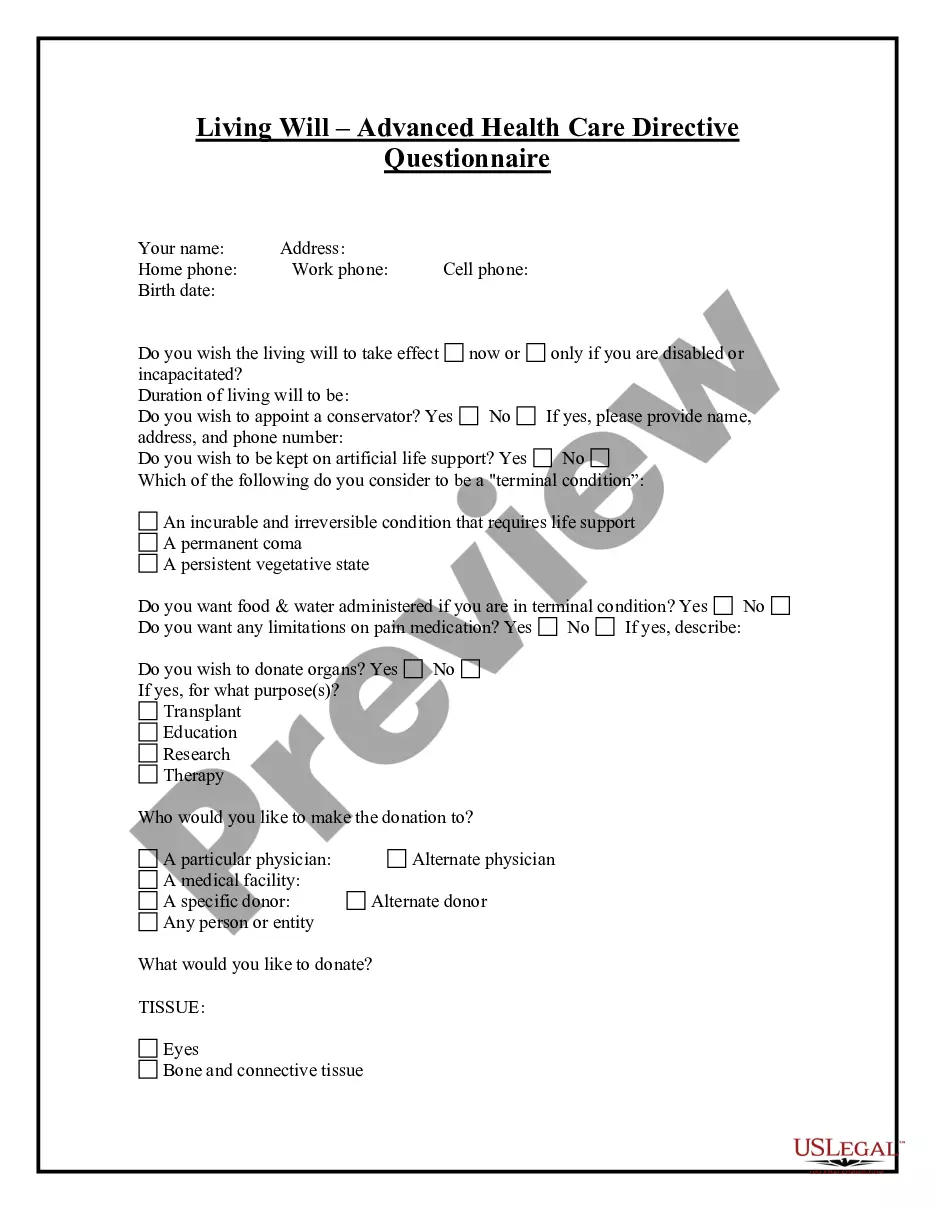
How to fill out Louisiana Life Documents Planning Package, Including Will, Power Of Attorney And Living Will?
- Log into your account on the US Legal Forms website. If you don’t have an account yet, you will need to create one.
- Search for the specific will template that corresponds to your family member's needs and local jurisdiction requirements.
- Before purchasing, check the preview and description of the form to ensure it meets your expectations.
- Select the appropriate subscription plan that fits your needs and proceed to buy the document.
- Complete your purchase by entering your payment details or using PayPal for convenience.
- Download the form to your device and access it anytime through the 'My Forms' section in your profile.
Once you have your form, you can fill it out with confidence, knowing that you have access to expert support if needed. This ensures that the final document is legally sound and tailored to your specific situation.
Don't delay in securing your family's future. Visit US Legal Forms today and take the first step towards effective planning for your loved ones.
Form popularity
FAQ
The planning process involves seven critical steps that can guide you in creating a solid estate plan. Begin by establishing your objectives clearly and understanding your current financial status. Next, enlist a trusted planning will attorney for family member to ensure all legal considerations are met. Afterward, assess your assets and identify your beneficiaries. Move on to drafting the necessary documents and outlining your wishes. Finally, continually evaluate and update your plan in line with changing circumstances to ensure its effectiveness.
The seven steps of the estate planning process are designed to ensure your assets are managed correctly after you're gone. Start by defining your goals and learning about your financial picture. Next, select a knowledgeable planning will attorney for family member to assist you in crafting a plan. You'll then need to inventory your assets and assess your beneficiaries. Following this, create the necessary legal documents, including wills and trusts. Finally, review your plan regularly to accommodate any changes in your life or financial situation.
A legal power of attorney cannot make decisions regarding the principal's personal health care, change the beneficiary designation on a life insurance policy, or create a will on behalf of the principal. It is vital to work with a planning will attorney for family member, as they can explain these limitations and help establish the appropriate legal documents. Understanding these boundaries can help you ensure that your wishes are honored and protect your family's interests.
The estate planning process involves seven essential steps that help you protect your assets and provide for your family. First, identify your goals and understand your financial situation. Second, choose the right planning will attorney for family member to guide you through the process. Next, gather important documents such as property deeds and financial statements. Afterward, consider your beneficiaries and how to distribute your assets. Then, create an estate plan that includes wills, trusts, and powers of attorney. Finally, review and update your plan regularly to ensure it remains effective.
To effectively draft a will, you need a planning will attorney for family member who specializes in estate law. This kind of lawyer has the necessary knowledge to help you navigate complex legal processes. They can assist you in understanding the implications of your decisions on your family's inheritance. Choosing the right attorney ensures your will is properly executed, thereby giving you peace of mind.
When considering your options for estate planning, a planning will attorney for family member is typically the best choice. These attorneys focus specifically on creating wills and managing estate plans. They understand the local laws and can guide you in making informed decisions about your family's future. This expertise ensures that your documents meet all legal requirements and reflect your wishes.
To write a will power of attorney, first, identify the individual you trust to make decisions on your behalf and outline their powers clearly. Include specific instructions regarding financial and healthcare decisions, and ensure the document complies with your state's legal requirements. Utilizing a planning will attorney for a family member can simplify this process and provide peace of mind for you and your loved ones.
When you consult an estate attorney, it's important to provide information about your financial assets, debts, and family structure. Details such as property deeds, bank statements, and other assets help in crafting an effective estate plan. By working with a planning will attorney for a family member, you can create a customized approach that addresses all your loved ones' concerns.
A probate attorney typically requires the original will, a death certificate, and a list of assets and debts of the deceased. Additionally, they may need any relevant trust documents or previous legal agreements. Ensuring these documents are ready allows the planning will attorney for a family member to efficiently handle the probate process and reduce stress during a challenging time.
An estate planner will ask for detailed information about your financial situation and family dynamics. This includes income sources, property ownership, and any existing wills or trusts. By sharing this information with a planning will attorney for a family member, you can ensure that the estate plan meets your family's needs while protecting your assets.