Church Legal Documents For Sale
Description
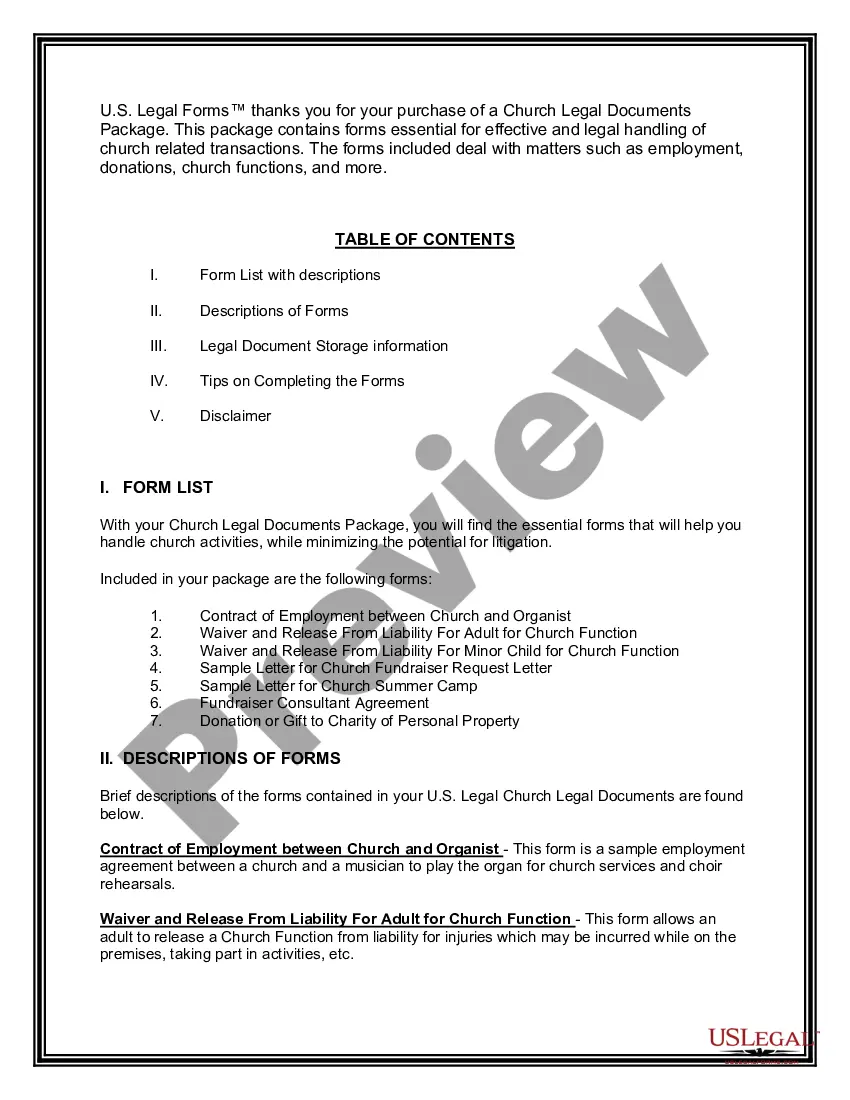
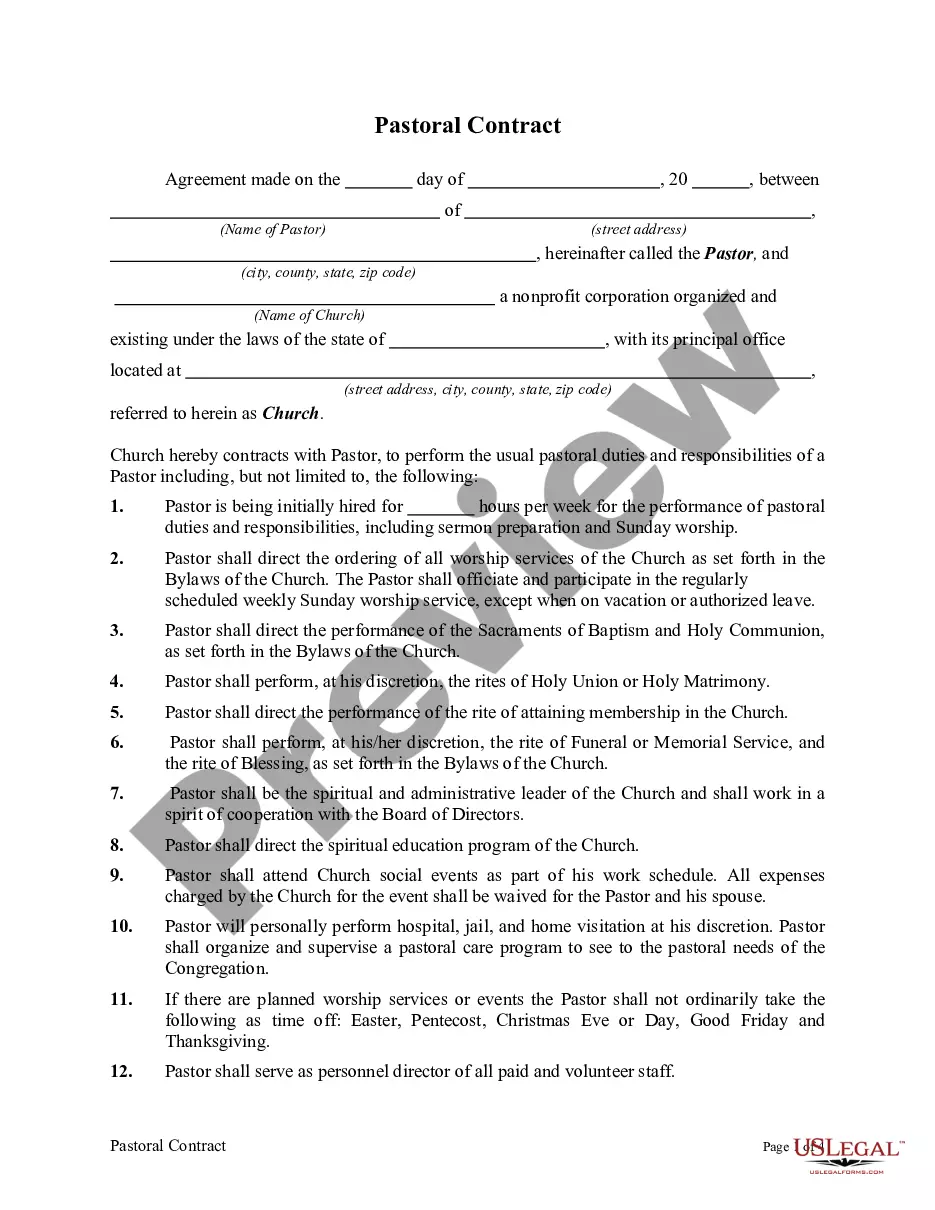
Get your form ready online
Our built-in tools help you complete, sign, share, and store your documents in one place.
Make edits, fill in missing information, and update formatting in US Legal Forms—just like you would in MS Word.
Download a copy, print it, send it by email, or mail it via USPS—whatever works best for your next step.
Sign and collect signatures with our SignNow integration. Send to multiple recipients, set reminders, and more. Go Premium to unlock E-Sign.
If this form requires notarization, complete it online through a secure video call—no need to meet a notary in person or wait for an appointment.
We protect your documents and personal data by following strict security and privacy standards.

Make edits, fill in missing information, and update formatting in US Legal Forms—just like you would in MS Word.

Download a copy, print it, send it by email, or mail it via USPS—whatever works best for your next step.

Sign and collect signatures with our SignNow integration. Send to multiple recipients, set reminders, and more. Go Premium to unlock E-Sign.

If this form requires notarization, complete it online through a secure video call—no need to meet a notary in person or wait for an appointment.

We protect your documents and personal data by following strict security and privacy standards.
Looking for another form?
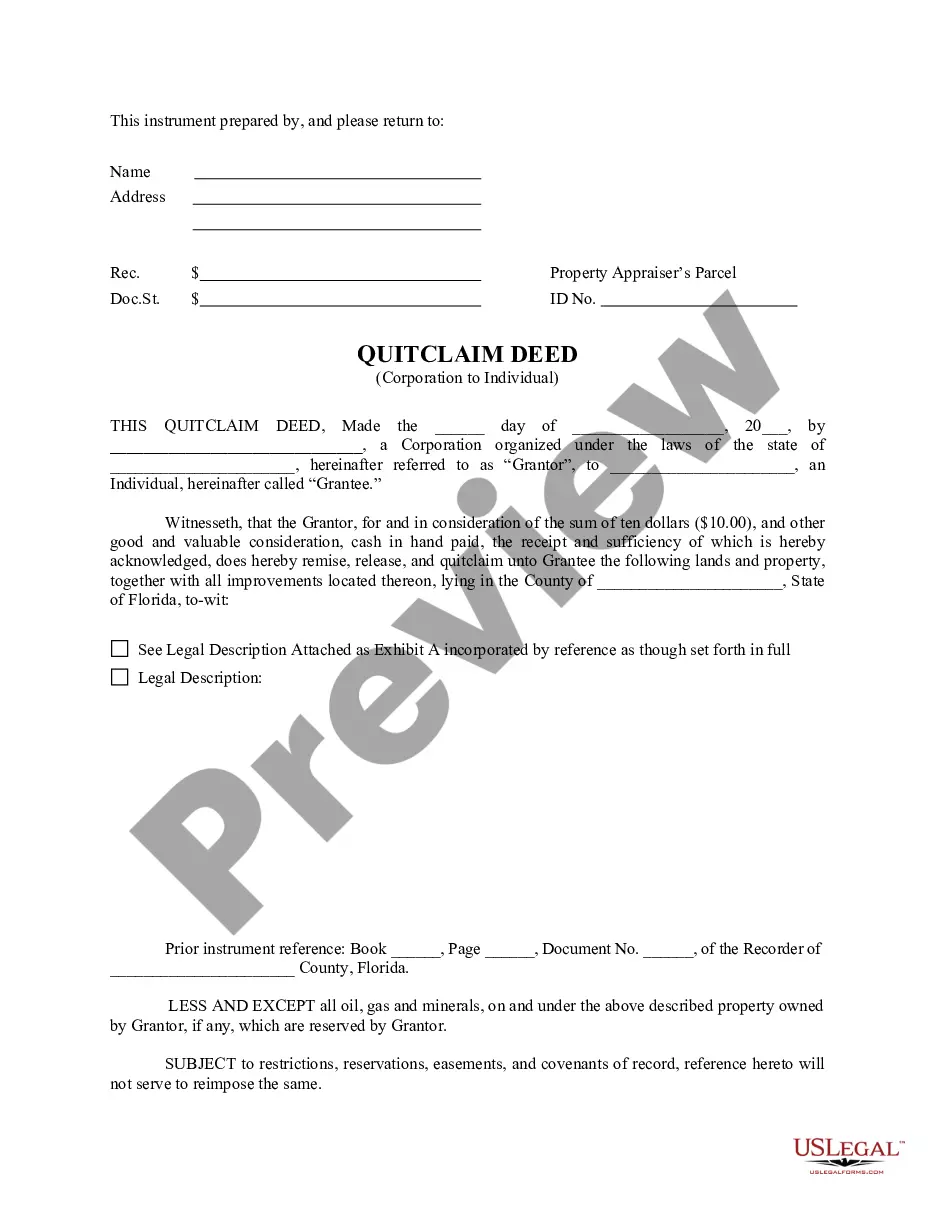
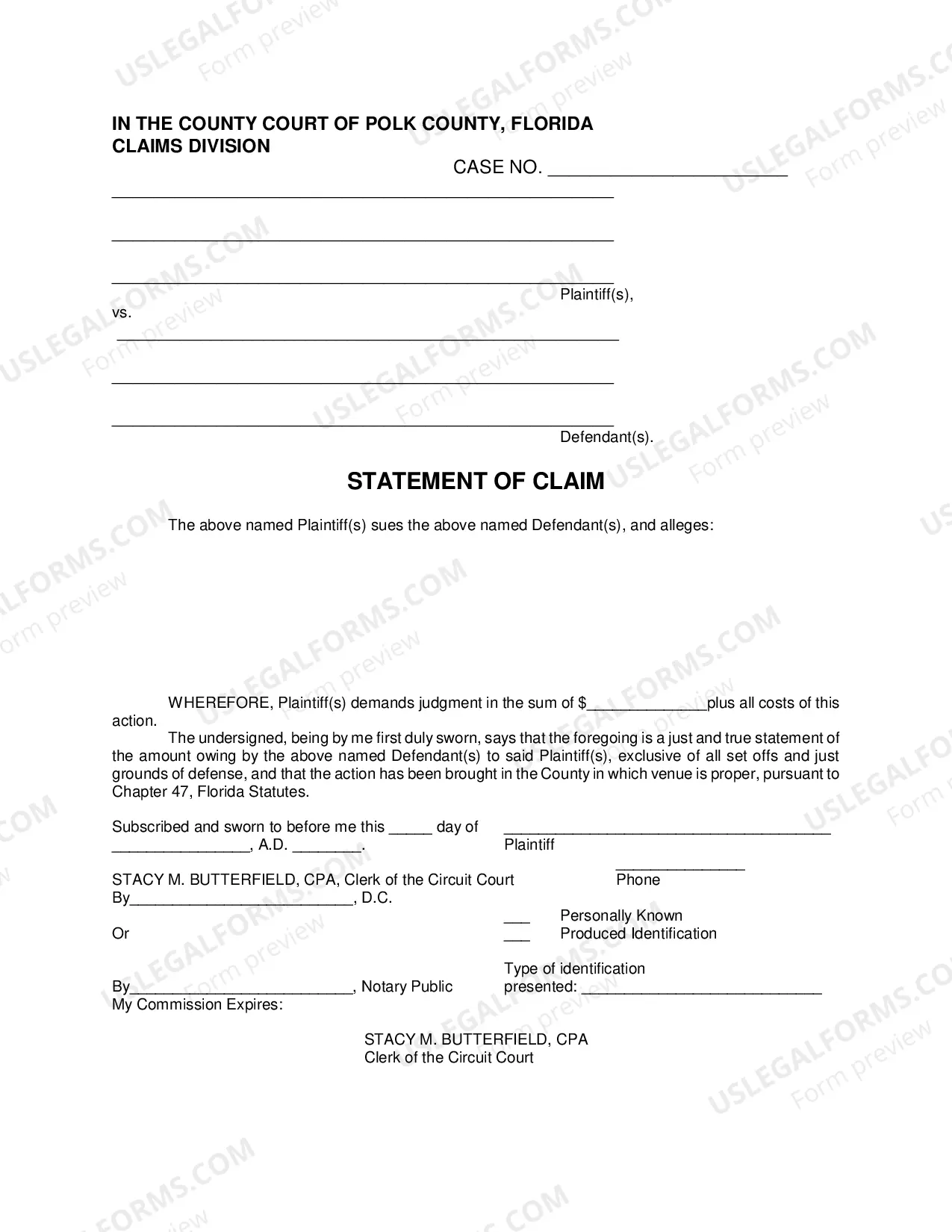



How to fill out Church Legal Documents Package?
Whether for business purposes or for individual matters, everybody has to handle legal situations sooner or later in their life. Filling out legal paperwork demands careful attention, starting with selecting the right form template. For example, when you select a wrong edition of a Church Legal Documents For Sale, it will be rejected once you submit it. It is therefore essential to get a trustworthy source of legal documents like US Legal Forms.
If you need to obtain a Church Legal Documents For Sale template, follow these simple steps:
- Get the template you need using the search field or catalog navigation.
- Examine the form’s description to make sure it matches your situation, state, and county.
- Click on the form’s preview to view it.
- If it is the wrong document, return to the search function to find the Church Legal Documents For Sale sample you require.
- Download the template when it matches your needs.
- If you have a US Legal Forms account, click Log in to access previously saved templates in My Forms.
- In the event you do not have an account yet, you may obtain the form by clicking Buy now.
- Pick the proper pricing option.
- Complete the account registration form.
- Select your transaction method: use a credit card or PayPal account.
- Pick the document format you want and download the Church Legal Documents For Sale.
- Once it is downloaded, you can complete the form by using editing software or print it and complete it manually.
With a substantial US Legal Forms catalog at hand, you don’t have to spend time seeking for the appropriate template across the internet. Make use of the library’s straightforward navigation to get the proper form for any situation.
Form popularity
FAQ
Church assets should go to the diocese or higher church organization in the case of dissolution. For independent churches it would be up to the board of trustees to decide. Typically there isn't any money as churches will cut expenses and borrow against their assets to keep running as long as possible.
Legally, ownership of a church is generally vested in the incumbent (Vicar, Rector etc) and held on trust by the PCC(Parochial Church Council) for the parishioners. This means that churches and churchyards are not owned or directly controlled by either the Bishop or the Diocese.
If the church property belongs to a denominational body, any funds earned from the sale can be used only for either of the following: to purchase a new building and property for the church. to support a local community mission. to benefit local nonprofit organizations.
The official documents issued by a national conference of bishops, usually called ?pastoral letters?, are explanations of how Church teaching applies to or is to be put into effect within a given country.
Any time a group gathers for a lawful purpose the law treats it as an unincorporated association, a kind of legal entity. As a nonprofit association, a church can be sued as an organization even if no other formal steps have been taken to organize it.