Employee Evaluation Form for Truck Driver
About this form
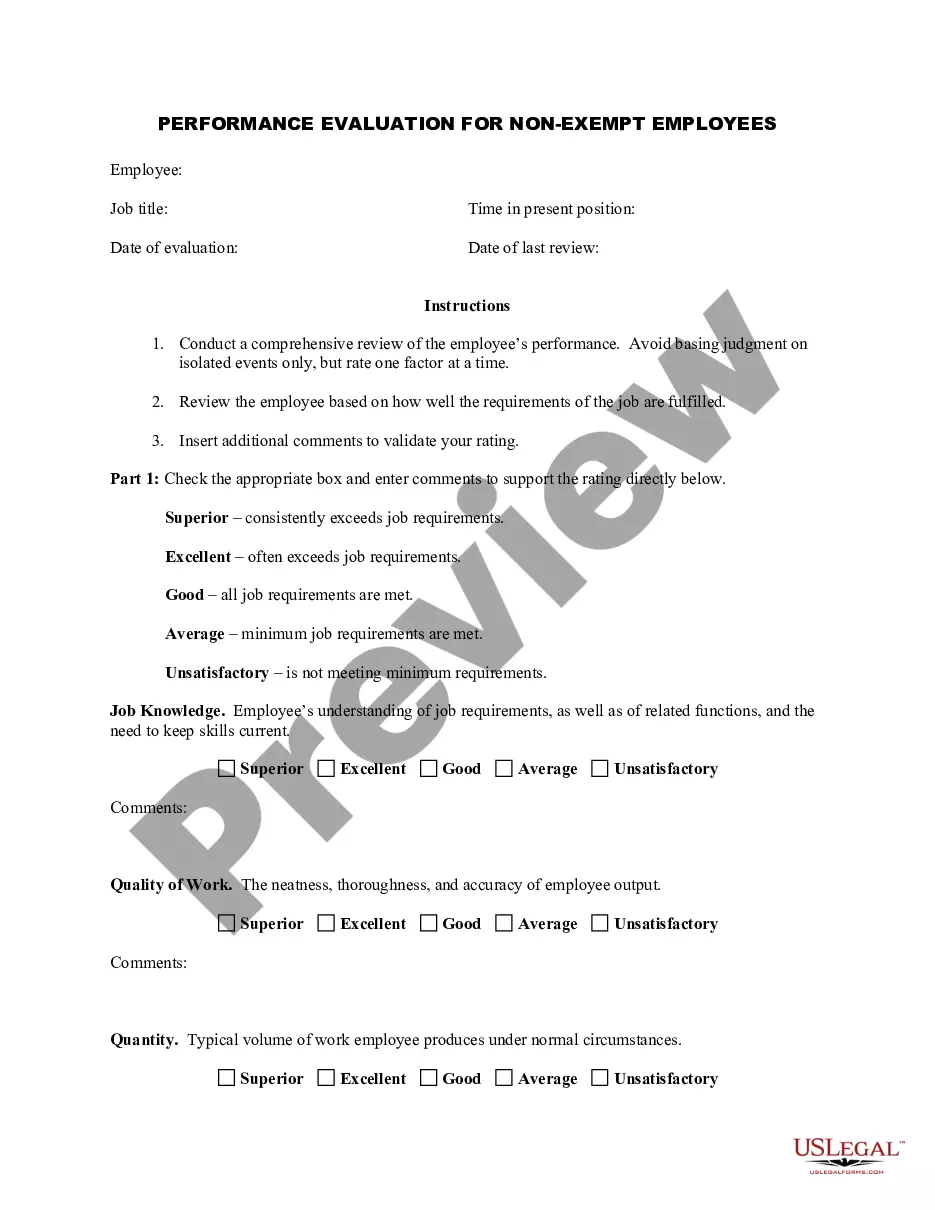
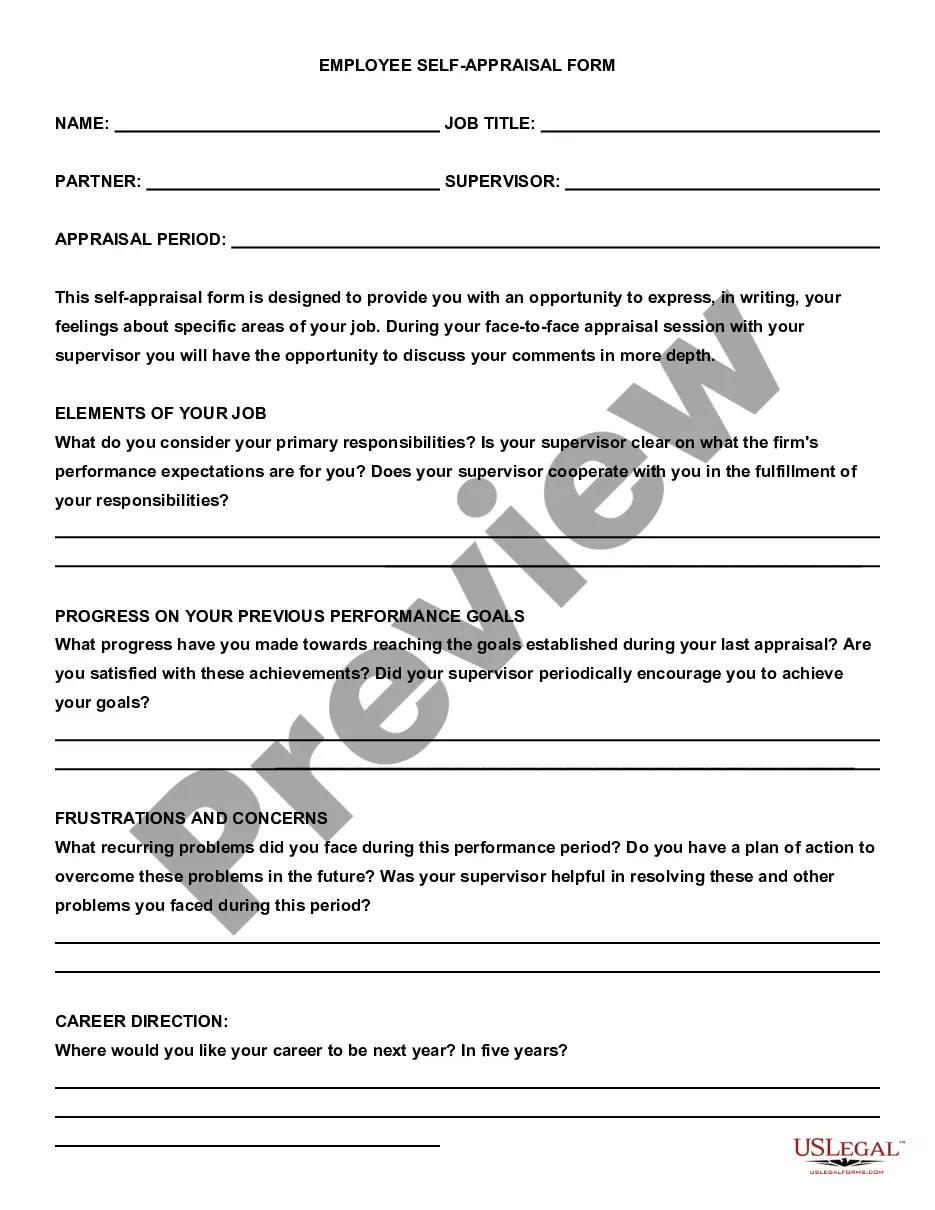
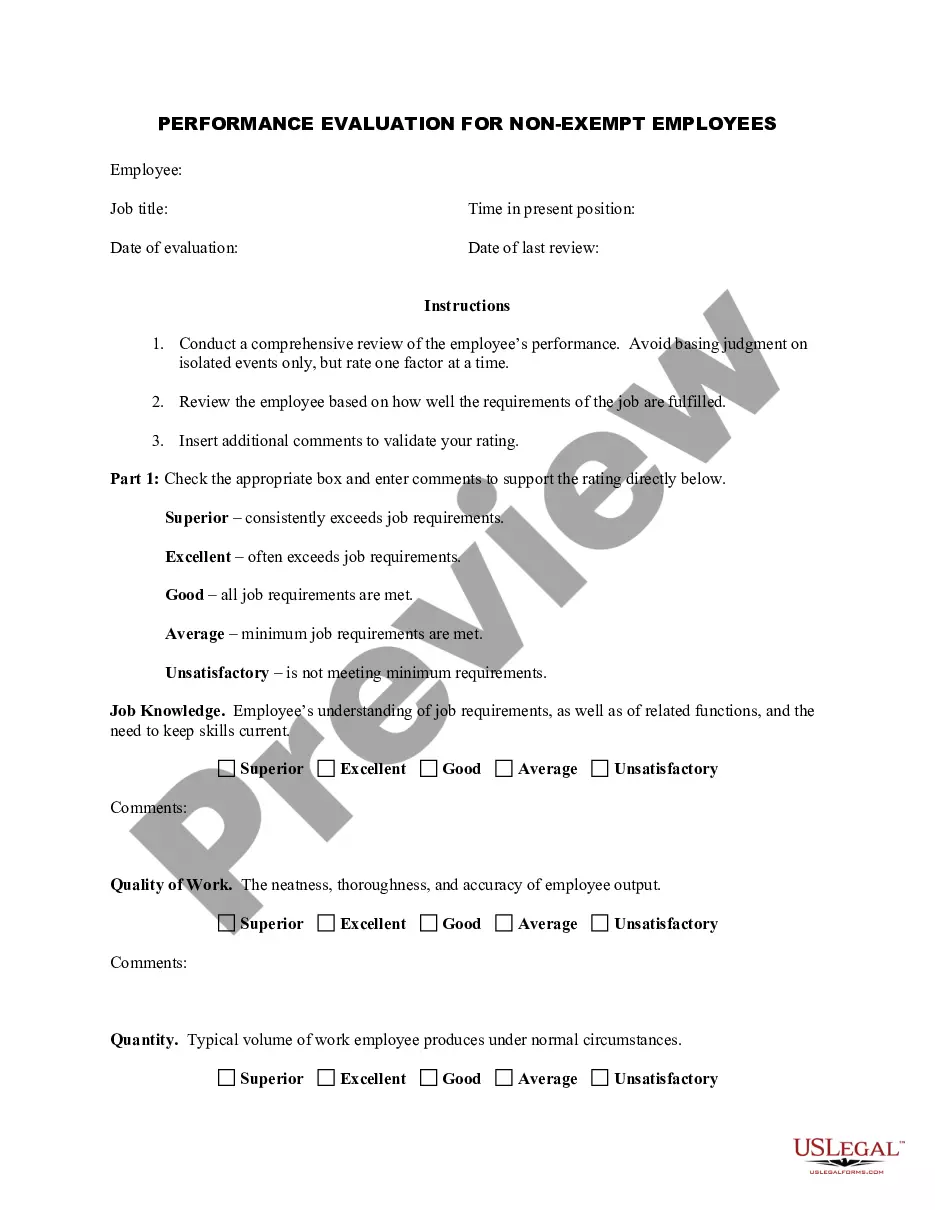
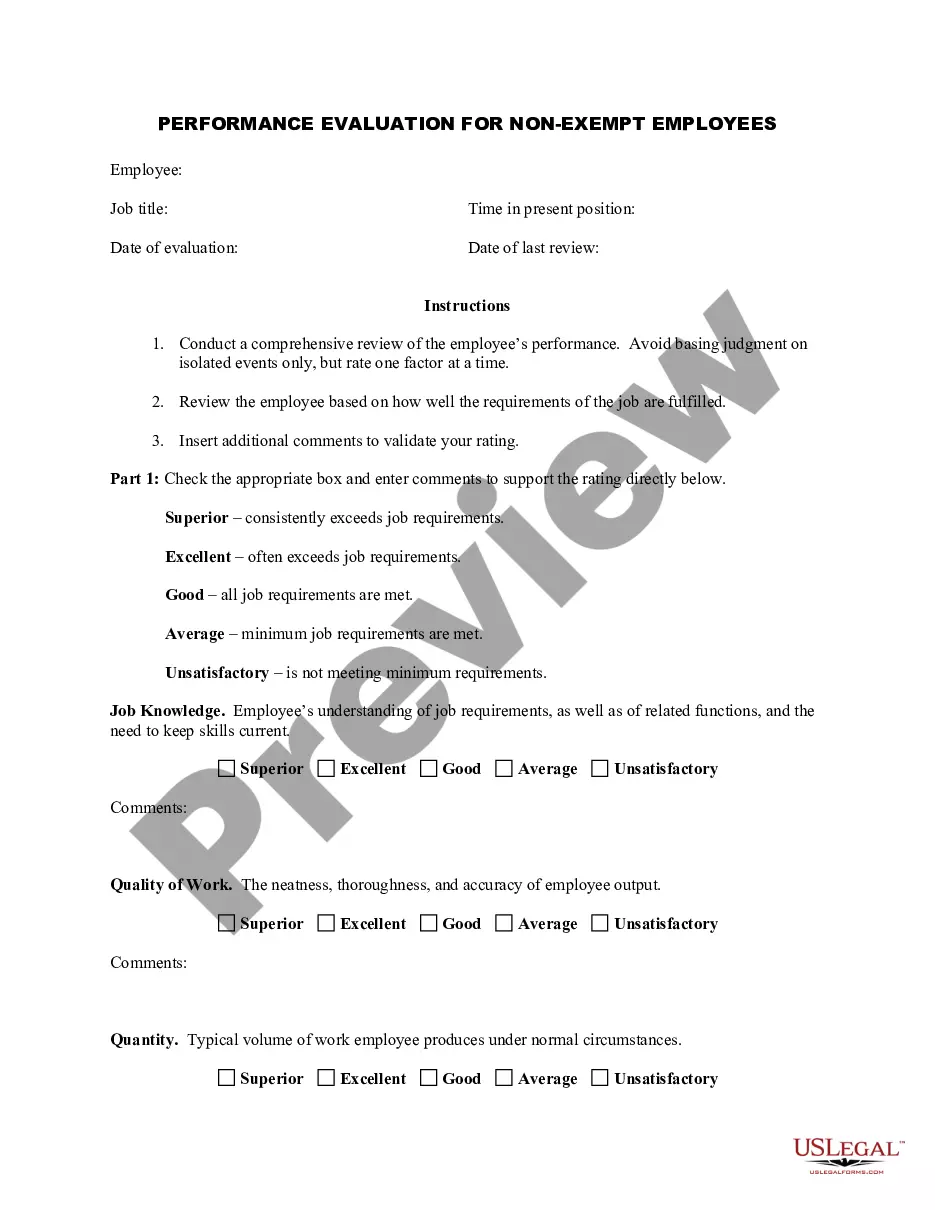
The Employee Evaluation Form for Truck Driver is a structured tool used to assess the performance of truck drivers. This form allows managers to evaluate various aspects of an employee's job performance systematically, including work quality, adherence to safety regulations, and overall reliability. Unlike generic performance reviews, this specialized form is tailored for the transportation industry, addressing factors specific to truck driving roles.
Key parts of this document
- Job Title: Indicates the position of the employee being evaluated.
- Date of Evaluation: The date when the evaluation is conducted.
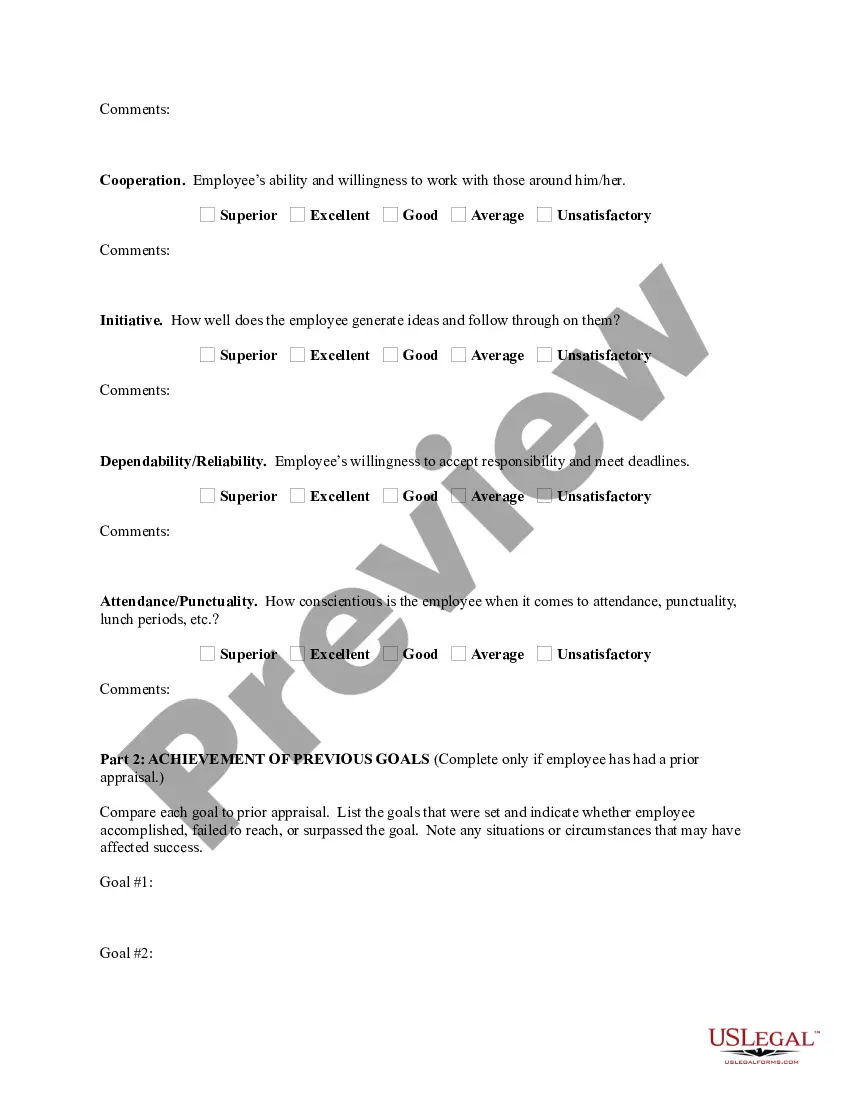
- Evaluation Criteria: Performance areas such as job knowledge, quality of work, quantity of work, and cooperation.
- Rating Scale: A systematic scale ranging from unsatisfactory to superior to facilitate clear performance ratings.
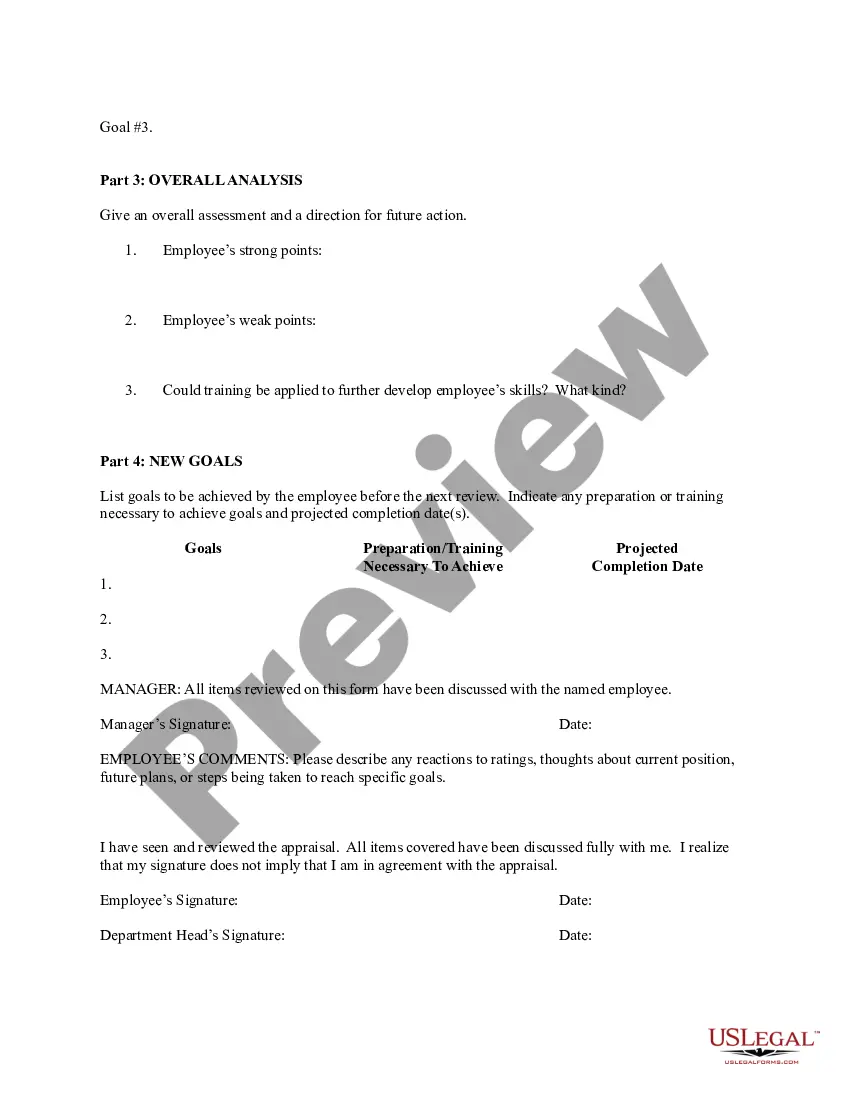
- Goal Setting: Section to set new goals for the employee before the next evaluation.
Common use cases
This form is used during annual or semi-annual performance reviews of truck drivers, as well as during disciplinary actions or promotions. It helps to provide a clear, documented assessment of an employee's performance and is useful for identifying areas needing improvement, setting goals, and recognizing achievements.
Who can use this document
This form is intended for use by:
- Truck drivers employed by companies in the transportation and logistics industry.
- Managers and supervisors responsible for evaluating truck driver performance.
- Human Resource Professionals overseeing performance management processes.
Steps to complete this form
- Identify the employee being evaluated and fill in their job title and the evaluation date.
- Rate each performance criterion using the standard rating scale, providing a clear justification in the comments section.
- List any previous goals set for the employee and evaluate the achievement levels against those goals.
- Provide an overall analysis summarizing strengths, weaknesses, and suggestions for professional development.
- Secure signatures from both the evaluator and the employee to confirm that the evaluation was discussed.
Is notarization required?
This form does not typically require notarization unless specified by local law.
Get your form ready online
Our built-in tools help you complete, sign, share, and store your documents in one place.
Make edits, fill in missing information, and update formatting in US Legal Forms—just like you would in MS Word.
Download a copy, print it, send it by email, or mail it via USPS—whatever works best for your next step.
Sign and collect signatures with our SignNow integration. Send to multiple recipients, set reminders, and more. Go Premium to unlock E-Sign.
If this form requires notarization, complete it online through a secure video call—no need to meet a notary in person or wait for an appointment.
We protect your documents and personal data by following strict security and privacy standards.

Make edits, fill in missing information, and update formatting in US Legal Forms—just like you would in MS Word.

Download a copy, print it, send it by email, or mail it via USPS—whatever works best for your next step.

Sign and collect signatures with our SignNow integration. Send to multiple recipients, set reminders, and more. Go Premium to unlock E-Sign.

If this form requires notarization, complete it online through a secure video call—no need to meet a notary in person or wait for an appointment.

We protect your documents and personal data by following strict security and privacy standards.
Common mistakes to avoid
- Failing to provide specific examples or comments to support performance ratings.
- Neglecting to include previous goals and assessing their outcomes.
- Not involving the employee in the discussion of their evaluation, which can lead to misunderstandings.
Benefits of completing this form online
- Convenient downloading and accessibility from any device.
- Easy editing features that allow for personalized input specific to the employeeâs performance.
- Secure storage options for keeping records consistent and organized.
Looking for another form?




Form popularity
FAQ
Graphic rating scales. A typical graphic scale uses sequential numbers, such as 1 to 5, or 1 to 10, to rate an employee's relative performance in specific areas. 360-degree feedback. Self-Evaluation. Management by Objectives (MBO). Checklists.
Your criteria for judging employee performance should include quantitative elements such as their goals and target achievement. While much of a performance appraisal is qualitative and subjective, the goals and achievement element is objective and measurable in clear numbers.
You deliver instructions and explain expectations with clarity and purpose. You listen well in meetings with colleagues. You frequently interrupt colleagues when they offer opinions or suggestions.
The definition contains five evaluation criteria that should be used in assessing development interventions: relevance, efficiency, effectiveness, impact and sustainability.
Set Performance Standards. Set Specific Goals. Take Notes Throughout the Year. Be Prepared. Be Honest and Specific with Criticism. Don't Compare Employees. Evaluate the Performance, Not the Personality. Have a Conversation.
Set Performance Standards. Set Specific Goals. Take Notes Throughout the Year. Be Prepared. Be Honest and Specific with Criticism. Don't Compare Employees. Evaluate the Performance, Not the Personality. Have a Conversation.
Communication. Collaboration and teamwork. Problem-solving. Quality and accuracy of work. Attendance, punctuality and reliability. The ability to accomplish goals and meet deadlines.
Be specific. When you set goals and standards for your workers, spell out exactly what they will have to do to achieve them. Give deadlines. Be realistic. Be honest. Be complete. Evaluate performance, not personality. Listen to your employees.