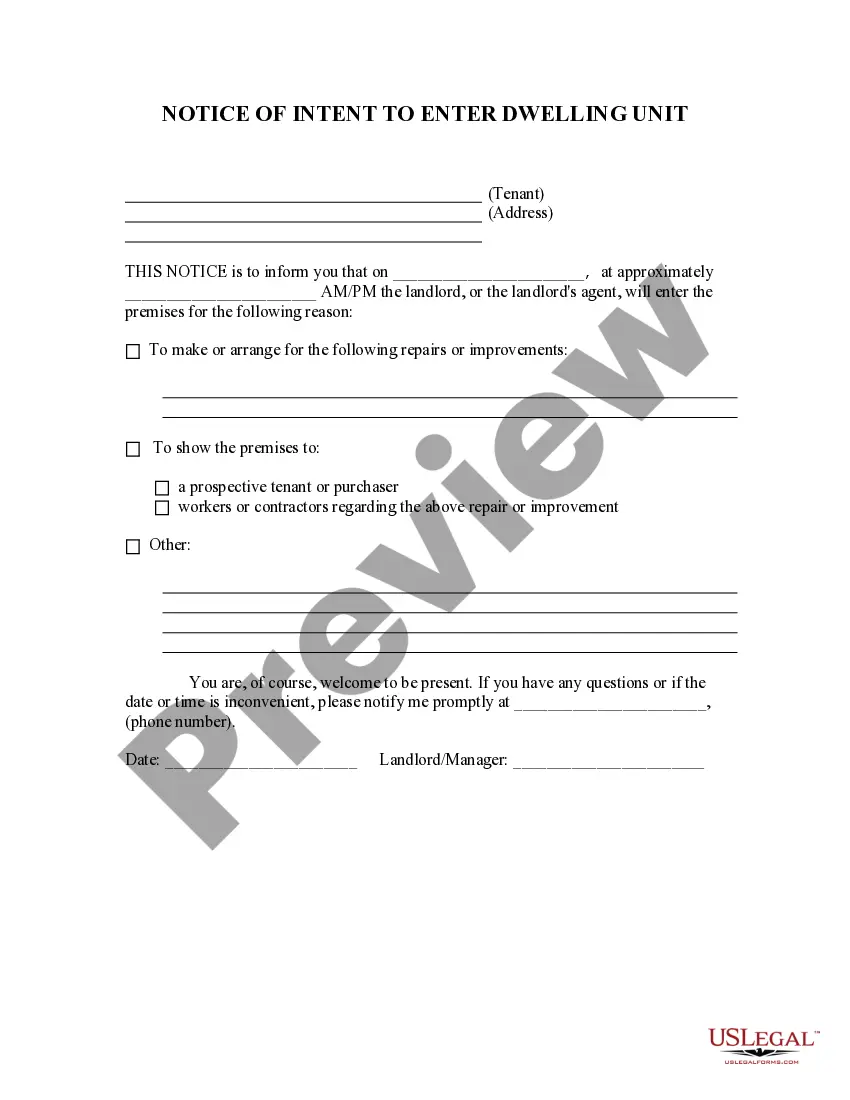
Notice Intent Enter Landlord With No Title
Description
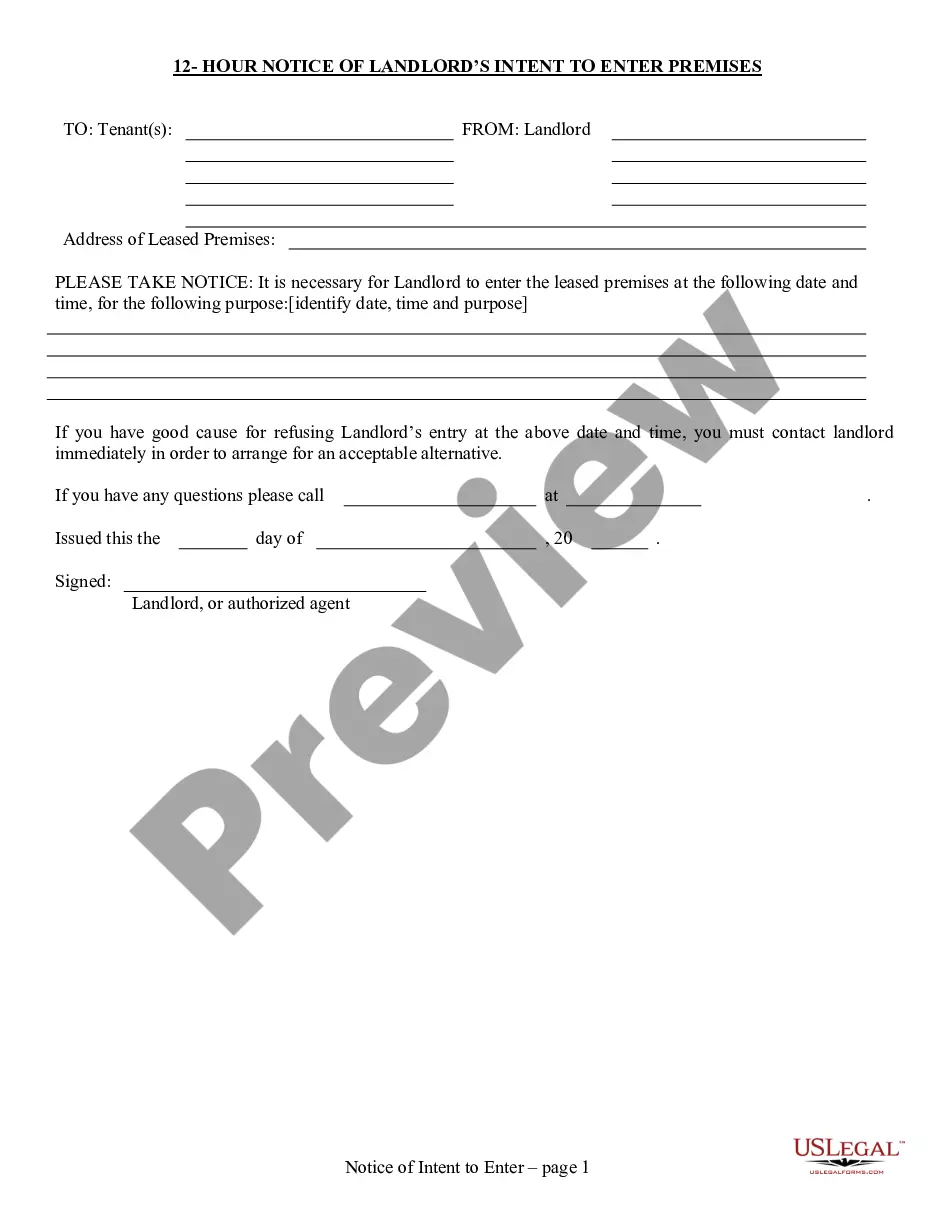
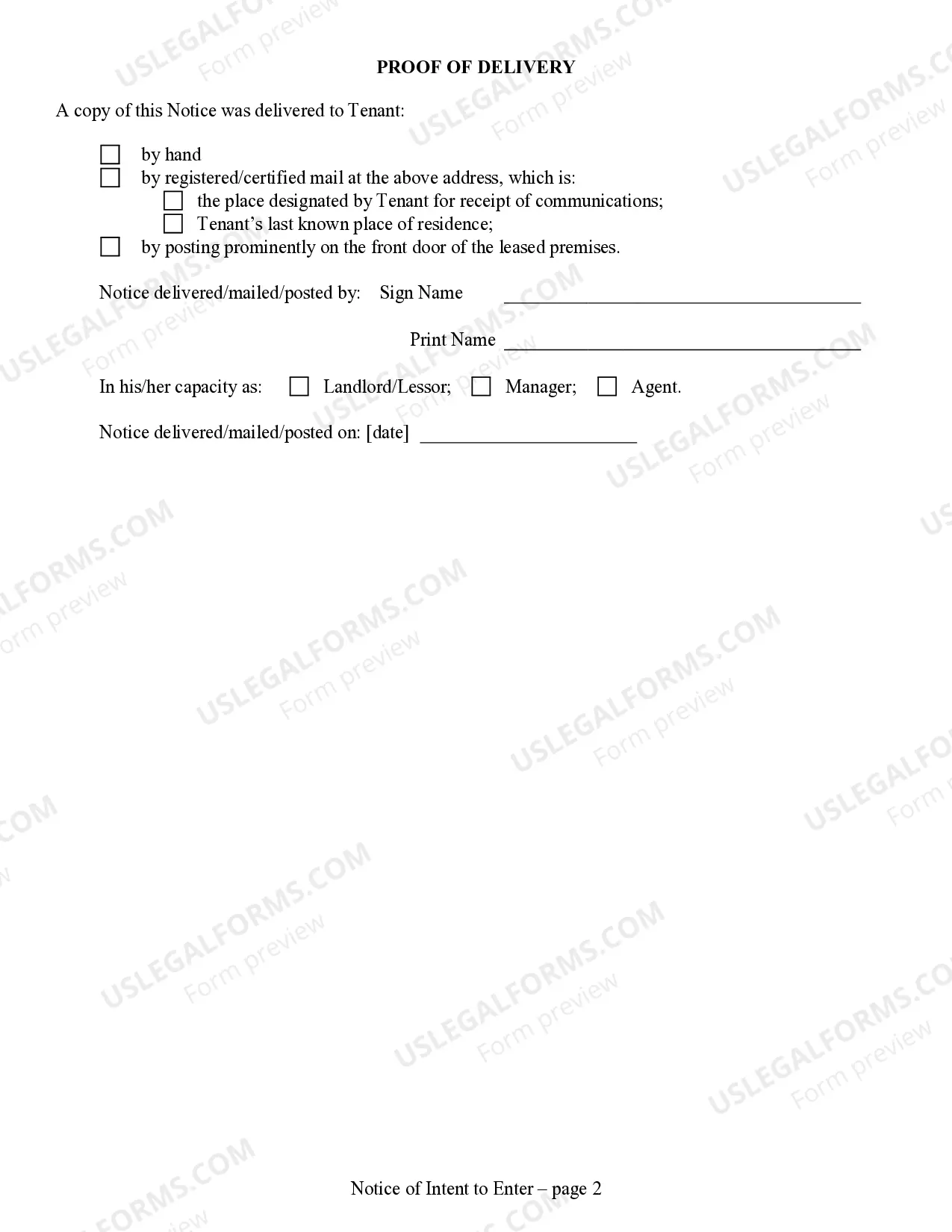
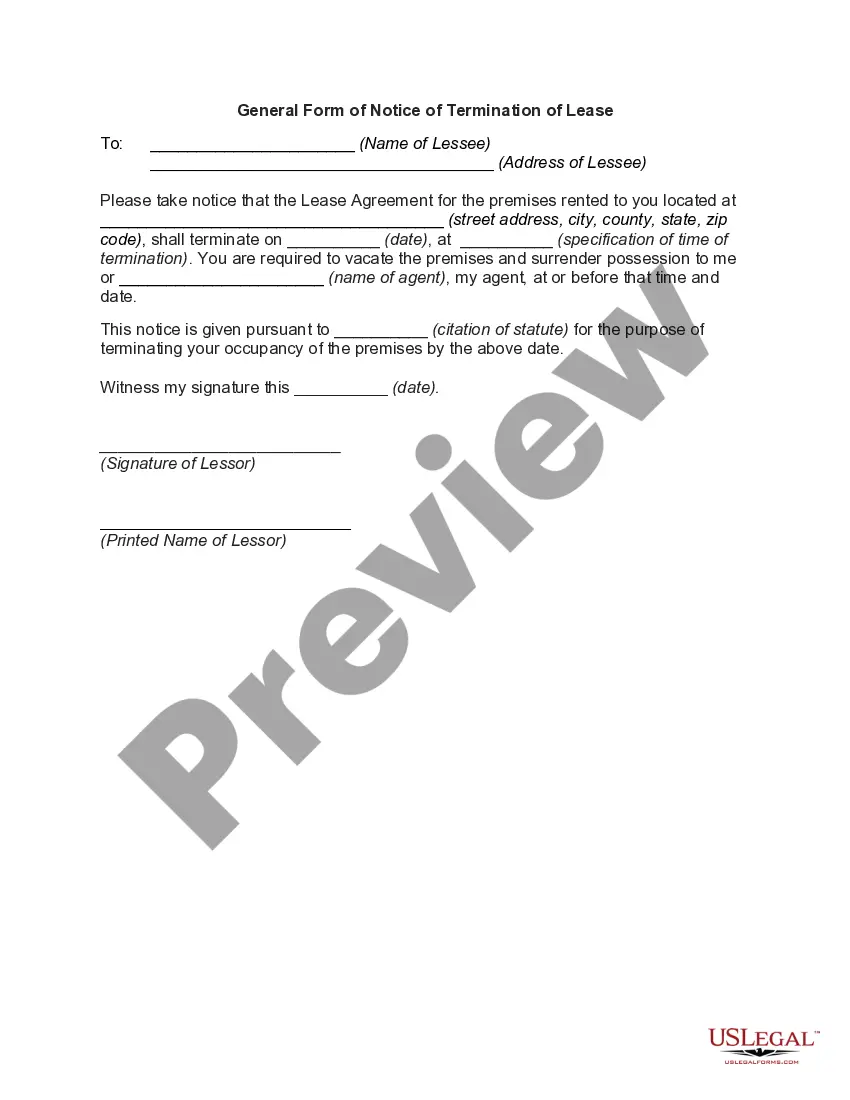
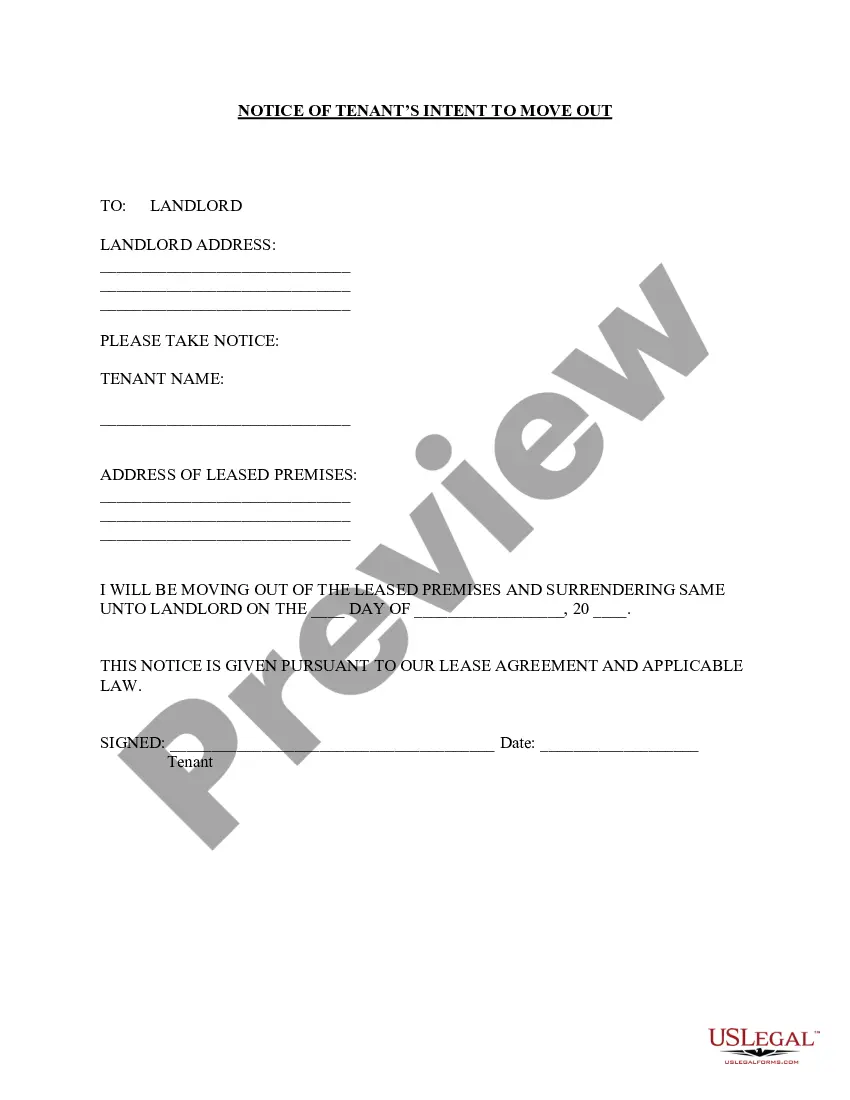

Get your form ready online
Our built-in tools help you complete, sign, share, and store your documents in one place.
Make edits, fill in missing information, and update formatting in US Legal Forms—just like you would in MS Word.
Download a copy, print it, send it by email, or mail it via USPS—whatever works best for your next step.
Sign and collect signatures with our SignNow integration. Send to multiple recipients, set reminders, and more. Go Premium to unlock E-Sign.
If this form requires notarization, complete it online through a secure video call—no need to meet a notary in person or wait for an appointment.
We protect your documents and personal data by following strict security and privacy standards.

Make edits, fill in missing information, and update formatting in US Legal Forms—just like you would in MS Word.

Download a copy, print it, send it by email, or mail it via USPS—whatever works best for your next step.

Sign and collect signatures with our SignNow integration. Send to multiple recipients, set reminders, and more. Go Premium to unlock E-Sign.

If this form requires notarization, complete it online through a secure video call—no need to meet a notary in person or wait for an appointment.

We protect your documents and personal data by following strict security and privacy standards.
Looking for another form?
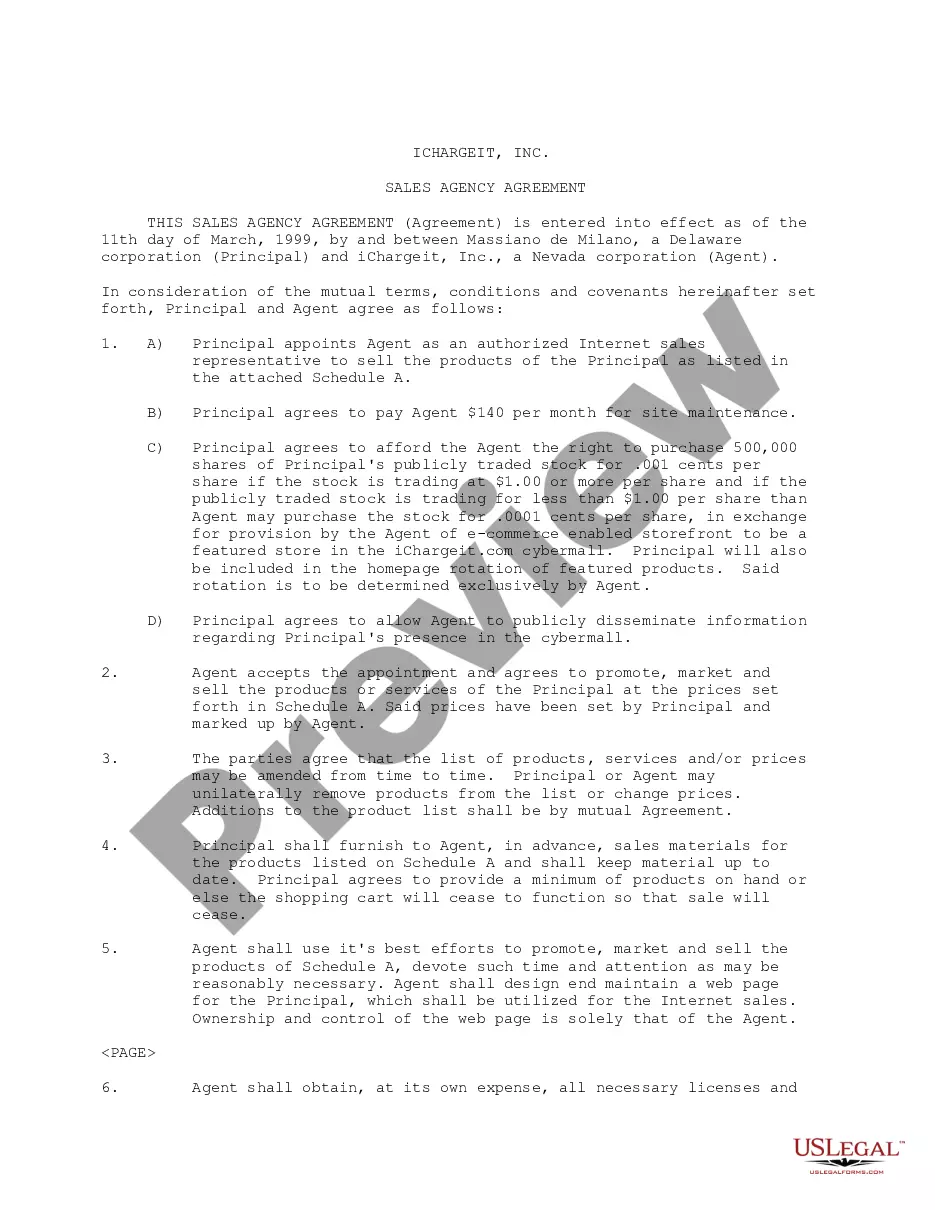
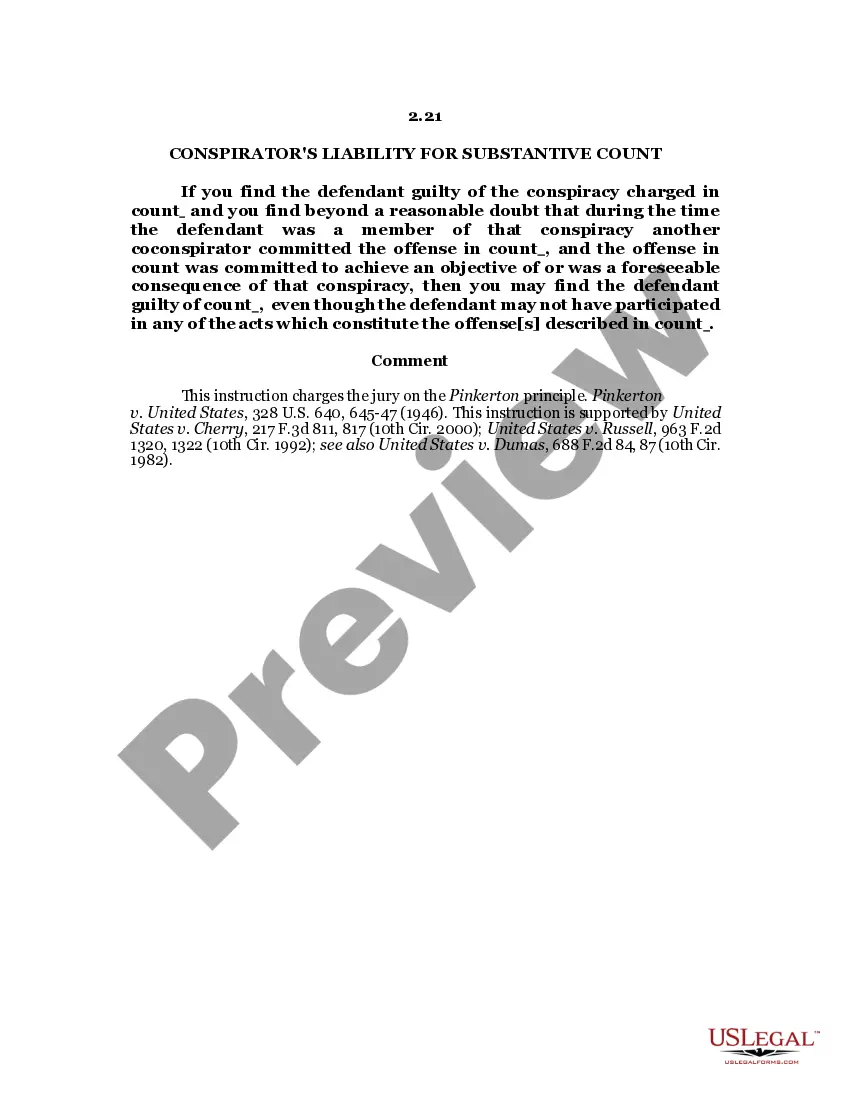

How to fill out Florida 12 Hour Notice Of Landlord's Intent To Enter Premises For Residential From Landlord To Tenant?
- Log in to your US Legal Forms account if you're a returning user. Ensure your subscription is valid before proceeding.
- If new to the service, begin by choosing the appropriate form template related to your situation. Review the preview mode and description to ensure it meets your local jurisdiction requirements.
- Search for any additional forms if you need further documentation. Utilize the Search tab for more options tailored to your needs.
- Select the 'Buy Now' button for the chosen document and pick your preferred subscription plan. A registration is required to access the full library.
- Complete your purchase by entering your payment details via credit card or PayPal.
- Download the completed form to your device for further actions, and find it anytime in the 'My Forms' section of your profile.
By following these streamlined steps, you can efficiently manage legal documentation with the help of US Legal Forms. The platform's vast selection and user-friendly interface simplify the process of obtaining essential legal forms.
Empower yourself today and ensure you're legally covered by utilizing US Legal Forms for all your legal documentation needs. Start your journey now!
Form popularity
FAQ
No, landlords in California cannot walk around your property without your permission. Doing so may infringe upon your privacy and rights as a tenant. Ensure you communicate your boundaries clearly, and, if necessary, seek legal advice if a landlord disregards these limits. Tools like US Legal Forms can help by providing templates for written notices to assert your rights.
If your landlord arrives unannounced, it's crucial to remain calm and assert your rights. You can politely remind them of the legal requirement for notice before entry. Document the incident, noting the date and time, and evaluate whether to enforce your rights with legal action if this becomes a pattern. Utilizing services that help generate a 'Notice intent enter landlord with no title' can further support your case.
The right of entry in California allows landlords to enter a rental property under specific conditions, primarily to make repairs or conduct inspections. However, landlords must provide reasonable notice, usually 24 hours, before entering a tenant's space. Failure to follow these protocols may violate tenant rights, leading to potential disputes. If you feel your rights are being ignored, consider utilizing resources to draft a 'Notice intent enter landlord with no title' for clarity.
In California, landlord harassment includes any behavior that disrupts your peace and privacy as a tenant. This may involve entering your rental unit without proper notice or authorization. Specifically, if a landlord attempts to intimidate you or retaliates against you for exercising your rights, this can be classified as harassment. Should you face such situations, it's essential to document the occurrences and consider legal assistance.
Filling out a rental application with no rental history can be challenging, but be honest and provide as much information as possible about your current situation. Consider including references from employers or personal contacts who can vouch for your reliability. Additionally, platforms like uslegalforms can help you navigate this process and assist with documentation that supports the notice intent enter landlord with no title.
A notice of intent for entry is a written communication from a landlord to the tenant, indicating the landlord’s plan to enter the rental property. This notice should clearly state the reason for entry and the date and time. It’s crucial to understand your rights and responsibilities regarding this notice, especially when it pertains to the notice intent enter landlord with no title.
Proving your landlord's ownership typically involves obtaining a copy of the property deed or title from your local county recorder's office. You may also check public records or a state database for real estate information. Keep in mind that if you need help regarding the notice intent enter landlord with no title, you can use platforms like uslegalforms for further assistance.
A sample letter for giving notice to your landlord should include your details, the property address, and today's date. In the body, express your intention to vacate or any other notice you need to provide. Conclude with a polite closing and mention any specifics related to the notice intent enter landlord with no title to ensure clarity.
When writing a notification letter to your landlord, begin with your contact information followed by your landlord's details. Clearly state the purpose of your letter in the first paragraph, making it easy for your landlord to understand. Use straightforward language to communicate your intentions, ensuring that the letter relates to the notice intent enter landlord with no title if needed.
To write a formal letter to your landlord, start with a clear subject line that addresses the purpose of the letter. Include your name, address, and the date at the top. Then, initiate the message with a polite greeting, state your intention clearly, and make sure to specify any requests, including the notice intent enter landlord with no title, if applicable.