Limited Liability Company For Rental Property
Description
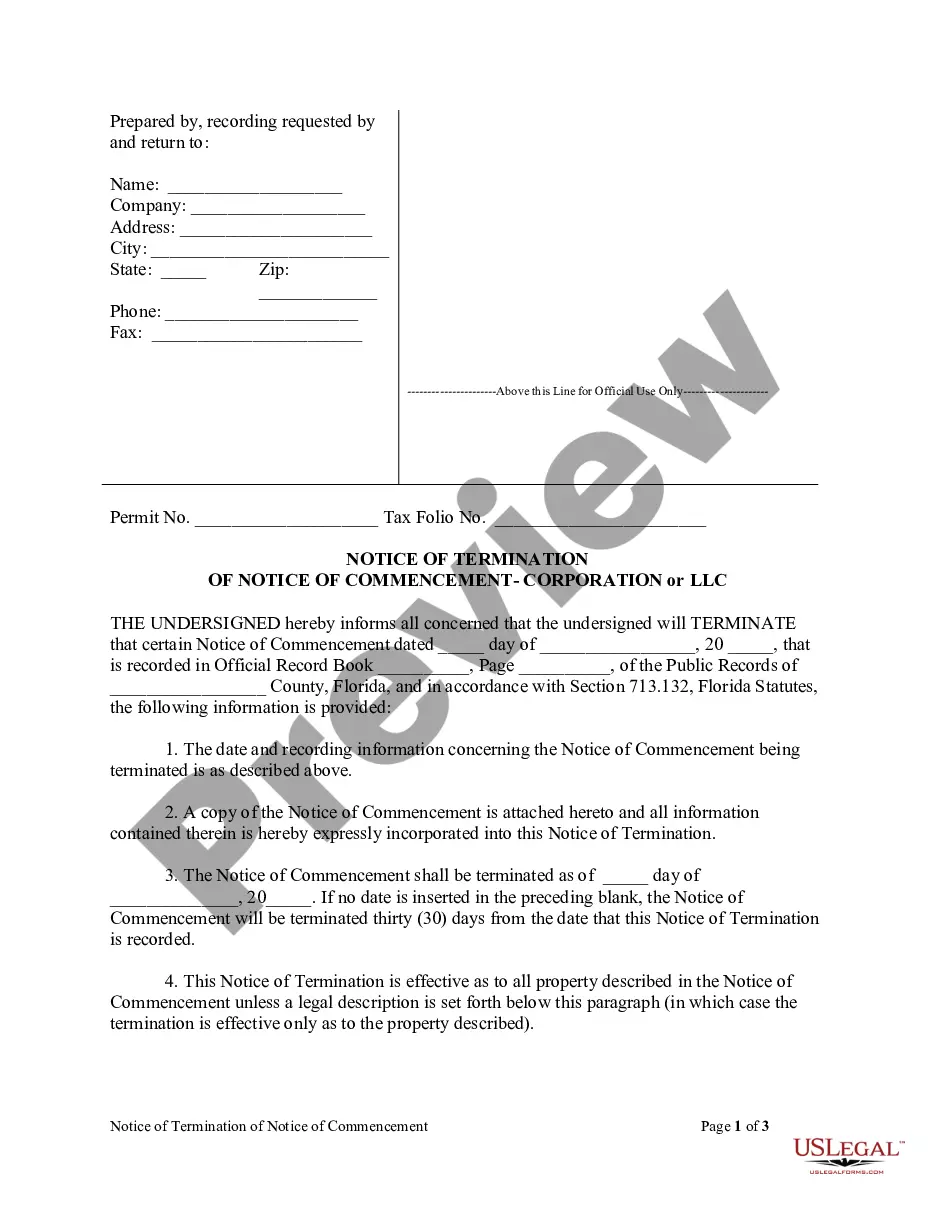
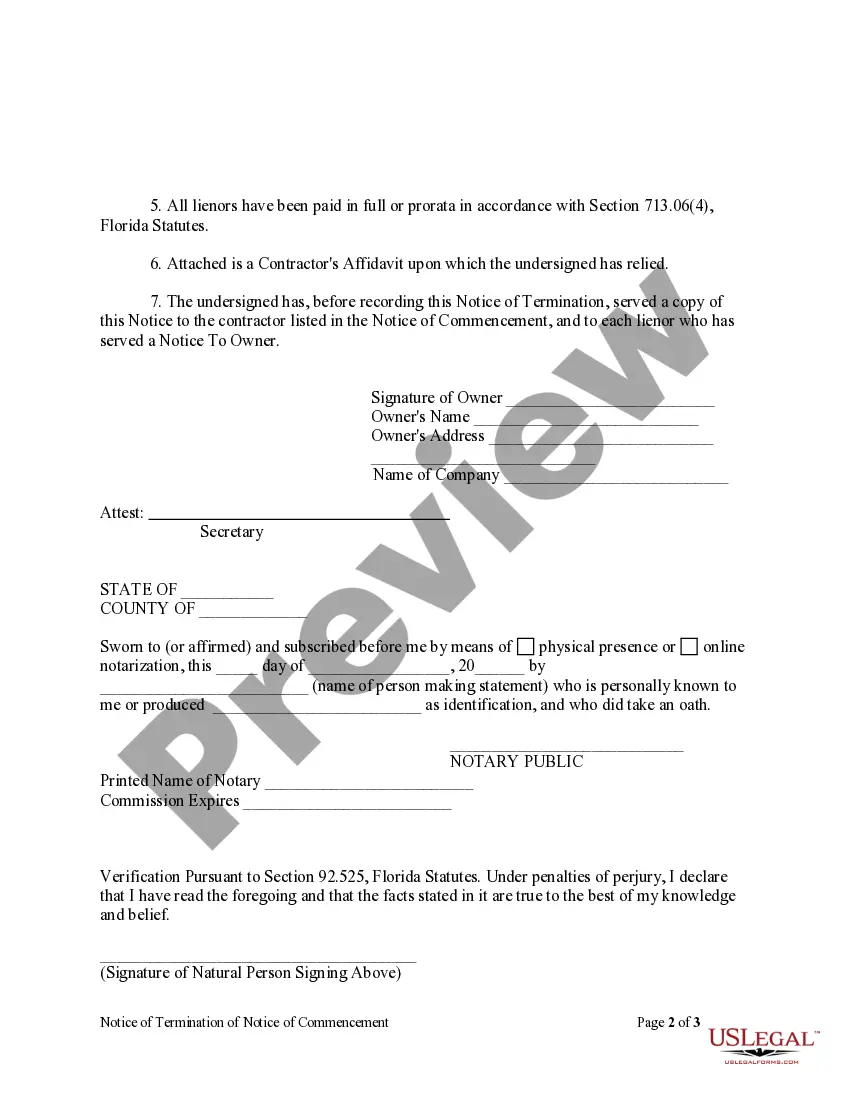
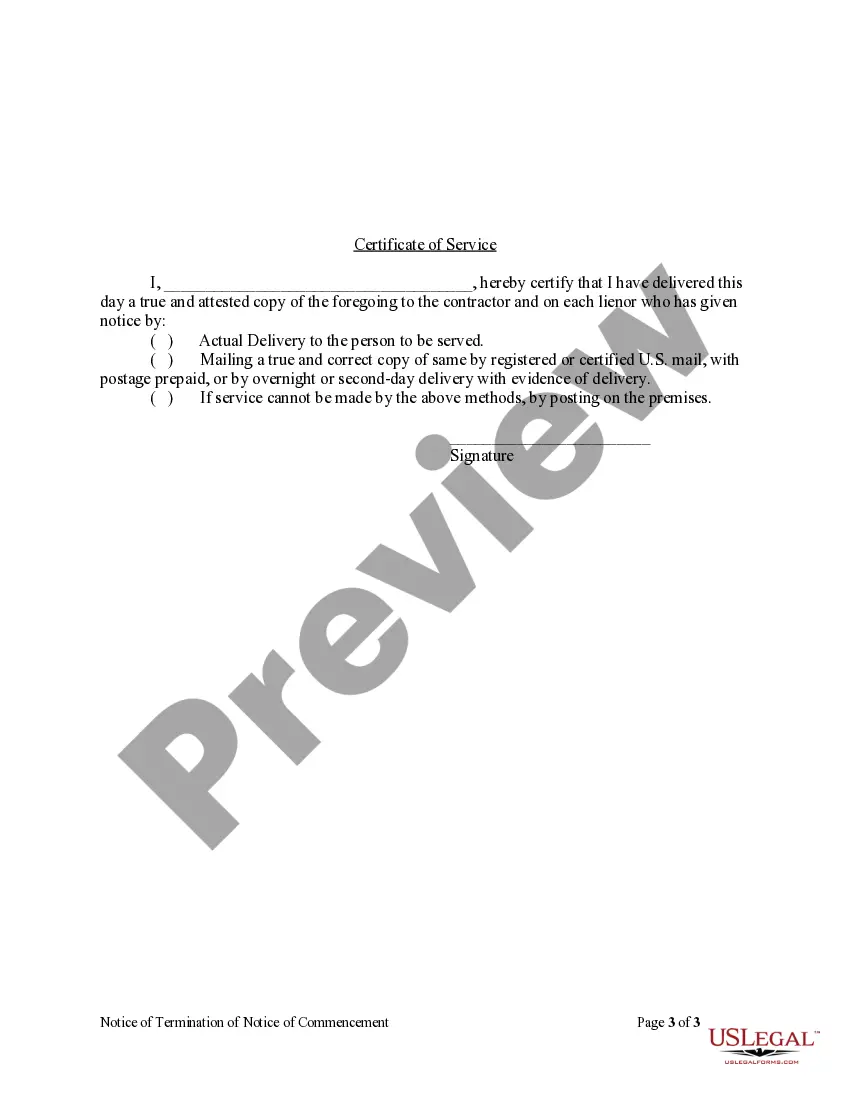
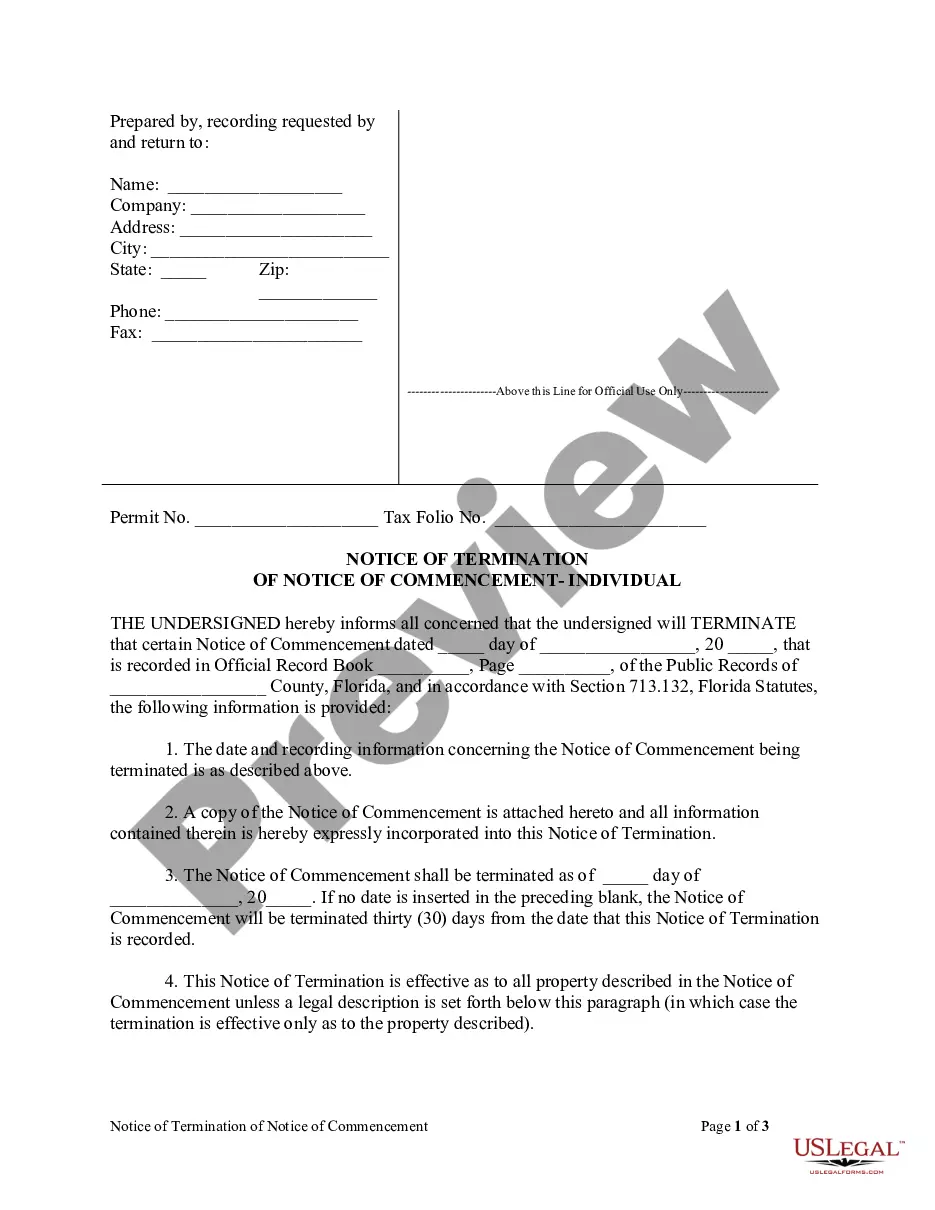
Get your form ready online
Our built-in tools help you complete, sign, share, and store your documents in one place.
Make edits, fill in missing information, and update formatting in US Legal Forms—just like you would in MS Word.
Download a copy, print it, send it by email, or mail it via USPS—whatever works best for your next step.
Sign and collect signatures with our SignNow integration. Send to multiple recipients, set reminders, and more. Go Premium to unlock E-Sign.
If this form requires notarization, complete it online through a secure video call—no need to meet a notary in person or wait for an appointment.
We protect your documents and personal data by following strict security and privacy standards.

Make edits, fill in missing information, and update formatting in US Legal Forms—just like you would in MS Word.

Download a copy, print it, send it by email, or mail it via USPS—whatever works best for your next step.

Sign and collect signatures with our SignNow integration. Send to multiple recipients, set reminders, and more. Go Premium to unlock E-Sign.

If this form requires notarization, complete it online through a secure video call—no need to meet a notary in person or wait for an appointment.

We protect your documents and personal data by following strict security and privacy standards.
Looking for another form?
How to fill out Florida Notice Of Termination Of Notice Of Commencement Form - Construction - Mechanic Liens - Corporation Or LLC?
- If you have an existing account with US Legal Forms, log in and download the form template you need. Ensure that your subscription is active; otherwise, renew it as per your payment plan.
- For new users, start by browsing through the available templates. Check the Preview mode and descriptions to confirm you select the right document compliant with your local laws.
- Utilize the Search tab to find alternate templates if the first option does not meet your criteria.
- Click the Buy Now button next to your selected form. Choose a subscription plan that fits your needs, but remember that registration is required for access.
- Complete your purchase by providing your credit card information or opting for PayPal to pay for the subscription.
- Download your form once the payment is processed. You can always access it later via the My Forms section of your profile.
By using US Legal Forms, you can take advantage of a vast collection of legal documents tailored for various needs, ensuring your rental property LLC setup is smooth and legally sound.
Start your hassle-free documentation journey today with US Legal Forms — protect your investment with our expert resources.
Form popularity
FAQ
The best LLC structure for rental properties typically involves a single-member LLC or a multi-member LLC, depending on your ownership situation. A single-member LLC offers simplicity and straightforward tax advantages, while a multi-member LLC can provide shared responsibility and risk management. When choosing your structure, consider factors like tax implications, liability protection, and how much control you want over the property. Using the US Legal Forms platform can help simplify the setup process and ensure compliance with all legal requirements for your LLC.
To place your rental property in a limited liability company for rental property, start by choosing a unique name for your LLC that complies with state regulations. Next, prepare and file the necessary formation documents with your state’s Secretary of State. After forming your LLC, you will need to transfer the ownership of the property to this entity by executing a deed. You should also update your insurance policy to reflect the LLC as the property owner to enhance your liability protection.
To place your rental property into a limited liability company for rental property, start by forming the LLC through state registration. This process typically involves filing necessary documents and paying registration fees. After your LLC is established, you will need to officially transfer the property title to the LLC, which may require additional paperwork. Using platforms like uslegalforms can streamline this process and ensure your forms are correctly filled out.
Yes, you can put your rental property in a limited liability company for rental property even if you have a mortgage. However, you must understand the implications and possibly seek your lender's approval before transferring the property. It's crucial to be aware that this might alter your mortgage terms, so discussing your intentions with a legal expert or advisor can be beneficial.
When you transfer property to a limited liability company for rental property, there can be tax implications, depending on various factors. This transfer may trigger a taxable event, possibly resulting in capital gains tax. Additionally, properties owned by an LLC may have different tax regulations than personally owned properties. Therefore, it's advisable to consult a tax professional to navigate these complexities.
Transferring a mortgage to a limited liability company for rental property is generally possible, but it depends on your lender's terms. Many lenders require their approval for such a transfer, and some may not allow it at all. Before proceeding, you must check with your lender and consider the potential impact on your mortgage terms. Consulting with a legal professional can help clarify your options.
One disadvantage of putting property in a limited liability company for rental property is the potential for increased costs. Establishing and maintaining an LLC involves filing fees and ongoing compliance requirements, which can add up over time. Furthermore, in some cases, you may lose certain tax benefits, including the ability to deduct losses from your personal income. It's essential to weigh these factors carefully.
The 50% rule in rental property investing states that you should expect your operating expenses to equal approximately 50% of your rental income. This guideline helps you budget for costs like maintenance, property management, and taxes, ensuring you remain profitable. Understanding this rule is crucial when assessing the financial viability of your investment. By establishing a limited liability company for rental property, you can efficiently manage and analyze these finances.
For rental property, a standard single-member or multi-member LLC is generally the best option. This structure provides the necessary legal protections and tax benefits for managing rental activities. Additionally, consider your long-term goals and the number of properties you plan to manage, as these factors may influence your decision. Choosing a limited liability company for rental property is a wise choice for minimizing risk and enhancing your investment strategy.
Filing taxes for a rental LLC involves reporting income and expenses on your personal tax return, assuming you chose a single-member LLC structure. If your LLC has multiple members, you will file a separate partnership return using Form 1065. Keep detailed records of income, expenses, and any deductions available to you. Using a limited liability company for rental property simplifies tax reporting and can result in valuable tax benefits.