Connecticut Divorce Requirements
Description
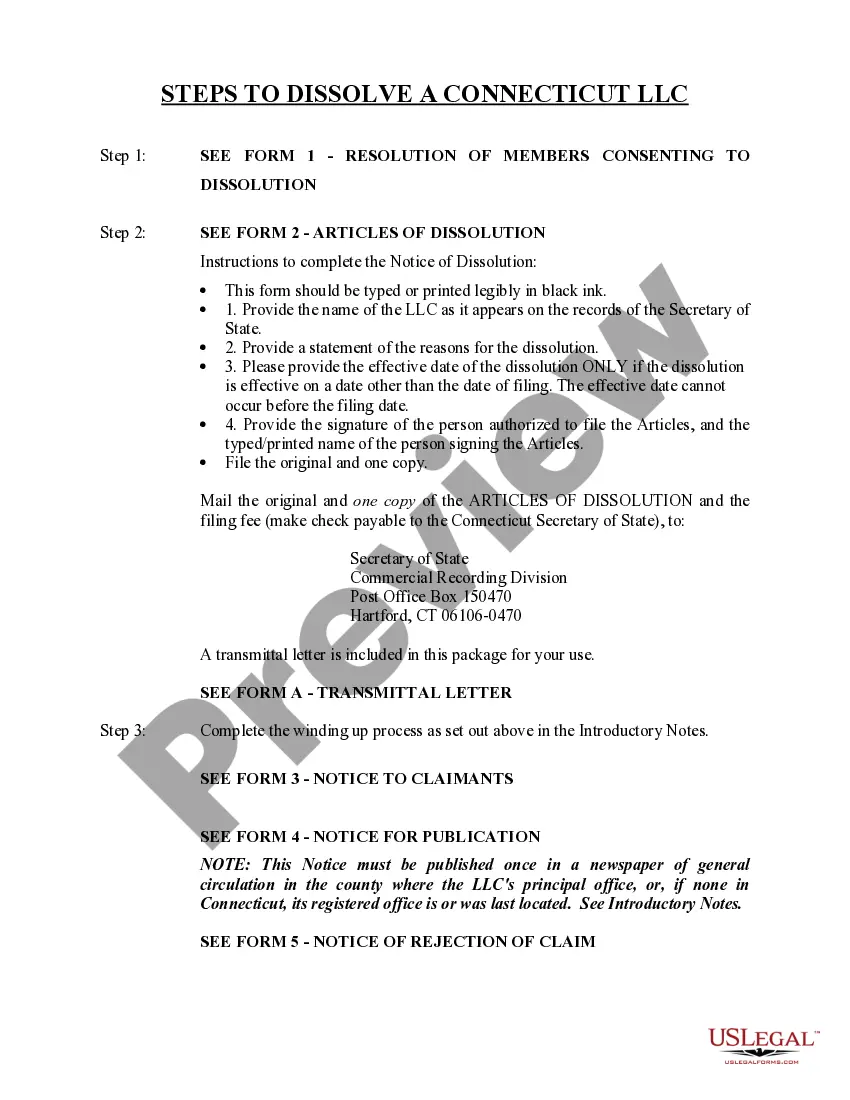


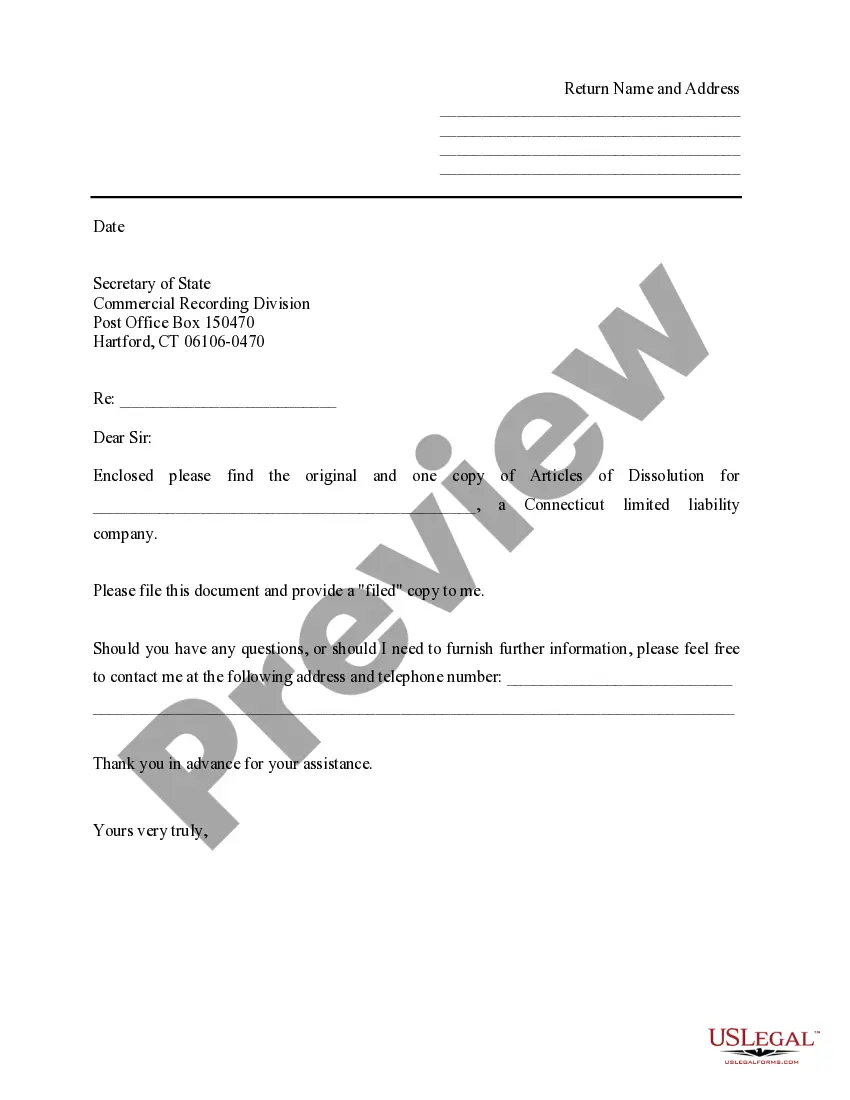
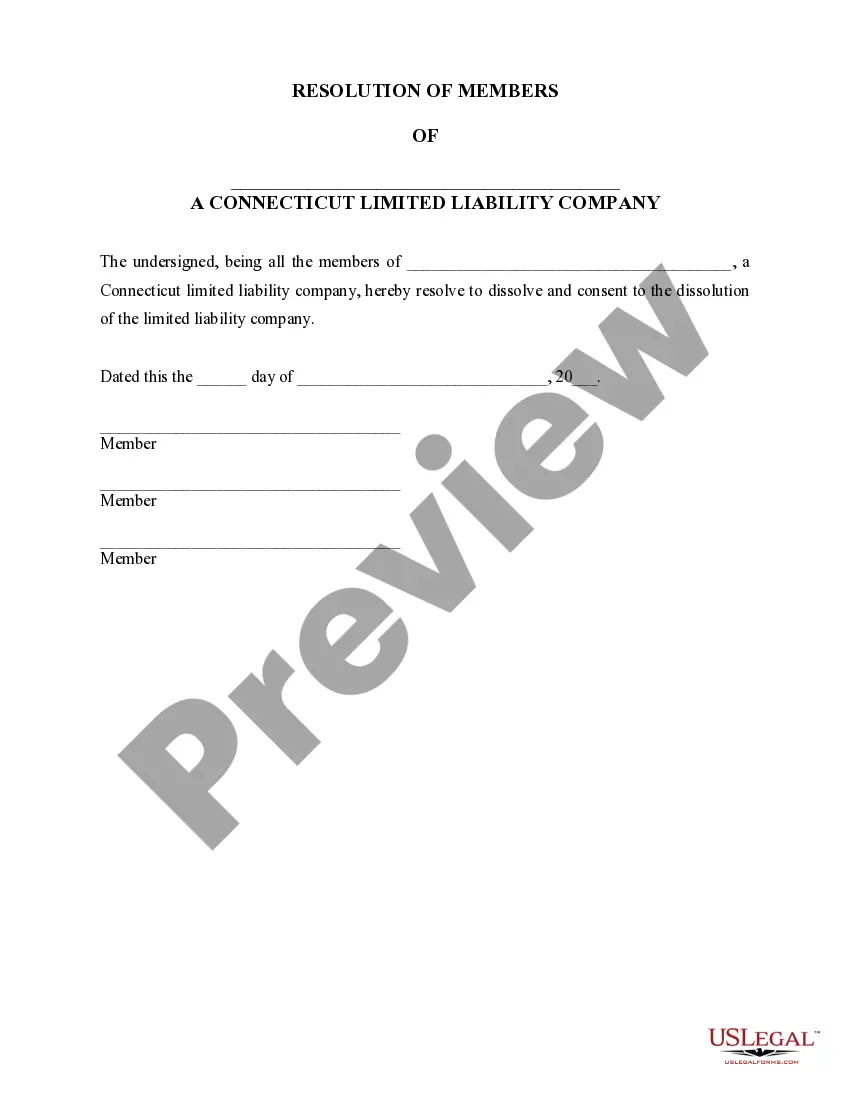

Get your form ready online
Our built-in tools help you complete, sign, share, and store your documents in one place.
Make edits, fill in missing information, and update formatting in US Legal Forms—just like you would in MS Word.
Download a copy, print it, send it by email, or mail it via USPS—whatever works best for your next step.
Sign and collect signatures with our SignNow integration. Send to multiple recipients, set reminders, and more. Go Premium to unlock E-Sign.
If this form requires notarization, complete it online through a secure video call—no need to meet a notary in person or wait for an appointment.
We protect your documents and personal data by following strict security and privacy standards.

Make edits, fill in missing information, and update formatting in US Legal Forms—just like you would in MS Word.

Download a copy, print it, send it by email, or mail it via USPS—whatever works best for your next step.

Sign and collect signatures with our SignNow integration. Send to multiple recipients, set reminders, and more. Go Premium to unlock E-Sign.

If this form requires notarization, complete it online through a secure video call—no need to meet a notary in person or wait for an appointment.

We protect your documents and personal data by following strict security and privacy standards.
Looking for another form?
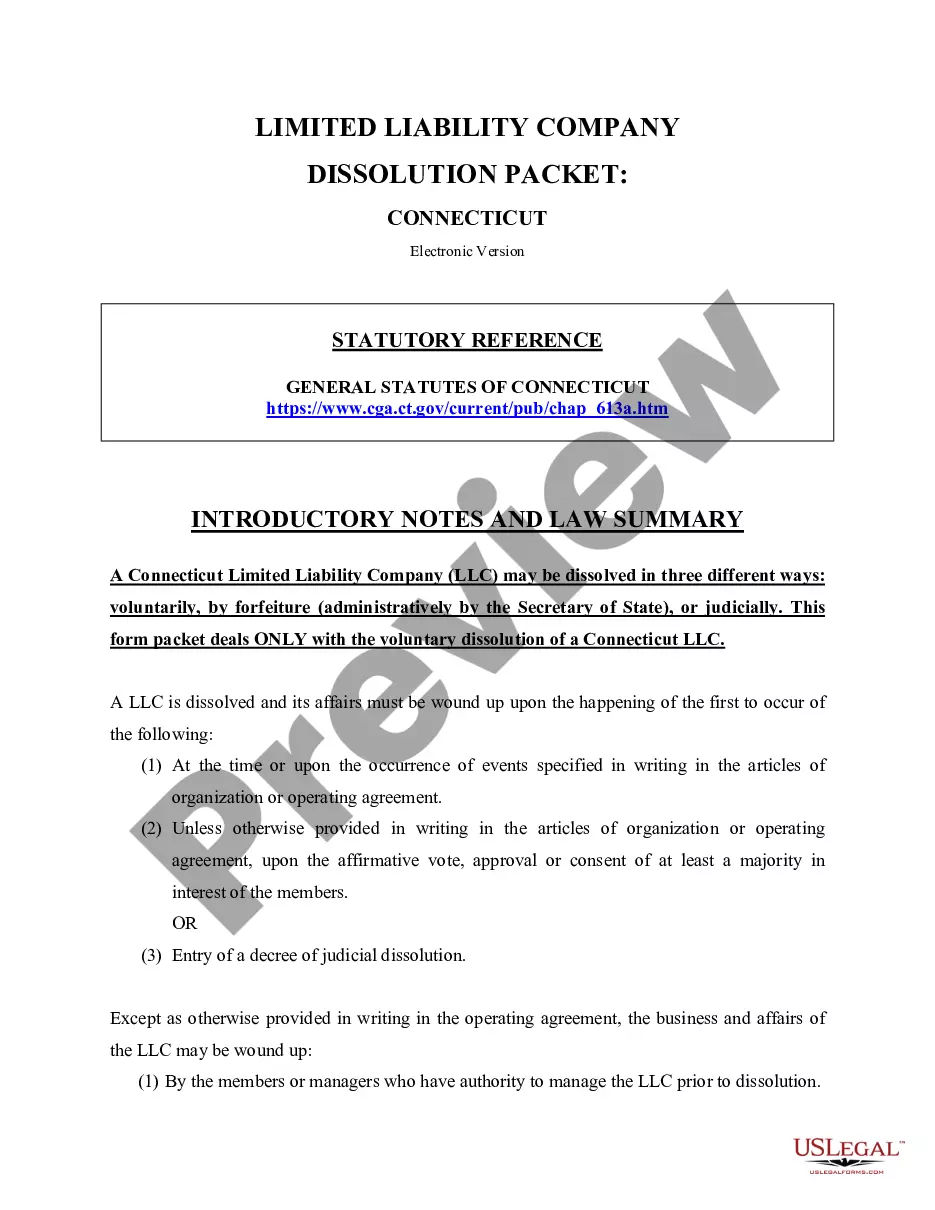
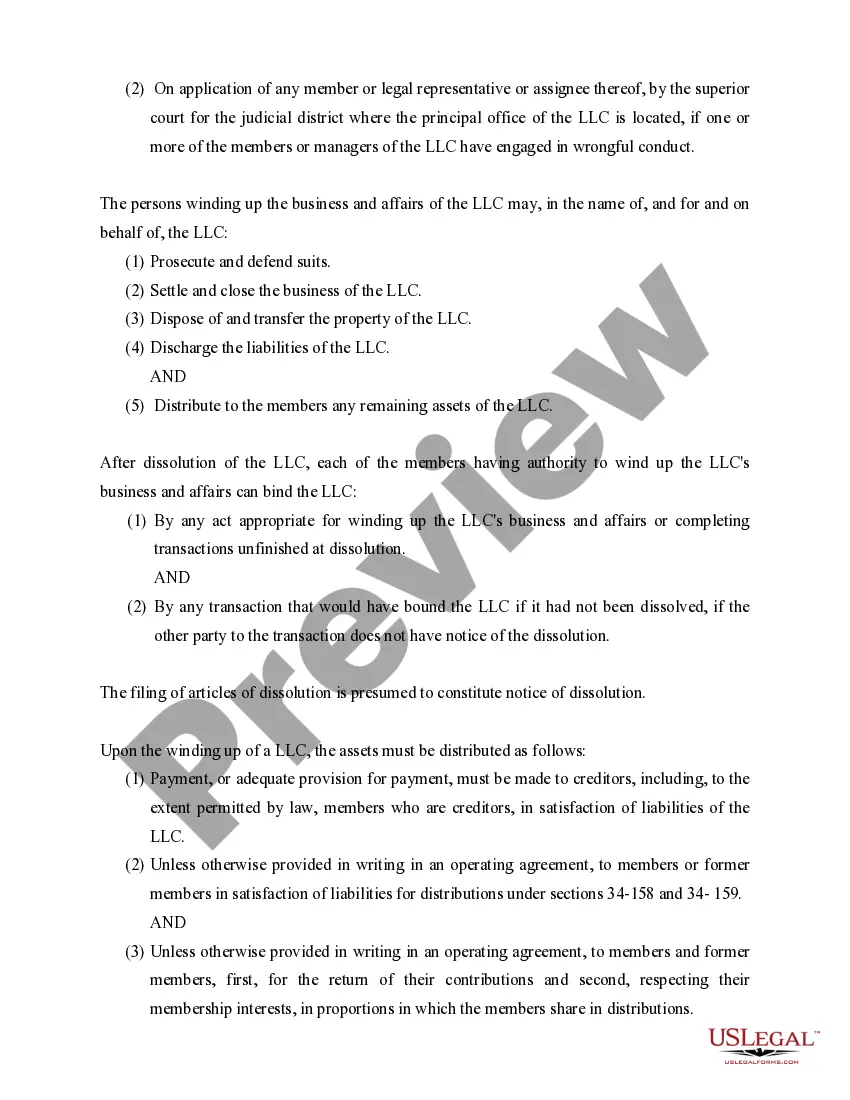
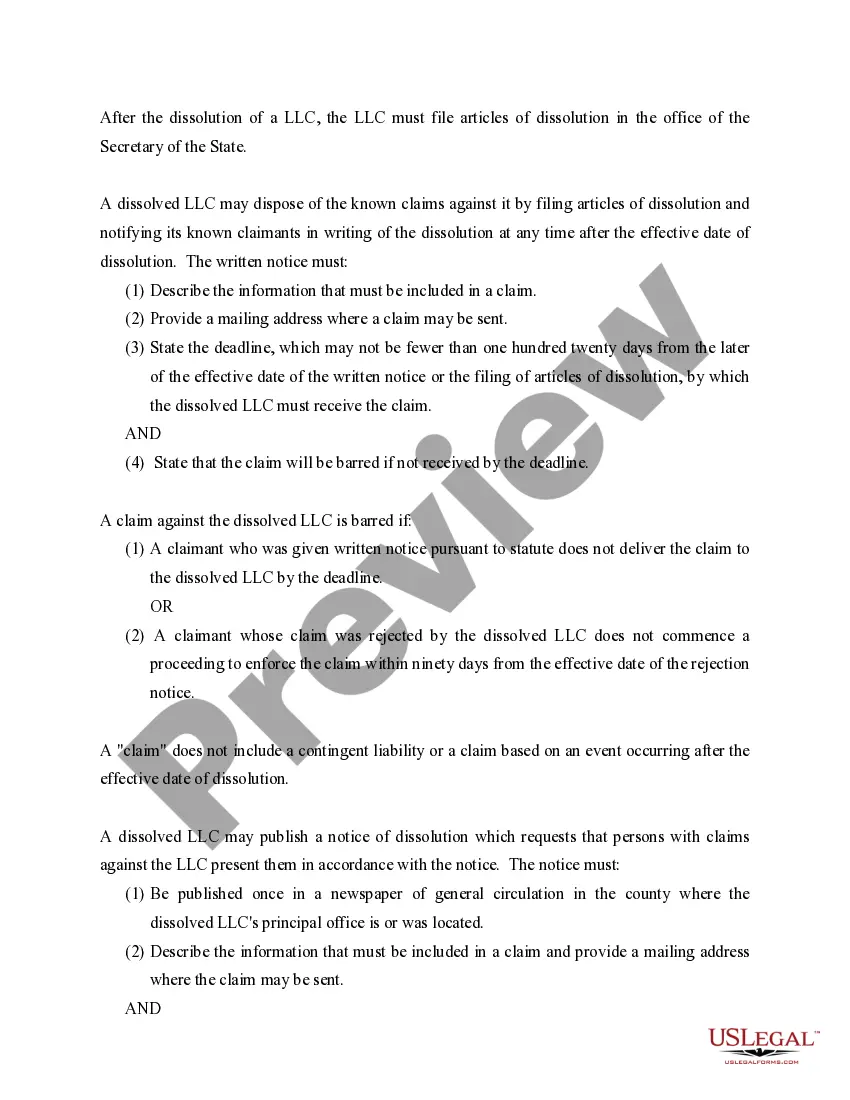
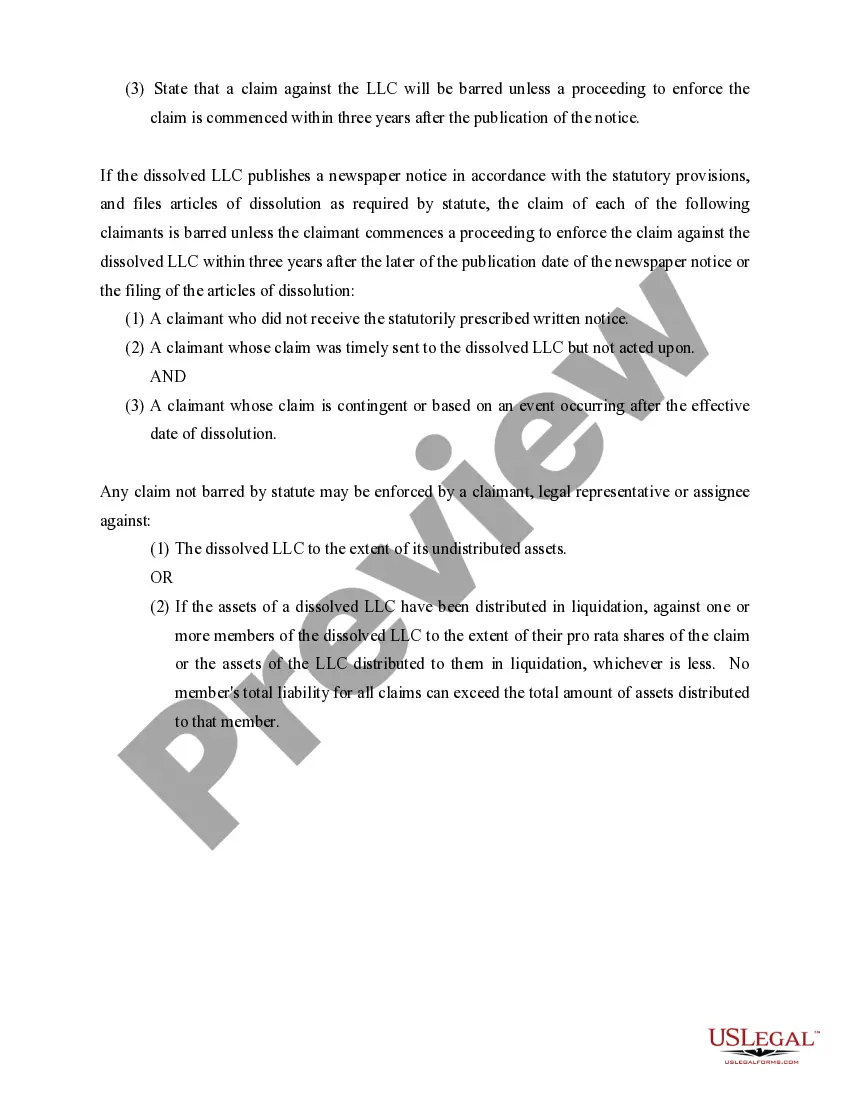
How to fill out Connecticut Dissolution Package To Dissolve Limited Liability Company LLC?
Regardless of whether for corporate reasons or personal matters, everyone must confront legal scenarios at some point in their lives.
Completing legal documents necessitates meticulous care, starting with selecting the appropriate form template.
With an extensive US Legal Forms catalog available, there is no need to waste time searching for the suitable template online. Take advantage of the library’s straightforward navigation to find the right template for any event.
- For instance, if you select an incorrect version of a Connecticut Divorce Requirements, it will be rejected once submitted.
- Thus, it is crucial to obtain a trustworthy source of legal documents like US Legal Forms.
- If you need to acquire a Connecticut Divorce Requirements template, follow these straightforward instructions.
- Retrieve the template you require by using the search bar or catalog browsing.
- Review the form’s description to ensure it aligns with your situation, state, and county.
- Click on the form’s preview to examine it.
- If it is not the correct document, return to the search option to find the Connecticut Divorce Requirements sample you need.
- Obtain the file if it satisfies your criteria.
- If you already possess a US Legal Forms account, simply click Log in to access previously stored files in My documents.
- If you do not have an account yet, you can download the form by clicking Buy now.
- Choose the appropriate pricing option.
- Fill out the account registration form.
- Select your payment method: use a credit card or PayPal account.
- Choose the document format you prefer and download the Connecticut Divorce Requirements.
- Once saved, you can complete the form using editing software or print it out and finish it manually.
Form popularity
FAQ
In Connecticut, to begin a divorce, you must fill two forms i.e. the Summons Family Actions and the Divorce or Cross Complaint. Apart from asking the court for a divorce, you can also ask the court to divide your property, determine the alimony, child custody, child support and also restore your name prior to marriage.
You follow the same procedure, but you must fill out and file all the legal forms yourself. The Do-It-Yourself Divorce Guide and Do-It-Yourself Guide Supplement (must be used together) are written to help people without legal training use Connecticut State Courts to obtain a divorce without the use of an attorney.
To initiate a divorce in Connecticut, you or your attorney must, at a minimum, serve and file a ?Summons,? ?Complaint,? and ?Notice of Automatic Orders.? Generally speaking, these documents explain how you meet the residency requirement, some basic facts about your marriage, the grounds for divorce, and flag requests ...
It's important to know that they do not. In Connecticut divorces, you still must have ?Plaintiff? (the person who files first) and a ?Defendant,? (the spouse of the person who files first. But there is no implication to the court that the Plaintiff or Defendant is ?at fault? for the marriage ending.
Connecticut has a mandatory waiting period before a judge may sign your final divorce decree. The minimum wait time depends on the type of divorce you're seeking. If you and your spouse file for a "non-adversarial" divorce, you may finalize your divorce after 30 days from when you signed the joint petition.