Tenant Notice Vacating With The Owner
Description


Get your form ready online
Our built-in tools help you complete, sign, share, and store your documents in one place.
Make edits, fill in missing information, and update formatting in US Legal Forms—just like you would in MS Word.
Download a copy, print it, send it by email, or mail it via USPS—whatever works best for your next step.
Sign and collect signatures with our SignNow integration. Send to multiple recipients, set reminders, and more. Go Premium to unlock E-Sign.
If this form requires notarization, complete it online through a secure video call—no need to meet a notary in person or wait for an appointment.
We protect your documents and personal data by following strict security and privacy standards.

Make edits, fill in missing information, and update formatting in US Legal Forms—just like you would in MS Word.

Download a copy, print it, send it by email, or mail it via USPS—whatever works best for your next step.

Sign and collect signatures with our SignNow integration. Send to multiple recipients, set reminders, and more. Go Premium to unlock E-Sign.

If this form requires notarization, complete it online through a secure video call—no need to meet a notary in person or wait for an appointment.

We protect your documents and personal data by following strict security and privacy standards.
Looking for another form?








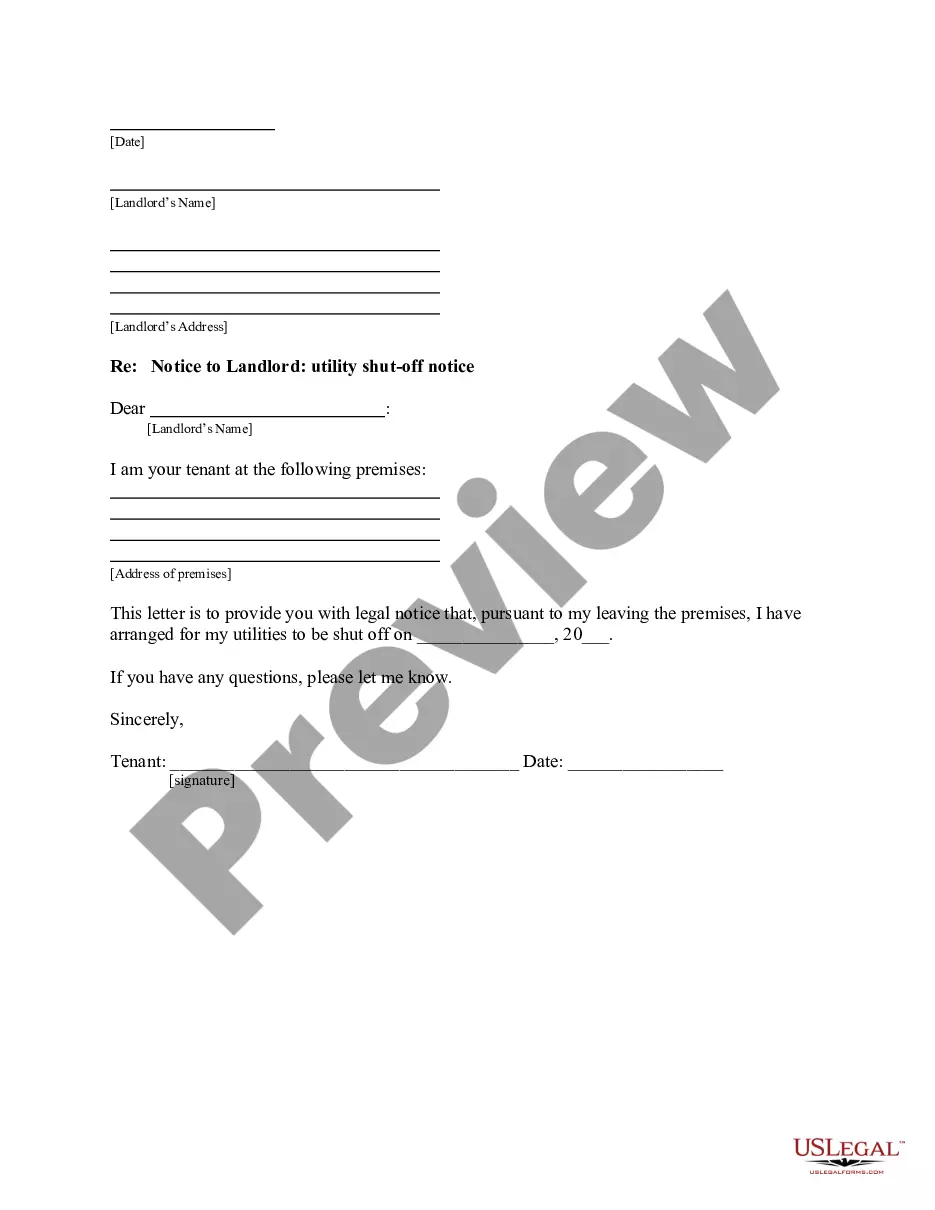
How to fill out Connecticut Letter From Tenant To Landlord - Utility Shut Off Notice To Landlord Due To Tenant Vacating Premises?
- If you are a returning user, log in to your account and select the necessary template to download it directly to your device. Ensure that your subscription is active; otherwise, renew it as needed.
- If you are new to US Legal Forms, begin by browsing the available forms. Preview the document descriptions to confirm that you select a template that complies with your local jurisdiction.
- Should you need a different template, utilize the Search feature located at the top of the page to find the right document that suits your requirements.
- To proceed with acquiring the document, click on the Buy Now button and choose a subscription plan that is best for you. An account registration is required to access the library’s full range of resources.
- Complete the purchase by entering your credit card information or opting to pay through your PayPal account.
- Finally, download your form and save it on your device. You can also revisit your documents anytime from the My Forms section of your profile.
By leveraging US Legal Forms, individuals and attorneys can efficiently handle their legal documentation needs. With access to an extensive library of over 85,000 forms, users can ensure that their documents are precise and tailored to their specific situations.
Don’t hesitate to start your journey with US Legal Forms today. Empower yourself with the tools necessary for effective legal communication!
Form popularity
FAQ
Yes, you should notify your landlord if your girlfriend moves in with you. Most rental agreements include clauses that require tenants to inform landlords about new occupants. Following this guideline helps ensure that you remain compliant with your lease and maintain a good relationship with your landlord. If you need assistance understanding the nuances of your lease, consider exploring the US Legal Forms platform for helpful resources.
Yes, someone can move in with you if you rent, but you must follow your lease's stipulations. If the lease states that you need permission from your landlord, be sure to seek that approval first. Understanding your rental agreement is crucial to avoiding issues related to unauthorized occupants. In case of uncertainties, the US Legal Forms platform can guide you in understanding your rights.
It is essential to inform your landlord if someone moves in with you. Many lease agreements include a clause about notifying the landlord regarding new tenants. This notification helps protect your rental rights and avoids potential eviction or lease violations. Open communication with your landlord creates a positive living environment.
Yes, you usually need to notify your landlord when someone moves in. Most leases require tenants to obtain permission for new occupants. This step ensures that everyone living in your rental is documented and approved, which protects both you and your landlord. Always check your lease to be certain of the requirements.
Generally, yes, you should inform your landlord about any roommates you plan to have. This requirement typically comes from your lease agreement. Notifying your landlord demonstrates transparency and helps maintain a good relationship. Remember, clear communication can prevent potential issues down the road.
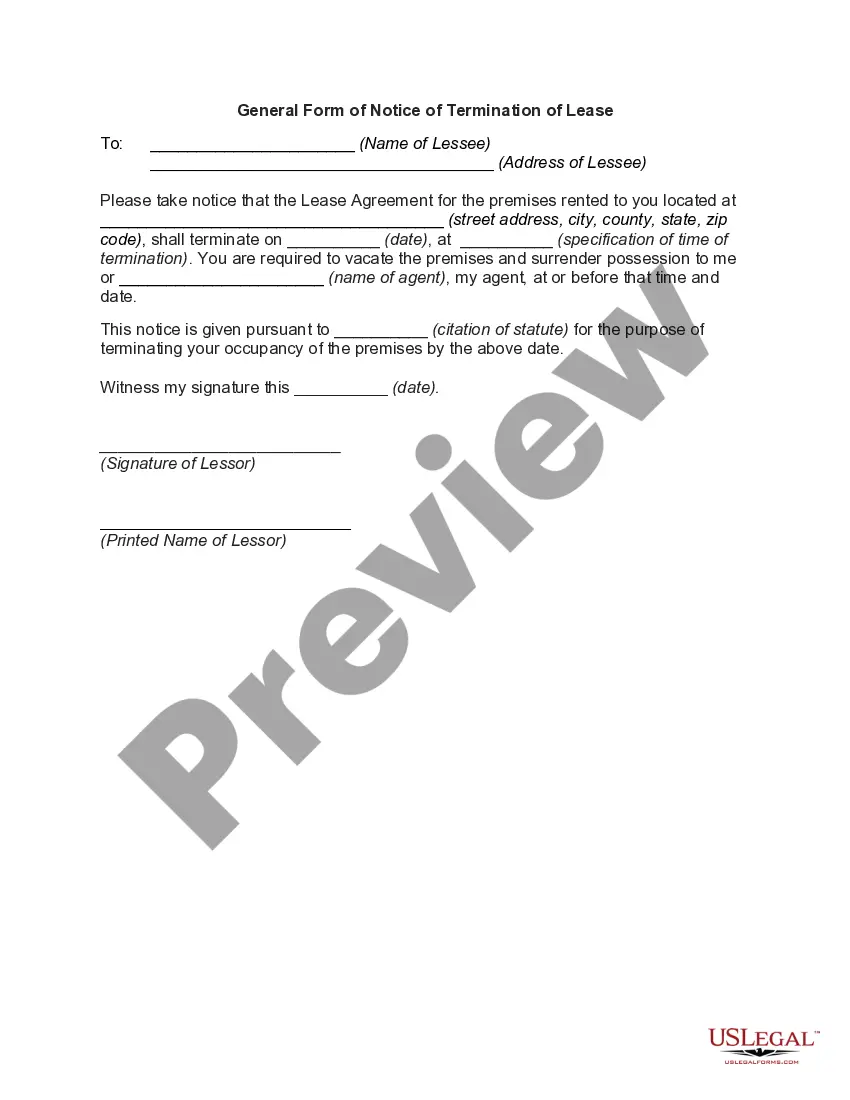
To write a letter from the landlord to the tenant to vacate, start with a clear subject and include the date. Be straightforward in stating the need for the tenant notice vacating with the owner, and specify the date by which the tenant needs to move out. It's advisable to reference any relevant lease clauses and ensure that the tone remains professional. Templates from platforms like USLegalForms can assist in crafting a proper letter.
If you have issued a tenant notice vacating with the owner, it may be possible to rescind it depending on the circumstances. Communicating directly with your tenant and discussing the matter openly can lead to a mutual agreement. However, if the tenant has already made plans based on your notice, they may choose to proceed with their move. Always consult legal resources to ensure you follow proper guidelines.
A notice to vacate is a request from the owner to the tenant to leave the property, while eviction is a legal action to remove the tenant forcibly. The tenant notice vacating with the owner can be seen as a preliminary step towards eviction if the tenant does not comply. Therefore, knowing this difference helps you handle tenancy issues more effectively.
In South Carolina, a 30-day notice is generally required for month-to-month leases to inform the tenant to vacate. The tenant notice vacating with the owner must be written and delivered properly to be effective. This notice period allows both parties to prepare for the transition. Understanding your state’s regulations ensures compliance and a smooth process.
In Arkansas, the eviction process typically begins with the owner providing a formal tenant notice vacating with the owner. If the tenant fails to vacate, the owner can file an eviction lawsuit in court. The process includes a court hearing and, if the owner wins, a judgment to remove the tenant. Resources like USLegalForms can help navigate the specific paperwork and legal steps.