Limited Liability For Llc
Description
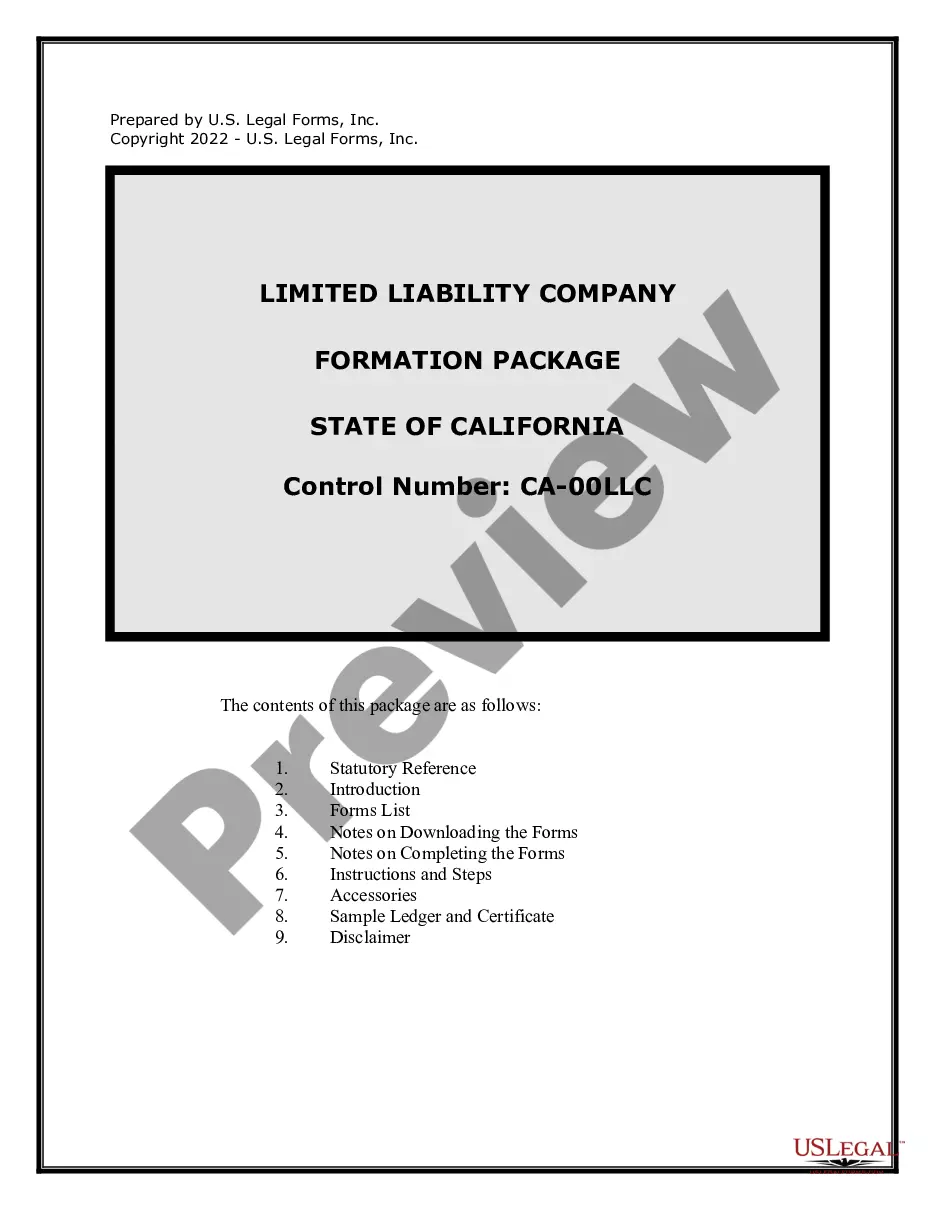
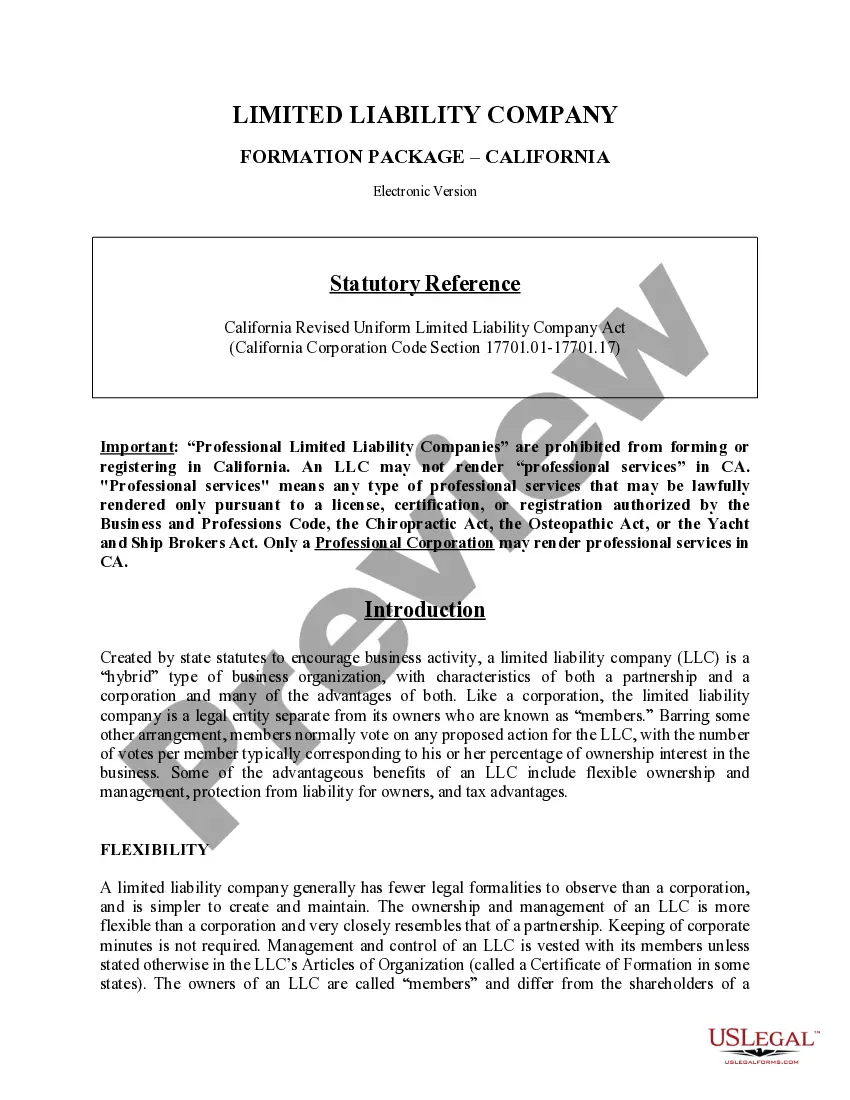
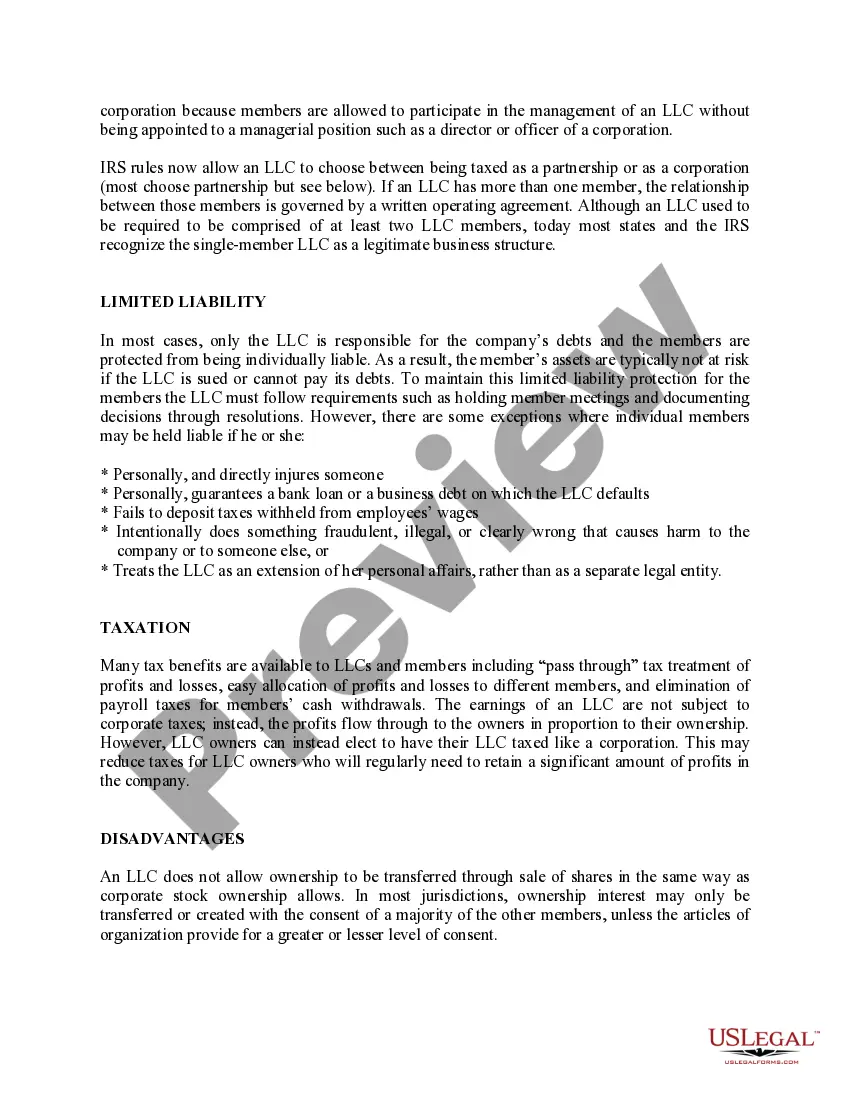
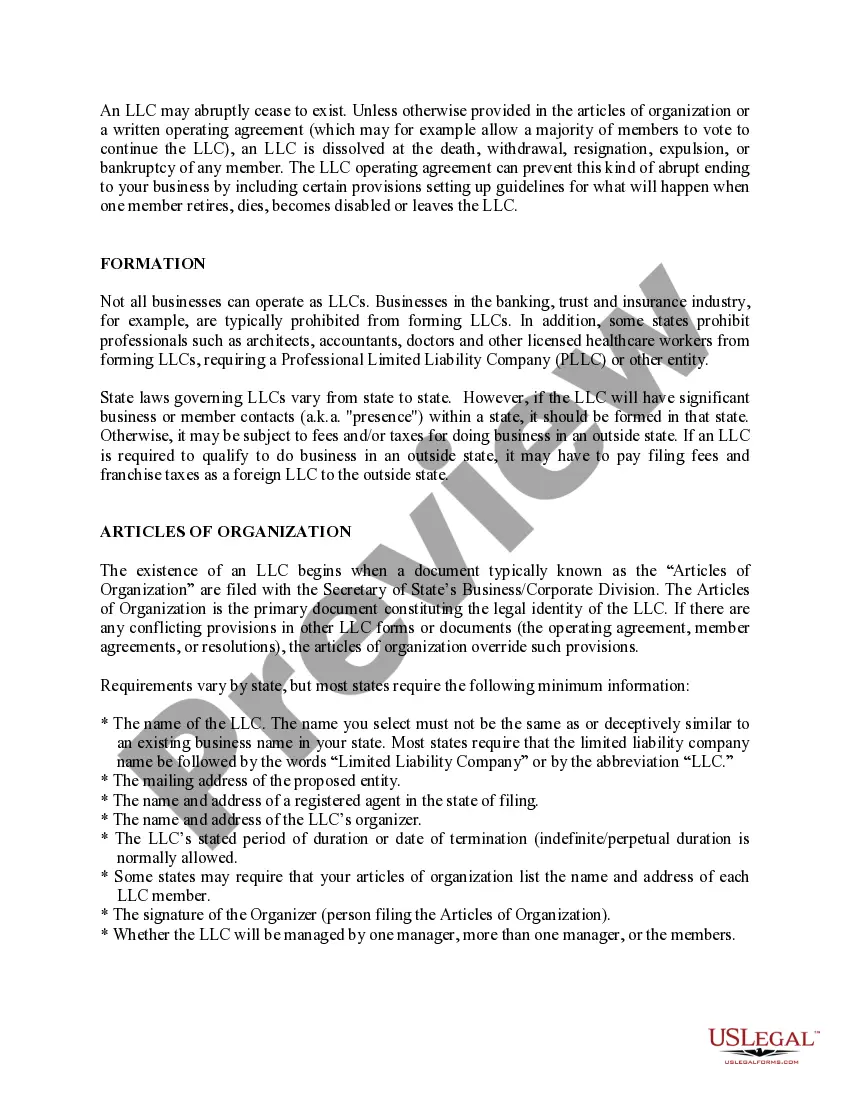

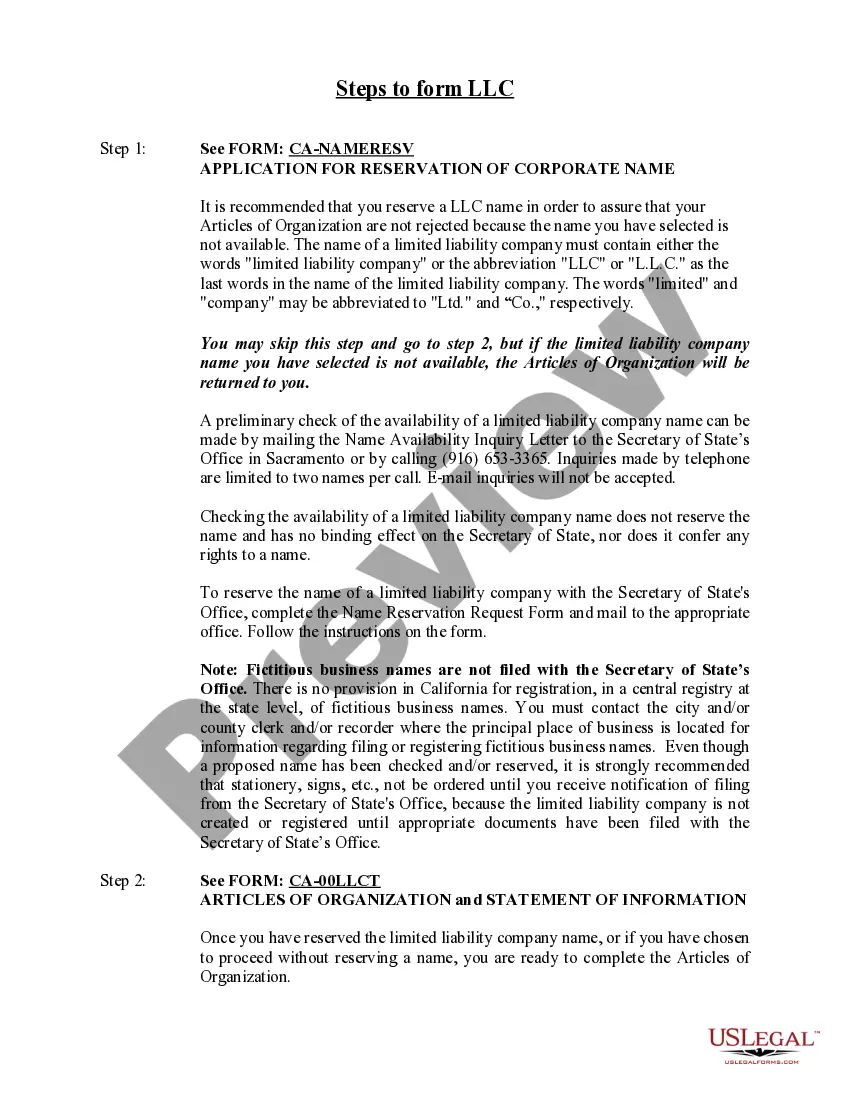

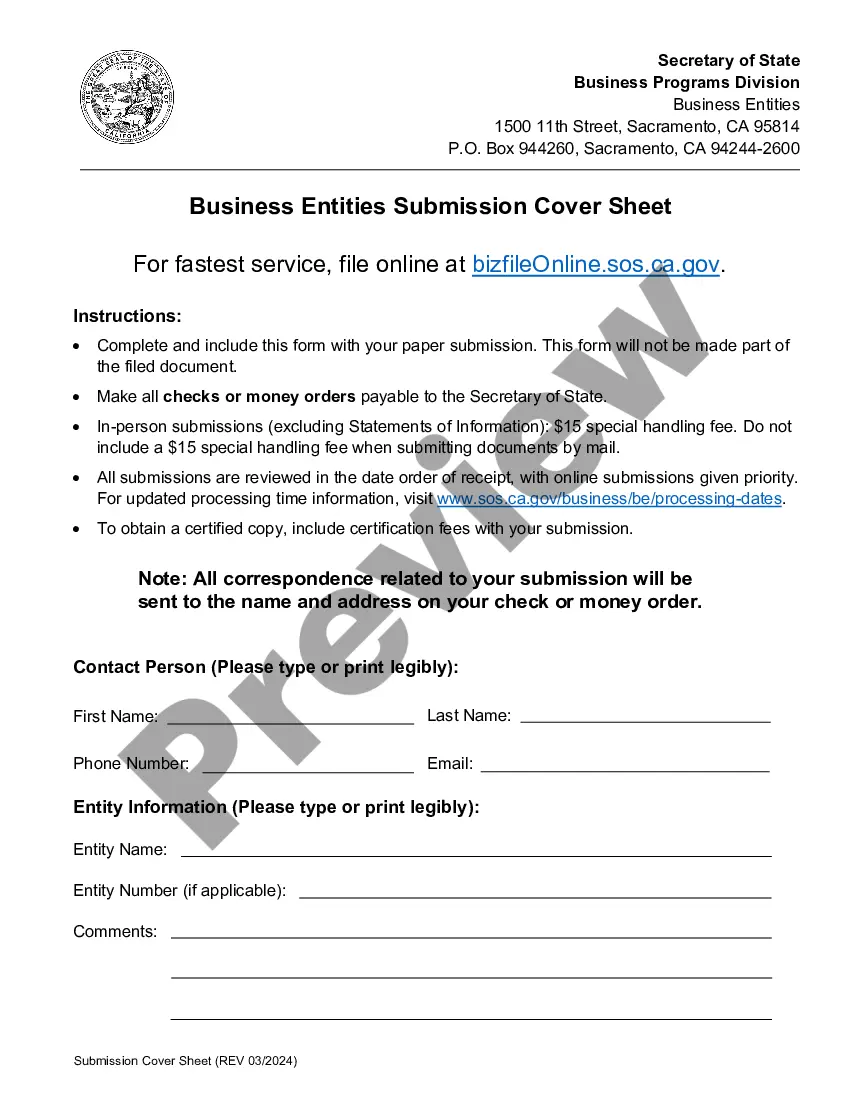
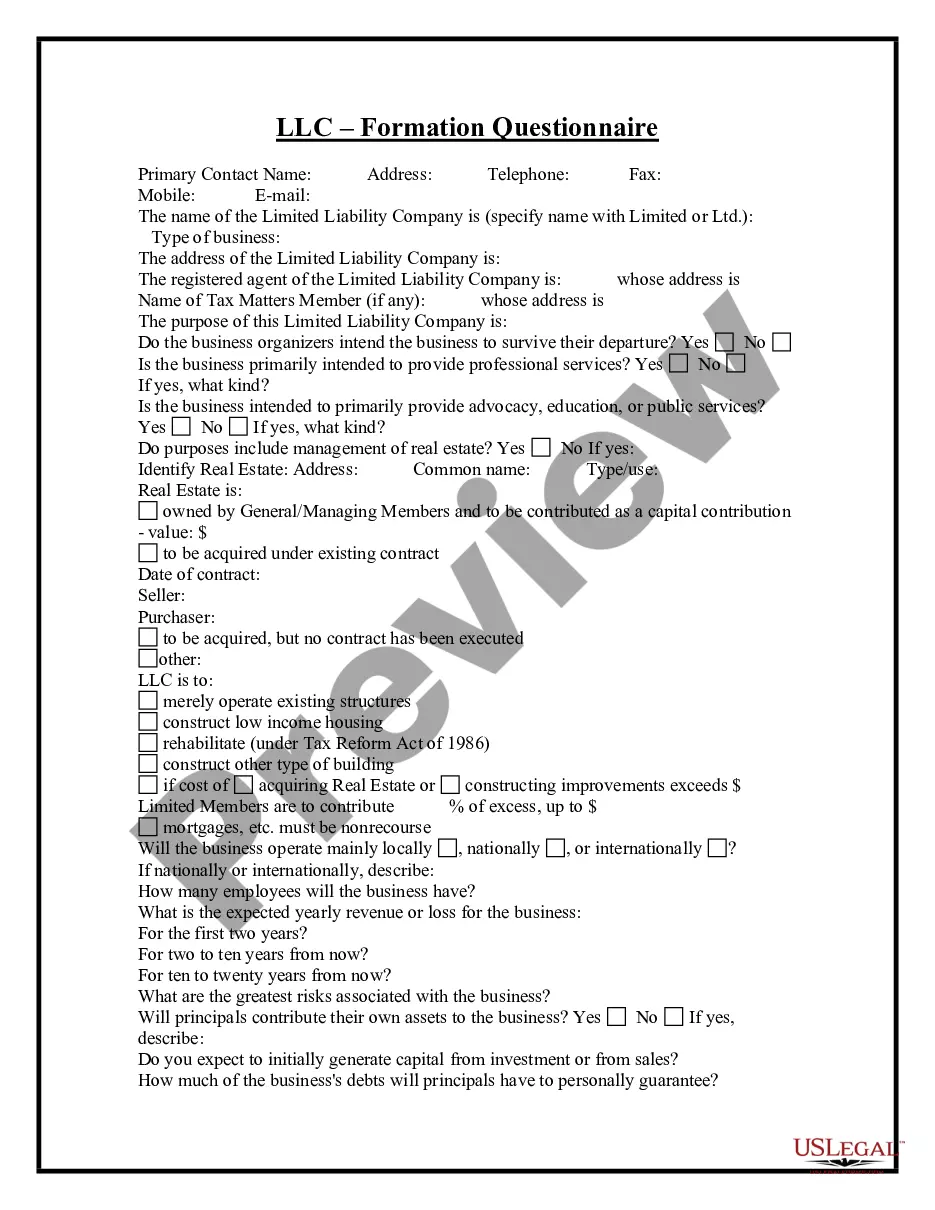
Get your form ready online
Our built-in tools help you complete, sign, share, and store your documents in one place.
Make edits, fill in missing information, and update formatting in US Legal Forms—just like you would in MS Word.
Download a copy, print it, send it by email, or mail it via USPS—whatever works best for your next step.
Sign and collect signatures with our SignNow integration. Send to multiple recipients, set reminders, and more. Go Premium to unlock E-Sign.
If this form requires notarization, complete it online through a secure video call—no need to meet a notary in person or wait for an appointment.
We protect your documents and personal data by following strict security and privacy standards.

Make edits, fill in missing information, and update formatting in US Legal Forms—just like you would in MS Word.

Download a copy, print it, send it by email, or mail it via USPS—whatever works best for your next step.

Sign and collect signatures with our SignNow integration. Send to multiple recipients, set reminders, and more. Go Premium to unlock E-Sign.

If this form requires notarization, complete it online through a secure video call—no need to meet a notary in person or wait for an appointment.

We protect your documents and personal data by following strict security and privacy standards.
Looking for another form?






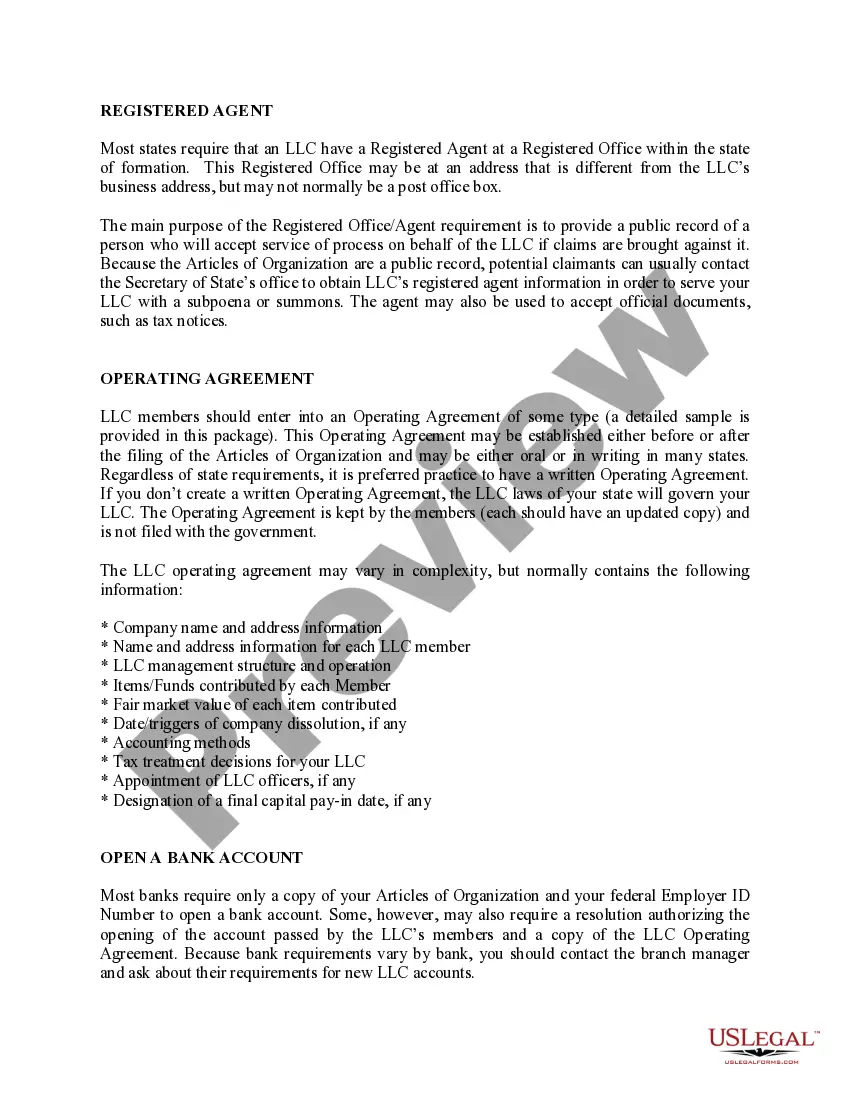
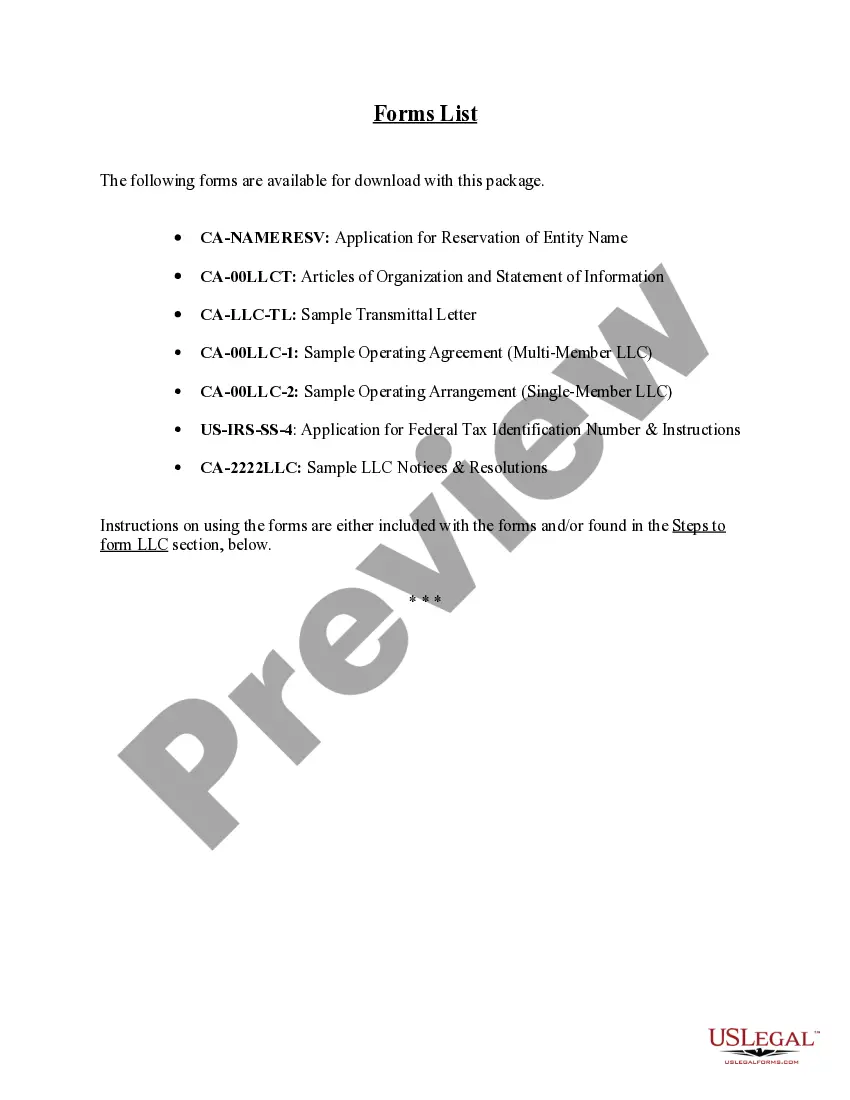
How to fill out California Limited Liability Company LLC Formation Package?
- Log in to your US Legal Forms account if you are a returning user. Verify your subscription status to ensure access to all forms.
- For new users, start by browsing the Preview mode and descriptions of available forms to find the one that fits your needs and meets local jurisdiction requirements.
- If you require a different document, use the Search tab to locate the appropriate template.
- Once you have identified the correct form, click on the Buy Now button and choose a suitable subscription plan, which may require account registration.
- Complete your purchase by entering your payment details, either via credit card or PayPal.
- Download your chosen form and save it to your device. You'll find it later in the My Forms section of your account.
In conclusion, US Legal Forms empowers users with a robust collection of legal documents, ensuring that you can effectively manage your LLC's limited liability. With over 85,000 fillable forms, you can trust that your legal needs are covered.
Take the first step toward securing your LLC today by visiting US Legal Forms.
Form popularity
FAQ
In Maryland, beginning an LLC requires you to select a name that includes 'Limited Liability Company' or its abbreviation. You will need to file articles of organization with the Maryland State Department of Assessments and Taxation. It's also important to establish your operating agreement, which outlines the management structure, as this helps maintain the limited liability for LLCs. To streamline this process, consider resources provided by uslegalforms.
To start an LLC in Nebraska, you need to choose a unique name that complies with state regulations. Filing articles of organization with the Nebraska Secretary of State is essential, along with paying the required fees. Moreover, ensuring you have a registered agent who can accept legal documents on behalf of your LLC is vital for maintaining limited liability for LLCs. Using platforms like uslegalforms can guide you through these steps efficiently.
Yes, you can file your LLC by yourself if you are comfortable with the process. However, navigating the requirements for limited liability for LLCs can be complex. Utilizing resources or platforms like uslegalforms can simplify the process and ensure that you meet all necessary legal requirements. This helps you avoid potential pitfalls and fosters a smooth formation of your business.
Generally, an LLC protects its members from personal lawsuits arising from business activities. However, there are exceptions, such as instances of personal misconduct or if personal guarantees are made for certain debts. To ensure that you maximize limited liability for your LLC, it’s wise to consult with legal professionals or use platforms like US Legal Forms for guidance in setting up and maintaining your LLC.
An LLC limits liability by legally separating personal assets from business obligations. This structure protects members from being personally responsible for the LLC's liabilities. Consequently, if your business faces a lawsuit or debt, creditors usually can only go after the business assets, preserving your personal wealth and investments, which is a key benefit of forming an LLC.
An LLC typically covers personal liability for debts and obligations of the business, meaning members generally do not use their personal assets to satisfy business debts. However, the specific amount can depend on various factors, including the state where the LLC is formed and the nature of any claims. Understanding the limits of liability for your LLC can help you better protect your personal assets.
To limit liability in an LLC, you should maintain proper business records and treat the LLC as a separate entity. This means having separate bank accounts, conducting official meetings, and documenting decisions. By following these practices, you reinforce the legal separation between personal and business assets, effectively ensuring limited liability for your LLC.
Limited companies, while beneficial, also come with their share of disadvantages. For instance, they often require extensive administrative work, including detailed record-keeping and compliance with regulations. Moreover, limited liability for LLCs and companies can sometimes be misleading, as personal guarantees or professional negligence can still place personal assets at risk.
An LLC provides limited liability protection, which means that members are typically not personally liable for the company's debts or liabilities. In most cases, creditors can pursue only the assets of the LLC, shielding personal assets from business-related risks. This structure supports stability, allowing members to focus on business growth rather than worrying about undue asset exposure.
Limited liability partnerships (LLPs) offer some protection like LLCs; however, they also have drawbacks. One significant disadvantage is the potential for limited liability to be compromised by certain actions of partners, leading to personal exposure in lawsuits. Additionally, not all states allow LLPs, which may restrict your business's operational options compared to opting for limited liability for LLC.